
15 Under Bathroom Sink Organization Ideas
Disclosure: This post contains affiliate links. As an Amazon Associate I earn from qualifying purchases. If you buy through these links, I may earn a small commission at no extra cost to you. Read our full disclaimer.
The cabinet under the bathroom sink is one of those spaces that gets messy without anyone noticing. A bottle gets pushed to the back, a new one gets bought, a spare roll of toilet paper gets squeezed in sideways, and before long you have to empty half the cabinet to find the cleaner you need. It’s an awkward space, with pipes in the middle and doors that only open so far, which is exactly why a little planning helps so much.
These under bathroom sink organization ideas work for small bathrooms and rentals. Most need no tools, and the few that do are easy to undo.
Quick answer: The best way to organize under a bathroom sink is to empty it, toss expired and nearly empty products, and then use the space in layers: stackable clear drawers or a two-tier organizer that fits around the pipes, a caddy for cleaning supplies, a tray for daily bottles, and the inside of the doors for hooks or small bins. Group items by type, label them, and keep cleaners out of reach of kids with a cabinet lock.
Before You Start: Clear Out and Measure
Start by taking everything out and wiping the cabinet floor. This is a good moment to check for leaks or water damage around the pipes. If you see dampness, soft spots or drips, let your landlord or a plumber know before you put anything back. Small leaks under a sink are a common cause of hidden moisture, and the EPA’s guide to mold and moisture at home explains why it’s worth fixing water problems quickly.
Next, sort what you removed:
- Toss expired products, dried-out items and empty or nearly empty bottles.
- Combine duplicates when it’s safe, such as two half bottles of the same shampoo. Never mix different cleaning products together.
- Relocate anything that doesn’t belong in the bathroom.
- Keep what you use regularly and a reasonable number of backups.
Then measure. Note the width and depth of the cabinet, the height from the floor to the bottom of the pipes, and where the pipes sit. Most of the frustration with under-sink organizers comes from buying something that collides with the drain. A simple sketch on your phone with the measurements makes shopping much easier.
Before you buy anything, think about how you use the bathroom each day. The things you reach for every morning should go at the front, and backups and rarely used items can go at the back or in a top drawer. Planning those zones first makes it easier to pick the right containers.
Finally, think about who uses the bathroom. If you have small children, move cleaning products to a higher spot or add a child safety lock to the cabinet doors.
Map the cabinet into zones. Before you buy anything, decide what goes where. A simple plan for most bathroom cabinets:
- Front and center: things you use every day or every week, like a backup of your daily shampoo, a hand towel or your hair dryer.
- Left and right of the pipes: drawers or bins for backups, skincare and first aid.
- Back of the cabinet: bulk refills and rarely used items.
- Doors: small, light things like brushes, cotton pads or a cleaning cloth.
- Highest point you can reach (if there’s room above the drain): lightweight items like spare toilet paper.
Keep safety in mind from the start. If children or pets live with you or visit, put cleaning products in one caddy on the highest shelf or in the back, and add a cabinet lock. Keep products in their original containers so the labels and directions stay with them.
Bins, Shelves and Caddies
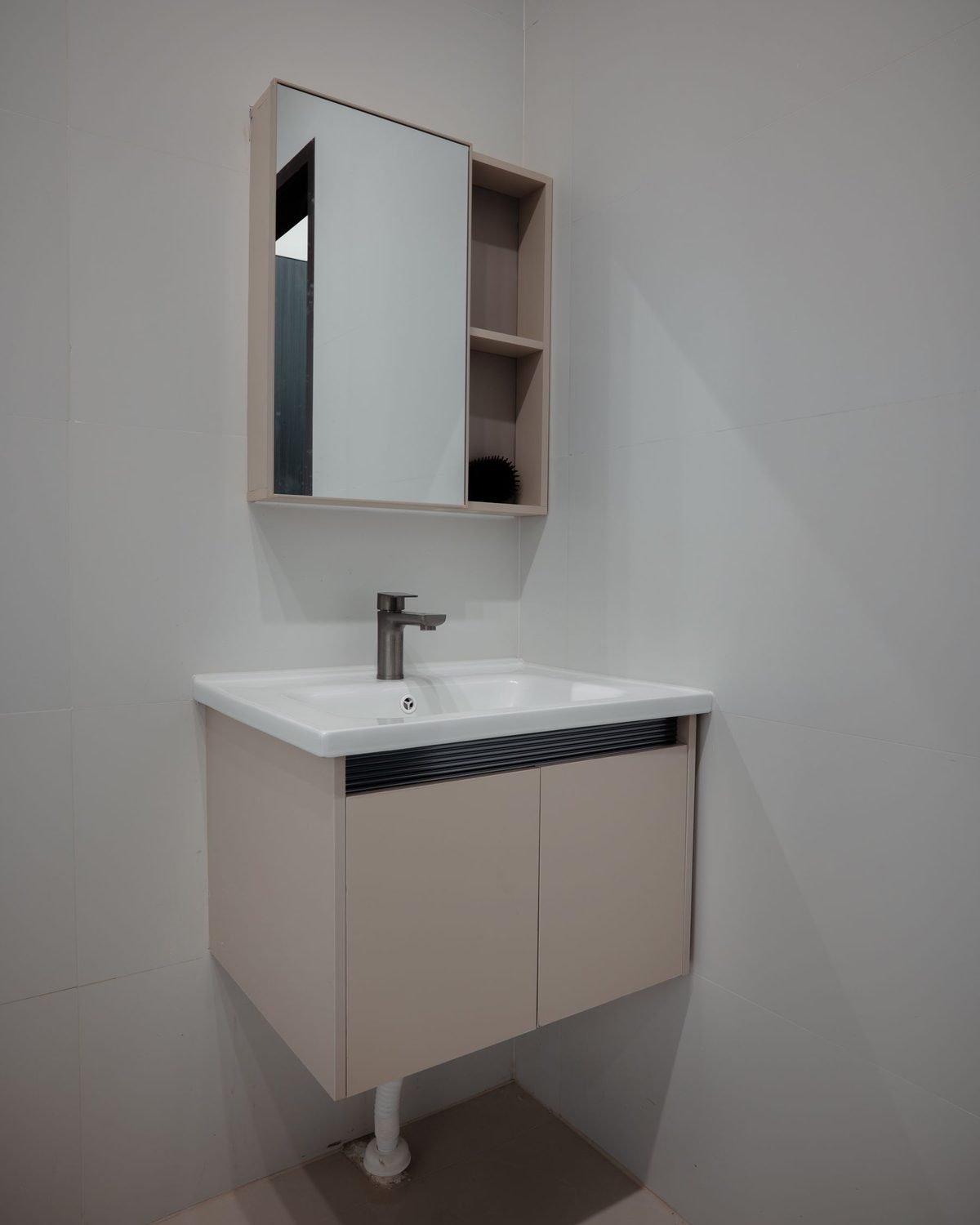
Once the cabinet is empty and measured, add structure. These ideas help you use the full height and depth of the space instead of piling everything on the floor of the cabinet.
Choosing materials for a damp space. Plastic and coated wire are the easiest to keep clean in a bathroom, since you can wipe them or rinse them in the sink. Bamboo can work if it’s sealed and you wipe it dry, but bare wood, fabric bins and cardboard boxes tend to soak up moisture and can start to smell. Clear containers are worth a little extra, because seeing what’s inside is half of what keeps a small space organized.
Think about how you use the room. If you get ready in the bathroom every morning, put hair and skin backups closest to the door. If you clean the bathroom on weekends, keep the caddy at the front where you can grab it in one move.
1. Use Stackable Clear Drawers
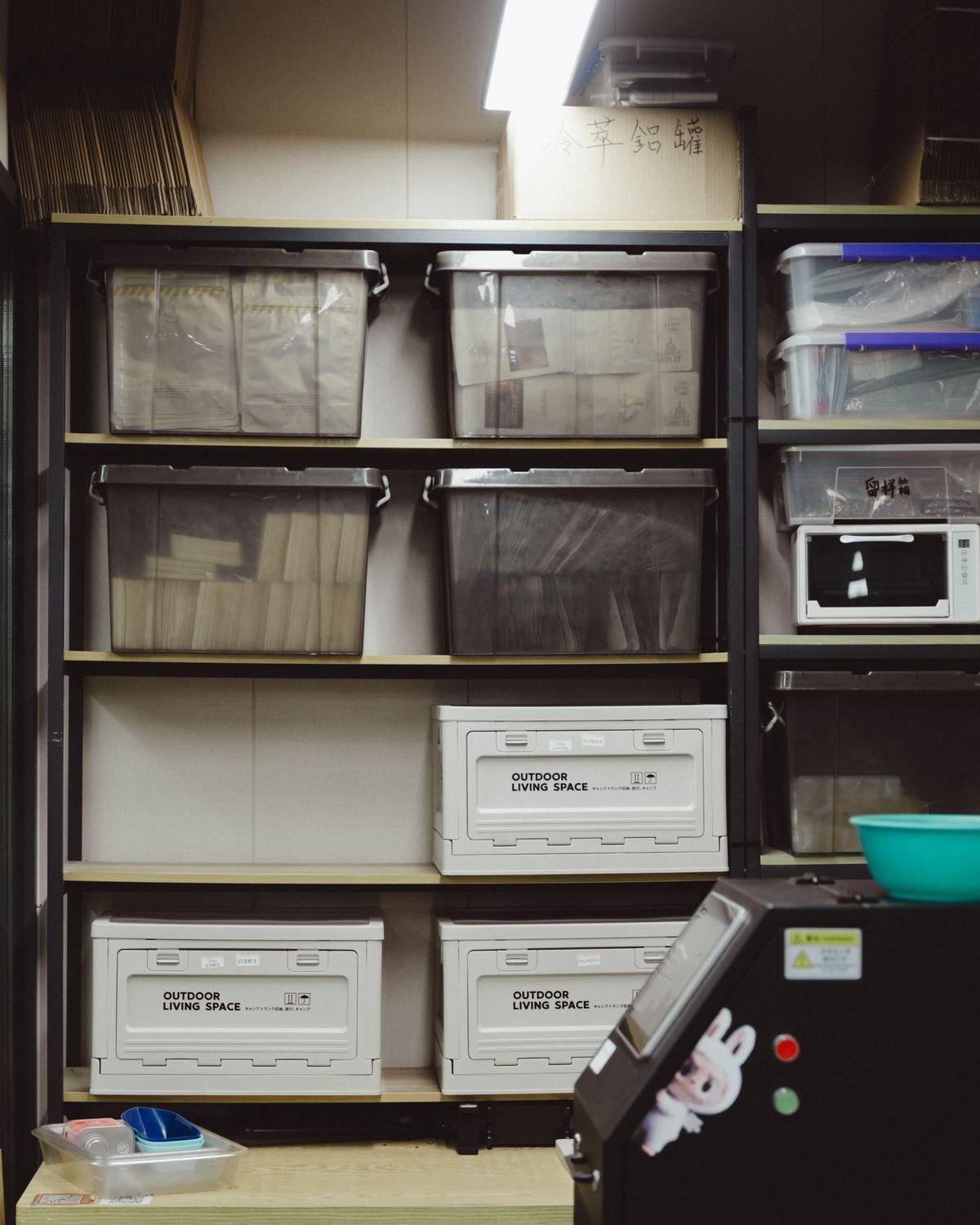
Stackable plastic drawers turn a deep, dark cabinet into something more like a dresser. You pull out a drawer instead of reaching into the back, and the clear fronts show what’s inside. Choose a narrow size that fits beside the pipes, and stack two or three if the height allows. They’re great for extra toiletries, hair accessories or first aid supplies.
Make it work: Put the drawer you open most at the top of the stack so you don’t have to bend as far. Keep each drawer to one category so you always know where to look.
2. Add a Two-Tier Shelf
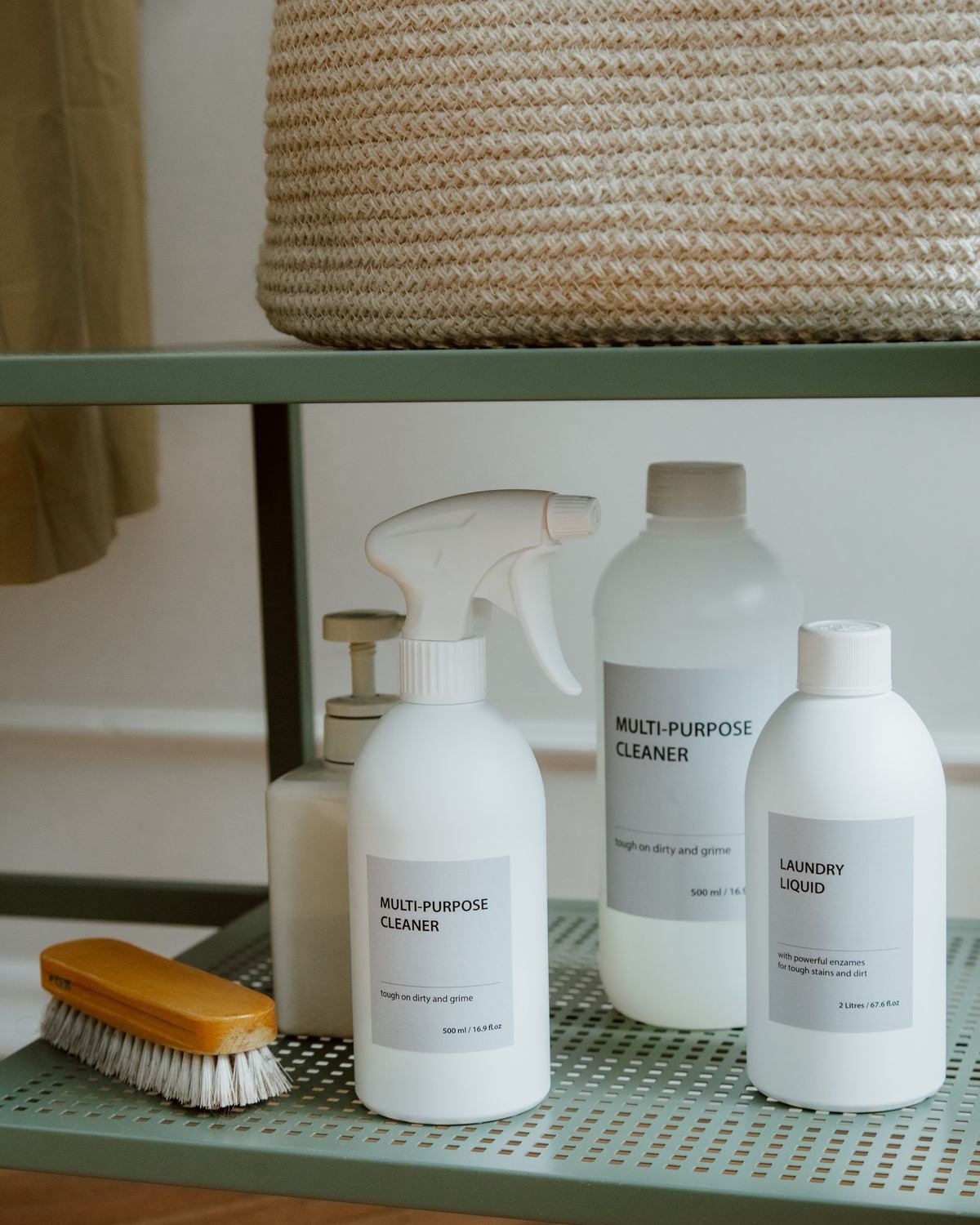
A two-tier organizer doubles the usable surface in a cabinet. Many are designed for under-sink spaces, with an open side or adjustable shelves that fit around the drain. Put taller bottles on the bottom tier and smaller items on top. If you can’t find one that fits around your pipes, use a small one on each side.
Before you buy: Check how tall the bottles are that you want to store on the bottom tier, and check the height under the drain. A tier that’s too tall won’t slide in.
3. Keep Cleaning Tools in One Bucket or Caddy
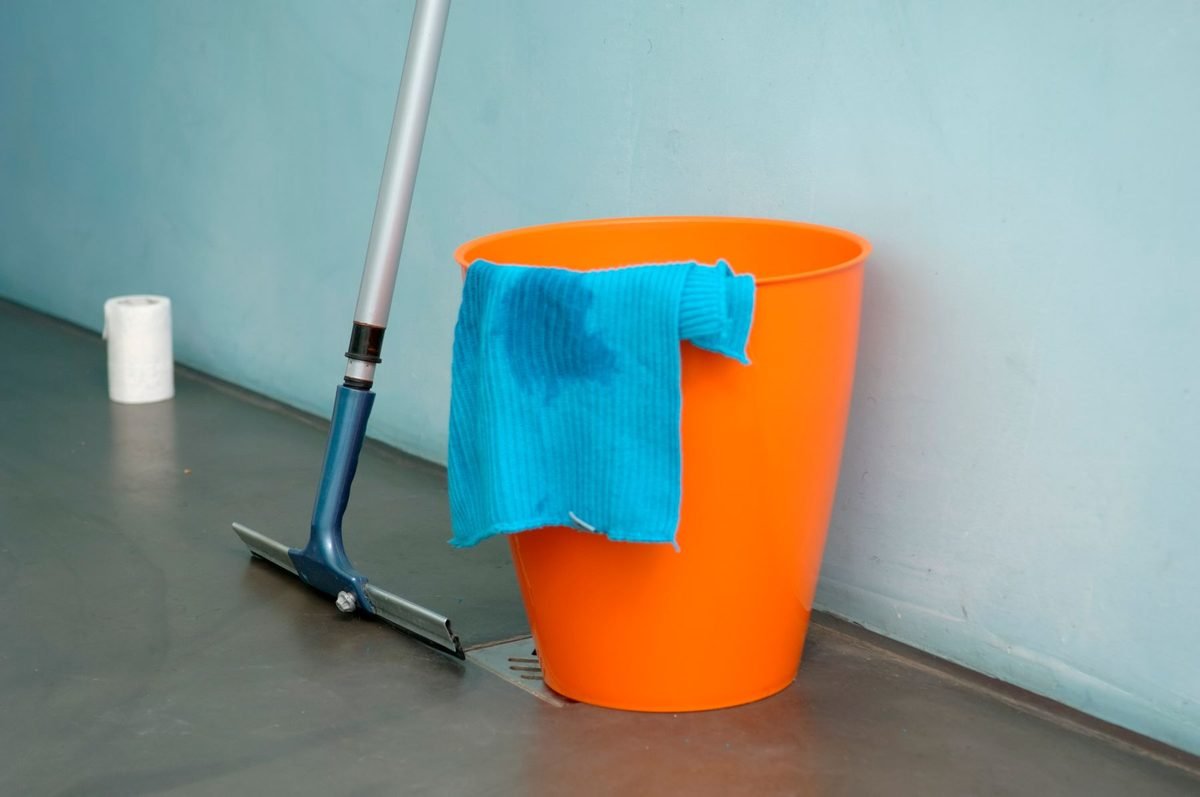
Cleaning supplies are easier to use when they’re together. A caddy or small bucket that holds your bathroom spray, a scrub brush and a cloth means you can grab one thing and clean the whole room, then put it straight back. If the bucket is too big for the cabinet, store it nearby and keep only the sprays under the sink.
Make it work: Choose a caddy with a handle that fits through the cabinet door. Keep only what you need to clean the bathroom in it, like one all-purpose spray, a toilet cleaner, a brush and a cloth. For product ideas, the EPA’s Safer Choice program lists cleaning products that meet its safety standards.
4. Choose Wire Baskets for Airflow
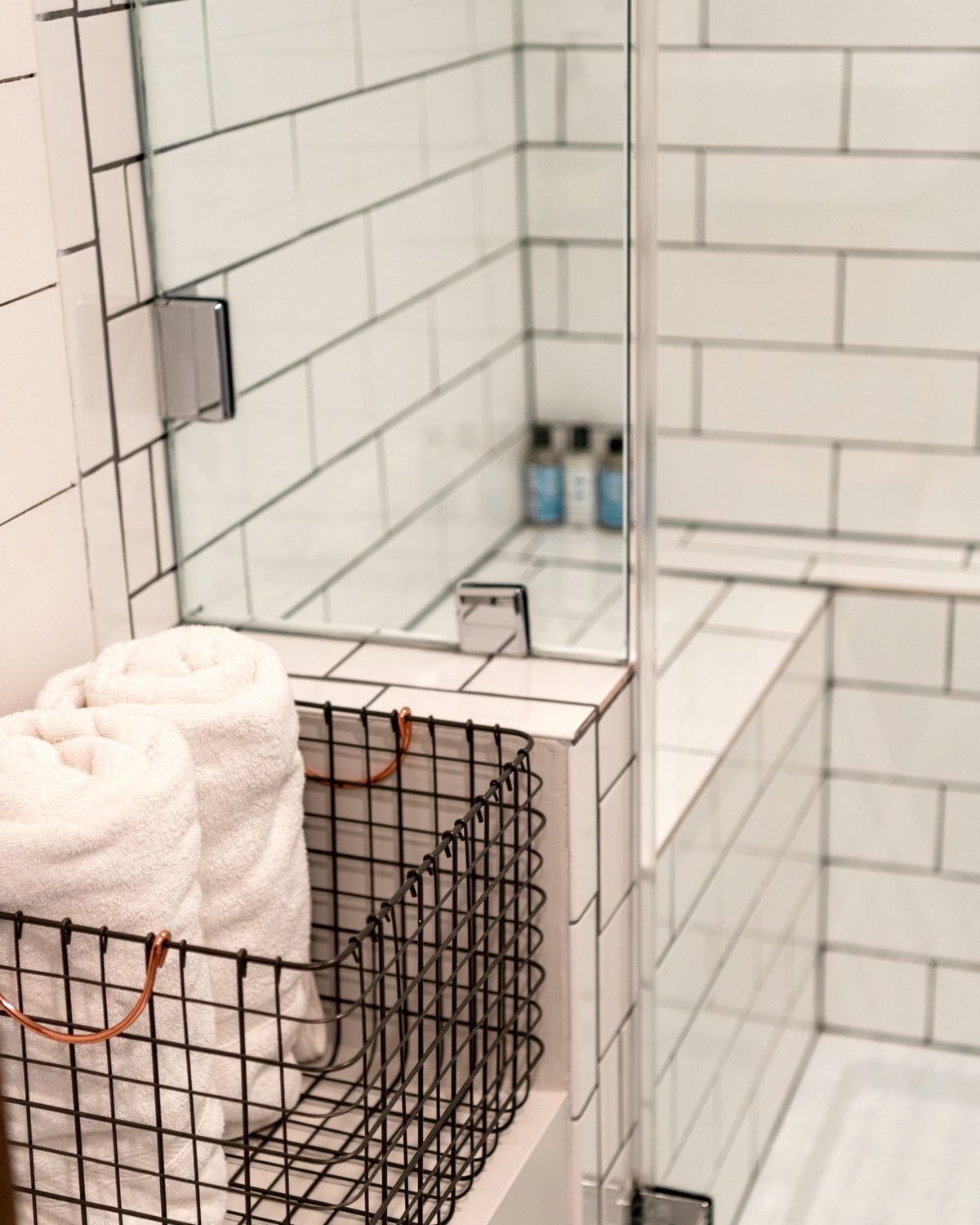
Bathrooms are humid, so containers that let air move around are a good choice for things like spare washcloths, sponges or bath toys. Wire baskets also make it easy to see what’s inside. Avoid putting damp items in closed plastic bins, where they can get musty.
Renter check: Wire baskets sit on the cabinet floor or on a shelf and don’t need any hardware. If you add a basket to the inside of a door, use adhesive hooks or an over-the-door rack rather than screws.
5. Corral Everyday Bottles on a Tray
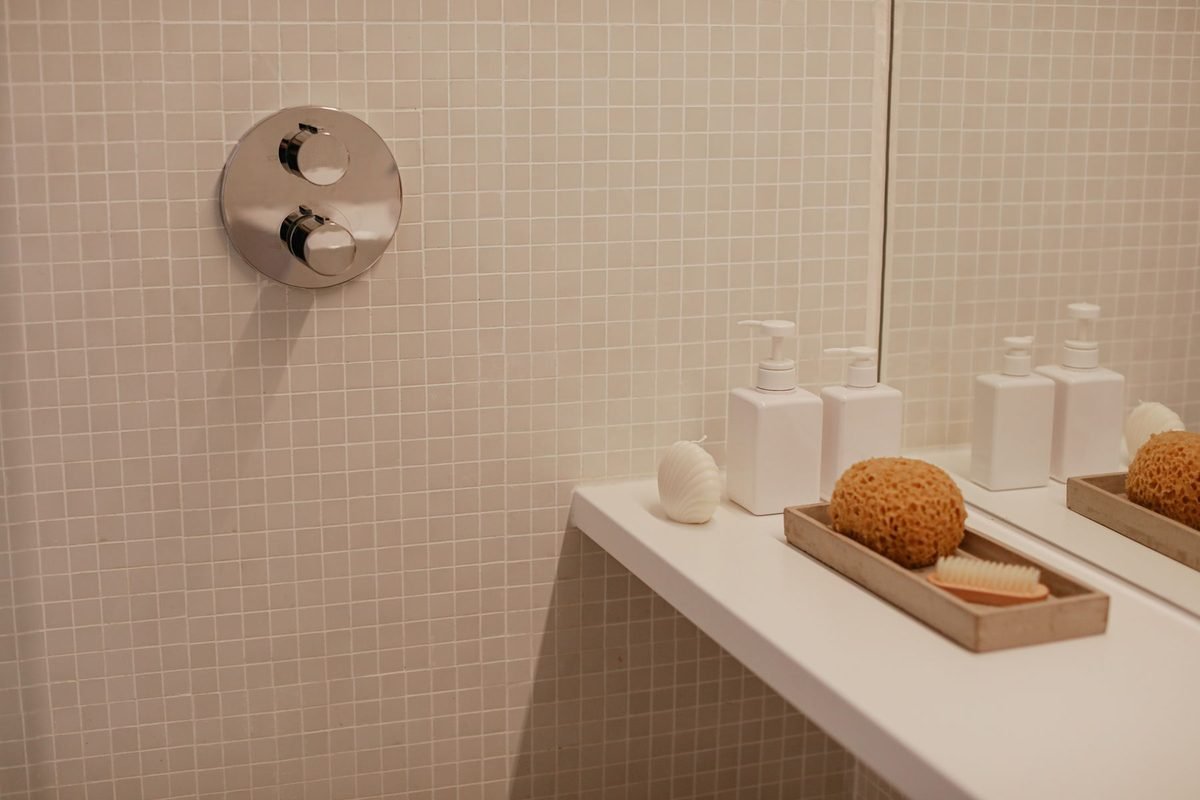
A tray or shallow bin is a simple way to keep a group of bottles together. Pull out the whole tray when you need something, then slide it back in. It also catches drips, which protects the bottom of the cabinet. A plastic tray or one with a waterproof finish is easier to wipe clean than bare wood.
On a budget: A cheap plastic serving tray or a baking sheet you no longer use works just as well as a bathroom tray. Choose something with a lip so drips stay in.
Bottles, Backups and Toiletries
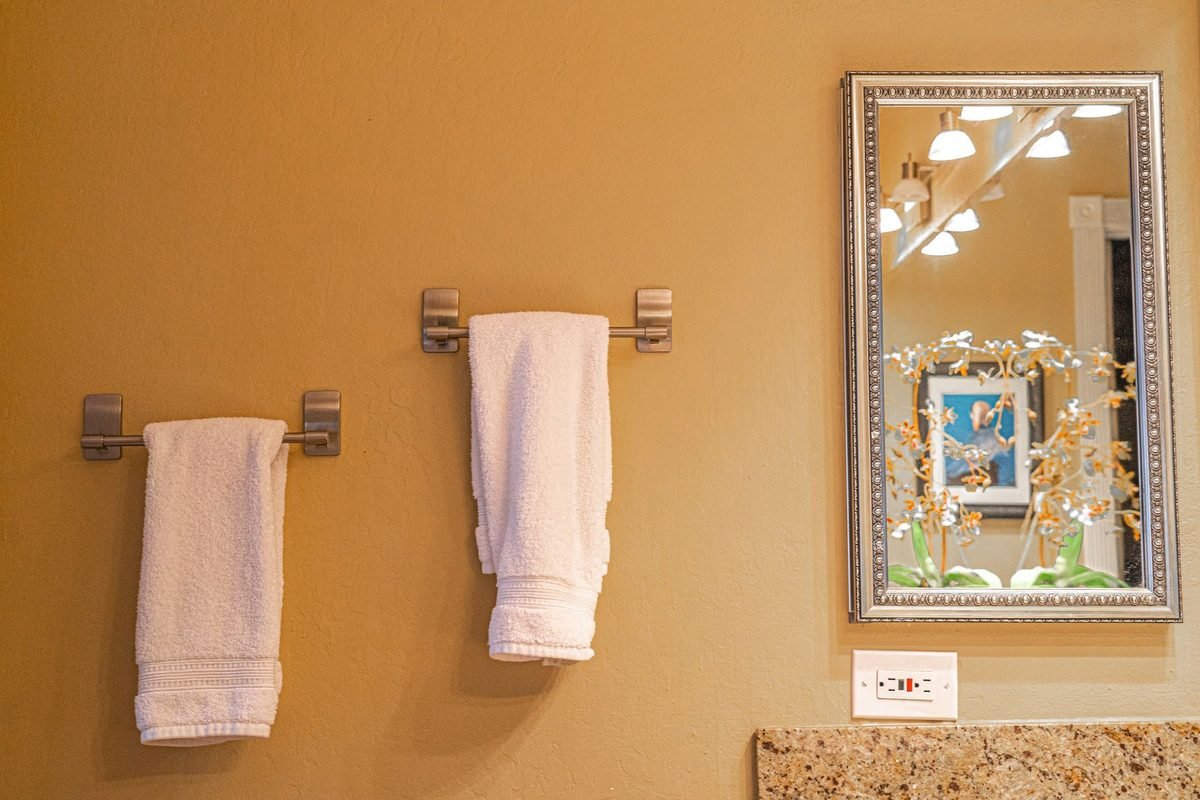
Most of what lives under the sink is toiletries and the backups you bought on sale. These ideas keep them visible, so you use what you have before buying more.
6. Decant Into Pump Bottles
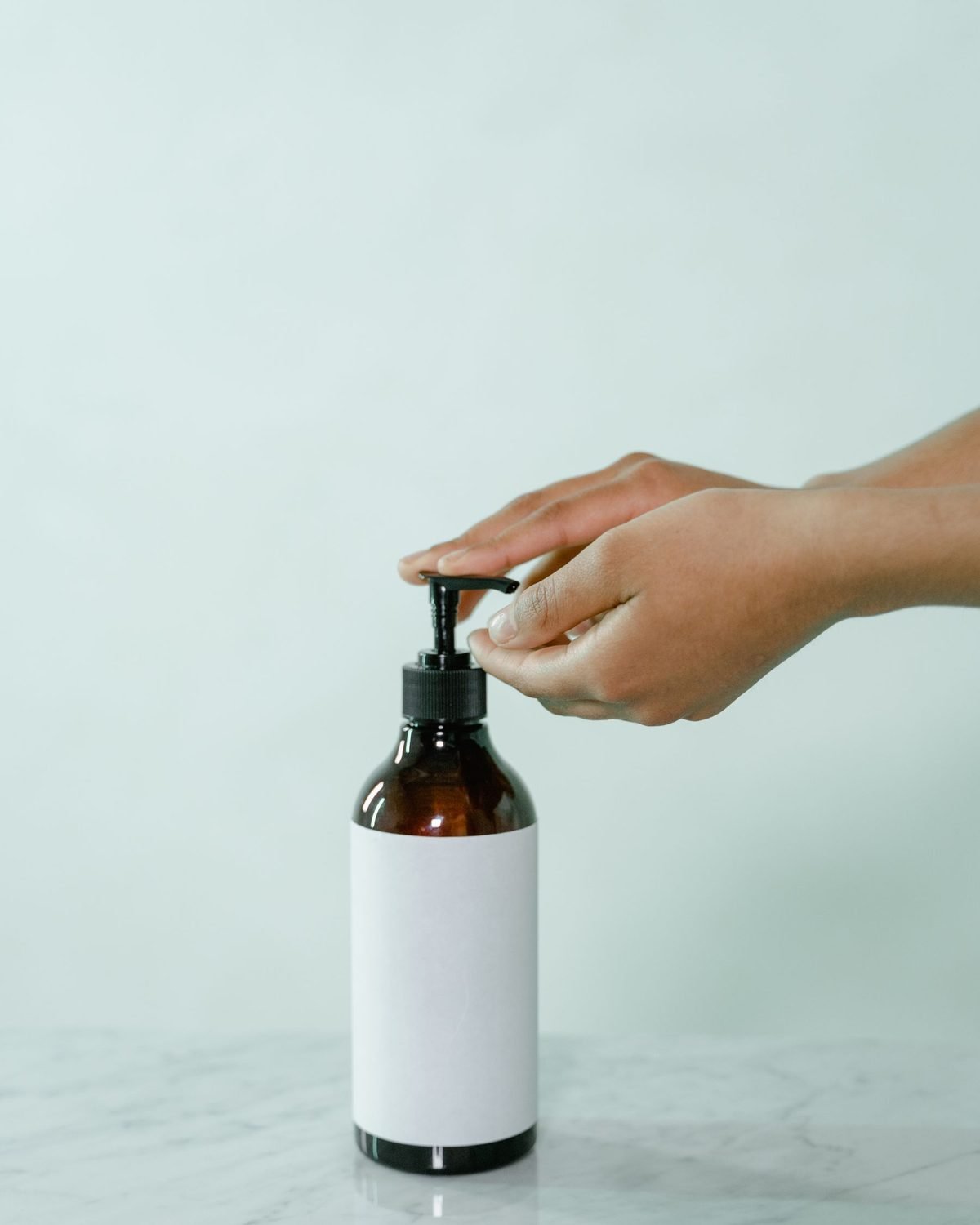
Refilling large bottles of soap, shampoo or lotion into smaller pump bottles saves space and looks neater. Keep the big refill bottle at the back of the cabinet and the smaller bottles where you use them. Only decant products you know well, and keep any product that needs special handling in its original labeled container.
Make it work: Pick one style of pump bottle for the whole bathroom so they line up neatly. Wash and dry bottles completely before refilling, and write the product name on a label so you don’t mix up shampoo and conditioner.
7. Label Everything

Once things look alike, labels matter. Simple tags or printed labels on bins and bottles help everyone in the household find things and put them back in the right place. Label the front of each bin with its category, such as Hair, Skin or Backups, so you don’t have to open it to check.
On a budget: Masking tape and a marker make perfectly good labels. If you like a printed look, a simple label maker or printable labels work too.
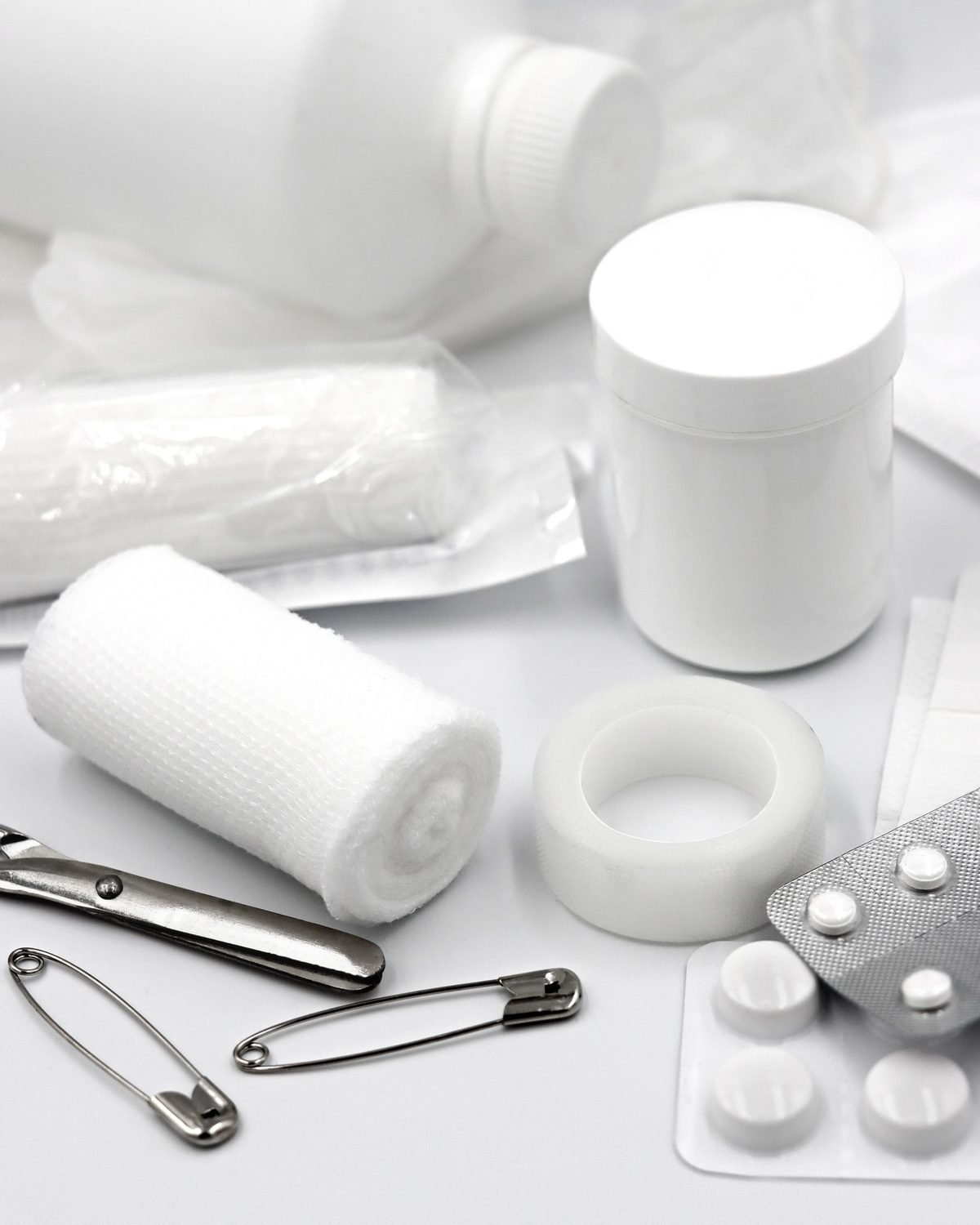
8. Keep a Compact First Aid Kit
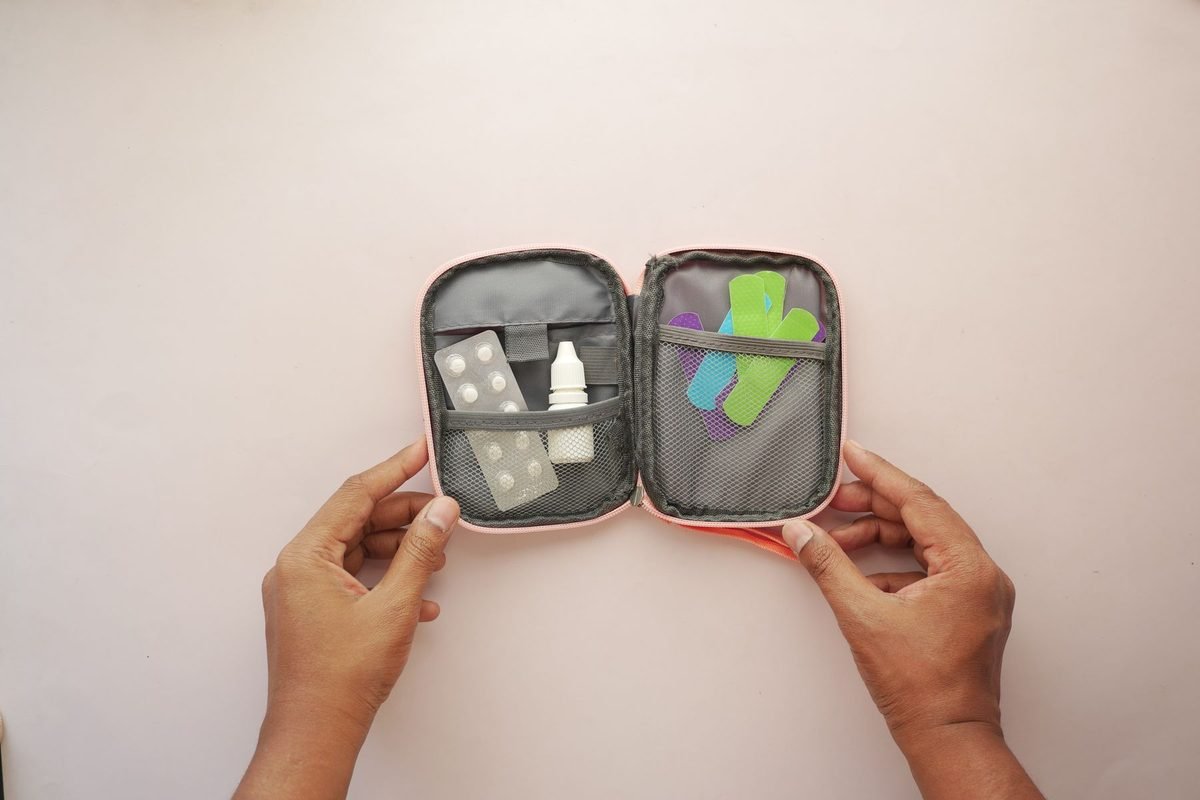
Bandages, ointment and small first aid supplies tend to scatter. A zip pouch or small lidded box keeps them together and easy to grab in a hurry. Check expiration dates once or twice a year and restock what you’ve used. Store medications according to their labels; many say to keep them in a cool, dry place, and a steamy bathroom isn’t always ideal.
What to keep in the kit: Adhesive bandages in a few sizes, gauze, medical tape, antiseptic wipes, small scissors and tweezers are a good basic set. Add anything your household needs, and keep a short list in the pouch of what to restock.
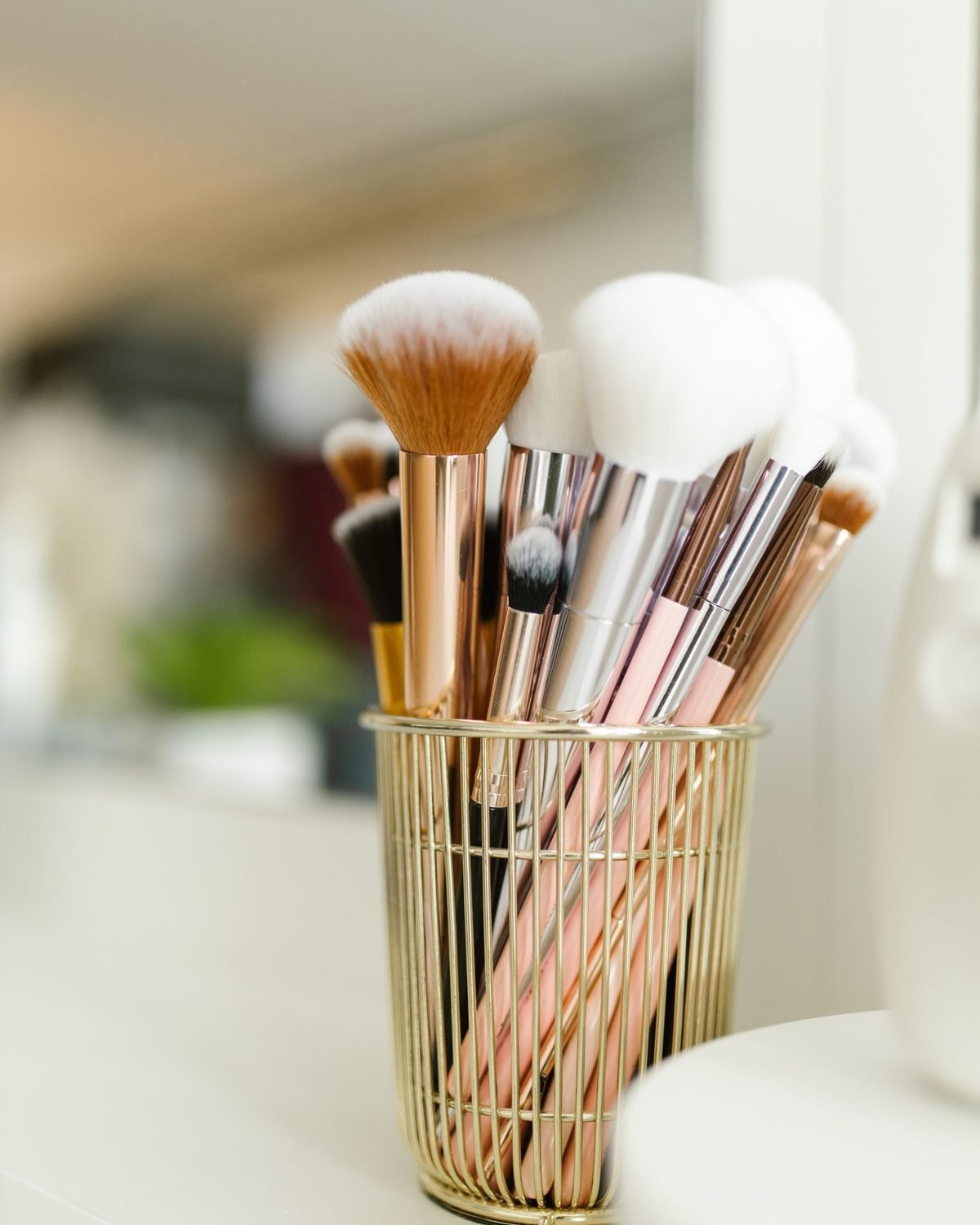
9. Give Hair Tools a Home
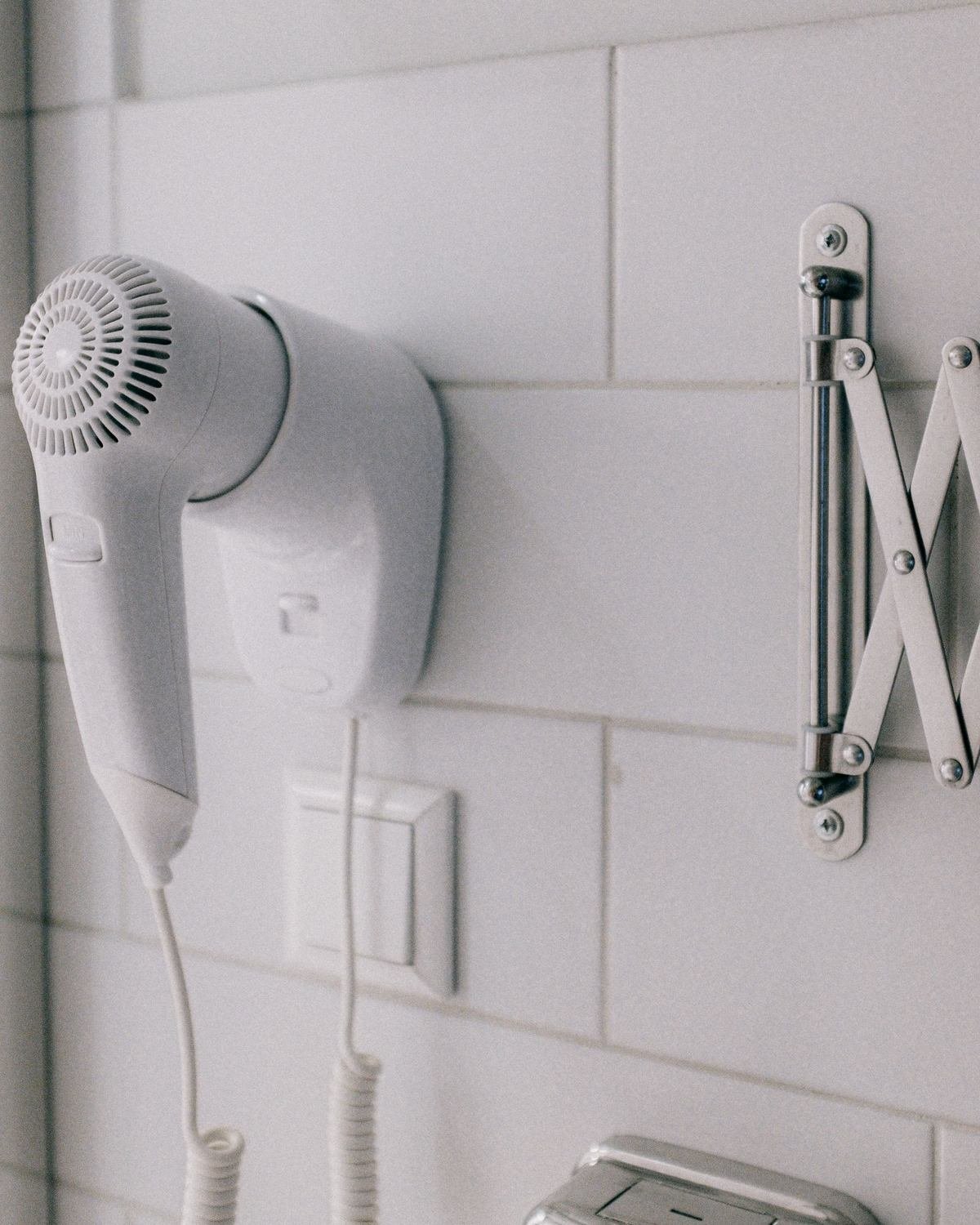
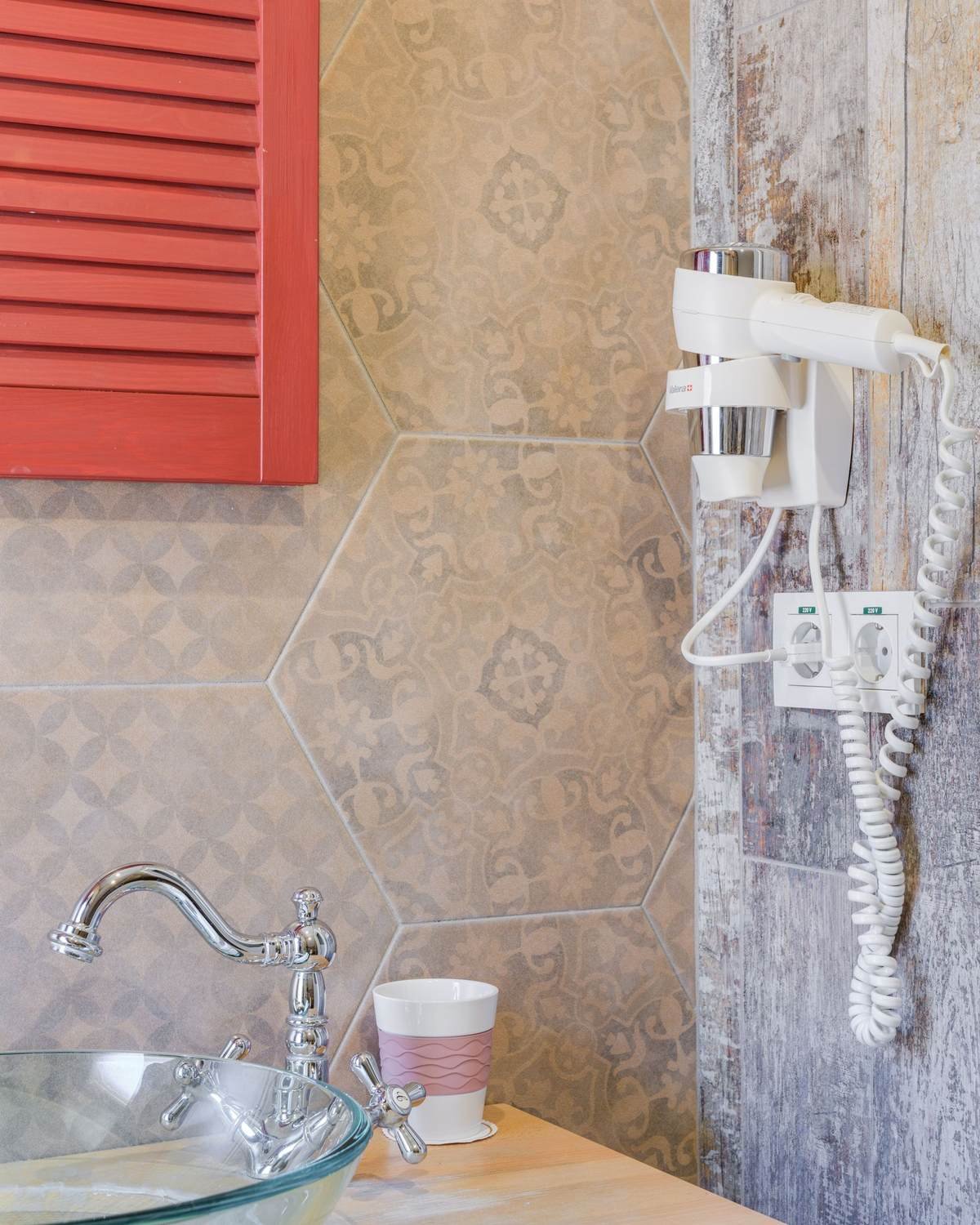
Hair dryers and their cords take up a lot of space. A holder mounted on the inside of the cabinet door, or a wall-mounted holder like the one many hotels use, keeps them out of the way. Always let hot tools cool down before storing them, and keep cords away from water.
Renter check: Adhesive holders and over-the-door racks hold a hair dryer without drilling into the cabinet. Keep the cord loosely coiled; wrapping it tightly around the dryer can wear out the cord over time.
10. Stack Toilet Paper Neatly
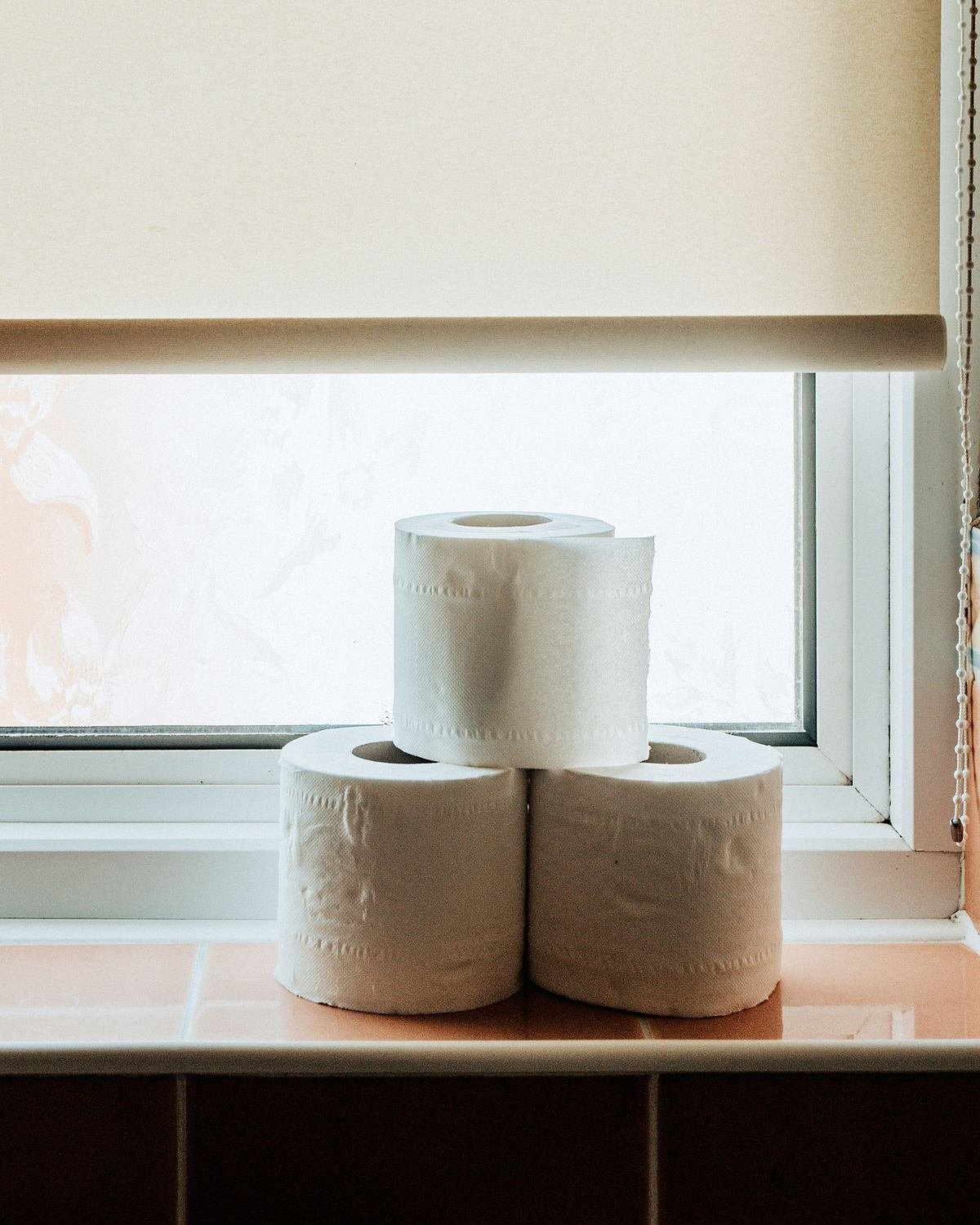
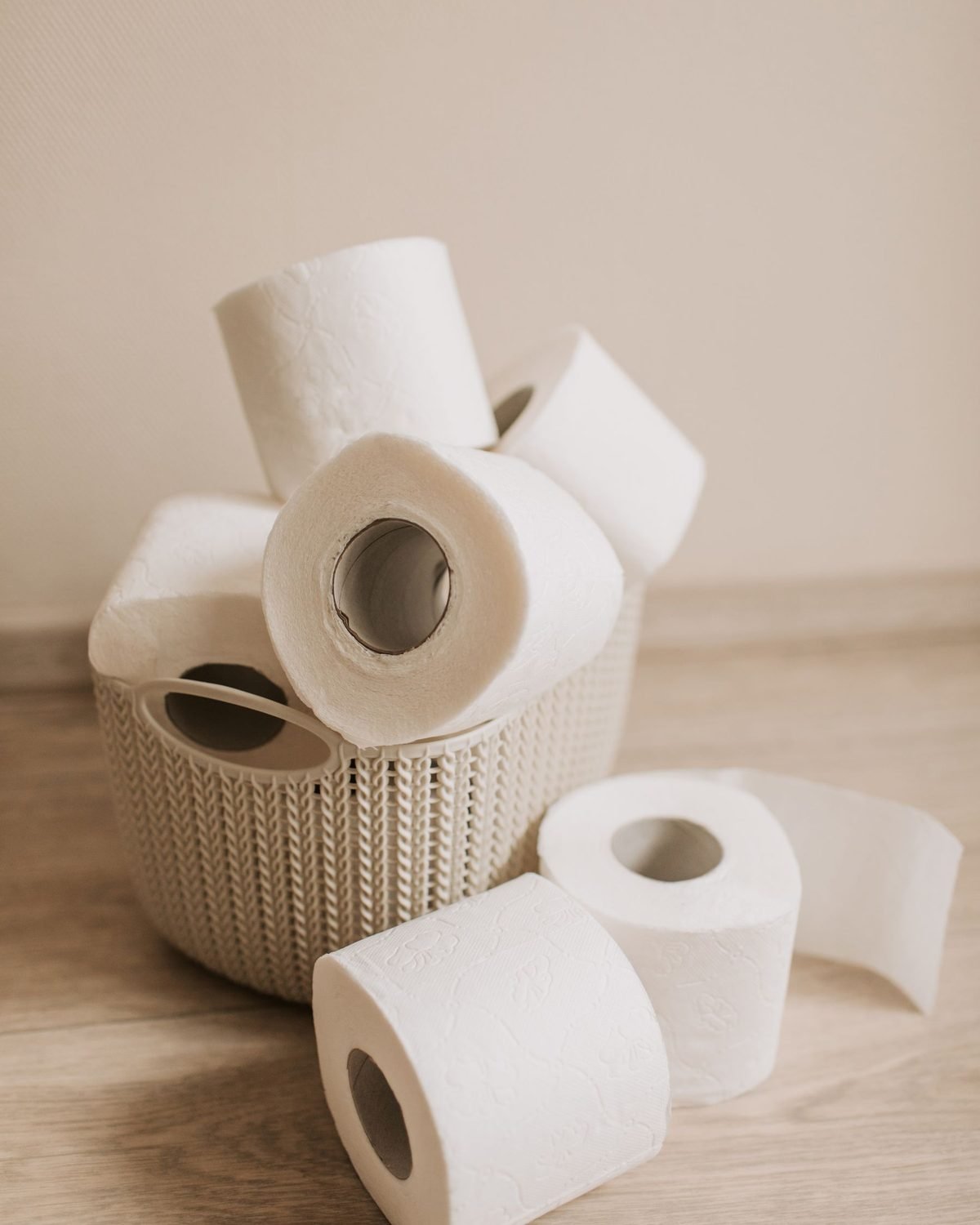
Spare rolls of toilet paper are bulky, but they stack well. Keep a few in the cabinet and store the rest in a closet if space is tight. A tall, narrow bin keeps rolls upright and stops them from tumbling every time the door opens.
Make it work: Keep a set number of spare rolls under the sink, like four or six, and refill from the closet when you’re down to two. That way you’ll never run out, and the cabinet won’t be taken over by a bulk pack.
Small Items, Towels and Tools
The smaller things are often the hardest to keep under control. These last ideas give them a spot.
11. Keep a Few Hand Towels Folded at the Front
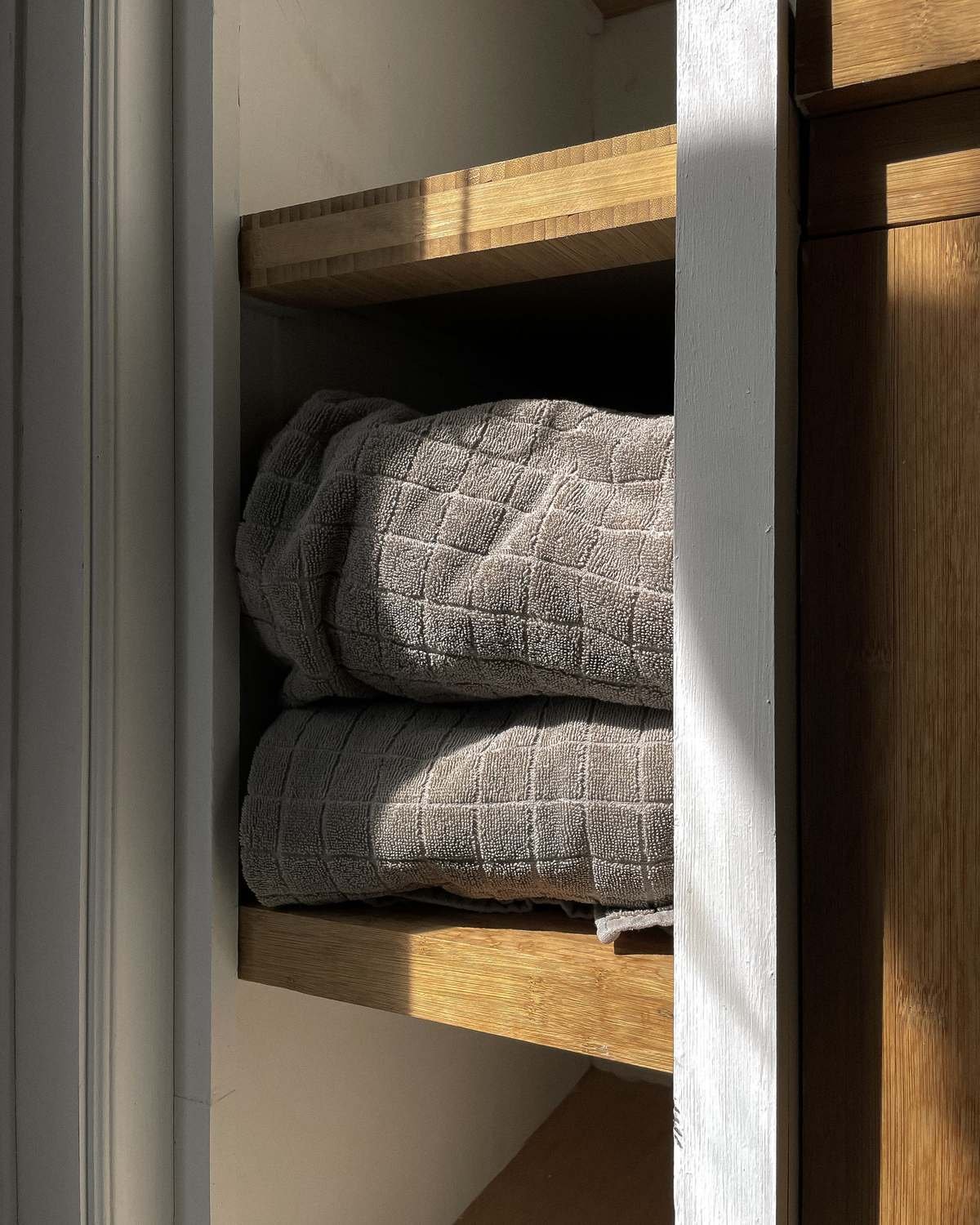
If you don’t have a linen closet, a few folded or rolled hand towels at the front of the cabinet are easy to swap when you need a fresh one. Keep the stack small so it stays dry and tidy, and store bath towels elsewhere if they crowd out everything else.
Make it work: Rolled towels take up less width than folded ones and are easy to grab one at a time. If the cabinet tends to feel damp, store towels elsewhere and keep only one or two here.
12. Hang Small Things on Hooks
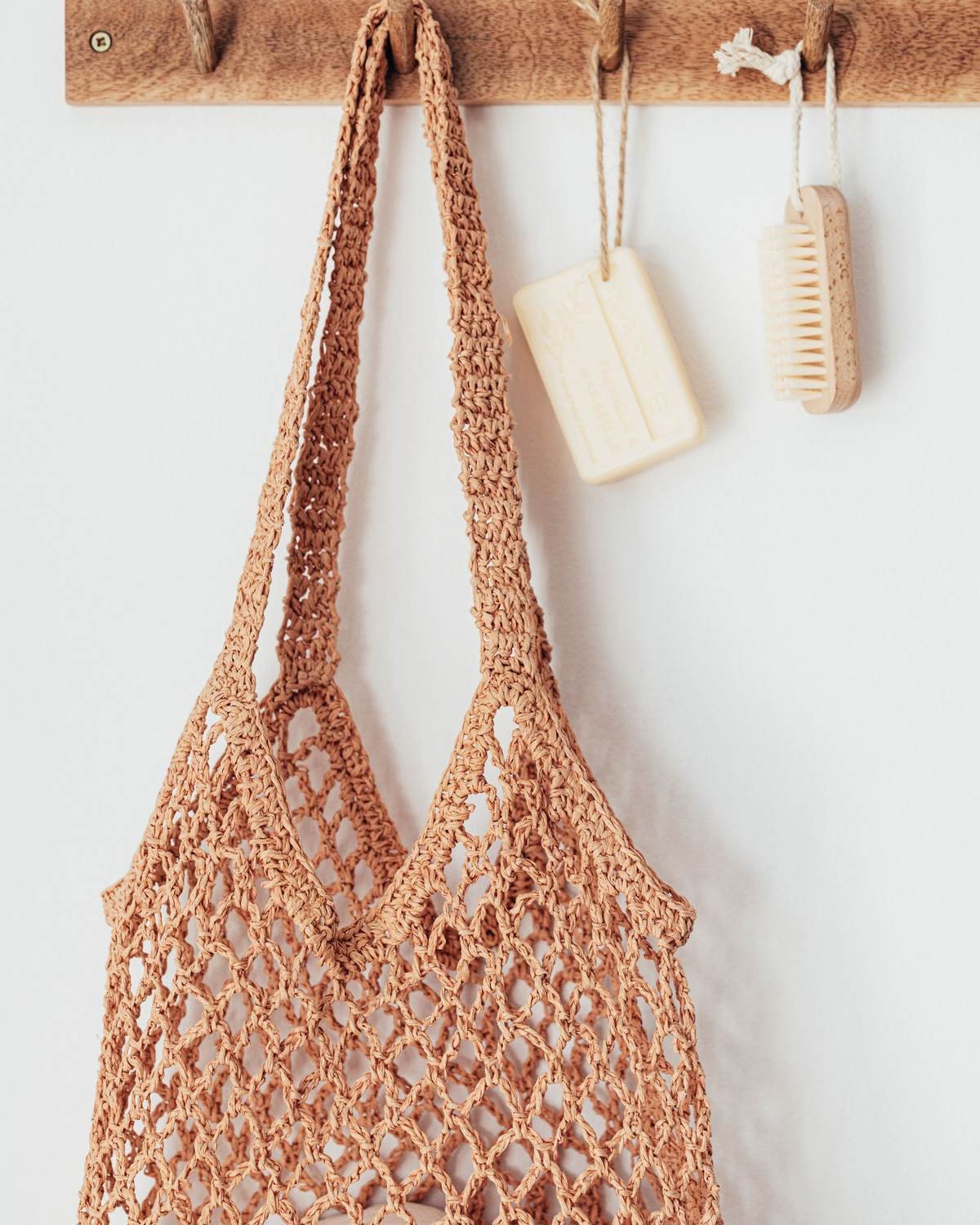
The inside of the cabinet doors is easy to forget. A few adhesive hooks can hold a mesh bag of bath toys, a brush or a small towel. Check that the hooks are rated for the weight and moisture, and make sure whatever you hang doesn’t stop the doors from closing.
Before you buy: Open and close the door with the hooks in place before you hang anything. Pipes, shelves and the cabinet frame can all get in the way.
13. Group Skincare in One Bin
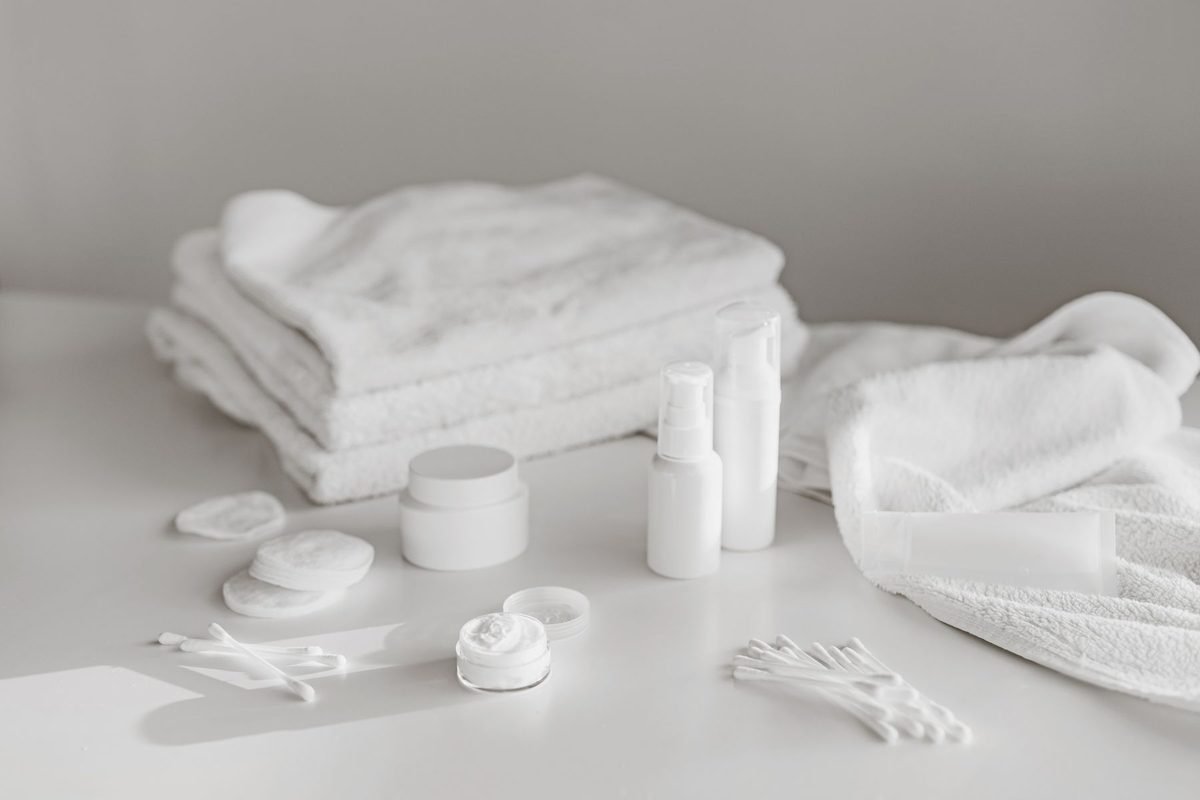
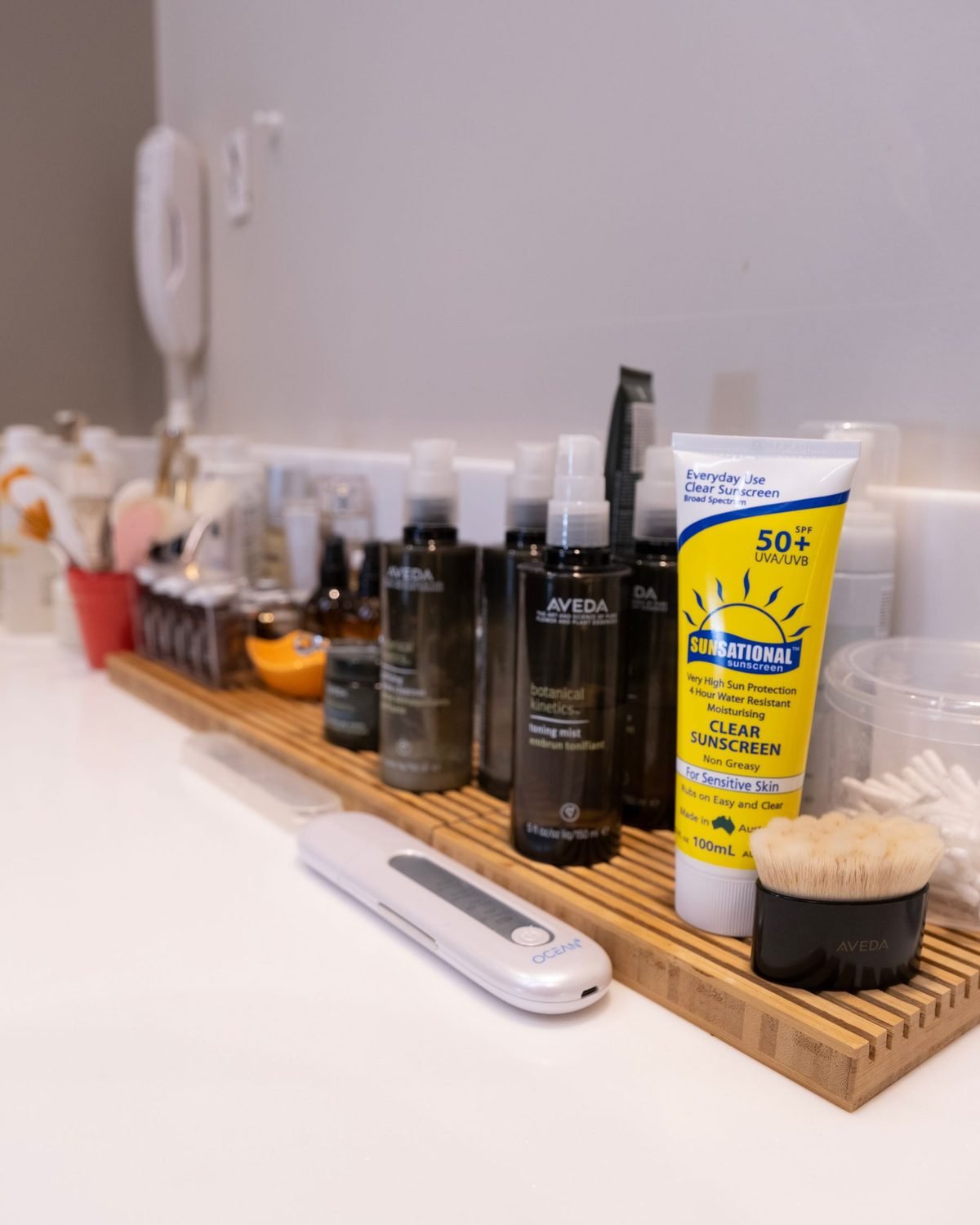
Group skincare and backup products into one bin so you can see everything at once. It’s easier to notice when you already have three moisturizers, and you’re more likely to finish what’s open. Keep daily items on the counter or in a drawer and backups under the sink.
Make it work: Put products with the earliest expiration dates or the ones that are already open at the front of the bin. Many products have a small open-jar symbol on the label showing how many months they’re good for once opened.
14. Use Small Containers for Cotton Swabs and Pads
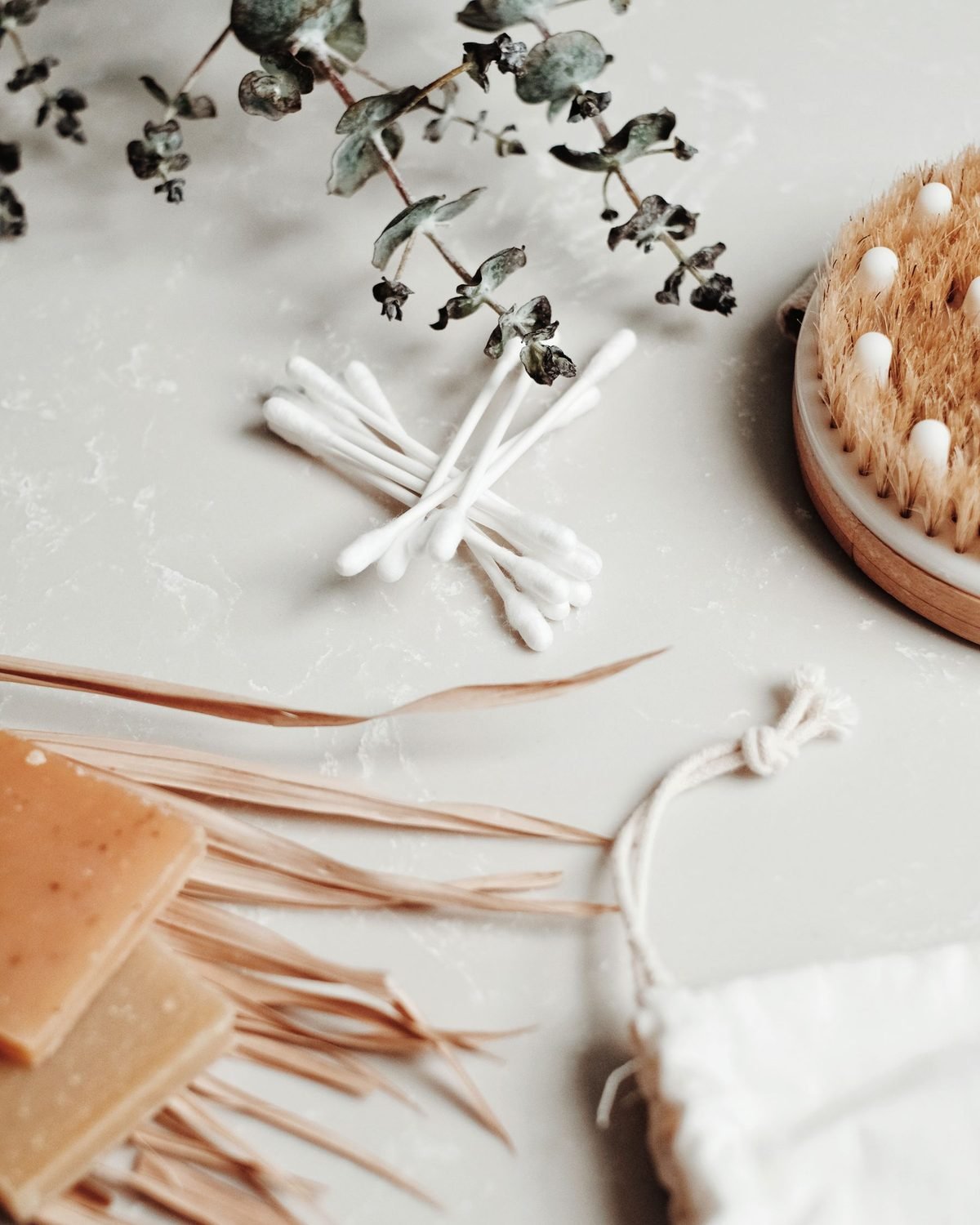
Cotton swabs, pads, hair ties and bobby pins are small enough to get lost in a big bin. Small lidded jars or a divided organizer keep them sorted. Clear containers work best so you can see when you’re running low.
On a budget: Clean glass jars from pasta sauce or jam make good containers for cotton swabs and pads. Remove the labels and keep the lids on in a humid bathroom.
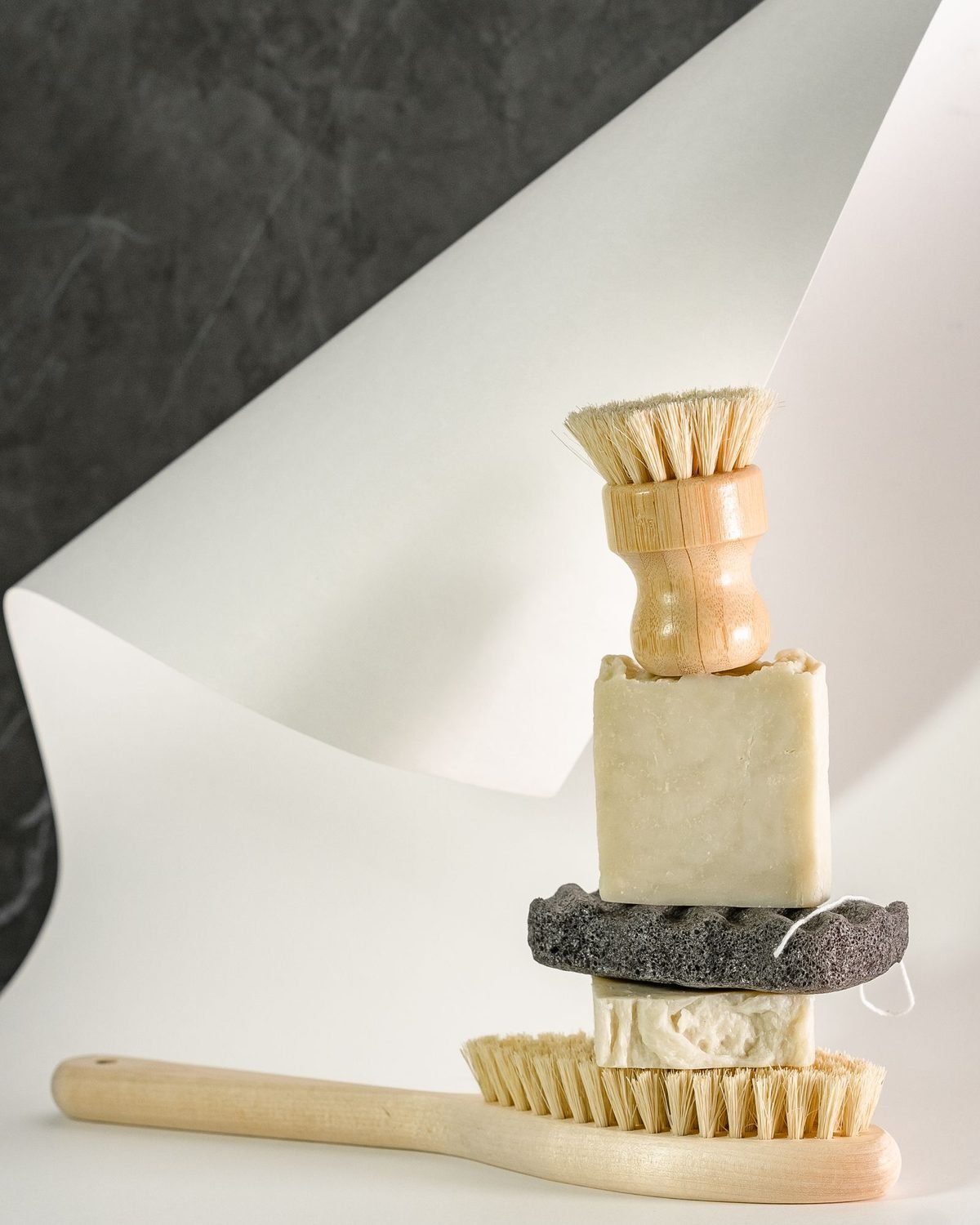
15. Keep Cleaning Brushes Together
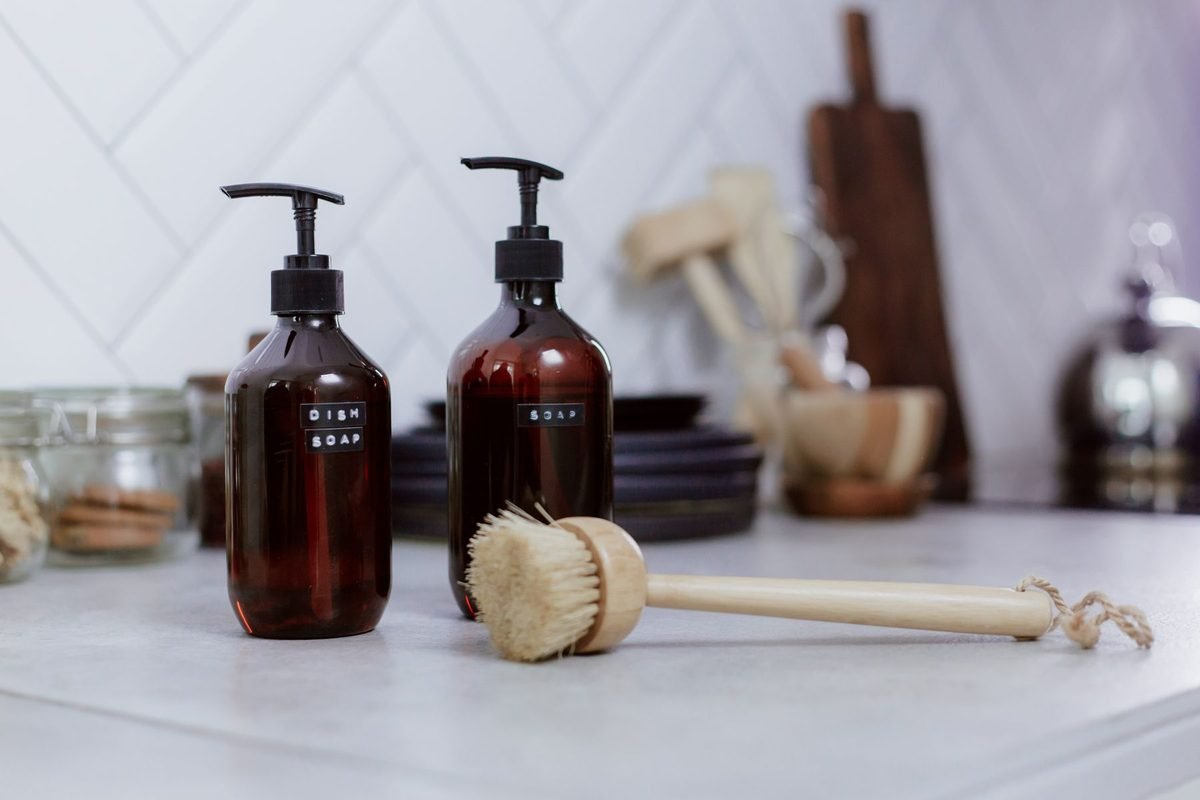
Scrub brushes, toilet brushes and sponges are easier to manage when they have their own small caddy. Rinse and dry them before putting them back, and replace them regularly so they don’t harbor mildew in a closed cabinet.
Make it work: Store brushes upright so they dry faster, and keep the toilet brush in its own holder, separate from anything you use on the sink or tub.
Under-Sink Setups for Different Bathrooms
Every bathroom cabinet is a little different. Here’s how to adjust these ideas to the space you have.
Single-door cabinet: Space is tight, so use one narrow drawer unit on one side of the pipes and a small caddy on the other. Use the inside of the door for one light organizer.
Double-door cabinet: You have more room to work with. Try a two-tier organizer on each side of the pipes, or a set of drawers on one side and a cleaning caddy on the other.
Pedestal sink with no cabinet: Use a small rolling cart, a slim shelf next to the sink or a skirt around the sink with a bin hidden underneath. A wall shelf above the toilet can hold backups.
Shared bathroom: Give each person their own bin or drawer, labeled with their name or a color. Shared items like toilet paper and cleaning supplies get their own spot.
Bathroom with a washing machine or very little floor space: Keep laundry supplies on a separate shelf or a slim rolling cart so they don’t crowd the sink cabinet. Use the cabinet for toiletries and cleaning supplies only.
Family bathroom: Keep anything that could be harmful in a locked cabinet or out of reach. Give kids a low bin with their own toothpaste, a brush and bath toys so they can help themselves.
What to Buy for Under the Sink (and What to Skip)
Worth buying first:
- A two-tier organizer or narrow stacking drawers that fit beside your pipes.
- A cleaning caddy with a handle.
- A waterproof shelf liner or tray to protect the cabinet floor.
- A few clear bins in the same size for categories like hair, skin and backups.
- Child safety locks if children live with you or visit.
Nice to have:
- A cabinet door organizer for small, light items.
- Matching pump bottles if you like a tidy look.
- Small lidded jars for cotton swabs and pads.
Usually worth skipping:
- Organizers you haven’t measured for. The most common return.
- Wood or cardboard containers. They can warp or get moldy in a humid cabinet.
- Lots of tiny containers. They’re hard to clean and easy to lose track of.
Under-Sink Organizing Mistakes to Avoid
Buying before you measure. Measure the height under the pipes and the width on each side first.
Storing too many backups. It’s tempting to stock up on sale items, but backups that crowd the cabinet are harder to use. Keep one or two of each.
Mixing cleaners with toiletries. Keep cleaning products together in one caddy, away from things you put on your skin.
Ignoring leaks. A slow drip can damage the cabinet and lead to mold. Check the pipes and cabinet floor when you clean.
Storing damp items. Wet sponges, cloths and bath toys can get musty in a closed cabinet. Let them dry first.
Forgetting about children. Cleaning products and medications need to be out of reach or locked.
Leaving bottles without labels. Decanted products and refills should always be labeled.
How to Keep Under the Sink Organized
Every week: Put things back in their bins after you use them, wipe up any drips and take out anything that doesn’t belong.
Every month: Check your backups so you know what to buy and what you already have.
Every three or four months: Empty the cabinet, wipe it down, check for leaks and throw out anything expired or empty. Restock your first aid kit.
Once a year: Look at whether your setup still works. Has your routine changed? Do you need a different organizer?
Keep a shopping list nearby. A note on your phone or a small list inside the cabinet door helps you remember what to buy when you’re running low.
A few helpful tools mentioned here: a two-tier under-sink organizer, stackable clear drawers, a cabinet door organizer and child safety cabinet locks. Measure around your pipes before you order.
If you’re working with a tight budget, many of these containers can also be found at the dollar store; see our Dollar Tree organization hacks for small spaces for ideas.
A 30-Minute Reset Plan for This Weekend
If you want results without turning it into a big project, follow this order. Set a timer and work through it in about half an hour.
- Minutes 1–5: Empty. Take everything out and put it on a towel on the floor.
- Minutes 5–10: Clean and check. Wipe the shelf, let it dry, and look at the pipes and the floor of the space for drips, stains or soft spots.
- Minutes 10–17: Sort. Make piles for daily items, backups, cleaning supplies, first aid and things that belong in another room. Throw out empties and anything expired.
- Minutes 17–20: Measure. Write down the height under the drain and the width on each side.
- Minutes 20–27: Put back in zones. Use what you already own first, such as shoe boxes, old trays and spare baskets, so you can see what you still need before you buy.
- Minutes 27–30: Make a list. Note the one or two organizers that would solve your biggest problem, with the sizes you measured.
Plans by budget:
- Free: Use bins, trays and jars you already have, combine duplicates, and move overflow to a closet.
- Around the cost of a takeout lunch: Add one clear bin for backups and a shelf liner.
- A bigger budget: Add a two-tier organizer or a set of stacking drawers sized to your pipes, plus a door organizer.
Products that shouldn’t share a bin. Keep bleach-based products away from anything containing ammonia or acids, and never pour leftovers from one cleaner into another bottle. Store aerosols away from heat, and keep nail polish remover and other flammable products sealed and upright. When in doubt, the label on each product tells you how to store it.
Under Bathroom Sink Organization Ideas: FAQ
How do I organize under the sink with pipes in the way?
Use narrow drawers or bins on each side of the pipes, or an organizer designed with an open side or adjustable shelves. Measure the height under the pipe and the space on each side before buying.
Is it safe to store cleaning products under the bathroom sink?
It can be, as long as everything is in its original container, the cabinet is out of reach of children or has a safety lock, and products that shouldn’t be mixed are kept apart. Always follow the storage directions on each label.
How can I protect the bottom of the cabinet?
A waterproof shelf liner or a plastic tray catches drips and makes cleanup easier. Check the cabinet floor regularly for signs of leaks.
What shouldn’t I store under the bathroom sink?
Avoid storing anything that’s sensitive to moisture or heat, such as some medications, makeup you want to keep for a long time or paper documents. Follow product labels for storage instructions.
How often should I reorganize under the sink?
A quick check every three or four months is usually enough. Pull out the bins, toss anything empty or expired, wipe the cabinet floor and look for leaks. It takes about ten minutes once the system is in place, and it stops the cabinet from slowly filling back up with forgotten backups.
How do I stop things from falling over when I open the cabinet?
Use bins and caddies so bottles aren’t loose, and put taller items at the back. A shelf liner with a little grip helps too.
What’s the best organizer for a small bathroom cabinet?
A narrow set of stacking drawers or a slim two-tier shelf that fits beside the pipes usually works best. Measure first so it fits.
How do I organize under the sink in a rental?
Use freestanding organizers, adhesive hooks and tension rods instead of anything that needs screws. Report any leaks to your landlord right away.
Can I store towels under the bathroom sink?
Yes, a few hand towels or washcloths are fine if the cabinet stays dry. Store bath towels elsewhere if the space is tight or tends to feel damp.
Where should I store extra toilet paper if there’s no room under the sink?
Try a closet shelf, a basket on top of the toilet tank, a slim stand next to the toilet or an over-the-toilet shelf.
Should I use a turntable under the sink?
A small turntable can be handy in the back corner, where things are hard to reach. Spin it to grab what you need. It works best for bottles of the same height.
How do I deal with a musty smell?
Take everything out, clean the space, let it dry fully with the doors open and check for leaks. A small open box of baking soda can help absorb odors once the source is fixed.
What if my landlord won’t fix a leak?
Put your request in writing and keep a copy, with photos and dates. Tenant rights vary by state and city, so check your lease and local tenant resources for next steps. HUD’s tenant rights page links to information for each state.
How much should I keep under the bathroom sink?
Aim for what you use in the bathroom plus one or two backups of each daily product. If the doors don’t close easily or you have to move three things to reach one, it’s time to edit or move some backups to a closet.
Do I need to keep cleaning supplies in the bathroom at all?
Not necessarily. If you don’t have children at home and the space is tight, a small caddy in a hall closet works just as well, and it frees the space for toiletries.
Final Thoughts
The space under your bathroom sink doesn’t need to be perfect. It needs to be easy to use. Empty it, keep what you use, measure around the pipes, and add a few simple containers that make each category easy to grab and put back.
Once it’s set up, the system only needs a few minutes now and then. Put things back in their zones after you use them, keep backups to one or two of each, and do the quick reset every few months. If you share the bathroom, show everyone where things go; labels help, but a quick walk-through helps more.
The takeaway: start with one organizer that fits your cabinet and solves your biggest frustration, whether that’s tumbling bottles, lost hair ties or a mess of cleaning supplies. Then do a quick check every few months so expired items don’t creep back in.
Need more storage ideas for small spaces? Read our small apartment storage ideas on a budget, or browse our Bathroom Organization section.