16 Storage Ideas for Small Spaces: Studio Apartment Edition
Disclosure: This post contains affiliate links. As an Amazon Associate I earn from qualifying purchases. If you buy through these links, I may earn a small commission at no extra cost to you. Read our full disclaimer.
The best storage ideas for small spaces get their toughest test in a studio apartment, where one room has to do everything. It’s your bedroom, living room, office, dining room and, often, your kitchen. Every item you own shares the same few hundred square feet, so clutter shows up fast and has nowhere to hide.
That’s why studio storage is less about adding more bins and more about planning. Where the bed goes, how you split the room and which furniture can do two jobs matter as much as any organizer. These storage ideas for small spaces cover all of it: zoning, the sleep area, a small work corner, living room storage and the kitchenette. They’re realistic for renters, budget-friendly and built around how people actually live in one room.
Quick answer: The best storage ideas for small spaces like a studio are to plan the layout first, split the room into zones with a slatted divider, folding screen or bookcase, choose a bed with storage or a loft bed, use a sofa bed if you need a guest spot, put shelves above the desk, pick furniture with closed storage, use tall cupboards and the space above them and keep the kitchenette tidy with carts and risers. Fewer, larger pieces usually work better than lots of small ones.
Why Studio Apartments Are So Hard to Keep Organized
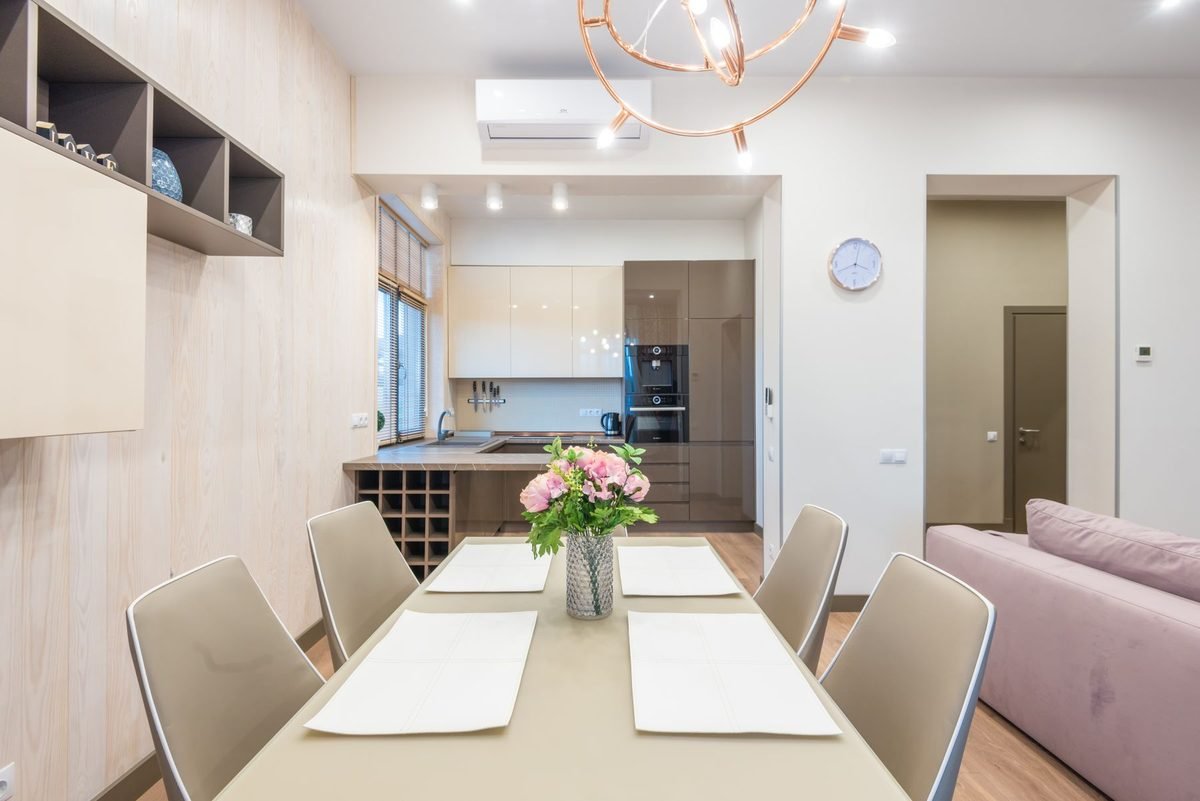
A studio isn’t just a small apartment. It’s a single space where every part of life happens in view of every other part. That creates a few specific problems.
Everything is always on display. Dishes in the sink, the unmade bed and the work laptop are all visible from the couch. Even a little clutter makes the whole home feel messy.
There’s often very little built-in storage. Many studios have one closet, a few kitchen cabinets and nothing else. There’s no hall closet or spare room for overflow.
One room has to switch moods. The same space has to feel restful at night, focused during the workday and welcoming when friends come over. Without clear zones, it can feel like none of those.
Furniture fills the floor fast. A bed, a sofa, a table and a desk can take up most of the floor in a small studio, leaving little room for storage furniture.
The storage ideas for small spaces below solve each of these. They start with layout, because a good layout makes every storage piece work harder.
Plan Your Studio Layout First
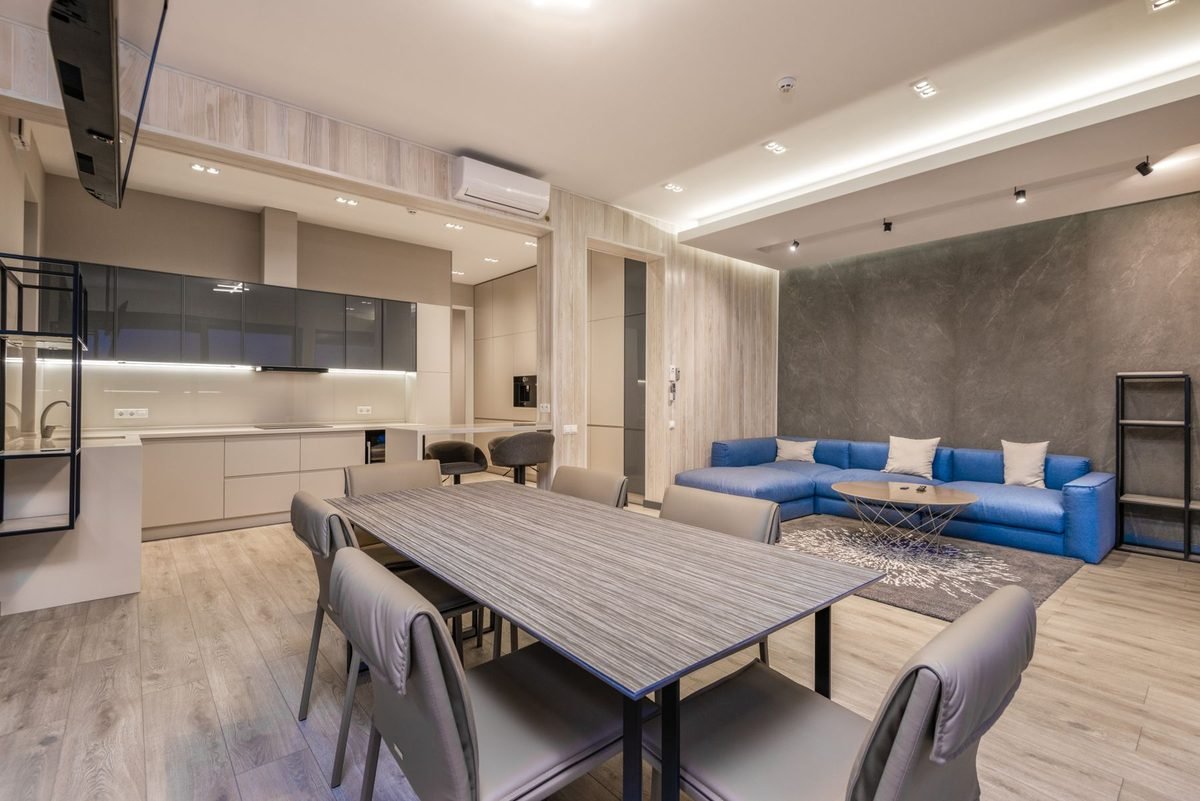
Before you buy anything, sketch your studio. You don’t need special software. Paper and a tape measure are enough.
1. Measure the room. Note the length and width, the windows, doors, radiators, outlets and closet. Mark where the door swings.
2. Decide on your zones. Most studios need three or four: sleeping, living, working and eating. If you don’t work from home, the work and eating zones can be the same table.
3. Place the bed first. It’s the biggest piece. Many people like it away from the front door, for privacy, and near a window for light. Some prefer it in a corner so it feels tucked away.
4. Place the sofa next. It often works well facing away from the bed, so it acts as a visual divider.
5. Leave clear walkways. Aim for a clear path from the door to the kitchen, the bathroom and the bed. A crowded path makes the whole space feel smaller.
6. Then plan storage. Look at the spaces left: under the bed, behind the sofa, the corners, above the closet and the wall above the desk. That’s where storage goes.
Ideas by studio layout:
Long, narrow studio: Put the bed at the far end, the living area in the middle and the kitchen near the door. Use a rug and the back of the sofa to mark each zone, and keep furniture along one long wall so the walkway stays clear.
Square studio: Corners are your friend. Put the bed in one corner, the desk in another and the sofa facing the window. A divider between the bed and sofa helps the room feel like two spaces.
Alcove studio: If there’s a nook, it’s usually the best spot for the bed. A curtain across the opening gives you a “bedroom” with no construction.
Studio with high ceilings: Go up. A loft bed, tall bookcases and storage above the wardrobe and kitchen cabinets make the most of the height.
If you rent, check your lease before you plan anything that touches the walls. Our small apartment hacks for renters cover plenty of no-drill options.
Storage Ideas for Small Spaces: Zone the Room With Dividers
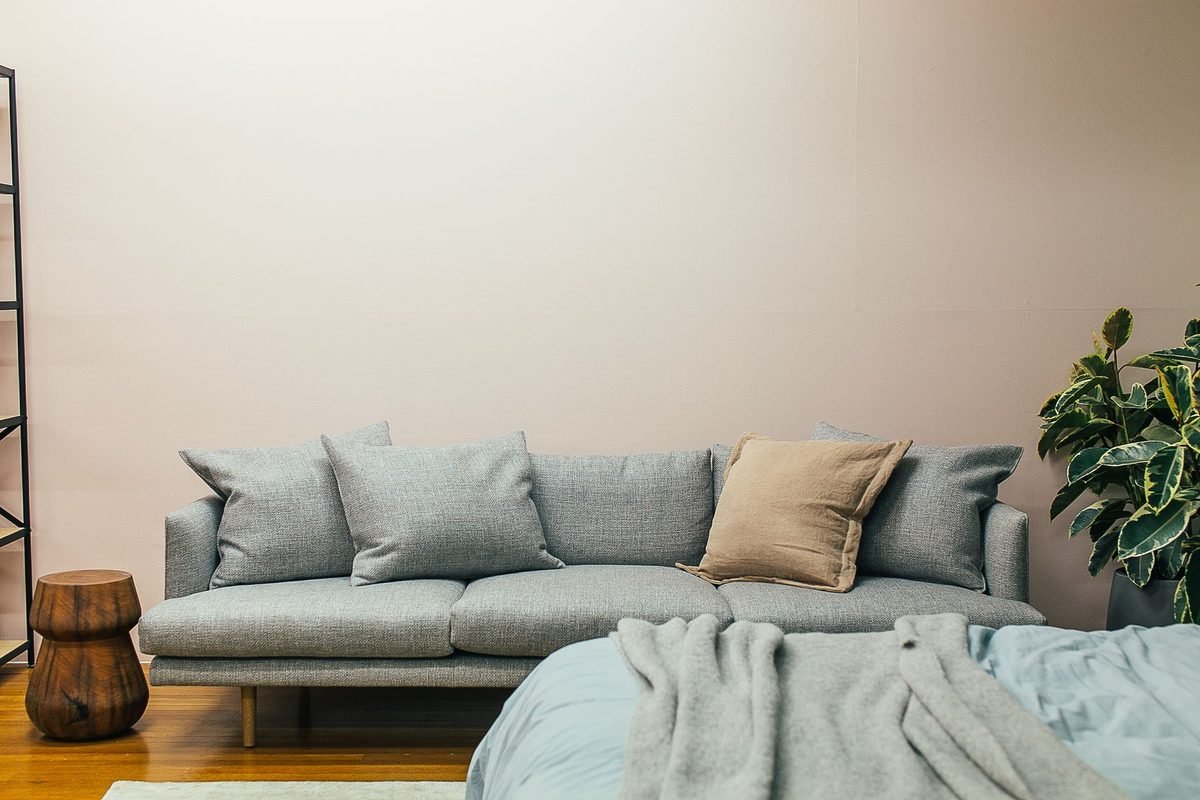
Zones make a studio feel like more than one room. They also give your stuff clear homes, since each zone holds its own things. Dividers don’t have to be solid walls. Even a partial screen tricks the eye into seeing separate spaces.
Light each zone separately. Lighting is one of the easiest ways to zone a studio. Give each area its own lamp: a reading lamp by the bed, a floor lamp by the sofa and a desk lamp in the work corner. At night, switching off the work lamp and turning on the bedside lamp makes the room feel like a different space.
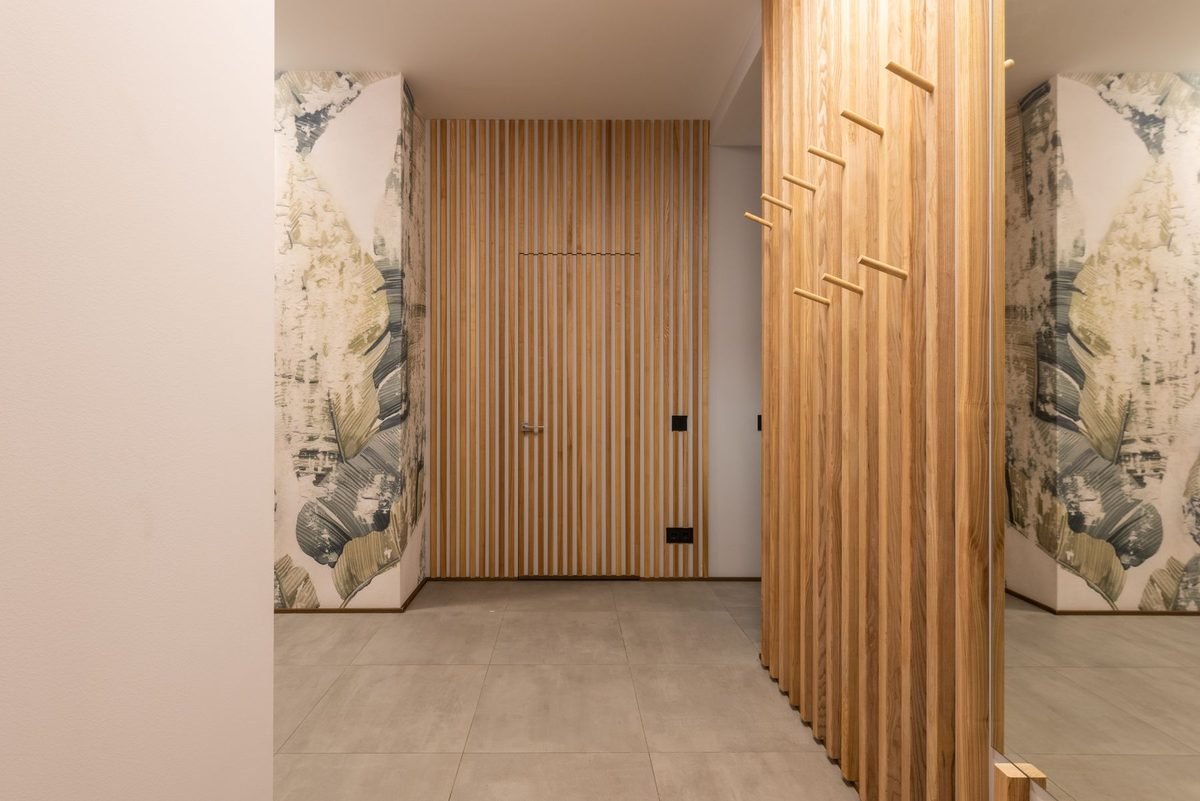
1. Use a Slatted Divider to Separate Without Blocking Light
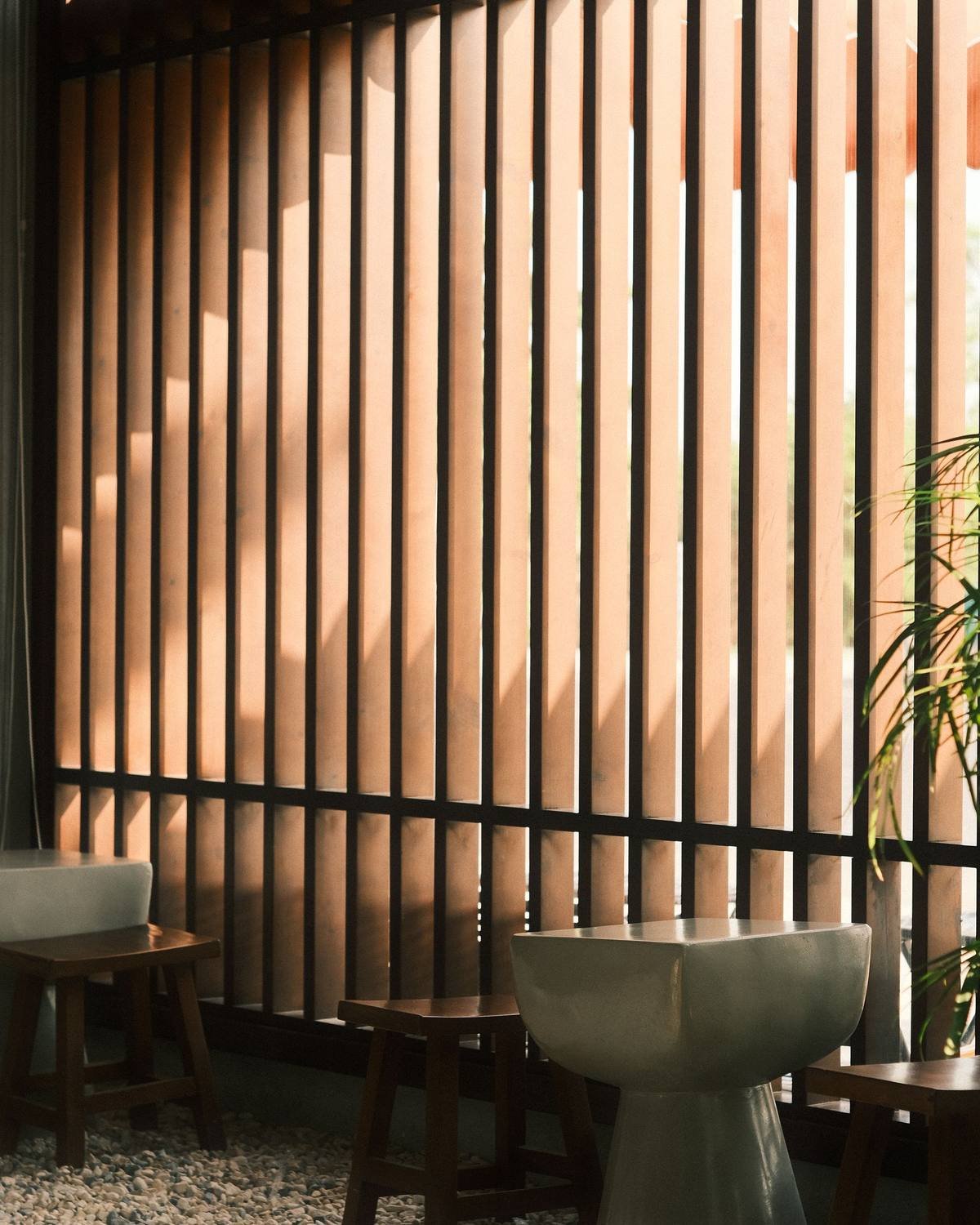
A slatted wood divider separates the bed from the living area but still lets light and air through. It keeps the room from feeling closed in, which matters in a studio with only one or two windows.
Freestanding slatted screens don’t need to be fixed to the wall. Some come with shelves or hooks on one side, which adds storage for plants, books or a bag.
Make it work: Place the divider at the foot or side of the bed, not right across the middle of the room. Leaving a gap at one end keeps a clear walkway.
2. Try a Folding Screen for Flexible Zones
A folding room divider can open fully to hide the bed when friends are over, then fold away during the day. It’s one of the most flexible ways to zone a studio.
Pick one tall enough to block the view of the bed from the sofa. Fabric or paper screens are lighter, while wood screens feel more solid and permanent.
Make it work: Use the back of the screen. Clip a few small baskets or a hanging organizer to it for chargers, glasses and other nightstand items.
3. Use a Movable Wall or Tall Mirror as a Divider
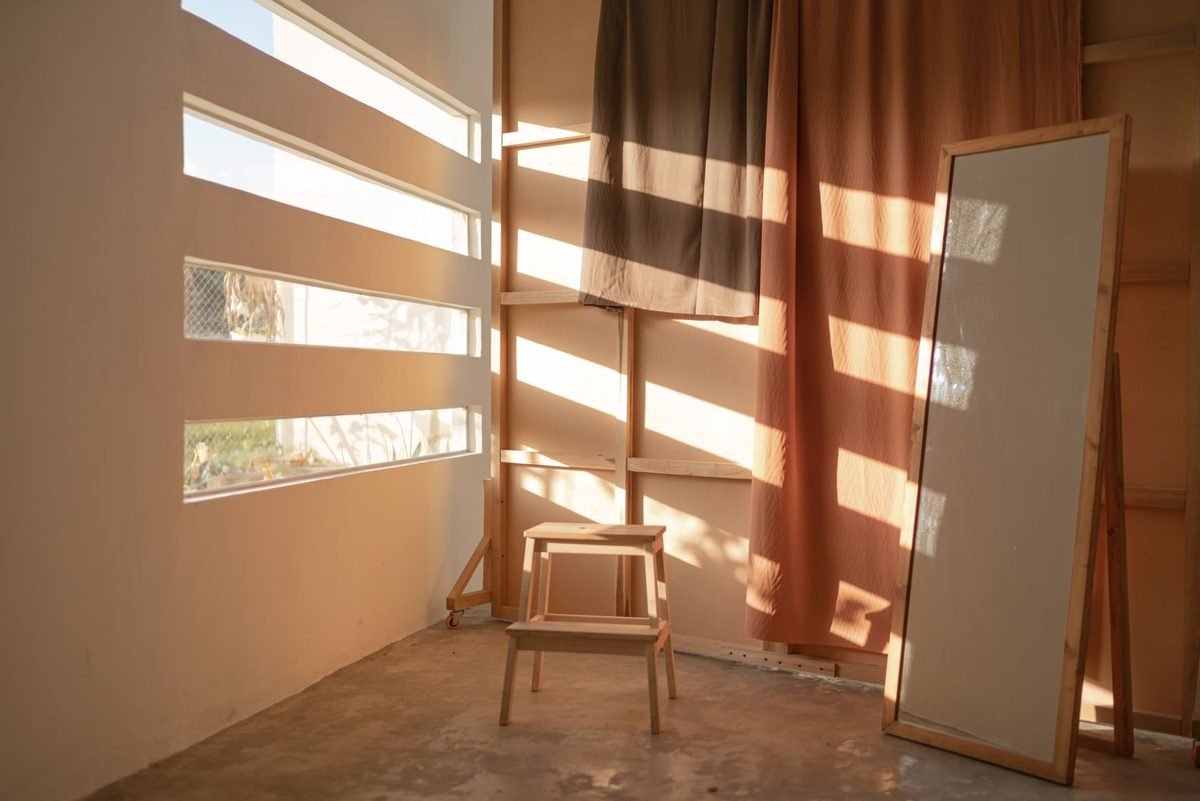
A tall standing mirror or a movable panel can split a room while making it look bigger. A mirror facing the living area bounces light around and gives you a place to check your outfit.
Some furniture works as a divider too. A tall, open-back bookcase lets light through from both sides and holds plenty of storage. If you use a tall bookcase or a heavy mirror, it should be secured so it can’t tip. The CPSC’s Anchor It campaign explains how to anchor furniture, and many landlords allow a small anchor for safety.
Make it work: Keep the lower shelves of a divider bookcase for closed bins and baskets. That way the side facing your bed looks calm.
4. Put the Bed Where It Feels Tucked Away
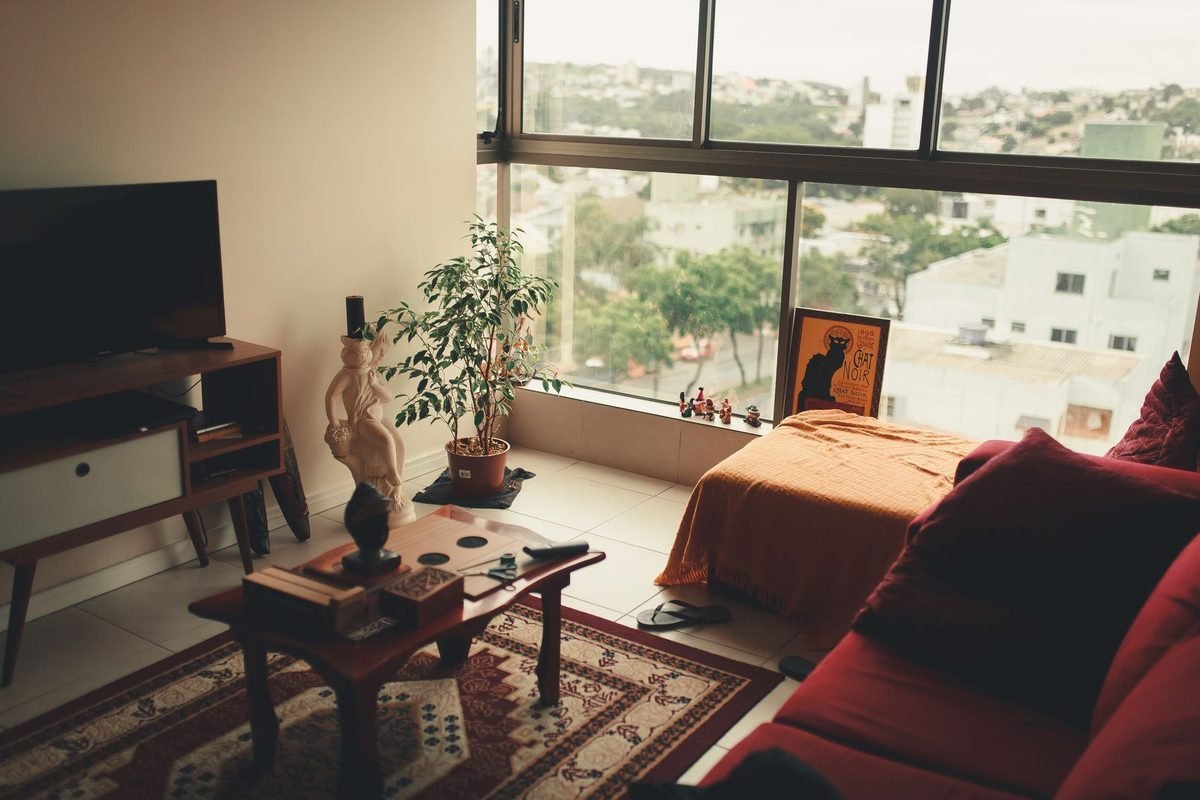
Where the bed goes shapes the whole studio. A bed against a wall or in a corner takes up less visual space than one floating in the middle.
A bed near a window often feels calm and bright, and it keeps the main living area closer to the door. Facing the sofa away from the bed creates a “back” to the living room that separates the two zones.
Make it work: Add a rug under the living area and a different one by the bed. Two rugs define two rooms, even without a divider.
Bed and Sleep Area Storage
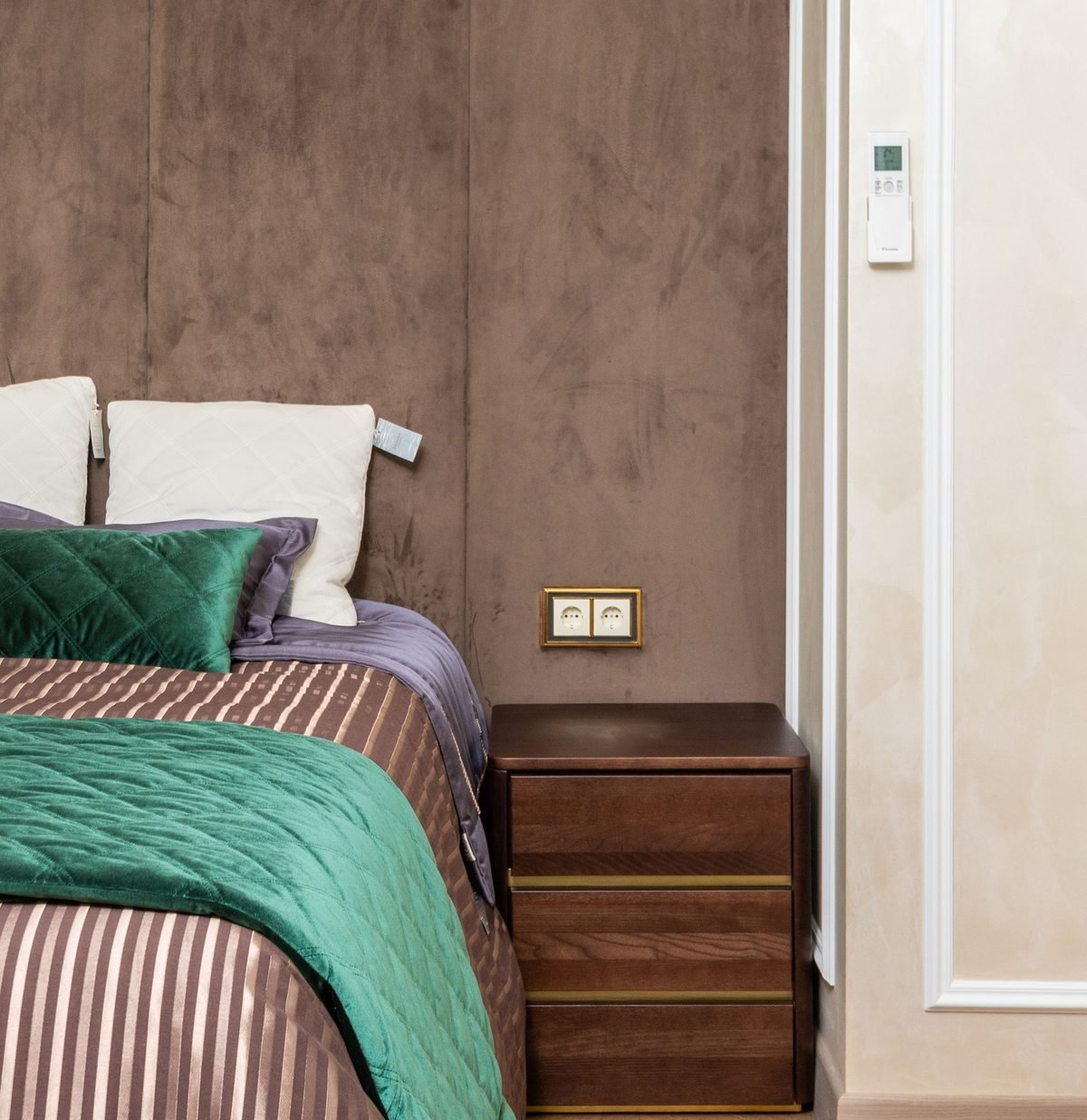
The bed takes up the most floor space in a studio, so it should also give back storage. These bed storage ideas for small spaces turn the sleep area into one of the hardest-working zones in the home.
Make the one closet work harder. Most studios have a single closet, so set it up carefully. Add a second hanging rod below the first for shirts and folded pants. Use shelf dividers or bins on the top shelf, and a shoe rack on the floor. Put an over-the-door organizer on the back of the closet door for accessories. Store off-season clothes under the bed so the closet holds only what you wear now.
5. Consider a Loft Bed to Free Up Floor Space
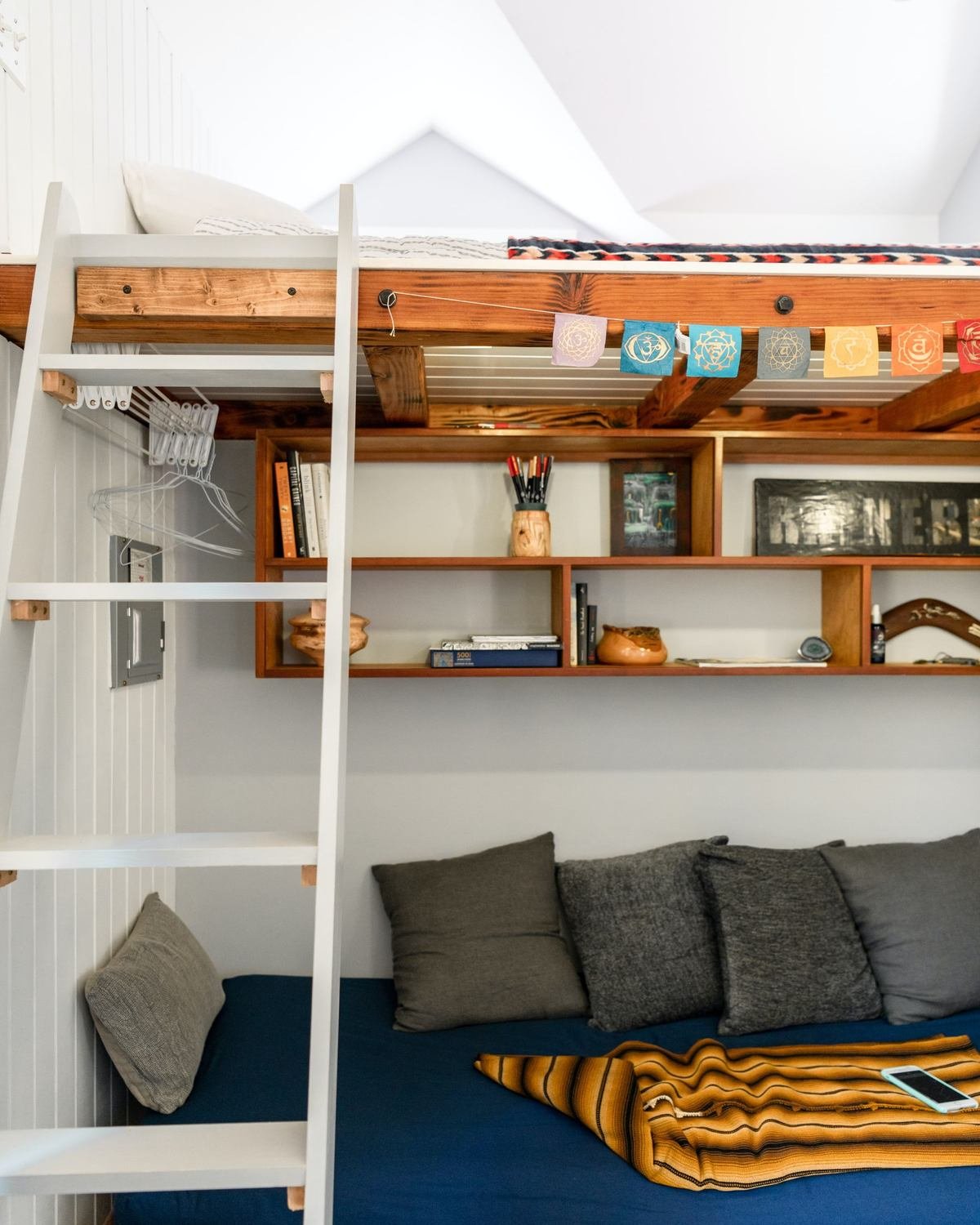
If your ceilings are high enough, a loft bed lifts the bed up and frees the whole floor area underneath. You can put a desk, a sofa, a wardrobe or open shelving under it.
Loft beds with a desk come in many styles. Check the height of your ceiling and the bed, and leave enough room to sit up comfortably on the mattress.
Safety matters with loft beds. Use guardrails on all sides, follow the weight limits and make sure the ladder is secure. Loft beds are usually not a good fit for young children.
Make it work: Add a clip-on lamp to the loft bed for reading, and a small shelf or caddy at the top for your phone and glasses.
6. Choose a Sofa Bed if You Host Guests

If you don’t sleep on it nightly but have guests now and then, a sofa bed saves the space of a second bed. Some models have storage under the seat for pillows and blankets.
If you sleep on it every night, look for a sleeper sofa with storage that’s quick to open and has a comfortable mattress. Some people prefer a daybed, which looks like a sofa but is always ready for sleep.
Make it work: Keep guest bedding in a zippered bag under the sofa or in the closet, so setting it up takes just a few minutes.
On a budget: A futon is often cheaper than a sofa bed, and many fold flat in seconds. Look for a frame with a storage drawer underneath.
7. Pair Your Bed With a Tall Cupboard
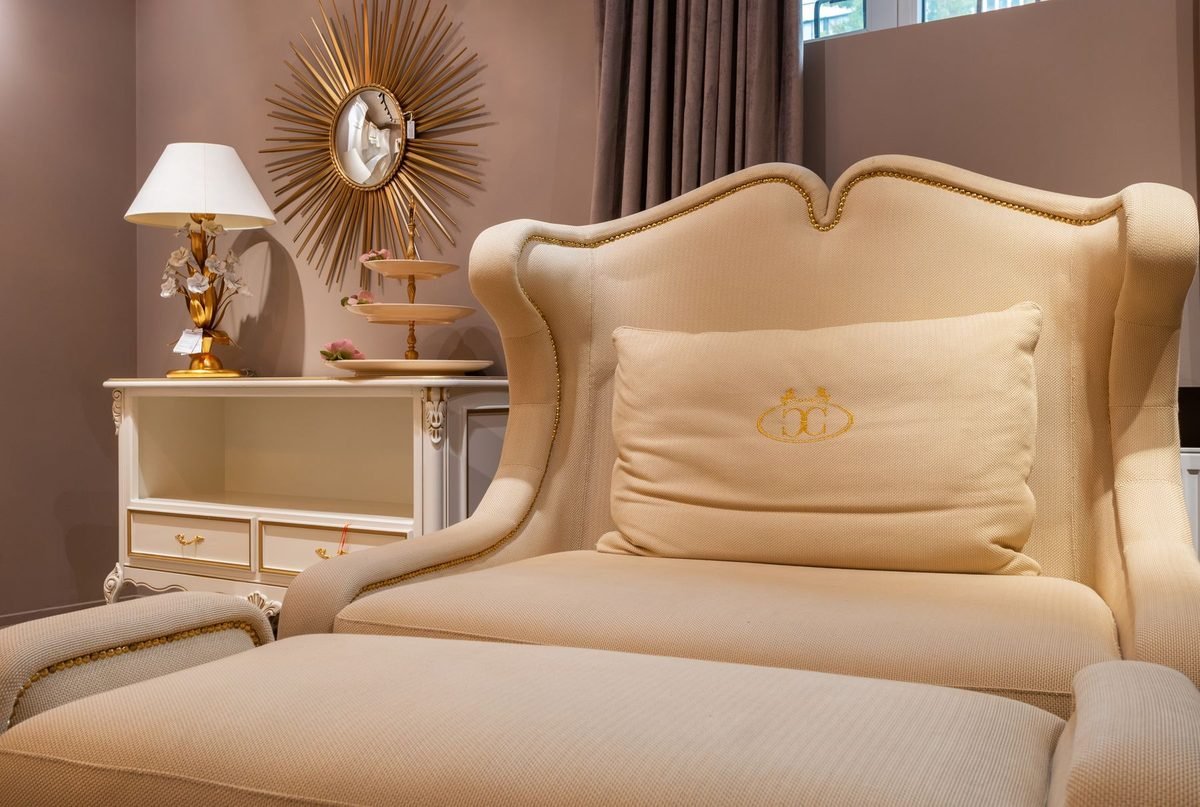
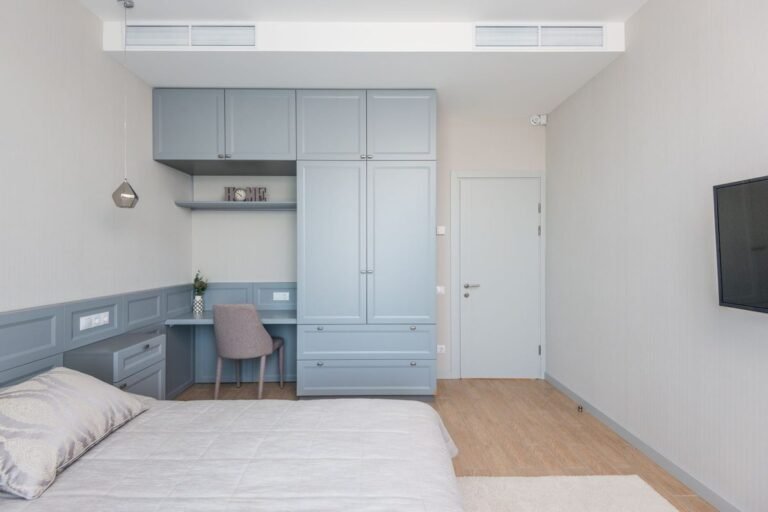
In a studio, a tall cupboard or wardrobe next to the bed gives you closet space where there isn’t any. It also creates a natural “wall” for the sleep zone.
Choose one with shelves and a hanging rail, so it can hold folded clothes and a few hanging items. Doors hide everything, which keeps the room calmer.
Look for a bed with drawers, too. Platform beds with drawers add storage for clothes, linens or shoes without taking up more floor space. If your bed is on legs, use rolling under-bed bins instead.
Make it work: Store the things you use least, like off-season clothes and spare bedding, in the hardest-to-reach spots, such as the bottom of the wardrobe or under the middle of the bed.
8. Pick a Small Bedside Table With a Shelf
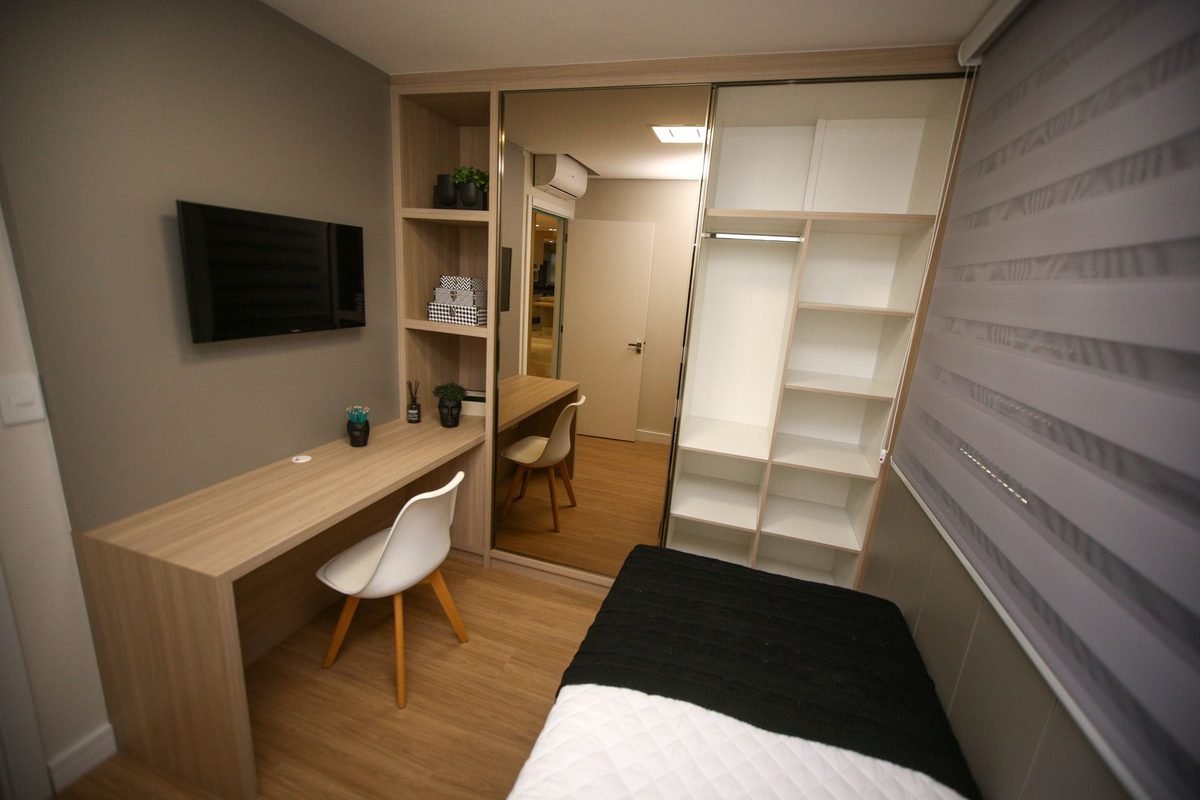
A bedside table with a shelf or drawer gives you a spot for a lamp, a book and a glass of water, with storage below for chargers and small things.
In a tight space, a stool, a small wall shelf or a clip-on bed shelf can do the same job. A small narrow nightstand works where a standard one won’t fit.
Make it work: Keep only a few things on top. In a studio, the nightstand is visible from everywhere, so it should look calm.
Create a Small Work Area
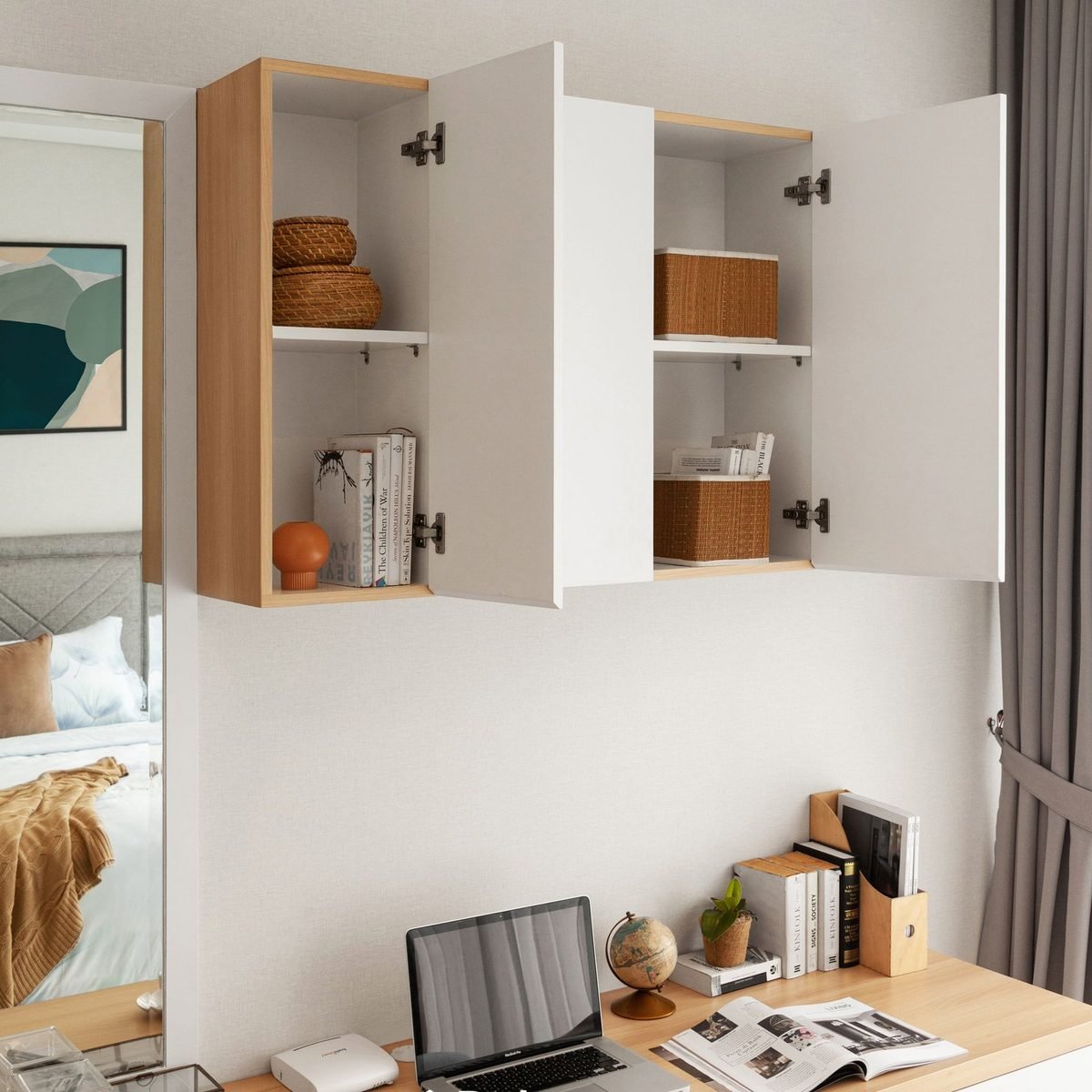
If you work from home, a work zone helps you focus and keeps work stuff from spreading across the whole studio. Even a small corner can work well.
No room for a desk? Use a wall-mounted fold-down desk if your landlord allows a few screws, or a small console table against the wall that doubles as an entry table. A laptop stand on the dining table works too, as long as work supplies live in one basket you can move.
9. Add Shelves Above the Desk

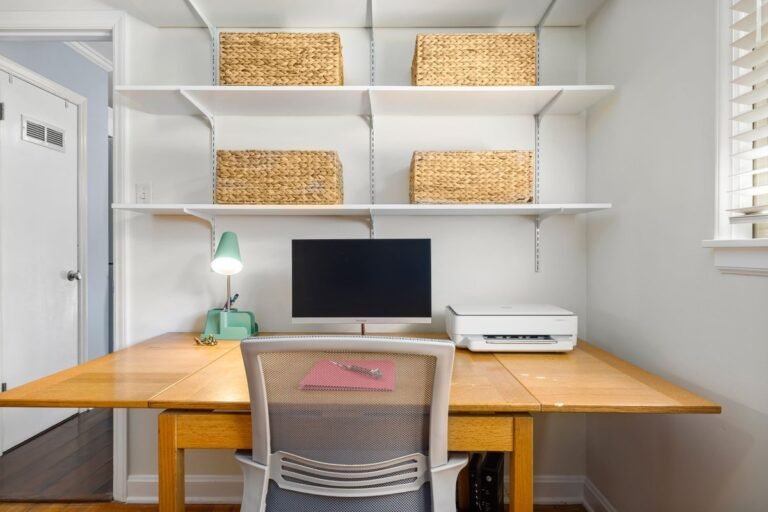
The wall above your desk is free storage. A shelf or two can hold books, supplies and a plant, keeping the desk itself clear.
If you can’t drill, a desk with a built-in hutch or a freestanding shelf beside it gives you the same storage without any holes.
Make it work: Use small boxes or magazine files on the shelves. They hide clutter and make it easy to put things away at the end of the day.
On a budget: Wooden crates stacked on their sides make a sturdy shelf beside the desk, and a cheap cup or jar holds pens.
10. Keep the Workspace Simple
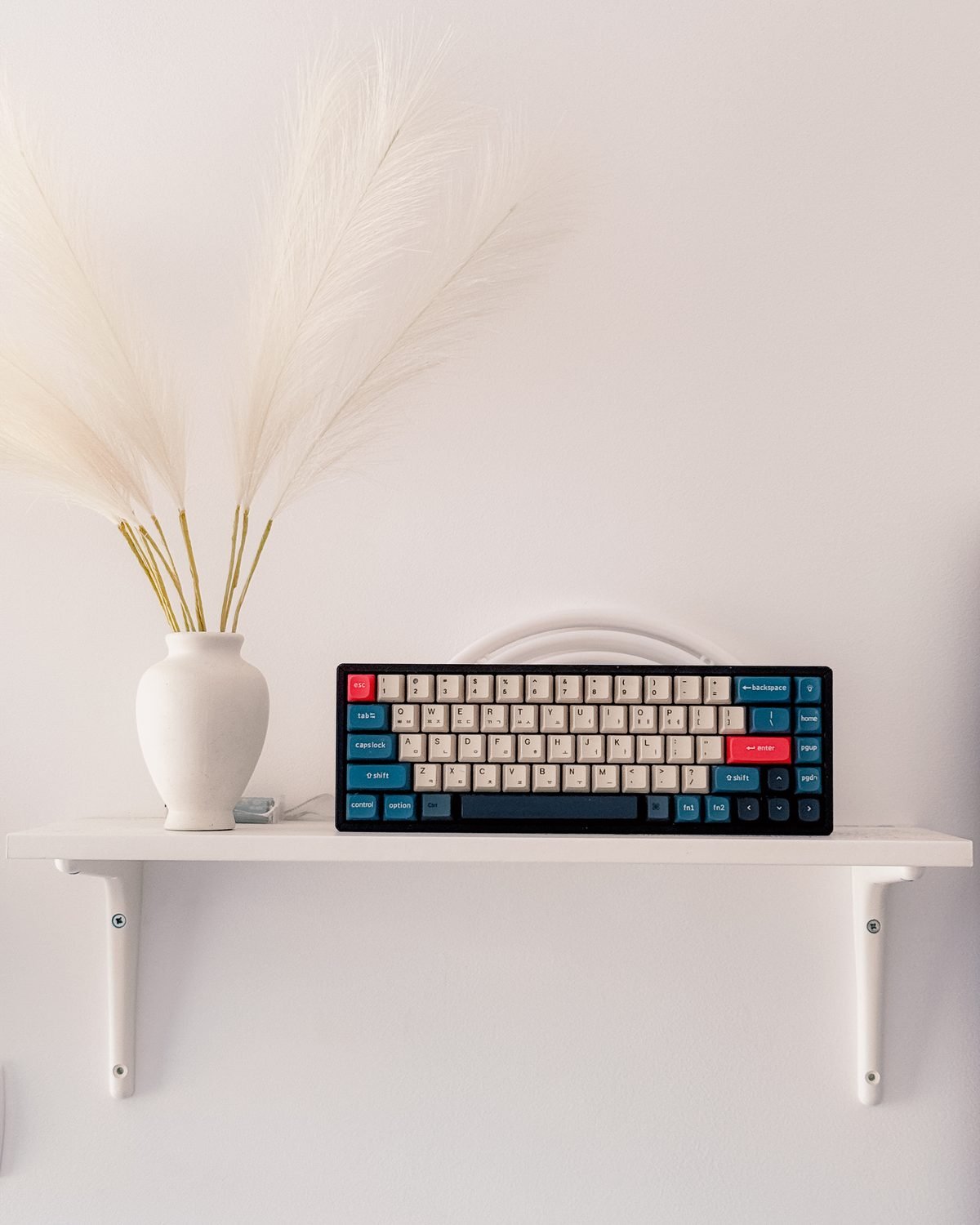
A small, simple desk setup takes up less room and feels less like an office in your living space. Keep only what you use every day on the desk: a laptop or monitor, a keyboard, a lamp and a notebook.
Use a monitor stand with storage to lift the screen and create a spot underneath for small items.
Make it work: At the end of the day, close the laptop and put it in a drawer or basket. It helps you switch from work mode to home mode.
11. Add a Good Desk Lamp
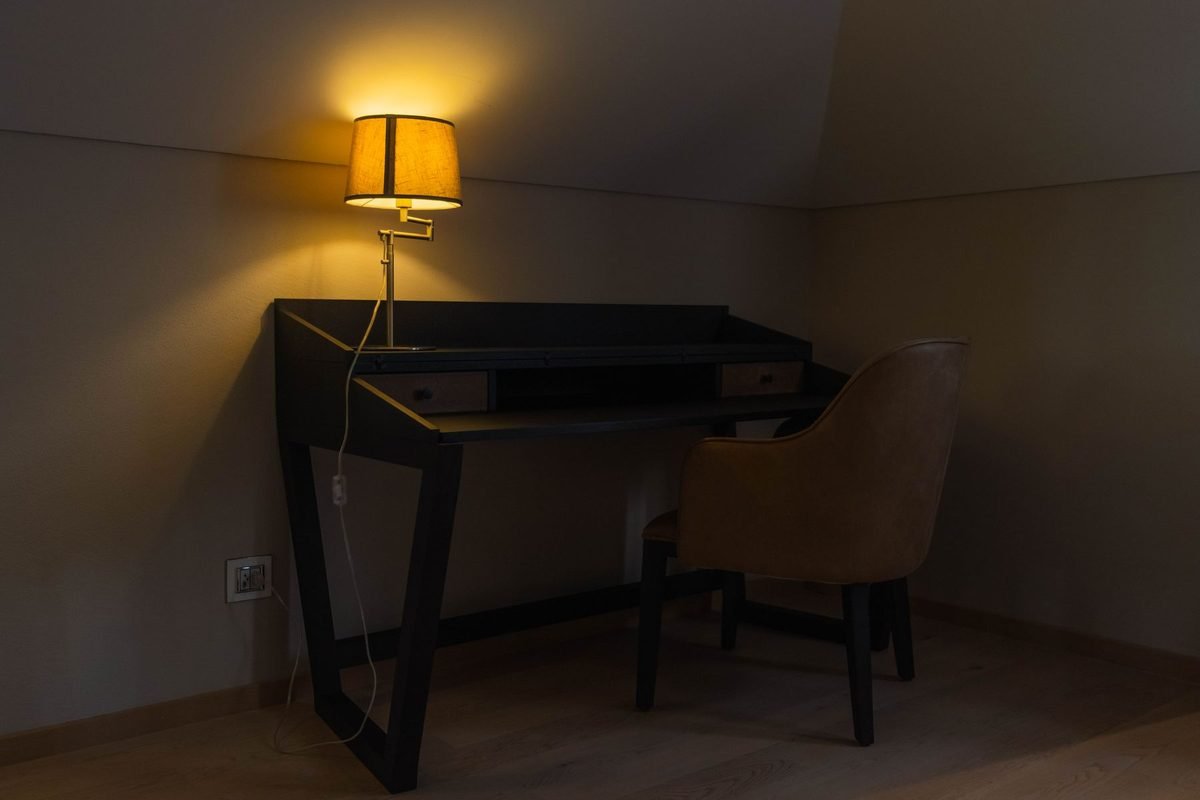
Good light makes a small work area more comfortable and helps it feel like its own space. A desk lamp is far better than relying on the main ceiling light.
Pick a small adjustable LED desk lamp. Some include a USB port, so you can charge your phone without a separate charger.
Make it work: Choose a warm light for the evening and a cooler, brighter light for focused work. Many lamps let you switch between the two.
Living Area Storage Ideas for Small Spaces
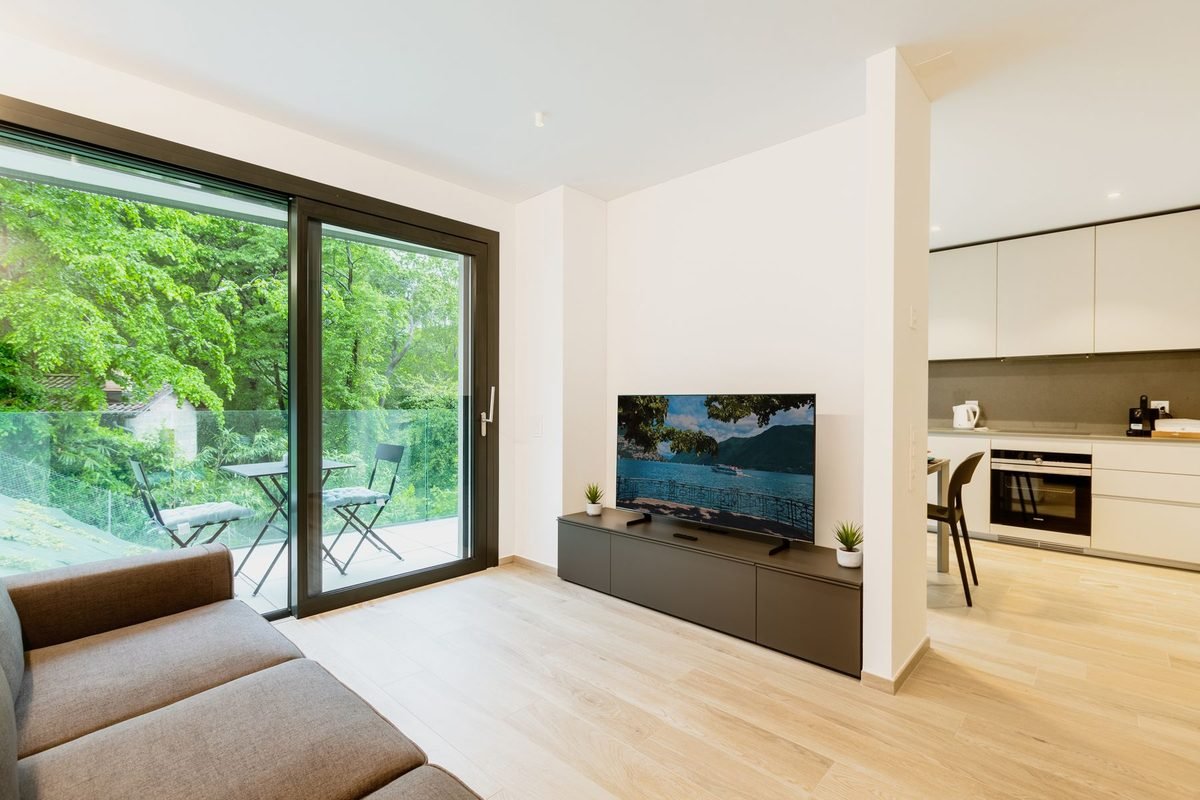
The living area is where most people spend their free time. It’s also where storage furniture can do the most work. In a studio, the living area is usually the first thing guests see, so the goal is storage that holds a lot but still looks calm and uncluttered.
12. Choose Furniture With Closed Storage
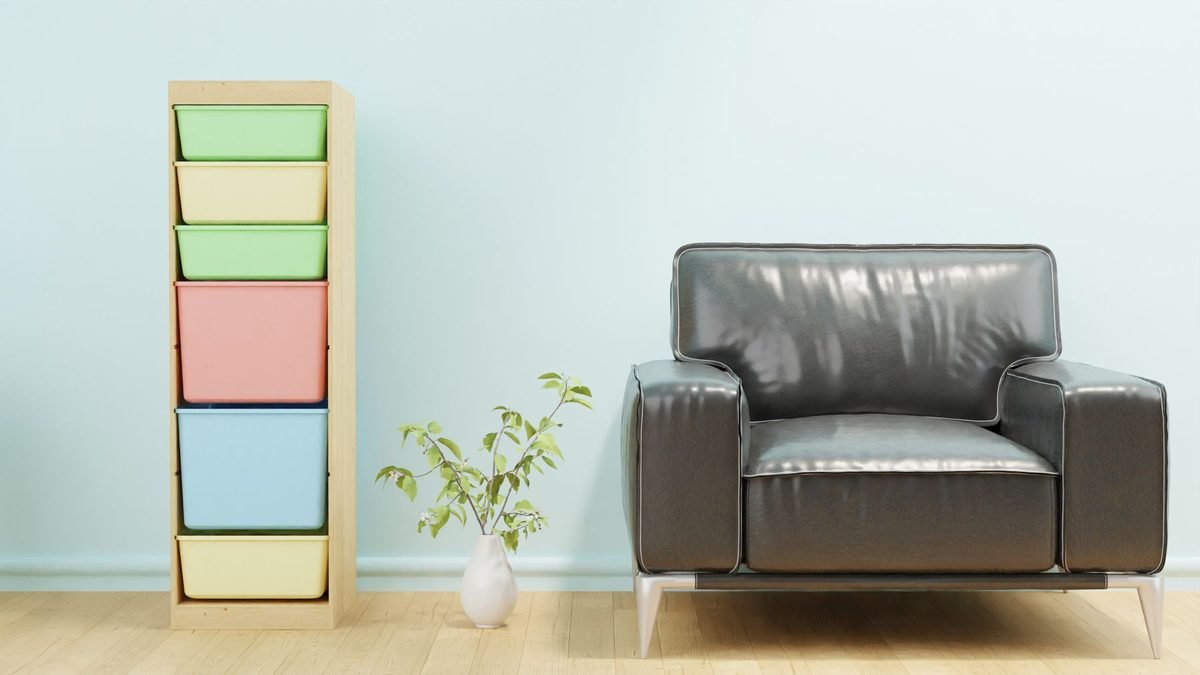
Furniture with closed storage hides clutter. A storage ottoman, a TV stand with doors or a cube unit with fabric bins holds a lot and keeps the room looking calm.
Cube storage units with bins are flexible. You can lay them on their side as a low TV stand or stand them up as a bookcase.
Make it work: Assign each bin a category, like cables, games, paperwork and hobby supplies. Label the inside of the bin so the front stays clean.
On a budget: Thrift stores and local marketplace listings are full of cube units, ottomans and dressers. Fabric bins from a dollar store make any open unit look tidy.
13. Use Open Shelves for Bags and Display
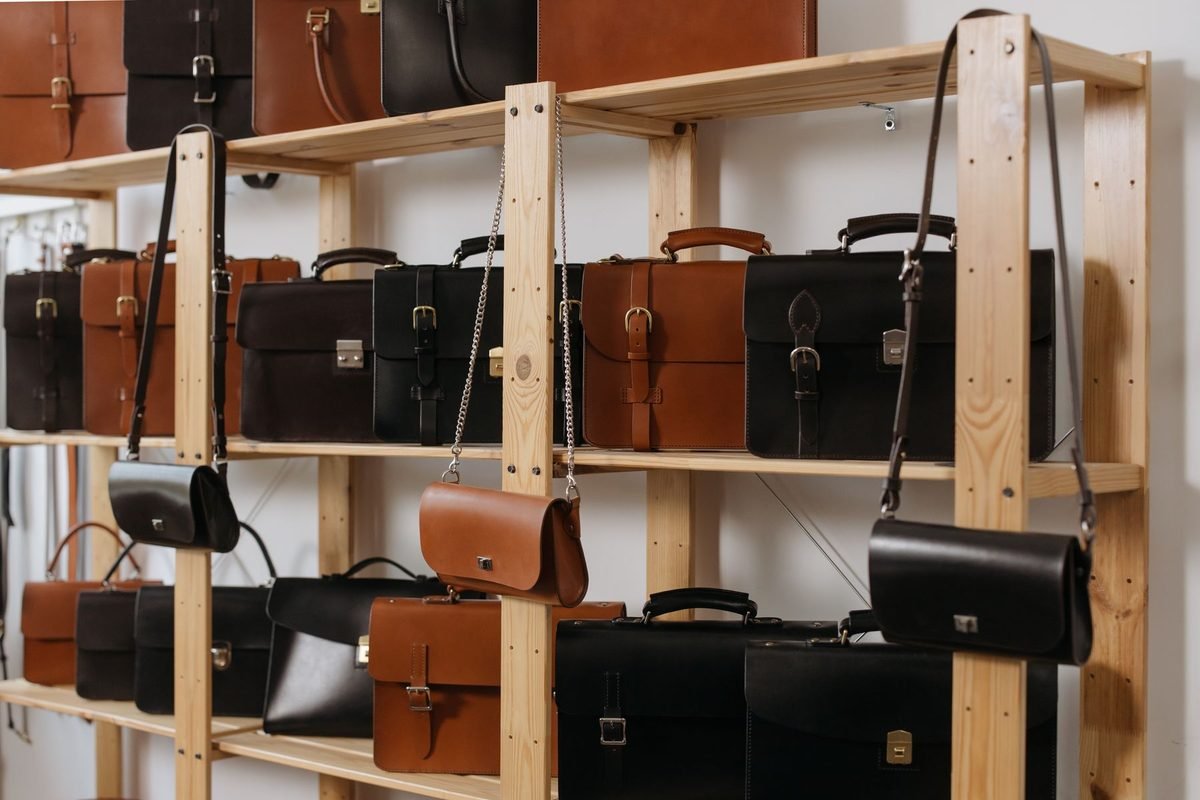
Open shelves can store everyday things like bags, hats and books, and they double as decor. In a studio without much closet space, a shelf near the door can be a great place for bags.
Mix storage and display. Put the bags or baskets on the lower shelves and books or plants up top.
Make it work: Leave a little space on each shelf. Packed shelves look cluttered, especially in a single room.
14. Keep Decor Simple and Use Plants
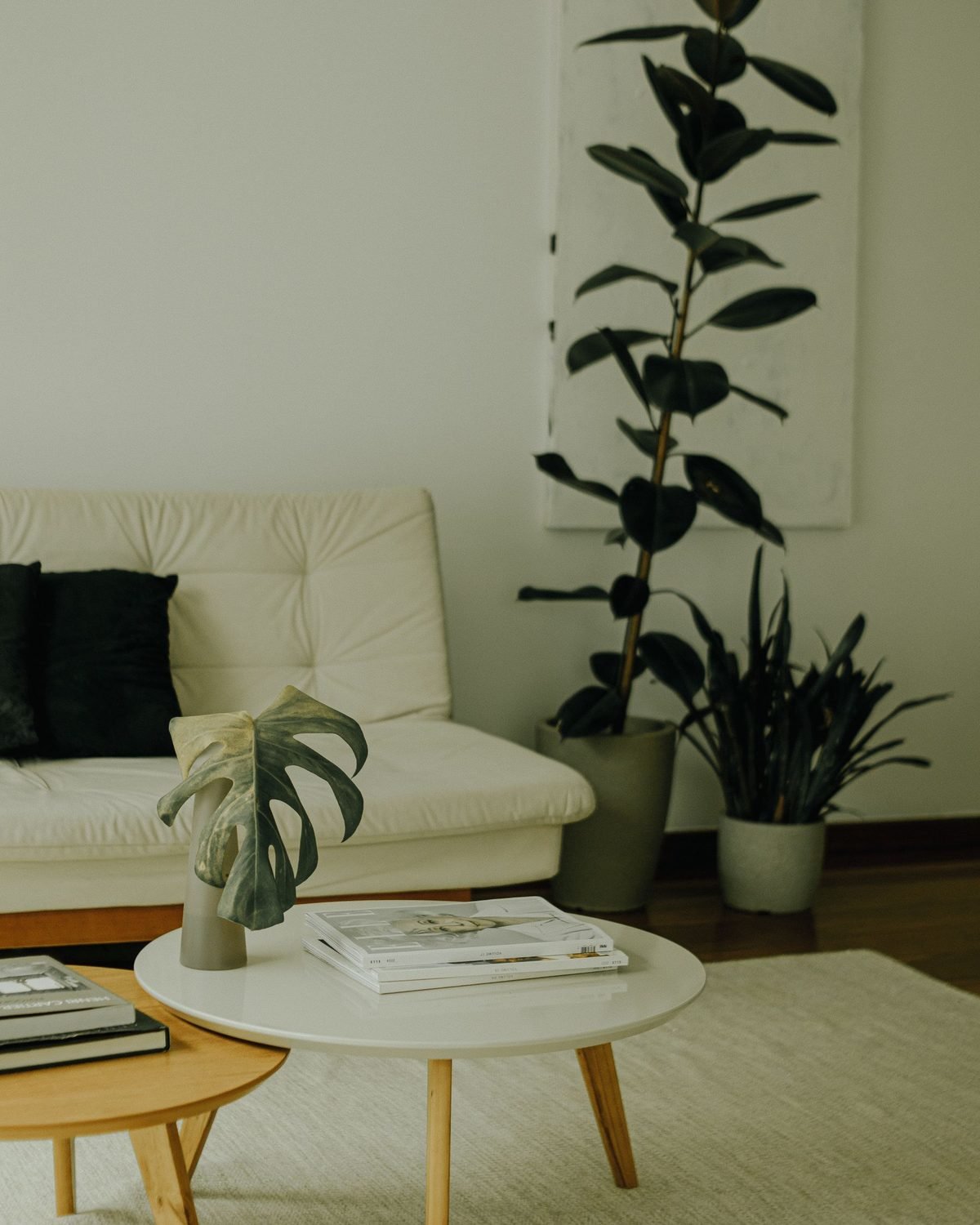
In a studio, less decor makes the space feel bigger. Pick a few favorite pieces and a couple of plants, and leave some empty surfaces.
Plants soften a studio and help zone it. A tall plant between the sofa and bed can act as a soft divider.
Make it work: Store extra decor in a labeled bin and rotate it each season. That way you can enjoy more pieces without filling the room.
15. Hide Storage Behind a Curtain

A curtain can hide open shelves, a clothing rack or a storage nook. It’s cheaper than a wardrobe and doesn’t need any installation if you use a tension rod.
A heavy-duty tension rod and a simple curtain turn an alcove into a closet. You can also hang a curtain from the ceiling to hide the bed.
Make it work: Use the same curtain fabric as your window curtains. It makes the storage look like part of the room, not an afterthought.
Kitchenette Storage

Studio kitchens are often a single wall of cabinets. These kitchen storage ideas for small spaces help you get more from a small kitchenette.
Use the space above the cabinets. Baskets or bins on top of the cabinets hold things you rarely use.
Add a rolling cart. A rolling cart adds counter space and storage, and it can roll into a corner when you don’t need it.
Use risers and organizers inside cabinets. Shelf risers, stackable containers and door organizers make small cabinets hold more.
Hang tools and pans. A rail with hooks or a magnetic knife strip clears drawers and counters.
Keep the air fresh. In a studio, the kitchen, bed and sofa share the same air, so cooking smells and moisture spread quickly. Run the range hood or open a window while you cook, and empty the trash often. The EPA’s introduction to indoor air quality explains why ventilation matters in the home.
Use the side of the fridge. Magnetic racks and hooks on the side of the fridge can hold spices, towels and foil. Check that the fridge side isn’t too close to the stove first.
Store dishes by use. Keep everyday plates, bowls and glasses in the easiest-to-reach cabinet. Holiday or extra dishes can go up high or in a bin under the bed.
Hide the kitchen at night. If your kitchenette is in full view of the bed, a curtain or screen can hide it so the room feels calmer when you go to sleep.
Don’t forget the entry and bathroom. In a studio, the front door often opens right into the living space. A small shoe rack, a few hooks and a tray for keys keep the entry from spilling into the room. Our small entryway organization ideas have more options. In the bathroom, an over-the-toilet shelf and a shower caddy add storage without taking up the floor.
For more ideas, see our small apartment storage ideas on a budget.
Make it work: Group kitchen items by task, like coffee, baking and everyday cooking, so each cabinet or shelf has a clear job.
16. Use a Small Table for Dining and More
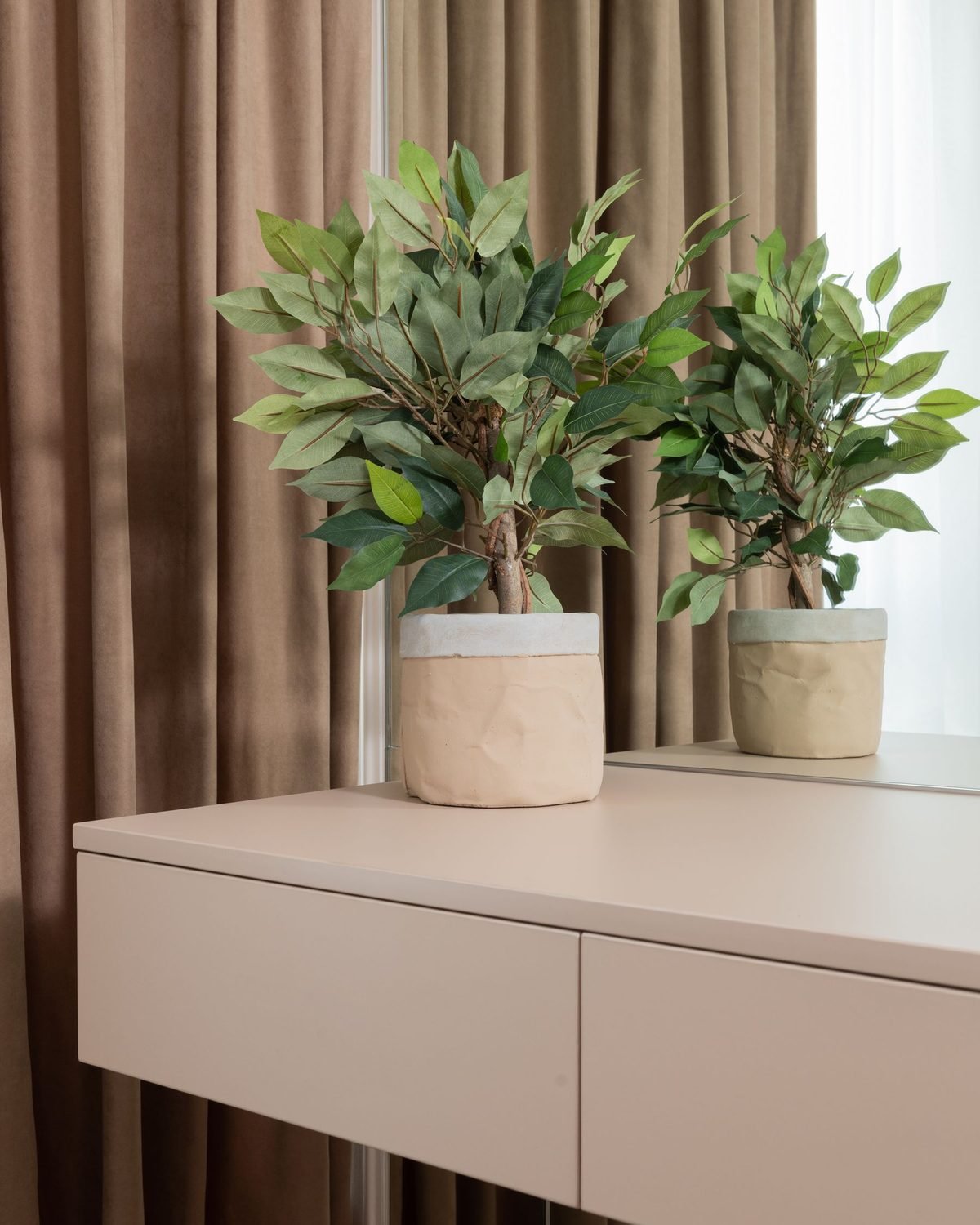
A small round table or a drop-leaf table gives you a spot to eat, work and prep food. Round tables are easy to walk around in a tight space.
A drop-leaf table folds down when you don’t need it. Stools that tuck under the table save space too.
Make it work: Keep the table clear when it’s not in use. Put work supplies in a basket you can move to a shelf at mealtime.
Sharing a studio with a partner? Give each person their own drawer, shelf or bin, plus a hook by the door. Split the wardrobe in half, and agree on where shared items like chargers and mail go. If one person works from home, a folding screen around the desk helps both of you have some privacy during the day.
What to Buy for a Studio (and What to Skip)
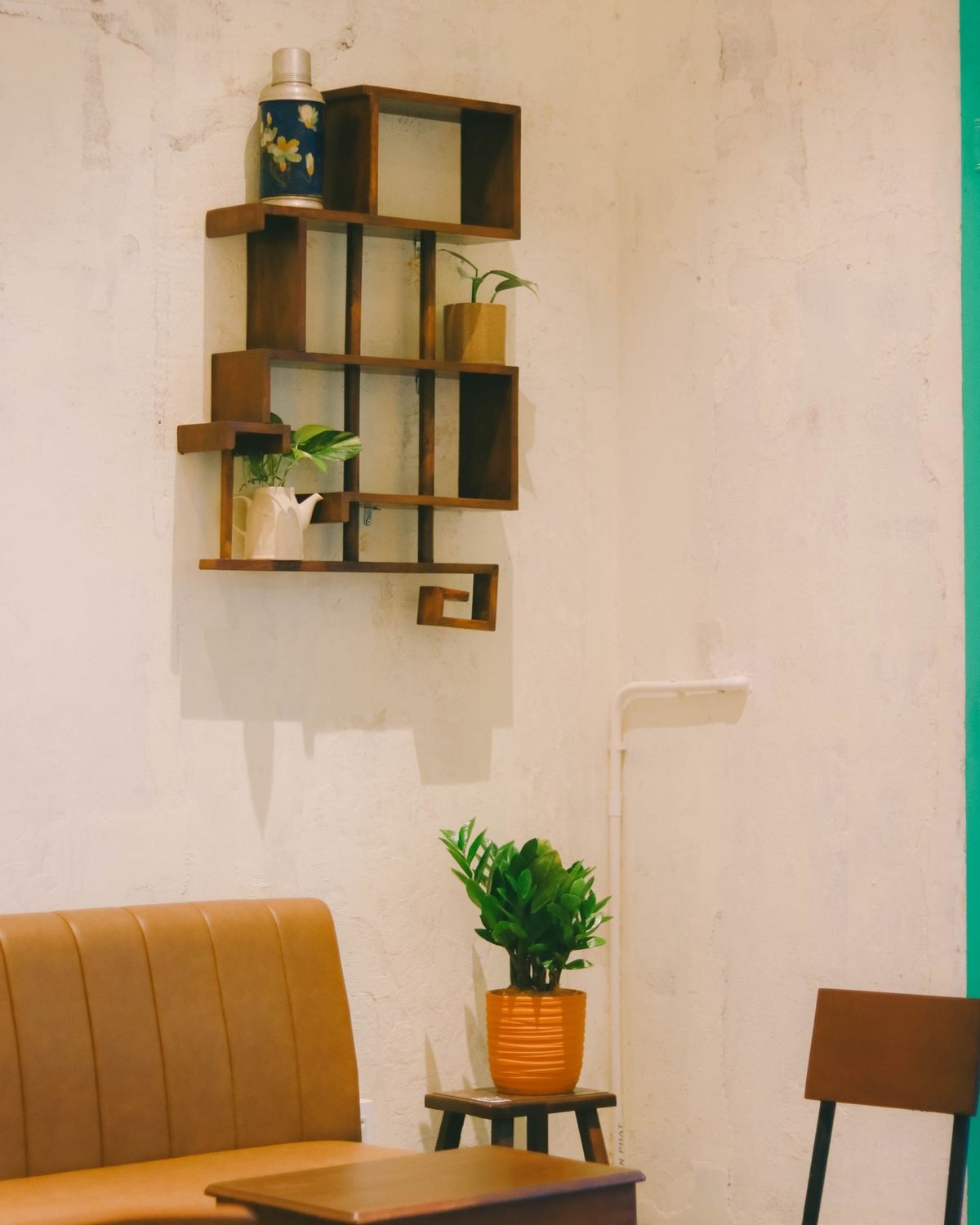
Worth buying:
- A bed with storage, a loft bed or a sofa bed.
- A divider, like a slatted screen, a folding screen or a bookcase.
- Furniture with closed storage, like a storage ottoman or a cube unit.
- A rolling cart for the kitchen or bathroom.
- Tension rods and curtains to hide storage.
Worth skipping:
- Lots of small pieces. They make a studio feel cluttered.
- Oversized furniture. Measure before you buy.
- Things you’d need to drill, unless your lease allows it.
Studio storage by budget:
Free: Rearrange furniture to create zones, declutter and use what you have, like boxes and baskets.
Low cost: Add tension rods and curtains, under-bed bins, over-the-door organizers and adhesive hooks.
Bigger investment: Buy one key piece that changes the room, like a bed with storage, a loft bed, a sofa bed or a tall wardrobe.
Studio Storage Mistakes to Avoid
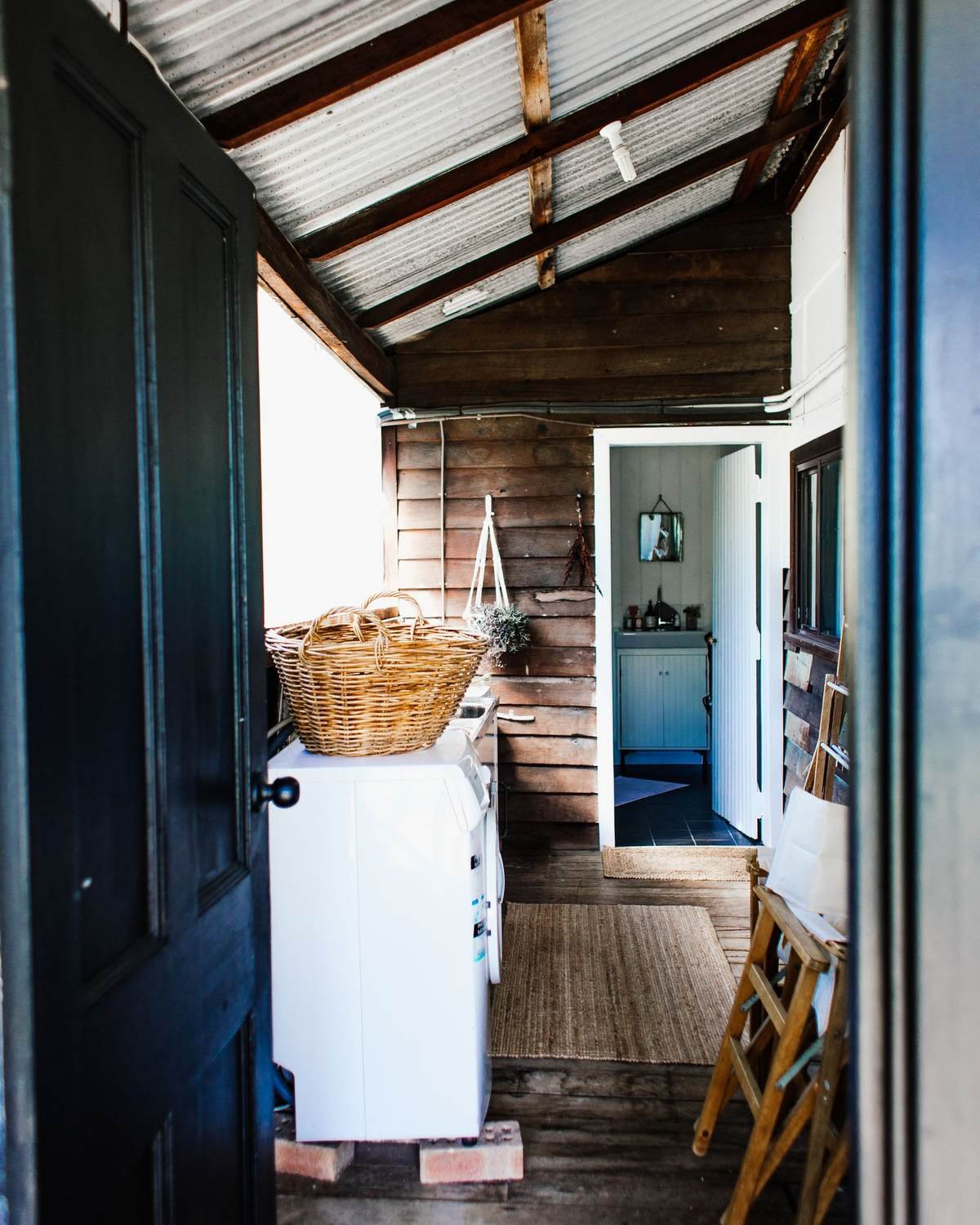
Buying furniture before planning the layout. You might end up with pieces that don’t fit or block the path.
Ignoring vertical space. Use tall furniture, shelves above the desk and the space above cabinets and wardrobes.
Pushing all furniture against the walls. Floating the sofa or using a divider can make zones that feel more like separate rooms.
Not leaving clear walkways. A crowded path makes the whole space feel smaller.
Keeping too much stuff. A studio can only hold so much. Declutter before you buy storage.
Choosing pieces that are too dark or heavy. In one room, big dark furniture can make the space feel smaller. Lighter colors and furniture with legs feel more open.
Not thinking about the next apartment. Studio renters often move. Pick pieces that are easy to take apart and would work in a different layout.
How to Keep a Studio Organized
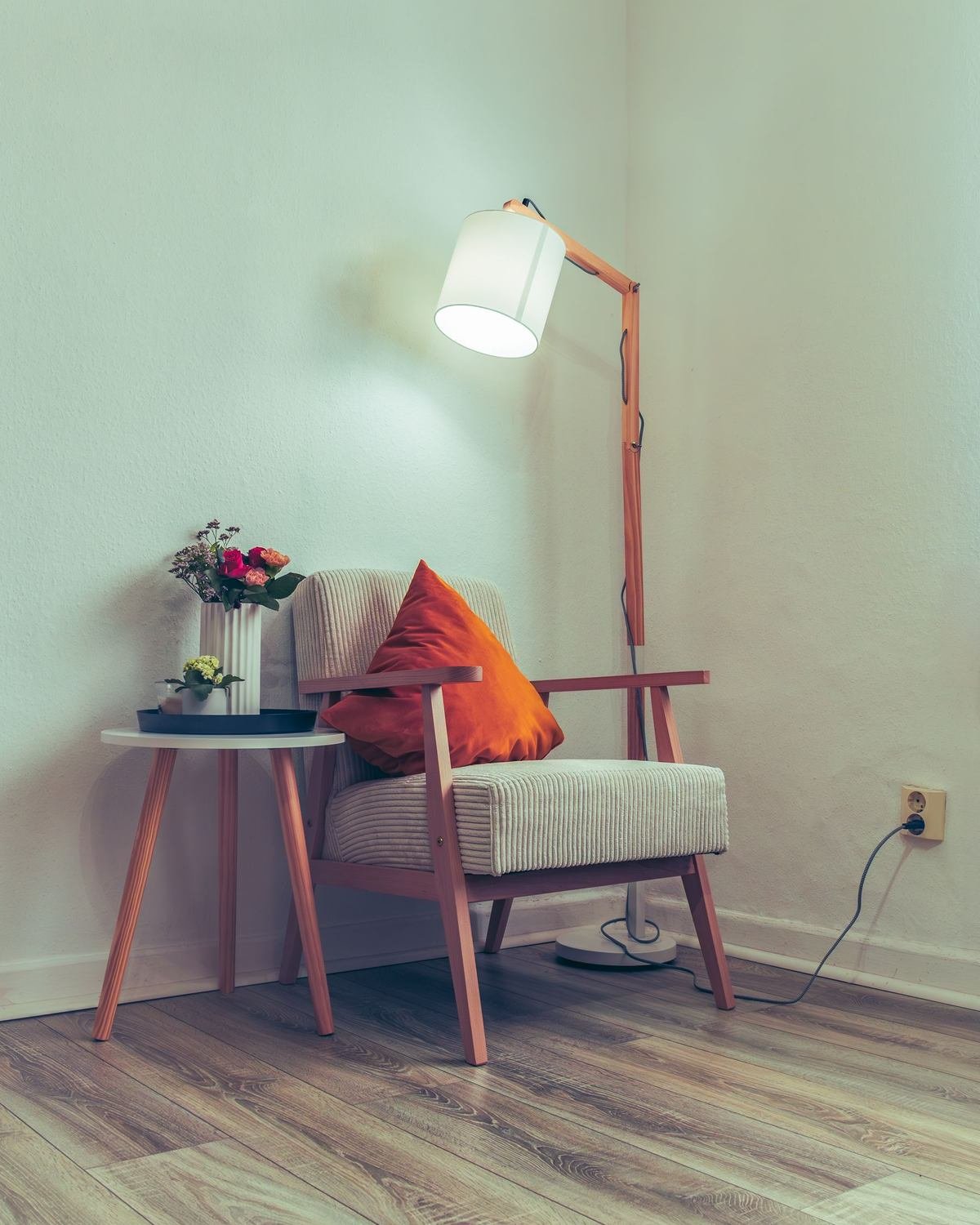
Daily: Make the bed, wash the dishes and do a five-minute reset of each zone.
Weekly: Reset the desk, clear the table and put away laundry.
Monthly: Check one area, like under the bed or a storage bin, and remove what you don’t use.
Seasonally: Swap clothes, bedding and decor, and donate what you didn’t use.
A ten-minute studio reset by zone:
- Sleep zone (2 minutes): Make the bed and clear the nightstand.
- Kitchen (3 minutes): Dishes in the sink or rack, counters wiped.
- Living zone (3 minutes): Fold throws, put away remotes and reset cushions.
- Work zone (2 minutes): Close the laptop and put supplies in their basket.
Doing it every evening keeps the whole studio feeling calm.
For clothes, see our guide on how to organize a small closet with lots of clothes.
Use the one-in, one-out rule. In a studio, every new thing has to fit somewhere. When you bring home a new shirt, a mug or a book, let one similar item go. It’s the simplest way to keep a single room from slowly filling up.
Plan for moving day. Many studio renters move every year or two. Keep flat-pack boxes for big furniture, store hardware in labeled bags taped to each piece, and choose storage that breaks down easily. It makes the next move faster and protects your furniture.
Storage Ideas for Small Spaces: FAQ
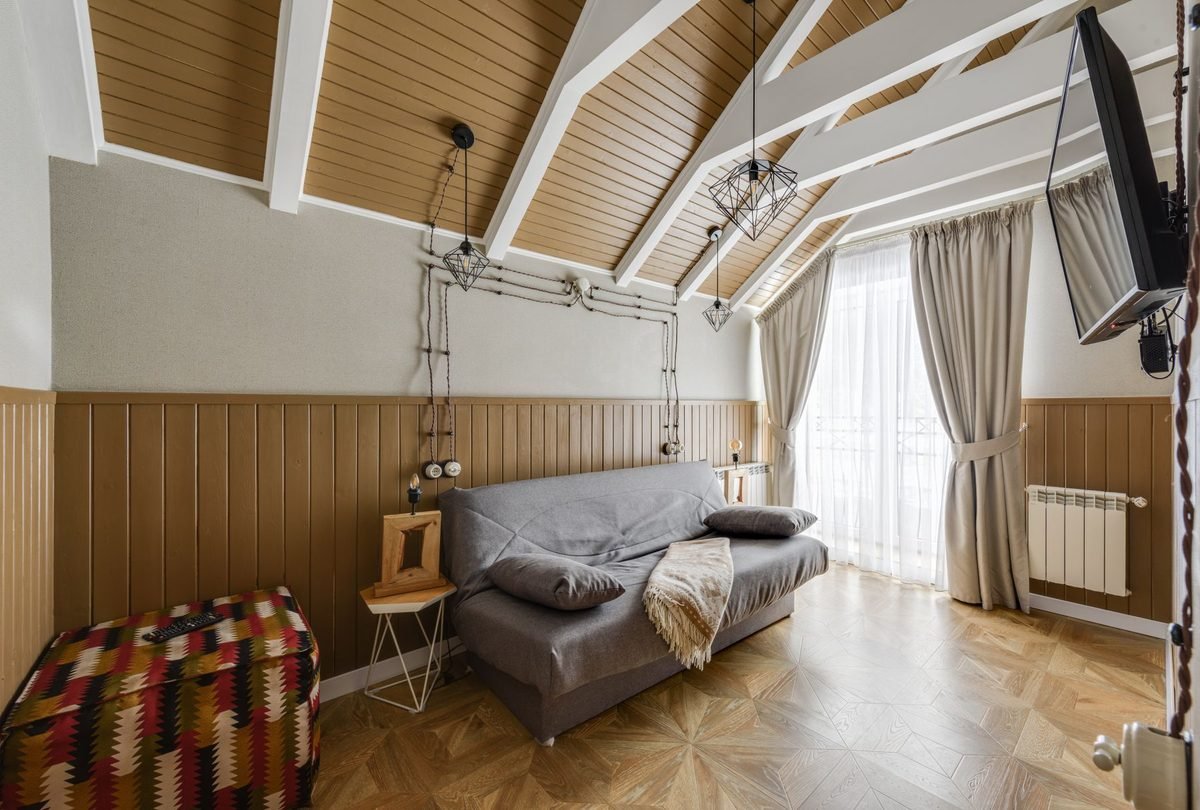
What are the best storage ideas for small spaces like a studio?
Start with the layout, then choose furniture that does two jobs: a bed with drawers or a loft bed, a storage ottoman, a cube unit with bins and tall cupboards. Add a divider to create zones, shelves above the desk and a curtain to hide open storage. The best storage ideas for small spaces use vertical space and closed storage so the room still feels open.
How do I separate my bed in a studio?
Use a divider, a folding screen, a curtain, a bookcase or a rug. Facing the sofa away from the bed also helps.
What’s the best storage furniture for a studio?
A bed with drawers, a storage ottoman, a cube unit and tall wardrobes or cupboards.
How do I make a studio feel bigger?
Keep floors clear, use mirrors, choose light colors and pick furniture with legs.
Are loft beds a good idea for a studio?
They can be, if your ceilings are high enough. They free floor space underneath for a desk or sofa.
How do I add storage without drilling?
Use freestanding shelves, tension rods, under-bed bins and over-the-door organizers.
How do I store clothes in a studio with no closet?
Use a freestanding wardrobe, a clothing rack behind a curtain, a dresser and under-bed bins for off-season items.
How do I hide clutter in a studio?
Choose furniture with doors or bins, use baskets on open shelves and hide storage behind a curtain or screen.
Where should the TV go in a studio?
Put it where you can see it from the sofa but not necessarily from the bed, so the sleep area stays calm. A low cube unit can serve as a TV stand and storage.
How do I make a studio feel cozy, not cramped?
Add warm lamps, a rug for each zone, a few plants and textiles. Keep surfaces clear and choose fewer, larger pieces.
Can I use a rug to zone a studio?
Yes. A rug under the sofa and coffee table defines the living area, and a smaller rug by the bed defines the sleep area. Choose rugs that go together in color so the room still feels connected.
The Takeaway
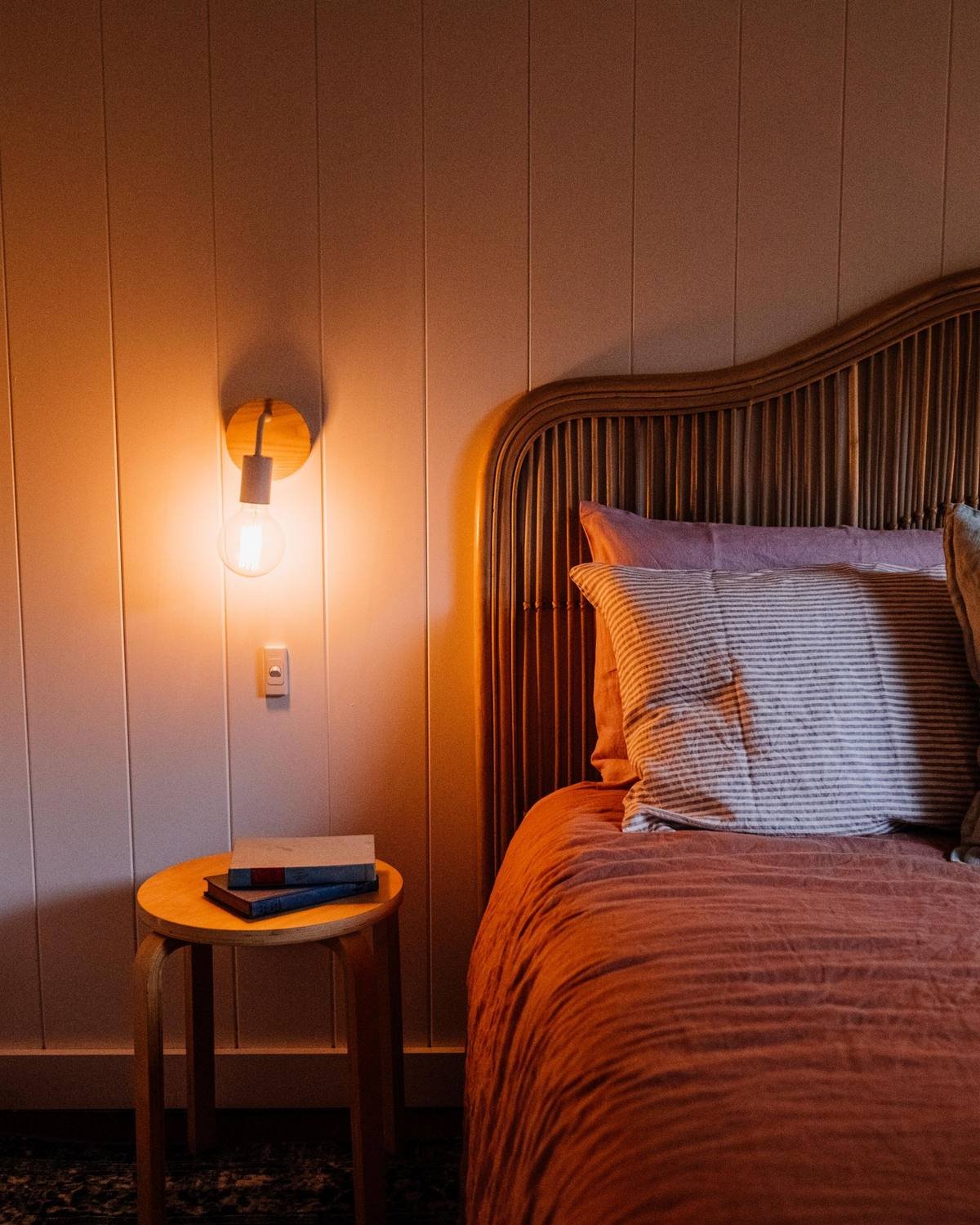
The best storage ideas for small spaces start with a good layout. Plan your zones, place the bed and sofa, then add storage furniture that does two jobs. Use dividers, beds with storage, shelves above the desk and closed storage in the living area.
Pick one idea to start with, like a divider or a bed with drawers. For more ideas, browse our small space storage category or our guide to home organization ideas for small spaces.