
How to Hang Curtains With Command Hooks: 7 Easy Renter Hacks
Disclosure: This post contains affiliate links. As an Amazon Associate I earn from qualifying purchases. If you buy through these links, I may earn a small commission at no extra cost to you. Read our full disclaimer.
Bare windows make a rental feel unfinished, but drilling into the walls can cost you part of your deposit. That is why so many renters search for command hooks for curtains. Adhesive hooks go up in minutes, hold a slim rod or a light panel and come off cleanly when you move, as long as you choose the right hook and respect its weight limit.
This guide is all about doing it the right way. You will learn how much command hooks can really hold, what you need before you start, 7 easy renter hacks for different windows and doors, how to prep the wall so the strips stay put, a step-by-step install, which rods and curtains work best, where adhesive hooks fail, a room-by-room plan, a budget list, common mistakes and how to remove everything without peeling paint.
Quick answer: Command hooks for curtains work best with light curtains and slim rods. Use large or jumbo adhesive hooks turned upward as rod holders, place one hook every 24 to 30 inches, clean the wall with rubbing alcohol, press each strip for 30 seconds and wait at least one hour before you hang anything. Keep the total weight well under the combined rating of your hooks. For heavy blackout panels, choose a tension rod or no-drill brackets instead.
The 7 command hooks for curtains hacks at a glance:
- Classic rod setups: 1. Large hooks as rod holders, 2. A café curtain in the kitchen, 3. Sheer panels on clip rings
- Small and creative spaces: 4. A wire curtain line for small windows, 5. Hooks as curtain tiebacks
- Doors and privacy: 6. Doorway and closet curtains, 7. A bathroom window privacy panel
Why Renters Use Command Hooks for Curtains

A regular curtain rod needs two or three metal brackets, and each bracket needs two to four screws. One window can leave you with six to twelve holes to fill, sand and paint on move-out day. In a small apartment with several windows, that adds up quickly, and many leases in the US limit what you can drill into walls and trim.
Adhesive hooks solve that problem for light window treatments. They stick to smooth, painted surfaces with a stretch-release strip, hold a slim rod or a curtain wire and come off without tools. If you choose them carefully, command hooks for curtains can turn a bare, cold-looking window into something soft and finished in under an hour.
There are other wins too:
- No tools. You do not need a drill, anchors, a stud finder or a ladder taller than a step stool.
- No landlord request. Because nothing is screwed into the wall, most renters can use adhesive hooks without asking permission. Still, read your lease if it mentions adhesives.
- Flexible placement. You can mount the hooks higher and wider than the window frame, which makes a small window look bigger.
- Easy to change. When you move furniture or switch the curtains, you can reposition the setup with a new set of strips.
The catch is weight. Adhesive hooks are not magic, and a heavy curtain will pull them off the wall sooner or later. The rest of this guide shows you how to stay on the safe side of that line.
Can Command Hooks Hold Curtains? Weight Limits Explained

The honest answer is yes, but only if your curtains are light. Every adhesive hook has a weight rating printed on the package. In the US, the common sizes are roughly:
- Small hooks: about half a pound each. Good for a tieback or a light string of fabric, not a rod.
- Medium hooks: about 3 pounds each. Fine for a tiny café rod or a curtain wire on a small window.
- Large hooks: about 5 pounds each. The usual choice for a slim curtain rod with sheer or cotton panels.
- Jumbo or heavy-duty hooks: about 7.5 pounds each. Useful for a wider window or slightly heavier panels.
Always check the exact number on your package, because ratings change between product lines. Then do the math before you buy.
Add up the total weight. Weigh your curtains on a kitchen or bathroom scale. Add the rod, the rings or clips and any finials. A lightweight sheer panel might weigh under a pound. A cotton panel is often 1 to 2 pounds. Thermal and blackout panels can weigh 3 pounds or more each.
Leave a safety margin. A good rule is to keep the total load at about half of the combined rating of your hooks. Two large hooks rated at 5 pounds each give you 10 pounds on paper, so aim for 5 pounds or less in real life. That margin covers the extra force you add every time you pull the curtains open and closed.
Remember the pull. A curtain is not a picture frame that hangs still. Each morning you tug it sideways, and that motion stresses the adhesive more than dead weight does. This is why command hooks for curtains do best with sheers, voile, linen-look polyester, café curtains and light cotton.
If your curtains are heavy, do not try to make adhesive work. A tension rod, tap-in brackets or the landlord’s existing hardware will be safer. Our guide to the renter friendly curtain rod compares those options in detail.
What You Need Before You Start

You do not need a toolbox for this project, but a few simple supplies make the difference between hooks that last for years and hooks that drop in a week.
- Adhesive hooks rated for your load. Buy a few extra strips so you can reposition one if you place it wrong. A multi-pack of large adhesive hooks or jumbo adhesive hooks is a good start.
- Isopropyl rubbing alcohol and a clean cloth. This removes oils and dust without leaving a film. Do not use household cleaners, which can leave residue that weakens the bond.
- A tape measure and a pencil. Light pencil marks help you line up the hooks. Erase them later with a soft eraser.
- A level. A small torpedo level or the level app on your phone keeps the rod straight.
- Painter’s tape. Use it to mark hook positions and test the layout before you peel any backing.
- A slim, light rod. Look for a lightweight curtain rod with a narrow diameter that fits inside the hook’s curve, or a curtain wire kit for very small windows.
- Clip rings or a rod-pocket curtain. Clip rings make it easy to hang panels without lifting the rod off the hooks.
Check the room temperature as well. Most adhesive strips are designed for indoor use roughly between 50 and 105 degrees Fahrenheit. A window that gets very hot in direct afternoon sun, or very cold in winter, can weaken the bond over time.
7 Easy Ways to Hang Curtains With Command Hooks
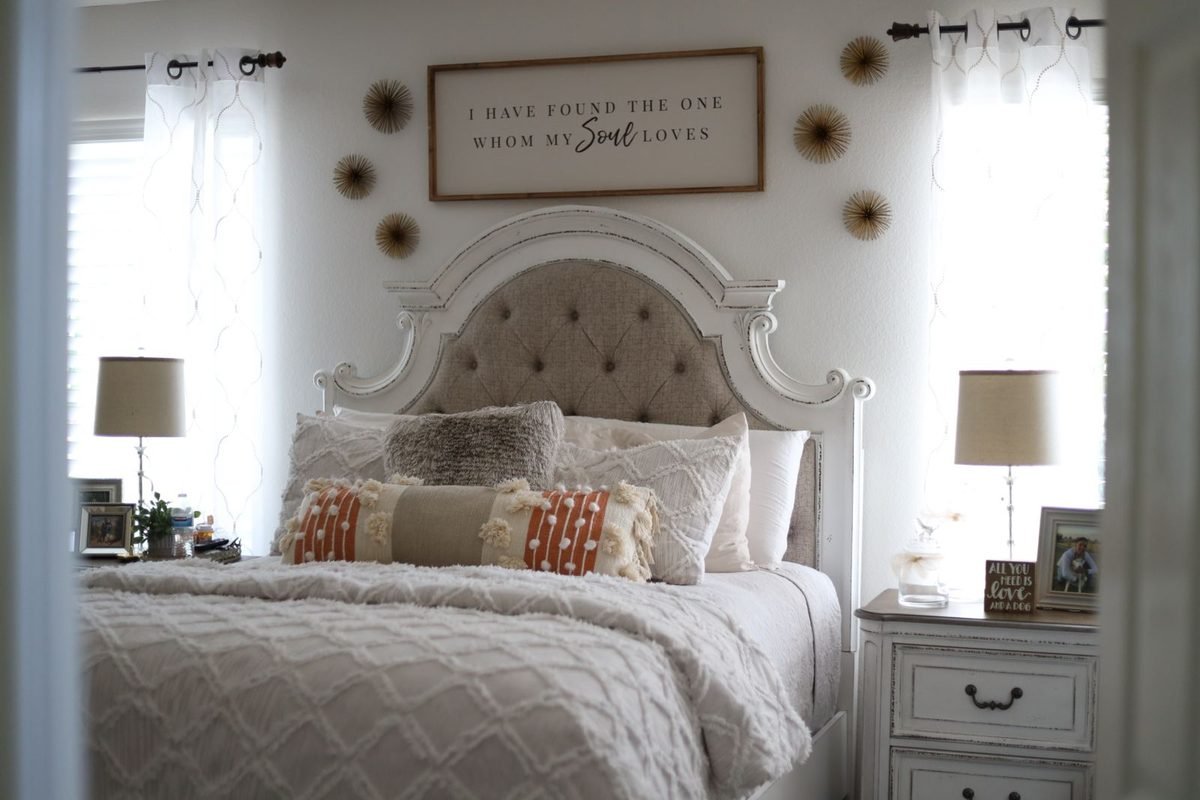
Below are 7 ways to use command hooks for curtains in a rental. Each idea explains where it works best, what to buy and a tip to keep it secure. You do not need all of them. Pick the one or two that match your windows and doors.
Before you choose, look at each window and ask three questions. How heavy is the curtain? How wide is the opening? Is the wall around it smooth and painted? Your answers will point you to the right hack quickly.
1. Use Large Adhesive Hooks as Curtain Rod Holders

This is the classic hack. Mount two large adhesive hooks above the window, one on each side, with the hooks facing up. Then rest a slim curtain rod in the curve of each hook, just as it would sit in a regular bracket.
For windows wider than about 48 inches, add a third hook in the middle so the rod does not sag. Space your hooks roughly 24 to 30 inches apart. Place the end hooks 2 to 4 inches beyond the window frame on each side so the curtains can stack beside the glass instead of blocking it.
Choose a rod with a small diameter so it sits deep in the hook. A rod that perches on the very tip can roll off when you pull the curtain. Some renters use a lightweight adjustable rod and remove the bulky finials to keep the weight down.
This setup works well for sheer panels in a bedroom, light linen-look curtains in a living room and decorative panels that you rarely close.
Tip: Turn the hooks so the open side faces the wall above the window. Then the rod can only lift out upward, not slide off the front when you tug the fabric.
2. Hang a Café Curtain in the Kitchen

Kitchen windows are often small and sit right above the sink. A café curtain covers the lower half for privacy and still lets light pour in through the top. Because café panels are short and light, they are a perfect match for adhesive hooks.
Mount two medium or large hooks at the halfway point of the window frame or on the wall just outside it. Rest a short café curtain rod on the hooks and hang a washable cotton or polyester panel with clip rings.
Kitchens bring steam and grease, so prep matters even more here. Clean the wall with rubbing alcohol, not a degreaser, and let it dry fully. If your window is right next to the stove, keep any fabric well away from the burners or choose a different window treatment.
Tip: Add a second pair of hooks at the top of the frame for a short valance. The two layers look custom, and each one weighs very little.
3. Hang Sheer Panels on Clip Rings

Sheer curtains are the easiest curtains to hang with adhesive hooks because they weigh so little. They soften harsh light, add privacy during the day and make even a basic rental window feel airy.
Use a slim rod on two or three large hooks, then hang the sheers with curtain clip rings. Clip rings let the fabric glide without you needing to lift the rod off the hooks. You can also take the panels down for washing in a few seconds.
To get a full, gathered look, hang panels that together measure about one and a half to two times the width of the window. Sheer fabric weighs so little that doubling the width barely changes the load on your hooks.
Layering also works. Hang sheers on the back rod and a light cotton panel on a second rod in front, as long as the total weight stays well under your hooks’ combined rating.
Tip: Choose sheers with a rod pocket on top if you do not want rings. The pocket spreads the weight evenly along the rod.
4. Make a Wire Curtain Line for Small Windows

For tiny windows, like a basement window, a narrow bathroom window or a window in a door, a full rod can look bulky. A curtain wire is cleaner and lighter.
Stick a small or medium adhesive hook on each side of the window. Stretch a curtain wire or a sturdy cord between them and hang a lightweight panel with clips. Pull the wire snug so the curtain does not sag in the middle.
This hack also works for a short fabric panel in front of open shelves or a small nook. Because there is no rod, the whole setup weighs only a few ounces.
Keep in mind that a tight wire pulls inward on the hooks. That sideways force can loosen adhesive over time, so check the hooks every few weeks and do not over-tighten.
Tip: Use a lightweight café curtain or a single linen tea towel with clips for a farmhouse look that costs almost nothing.
5. Use Small Hooks as Curtain Tiebacks

Tiebacks frame a window and keep the curtains open so more daylight comes in. A traditional tieback hook needs screws, but a small adhesive hook does the same job with no holes.
Place one small hook on the wall beside each side of the window, about one-third of the way up from the bottom of the curtain, or at sill height for a classic look. Loop a tassel tieback or a simple fabric strip around the panel and rest it on the hook.
Because a tieback carries almost no weight, even the smallest hooks can handle it. This is one of the safest ways to use command hooks for curtains, and it works with any rod type, including tension rods and the landlord’s brackets.
Tip: Clear hooks almost disappear against white walls, so the tieback looks like it floats.
6. Hang a Curtain Over a Doorway or Closet
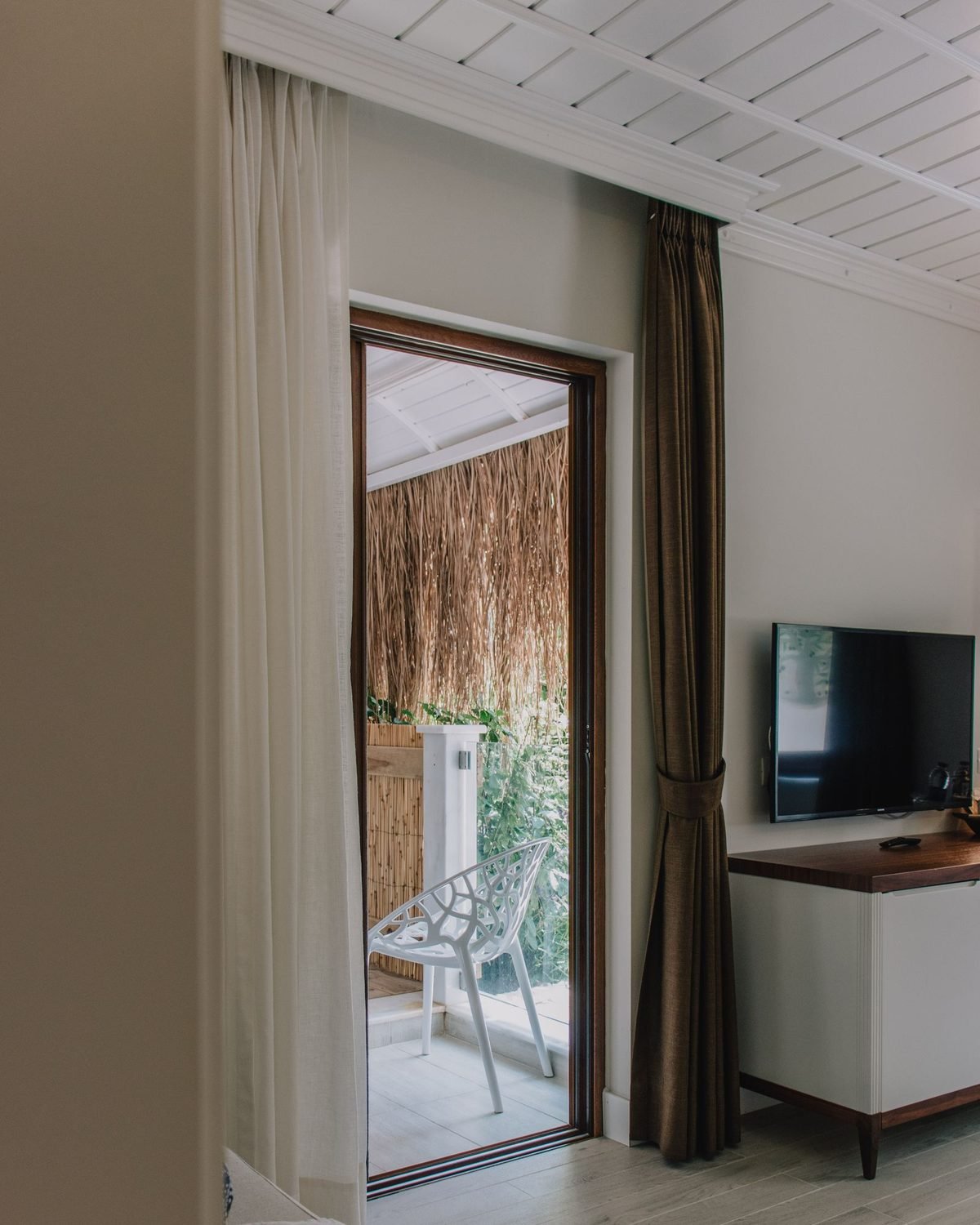
Not every curtain goes on a window. In small apartments, a curtain can replace a missing closet door, hide open shelving or give a sleeping nook some privacy.
Mount two or three large adhesive hooks above the doorway or closet opening, then rest a slim rod on top. A light cotton or linen-look panel closes off the space softly without the swing of a door. It also takes up no floor space.
For a closet, a curtain hides clutter and makes the room look calmer. For a doorway between a living room and a hallway, it blocks drafts and cuts down on noise.
Keep the panel light, because people push doorway curtains aside many times a day. That extra motion is the reason to use more hooks than you think you need.
Tip: Shorter panels that stop an inch above the floor are easier to walk through and put less strain on the rod.
7. Add a Bathroom Window Privacy Panel

Many rental bathrooms have a window with no covering at all. A light privacy panel on adhesive hooks fixes that in minutes.
Bathrooms are humid, though, and humidity is hard on adhesive. Choose hooks labeled for bath or shower use if you can, mount them on a smooth painted wall away from the direct shower spray and let them cure longer than usual before you hang anything.
Use a sheer or frosted-look panel, a café curtain or a small privacy curtain on a slim rod or wire. Keep it light, since damp fabric weighs more than dry fabric.
If your bathroom window is inside the shower, skip fabric and use a frosted window film instead. It gives privacy without any hooks at all.
Tip: Run the bathroom fan during and after every shower. Less moisture means a longer life for the adhesive.
How to Prep the Wall So Command Hooks Stay Put
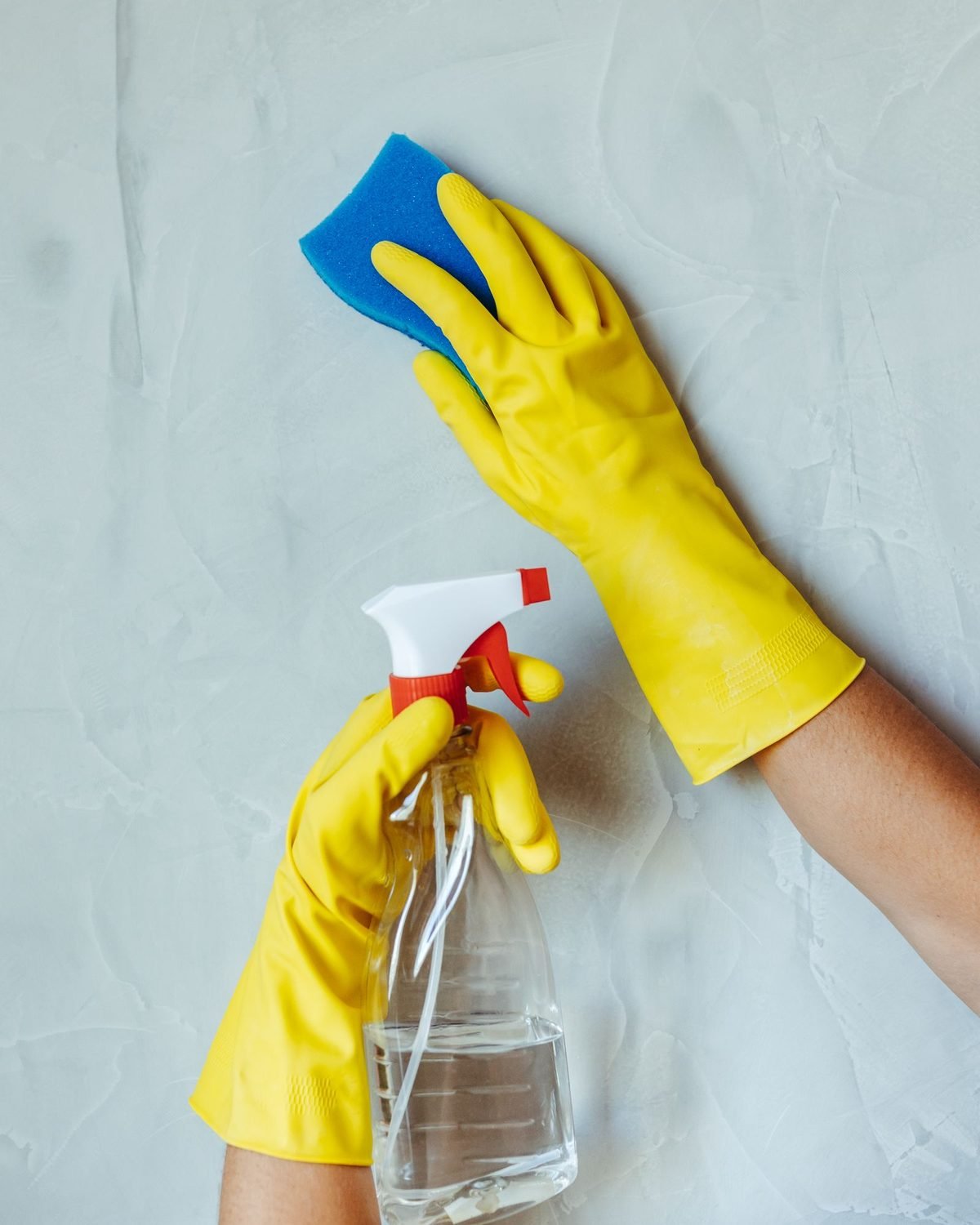
Most adhesive hooks fail because of surface prep, not because of the hook. Five minutes of prep can add years to your setup.
- Check the surface. Adhesive hooks need a smooth, sealed surface like painted drywall, painted wood trim, tile, glass or metal. They do not hold well on wallpaper, textured walls, brick, raw wood or fabric.
- Wait for paint to cure. If your landlord painted recently, wait at least a week before you add any adhesive. Fresh paint is soft, and the strip can pull it off later.
- Clean with rubbing alcohol. Wipe the spot with isopropyl rubbing alcohol on a clean cloth. It removes skin oils and dust and evaporates without residue. Skip all-purpose sprays and glass cleaners, which leave a slippery film.
- Let it dry. Give the wall a minute or two to dry completely.
- Press firmly. Peel the liner, place the strip and press hard with your thumb for a full 30 seconds. Pressure activates the adhesive.
- Wait before loading. Wait at least one hour before you hang the rod and curtain. Overnight is even better, especially in a bathroom or kitchen.
Write the date on a piece of painter’s tape and stick it inside a cabinet. That way you know how long the hooks have been up if you ever need to troubleshoot.
Step-by-Step: Hang a Curtain Rod With Command Hooks

Here is the full process for the most popular setup, a slim rod resting on large adhesive hooks.
- Measure the window. Measure the width of the window frame and decide how far past it you want the curtains to stack. Two to four inches on each side is a good start.
- Choose the height. For a taller look, place the hooks 4 to 6 inches above the frame, or halfway between the frame and the ceiling. Make sure your curtains are long enough to reach the sill or the floor from that height.
- Mark the spots. Put a small piece of painter’s tape where each hook will go. Use a level to check that the marks line up. Step back and look before you commit.
- Prep the wall. Clean each spot with rubbing alcohol and let it dry.
- Attach the strips and hooks. Follow the package directions. Press each hook for 30 seconds.
- Wait. Let the adhesive cure for at least an hour.
- Hang the curtains on the rod. Slide the panels or clip rings onto the rod while it is still on the floor or a table.
- Set the rod on the hooks. Lift it gently and lower it straight down into the hooks. Do not drop it or bump it in.
- Test gently. Open and close the curtains slowly a few times. If anything shifts, take the rod down and add another hook.
After the first week, check the hooks again. If a strip looks like it is peeling at a corner, replace it before it fails completely.
Which Rods and Curtains Work Best With Adhesive Hooks
The right rod and fabric matter as much as the hooks. Here is what to look for.
Rods:
- Slim diameter. Rods around half an inch to 5/8 inch sit securely inside most large hooks.
- Light material. Aluminum and thin steel tubes weigh less than thick wood or iron.
- Short span. Rods under 48 inches are ideal. For longer rods, add a center hook.
- Small finials or none. Decorative ends add weight and leverage at the very edge of the rod.
Curtains:
- Sheer and voile panels. The best match for command hooks for curtains.
- Light cotton and linen-look polyester. Good for privacy without much weight.
- Café curtains and valances. Short panels mean less fabric and less strain.
- Avoid thick blackout, velvet and lined panels. They are too heavy for adhesive hooks in most cases.
If you need a dark bedroom, separate the jobs. Use a no-drill blackout shade that sticks inside the window for darkness, and hang a light sheer on adhesive hooks in front for softness. You get both effects without asking the hooks to carry a heavy panel.
Where Adhesive Hooks Work and Where They Fail

Adhesive strips grip best when they can make full contact with a hard, smooth surface. Here is a quick guide.
Good surfaces:
- Painted drywall with a smooth or lightly textured finish
- Painted wood or MDF window trim
- Glazed tile
- Glass and mirrors
- Metal window frames and doors
Poor surfaces:
- Wallpaper and peel-and-stick wallpaper, which can tear away from the wall
- Heavily textured walls such as popcorn or knockdown finishes
- Brick, stone and concrete block
- Unsealed wood
- Freshly painted walls
- Surfaces that get very hot or very damp
If your only option is a poor surface, choose a different method. Tension rods fit inside the window frame without touching the wall. Tap-in brackets grip the top of the window trim. And many rentals already have blind brackets that can hold a light rod. You will find all of those in our guide to renter friendly decor ideas.
Command Hooks for Curtains, Room by Room

Each room has slightly different needs. Here is a quick plan.
Bedroom: Hang sheers on adhesive hooks for daytime softness. For sleep, add a stick-on blackout shade or a separate heavier curtain on a tension rod. Use tiebacks on small hooks to open the curtains each morning.
Living room: Light linen-look panels on a slim rod, mounted high and wide, make the room look taller. If the window is very wide, use three or four hooks, or split it into two shorter rods.
Kitchen: A café curtain on medium hooks gives privacy at the sink. Choose washable fabric and keep it away from the stove.
Bathroom: A light privacy panel on bath-rated hooks, or frosted window film if the window is inside the shower.
Kids’ rooms and nurseries: Keep it simple. Choose cordless window coverings and avoid long loops or ties that a child could reach. The CPSC recommends cordless window coverings in homes with young children. Mount hooks and curtains out of reach and keep cribs and beds away from windows.
Closets and nooks: A curtain on adhesive hooks can replace a missing door or hide open shelves in seconds.
Entry and back doors: Short sheer panels on small hooks or a curtain wire add privacy to a glass door panel.
Command Hooks vs. Tension Rods vs. No-Drill Brackets

Adhesive hooks are one of several renter-friendly ways to hang curtains. Here is how they compare so you can pick the right tool for each window.
Adhesive hooks:
- Best for light curtains, sheers, café panels and tiebacks
- Work on windows with no frame to press against
- Let you mount curtains higher and wider than the frame
- Limited by weight, humidity and surface type
Tension rods:
- Best for windows with a deep frame
- Need no adhesive and leave no marks
- Hold more weight than adhesive hooks in most cases
- Sit inside the frame, so the window can look smaller
No-drill brackets:
- Grip the top of the window trim
- Hold heavier panels, including many blackout curtains
- Need raised window trim to work
Many renters end up using a mix. Tension rods go in framed bedroom windows, adhesive hooks handle light sheers and tiebacks, and brackets carry heavy living room panels. Our full guide to the renter friendly curtain rod explains tension rods and brackets step by step, so this guide can focus on adhesive hooks.
Command Hooks for Curtains on a Budget

Hanging curtains with adhesive hooks is one of the cheapest window upgrades you can make. Prices vary, but here is a rough guide based on common US prices.
Under $10:
- A small pack of medium or large adhesive hooks
- A pack of replacement strips
- A basic curtain wire kit
- A set of tassel tiebacks
Under $25:
- A multi-pack of large or jumbo hooks for several windows
- A slim adjustable curtain rod
- A set of clip rings
- A pair of sheer panels
Under $50:
- Hooks, rod and sheers for a full living room window
- A no-drill blackout shade plus a light curtain for a bedroom
To save more, buy curtain panels in standard sizes and neutral colors so they work in your next apartment too. Dollar stores often carry small adhesive hooks, clip rings and tension rods. Our list of Dollar Tree organization hacks for small spaces shows other cheap ways to use the same supplies around your home.
One place not to cut corners is the hook itself. A cheap, unbranded adhesive hook with no clear weight rating is a gamble. Choose hooks that list their weight limit and come with removal instructions.
Common Mistakes to Avoid

A few simple mistakes cause most adhesive hook failures. Avoid these and your curtains should stay put.
- Ignoring the weight rating. Heavy curtains on small hooks will fall. Weigh everything and leave a safety margin.
- Skipping the alcohol wipe. Dust and oil are the number one reason strips let go.
- Hanging too soon. Wait at least an hour, ideally overnight.
- Using fresh paint or wallpaper. The strip may hold, but it can take the paint or paper with it when removed.
- Too few hooks on a long rod. A sagging rod pulls unevenly. Add a center hook on rods longer than about 48 inches.
- Yanking the curtains. Pull from the middle of the panel, not the edge, or use a tieback to keep them open.
- Placing hooks in direct heat or steam. Radiators, heating vents, hot window glass and shower spray all weaken adhesive.
- Pulling the tab the wrong way. Removing a strip by pulling outward instead of straight down can peel paint.
If a hook keeps failing after you fix these issues, the spot is probably the problem. Move the setup, switch to a stronger method or use a tension rod instead.
How to Remove Command Hooks Without Damaging Walls

One of the best things about command hooks for curtains is how cleanly they come off. Follow these steps on moving day.
- Take down the curtains and rod first. Never remove hooks while they are holding weight.
- Lift the hook off its base if your hooks have a removable top. This makes the tab easier to reach.
- Find the tab. Each strip has a pull tab at the bottom.
- Pull slowly, straight down along the wall. Keep pulling parallel to the wall, not toward you. Stretch the strip at least 12 inches if needed. It should release slowly.
- If a tab breaks, use dental floss or fishing line to saw gently behind the strip, then roll off any leftover adhesive with your thumb.
- Check the wall. Wipe away any remaining residue with a little rubbing alcohol.
Take photos of each window after you are done. Combined with your move-in photos, they help show that you left the walls in good shape and protect your security deposit. For more ways to live lightly in a rental, see our small apartment hacks for renters.
Command Hooks for Curtains FAQ

Can command hooks hold curtains?
Yes, if the curtains are light. Large adhesive hooks are usually rated around 5 pounds each and jumbo hooks around 7.5 pounds. Keep the total weight of the rod and curtains at about half the combined rating to allow for daily pulling.
What size command hooks do I need for a curtain rod?
Large or jumbo hooks are best for a curtain rod. Use two for short windows and three for rods longer than about 48 inches.
Can I hang blackout curtains with command hooks?
Usually not. Blackout panels are heavy, and adhesive hooks can fail under that load. Use a tension rod, no-drill brackets or a stick-on blackout shade with a light curtain in front.
How long should I wait before hanging curtains on adhesive hooks?
Wait at least one hour after pressing the strips in place. Overnight is better in kitchens and bathrooms.
Will command hooks damage my walls?
When used on clean, fully cured paint and removed by pulling the tab slowly straight down, they usually leave no damage. Problems happen on fresh paint, wallpaper and textured walls.
Do command hooks work in a humid bathroom?
Standard hooks can loosen in humidity. Choose bath-rated hooks, mount them away from direct spray and run the fan after showers.
How do I keep the rod from rolling off the hooks?
Use a slim rod that sits deep in the hook, face the hooks upward and pull the curtains from the middle of the panel instead of the edge.
Final Thoughts
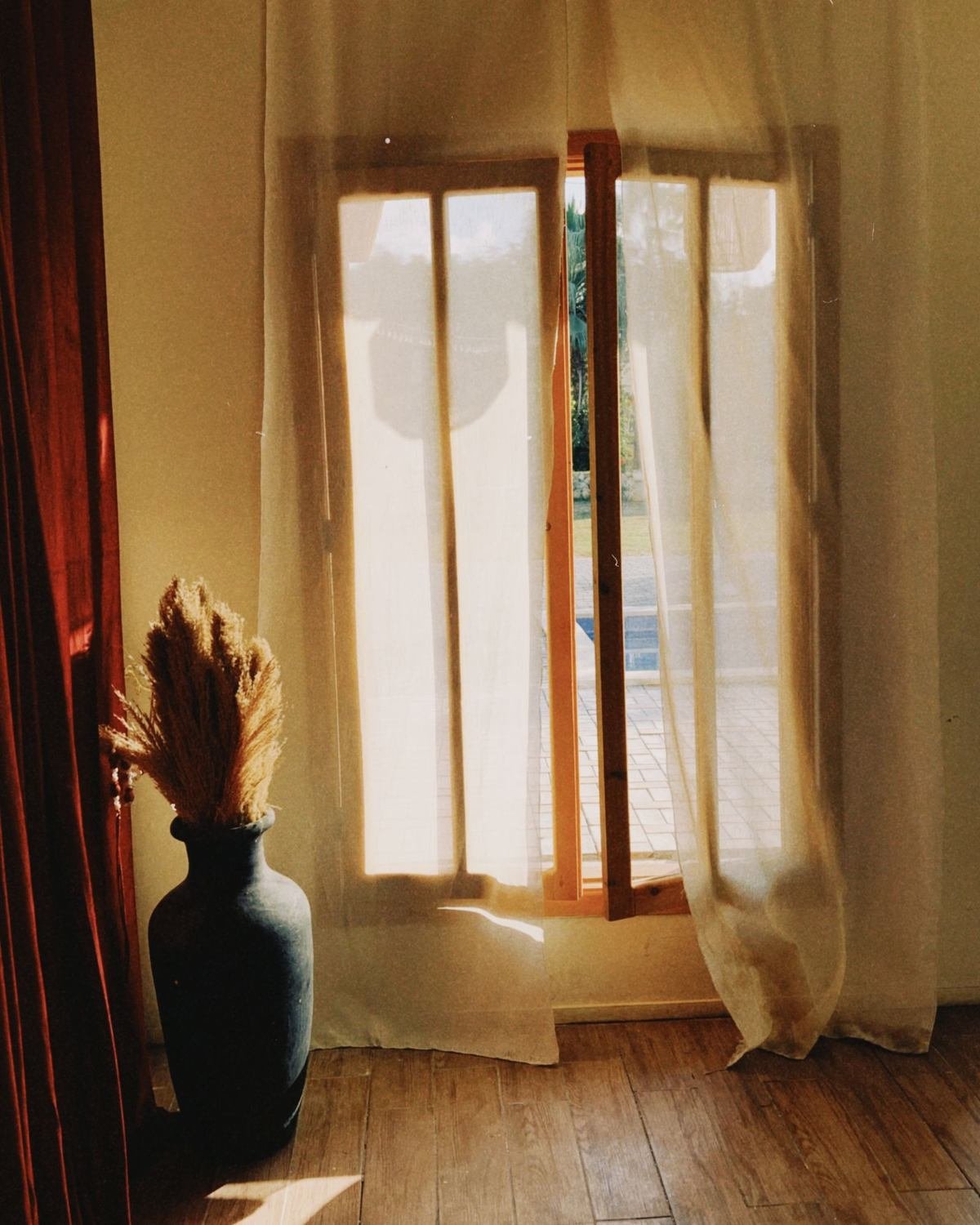
Curtains make a rental feel warm, private and finished, and you can hang light ones without a single screw. The secret to using command hooks for curtains is simple: choose light fabric and a slim rod, use more hooks than you think you need, clean the wall with rubbing alcohol and give the adhesive time to set.
Start with one window. Weigh your curtains, pick the hack that fits, and follow the prep steps carefully. Once you see how easy it is, you can dress every window, closet and doorway in your apartment in an afternoon.
Save this guide for your next move. For more ways to decorate without losing your deposit, read our renter friendly decor ideas and our guide to the renter friendly curtain rod.