House Cleaning Schedule: 25 Daily, Weekly and Monthly Tasks for Small Homes
Disclosure: This post contains affiliate links. As an Amazon Associate I earn from qualifying purchases. If you buy through these links, I may earn a small commission at no extra cost to you. Read our full disclaimer.
A house cleaning schedule is the difference between a home that’s always “almost clean” and one that actually stays clean without a weekend-long scrub. Instead of waiting until the bathroom looks bad or the floors feel gritty, you split the work into small daily, weekly, monthly and seasonal tasks. Each one takes a few minutes, and together they cover every corner of a small home.
This guide is built for apartments, condos, starter homes and anyone who doesn’t have hours to spare. You’ll get 25 tasks sorted by how often they need doing, a copy-and-paste version of the full cleaning schedule, ideas for fitting it into a busy week and a few honest mistakes to skip.
You don’t need fancy products or a big budget. A microfiber cloth, an all-purpose spray, a vacuum and a mop will handle almost everything here.
Quick answer: A good house cleaning schedule for a small home has four layers. Do 5 quick tasks every day (make the bed, dishes, wipe counters and stove, a 10-minute reset, trash and mail). Do 10 tasks every week (vacuum, mop, toilet, shower, bathroom sink, sheets, dusting, mirrors, a fridge cleanout and laundry). Do 7 tasks once a month and 3 bigger jobs every season. Most small homes need about 15 minutes a day plus 60 to 90 minutes a week.
The 25 tasks at a glance:
- Daily (about 15 minutes): 1. Make the bed, 2. Do the dishes, 3. Wipe counters and the stovetop, 4. A 10-minute reset, 5. Empty the trash and sort the mail
- Weekly (60 to 90 minutes total): 6. Vacuum floors and rugs, 7. Mop hard floors, 8. Clean the toilet, 9. Scrub the shower and tub, 10. Clean the bathroom sink and counter, 11. Change the sheets, 12. Dust surfaces, 13. Clean mirrors and glass, 14. Clear out the fridge, 15. Wash laundry and towels
- Monthly: 16. Degrease the stove and oven, 17. Wipe appliance fronts and cabinet doors, 18. Wash windows and sills, 19. Wipe walls, baseboards and switches, 20. Vacuum the sofa, 21. Clean the dishwasher and washing machine, 22. Wash the shower curtain and bath mats
- Seasonal: 23. Wash pillows and the duvet, 24. Clean behind and under furniture, 25. Swap and declutter seasonal clothes
Why a House Cleaning Schedule Beats Cleaning When It Looks Dirty

Most people clean by reaction. The sink fills up, so you do the dishes. Guests are coming, so you vacuum. The shower looks pink around the edges, so you finally scrub it. That approach works for a while, but it has a few problems.
Dirt builds faster than you notice. Soap scum, grease and dust are easy to wipe when they’re a week old. After a month, they need scrubbing, soaking and stronger products.
Big cleaning days are exhausting. When everything is due at once, cleaning turns into a four-hour Saturday job. It’s no surprise that it gets pushed back again and again.
Some jobs never get done at all. Nobody notices baseboards, light switches or the dishwasher filter until they’re really gross. A schedule makes sure these quiet jobs get their turn.
You stop thinking about it. A cleaning schedule removes the daily question of “what should I clean?” You just look at today’s list, do it and move on with your life.
In a small home, the benefits are even bigger. A little mess takes over a small space fast, but a small space is also quick to clean. Ten minutes a day goes a long way when you only have a few rooms.
How to Set Up Your House Cleaning Schedule

Before you copy the task list below, take ten minutes to shape it around your home and your week. A cleaning schedule only works if it fits your real life.
- List your rooms. Write down every space you clean: kitchen, bathroom, bedroom, living room, entry and any extras like a balcony or a home office.
- Pick your weekly cleaning days. Some people like one longer session on Saturday. Others prefer two or three short sessions, such as bathrooms on Monday, floors on Wednesday and dusting on Friday.
- Decide who does what. If you live with a partner, roommates or kids, split the tasks now so nobody has to argue about it later.
- Choose your tracking method. A note on your phone, a whiteboard on the fridge or a paper planner all work. Pick the one you’ll actually look at.
- Set a time limit. Give each session a timer. Fifteen minutes on weekdays and an hour on the weekend is a realistic start for most small homes.
- Start small. Begin with the daily tasks for one week. Add the weekly list in week two and the monthly list in week three.
If your weeks are very full, look at our weekly cleaning schedule for working moms, which spreads the work into 15-minute weekday blocks. If you struggle to stick with any routine, the realistic cleaning schedule is a gentler 7-day plan built for low-energy days and ADHD brains.
Daily House Cleaning Schedule: 5 Tasks That Take 15 Minutes
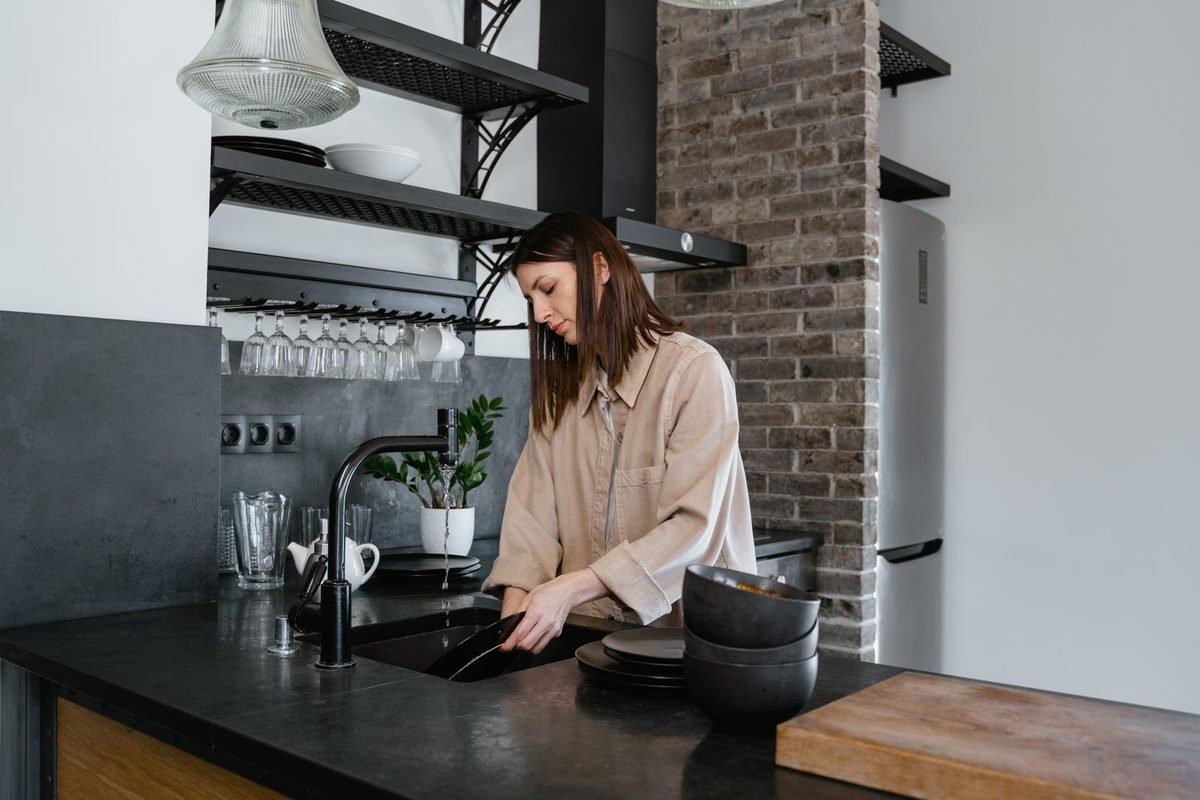
These five tasks are the base of the whole house cleaning schedule. They stop small messes from turning into big ones, and they make the weekly jobs much faster. You can do them all in about 15 minutes, split between morning and evening.
1. Make the Bed
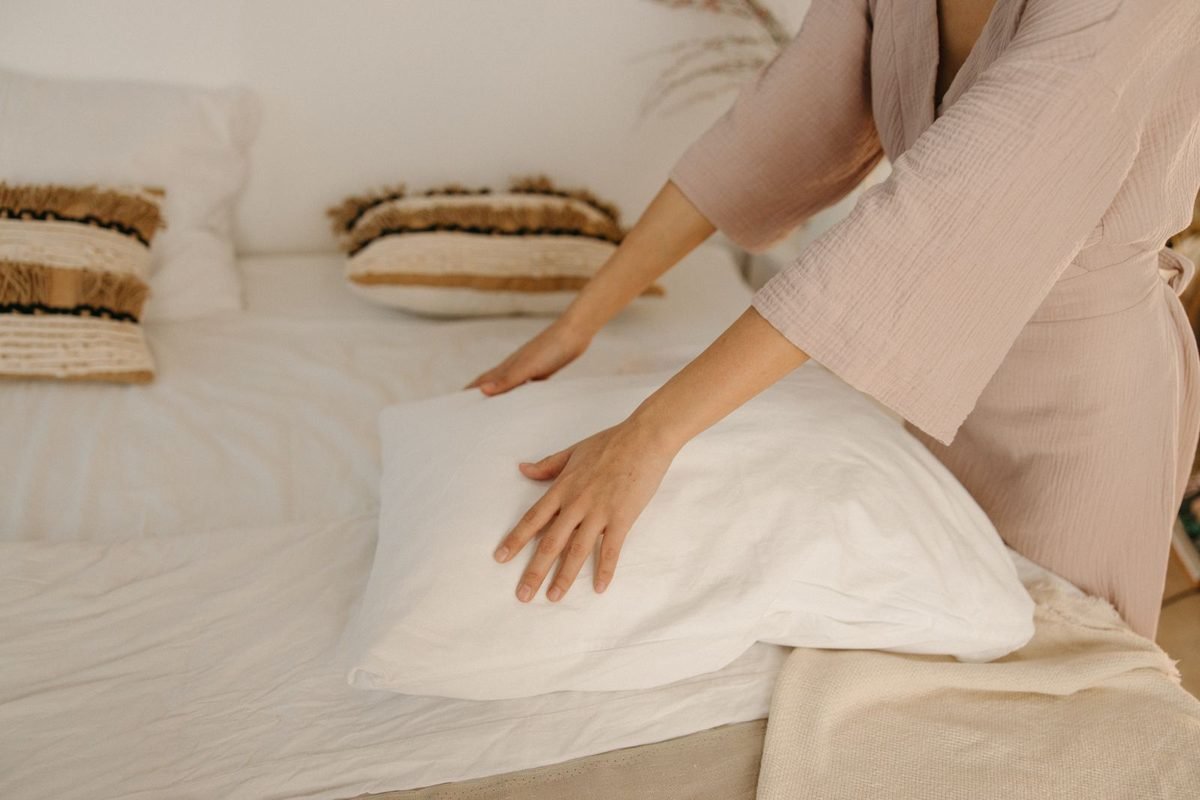
It takes two minutes, and it changes how the whole bedroom feels. In a studio apartment, where your bed is part of the living space, it matters even more.
You don’t need hotel corners. Pull up the sheet and the duvet, straighten the pillows and add a throw if you like. A simple duvet with no top sheet makes this even quicker.
Make the bed right after you get up, before you check your phone. If you share a bed, the last person up makes it. That one rule ends most arguments.
2. Do the Dishes or Run the Dishwasher
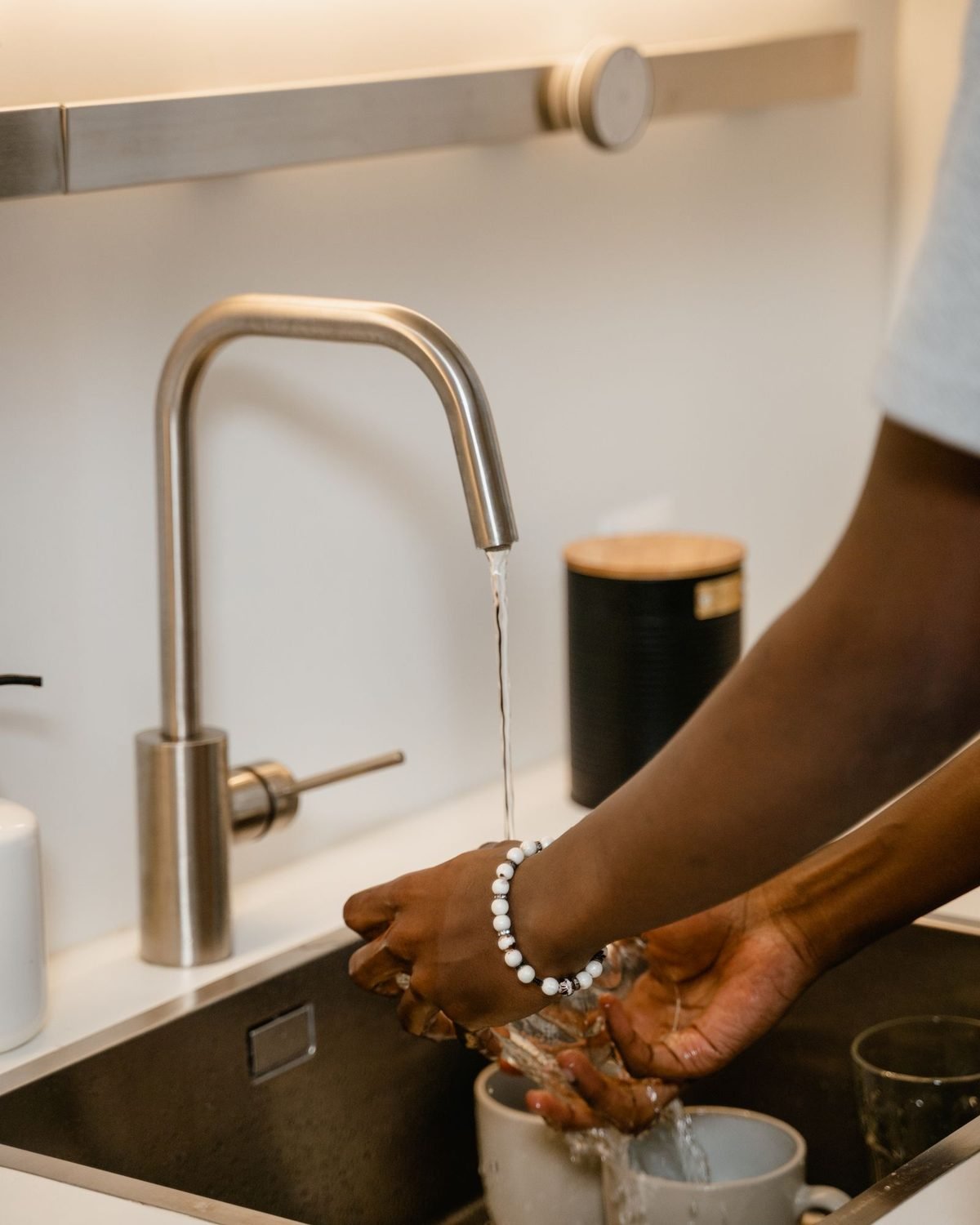
A sink full of dishes is the fastest way to make a kitchen look dirty. Dried-on food also takes three times longer to clean than fresh food.
Wash dishes after each meal, or at least once in the evening. If you have a dishwasher, load it as you go and run it every night when it’s full. Empty it first thing in the morning so dirty dishes have somewhere to go.
Soak pots with baked-on food while you eat. By the time you’re done, they’ll wipe clean in seconds.
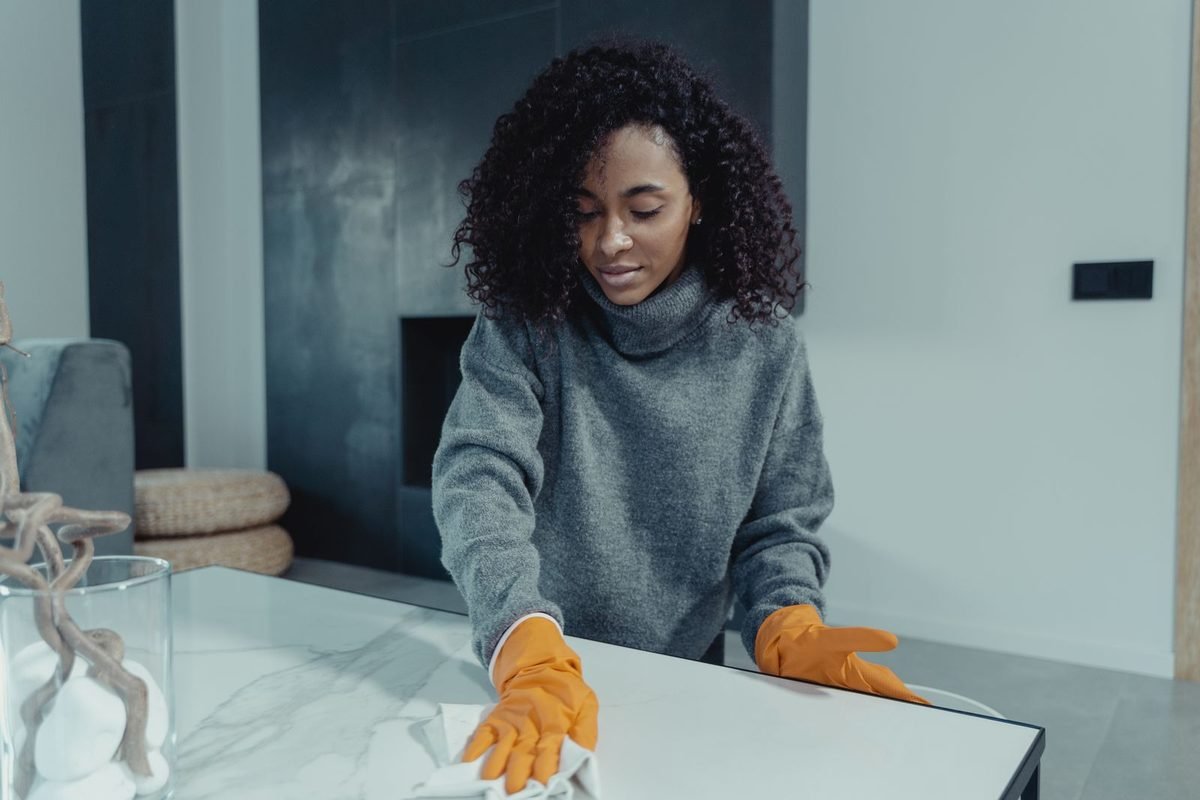
3. Wipe Counters and the Stovetop
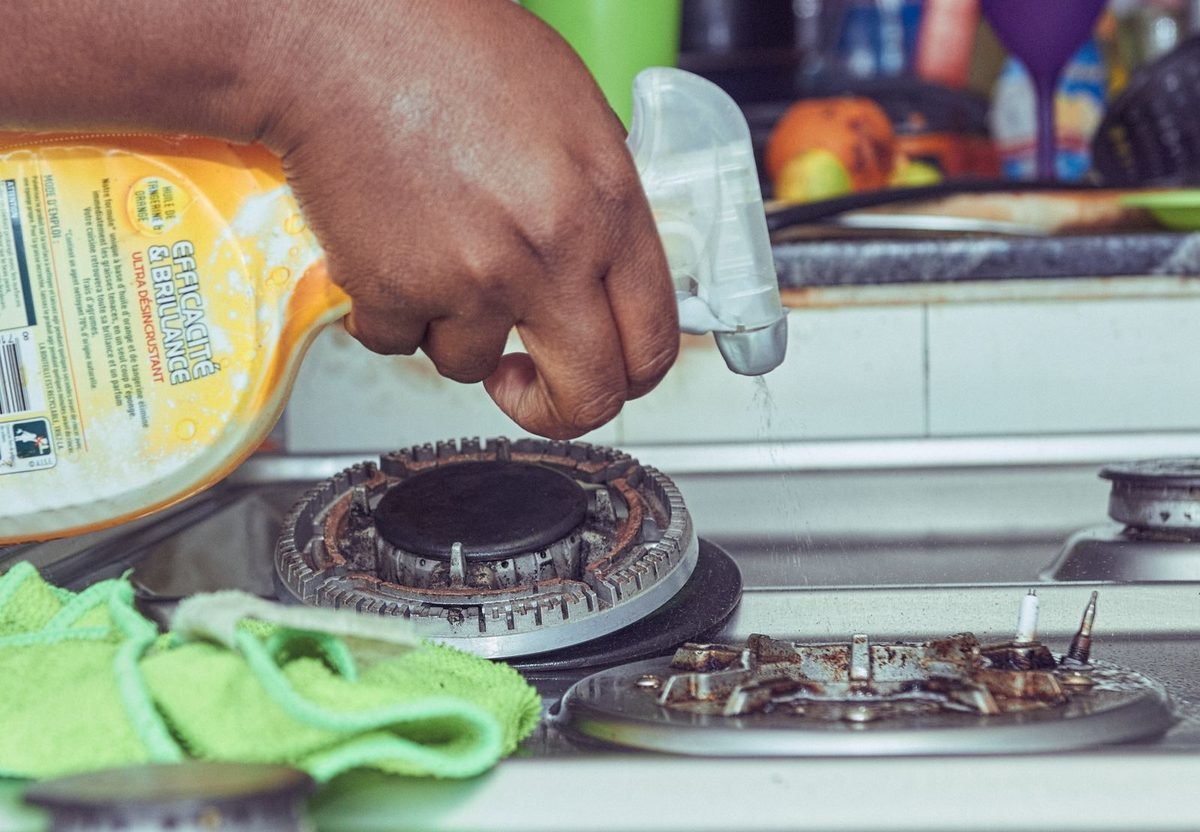
Crumbs, splashes and sticky spots on the counter attract ants and make the kitchen feel grubby. Grease on the stovetop bakes on every time you cook.
After dinner, clear the counters, spray them with an all-purpose cleaner and wipe with a microfiber cloth. Do the same for the stovetop once it’s cool. Don’t forget the backsplash behind the stove, where grease spots collect.
Keep the spray and a cloth under the sink or in a caddy near the stove. If they’re within reach, this job takes about two minutes.
4. Do a 10-Minute Reset

The 10-minute reset is the single best habit in any cleaning schedule. Set a timer and walk through your home, putting things back where they belong.
Fold the throw blanket. Straighten the sofa pillows. Put shoes by the door, cups in the sink and clothes in the hamper. Clear the coffee table and the dining table. Plug in your phone.
The goal isn’t to clean. It’s to reset each room so you wake up to a calm space. If you live with others, do it together. With two or three people, it’s often done in five minutes.
5. Empty the Trash and Sort the Mail
A full kitchen bin smells, and a pile of mail slowly takes over the counter. Both are quick to handle every day.
Take out the kitchen trash when it’s full or smells, and check the recycling. Sort the mail as soon as you bring it in: recycle junk mail right away, put bills in one spot and act on anything urgent.
A small paper tray by the door or on the counter is enough. The rule is simple: nothing goes on the counter except into the tray.
Weekly House Cleaning Schedule: 10 Tasks for a Fresh Home
These ten weekly tasks are where the real cleaning happens. You can do them all in one session on the weekend, or split them across two or three shorter sessions. In a one-bedroom apartment, the full list usually takes 60 to 90 minutes.
A good order is top to bottom: dust first, then clean surfaces and glass, then vacuum and mop last, so you don’t knock dust onto a clean floor.
6. Vacuum Floors and Rugs
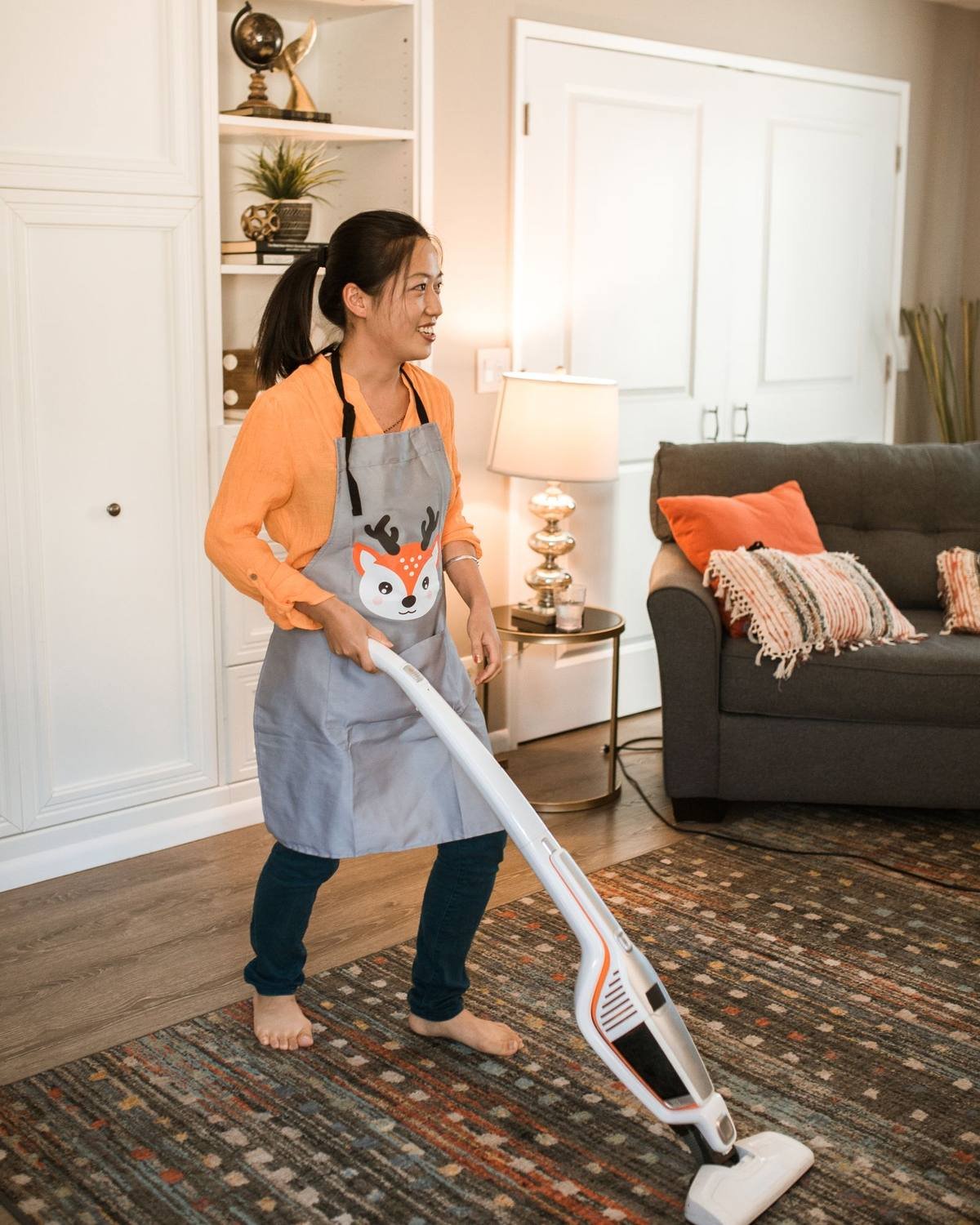
Vacuum every room once a week, and high-traffic areas like the entry and kitchen twice if you have pets or kids. Move light furniture like chairs and small tables so you can reach the floor underneath.
Use the crevice tool along the edges of the room and in corners where dust bunnies hide. A cordless stick vacuum makes this job much easier in a small home because you don’t have to drag a cord from room to room. A cordless stick vacuum also hangs on a wall, so it doesn’t eat closet space.
7. Mop Hard Floors
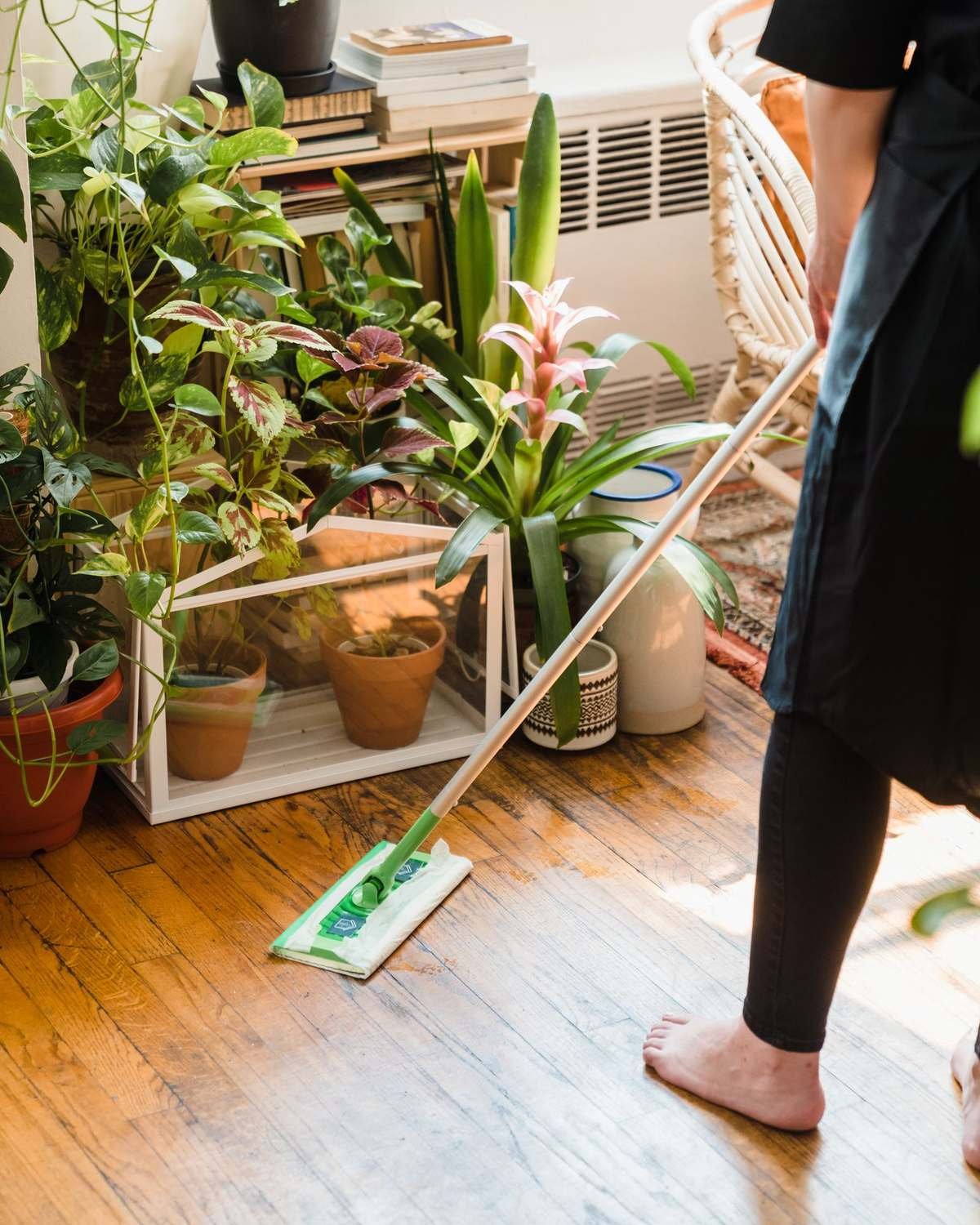
Mop the kitchen and bathroom floors every week, and other hard floors every week or two. Vacuum first so you’re not pushing crumbs and hair around with a wet mop.
A flat microfiber mop with washable pads is perfect for small spaces. It’s light, easy to store and uses very little water, which is better for wood and laminate. Look for a microfiber spray mop with a refillable bottle so you can use your own cleaner.
Start in the far corner of the room and work toward the door so you don’t walk on the wet floor.
8. Clean the Toilet

The toilet is the one task in any cleaning schedule that nobody wants to skip for long. Once a week, spray the outside of the toilet, the seat, the lid and the base with a disinfecting cleaner and let it sit for a few minutes.
Meanwhile, add toilet cleaner to the bowl and scrub under the rim with a brush. Then wipe the outside from top to bottom, ending with the base and the floor around it. Flush and you’re done.
Keep a toilet brush and cleaner in every bathroom so there’s no excuse to skip it.
9. Scrub the Shower and Tub
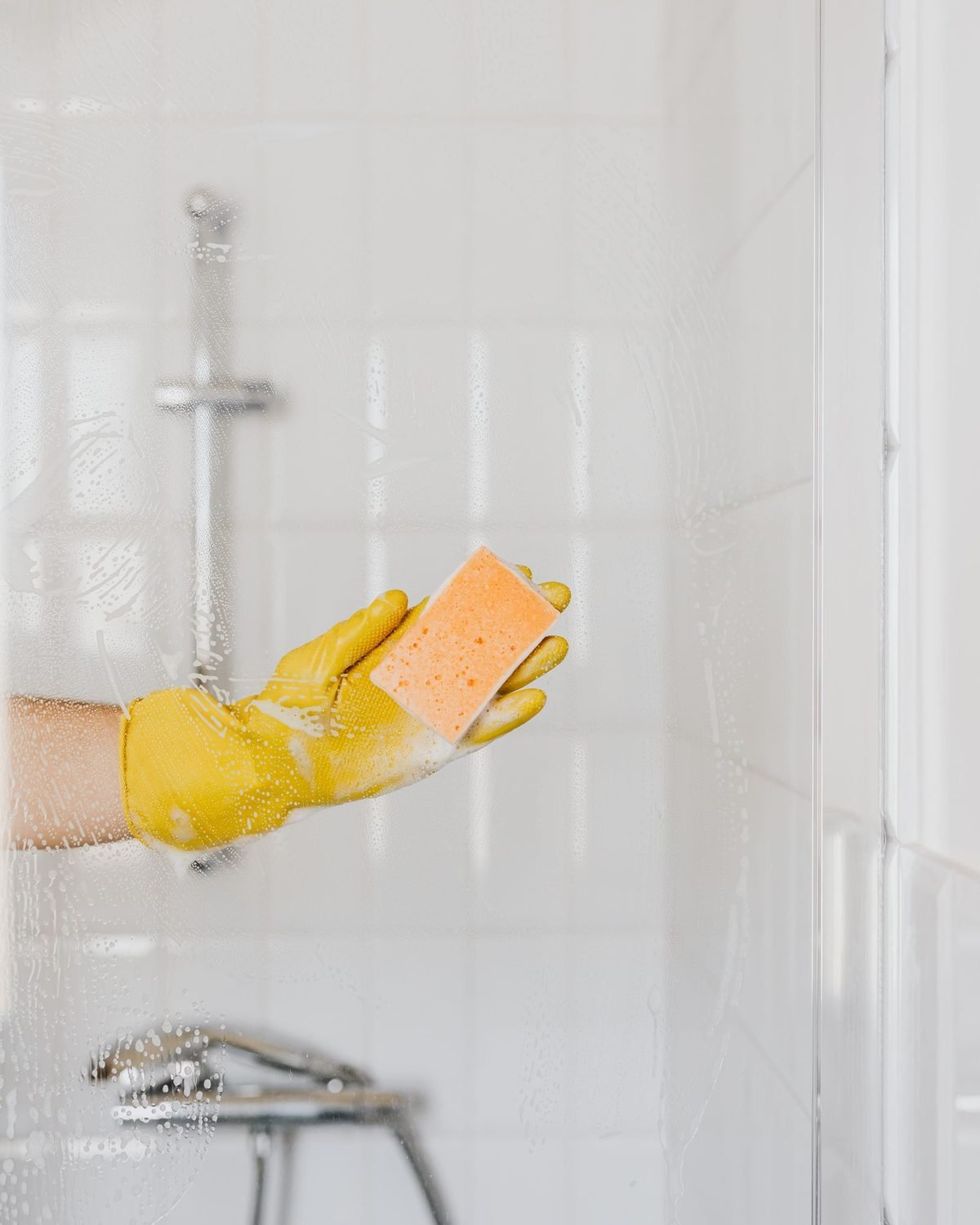
Soap scum, hard water spots and mildew build up fast in a small bathroom with poor airflow. A weekly scrub keeps them under control.
Spray the shower walls, glass and tub with a bathroom cleaner and let it sit for five to ten minutes. Scrub with a non-scratch sponge, paying attention to corners and the grout. Rinse with the shower head or a cup of water.
To cut down on scrubbing, run the bathroom fan during and after every shower. The EPA’s guide to mold and moisture in your home explains why keeping damp areas dry is the best way to stop mildew before it starts.
10. Clean the Bathroom Sink and Counter
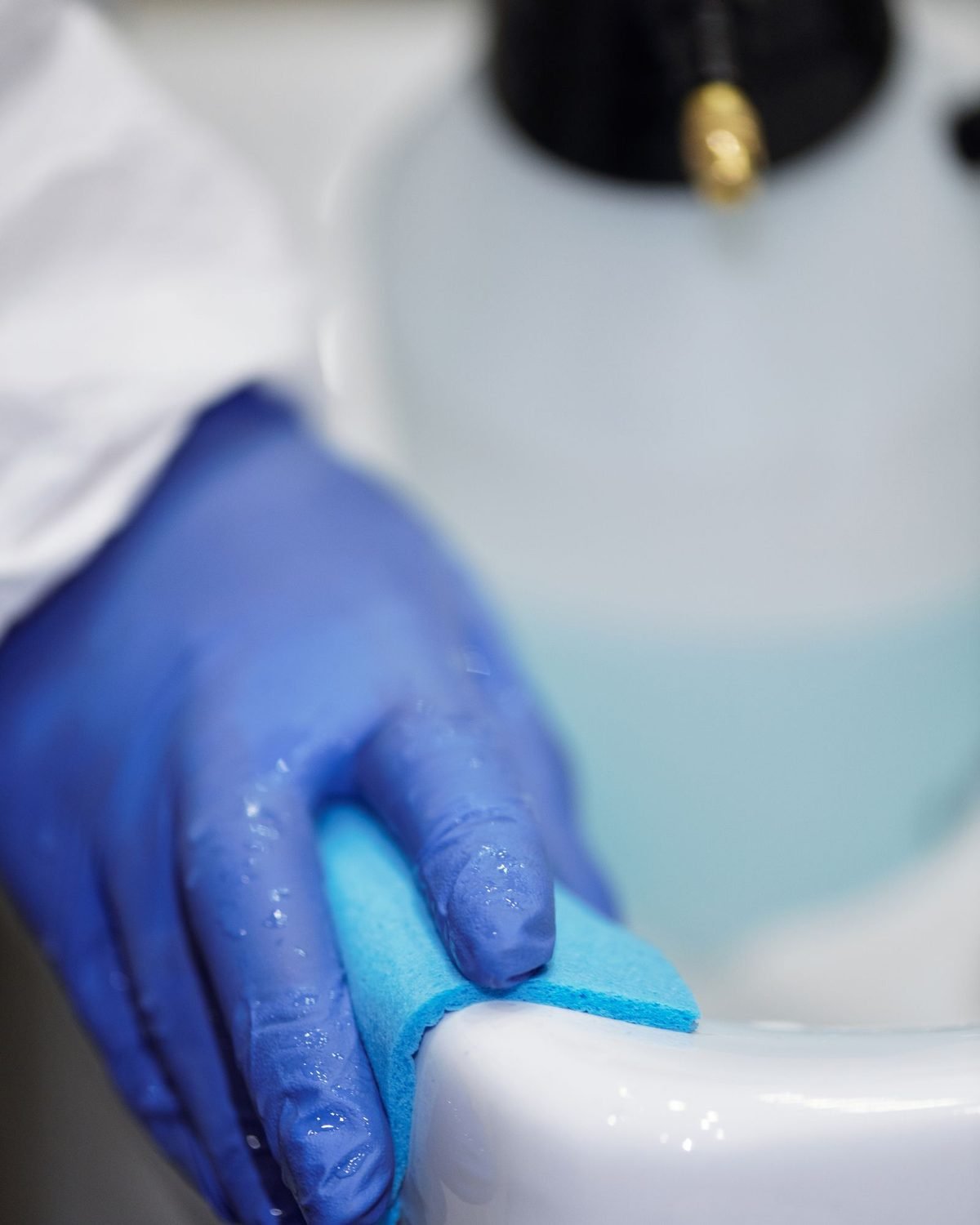
Toothpaste, makeup and hair collect around the bathroom sink every day. Once a week, clear the counter, spray the sink, faucet and counter and wipe everything down.
Use an old toothbrush around the base of the faucet and the drain, where grime hides. Finish by wiping the faucet dry so it shines.
The fewer things you keep on the counter, the faster this job goes. Our small bathroom storage ideas show how to move everyday items into drawers, baskets and wall shelves.
11. Change the Sheets

Wash your sheets and pillowcases once a week, or every two weeks at most. Sweat, skin cells and dust mites build up faster than you’d think.
Keep two sets of sheets per bed so you can put a clean set on right away and wash the dirty set later. Fold each set and store it inside one of its own pillowcases. That way, you grab one bundle and everything matches.
Sheet day is a good time to vacuum under the bed and wipe the headboard too.
12. Dust Surfaces
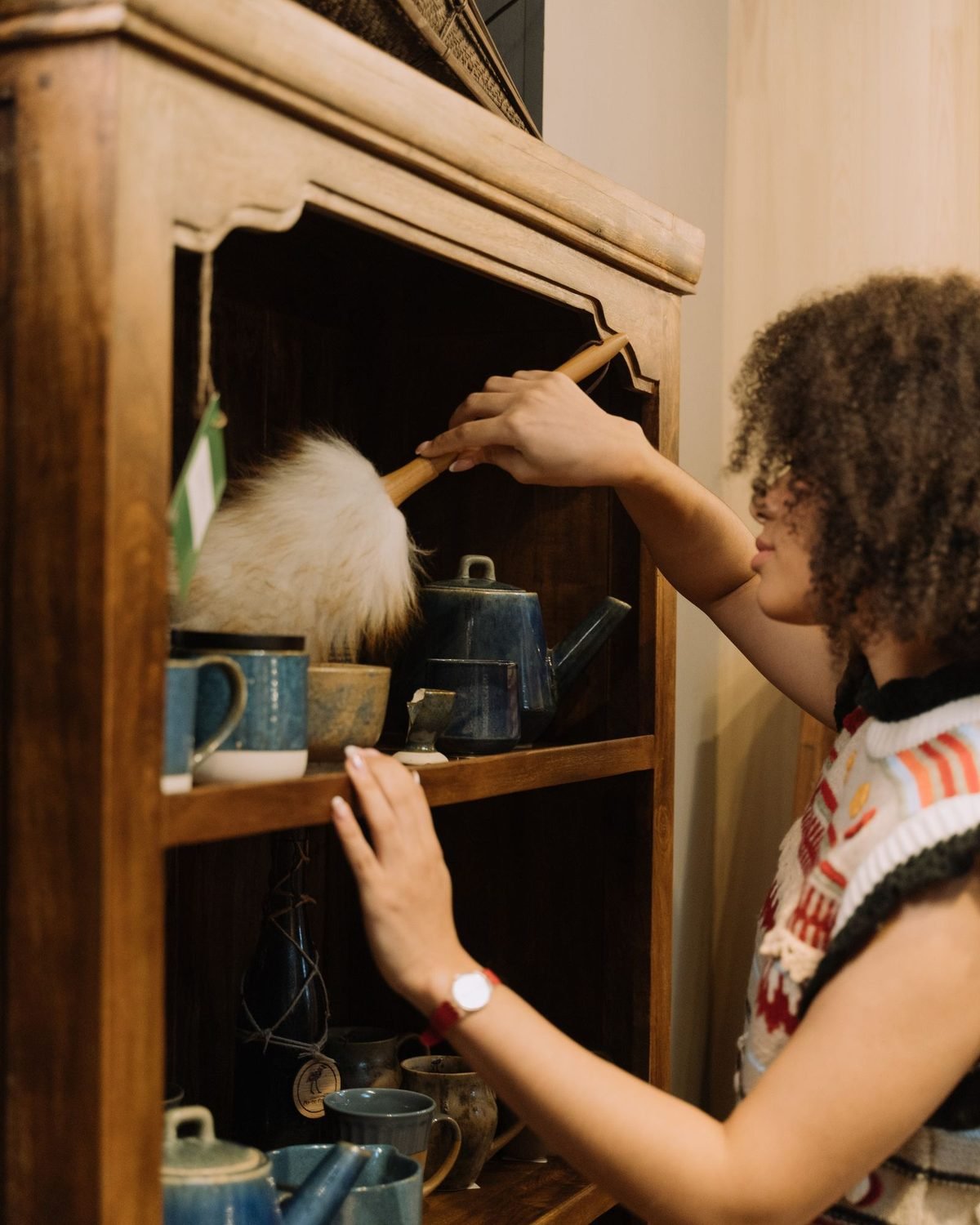
Dust shelves, tables, the TV stand, picture frames, lamps and windowsills once a week. Work from the top of the room down so dust falls to the floor before you vacuum.
Use a dry or slightly damp microfiber cloth instead of a feather duster. Microfiber traps the dust, while feathers mostly move it around.
If dusting takes too long, your surfaces probably have too many items on them. Fewer decor pieces means faster dusting.
13. Clean Mirrors and Glass
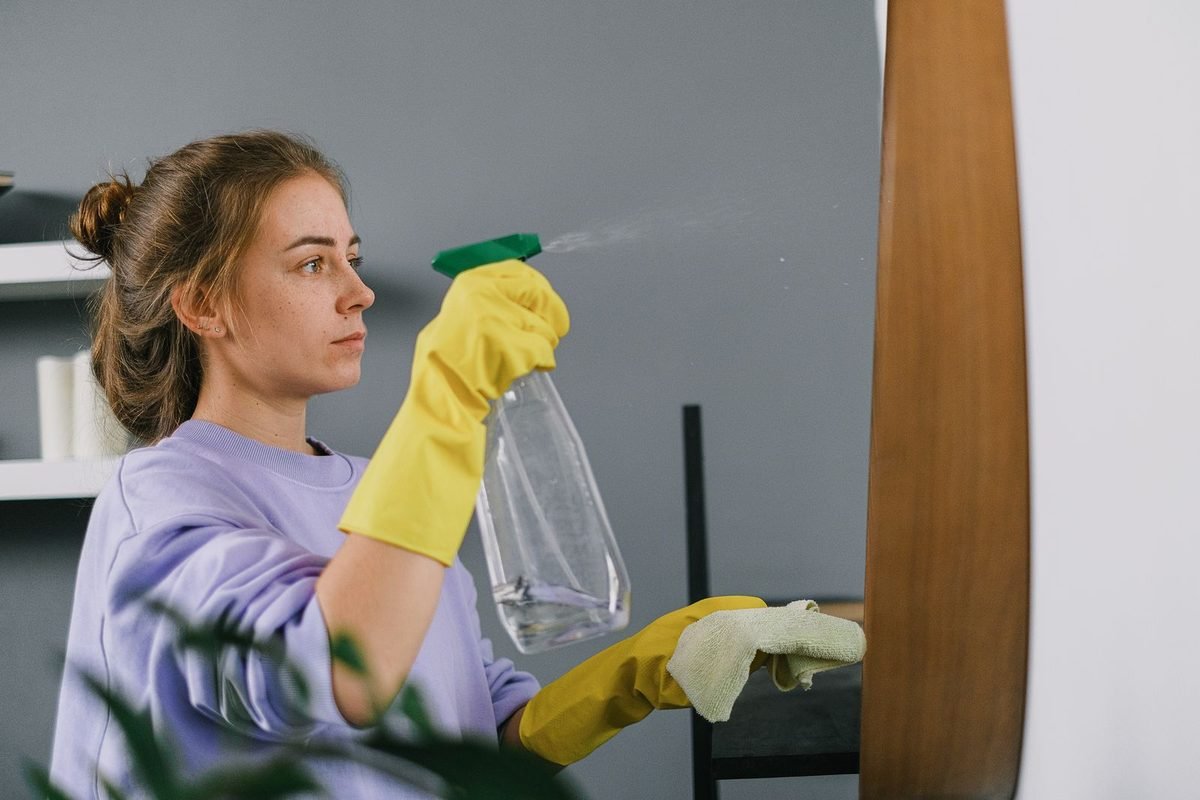
Mirrors, glass tables and the glass on the front of the oven show every smudge. Spray glass cleaner onto a cloth rather than onto the mirror, so it doesn’t drip, and wipe in an S shape from top to bottom.
A second dry cloth buffs away streaks. Flat-weave microfiber glass cloths work best and don’t leave lint.
In a small apartment, mirrors are often used to make a room feel bigger. A clean mirror reflects more light, so it really does make the space look brighter.
14. Clear Out the Fridge
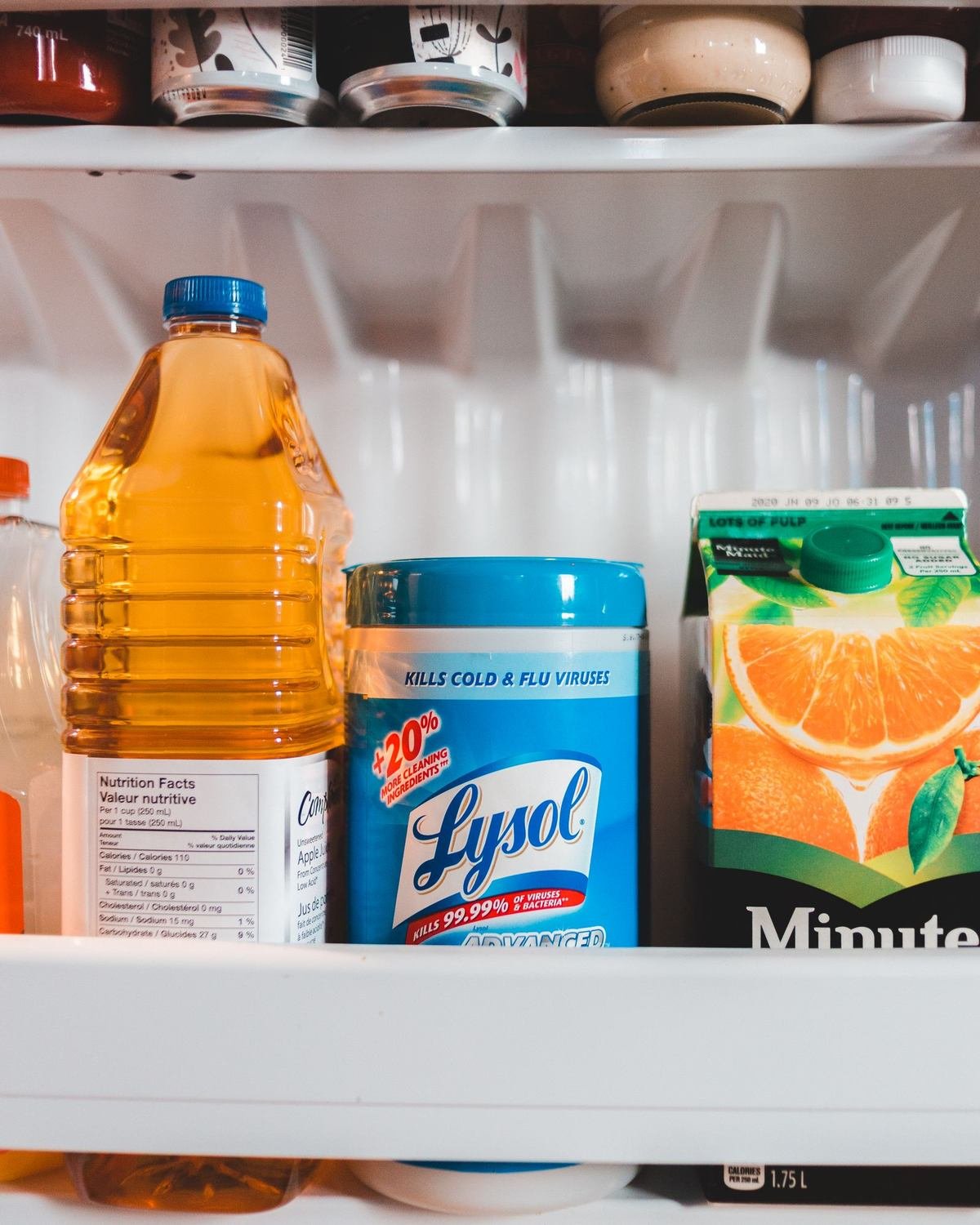
Before you go grocery shopping each week, open the fridge and toss anything expired, moldy or forgotten. Wipe any spills on the shelves while they’re still fresh.
This takes five minutes, saves money and gives you an honest look at what you need to buy. It also stops the dreaded smell from food you forgot about at the back.
If your fridge is always crowded, our fridge organization ideas can help you set up zones so leftovers don’t get lost.
15. Wash Laundry and Towels

Most small households do best with one or two set laundry days. Wash clothes, then bath towels, hand towels and kitchen towels at least once a week.
Fold and put away laundry the same day. Clean clothes sitting in a basket for a week is one of the most common reasons a bedroom always looks messy.
If your laundry area is tiny, these laundry room organization ideas cover shelves, carts and other renter-friendly fixes.
Monthly House Cleaning Schedule: 7 Deeper Jobs

Once the daily and weekly tasks are a habit, add these monthly jobs. They’re the ones that make a home feel truly clean rather than just tidy.
Don’t try to do all seven on one day. Pick one or two per week and rotate. For example, do tasks 16 and 17 in week one, 18 and 19 in week two, 20 and 21 in week three and 22 in week four.
16. Degrease the Stove and Oven

Daily wipes keep the stovetop looking good, but grease still builds up on the knobs, the burner grates and inside the oven. Once a month, soak the grates in hot, soapy water, wipe the knobs and clean the oven door.
For the inside of the oven, a paste of baking soda and water left overnight loosens most baked-on spills. Wipe it out in the morning with a damp cloth. Don’t forget the range hood filter, which can usually go in the dishwasher.
17. Wipe Appliance Fronts and Cabinet Doors
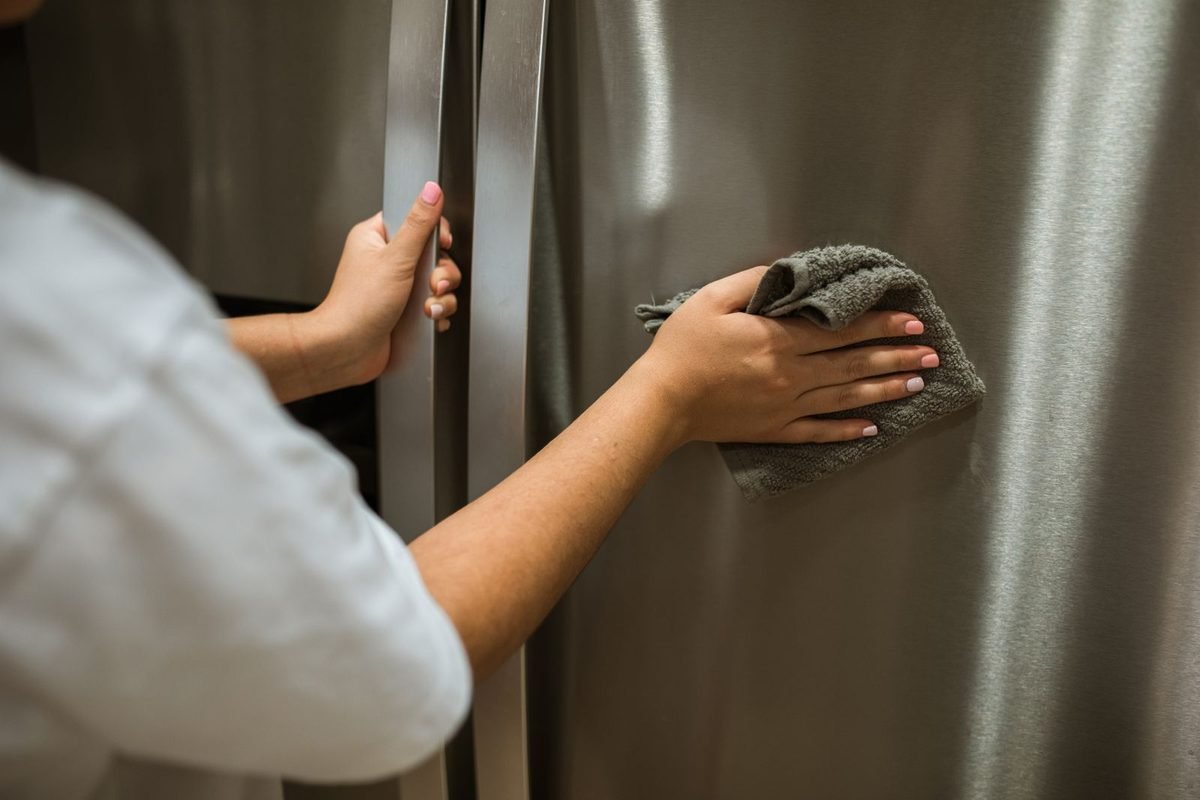
Fingerprints and splashes build up on the fridge door, the microwave, the dishwasher front and the kitchen cabinets. They’re easy to miss until the light hits them.
Wipe stainless steel with a damp microfiber cloth, following the grain, then buff it dry. Clean cabinet doors and handles with warm, soapy water. Handles get touched all day, so they’re worth a quick disinfecting wipe too.
While you’re at it, wipe the inside of the microwave. Heat a bowl of water with a slice of lemon for three minutes, and the mess will wipe right off.
18. Wash Windows and Sills

Clean windows let in more light, which a small home always needs. Once a month, wash the inside of the windows and wipe the sills and tracks, where dust and dead bugs collect.
Vacuum the tracks first with the crevice tool, then wipe them with a damp cloth. Use glass cleaner and a squeegee or microfiber cloth on the glass. Do the outside of the windows a few times a year, or ask your landlord if they handle it.
19. Wipe Walls, Baseboards and Light Switches
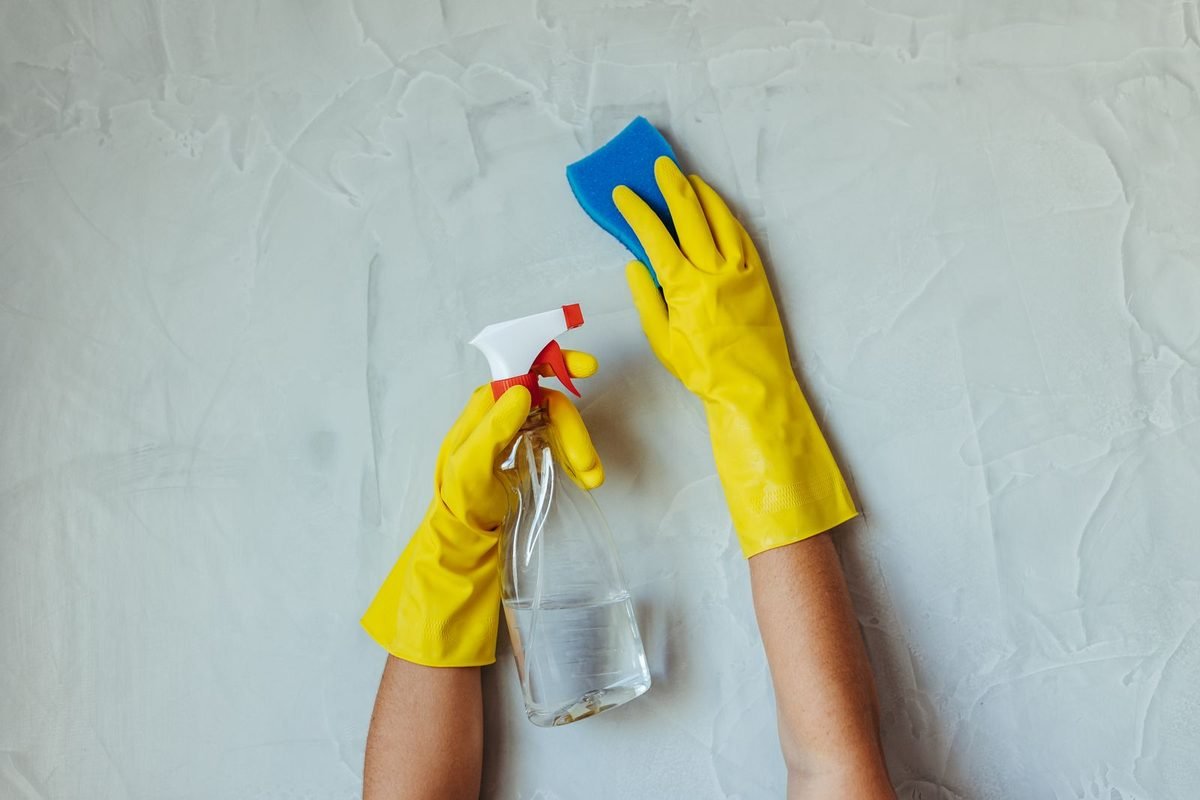
Baseboards, door frames, light switches and the walls around them get scuffed and grimy without anyone noticing. Once a month, wipe them with a damp cloth and a little dish soap.
A microfiber cloth on a long-handled duster saves your back on baseboards. For scuff marks on painted walls, a melamine sponge eraser works well, but test it in a hidden spot first because it can dull some paint finishes.
Don’t forget the doorknobs. They’re touched more than almost anything else in your home.
20. Vacuum the Sofa
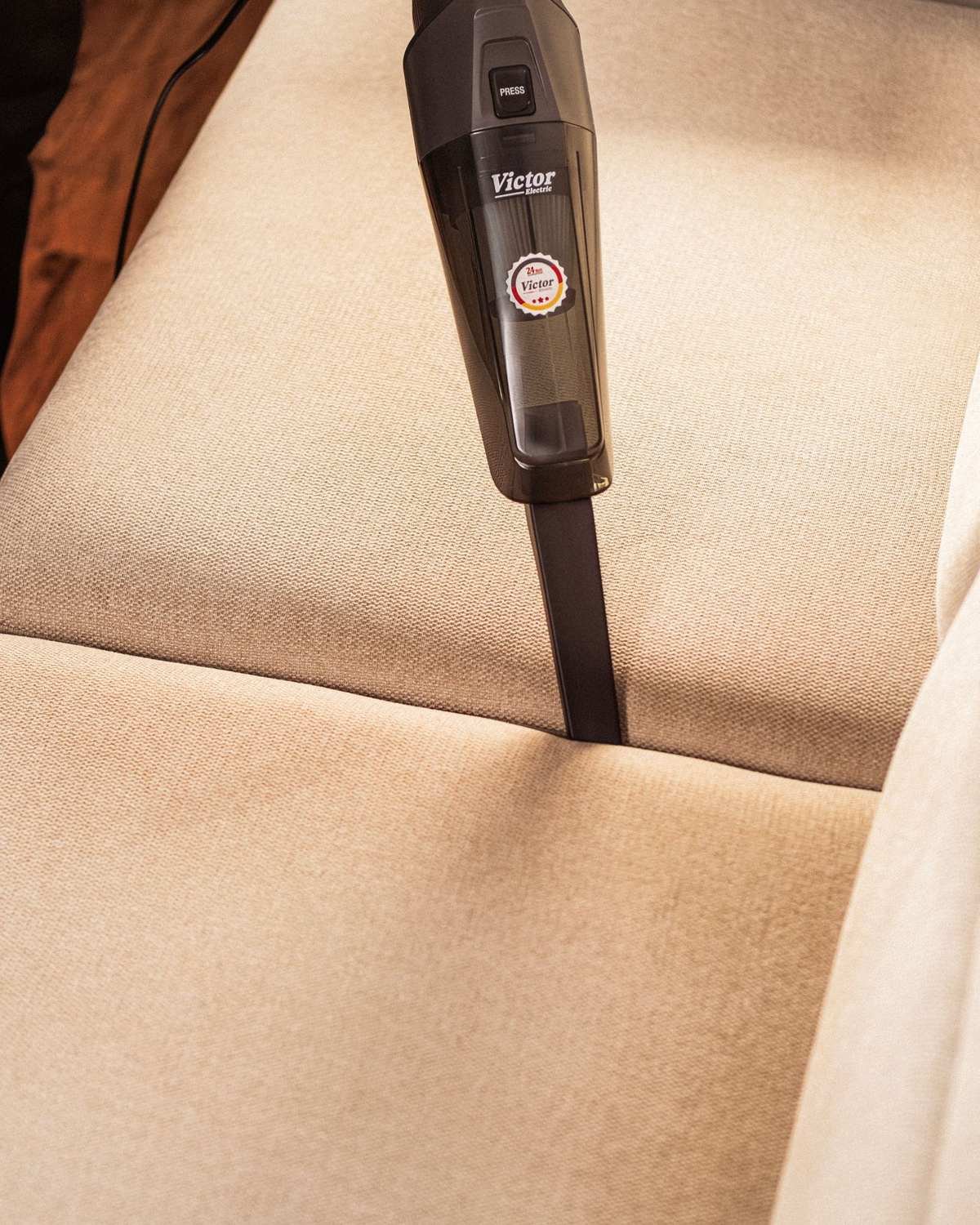
Crumbs, pet hair and dust collect in the sofa, especially in a small home where it’s used for eating, working and napping. Once a month, take off the cushions and vacuum the frame, the seams and under the cushions with the upholstery tool.
Flip and rotate the cushions so they wear evenly. If your sofa has removable covers, check the label and wash them every few months. A cordless handheld vacuum makes this job and quick crumb clean-ups much easier.
21. Clean the Dishwasher and Washing Machine
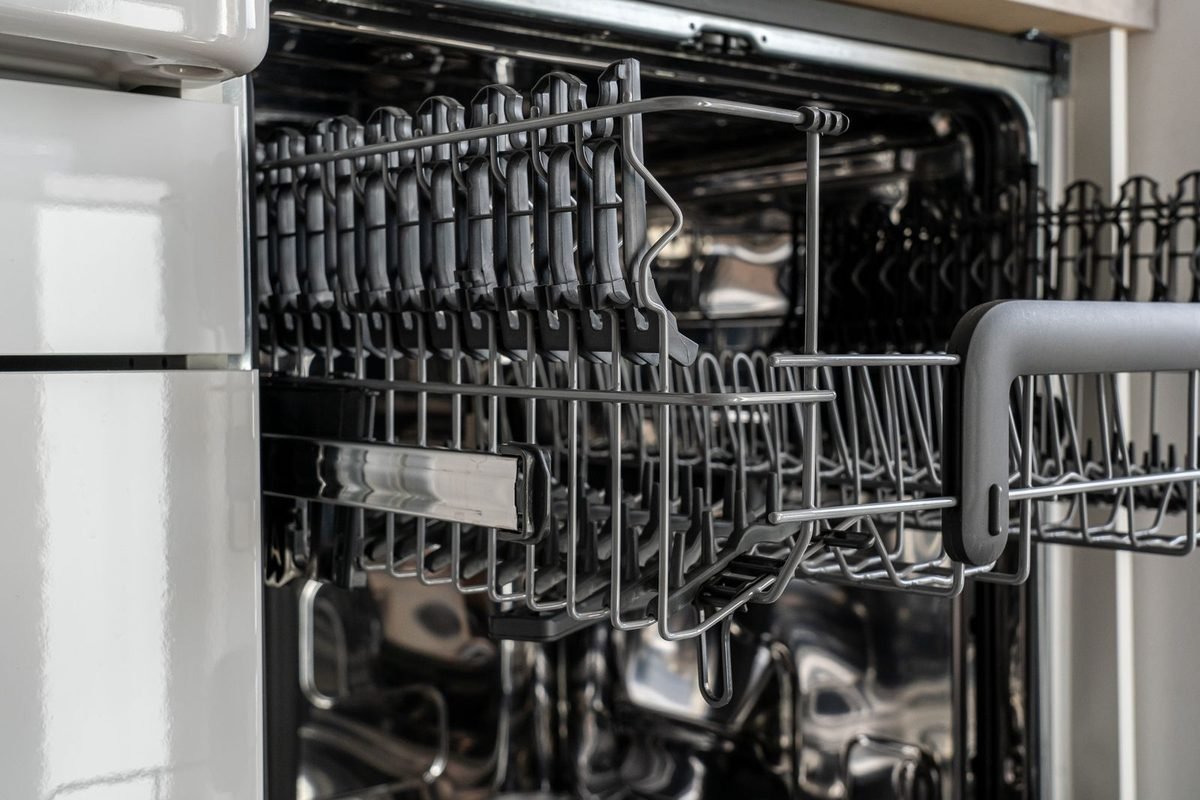
It sounds strange to clean the machines that clean, but both collect grime, soap residue and smells. Once a month, take out the dishwasher filter, rinse it and run an empty hot cycle with a cleaning tablet or a cup of white vinegar on the top rack.
For the washing machine, run an empty hot cycle with a washing machine cleaner tablet. Wipe the rubber door seal on a front loader, where mold loves to hide, and leave the door open between loads so it can dry.
22. Wash the Shower Curtain and Bath Mats
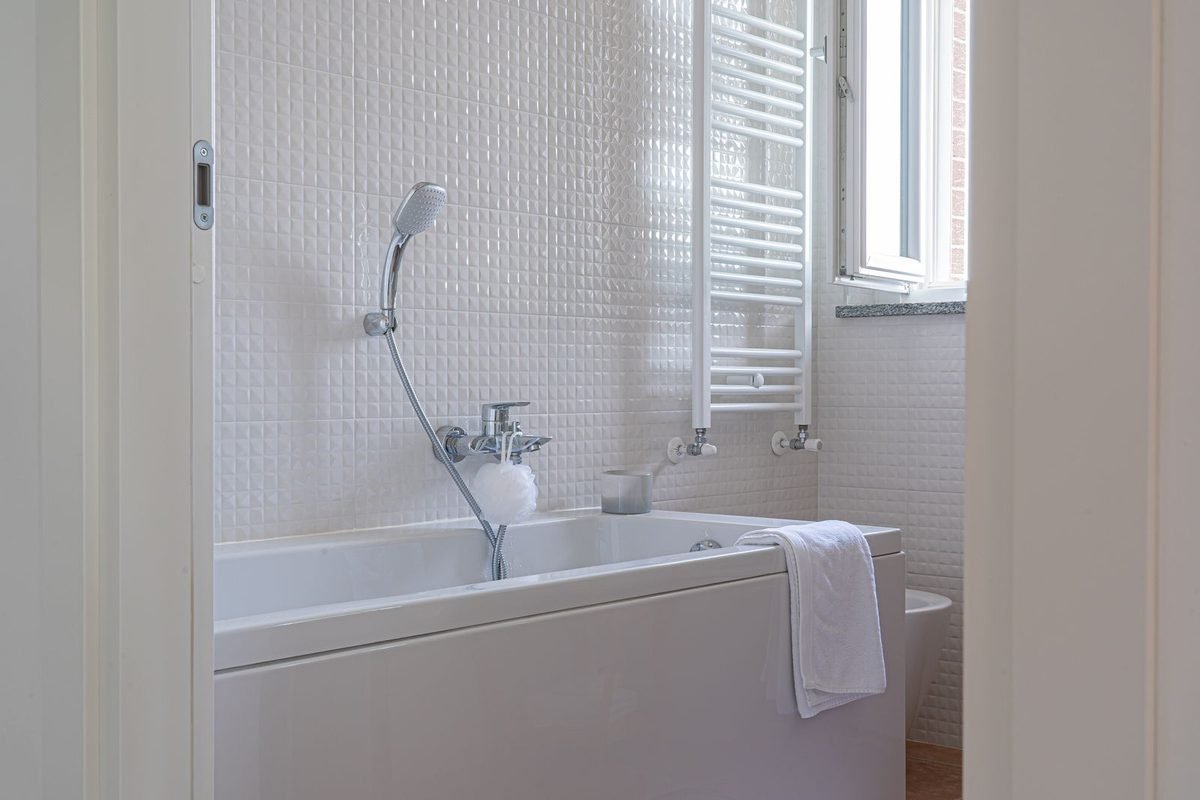
Fabric and plastic shower curtain liners collect soap scum and mildew along the bottom edge. Most can go in the washing machine on a gentle cycle with a couple of towels to help scrub them. Hang them back up to dry.
Bath mats soak up water every day, so wash them monthly or more often if they stay damp. A quick-drying mat or a diatomaceous earth bath mat cuts down on that musty smell in small bathrooms.
Seasonal House Cleaning Schedule: 3 Big Jobs
Every three months, or at least twice a year in spring and fall, tackle these bigger jobs. They take an afternoon each, so add them to your calendar like an appointment.
23. Wash Pillows and the Duvet

Pillows, duvets and mattress protectors collect sweat and dust over time. Most pillows and duvets can be washed at home in a large machine, or at a laundromat if yours is small. Check the care labels first.
Use a gentle cycle and an extra rinse, then dry them completely with a few dryer balls. A pillow that isn’t fully dry can grow mildew. While the bedding is off, vacuum the mattress and flip or rotate it.
24. Clean Behind and Under Furniture
Dust, hair and lost socks collect behind the sofa, under the bed and behind the fridge. Once a season, pull furniture away from the wall and vacuum the floor and the wall behind it.
This is also the time to change your air filters (if your rental has a furnace or AC unit you’re allowed to access), vacuum air vents and wipe ceiling fan blades. An old pillowcase slipped over a fan blade catches the dust instead of dropping it on your bed.
25. Swap and Declutter Seasonal Clothes
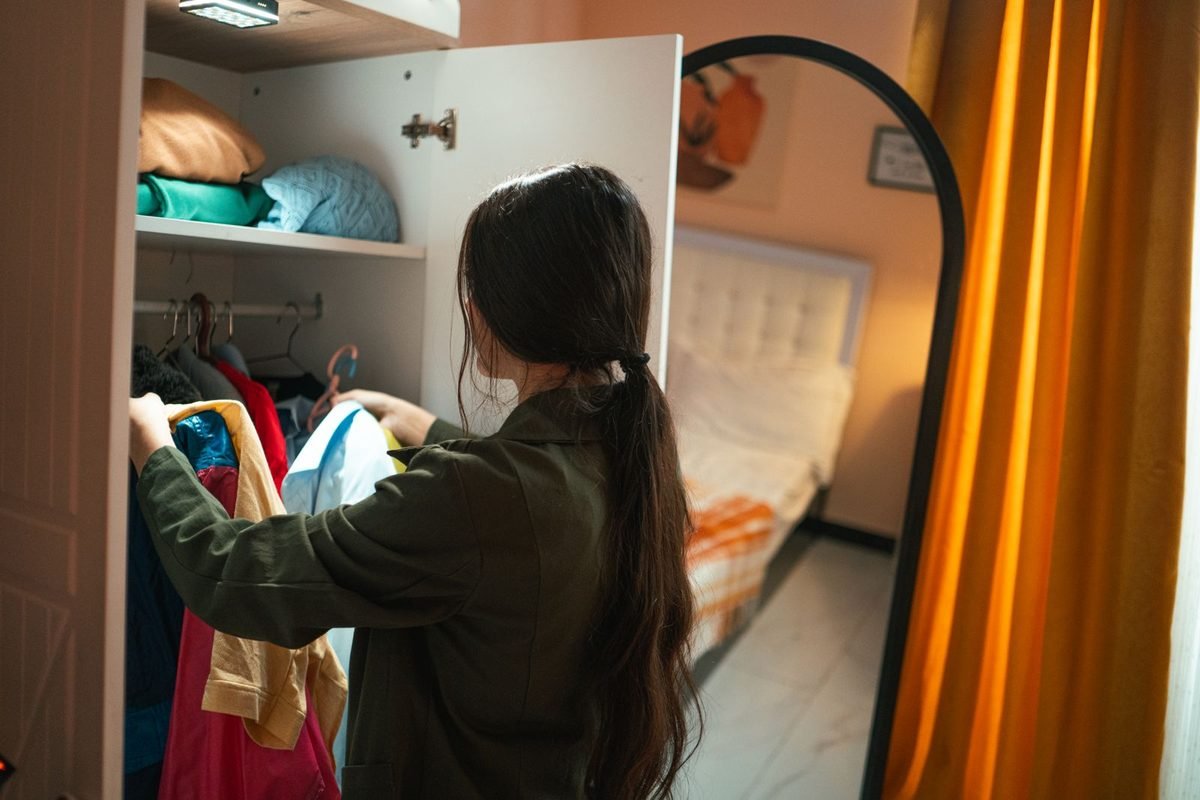
Small closets can’t hold every season’s clothes at once. At the start of each season, pack away what you won’t wear and bring out what you need.
Before anything goes into storage, decide if you actually wore it last year. If not, donate it. Wash or dry-clean clothes before storing them so stains don’t set. Vacuum the closet floor and wipe the shelves while they’re empty.
If your closet is overflowing, read how to organize a small closet with lots of clothes for storage ideas that work in tight spaces. For a full declutter, our declutter checklist room by room walks you through each space.
Your House Cleaning Schedule at a Glance

Here is the full cleaning schedule in one place. Copy it into your phone notes, a planner or a whiteboard. There’s nothing to download; just copy the lists and adjust them to fit your home.
Every day:
- Make the bed
- Wash the dishes or run the dishwasher
- Wipe the kitchen counters and stovetop
- Do a 10-minute reset of the main rooms
- Empty the trash if full and sort the mail
Every week:
- Vacuum all floors and rugs
- Mop the kitchen and bathroom floors
- Clean the toilet inside and out
- Scrub the shower, tub and glass
- Clean the bathroom sink, faucet and counter
- Change and wash the sheets
- Dust shelves, tables and electronics
- Clean the mirrors and glass
- Clear out old food from the fridge
- Wash clothes and towels, then put them away
Every month:
- Degrease the stove grates, knobs and oven door
- Wipe the appliance fronts, microwave and cabinet doors
- Wash the windows and wipe the sills and tracks
- Wipe the baseboards, door frames, switches and doorknobs
- Vacuum the sofa and under the cushions
- Clean the dishwasher filter and the washing machine
- Wash the shower curtain liner and bath mats
Every season:
- Wash the pillows, duvet and mattress protector
- Clean behind and under furniture, vents and fan blades
- Swap seasonal clothes and donate what you didn’t wear
Sample weekly plan for a small apartment:
- Monday: Bathroom (toilet, shower, sink and mirror) – 25 minutes
- Tuesday: Laundry and towels
- Wednesday: Dusting and glass – 15 minutes
- Thursday: Fridge cleanout before grocery shopping – 10 minutes
- Friday: Rest day (daily tasks only)
- Saturday: Vacuum, mop and change the sheets – 40 minutes
- Sunday: One monthly task and a look at next week
How to Fit a House Cleaning Schedule Into a Busy Week

The best house cleaning schedule is the one you’ll actually follow. If the plan above looks like too much, here are a few ways to make it fit.
Stack tasks onto habits you already have. Wipe the bathroom sink after you brush your teeth. Clear the fridge right before you write your grocery list. Do the dishes while the kettle boils. Small tasks attached to existing habits rarely get forgotten.
Use a timer. Set it for 15 minutes and stop when it rings, even if you’re not done. You’ll be surprised how much you get through, and you’ll be less likely to put off the next session.
Clean one zone per day. Instead of a big weekend session, give each weekday one area: bathroom Monday, kitchen Tuesday, floors Wednesday and so on. This is the approach in our weekly cleaning schedule for working moms.
Lower the bar on hard weeks. When life gets busy, stick to the five daily tasks and the toilet. Everything else can wait a week. The realistic cleaning schedule has a stripped-back version for exactly those weeks.
Keep supplies where you use them. A spray and cloth in the bathroom, another set in the kitchen. If you have to hunt for supplies, you’ll skip the task.
How to Share the Cleaning Schedule With Family or Roommates

Cleaning is faster and fairer when everyone helps. Here’s how to share a house cleaning schedule without daily arguments.
- Make the list visible. Put the weekly tasks on a whiteboard, the fridge or a shared phone note so everyone can see what’s done.
- Split by task, not by room. One person might own the bathroom and floors, while the other owns the kitchen and laundry. Swap every month if someone feels stuck with the worst jobs.
- Give kids age-appropriate jobs. Young kids can put toys away, match socks and wipe low surfaces. Older kids can vacuum, empty the dishwasher and clean their own rooms.
- Agree on what “clean” means. A simple checklist for each task avoids the “but I already did it” debate.
- Clean at the same time. A 20-minute group session with music is more fun than cleaning alone, and it’s done before anyone can complain.
For roommates, a monthly rotation works well. Each person takes one set of tasks for a month, then rotates, so everyone handles the bathroom equally.
Cleaning Supplies to Keep Your Schedule Easy
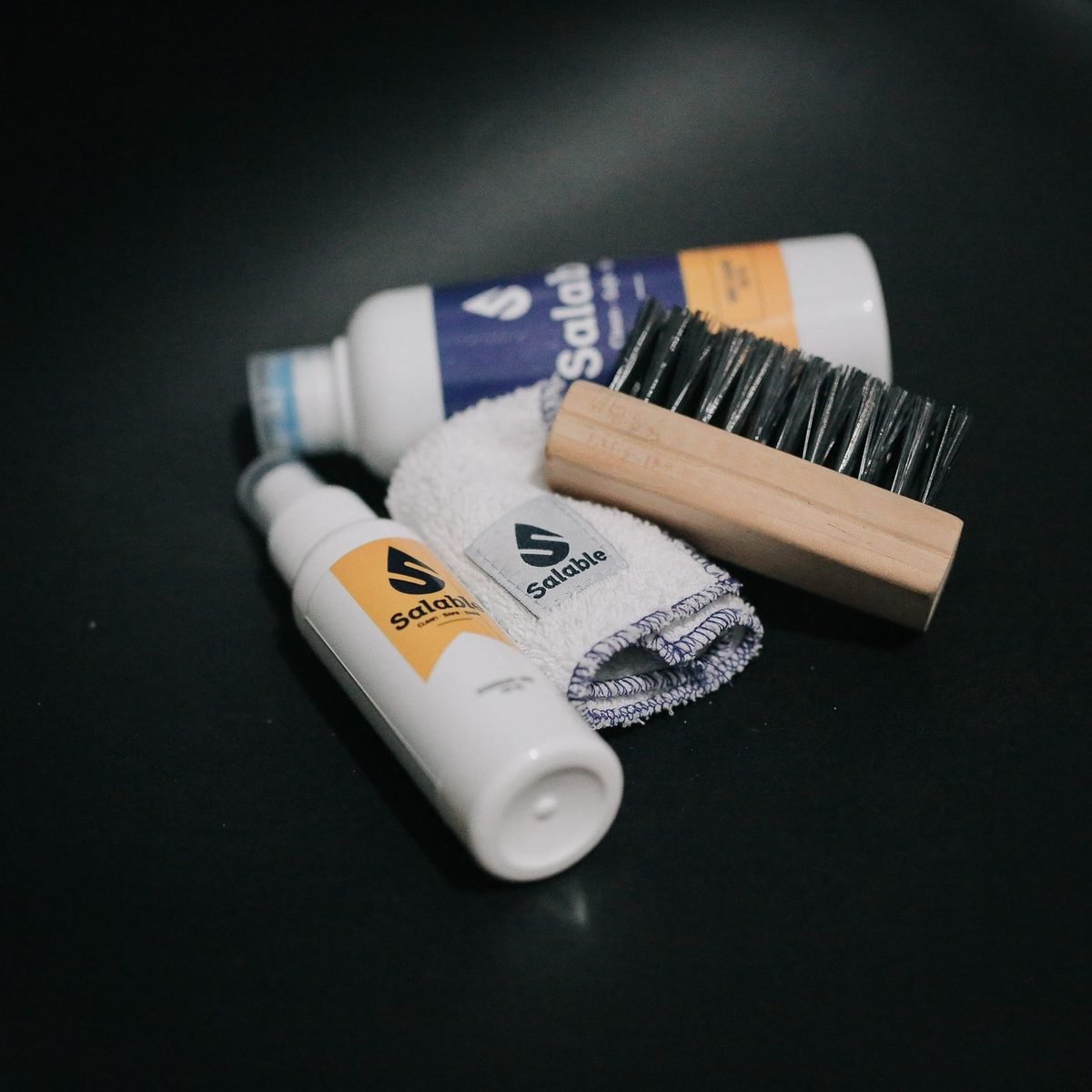
You don’t need a cabinet full of products. A small, simple kit makes every task in this cleaning schedule faster, and it fits under one sink.
- Microfiber cloths: A pack of microfiber cleaning cloths in a few colors (one color for the bathroom, one for the kitchen) handles dusting, wiping and glass.
- All-purpose spray: One good cleaner for counters, appliances and most surfaces.
- Bathroom cleaner: For soap scum on showers, tubs and sinks.
- Glass cleaner: For mirrors, windows and glass tables.
- Toilet brush and cleaner: One set per bathroom.
- Scrub brushes: A scrub brush set with a grout brush and a small detail brush.
- A cleaning caddy: A cleaning caddy with a handle lets you carry everything from room to room.
- A vacuum and a mop: A cordless stick vacuum and a flat microfiber mop are the best pair for small homes.
- Rubber gloves: To protect your hands from hot water and cleaners.
Store your kit in one caddy so you can grab it and go. If your under-sink cabinet is a mess, our under bathroom sink organization ideas can help you make room.
House Cleaning Schedule Mistakes to Avoid
A cleaning schedule should make life easier. These common mistakes do the opposite.
Trying to do everything at once. Starting with all 25 tasks in week one is a quick way to burn out. Build the habit slowly: daily tasks first, then weekly, then monthly.
Making the schedule too detailed. A plan with 80 tasks looks impressive but rarely survives a busy week. Stick to the tasks that matter most for your home.
Cleaning in the wrong order. Vacuuming before dusting means you’ll vacuum again. Work from top to bottom and from dry to wet.
Skipping the daily tasks. The weekly list only stays quick if the daily list happens. Five minutes of dishes every night saves an hour of scrubbing on the weekend.
Owning too much stuff. Every item on a shelf or counter has to be moved and cleaned around. Less stuff means less cleaning. If you’re overwhelmed, declutter before you clean.
Feeling guilty about missed days. You’ll skip tasks sometimes. That’s normal. Pick up where you left off instead of starting over or giving up.
House Cleaning Schedule FAQ

How often should you clean your house?
Do light tasks like dishes, counters and a quick tidy every day. Clean bathrooms, floors and sheets weekly. Deep-clean appliances, windows and baseboards monthly, and do bigger jobs like washing pillows and cleaning behind furniture every season.
What is the 20/10 rule for cleaning?
It means cleaning for 20 minutes, then resting for 10 minutes. It’s a good way to get through a bigger session without burning out, and it works well with the weekly tasks in this house cleaning schedule.
How long should it take to clean a small apartment?
With a daily routine in place, a one-bedroom apartment usually takes 15 minutes a day plus 60 to 90 minutes a week. A deep clean of the whole apartment might take three to four hours.
What should I clean first in a messy house?
Start with the dishes and the kitchen counters, then clear the floors so you can move around. Next, clean the bathroom. Once the basics are done, follow the daily list to keep it that way.
How do I make a cleaning schedule I’ll stick to?
Keep it short, attach tasks to habits you already have, put the list where you’ll see it and set a timer for each session. Start with the daily tasks and add more only when they feel automatic.
Is a weekly or daily cleaning schedule better?
You need both. Daily tasks stop messes from building up, and weekly tasks handle the deeper cleaning. A small home with only a weekly plan tends to look messy by Wednesday.
Final Thoughts on Your House Cleaning Schedule
A house cleaning schedule takes the stress and guesswork out of keeping a home clean. Instead of losing your Saturday to a giant clean, you do a little each day, a little more each week and a few bigger jobs each month and season.
Start this week with just the five daily tasks: make the bed, do the dishes, wipe the counters and stove, do a 10-minute reset and handle the trash and mail. Next week, add the weekly list. In a month, you’ll have a home that stays clean almost on its own.
Copy the schedule above into your phone or planner, adjust it for your rooms and your week, and keep your supplies close by. For more ways to keep a small home calm and tidy, explore our small apartment organization ideas.