How to Organize a Small Bedroom in 7 Easy Steps
Disclosure: This post contains affiliate links. As an Amazon Associate I earn from qualifying purchases. If you buy through these links, I may earn a small commission at no extra cost to you. Read our full disclaimer.
Learning how to organize a small bedroom is less about clever storage and more about following the right steps in the right order. Most people start by buying bins. Then the bins fill up, the small bedroom still feels cramped and nothing really changes. This guide walks you through a simple 7-step process that works in any small bedroom, whether it’s a 9×10 guest room, a kids’ room or the only bedroom in a tiny apartment.
The steps are grouped into four phases: clear the room, plan how it will work, give everything a home and keep it organized. You can do the whole process in one weekend, or spread it over a week with an hour or two each evening. Either way, you’ll finish with a bedroom that has a place for everything and a routine that keeps it there.
Everything here is renter-friendly. You won’t need to drill into walls or buy new furniture, and the steps cost very little. If you want quick tricks instead of a full plan, our bedroom organization hacks are a good companion to this guide.
Quick answer: To organize a small bedroom, empty and sort one zone at a time, declutter by category, decide what the room needs to do, measure and rework the layout, assign a home to every category, contain small items in labeled bins and baskets, and protect the result with a 5-minute evening pickup and a weekly reset.
The 7 steps at a glance:
- Phase 1, clear the room: 1. Empty one zone at a time and sort everything, 2. Declutter by category, not by location
- Phase 2, plan the room: 3. Decide what your bedroom needs to do, 4. Measure the room and rework the layout
- Phase 3, give everything a home: 5. Assign a home to every category, 6. Contain the small stuff and label it
- Phase 4, keep it organized: 7. Build a simple maintenance routine
Why Small Bedrooms Are So Hard to Keep Organized
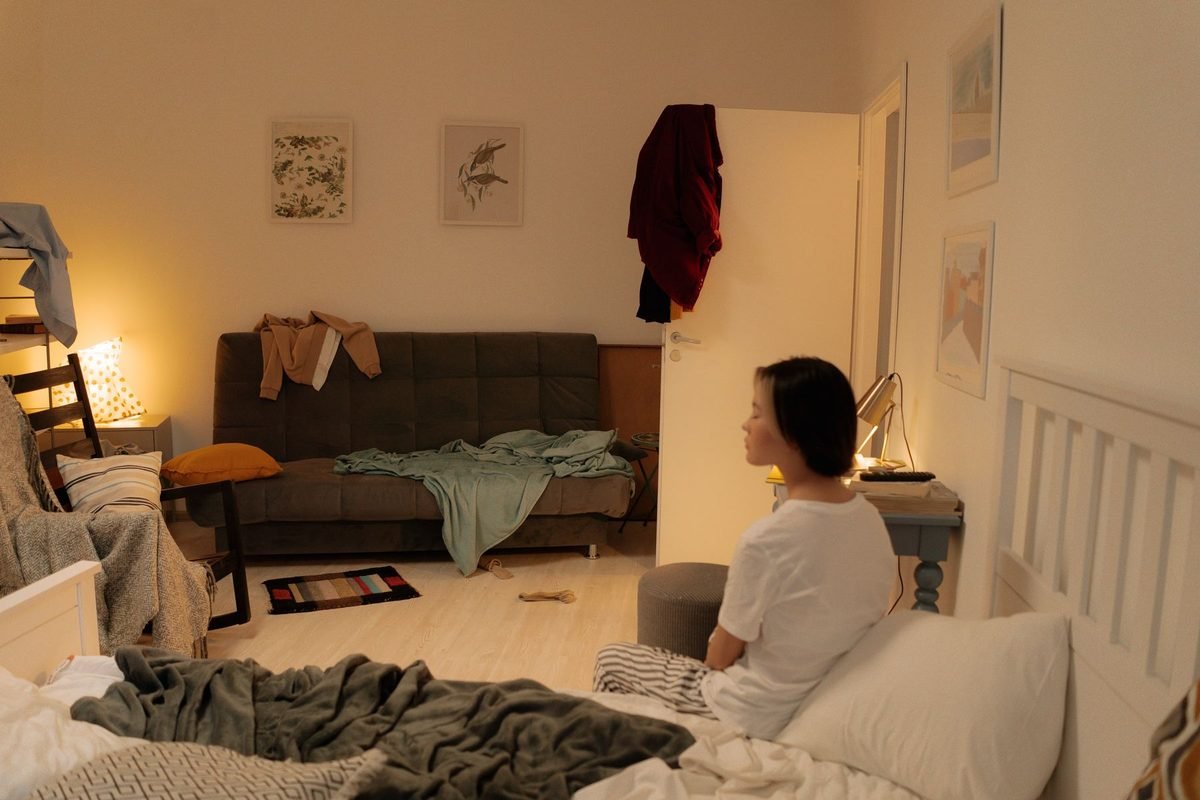
A small bedroom gets messy faster than almost any other room in the house. It isn’t because you’re bad at tidying. It’s because a small bedroom is doing a hard job with very little space.
It’s the last stop for everything. Clothes, laundry, bags, books, chargers and things you meant to put away all end up in the bedroom because it’s private. Guests don’t see it, so it becomes the place where “I’ll deal with it later” items wait.
There’s very little floor space. Once a small bedroom fits a bed, a dresser and a nightstand, there may be only a narrow path left. Anything set on the floor blocks that path right away and makes the whole room feel crowded.
The bed takes up most of the room. In a small bedroom, the bed can cover half of the floor. That makes it a giant flat surface, and flat surfaces collect clutter.
Storage is usually an afterthought. Many small bedrooms have a tiny closet, or no closet at all. The storage that exists often isn’t where you need it.
The room has more than one job. It might be a bedroom, an office, a dressing room and a guest room all at once. Each job brings its own stuff.
That’s why a random burst of tidying rarely lasts. A small bedroom needs a plan. The 7 steps below give you one.
Before You Start: Time, Tools and a Simple Plan

You don’t need much to get started, but a little prep makes the process faster and keeps you from quitting halfway.
Block out time. A full small bedroom reset usually takes 4 to 8 hours, depending on how much you own. If that feels like a lot, split it up. Do Phase 1 on Saturday morning, Phase 2 on Saturday afternoon and Phases 3 and 4 on Sunday. Or do one step each evening for a week.
Gather a few supplies before you begin:
- Four boxes or bags labeled Keep, Relocate, Donate and Trash
- A tape measure, a notebook and a pen
- Trash bags and a recycling bag
- A cloth and an all-purpose cleaner for wiping shelves and drawers while they’re empty
- Your phone, for “before” photos and quick measurements
Don’t shop yet. This is the biggest rule. You’ll know exactly what storage you need after Step 5. Buying bins now usually means buying the wrong size, and that’s how organizers become clutter too.
Clear a staging area. The bed works well because you’ll be motivated to finish before bedtime.
If your whole home needs attention, our room-by-room declutter checklist helps you decide which room to tackle first. For most people, the bedroom is a great place to start because it’s where you begin and end every day.
How to Organize a Small Bedroom: The 7 Steps at a Glance
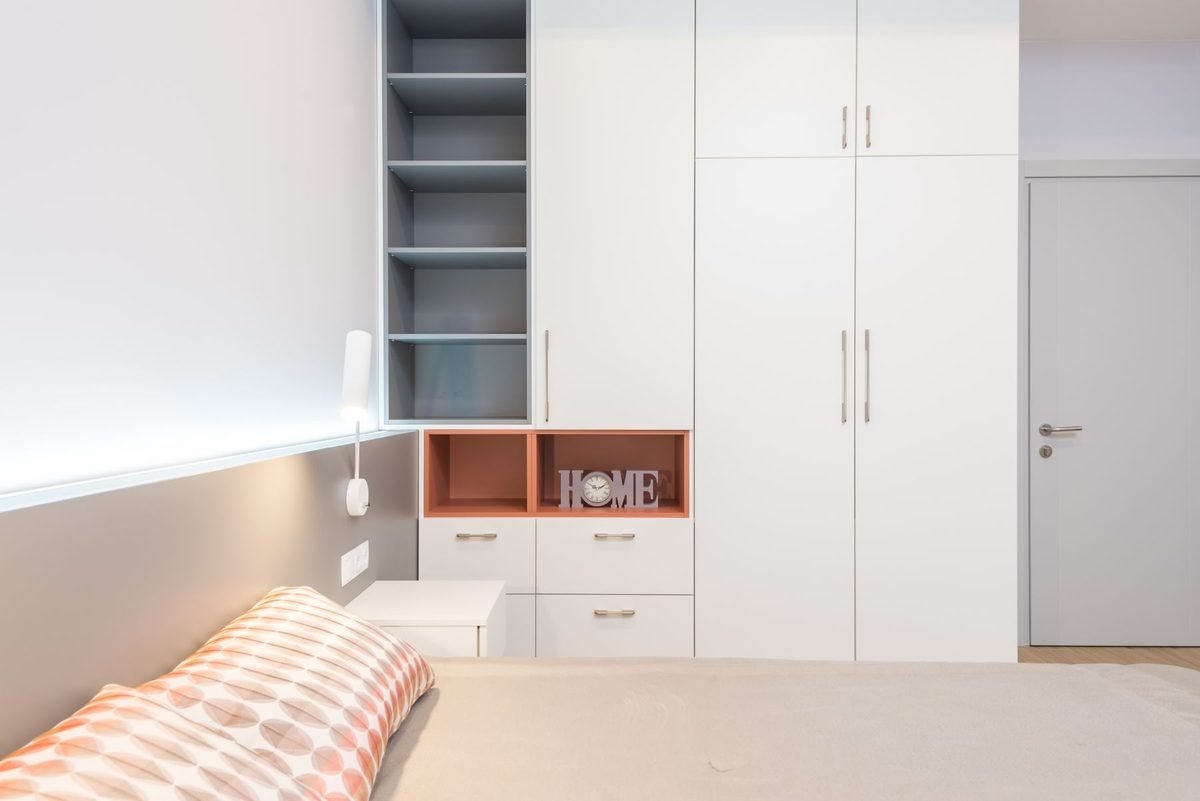
Here’s the whole process in one place. Each step is explained in detail below, with tips for small spaces and ideas for different kinds of rooms.
- Empty one zone at a time and sort everything. Work in small sections so the room never becomes a disaster.
- Declutter by category. Gather all of one type of item before deciding what stays.
- Decide what your bedroom needs to do. Sleep, dress, work, relax or host. Pick the jobs and set up zones for them.
- Measure the room and rework the layout. Find the best spot for the bed and right-size the furniture.
- Assign a home to every category. Closet, dresser, nightstand, under the bed and walls each get specific items.
- Contain the small stuff and label it. Use bins, baskets and dividers only after you know what goes where.
- Build a simple maintenance routine. A short daily pickup, a weekly reset and a seasonal swap keep the room organized for good.
The order matters. Decluttering before planning means you’re not planning space for things you don’t want. Planning before buying means you only buy storage that fits. And building a routine at the end means all that work actually lasts.
Phase 1: Clear the Room and Edit What You Own

The first phase is about getting honest with what’s in the room. You can’t organize a small bedroom that’s holding more than it can fit, no matter how good your storage is. So before you think about layouts or bins, you’ll empty, sort and edit.
Step 1: Empty One Zone at a Time and Sort Everything

Don’t pull everything out of the room at once. In a small bedroom, that creates a mountain of stuff with nowhere to go, and it’s easy to get overwhelmed. Instead, work zone by zone.
Pick your order. A good sequence is: nightstand, dresser top, dresser drawers, closet floor, closet shelves, closet rod, under the bed and finally any corners or chairs where things pile up. Start with the nightstand because it’s small. A quick win builds momentum.
Empty the zone completely. Take everything out of the drawer or off the shelf and put it on your staging area. Wipe the empty space with a cloth. It’s much easier to clean now than later.
Sort as you go. As you handle each item, put it straight into one of your four boxes. Don’t make a “maybe” pile. Maybe piles grow and turn into clutter of their own.
Finish before moving on. Once a zone is sorted, put the Keep items back for now, even loosely. Then move to the next zone. This way, your small bedroom stays usable even if you have to stop in the middle.
Use a Four-Box Sort: Keep, Relocate, Donate, Trash

The four-box method is simple, and it’s what keeps Step 1 moving quickly.
Keep: Things that belong in the bedroom and that you use or truly love. Be strict here. “I might use it one day” doesn’t count.
Relocate: Things that are worth keeping but belong somewhere else. Dishes go to the kitchen, tools go to the utility drawer and paperwork goes to your desk. Don’t walk them to the right room yet, or you’ll get distracted. Carry the whole box out at the end of the session.
Donate: Clean, usable things you no longer want. Clothes that don’t fit, books you won’t reread and duplicate items all go here. Put the box in your car or by the front door as soon as it’s full so it actually leaves the house.
Trash: Broken, stained, worn-out or expired items. Empty receipts, old tags, dried-out pens and socks with holes all go here.
A sturdy set of collapsible sorting boxes makes this easier, but plain cardboard boxes or laundry baskets work just as well. Label them with a marker so you don’t mix them up.
Step 2: Declutter by Category, Not by Location

Step 1 clears the room. Step 2 edits it. The difference is that you now gather all of one category together, no matter where it was stored, and make decisions as a group.
Why does this matter? Because in a small bedroom, things are often scattered. You might have T-shirts in the dresser, on the closet shelf and in a bin under the bed. When you see all 40 shirts in one pile, it’s much easier to admit you only wear 12.
Work through these categories in order:
- Clothes: Tops, bottoms, dresses, workwear, loungewear, workout clothes and outerwear.
- Shoes and bags.
- Bedding and linens: Keep two sets of sheets per bed and one spare blanket. Extra sets usually belong in a linen closet, not the bedroom.
- Accessories: Jewelry, belts, scarves, hats and sunglasses.
- Books, papers and electronics.
- Sentimental items: Do these last, when your decision-making muscles are warmed up.
For each category, ask three questions: Have I used this in the last year? Would I buy it again today? Do I have space for it? If the answer to all three is no, it goes.
Our guide on how to organize a small closet with lots of clothes goes deeper into editing a big wardrobe if clothes are your biggest problem.
Set a Clothing Limit Your Space Can Actually Hold

Here’s a trick that makes decluttering much easier: let the space decide, not you.
Count how much storage you really have. How many hangers fit on your closet rod without squeezing? How many folded shirts fit in a drawer? That number is your limit. If your rod holds 45 hangers, you keep 45 hanging items. When you buy something new, something old goes.
This takes the guilt out of decluttering. You’re not throwing out a sweater because it’s “bad.” You’re letting it go because the room can only hold so much, and you’d rather keep your favorites.
A few limits that work well in a small bedroom:
- Hangers: only as many as fit with a finger’s width between each one
- Drawers: fill to about 80% so they close easily and you can see what’s inside
- Shoes: one pair per slot on your rack
- Nightstand: what fits in the drawer or on one small tray
Matching slim velvet hangers help here because they take up less space than plastic or wooden hangers. Once your rod is full of them, you’ll know exactly when you’ve hit your limit.
Phase 2: Plan How the Room Will Work

Now that you’ve cleared the room and kept only what you want, it’s time to plan. This is the phase most people skip, and it’s why their small bedroom never feels quite right. A few minutes of planning will save you from moving furniture three times and buying storage you don’t need.
Step 3: Decide What Your Bedroom Needs to Do
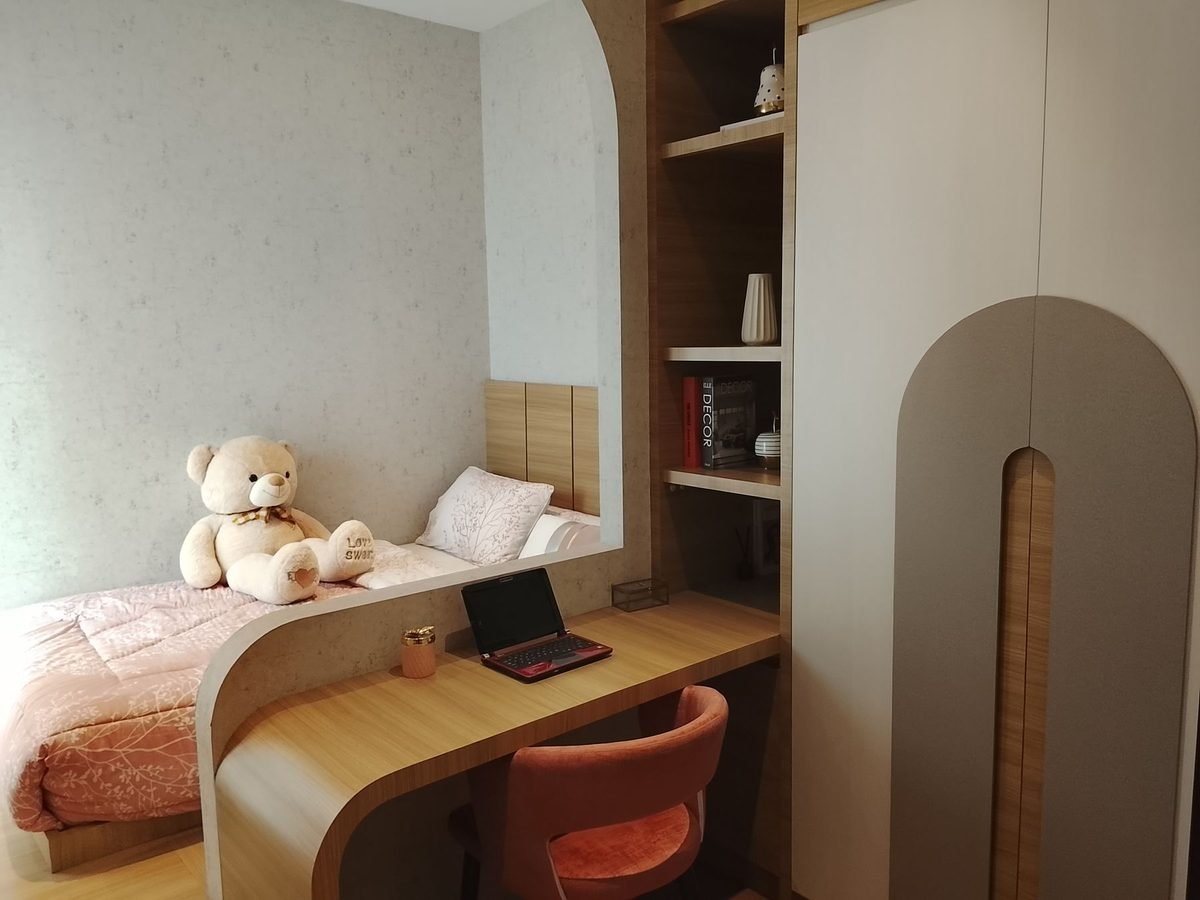
Before you decide where anything goes, write down every job your small bedroom does. Be honest. If you fold laundry on the bed every Sunday, that’s a job. If you take work calls at the dresser, that’s a job too.
Common bedroom jobs:
- Sleeping
- Getting dressed and storing clothes
- Reading or relaxing
- Working or studying
- Exercising or stretching
- Hosting an overnight guest
- Doing hair and makeup
Now look at your list. A small bedroom probably can’t do all of these well. Pick the top two or three jobs and give them priority. Sleep and dressing are almost always on the list. The rest depends on your life.
If a job doesn’t make the cut, find another home for it. Maybe your yoga mat lives in the living room. Maybe the makeup goes to the bathroom. Every job you move out of the bedroom frees up space for the ones that stay.
Map Three Zones: Sleep, Dress and Unwind
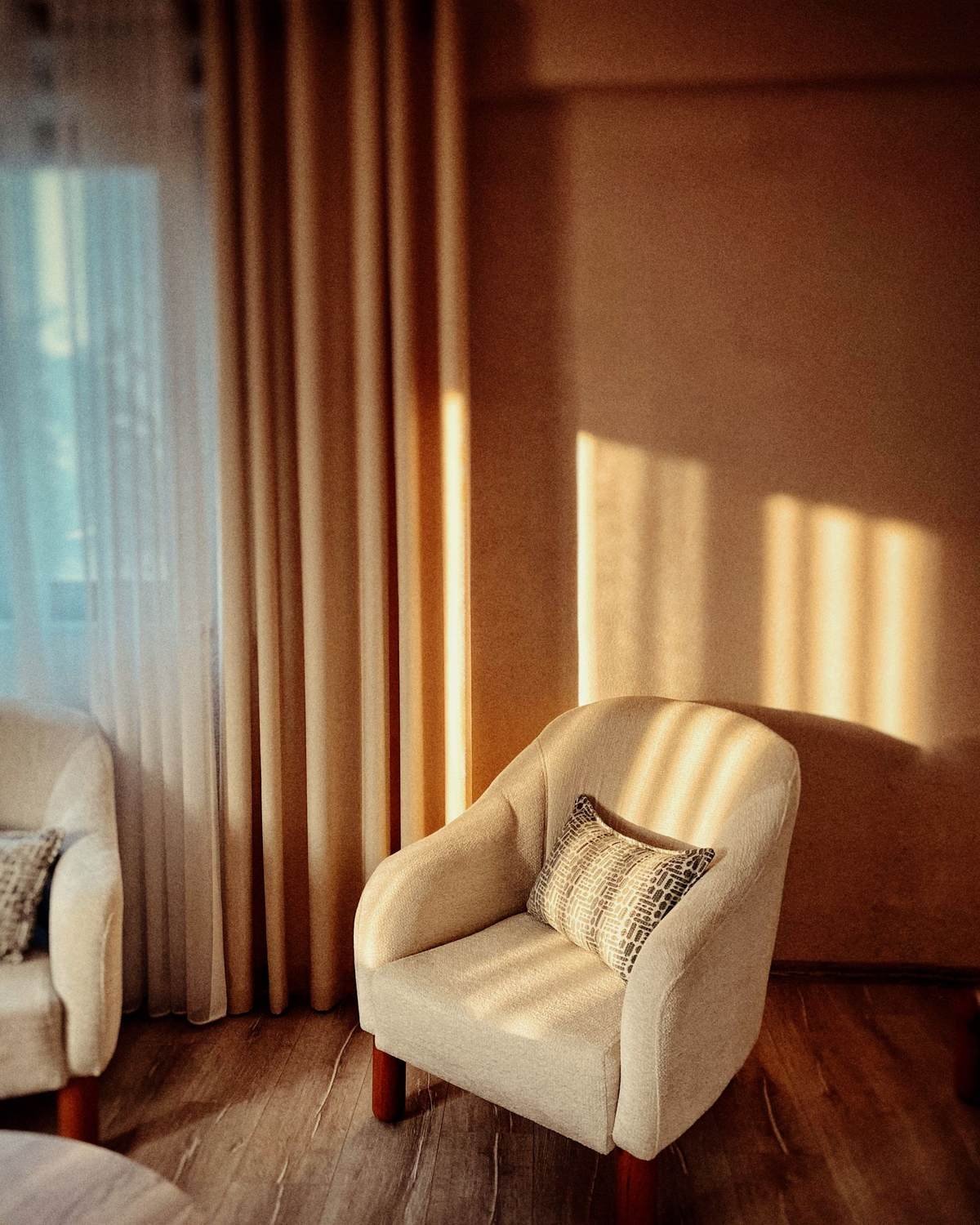
A zone is simply an area with one purpose. Even a small bedroom can have three clear zones, and having them makes it much easier to keep the room organized.
Sleep zone: The bed and nightstand. This zone should be the calmest part of the room, with only a lamp, a book, a glass of water and maybe a phone charger. The Sleep Foundation’s guide to the bedroom environment notes that a cool, dark, quiet and uncluttered room supports better sleep, so it’s worth protecting this zone.
Dress zone: The closet and dresser, plus a mirror and a hamper. Everything you need to get ready should be within a few steps of each other.
Unwind zone: A chair, a reading lamp or a small corner where you can sit that isn’t the bed. If you don’t have room for a chair, a floor cushion or a window seat works.
If you work from your bedroom, the desk becomes a fourth zone. We’ll cover that setup later in the guide.
Once your zones are mapped, a simple rule applies: things that support a zone live in that zone. Your hair ties go in the dress zone, not the nightstand. Your book goes in the sleep or unwind zone, not on the dresser.
Step 4: Measure the Room and Rework the Layout

You can’t plan a good small bedroom layout by guessing. Grab your tape measure and notebook and write down these numbers:
- The length and width of the room
- The width of each door and window, and how far the door swings into the room
- The location of outlets, light switches, radiators and vents
- The dimensions of every piece of furniture you own: bed, dresser, nightstand, desk and chair
- The closet’s width, depth and rod height
It takes about 15 minutes, and it saves hours of shoving furniture around. A 25-foot tape measure is the only tool you really need. A small notebook keeps all the numbers in one place for when you shop later.
Remember clearance. You need about 24 to 30 inches of walking space around the bed and in front of the dresser so you can open the drawers fully. Write those clearances down too. They’re often the difference between a room that works and one where you’re always bumping into things.
Sketch a Quick Floor Plan on Paper
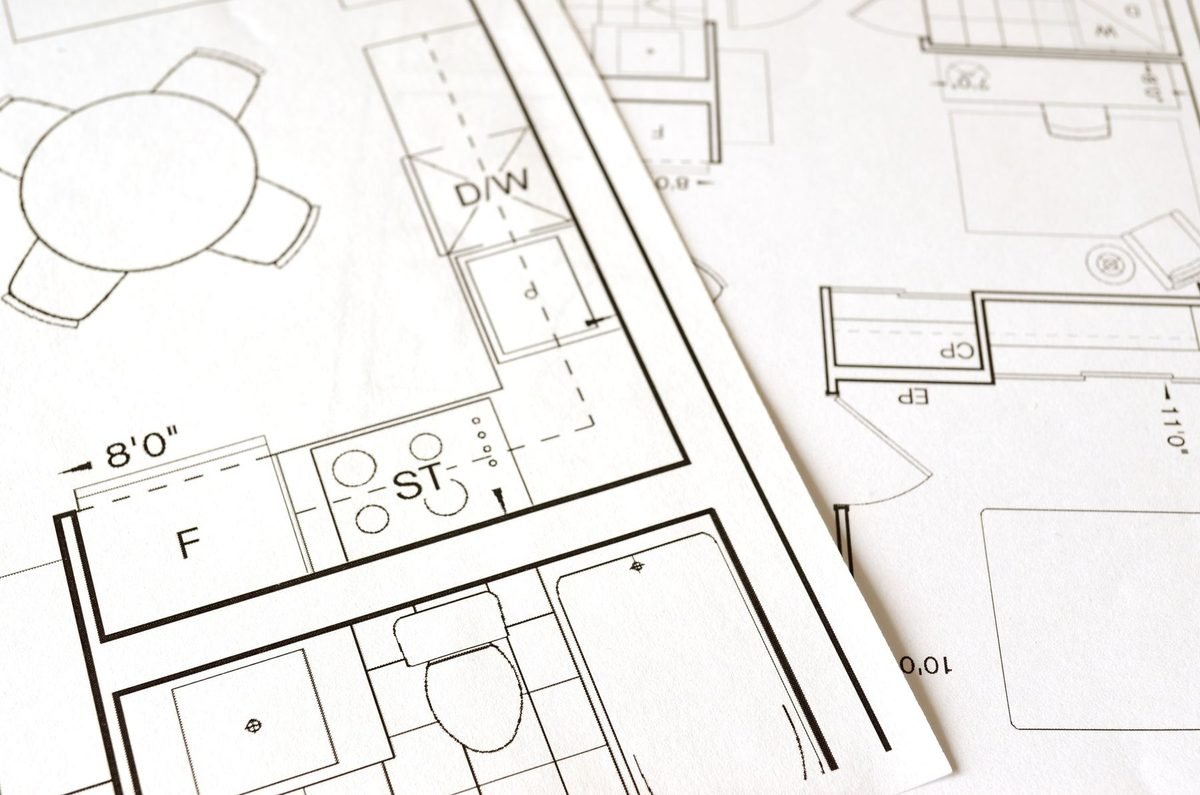
With your measurements in hand, draw a rough floor plan. Graph paper makes it easy: let one square equal 6 inches. You don’t need to be an artist. Boxes and arrows are enough.
Draw the fixed things first: walls, doors, windows, closets, radiators and outlets. Then cut out paper shapes for each piece of furniture at the same scale and move them around until you find the best fit.
Try at least three layouts. The first one is usually the way the room is set up now, and it’s rarely the best option. Moving pieces on paper is free, so experiment with arrangements you might not have considered, like turning the bed sideways or putting the dresser inside the closet.
Find the Best Spot for the Bed
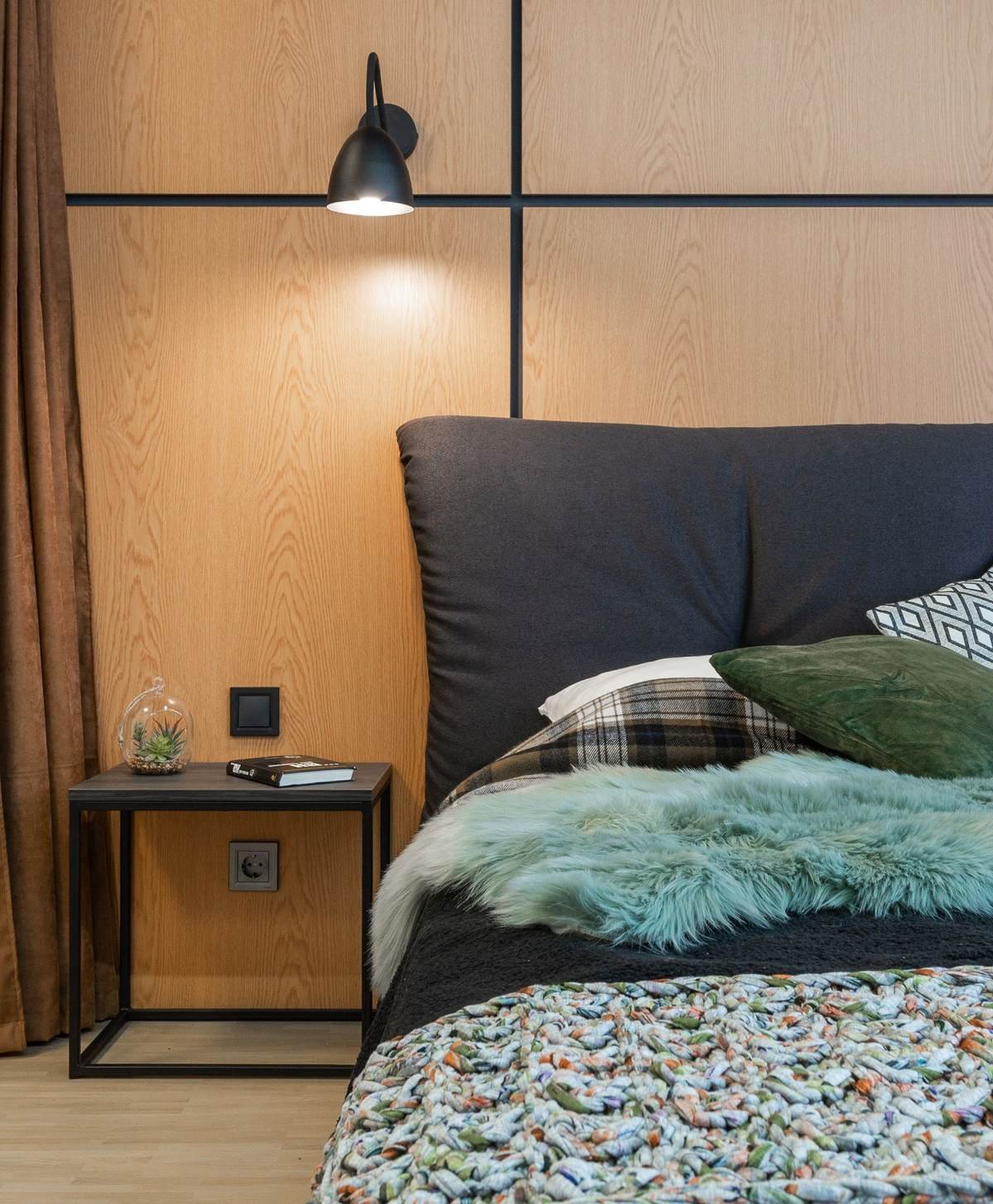
The bed is the biggest thing in a small bedroom, so its position decides everything else. Here are the most common options and when they work.
Centered on the main wall: This looks the most balanced and gives you access from both sides. It works if the room is at least 10 feet wide and you share the bed.
Pushed into a corner: This frees up the most floor space, often a full 2 to 3 feet. It works well for a single sleeper, a kids’ room or a narrow room. The trade-off is that making the bed is a little harder.
Under the window: In some small rooms, this is the only wall long enough. It’s fine as long as the headboard doesn’t block a radiator and you can still open the window.
The rule of thumb: Place the bed so the door opens freely and you have a clear path from the door to the closet. If you have to climb around the bed to get dressed, try another spot.
Right-Size Your Furniture
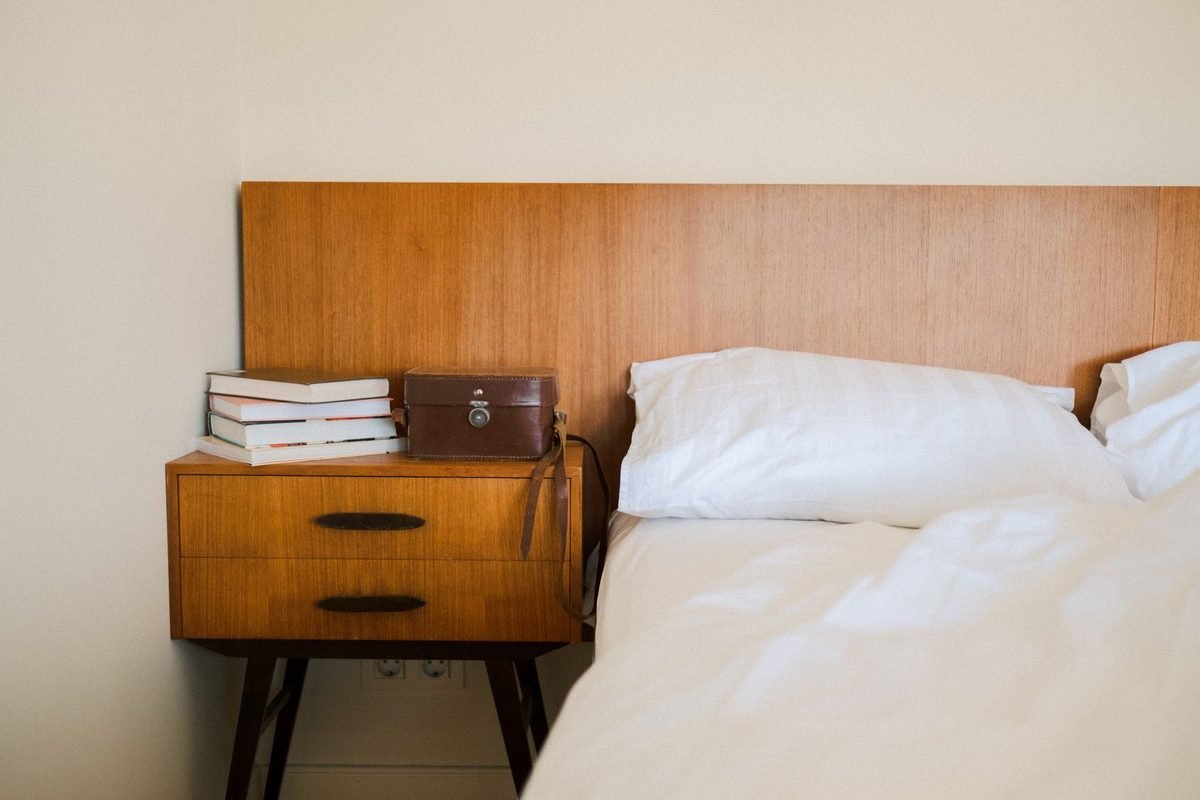
Once you know the layout, look at each piece of furniture and ask if it’s the right size for a small bedroom. Oversized furniture is one of the biggest reasons a small bedroom feels cramped.
- Bed: A queen bed takes up 60 by 80 inches. If you sleep alone, a full bed saves about 6 inches of width, which can make room for a nightstand.
- Nightstands: Choose narrow ones, about 15 to 18 inches wide, or a floating shelf. One nightstand is enough if the other side of the bed is against a wall.
- Dresser: A tall, narrow dresser uses less floor space than a long, low one and holds about the same amount.
- Chairs: A chair that only collects clothes isn’t helping. Replace it with a hook, or remove it.
You don’t have to buy new furniture to right-size. Often, the fix is moving a piece to another room, or swapping it with something you already own elsewhere in your home. For storage furniture that works hard in small rooms, see our small bedroom storage ideas for adults.
Phase 3: Give Every Item a Home
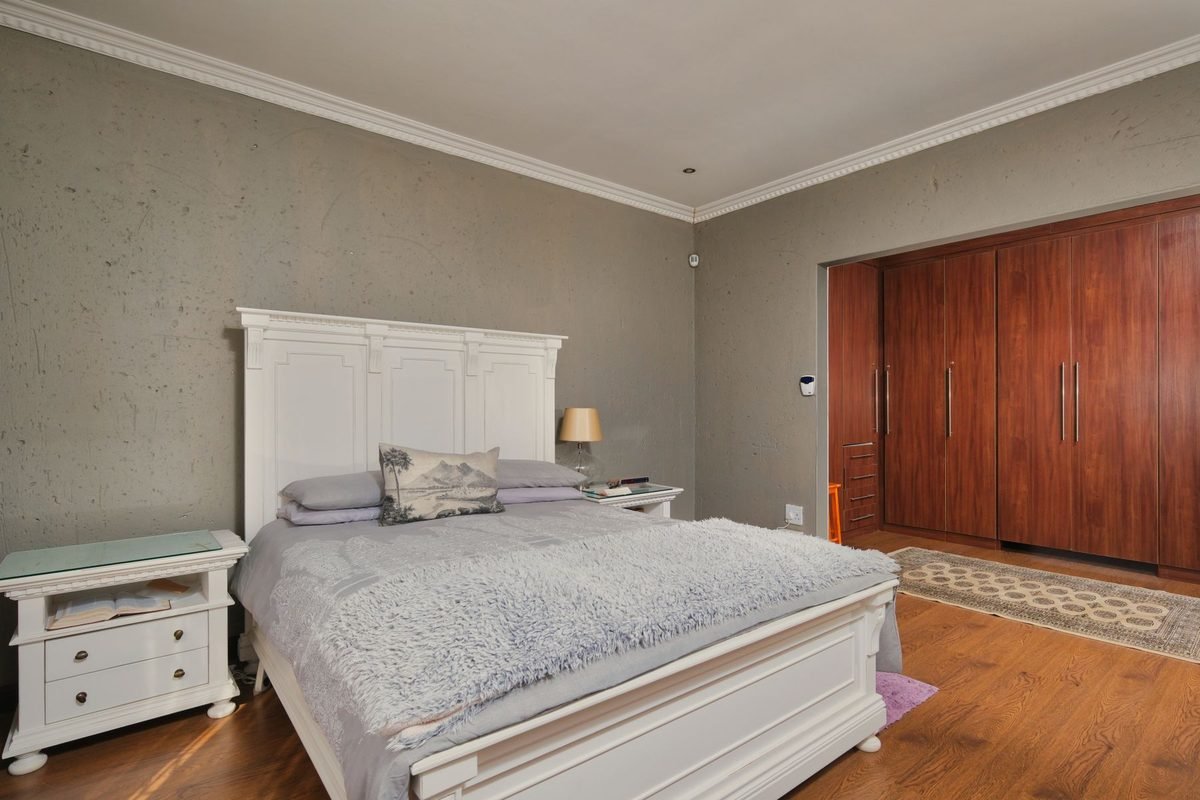
Now comes the part most people think of as organizing. Because you’ve already decluttered and planned, this phase goes quickly. The rule is simple: every item gets one specific home, and similar items live together.
Step 5: Assign a Home to Every Category
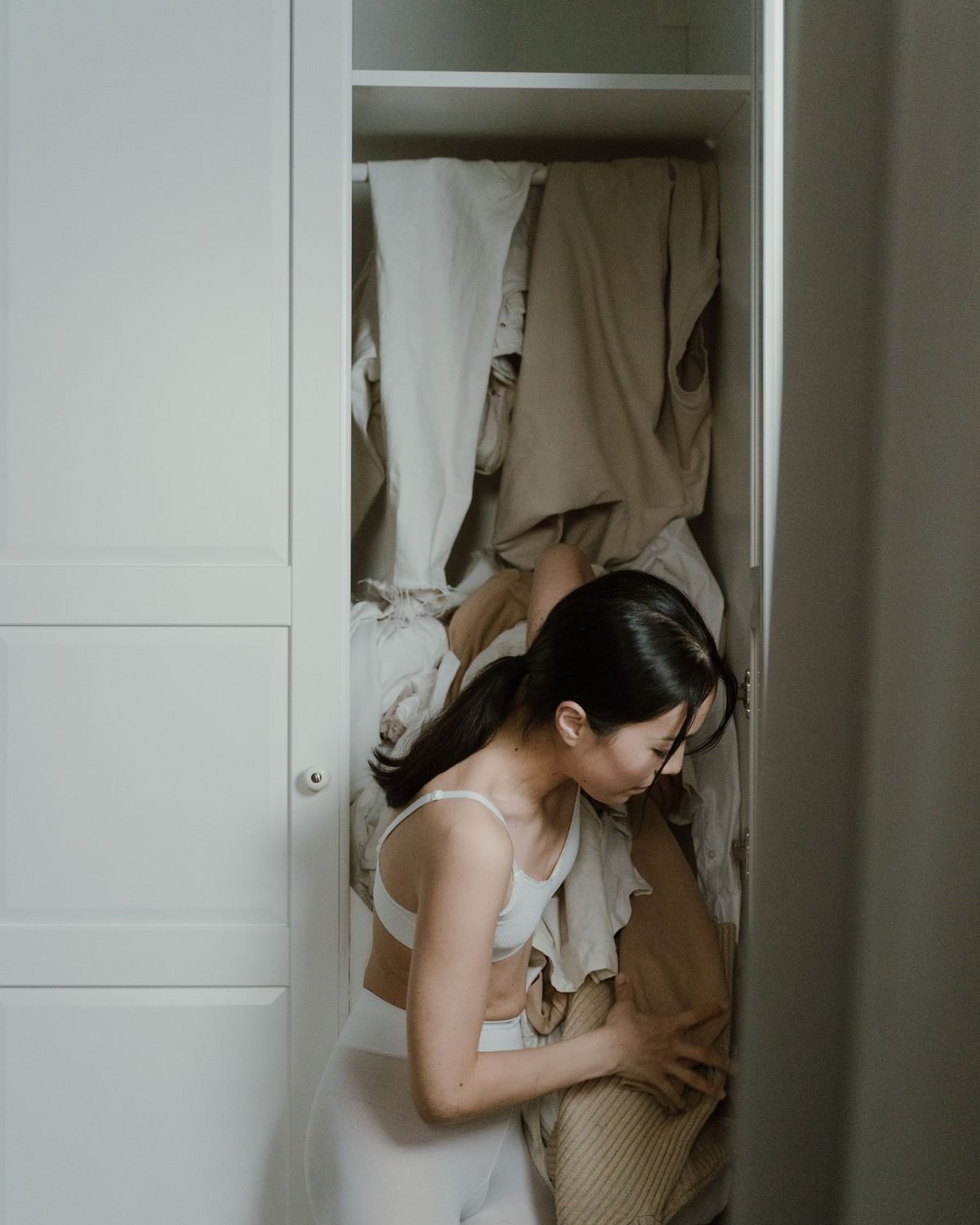
Look at your Keep pile and your zone plan, and match them up. Every category of item gets assigned to a storage spot. Write it down if it helps.
Use the “prime real estate” rule. The easiest places to reach, between your knees and your shoulders, are prime real estate. Put the things you use every day there. Items you use weekly can go a little higher or lower. Items you use a few times a year go to the hardest places to reach: high shelves, under the bed or the back of the closet.
Keep categories together. In a small bedroom, all your workout clothes go in one drawer. All your scarves go in one bin. When a category lives in one place, you can see what you own, and you’ll stop buying duplicates.
Give every item only one home. If phone chargers live in the nightstand, they always go back to the nightstand. Two homes for the same thing means you’ll never be sure where it is.
Here’s how to use each storage spot in a small bedroom.
Closet: Hang What Wrinkles, Fold What Stretches

Your closet rod is valuable space, so save it for clothes that really need hanging: dresses, button-down shirts, blazers, dress pants and anything that wrinkles easily.
Knits, T-shirts, jeans, sweaters and workout clothes can all be folded. Sweaters actually keep their shape better folded, because hanging stretches out the shoulders.
Make the most of a small bedroom closet:
- Group by type, then by color. All shirts together, then all pants and so on. It makes getting dressed faster.
- Use the floor. A low shoe rack or a couple of bins keep the floor organized instead of becoming a pile.
- Use the shelf above the rod. Store off-season items or bags in bins up there.
- Add a second rod. A hanging closet rod extender creates a second row for shorter items like shirts and skirts, doubling your hanging space without any tools.
For more ways to stretch a tiny closet, our small closet organization ideas on a budget are full of cheap fixes.
Dresser: Daily Clothes in the Top Drawers

Your dresser works hardest when it follows the same prime real estate rule. Put the things you wear every day in the top drawers, where they’re easiest to reach.
A simple small bedroom drawer plan:
- Top drawer: Underwear, socks and bras
- Second drawer: T-shirts and everyday tops
- Third drawer: Jeans, leggings and pants
- Bottom drawer: Pajamas, loungewear or workout clothes
Fold clothes so they stand up on their side rather than lying flat in a stack. You’ll see every item when you open the drawer, and nothing gets lost at the bottom. Small fabric drawer bins help keep socks and underwear from drifting into a jumble.
Keep the dresser top clear. It’s tempting to use it as a shelf, but a cluttered dresser top makes the whole small bedroom look messy. Limit it to a lamp, a mirror and one small tray or dish.
Nightstand: Only What You Use at Night
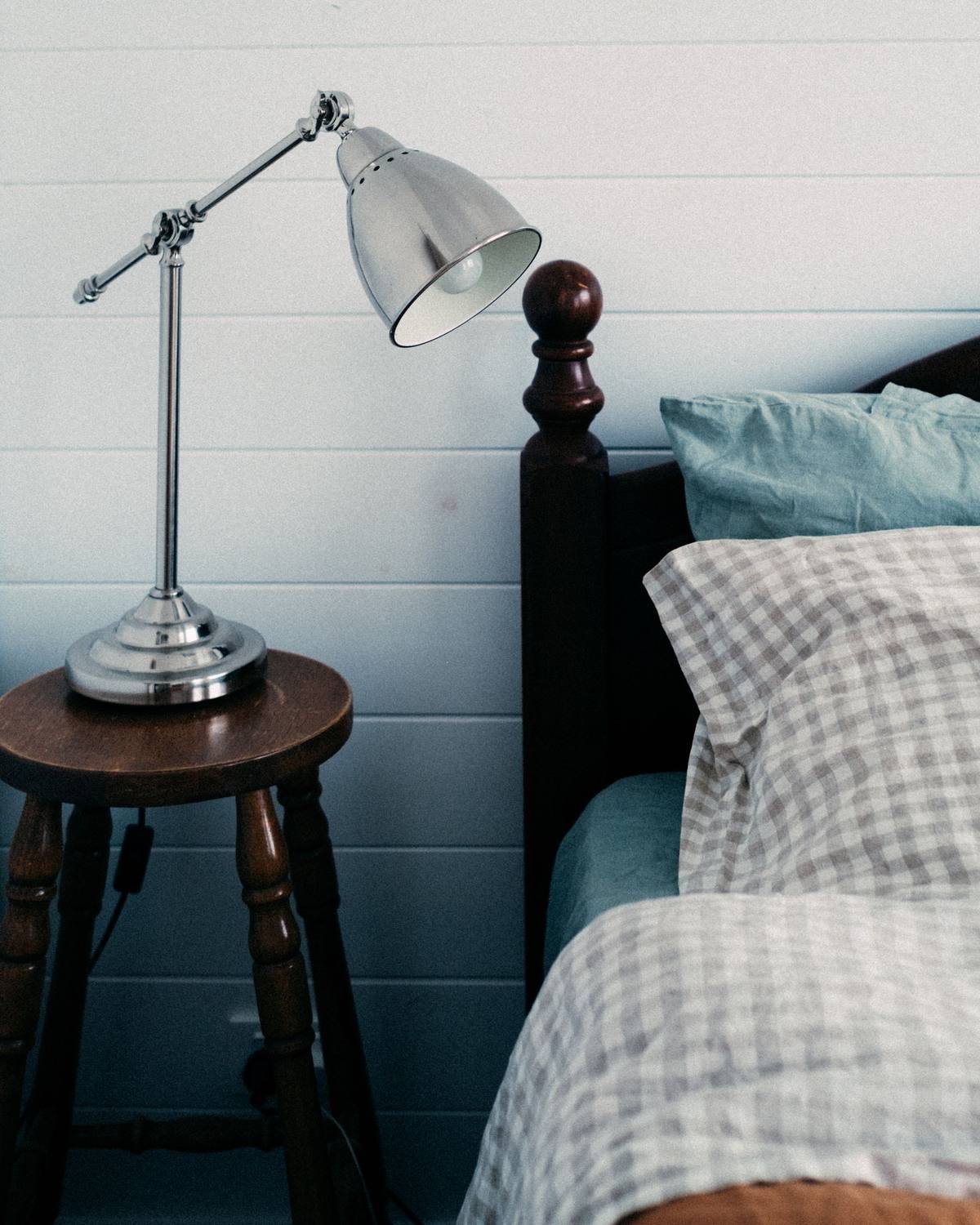
Your nightstand should hold only the things you use in bed. That’s usually a lamp, a book, a glass of water, a phone charger and maybe lip balm, hand cream or earplugs.
Everything else, like old receipts, loose change and mail, needs a different home. A cluttered nightstand is the last thing you see before you sleep, so keep it calm.
If your nightstand has a drawer, use it for small things that would otherwise sit on top. A small divided tray inside the drawer keeps everything from sliding into a pile.
If it doesn’t have a drawer, a small basket on a lower shelf works. If you don’t have room for a nightstand at all, try a clip-on bedside shelf that attaches to the bed frame and holds a phone, a book and a cup.
Under the Bed: Long-Term Storage Only
The space under your bed is one of the biggest storage areas in a small bedroom, but it’s also hard to reach. That makes it perfect for long-term storage, not daily items.
Good things to store under the bed:
- Off-season clothes and shoes
- Spare bedding and extra blankets
- Gift wrap and seasonal decor
- Keepsakes you want to hold onto but don’t look at often
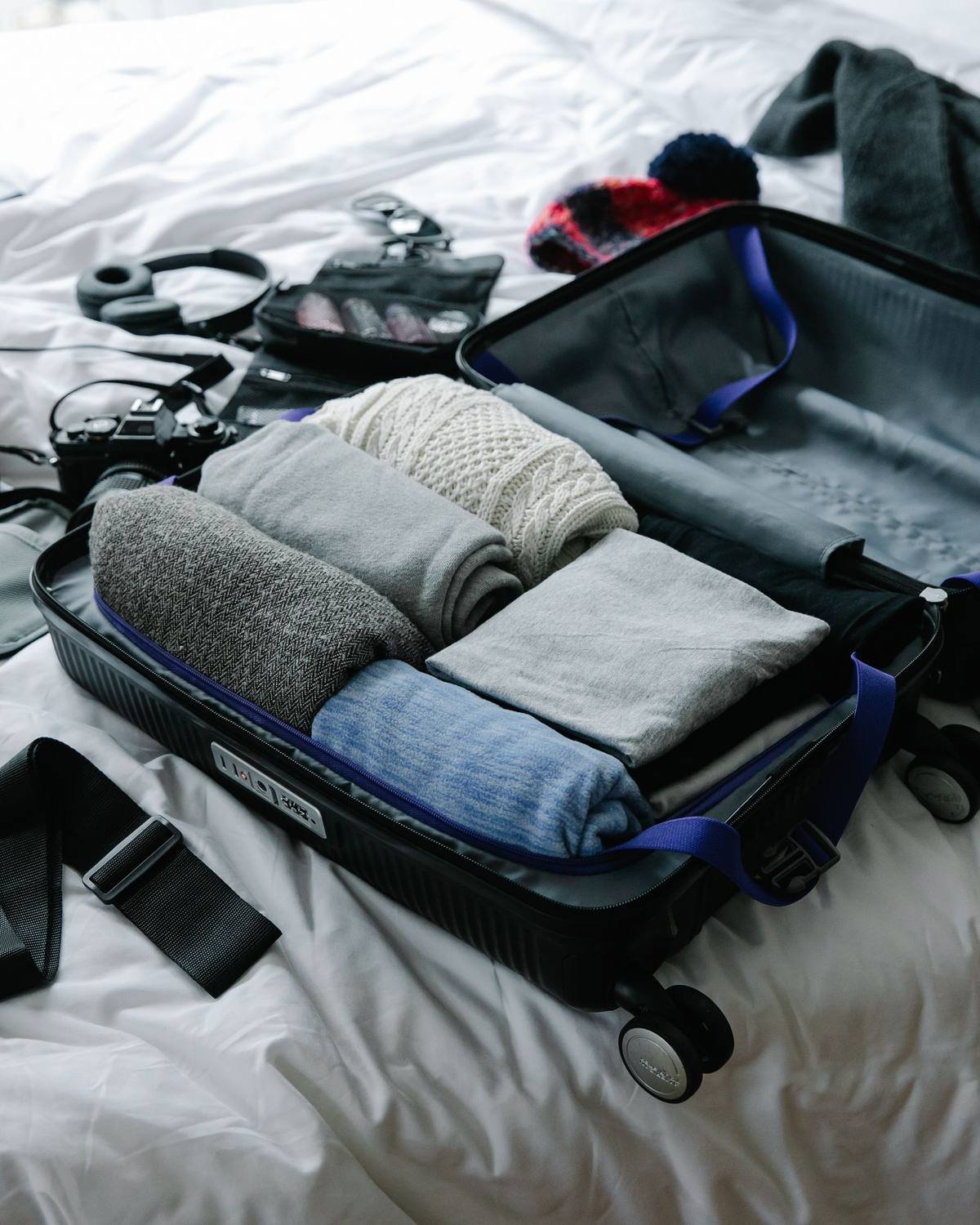
One clever option is to use your luggage. Suitcases are empty most of the year, so pack them with off-season clothes and slide them under the bed. When you travel, the clothes move to a bin for a few days.
If you don’t have enough clearance, bed risers can lift the frame by 3 to 8 inches. Then use rolling under-bed bins so you can pull things out easily. Keep the front few inches clear so dust doesn’t build up.
Walls and Doors: Hooks and Shelves Where Floor Space Runs Out

When floor space runs out, look up. The walls and the back of the door are often empty in a small bedroom.
Ideas that are renter-friendly:
- Over-the-door hooks for robes, bags and tomorrow’s outfit
- Adhesive hooks by the door for a purse or a jacket you wear often
- A slim floating shelf above the dresser or desk for books and decor
- A pegboard that leans against the wall for jewelry and accessories
- An over-the-door organizer for shoes, scarves or small items
A over-the-door hook rack is a great first buy because it needs no tools and adds instant storage. Just be careful not to cover every wall. Leave some empty space so the room still feels open.
If you’re worried about your deposit, our renter-friendly decor ideas cover more ways to use walls without damaging them.
Step 6: Contain the Small Stuff and Label It

Now, and only now, it’s time to think about containers. You know what you’re keeping, where each category lives and how much space you have. That means you can buy exactly the right number and size of bins.
Containers solve one problem: small things that wander. Jewelry, chargers, hair accessories, socks, belts and makeup are the kinds of items that spread across a small bedroom if they don’t have walls around them. Big things like sweaters and blankets usually don’t need a container. A shelf or a drawer is enough.
Measure before you buy. Write down the width, depth and height of each shelf or drawer where a container will go. Then measure the containers before you buy them. This is how you avoid bins that don’t quite fit.
Match containers to the job:
- Small dishes and trays for jewelry and daily items on a dresser
- Drawer dividers for socks, underwear and accessories
- Lidded bins for things you store long-term
- Open baskets for things you grab every day
A set of clear stackable clear storage bins works well on closet shelves because you can see inside them, and they stack neatly to use the full height of the shelf.
Use Open Baskets for Daily Grab Items
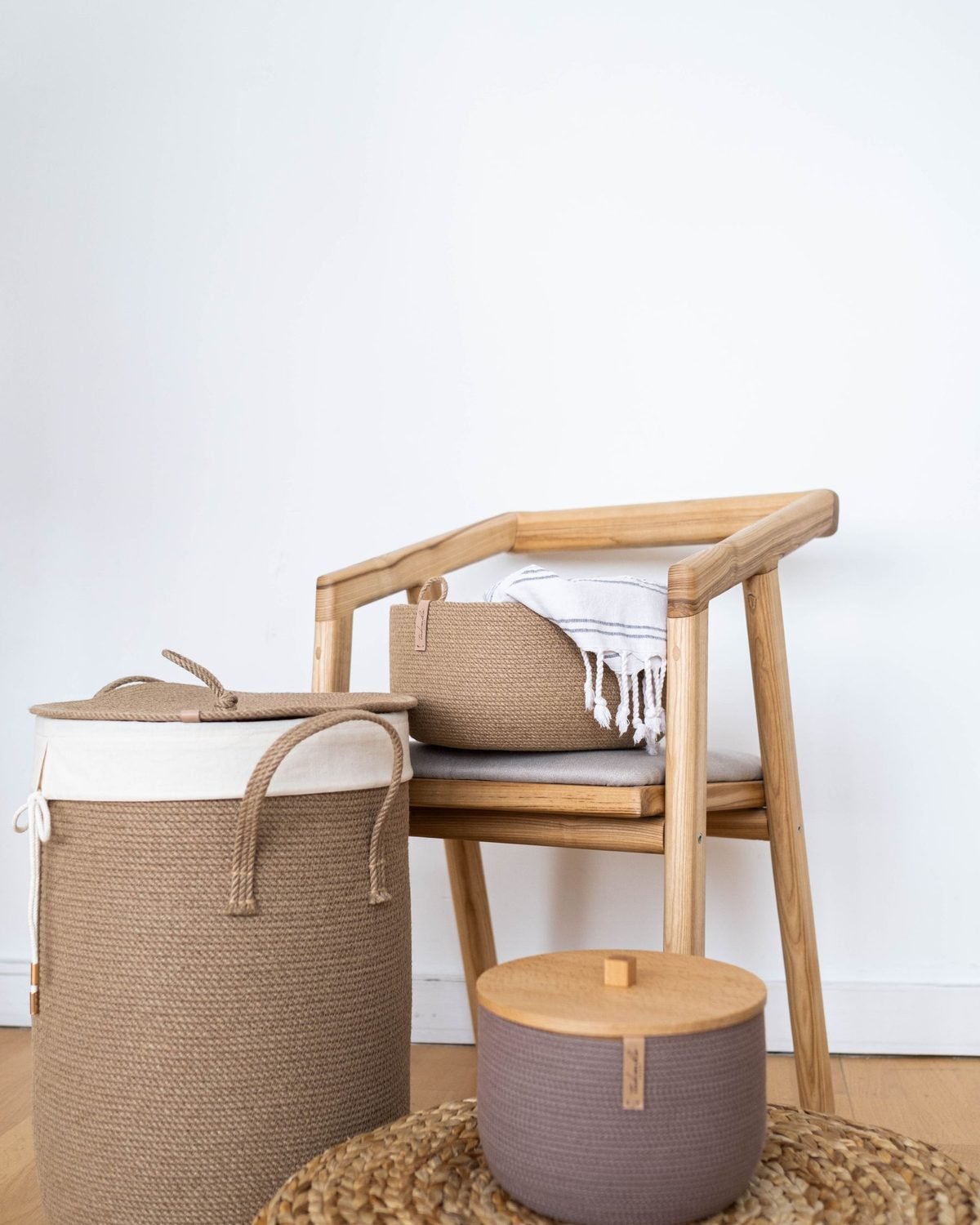
Open baskets are the easiest container to use. There’s no lid to lift, so putting things away takes one second. That makes them perfect for things you use every day.
Great uses for open baskets in a small bedroom:
- A throw blanket at the foot of the bed
- Gym clothes you’ll wear again before washing
- Your current book stack and a reading light
- Kids’ toys, stuffed animals or dress-up clothes
- Hats, gloves and scarves near the door in winter
Woven baskets also add warm texture that makes a small bedroom feel cozy, not cluttered. A set of woven storage baskets in matching sizes looks tidy on a shelf or the closet floor.
One rule for open baskets: when it’s full, it’s full. If a basket starts overflowing, that’s a sign to declutter, not to buy a bigger basket.
Label Anything You Can’t See Into

Labels might feel like overkill in a small bedroom, but they tell you, and anyone else in your home, exactly where things go. That keeps a small bedroom organized after the first week.
What to label:
- Lidded bins on high shelves
- Under-bed containers
- Boxes in the back of the closet
- Drawer dividers if you share a dresser
You don’t need anything fancy. Masking tape and a marker work fine. If you want something neater, a small label maker or clip-on basket labels look tidy and are easy to change when you rotate items.
Write labels in plain words, like “Winter Sweaters” or “Spare Sheets,” and put them on the side that faces you. If you can’t read the label without moving the bin, it isn’t doing its job.
Phase 4: Keep It Organized for Good
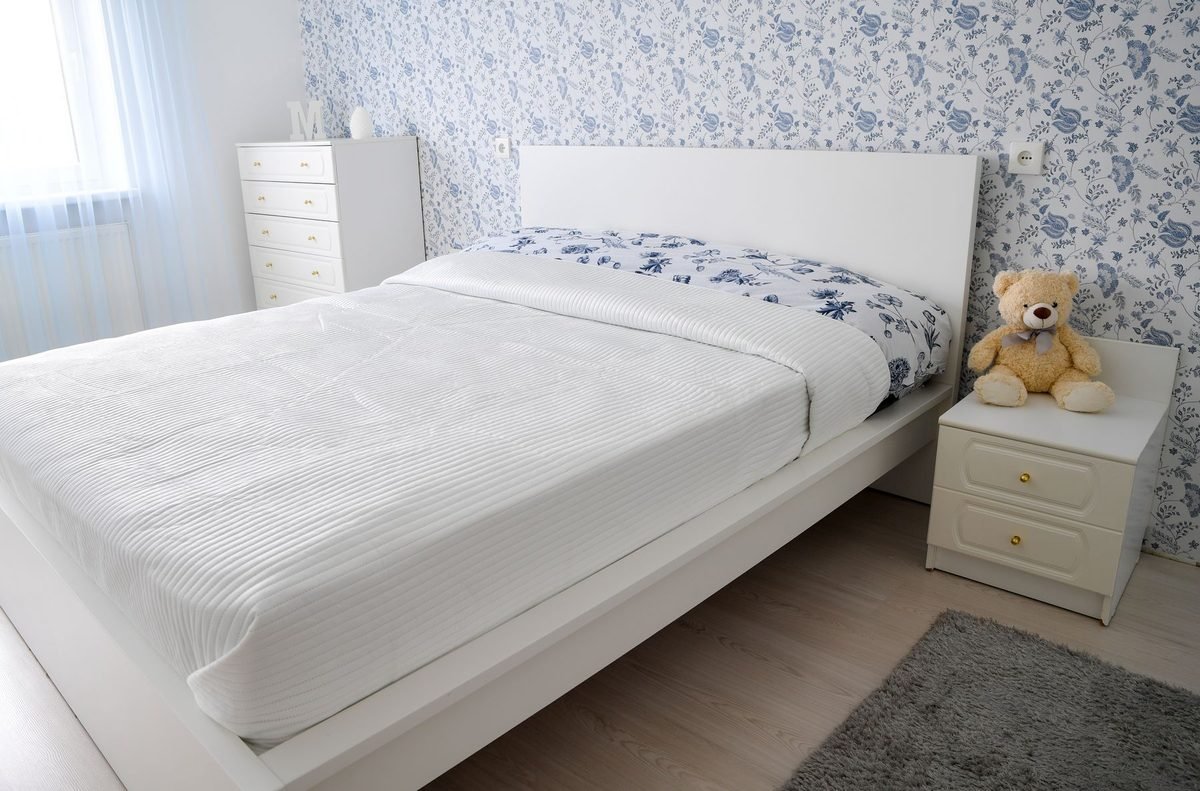
You did it. The room is cleared, planned and organized. But a small bedroom can slide back into chaos in less than a week if you don’t protect it. The final phase is about building a few easy habits that keep the room the way you want it.
Step 7: Build a Simple Maintenance Routine

The best organizing system is the one you can keep up. That’s why maintenance is a full step, not an afterthought. A routine doesn’t need to be long. It just needs to happen regularly.
Start with making the bed. It takes about two minutes, and it instantly makes a small bedroom look tidy. Because the bed takes up so much of the room, a made bed changes the whole feel of the space. It also stops the bed from becoming a dumping ground during the day.
Then add three simple routines:
- A 5-minute evening pickup every night
- A weekly reset once a week
- A seasonal swap a few times a year
Each one is short, and together they keep the room from ever getting out of hand. If you want a routine that covers the whole house, our realistic cleaning schedule fits these bedroom habits into a weekly plan.
The 5-Minute Evening Pickup
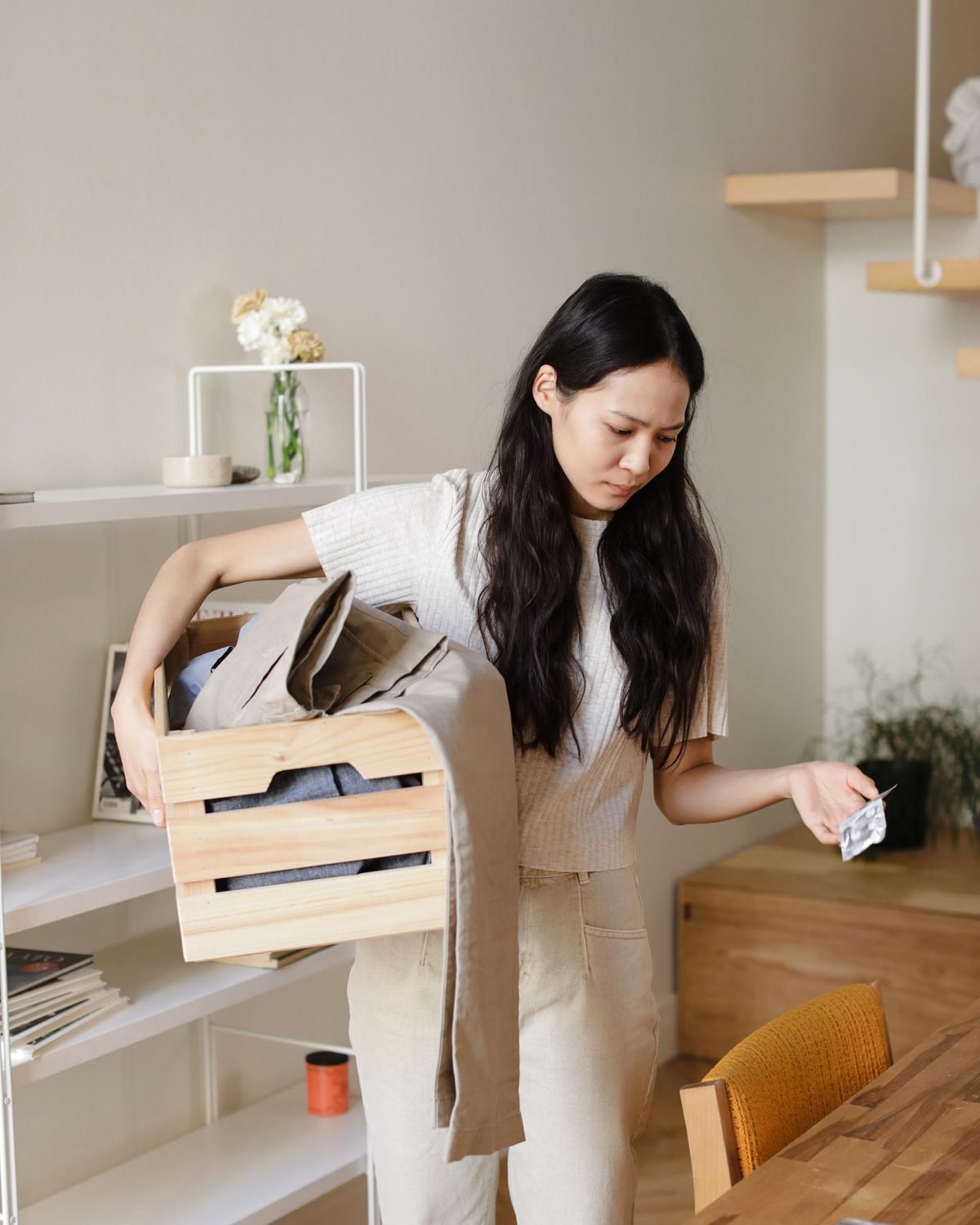
Before bed, set a timer for 5 minutes and put things back where they belong. That’s all. Most nights, it takes less time than that.
What to do in 5 minutes:
- Hang up or fold clothes you’ll wear again
- Put dirty clothes in the hamper
- Clear the nightstand of cups and wrappers
- Return anything that doesn’t belong in the bedroom to its home
- Lay out tomorrow’s outfit if you like
The timer makes the task feel small, so you’ll actually do it. And because your small bedroom only gets one day’s worth of mess, it never piles up.
A small wooden storage crate by the door can catch things that belong in other rooms. Carry it out in the morning and return the items to the kitchen, bathroom or living room.
The Weekly Bedroom Reset
Once a week, spend 20 to 30 minutes giving your small bedroom a slightly deeper reset. Sunday works well for most people because it sets you up for the week ahead.
A weekly reset checklist:
- Change the sheets
- Wash, fold and put away the laundry
- Dust the dresser, nightstand and shelves
- Vacuum the floor, including under the edge of the bed
- Empty the trash and recycling
- Check for anything that has started to pile up, like the chair or a corner of the closet
- Drop the donate bag in your car once it’s full
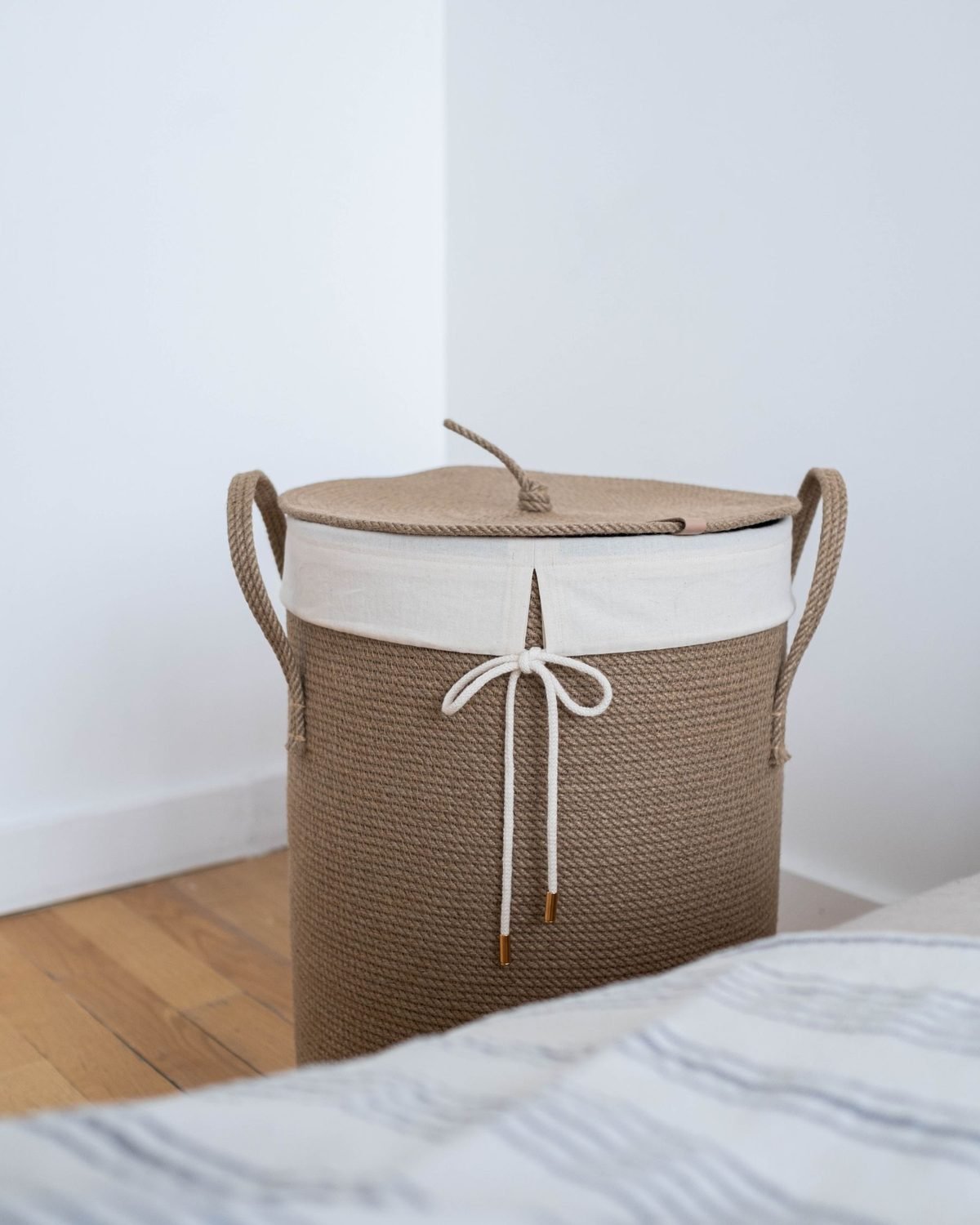
A hamper with a lid and a removable liner makes laundry day easier. A laundry hamper with a lid hides dirty clothes and makes the room look neater. If laundry is a constant battle, our laundry room organization ideas can help you set up a smoother system.
The Seasonal Closet Swap

Two to four times a year, swap your clothes to match the season. This is one of the best ways to make a small closet feel bigger, because you only store what you can wear right now.
How to do a seasonal swap:
- Pull out the clothes you won’t wear in the coming season.
- Check each item as you go. If you didn’t wear it all season, put it in the donate bag.
- Wash or clean everything before you store it, so stains don’t set and moths aren’t attracted.
- Fold and pack the off-season clothes into labeled bins or vacuum bags, then store them under the bed or on a high shelf.
- Bring out the new season’s clothes and put them in your prime real estate.
Vacuum storage bags shrink bulky sweaters and coats to a fraction of their size, which is a big help in a small bedroom. The swap is also a great time to do a mini declutter. A little editing every few months keeps you from needing another full reset. If you like to plan these resets around the calendar, our January organization challenge is a good way to start the year.
How to Organize a Small Bedroom for Your Situation

The 7 steps work in any small bedroom, but some small bedrooms have extra challenges. Here’s how to adjust the process for a few common situations.
Shared Bedroom for Two
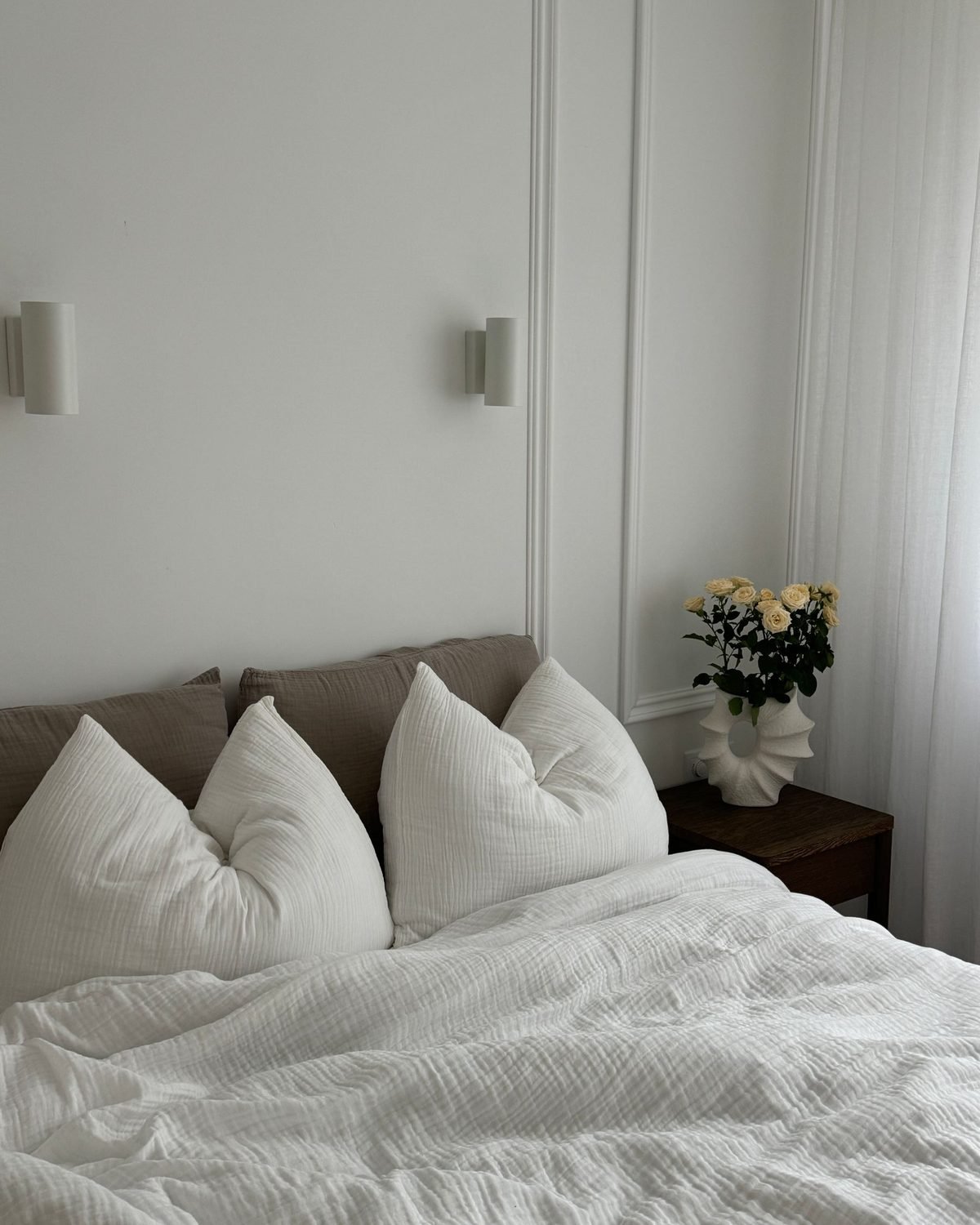
Sharing a small bedroom with a partner, a sibling or a roommate means twice the stuff in the same space. The key is fairness and clear boundaries.
- Split storage equally. Each person gets the same number of drawers and the same width on the closet rod. Fair storage prevents arguments.
- Use matching containers in different colors or with name labels, so it’s clear whose items are whose.
- Give each person a nightstand, even if it’s a small shelf or a wall-mounted ledge.
- Agree on shared rules, like no clothes on the floor and a shared 5-minute pickup at night.
If one person has much more stuff than the other, part of it may need to live somewhere else in the home. That’s normal, and it’s better than squeezing everything into a room that can’t hold it.
Bedroom With No Closet

Many older apartments and converted rooms have no closet at all. You can still organize a small bedroom without one. You just have to create the closet yourself.
- A freestanding clothing rack is the simplest fix. Choose one with a shelf at the bottom for shoes or bins.
- A wardrobe hides everything behind doors and looks tidier than an open rack.
- A curtain on a tension rod can hide a rack in an alcove or corner.
- A tall dresser takes on more of the work. Fold as much as possible.
Because an open rack is always on display, it’s important to keep it edited. Use matching hangers and group clothes by color, and the rack will look like part of the decor. A sturdy freestanding clothing rack with shelves gives you hanging space and storage in one footprint.
Bedroom That’s Also Your Office
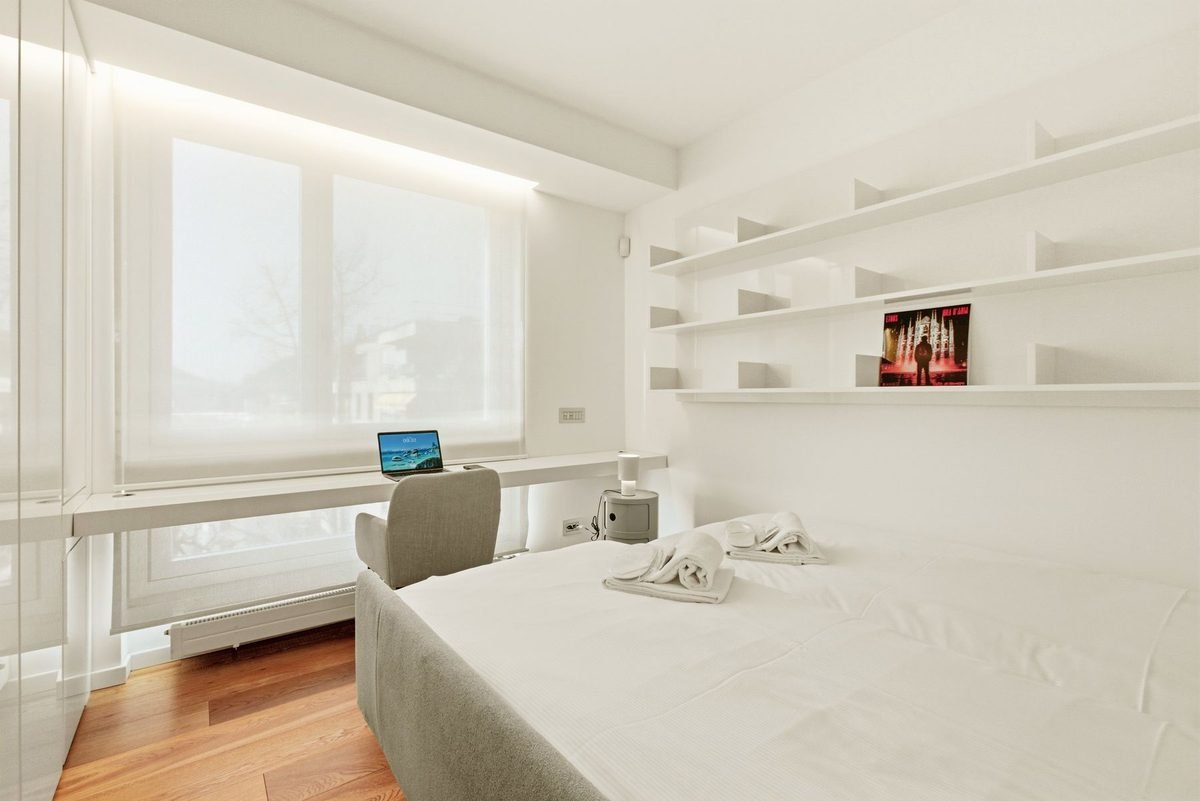
Working from a small bedroom adds a whole extra zone to an already tight space. The goal is to keep work from spilling into the rest of the space.
- Choose a compact desk. A desk that’s 30 to 40 inches wide is usually enough for a laptop. A wall-mounted fold-down desk takes even less space.
- Keep work supplies at the desk. Give papers, chargers and office supplies a home in a desk drawer or a small rolling cart.
- Clear the desk at the end of each workday. Put your laptop away and stack papers. This simple habit helps you switch off.
- Face the desk away from the bed if possible, so you’re not looking at work when you’re trying to rest.
A small 3-tier rolling cart can hold your work supplies and roll into the closet or a corner when you’re done for the day.
Bedroom That Doubles as a Guest Room

A guest room that’s also a hobby room, an office or storage space needs to switch modes quickly. The trick is to keep everything easy to clear.
- Choose a bed that saves space, like a daybed, a sleeper sofa or a trundle bed.
- Keep a clear drawer or a few hangers free for guests to use.
- Store your own things in lidded bins that can stack in the closet when guests arrive.
- Keep a small guest basket with towels, a phone charger and a water bottle ready to go.
Once your guest leaves, reset the small bedroom to its everyday use within a day.
What to Buy for a Small Bedroom (and What to Skip)

By the end of Step 5, you’ll know exactly what storage you need. Here’s a quick guide to what’s worth buying and what usually isn’t.
Worth buying:
- Slim matching hangers to save closet rod space
- Drawer dividers or small bins to keep socks, underwear and accessories in order
- Under-bed bins with lids or wheels
- Over-the-door hooks or organizers for instant storage without tools
- A hamper sized to your laundry routine
- A few open baskets for daily grab items
Usually skip:
- Big organizer sets that come with pieces you don’t need
- Decorative boxes that don’t fit your shelves
- Extra furniture that only adds surfaces to collect clutter
- Anything you’re buying to store things you don’t actually want
If you’re on a tight budget, check the dollar store first. Many small bedroom organizers, like bins, baskets and hooks, are available for a few dollars each. Our Dollar Tree organization hacks for small spaces show what’s worth picking up.
Small Bedroom Organization Mistakes to Avoid

Even with a good plan, a few common small bedroom organization mistakes can undo your hard work.
Buying storage first. This is the most common mistake. Without decluttering and measuring, it’s impossible to know what you need. Shop after Step 5, not before.
Organizing clutter. Putting things you don’t want into pretty bins just hides the problem. Declutter first, every time.
Trying to do it all in one go. If you’re exhausted, you’ll rush decisions. It’s fine to organize a small bedroom over a week.
Ignoring the chair. Almost every small bedroom has a chair, a corner or a spot on the floor where clothes pile up. Give those clothes a real home with a hook or a basket, or remove the chair.
Filling every inch. A small bedroom needs some empty space to feel calm. Leave a little room on shelves and in drawers so you have space to grow and the room can breathe.
Skipping the routine. Without a daily pickup and a weekly reset, the room will slowly drift back to where it started. The routine is what makes the system last.
Frequently Asked Questions About Organizing a Small Bedroom

How long does it take to organize a small bedroom?
Most small bedrooms take 4 to 8 hours for a full reset, depending on how much you own. You can do it in one weekend or spread the steps over a week with an hour or two each evening.
Where should I start when organizing a small bedroom?
Start with the nightstand. It’s small, so you’ll finish quickly, and that quick win gives you momentum for the bigger zones like the dresser and closet.
How do I organize a small bedroom with a lot of stuff?
Declutter by category first, so you see how much you really own. Then set limits based on your storage, use vertical space like walls and doors and move items that don’t belong in the bedroom to other rooms.
How can I make a small bedroom feel bigger?
Keep the floor and surfaces as clear as possible, choose right-sized furniture, use light colors and add a mirror. A tidy small bedroom always feels larger than a cluttered one.
What’s the best way to store clothes in a small bedroom?
Hang only what wrinkles, fold the rest and stand folded clothes up in drawers so you can see everything. Store off-season clothes under the bed or on a high shelf, and do a seasonal swap.
How do I keep my small bedroom organized?
Make the bed every morning, do a 5-minute pickup every evening and a 20- to 30-minute reset each week. These small routines stop mess from piling up.
Final Thoughts on How to Organize a Small Bedroom
Now you know how to organize a small bedroom from start to finish. The secret isn’t more storage or expensive organizers. It’s doing the steps in the right order: clear the room, plan how it works, give everything a home and protect it with simple routines.
Start small. Clear your nightstand tonight, and then tackle the next zone tomorrow. Before long, you’ll have a bedroom that feels calm, works for your life and stays organized with just a few minutes a day.
Want more ideas? Our bedroom organization hacks are full of quick tricks to try next.