
20 Genius Vertical Storage Ideas for Small Spaces
Disclosure: This post contains affiliate links. As an Amazon Associate I earn from qualifying purchases. If you buy through these links, I may earn a small commission at no extra cost to you. Read our full disclaimer.
When your floor is full, the only way left is up. Most small apartments have plenty of empty wall space above eye level, behind doors and in tall corners, and that is exactly where the best vertical storage ideas for small spaces live. Shelves that climb, hooks that stack and cabinets that reach the ceiling can hold the same amount of stuff as a bulky dresser while taking up a fraction of the floor.
This guide walks you through 20 vertical storage ideas for small spaces that work in real rentals, studios and tiny bedrooms. You will find a quick plan for measuring your walls, ideas for living rooms, kitchens, bathrooms, closets and entryways, a room-by-room cheat sheet, renter-friendly no-drill options, a budget shopping list and the mistakes that make tall storage look messy. If you want a wider look at storage in a tight home, our guide to small apartment storage ideas on a budget is a good companion.
Quick answer: The best vertical storage ideas for small spaces are floor-to-ceiling bookcases, leaning ladder shelves, floating shelves, wall hooks and peg rails, over the door racks, tall wardrobes, hanging plants, ceiling pot racks, loft beds and tall bathroom cabinets. Start with the wall you see least, store heavy items low and light items high, and leave some open space so the room still breathes.
The 20 vertical storage ideas at a glance:
- Living room: 1. Floor-to-ceiling bookcase, 2. Ladder shelf, 3. Floating shelves, 5. Shelves beside a window, 6. Open shelving tower
- Plants and decor: 4. Vertical plant wall, 11. Corner shelves, 14. Hanging plants
- Walls and entry: 7. Wall baskets, 9. Coat hooks, 10. Peg rail, 17. Wall bike rack, 19. Over the door racks
- Kitchen: 12. Ceiling pot rack, 13. Open kitchen shelves
- Bedroom and closet: 8. Stackable clear bins, 15. Loft or bunk bed, 16. Desk with shelves above, 18. Tall wardrobe
- Bathroom: 20. Tall bathroom cabinet
Why Vertical Storage Ideas for Small Spaces Work

Floor space is the most expensive part of a small apartment. Every dresser, cart and storage bench you add takes square feet away from walking, sitting and playing. Wall space, on the other hand, is mostly free. In a typical room with eight-foot ceilings, the strip from about five feet up to the ceiling is almost always empty.
Vertical storage ideas for small spaces use that strip. A bookcase that is 12 inches deep and 80 inches tall holds far more than a low console with the same footprint. A row of hooks holds coats that would otherwise drape over a chair. A shelf above a door holds board games, spare bedding or seasonal decor that would otherwise live on the floor of a closet.
Going up also changes how a room feels. Tall lines draw the eye upward, so the ceiling looks higher and the room looks less crowded. That is why so many vertical storage ideas for small spaces start with a single tall piece instead of another low cabinet. That only works if the storage is organized, which is why the tips later in this guide matter as much as the ideas themselves.
Vertical storage also helps renters. Many of the ideas below lean against the wall, hang over a door or use a single small anchor, so they move with you and leave few marks behind. If you are working with a lease that limits holes, keep our list of renter-friendly decor ideas handy too.
Before You Start: Measure Your Walls and Ceilings
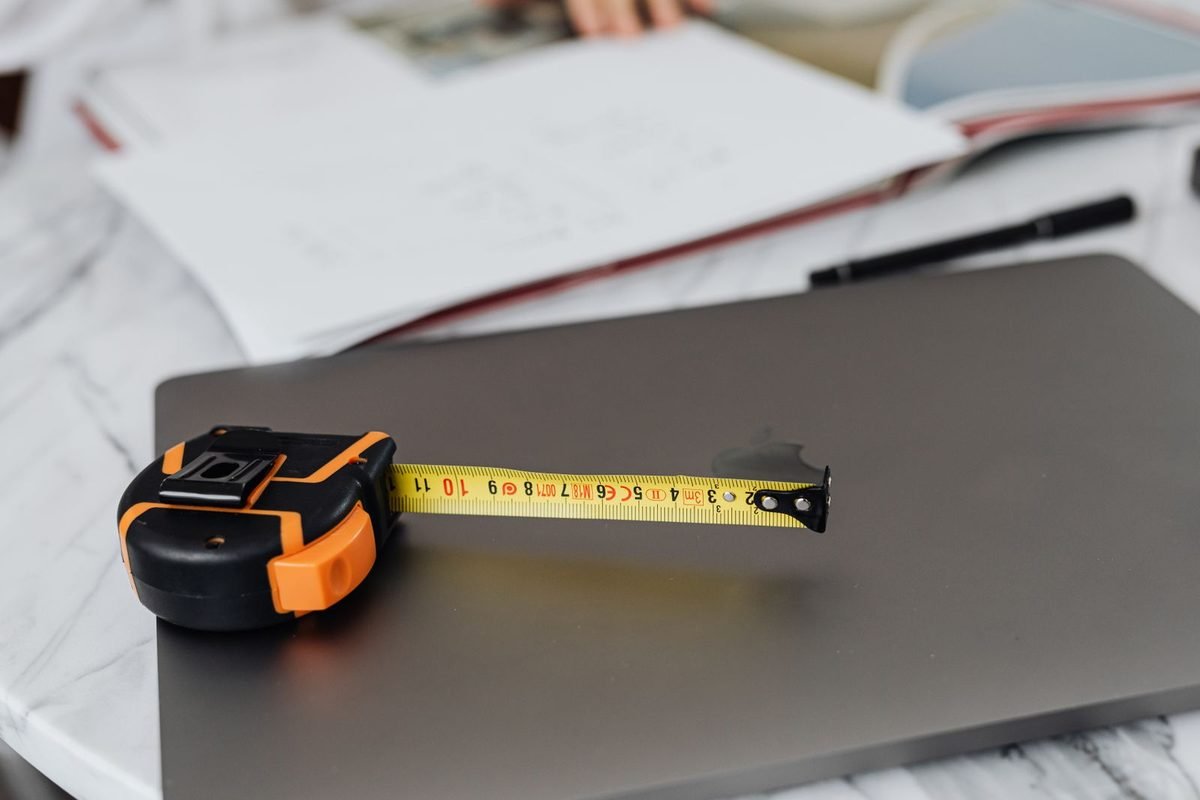
The fastest way to waste money on vertical storage is to buy a shelf that is two inches too tall or too deep. Take ten minutes to measure first.
- Ceiling height. Measure from floor to ceiling in each room. Note any baseboard heaters, crown molding or sloped ceilings.
- Usable wall widths. Measure each blank wall, then subtract space for outlets, light switches, thermostats and door swings.
- Door clearance. Measure the gap above each door frame and the thickness of each door. Over the door racks need a door that closes with the hooks in place.
- Depth you can spare. Most walkways need about 30 to 36 inches of clear space. A shelf that sticks out 15 inches into a narrow hall will be bumped every day.
- What you actually need to store. List the categories that are cluttering the floor right now: shoes, books, pantry food, towels, cleaning supplies, toys, sports gear.
Write the numbers on your phone and bring them shopping. When you compare vertical storage ideas and products, check the height, width and depth against your list before you add anything to the cart.
One more rule before you buy: decide what goes high and what goes low. Heavy items, daily items and anything kids need belong between knee and shoulder height. Light items, seasonal items and backstock can go above your head. That simple split keeps vertical storage safe and easy to use.
20 Vertical Storage Ideas for Small Spaces
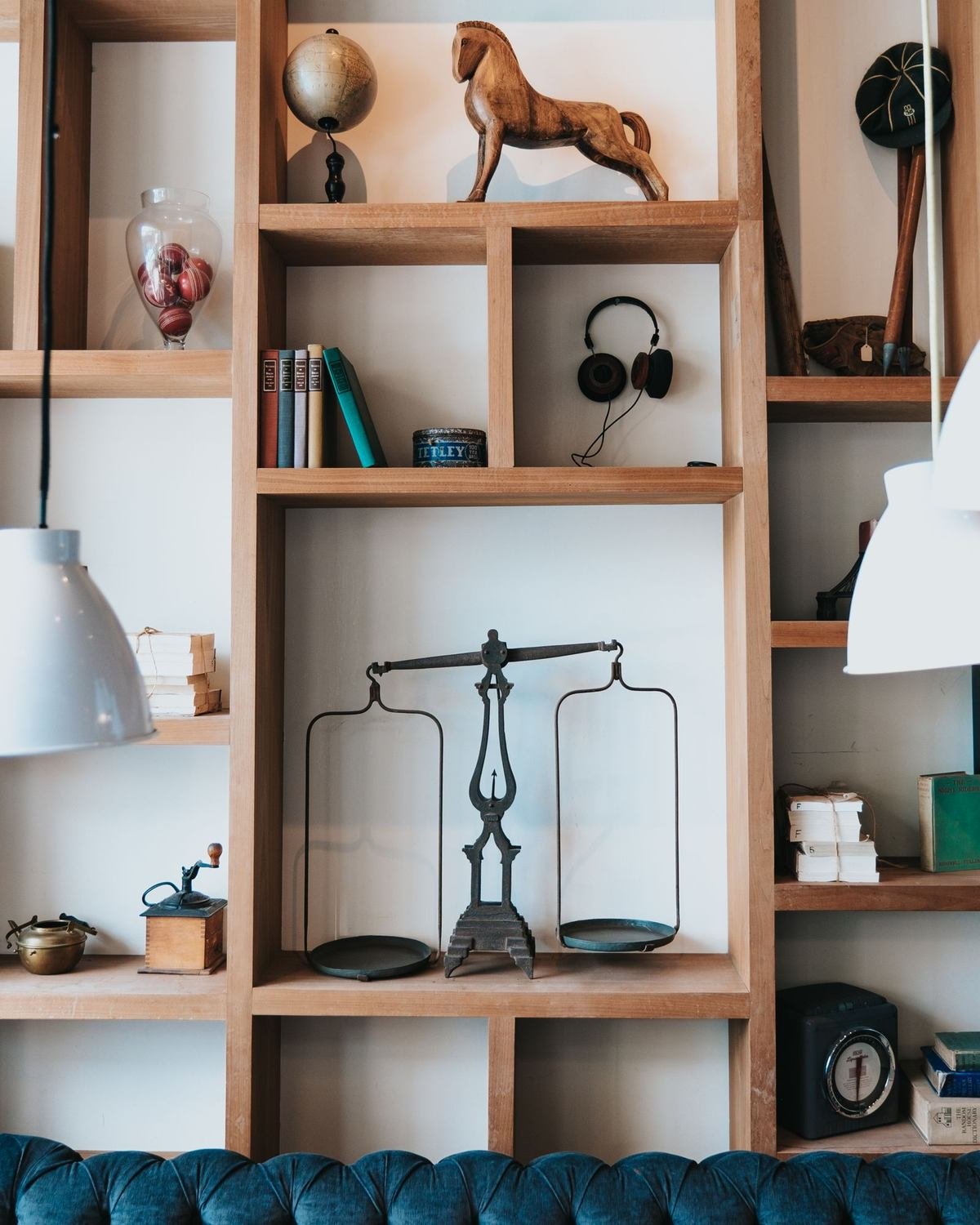
The ideas below are grouped loosely by room, but most of them work anywhere. A studio might use a ladder shelf, a peg rail and a tall wardrobe. A one-bedroom with a tiny kitchen might lean on the ceiling pot rack, open kitchen shelves and over the door racks. Pick the three or four vertical storage ideas that solve your biggest pile first, then add more as you need them.
1. Build a Floor-to-Ceiling Bookcase Wall
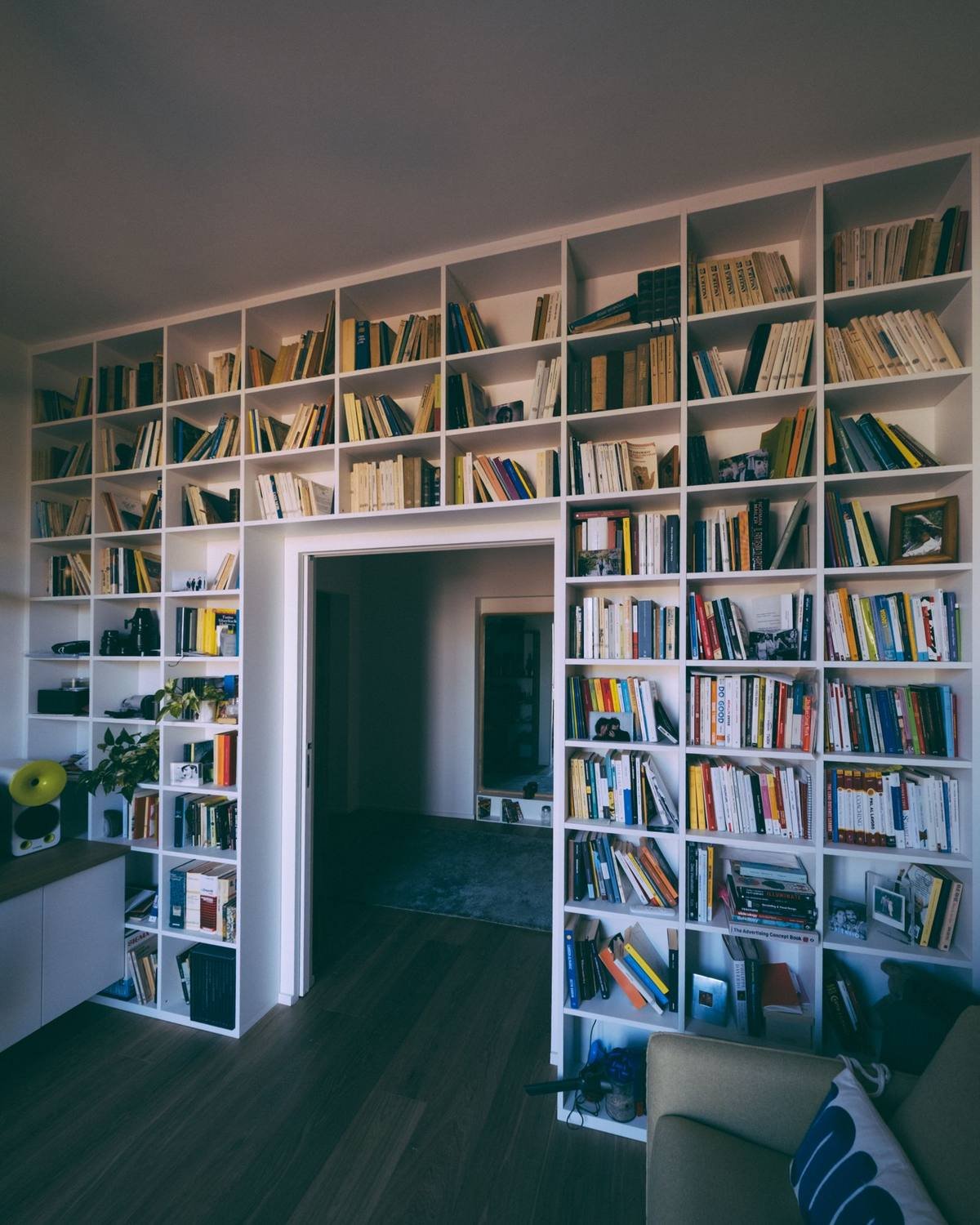
A floor-to-ceiling bookcase is the classic among vertical storage ideas for small spaces, and it earns that spot. One wall of shelving can hold books, baskets, board games, display pieces and even a small bar or coffee setup without stealing floor from the middle of the room.
You do not need custom carpentry. Two or three tall, narrow bookcases placed side by side read as one built-in, especially if you add matching baskets on the bottom shelves. Choose units that are 10 to 12 inches deep so they do not crowd the room. Anchor tall units to the wall with the included anti-tip strap. That is one small screw per unit and it matters for safety, especially with kids or pets. The U.S. Consumer Product Safety Commission tracks furniture tip-overs and recommends anchoring bookcases and dressers.
Style the wall in layers: closed baskets on the bottom for clutter, books and everyday items in the middle and lighter decor on top. A tall narrow bookcase is a budget-friendly way to start, and you can add a second one later.
2. Lean a Ladder Shelf Against a Blank Wall

A ladder shelf is one of the easiest vertical storage ideas for small spaces and for renters because it leans rather than mounts. The narrow top and wider bottom keep it stable while taking up very little floor.
Use ladder shelves in spots where a full bookcase would feel heavy: beside a bed, at the end of a sofa, in a bathroom or next to a desk. The bottom shelf can hold a basket of blankets or shoes, the middle shelves can hold books and plants, and the top rung can display a small framed print.
If you want the shelf to do more storage than decor, pick one with deeper lower shelves. A 5-tier ladder shelf fits into gaps as narrow as 20 inches. Keep the heaviest objects on the lowest rung and add a wall strap if the room gets a lot of traffic.
3. Hang Floating Shelves in Unexpected Spots

Floating shelves are simple vertical storage ideas that turn dead wall into storage without the bulk of a cabinet. They are perfect above a toilet, over a desk, beside a window or above a radiator.
Small spaces benefit from shorter shelves stacked in a column rather than one long shelf. Three 24-inch shelves spaced about 12 inches apart hold more and look neater than a single six-foot plank. Shaped shelves, like the hexagons above, double as wall art, which helps in rooms where you have no space for both.
Before you mount anything, check your lease and use the right anchors for your wall type. A set of floating shelves is inexpensive, and if you move, you will only have a few small holes to patch.
4. Create a Vertical Plant Wall
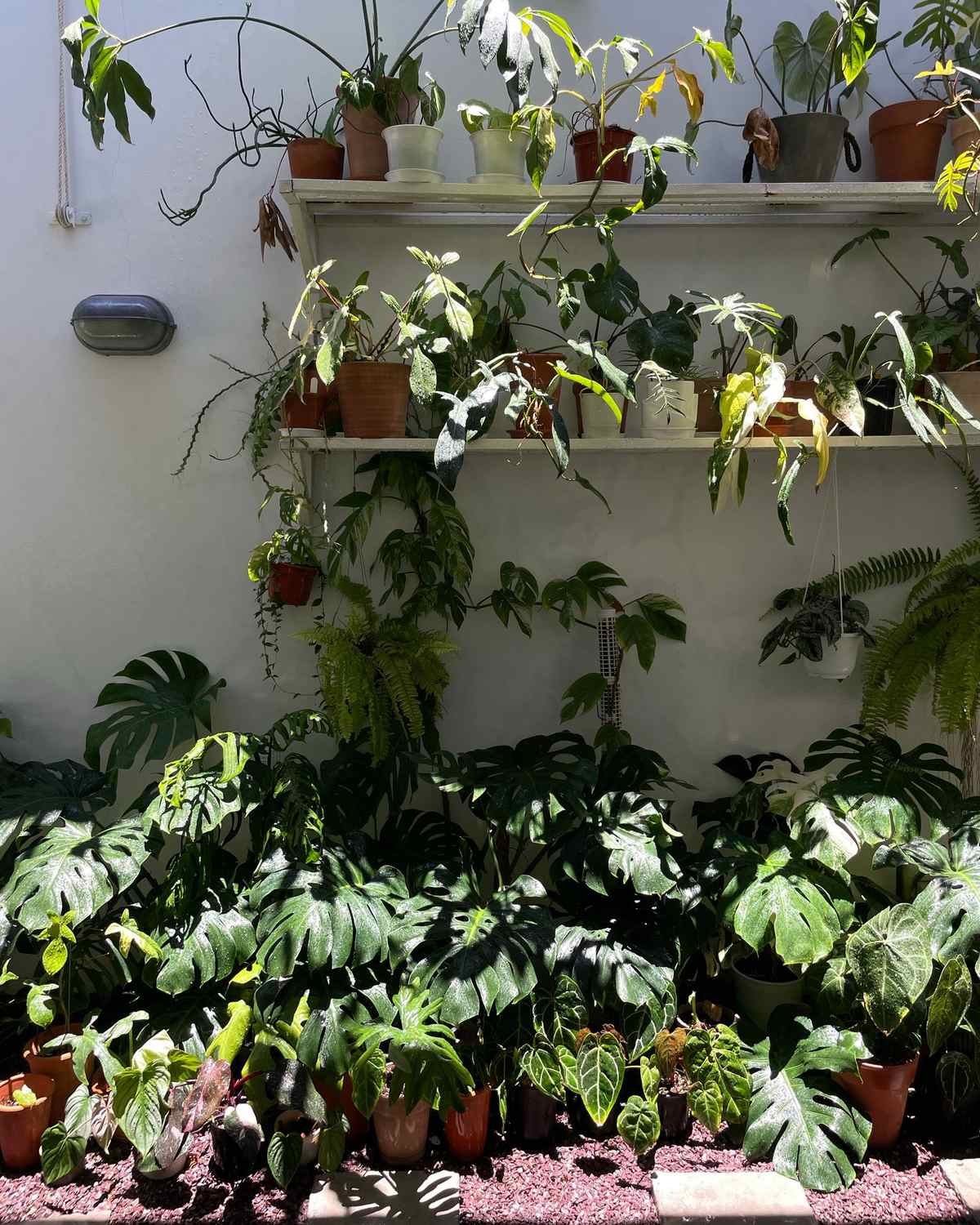
If you love plants but your windowsills are crowded, a vertical plant wall is one of the prettier vertical storage ideas and moves the jungle up. Tiered plant stands, wall-mounted planters and narrow shelves near a bright window can hold a dozen plants in the footprint of one floor pot.
Plant walls count as storage because they clear horizontal surfaces. Once the pots are off the dresser, the coffee table and the kitchen counter, those surfaces can hold the things you actually use every day.
Group plants by light needs. Sun lovers go on the top tier near the window, and shade-tolerant plants like pothos or snake plants go lower. A tiered plant stand with six to eight shelves is a good starting point, and a waterproof tray under each pot protects the floor.
5. Add Tall Shelves Beside a Window
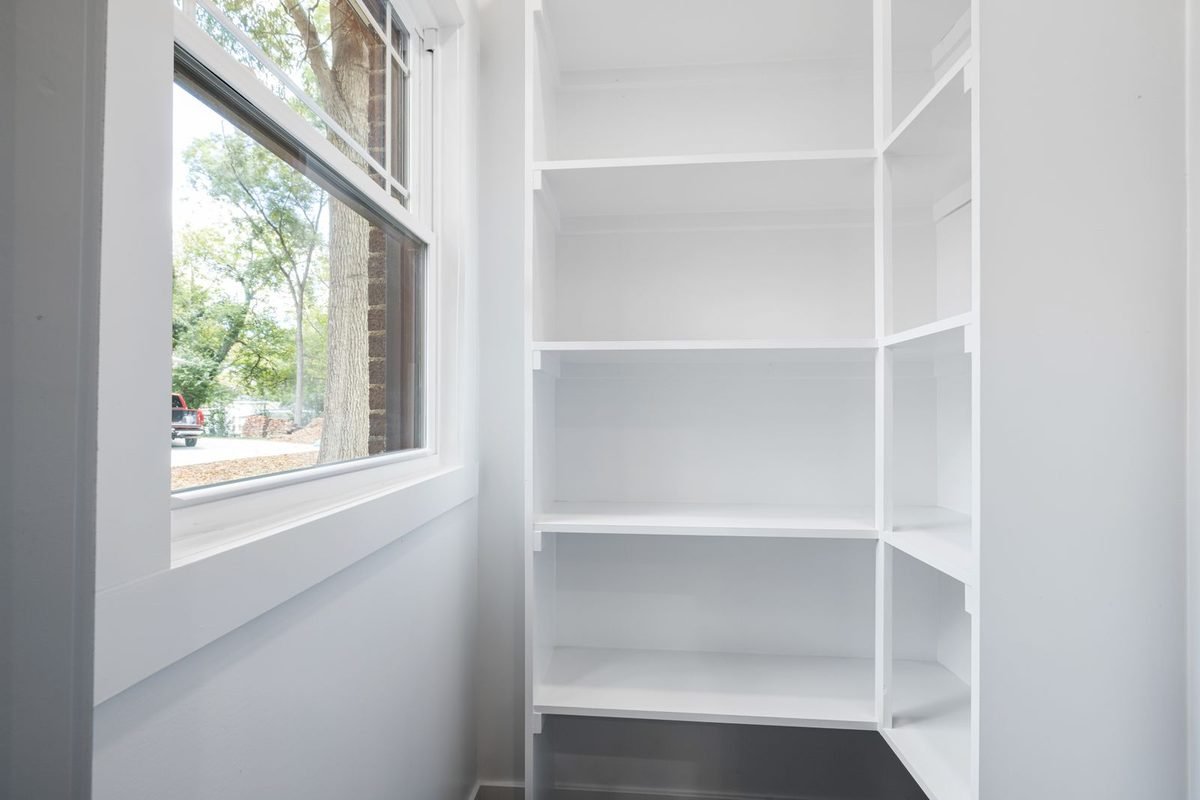
The narrow strip of wall beside a window is often too small for furniture but just right for slim vertical storage ideas like a tall, shallow shelving unit. Tall shelves there catch the light, so books, plants and baskets look good instead of cluttered.
This is one of the most useful vertical storage ideas for small spaces in bedrooms and living rooms where every wall already has a job. A shelf that is only 12 to 16 inches wide can still hold 30 books or a row of folded sweaters in baskets.
Keep the lower shelves for closed storage and the upper shelves for things you want to see. If the unit is white or matches your wall color, it almost disappears, which keeps a small room feeling open.
6. Use an Open Shelving Tower as a Room Hub
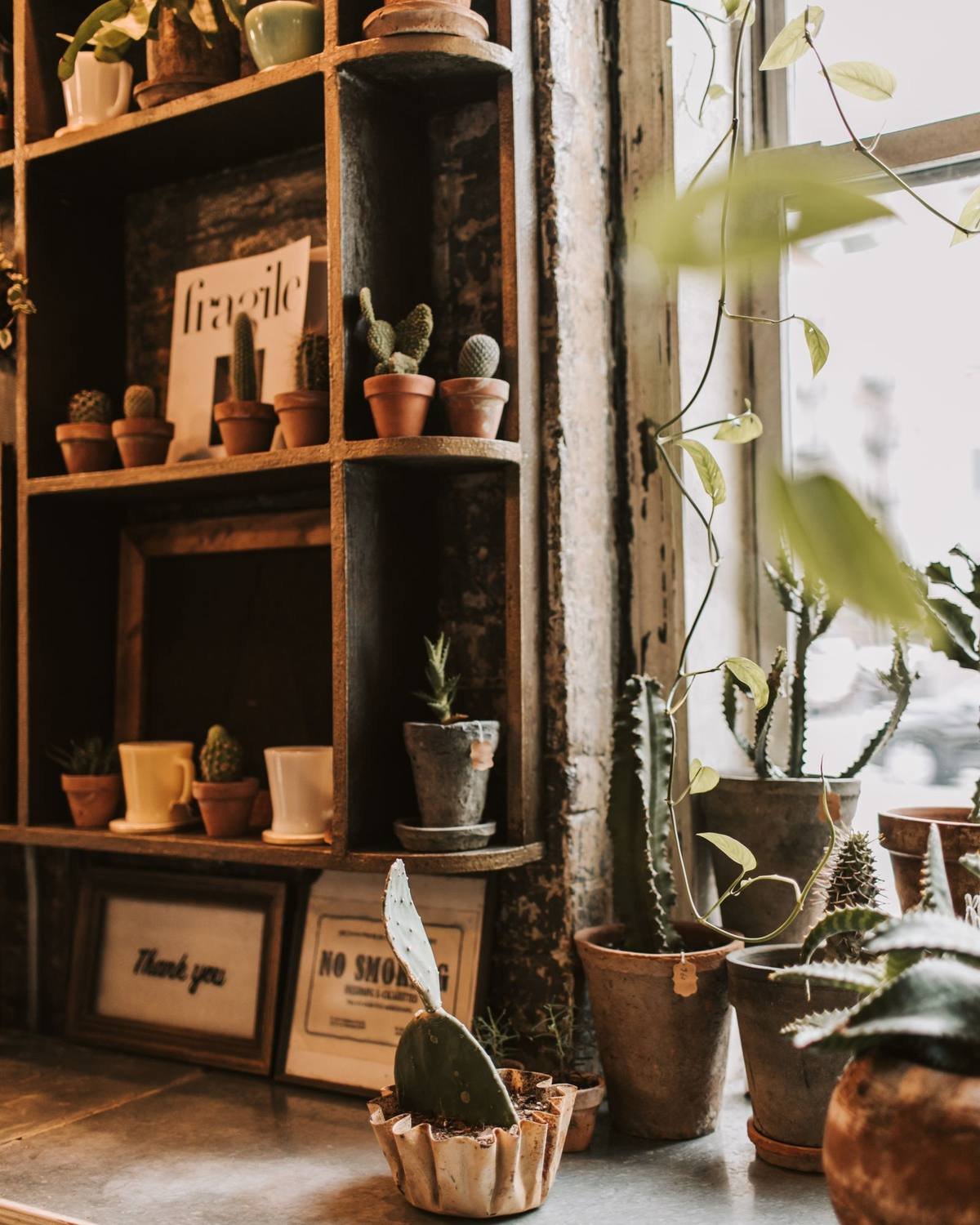
An open shelving tower, sometimes called an etagere, is a freestanding vertical storage piece with four to six shelves and a small footprint. It can act as a pantry in a studio kitchen, a nightstand plus bookcase in a bedroom or a craft station in a living room.
Because the back is open, light passes through, so the tower feels lighter than a solid bookcase. That makes it a smart choice for the middle of a studio where you want a soft divider between the bed and the living area.
Use matching bins on two shelves to hide small items, and leave one shelf for display so the tower does not look like a storage closet. A 5-tier etagere shelf works well in renters’ homes because it needs no drilling.
7. Hang Wall Baskets for Soft Storage

Woven baskets mounted on the wall are pretty enough to count as decor and practical enough to hold mail, scarves, dog leashes, rolled towels or small toys. In an entryway, kitchen or bathroom, they replace a cluttered surface with a tidy cluster on the wall.
Hang baskets in a loose grid or a staggered column. Use one nail or adhesive hook per basket and keep the contents light. Flat baskets work as decorative plates, and deeper baskets hold real stuff.
A set of wall hanging baskets is an affordable way to try this idea. If you are not ready to hang anything, line a few baskets on a ladder shelf instead and get the same look.
8. Stack Clear Bins to the Ceiling of a Closet
The top shelf of a closet is usually a jumble of loose bags and forgotten boxes. Clear stackable bins turn that wasted height into organized storage you can actually see.
Measure the space between the shelf and the ceiling, then buy bins that stack two or three high in that gap. Label each bin on the short end so you can read it from below. Put seasonal clothes, spare bedding, gift wrap or holiday decor up high, and keep a small step stool in the closet so you can reach it.
Clear bins are one of the cheapest vertical storage ideas for small spaces because they work on any shelf, in any closet and under any bed. A pack of clear stackable bins with lids is a good investment that moves with you to every apartment.
9. Mount a Row of Coat Hooks
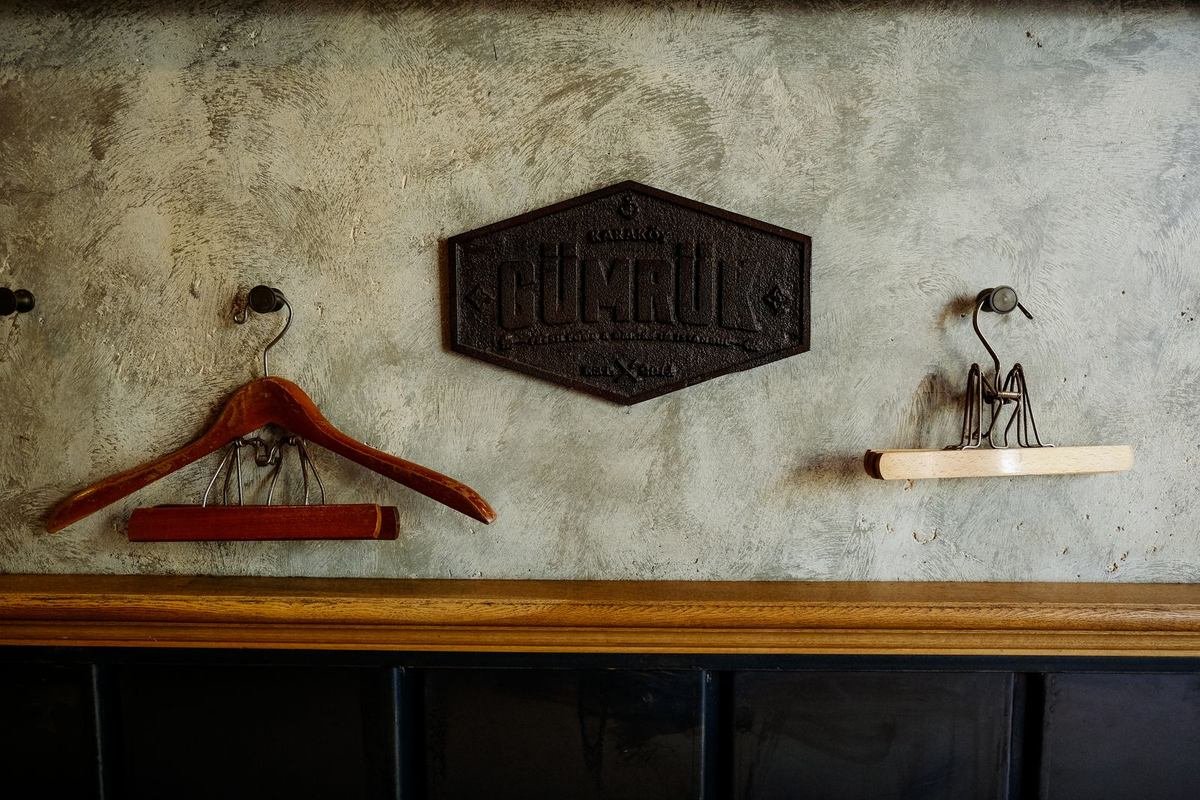
Hooks are the simplest vertical storage of all. A row of hooks by the door holds coats, bags, umbrellas and keys that would otherwise land on a chair, the sofa or the floor.
Hang hooks at two heights if you share your home: one row at adult shoulder height and a second, lower row for kids or for bags. Leave about eight inches between hooks so coats do not pile on top of each other.
If your entryway is just a strip of wall, hooks plus a slim shoe rack below can replace an entire closet. For more layouts, see our small entryway organization ideas. Renters can use heavy-duty adhesive hooks for lighter items instead of screws.
10. Run a Peg Rail Along a Hallway
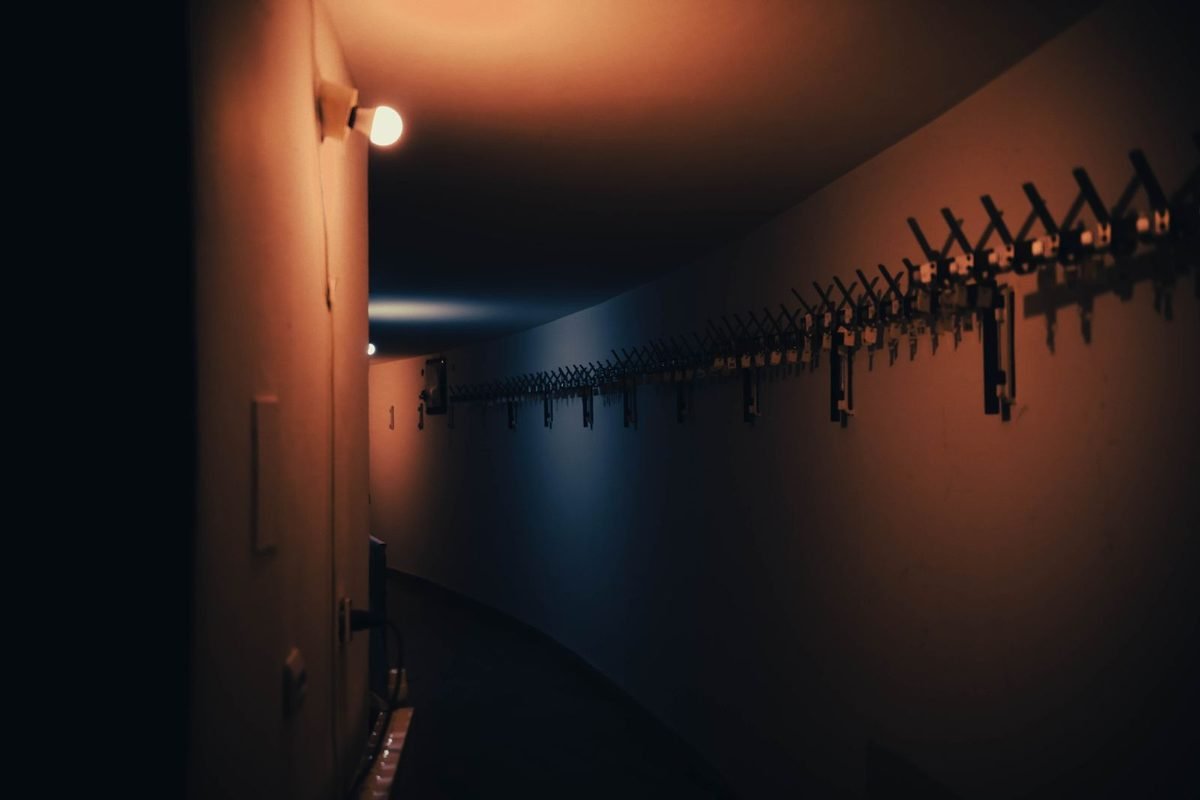
A peg rail is a long strip of wood or metal with pegs or hooks spaced along it. It turns a narrow hallway, the wall above a bed or the space over a desk into a flexible place to hang bags, hats, plants, mugs, baskets and even small shelves.
The beauty of a peg rail is that it changes with your life. In winter it holds scarves and coats. In summer it holds tote bags and sun hats. In a kitchen, it holds aprons and cutting boards. In a kids’ room, it holds backpacks and dress-up clothes.
Mount the rail at about 60 to 66 inches high for adults. Use a level and find the studs, or use anchors rated for the weight you plan to hang. A wooden peg rail gives the look of custom storage at a small price.
11. Put Corner Shelves to Work
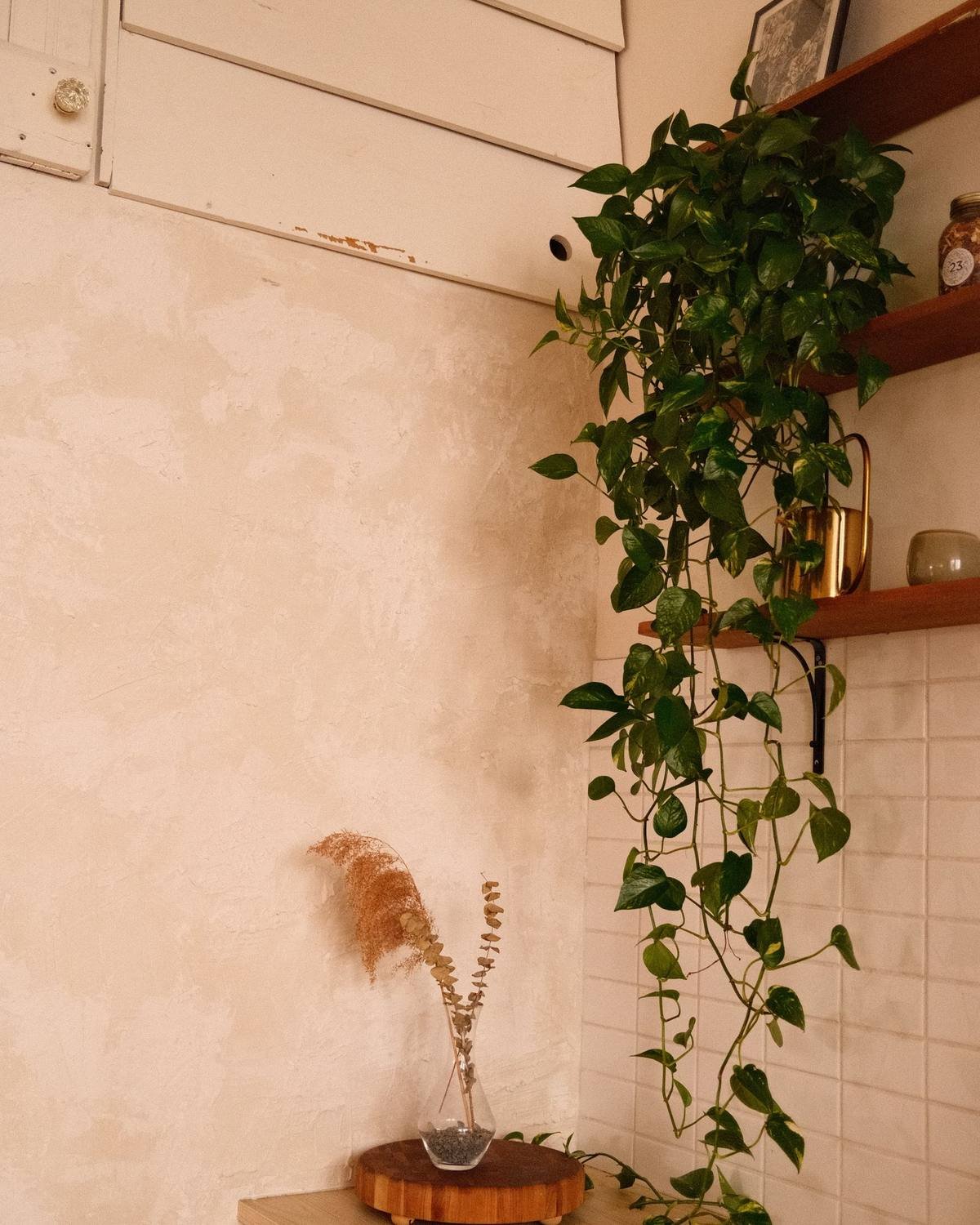
Corners are the most ignored spots in a small apartment. A corner shelf, either floating or freestanding, uses that awkward triangle for plants, books, speakers or bathroom supplies.
In a living room, a tall corner shelf can hold a trailing pothos up high and a stack of books lower down. In a bathroom, a corner shower caddy or tension pole shelf holds shampoo and razors without crowding the tub ledge. In a kitchen, a small corner shelf near the stove holds oils and spices.
Look for a corner shelf that is 12 to 14 inches deep on each side. It fits tight corners and still holds plenty.
12. Hang Pots From a Ceiling Rack

Small kitchens run out of cabinet space quickly, and pots and pans are the worst offenders. A ceiling pot rack or a wall-mounted rail lifts them out of the cabinets, frees up a whole lower cupboard and puts your most-used tools within reach.
You do not need a farmhouse kitchen. A simple bar rail with S-hooks over the stove or along the backsplash holds pans, ladles, mugs and colanders. A ceiling rack works best above an island or a small dining table where you will not hit your head.
If you cannot drill into the ceiling, mount a kitchen wall rail with S-hooks under the upper cabinets. For more ideas in tight kitchens, see our guide to small kitchen organization ideas on a budget.
13. Swap Doors for Open Kitchen Shelves
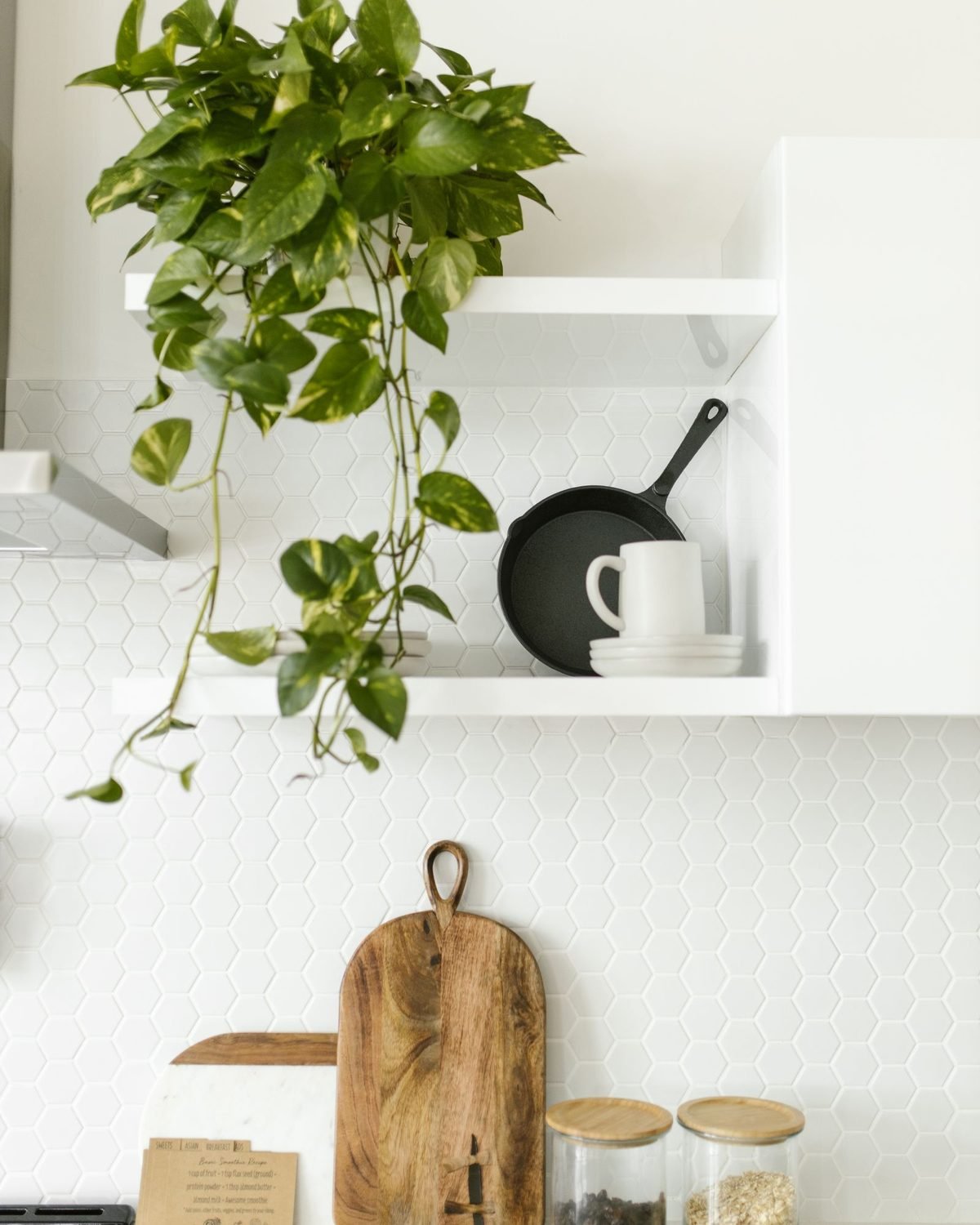
Open shelves above the counter are one of the most efficient vertical storage ideas for small spaces in the kitchen. They hold plates, glasses and jars where you can grab them, and they make a narrow kitchen feel wider than closed upper cabinets.
If you rent and cannot remove cabinets, you can still add one or two floating shelves on a blank backsplash wall, or set a two-tier shelf on the counter to double the space under the cabinets. Keep the shelves edited: daily dishes, a few pretty jars and one plant. Everything else goes in cabinets.
Pick shelves that are at least 10 inches deep so dinner plates fit. A 24-inch kitchen wall shelf is enough for a stack of plates and a row of mugs.
14. Lift Plants Off Surfaces With Hanging Planters

Hanging planters lift plants off counters, shelves and windowsills, which clears room for things you need. They also add greenery at eye level and above, which makes a small room feel softer and taller.
Use ceiling hooks, a tension rod across a window frame or a wall bracket. Choose lightweight pots with a drip tray or self-watering insert so you do not have to carry heavy pots to the sink. Trailing plants like pothos, string of hearts and spider plants look best.
A set of hanging planters costs little and instantly frees up a windowsill. If you have no ceiling hooks, a no-drill tension rod across a window recess can hold two or three small planters.
15. Raise the Bed With a Loft or Bunk

In a studio or a shared kids’ room, the bed is the biggest piece of furniture. Raising it with a loft bed or a bunk bed opens up a whole second level of floor underneath for a desk, a dresser, a reading chair or a hanging rail for clothes.
Even a simple bed riser adds six to eight inches of under-bed space for storage bins. A full loft bed can turn a 10-by-10 bedroom into a bedroom plus office. Check the ceiling height first. You need enough room to sit up comfortably on the top mattress, usually at least 30 to 36 inches.
If a loft bed is too much, try heavy-duty bed risers with rolling under-bed bins. For more space-saving pieces, our guide to small apartment storage furniture covers beds, ottomans and benches with storage.
16. Stack Shelves Above a Compact Desk
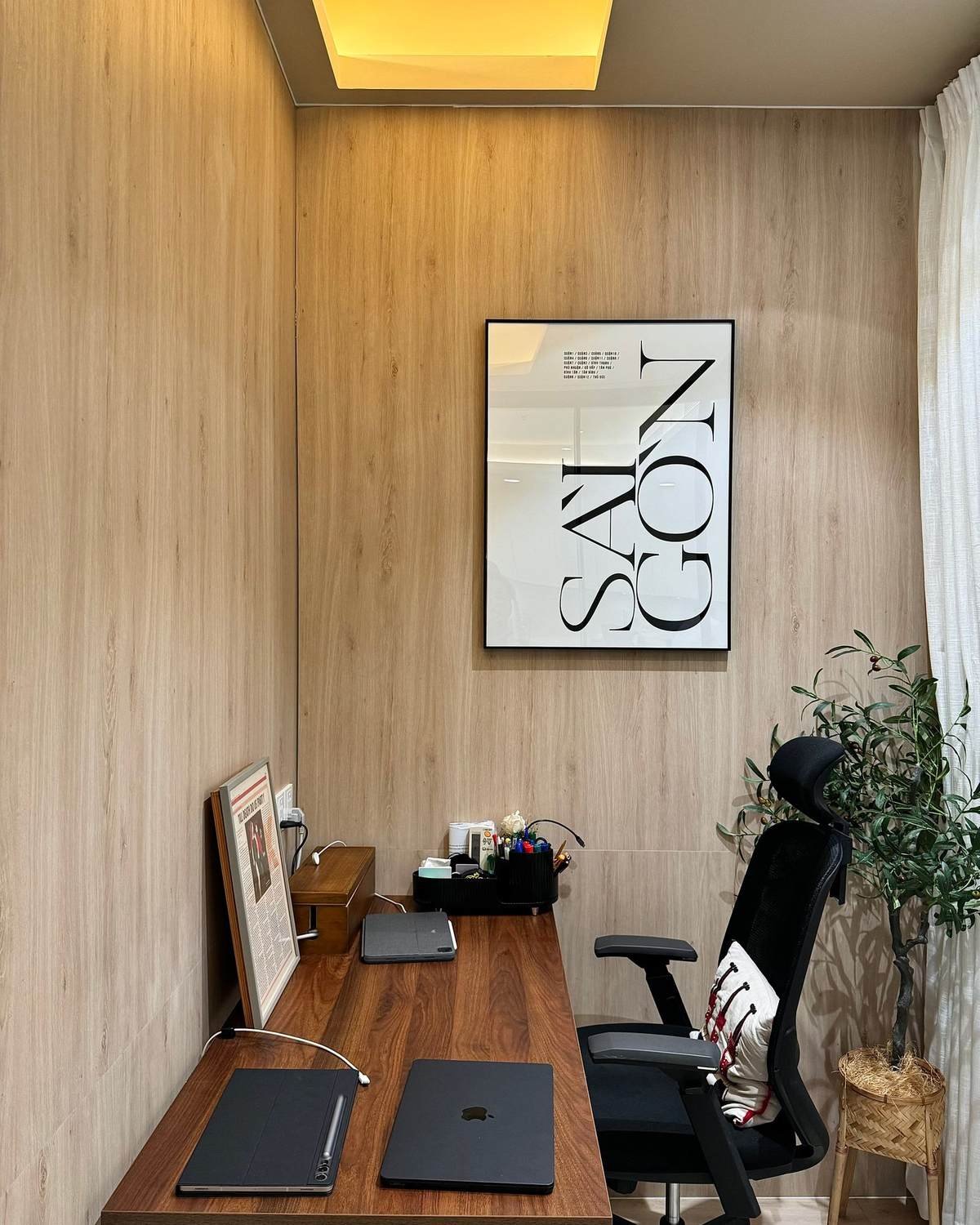
A small desk takes up very little floor, but the wall above it is often empty. Stack two or three shelves or a wall-mounted organizer above the desk to hold files, books, chargers and supplies so the work surface stays clear.
A wall-mounted desk takes this further. It folds or floats off the wall, so there are no legs to work around and the floor under it stays open for a basket or a small filing cabinet.
Add a pegboard or a wall grid above the desk for small tools, headphones and notes. Keep the top shelf for things you rarely need and the lower shelf for things you reach for daily. A wall-mounted floating desk is a great fit for studios and bedrooms.
17. Store a Bike on the Wall

A bike leaning in the hallway takes up a surprising amount of space and leaves tire marks on the wall. A vertical or horizontal wall mount lifts it up and turns it into a design feature.
Freestanding bike stands that lean against the wall need no drilling and hold one or two bikes vertically. Wall hooks hold a bike by the front wheel or by the frame. Put a small mat or tray under the tires to catch dirt.
Once the bike is up, the floor space underneath can hold a shoe rack, a basket or a small bench. A freestanding vertical bike stand is the most renter-friendly option.
18. Choose a Tall Wardrobe Instead of a Wide Dresser
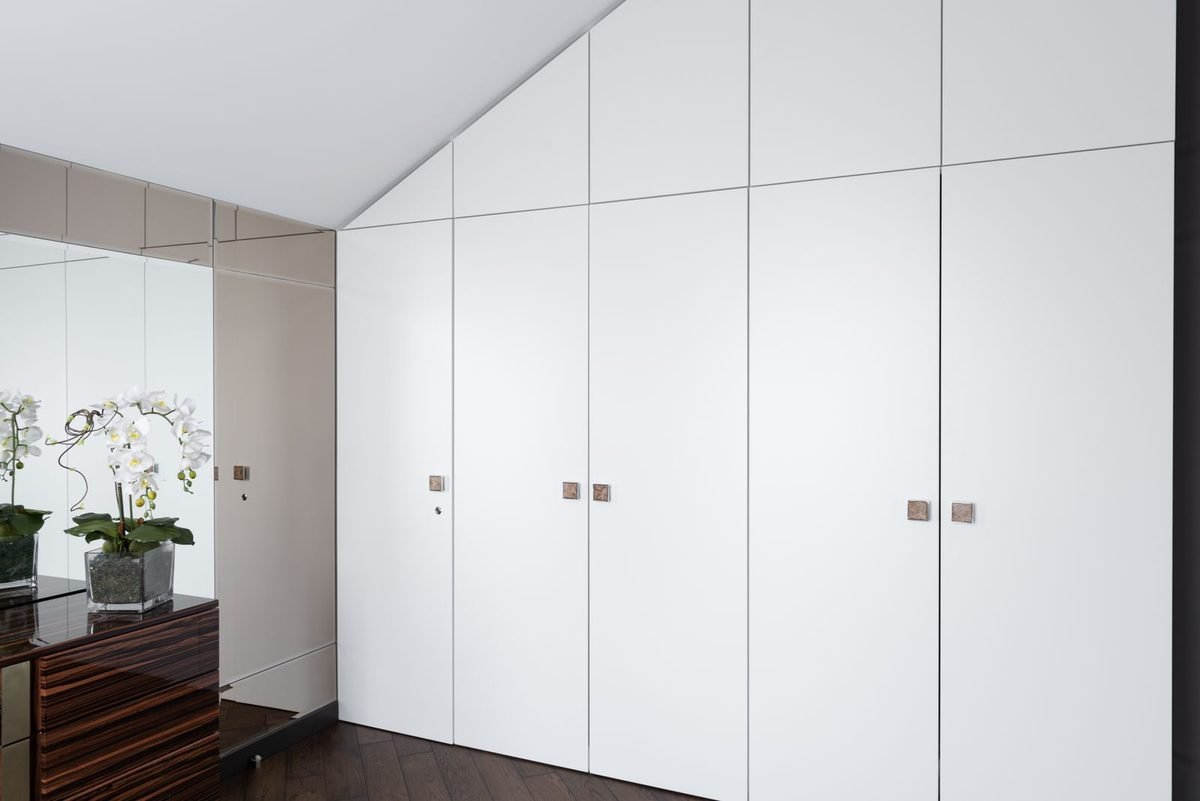
If your bedroom has no closet or a tiny one, a tall wardrobe is one of the smartest vertical storage ideas for small spaces. It holds hanging clothes, folded clothes and shoes in a footprint about the size of a dresser, but it uses the full height of the wall.
Look for a unit with a hanging rod, adjustable shelves and a top compartment for off-season items. Add shelf dividers, hanging organizers and drawer inserts inside to make every inch count.
Choose a wardrobe in the same color as your walls so it blends in. Mirrored doors double as a full-length mirror and bounce light around the room. If a wardrobe is out of budget, a freestanding closet system with a fabric cover gives you similar storage for less.
19. Turn the Back of Every Door Into Storage

The back of a door is a full-height storage wall that most people never use. An over the door rack, pocket organizer or hook strip can hold shoes, cleaning supplies, pantry snacks, toiletries, wrapping paper or tools.
Check that the door closes fully with the organizer in place. Over the door hooks add a small gap at the top, so felt pads help reduce rattling. Keep heavy items toward the bottom of the organizer so the door does not swing on its own.
A pocket over the door organizer is the easiest place to start. Our upcoming guide to over the door organizer ideas covers 20 more ways to use every door in your home.
20. Add a Tall Cabinet in the Bathroom

Bathrooms in small apartments rarely have enough storage. A tall, narrow cabinet or an over the toilet shelf adds five or six shelves without taking more than a foot of floor.
Use the top shelves for backup toilet paper, extra towels and refill bottles. Use the middle shelves for daily items in small bins. Put cleaning supplies on the bottom shelf or behind the cabinet doors, away from small kids.
An over-the-toilet storage cabinet or a tall narrow bathroom cabinet is easy to assemble and needs no plumbing work. For more bathroom ideas, see our small bathroom storage ideas.
Room-by-Room Vertical Storage Cheat Sheet
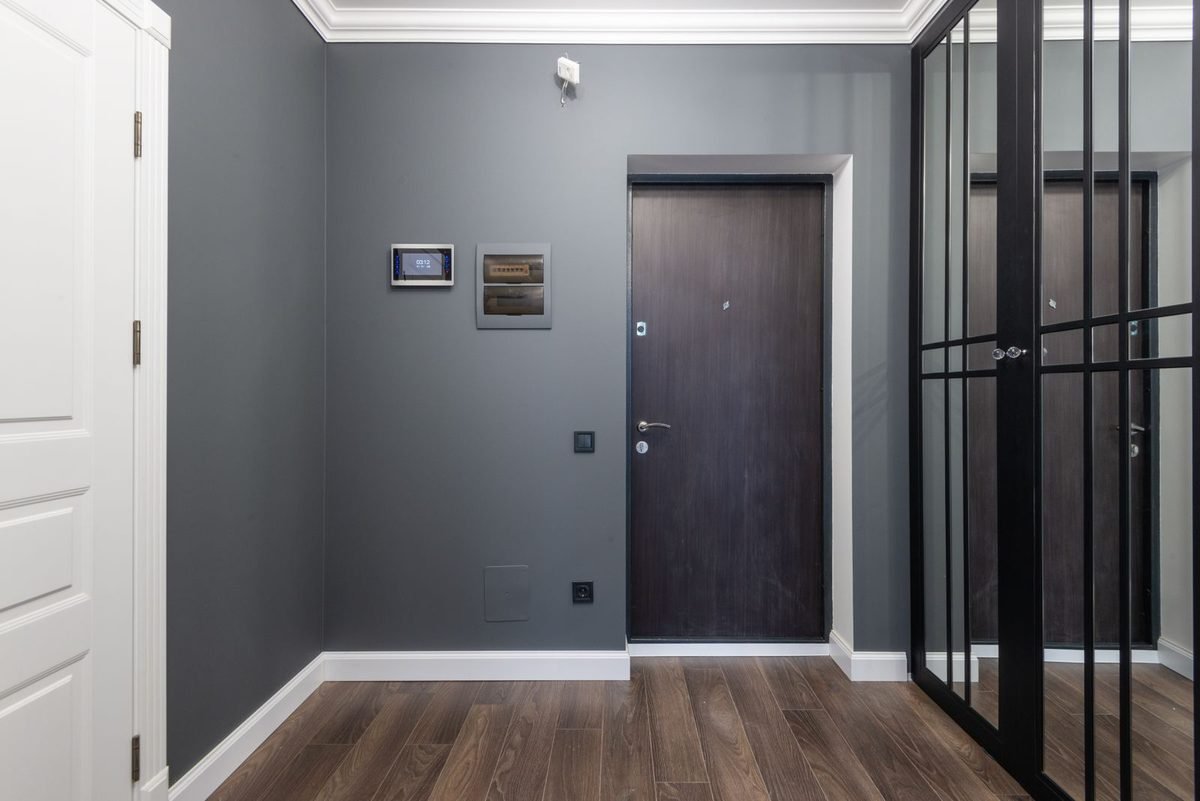
Not every idea fits every room. Use this cheat sheet to pick the vertical storage ideas for small spaces that suit each part of your home.
- Entryway: coat hooks, a peg rail, wall baskets for keys and mail, an over the door shoe organizer and a bike stand.
- Living room: a floor-to-ceiling bookcase, a ladder shelf, floating shelves, corner shelves and hanging plants.
- Kitchen: open shelves, a ceiling or wall pot rack, a magnetic knife strip, a slim rolling cart beside the fridge and an over the door pantry rack.
- Bedroom: a tall wardrobe, shelves above the bed or desk, a loft bed or bed risers and clear bins on the top closet shelf.
- Bathroom: a tall narrow cabinet, an over the toilet shelf, a corner shower caddy and hooks on the back of the door.
- Closet: stacked clear bins, hanging shelf organizers, a second hanging rod and an over the door organizer for shoes and accessories.
Start with the room that drives you the most crazy. Usually that is the entryway or the kitchen, because those are where daily clutter lands first. Once one room works, the habit spreads.
Renter-Friendly Vertical Storage (No Drilling Needed)
Many of the best vertical storage ideas for small spaces need zero holes. If your lease is strict, focus on these renter-friendly vertical storage ideas:
- Leaning furniture: ladder shelves, leaning bookcases and freestanding bike stands rely on gravity and a soft wall pad.
- Over the door storage: racks, hooks and pocket organizers hang on the door itself.
- Tension rods: use them in window recesses, inside cabinets and between shower walls to hang planters, spray bottles or a curtain over open shelves.
- Adhesive hooks and strips: good for light items like keys, towels, small baskets and cords. Check the weight rating and follow the removal instructions.
- Freestanding towers: etageres, over the toilet units and corner shelves stand on the floor and go up.
- Tall wardrobes and closet systems: free-standing units add hanging and shelf space without touching walls.
If you do drill, keep it small, use the right anchors and save the hardware. Patching kits make small holes easy to fix before move-out. For more renter-safe upgrades, browse our small apartment hacks for renters.
Budget Shopping List for Vertical Storage

You do not need to buy everything at once. Here is a short list of the most useful vertical storage pieces, roughly in the order most small apartments need them:
- Adhesive wall hooks for keys, towels and bags.
- An over the door pocket organizer for shoes or pantry items.
- A ladder shelf for books, plants and baskets.
- Clear stackable bins for the top closet shelf.
- Floating shelves for above the desk, toilet or bed.
- An over the toilet unit for bathroom supplies.
- A kitchen rail with S-hooks for pots and utensils.
- A tall narrow bookcase for a living room or bedroom wall.
Set a monthly budget and buy one or two pieces at a time. Live with each change for a week before adding more. You will often find that one good shelf solves more than you expected. If you want to keep costs even lower, our Dollar Tree organization hacks for small spaces show how to pair cheap bins with your new shelves.
Common Vertical Storage Mistakes to Avoid

Vertical storage can make a small room feel bigger or much smaller. These are the mistakes that tip it the wrong way:
- Filling every inch. A wall packed from floor to ceiling looks heavy. Leave about 20 percent of shelf space open.
- Putting heavy things up high. Books, appliances and full bins belong on lower shelves. High shelves are for light, rarely used items.
- Skipping anti-tip straps. Tall furniture must be anchored, especially in homes with kids or pets. This matters for every list of vertical storage ideas for small spaces that includes bookcases or wardrobes.
- Mixing too many colors and materials. Choose one or two bin colors and stick with them so the wall reads as calm.
- Forgetting reach. If you need a ladder to get daily items, they will end up on the counter again. Keep daily items between knee and shoulder height.
- Blocking light. Avoid tall solid units in front of windows. Use open shelves or place storage beside the window instead.
- Buying before measuring. Measure height, width, depth and door swings first, every time.
Fixing just two or three of these can make the same storage feel twice as organized.
Vertical Storage Ideas for Small Spaces FAQ

What is vertical storage?
Vertical storage means using wall height instead of floor area. Tall shelves, hooks, wall racks, over the door organizers, hanging planters and loft beds are all forms of vertical storage.
How can I add vertical storage without drilling?
Use leaning ladder shelves, freestanding bookcases, over the door racks, tension rods, adhesive hooks and tall freestanding wardrobes. These options hold a lot and leave walls almost untouched.
Is vertical storage safe for kids?
Yes, if you anchor tall furniture, keep heavy items low and store breakables up high. Use anti-tip straps on every bookcase and wardrobe. That is the safety baseline for vertical storage ideas for small spaces.
What are the best vertical storage ideas for small spaces like studios?
A tall wardrobe, a floor-to-ceiling bookcase used as a room divider, a loft bed with a desk underneath, a peg rail and hanging plants. Our guide to studio apartment ideas for small spaces has more layouts.
How high should I hang shelves?
Keep everyday shelves between 36 and 66 inches from the floor. Shelves above 72 inches are best for light items you use a few times a year. That split is one of the most useful vertical storage ideas you can apply in any room.
How do I keep vertical storage from looking cluttered?
Use matching bins, leave some empty space, group items by category and keep a clear visual line between storage and decor. These small habits keep vertical storage ideas for small spaces looking calm instead of busy.
Final Thoughts

The best vertical storage ideas for small spaces are simple: find the empty wall, measure it and add one piece that solves your biggest pile. Come back to these vertical storage ideas whenever a new pile starts on the floor. A ladder shelf, a row of hooks, an over the door rack or a tall wardrobe can change how a whole room feels.
Start with three steps this week. Measure your walls, pick the room that frustrates you most and add one of these vertical storage ideas for small spaces. Next week, add bins and labels so the new storage stays tidy. Within a month, your floors will be clearer and your apartment will feel bigger without moving a single wall.
Remember the golden rule of going up: heavy and daily items low, light and seasonal items high, and always leave a little breathing room. Small spaces feel calm when the eye has somewhere to rest, and vertical storage ideas for small spaces work best when you follow that rule.
For more ways to make every square foot count, explore our small apartment storage ideas on a budget and keep building a home that works for you.