Budget Home Decorating: 25 Ways to Decorate for Less
Disclosure: This post contains affiliate links. As an Amazon Associate I earn from qualifying purchases. If you buy through these links, I may earn a small commission at no extra cost to you. Read our full disclaimer.
Budget home decorating is not about buying cheap things. It is about spending smart, using what you already have and putting your money where it makes the biggest difference. A home that looks pulled together and personal rarely comes from one big shopping trip. It comes from small, thoughtful changes made over time.
This guide covers the budget home decorating mindset, how to set a decorating budget that works, 25 ways to decorate for less, the best places to shop for cheap home decor, a simple room-by-room plan, the mistakes that waste money and a practical FAQ. It works for any home, whether you rent a studio, own a starter house or just moved into a new place with an empty bank account.
Quick answer: The best budget home decorating ideas are to shop your own home first, rearrange furniture, paint or use peel-and-stick wallpaper, thrift and flip furniture, swap pillow covers, hang curtains high and wide, add plants, make your own art, layer lamp light, add a large mirror, upgrade hardware, style shelves, use baskets and trays and slipcover an old sofa. Set a budget per room, spend first on the pieces you touch every day and fill the rest slowly.
The 25 ideas at a glance:
- Free or almost free: 1. Shop your home, 2. Rearrange, 10. Forage branches, 22. Library-sale books, 25. Edit and declutter
- Walls and windows: 3. Paint, 4. Peel-and-stick wallpaper, 8. Curtains high and wide, 11. DIY art, 12. Thrifted gallery wall, 15. A big mirror
- Furniture: 5. Thrift and flip, 6. Spray paint, 16. New hardware, 20. Slipcover the sofa
- Soft goods: 7. Pillow covers, 19. A rug, 23. A hotel-style bed
- Light and life: 9. Plant cuttings, 13. Lamps, 14. New shades, 24. Grocery-store flowers
- Styling: 17. Shelves, 18. Baskets and trays, 21. Dollar-store candle holders
The Budget Home Decorating Mindset

The biggest secret of budget home decorating is patience. Homes that look expensive usually were not decorated in a weekend. They were built slowly, with a mix of new, old, thrifted and handmade pieces.
Think “edit, then add.” Before you buy anything, remove what you do not love. A room with fewer, better things looks more expensive than a room full of bargains.
Spend on what you touch. Put money into the things you use every day, like a comfortable sofa, a good mattress and soft bedding. Save on the things you only look at, like art, vases and decor accessories.
Buy once, buy well, or buy used. A cheap piece that breaks in a year costs more than a good used piece that lasts ten. Solid wood furniture from a thrift store often beats new flat-pack furniture in both price and quality.
Have a plan. Decorating without a plan leads to impulse buys that do not match. Choose a color palette and a style before you shop, and every purchase will work with the rest.
Make it personal. Photos, books, travel finds and family pieces cost nothing and make a home feel like yours. Budget home decorating is at its best when a room tells your story.
How to Set a Decorating Budget That Works
A decorating budget keeps you from overspending and helps you finish rooms instead of starting ten projects at once.
- Pick one room. Finish one room before moving to the next. A finished room motivates you to keep going.
- Make a list. Write down what the room needs to function, then what would make it beautiful. Function comes first.
- Set a total. Decide what you can spend this month, even if it is only $50.
- Split it. A simple rule: 50% for the main piece (a rug, a sofa cover or curtains), 30% for lighting and soft goods and 20% for accessories and plants.
- Track it. Keep a note on your phone with every purchase and the running total.
- Wait 48 hours. For anything over $50, wait two days before buying. If you still want it, it is probably a good purchase.
Tip: Put a “decor fund” line in your monthly budget, even $20. Over a year, that is $240 of decorating money without stress.
25 Budget Home Decorating Ideas to Decorate for Less
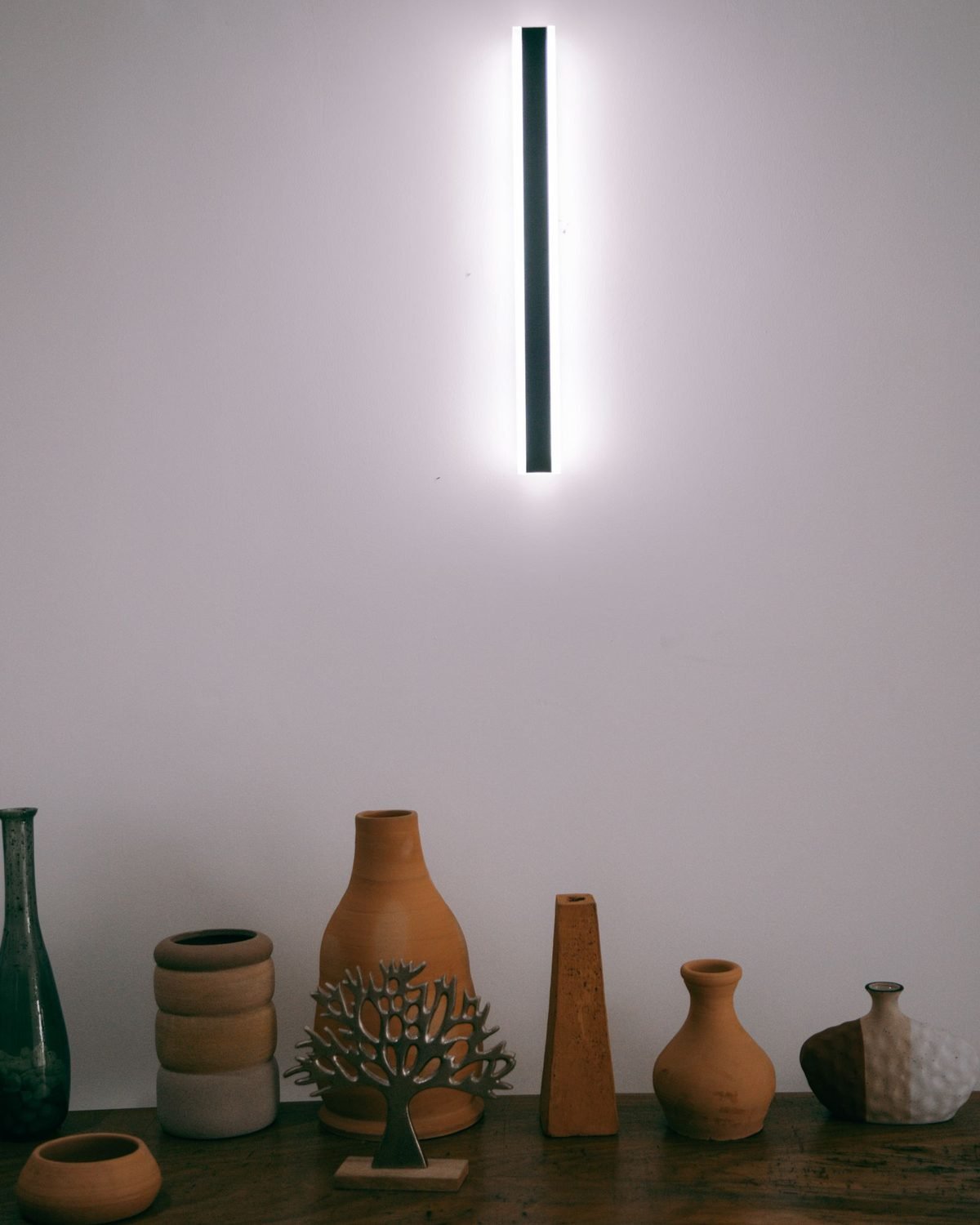
These budget home decorating ideas are grouped loosely from free to low cost. Mix and match them in any room.
1. Shop Your Own Home First

Before you buy anything, walk through your home with a basket. Collect decor you have forgotten about: vases in the cupboard, frames in a drawer, a throw in the closet, books, plants and baskets.
Lay everything out and “shop” it for the room you are decorating. A lamp from the bedroom might be perfect in the living room. A bowl from the kitchen might make a great catchall in the entry. Moving things to new spots makes them feel new, and it costs nothing.
Cost: $0. This is the first rule of budget home decorating: use what you already own before you spend a cent. Do it every season, because decor you see every day starts to feel invisible, and moving it to a new room makes it feel fresh again.
2. Rearrange Your Furniture
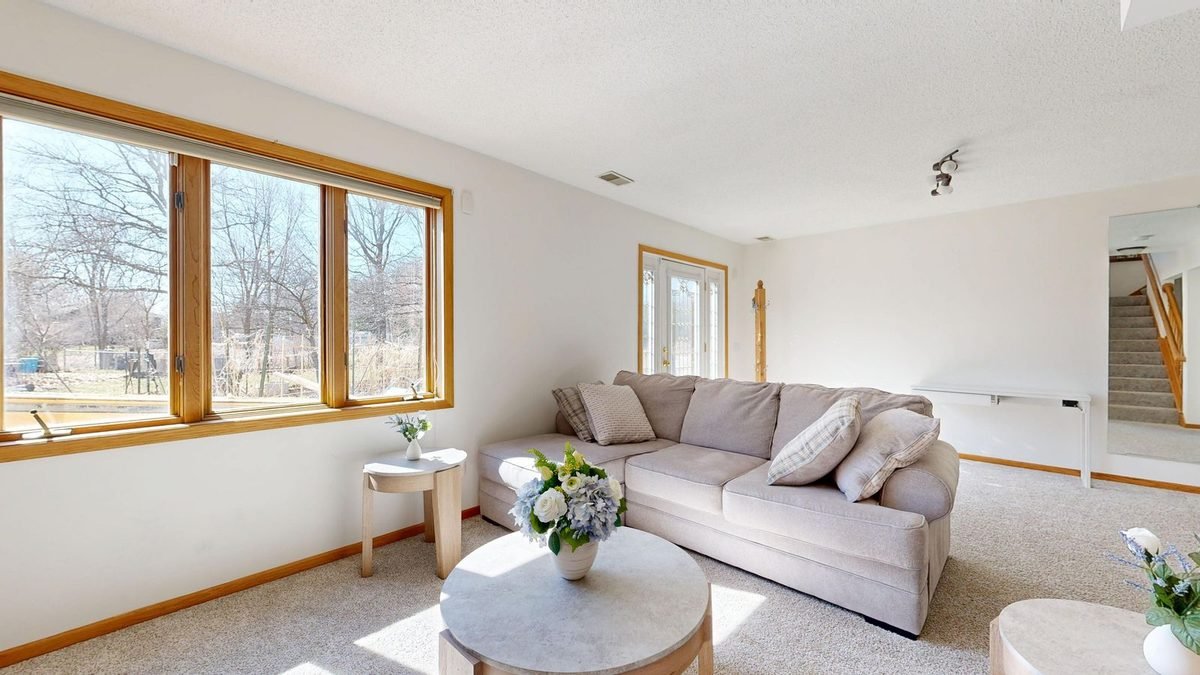
Rearranging is the most underrated free decorating trick. Pull the sofa off the wall, float it on a rug and create a conversation area. Turn the bed to face the window. Move a chair into an empty corner and add a lamp.
Start with the biggest piece and decide where it works best for how you use the room. Then build around it. Take photos of each layout so you can compare.
Cost: $0. Ask a friend to help with heavy pieces, and slide furniture on towels or felt pads to protect the floors. A new layout is a classic way to decorate for less, and many people find a better flow for daily life too.
3. Paint (If Your Lease Allows)

Paint gives the biggest change for the lowest cost. A gallon costs $30 to $60 and can transform a whole room.
If you own, try a warm white, a soft greige or a deep accent wall. If you rent, ask your landlord. Many allow paint if you return the walls to the original color, or they may let you choose a neutral that you both like.
You can also paint furniture, picture frames, lamp bases and vases instead of walls. Chalk-style paint sticks to most surfaces with little prep.
Cost: $30 to $60 per gallon. Buy sample pots first and paint large swatches on two walls, then look at them in morning and evening light. A wrong color is the most expensive paint mistake in budget home decorating.
4. Try Peel-and-Stick Wallpaper
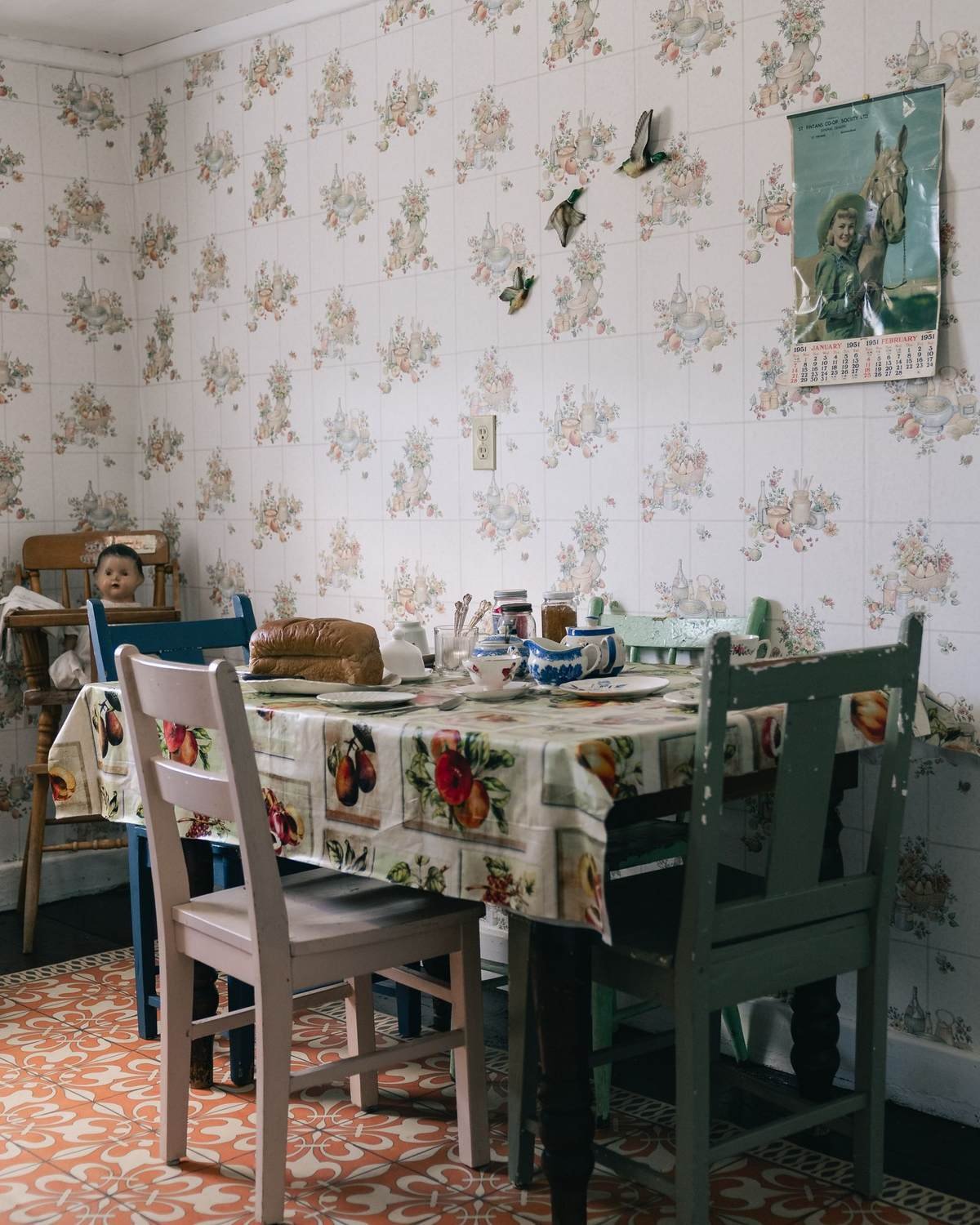
Peel-and-stick wallpaper is perfect for renters and for anyone who wants a bold look without commitment. Use it on one accent wall, the back of a bookcase, a small powder room or the inside of a closet.
A single roll of peel-and-stick wallpaper often costs $25 to $40 and covers about 30 square feet. Our guide to renter-friendly peel and stick wallpaper explains how to choose, hang and remove it safely.
Cost: $25 to $40 per roll. Measure carefully and buy one extra roll for pattern matching. Smaller spaces, like a bookcase back or a powder room, use one or two rolls, which keeps this budget decorating idea truly cheap.
5. Thrift and Flip Furniture
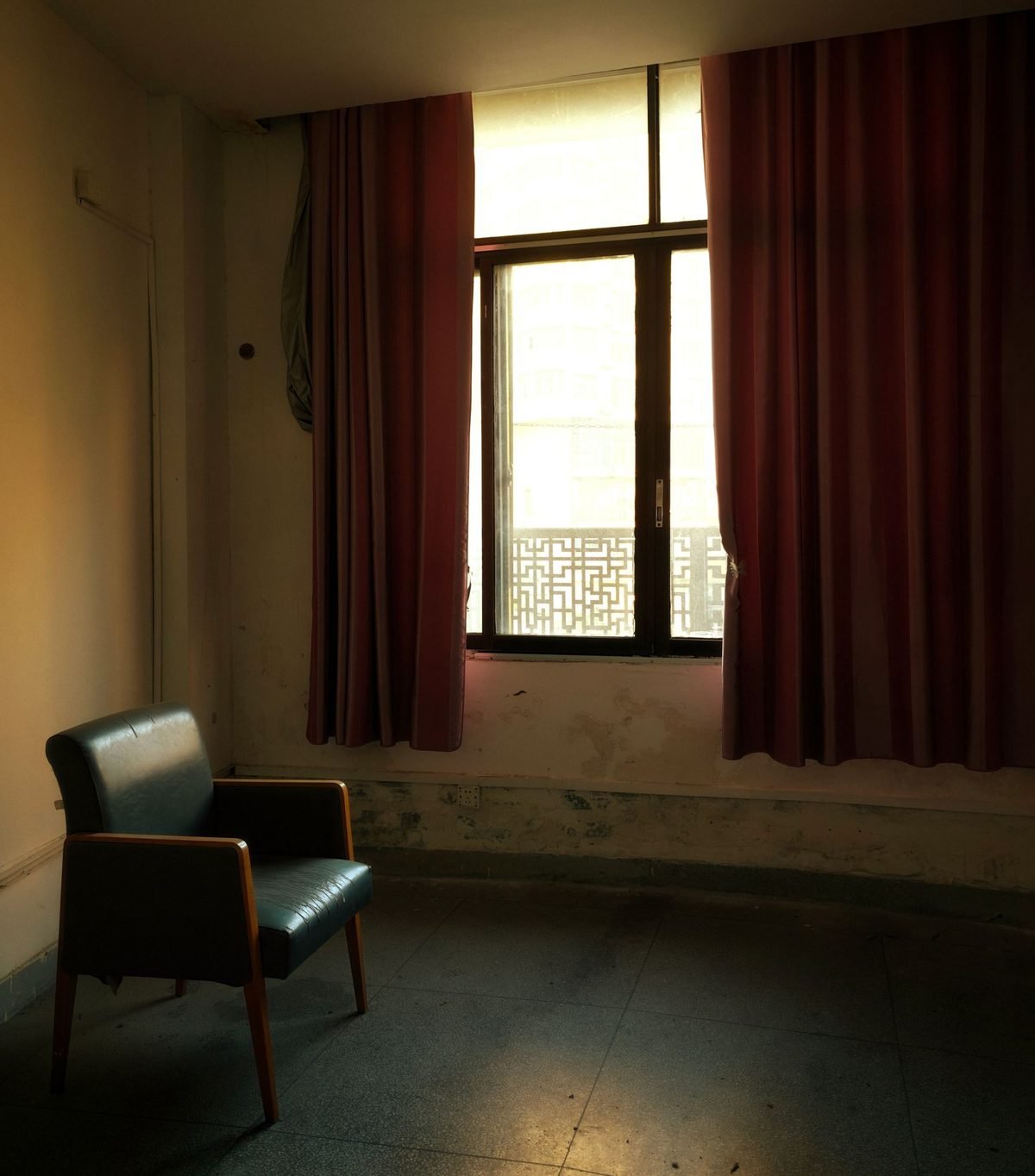
Thrift stores, estate sales and online marketplaces are full of solid wood furniture for a fraction of new prices. A dresser that needs new knobs or a chair that needs new fabric can become the star of a room.
Look for good bones: solid wood, sturdy joints and drawers that slide. Ignore ugly finishes and dated fabrics, because those are easy to change. Turning old pieces into something new is called upcycling, and it is one of the most sustainable ways to decorate.
Cost: $20 to $150 per piece. Bring a tape measure, a flashlight and your room measurements when you shop. Thrifting is the heart of budget home decorating, because good used pieces cost less and last longer than new ones.
6. Spray Paint Old Decor
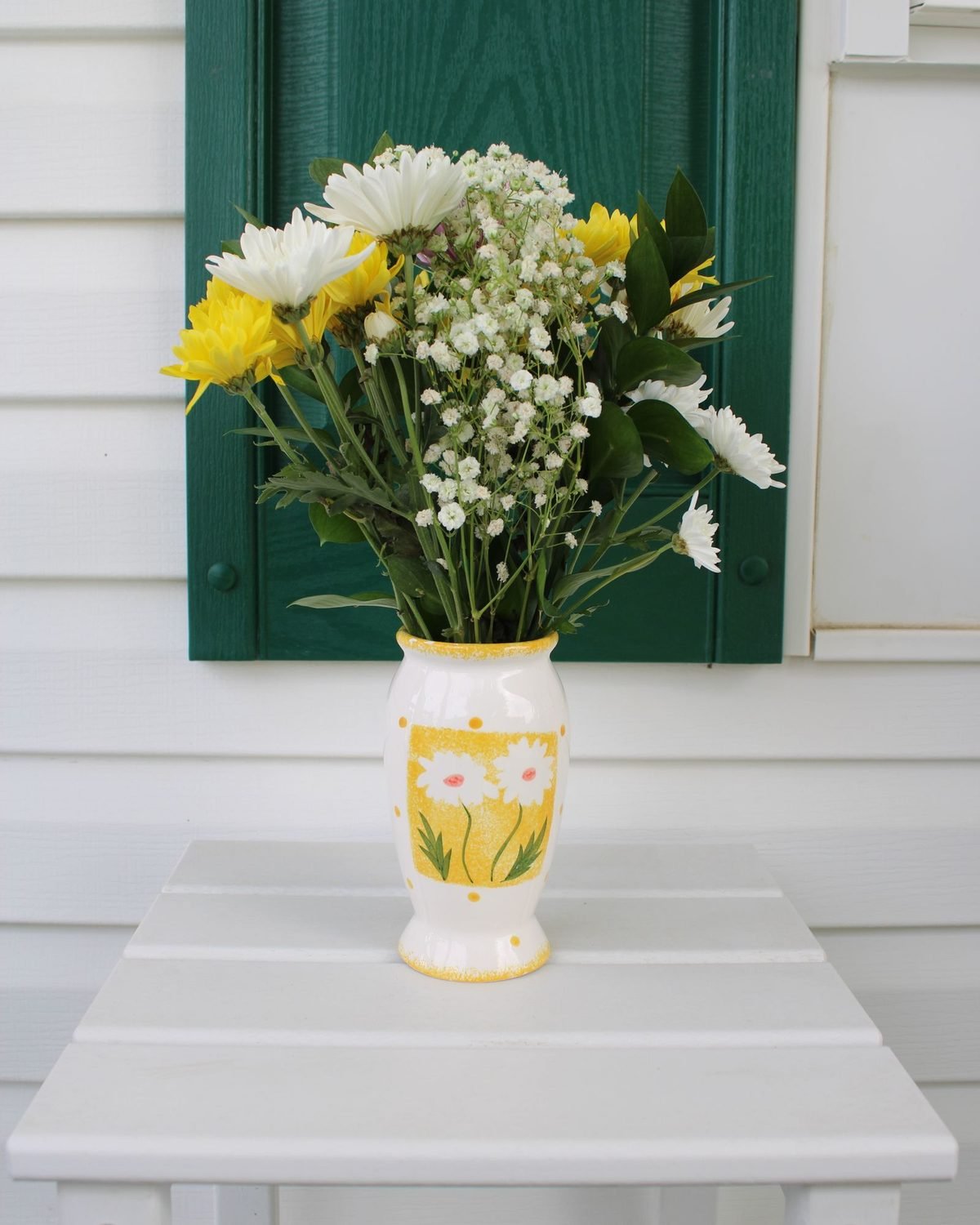
Spray paint can make mismatched decor look like a set. Paint thrifted vases, candlesticks, frames, baskets and lamp bases in one color, like matte black, cream, terracotta or brass.
Work outside on a calm day, use light coats and let each coat dry. A can of matte spray paint costs under $10 and covers several small pieces.
Cost: $8 to $10 per can. Choose one finish for the whole set, like matte, satin or metallic, so the pieces look like they were bought together. It is one of the fastest ways to decorate for less with things you already own.
7. Swap Pillow Covers, Not Pillows
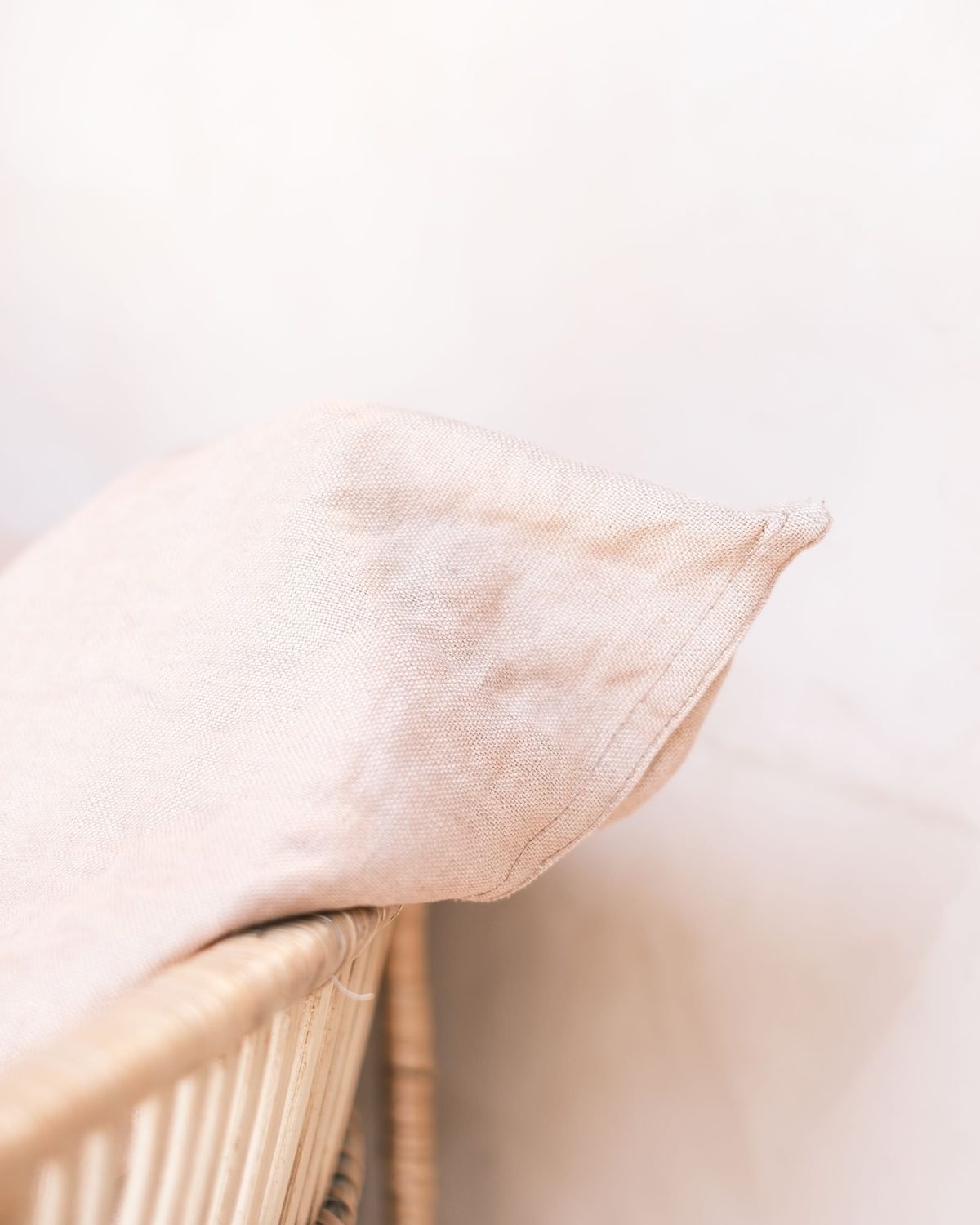
New pillows are expensive and hard to store. Covers are cheap and fold flat. Buy good inserts once, then change the pillow covers by season or mood.
For a high-end look, mix a solid, a texture and a small pattern in the same color family. Use slightly bigger inserts than the cover size (a 20-inch insert in an 18-inch cover) so the pillows look full and plush.
Cost: $8 to $20 per cover. Store off-season covers flat in a drawer or a zippered bag. Swapping covers four times a year is a smart budget home decorating habit, because the room feels new each season for very little money.
8. Hang Curtains High and Wide
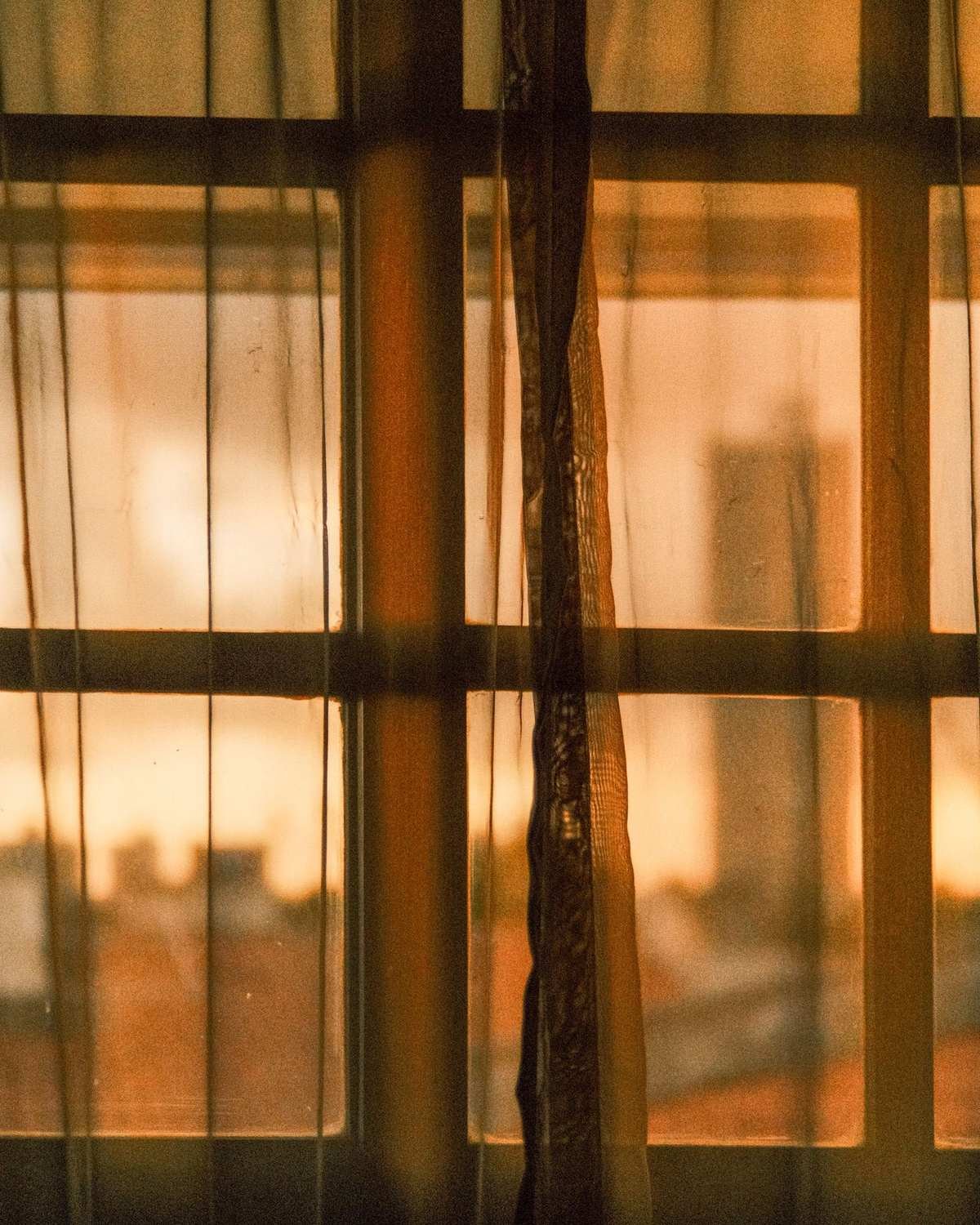
Curtains hung just above the window frame make ceilings look low and windows look small. Hang the rod close to the ceiling and extend it 8 to 12 inches past each side of the window. The room will look taller and the windows bigger.
Use long panels that just touch the floor. Affordable linen-look curtain panels look far more expensive than they are. If you cannot drill, use tension rods or no-drill brackets.
Cost: $30 to $80 for a rod and two panels. Choose a simple black or brass rod and plain panels. Well-hung curtains are a designer trick that makes budget decorating look expensive.
9. Grow Plants From Cuttings

Plants make every room look fresh and alive, but big plants are expensive. Cuttings are free. Ask friends for a piece of pothos, philodendron or tradescantia, put it in a jar of water and wait for roots.
Glass jars and bottles of rooting plants look lovely on a windowsill or shelf. When the roots are a few inches long, pot them in thrifted planters.
Cost: $0 to $5. Change the water once a week and keep jars out of harsh afternoon sun. Plant cuttings are a favorite budget home decorating trick, because one plant can turn into five for free.
10. Forage Branches and Stems
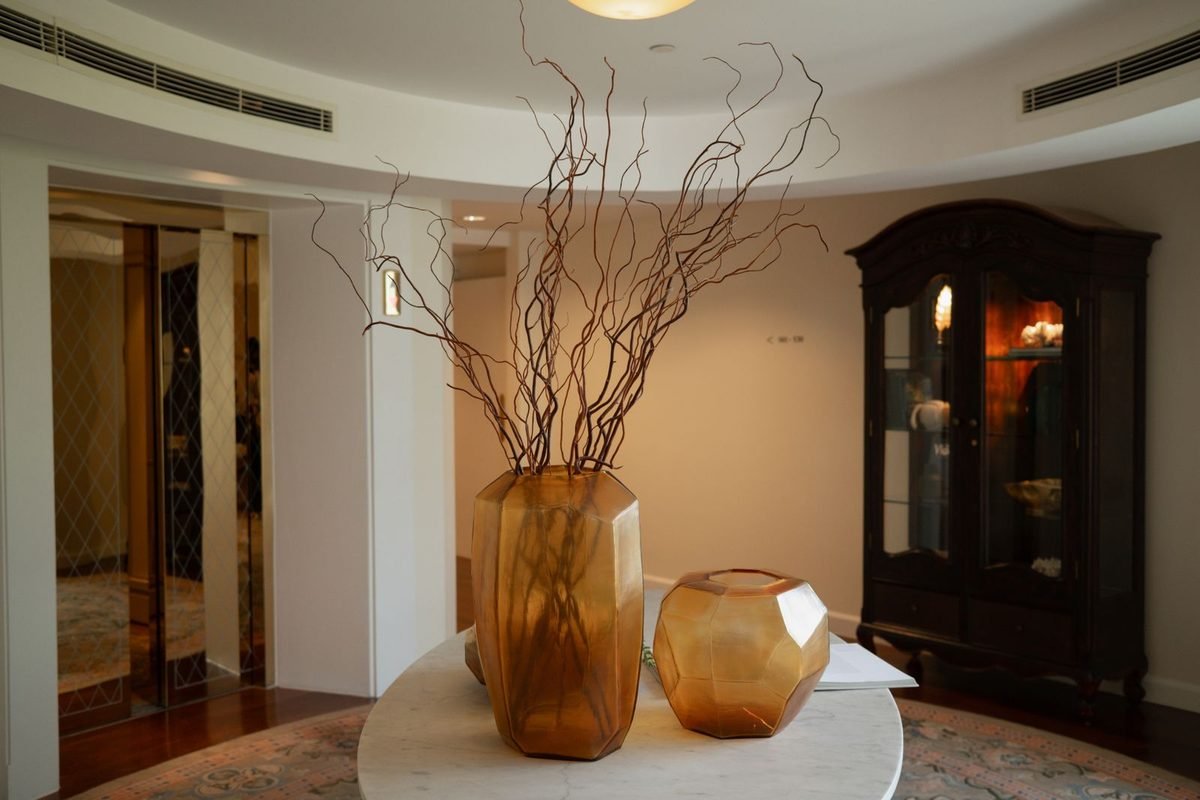
Branches, grasses and seed pods from your yard, a friend’s garden or a fallen branch after a storm make beautiful free arrangements. Put tall branches in a large vase or jug for an instant designer look.
Good options include magnolia, eucalyptus, olive, birch, cotton stems, dried grasses and spring blossoms. Only take from your own property or with permission.
Cost: $0. Strip the lower leaves so they do not sit in water, and change the water every few days. Foraged stems are a beautiful way to decorate for less in every season.
11. Make Your Own Wall Art
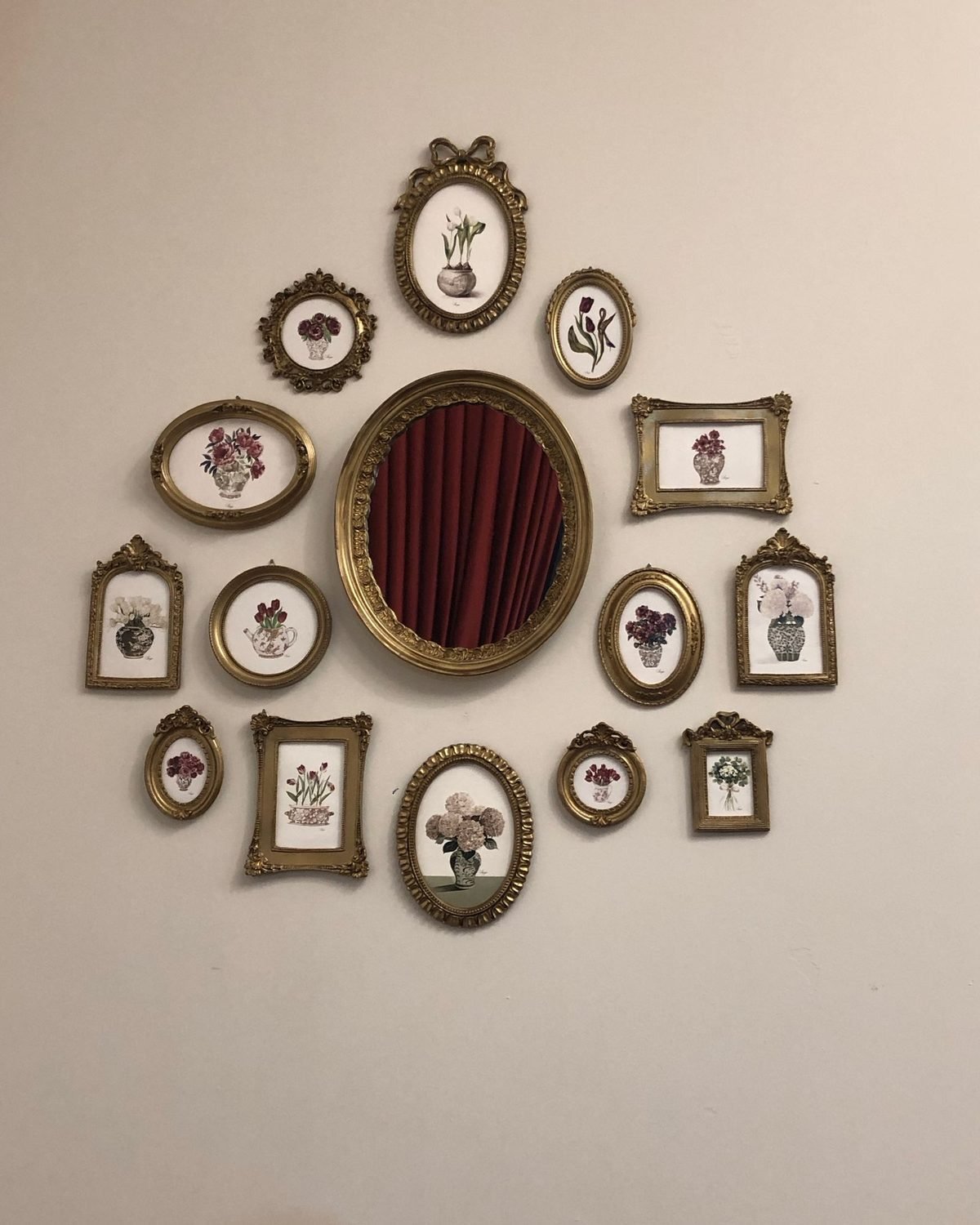
Art does not have to be expensive. Frame pages from an old botanical book, a pretty fabric remnant, a vintage map, a child’s drawing or a pressed leaf. Download public domain art from museum collections and print it at a local print shop.
An oversized print in a simple frame looks high end. Engineer prints from a copy shop are a cheap way to get large black and white art.
Cost: $5 to $30 with a frame. Use mats in thrifted frames to make small prints look bigger and more polished. DIY art is a cornerstone of budget home decorating, because it is cheap and completely personal.
12. Build a Gallery Wall With Thrifted Frames
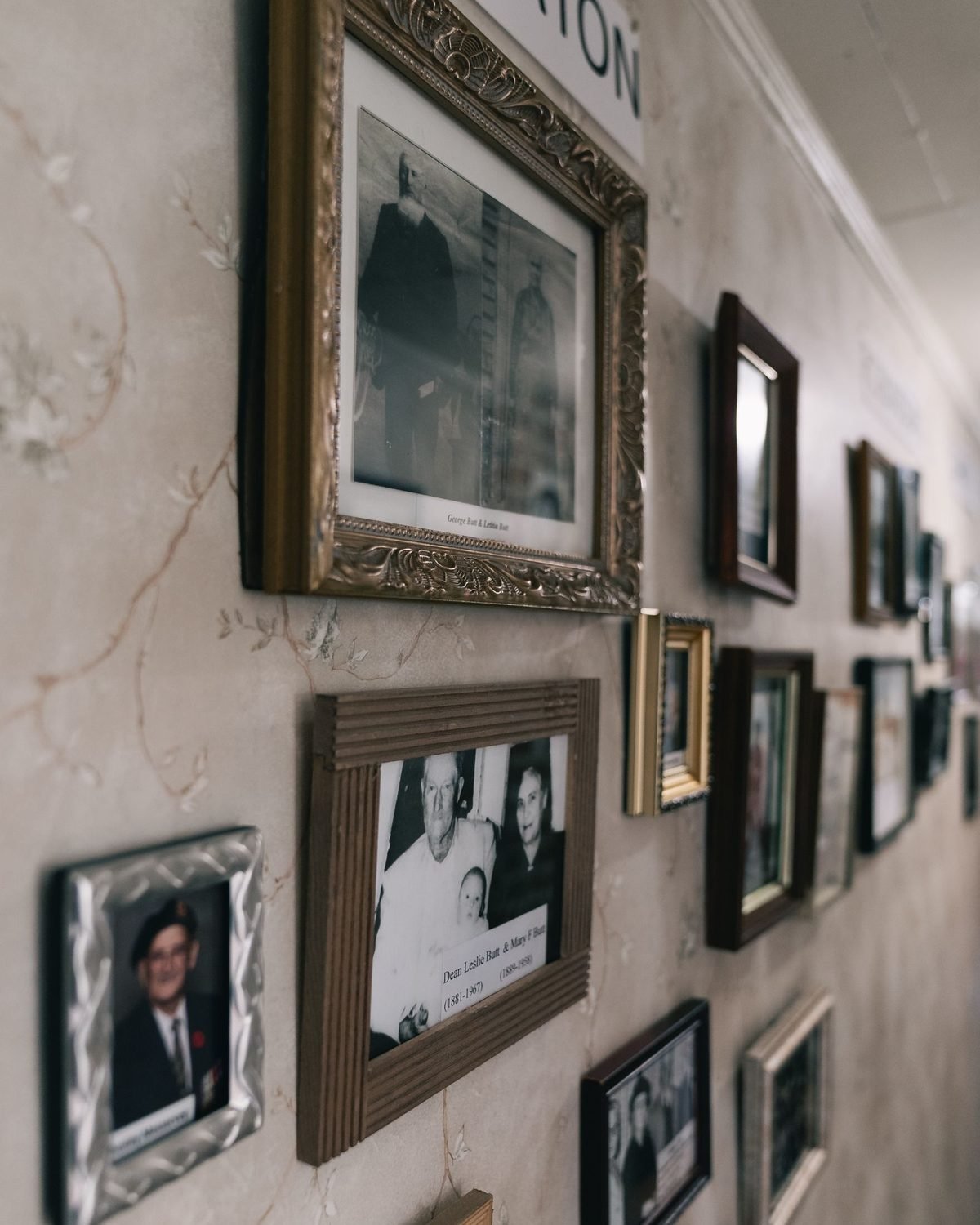
Thrift stores sell frames for $1 to $5. Collect frames in different sizes, then spray paint them one color or mix wood and gold for an eclectic look.
Lay the arrangement on the floor first, then trace each frame on paper and tape the templates to the wall before hanging. Renters can use picture-hanging strips; our guide on how to hang pictures without nails covers every method.
Cost: $20 to $50 for eight to ten frames. Keep the gaps between frames the same, about 2 to 3 inches, for a tidy look. A gallery wall made from thrifted frames is budget decorating at its best.
13. Layer Lamps Instead of Overhead Light
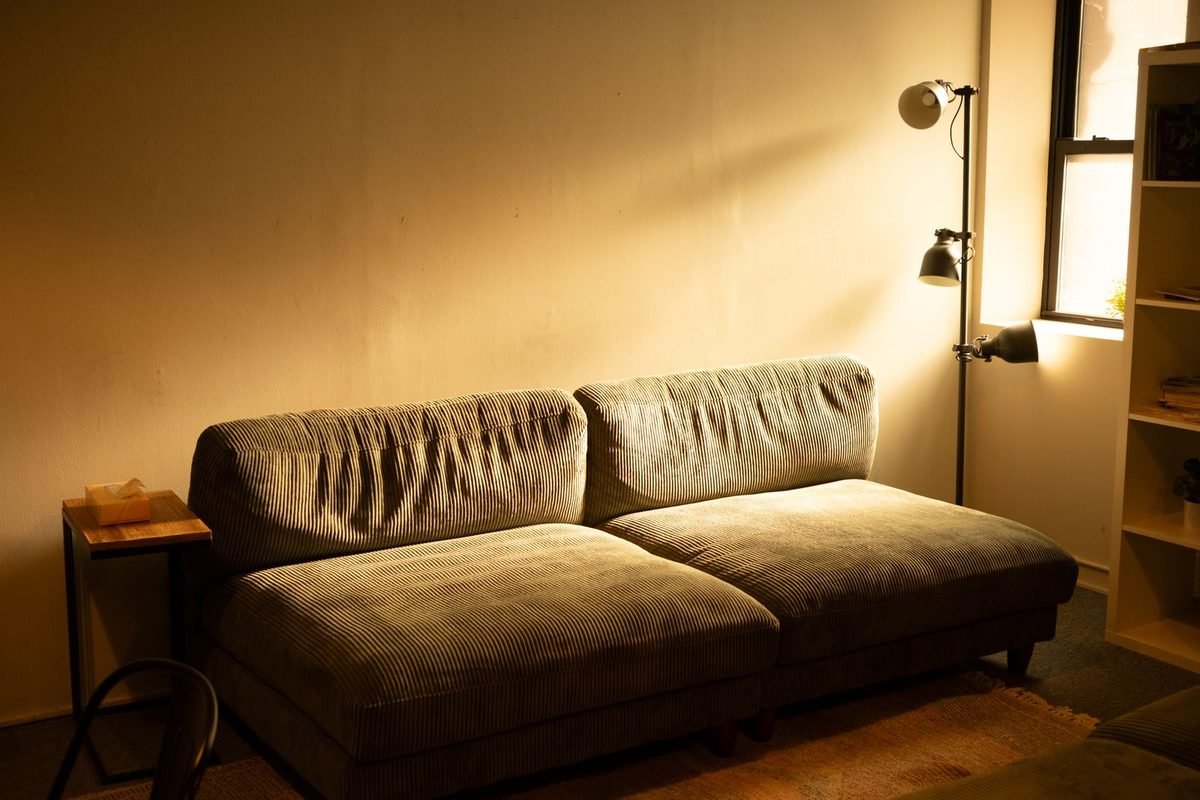
Lighting changes how every other piece looks. One harsh ceiling light makes even nice furniture look flat. Two or three lamps make the same room feel warm and expensive.
Thrift stores often have lamps for $5 to $15. Add a new shade and a warm bulb, and no one will know. See our renter-friendly lighting ideas for more.
Cost: $5 to $40 per lamp. Use warm white bulbs (2700K) everywhere. Of all the budget home decorating ideas here, lamps give the biggest change for the smallest spend.
14. Swap Shades and Light Fixtures
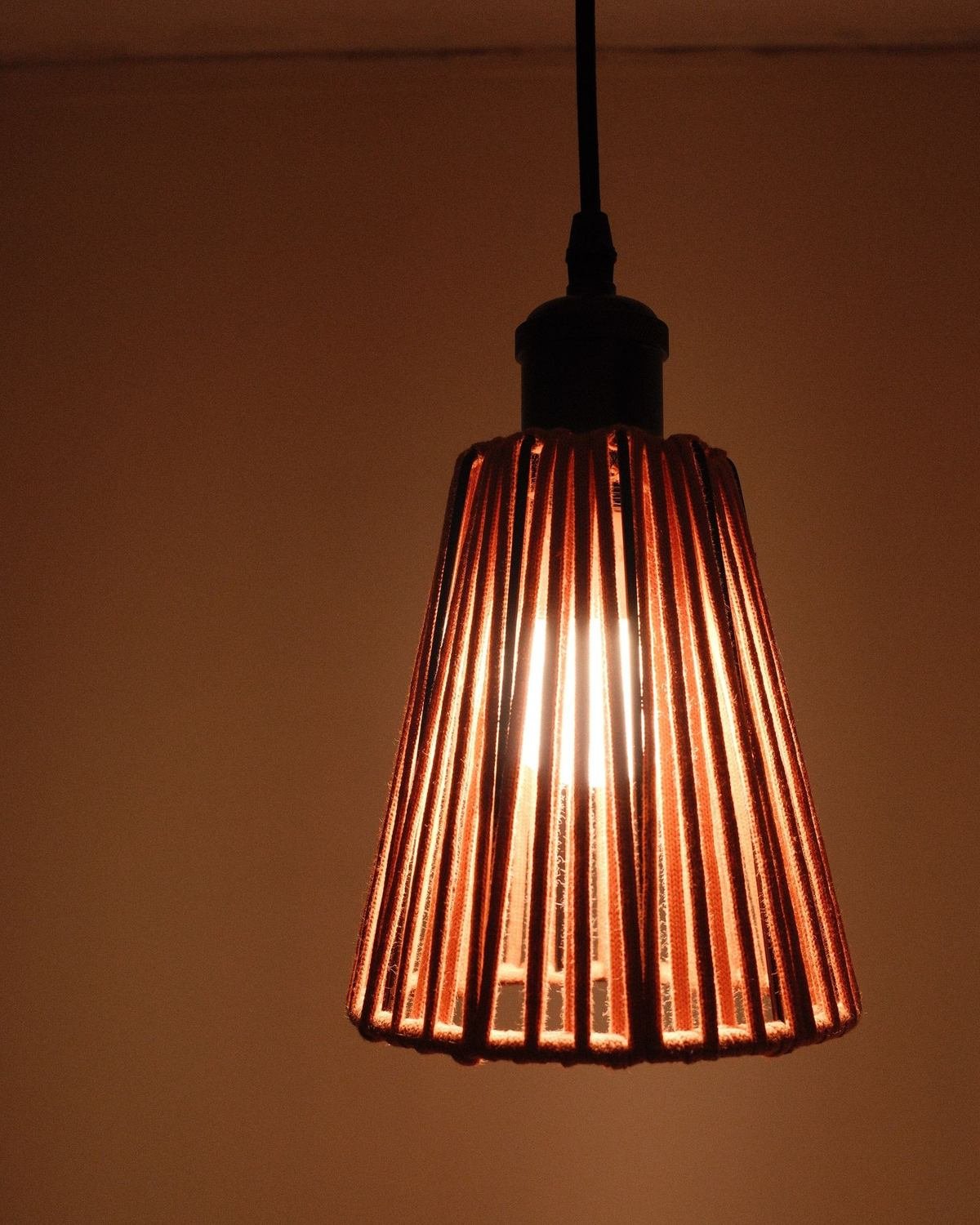
A dated shade can ruin a good lamp. A new linen, pleated or rattan shade costs $15 to $30 and updates a lamp instantly.
If you own your home, swapping a builder-grade ceiling fixture for a simple pendant is a big upgrade for under $80. Renters can use a plug-in pendant light hung from a ceiling hook, then store the original fixture and put it back when they move.
Cost: $15 to $80. Measure your lamp base before you buy a shade, since the shade should be about two-thirds the height of the base. It is a small, smart way to decorate for less.
15. Add a Large Mirror

A large mirror makes a small room look bigger and brighter and adds a focal point. Lean an oversized floor mirror against a wall, or hang a round or arched mirror above a console, sofa or dresser.
Thrift stores and discount home stores often have big mirrors for less than $50. A dated frame can be spray painted.
Cost: $30 to $100. Place a mirror where it will reflect a window or a lamp, not a blank wall. A big mirror is a classic budget home decorating trick that makes rooms look larger and brighter.
16. Upgrade the Hardware

New knobs and pulls make old dressers, cabinets and doors look custom. A set of cabinet knobs costs a fraction of new furniture.
Renters can swap kitchen and bathroom hardware too. Keep the original pieces in a labeled bag and put them back when you move out. Our renter-friendly kitchen cabinet makeover guide shows more ideas.
Cost: $2 to $6 per knob. Count every knob and pull before you shop, and check the hole spacing on pulls. New hardware is one of the quickest budget decorating updates for old furniture.
17. Style Your Shelves

Styled shelves make a room look finished. Use the rule of three: group items in threes at different heights. Mix books, a plant, a small framed photo, a bowl and one sculptural object.
Leave some empty space on every shelf. Books stacked horizontally make great risers for small objects.
Cost: $0 to $20. Restyle shelves with things you already own, then add one or two small new pieces at most. Shelf styling proves that budget home decorating is more about arrangement than money.
18. Use Baskets and Trays
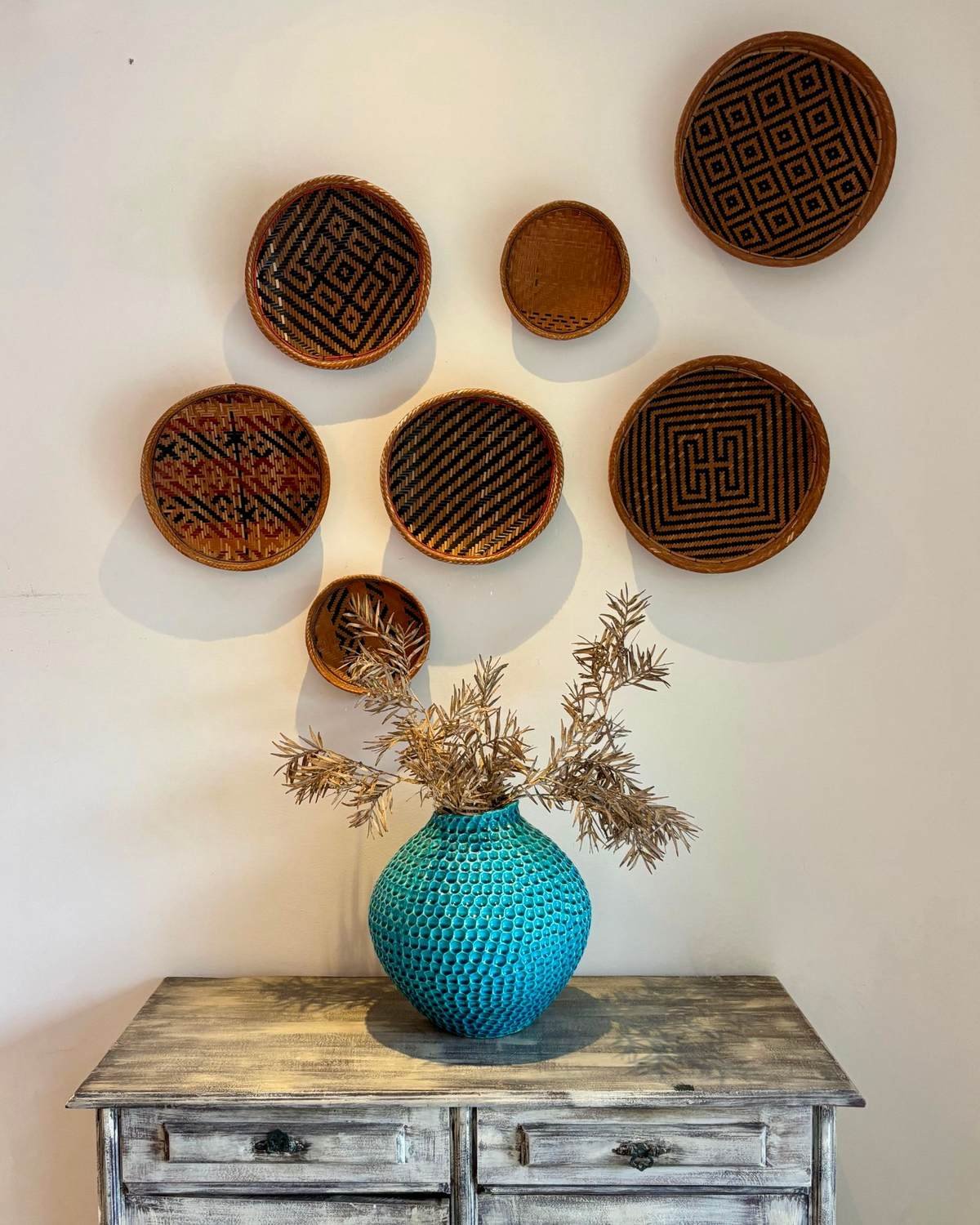
Baskets and trays hide clutter and add texture. A tray on the coffee table corrals remotes, a candle and a plant. A basket by the door catches shoes. A row of baskets on a shelf hides everything from chargers to toys.
Woven baskets can even become wall decor, like in the photo above. Dollar stores and thrift stores are great sources; see our Dollar Tree organization hacks for small spaces for ideas.
Cost: $2 to $25 each. Choose two or three basket styles for the whole home so everything looks related. Baskets are a budget decorating essential, because they style and organize at the same time.
19. Add a Rug
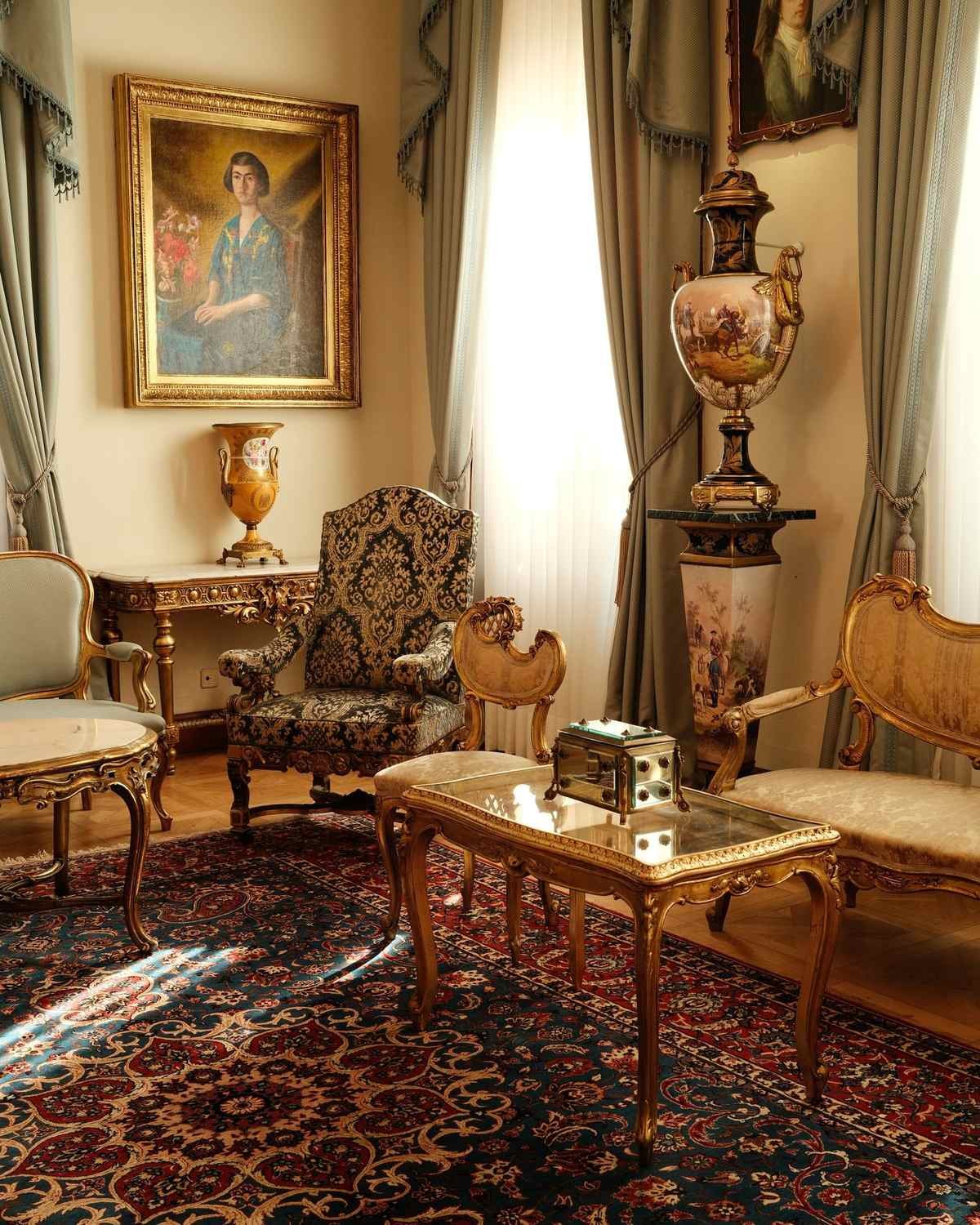
A rug pulls a room together and makes it feel warm. In a living room, choose a rug big enough for at least the front legs of all the seating.
Vintage and vintage-style rugs hide stains and wear. Look for washable vintage-style rugs, and check estate sales for real wool rugs at a fraction of retail prices.
Cost: $60 to $200. A rug is often the biggest single purchase in budget home decorating, so measure first and use painter’s tape on the floor to test the size before you buy.
20. Slipcover an Old Sofa
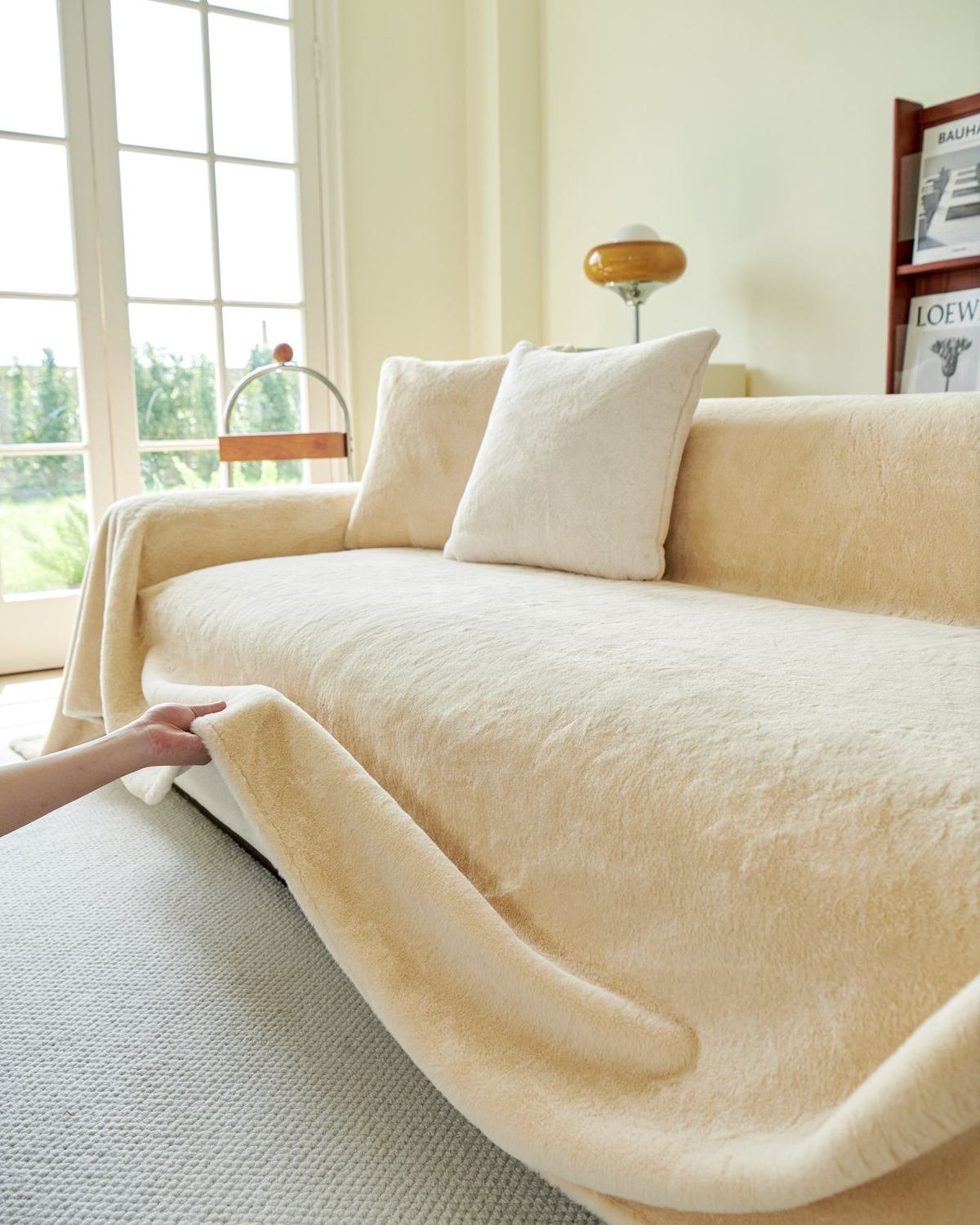
A new sofa is one of the biggest decorating costs. A slipcover can make an old or mismatched sofa look fresh for far less.
A stretch sofa slipcover in a neutral color fits most shapes. Tuck the extra fabric firmly into the cushions for a tailored look, and add a throw and a few pillows on top.
Cost: $30 to $80. Wash the slipcover before the first use and iron the skirt for a crisp look. A slipcover is one of the best ways to decorate for less, because a new sofa can cost ten times as much.
21. Shop the Dollar Store for Candle Holders and Vases
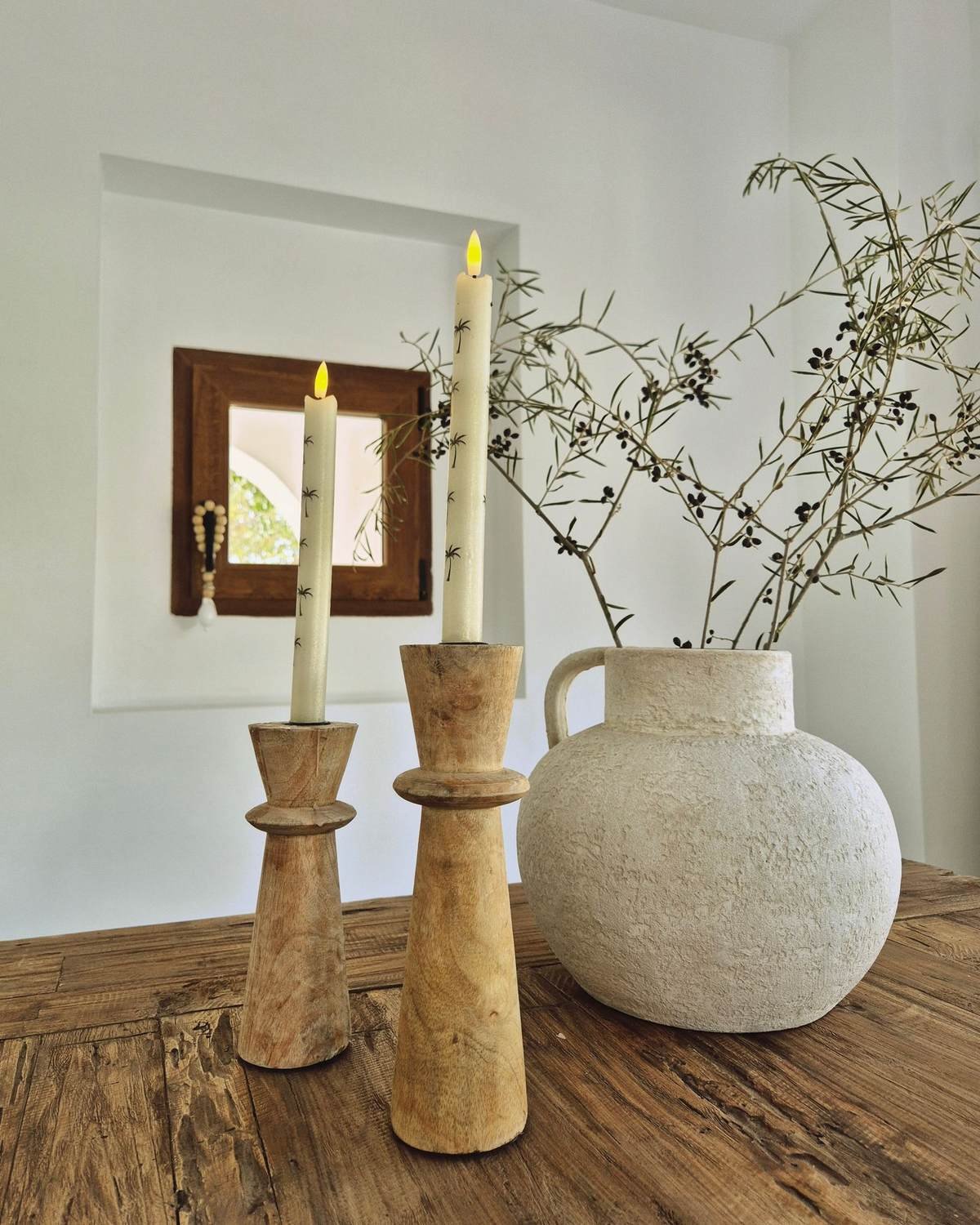
Glass vases, candle holders, jars and trays from the dollar store cost about $1.25 each. Group them in odd numbers, spray paint them one color or fill them with candles, branches and stems.
Simple wooden candlesticks and white pillar candles look elegant on any table or mantel.
Cost: $1.25 each. Buy in threes and mix heights for a styled look. The dollar store is a secret weapon of budget home decorating, especially for glass, candles and simple trays.
22. Find Books at Library Sales
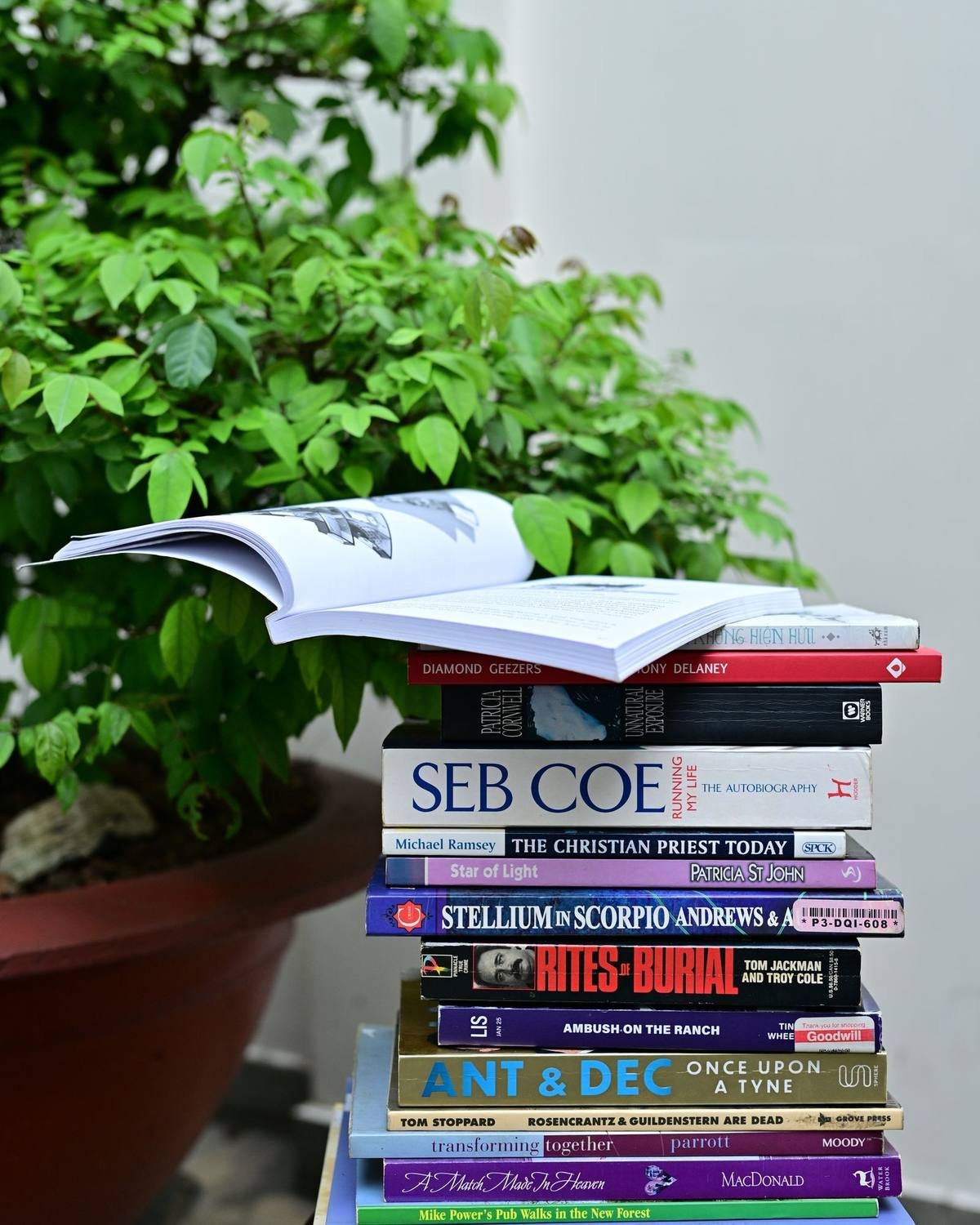
Books add color, height and personality to shelves and coffee tables. Library sales, thrift stores and yard sales sell books for under $1.
Look for big art, travel, design and cookbook titles for coffee tables, and old hardcovers with pretty spines for shelves.
Cost: $0.25 to $2 each. Remove bright dust jackets to show plain linen covers underneath for a calm look. Books are a classic budget decorating accessory with real personality.
23. Make the Bed Look Expensive

A well-made bed makes a whole bedroom look styled. White or neutral bedding looks fresh and expensive. Add a duvet, a quilt folded at the foot, four pillows and a throw.
Tuck sheets tightly and iron or steam the pillowcases if you have time. A plain bed with crisp layers looks better than an expensive bed with messy bedding.
Cost: $50 to $150 for a neutral duvet and quilt. Wash new bedding before use so it softens. A styled bed is a simple way to decorate for less, because the bed is the biggest piece in the room.
24. Buy Grocery-Store Flowers
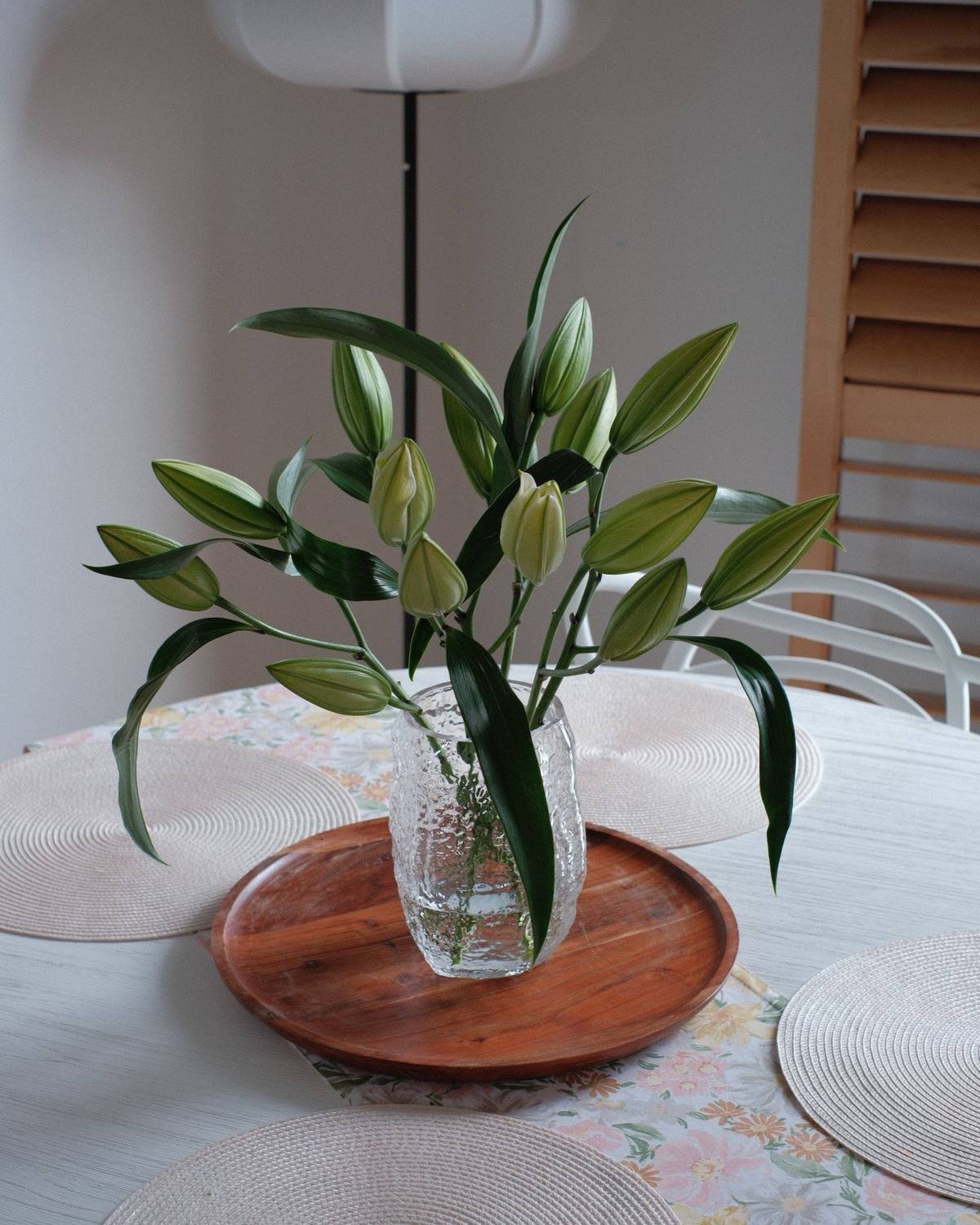
Fresh flowers make any room feel special. Grocery stores sell bouquets for $5 to $15. Split one bouquet into several small vases and place them around the home.
Long-lasting choices include alstroemeria, carnations, chrysanthemums and eucalyptus.
Cost: $5 to $15 a week. Trim stems at an angle and change the water every two days to make flowers last longer. A weekly bouquet is a small luxury that fits any budget home decorating plan.
25. Edit and Declutter

The cheapest decorating trick of all is taking things away. Clear surfaces, remove anything broken or unloved and give every item a home.
A calm, edited room shows off your best pieces. If you feel stuck, our guide on how to declutter when overwhelmed breaks it down into small steps.
Cost: $0, and you may even earn money by selling what you do not need. Use that money for one great piece. Decluttering is the most powerful budget home decorating step of all.
Where to Shop for Cheap Home Decor
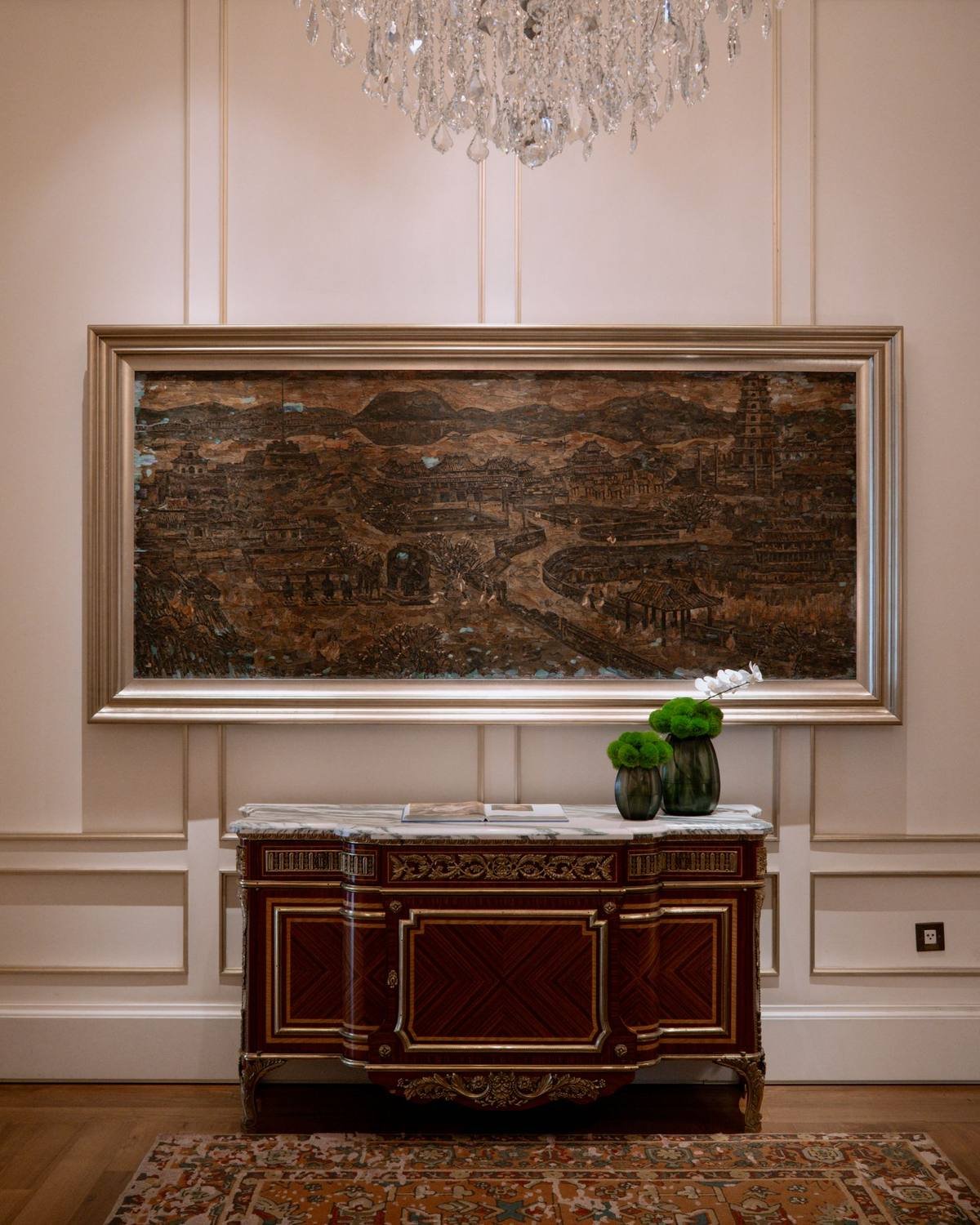
Smart budget home decorating means knowing where to look.
- Thrift stores: Best for frames, lamps, baskets, vases, books and solid wood furniture.
- Estate sales: Best for quality furniture, rugs, art and vintage pieces, especially on the last day when prices drop.
- Online marketplaces: Best for big pieces like sofas, dressers and mirrors. Search often and act fast.
- Dollar stores: Best for glass vases, candle holders, trays, frames and organizing bins.
- Discount home stores: Best for pillow covers, throws, rugs and curtains.
- Your own home and friends: Swap decor with friends, and always shop your home first.
Tip: Shop with a list and measurements. Know the size of your walls, windows and floors before you go.
Timing matters too. Discount home stores mark down seasonal decor right after each holiday, and many thrift stores restock on weekday mornings. College move-out weeks in May and June are a gold mine for cheap furniture, lamps and mirrors. Shopping at the right time is an easy way to decorate for less without lowering your standards.
A Simple Budget Home Decorating Plan Room by Room
Living room: Rearrange, add two lamps, hang curtains high, add a rug and pillow covers, style the coffee table with a tray, a plant and books.
Bedroom: Make the bed with neutral layers, add a lamp on each nightstand, hang one large art piece above the bed and add a small rug.
Kitchen: Swap the hardware, clear the counters, add a wooden board, a plant and a bowl of fruit.
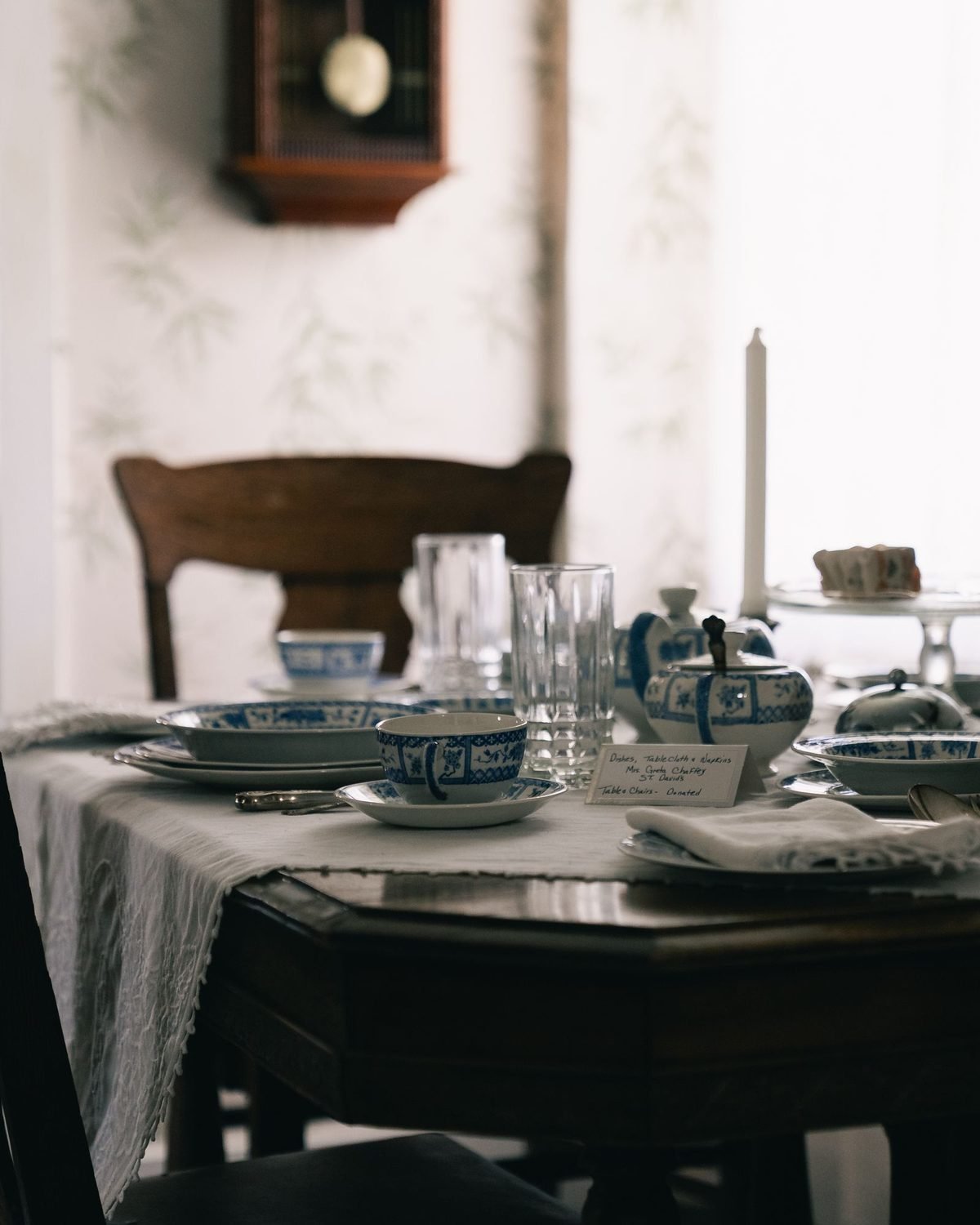
Dining area: Add a pendant or a pair of candlesticks, a runner and a vase of grocery-store flowers.
Entry: Add a mirror, a hook, a small basket for shoes and a lamp or battery light.
For more room-by-room ideas for renters, see our small apartment decor on a budget guide and our renter-friendly decor ideas.
Budget Home Decorating Mistakes to Avoid
Buying everything at once. Filling a room in one weekend often leads to pieces you regret. Decorate slowly.
Buying cheap furniture that breaks. Flat-pack pieces that wobble cost more over time than good used pieces.
Tiny rugs and short curtains. Both make a room look smaller and cheaper. Go bigger and longer.
Too many small accessories. Lots of little things look like clutter. Choose fewer, larger pieces.
Ignoring lighting. Lamps change everything, and they are cheap.
No color plan. Without a palette, bargain finds clash. Choose three colors and stick to them.
Skipping the measuring tape. A sofa that will not fit through the door or a rug that is too small is money wasted. Measure twice before you buy anything big.
Budget Home Decorating FAQ
How can I decorate my home with no money?
Shop your own home, rearrange furniture, declutter, forage branches, grow plant cuttings and frame free art. These budget home decorating ideas cost nothing.
What is the cheapest way to make a home look expensive?
Hang curtains high and wide, add a large mirror, use warm lamps, choose larger art and keep surfaces uncluttered.
How much should I spend decorating a room?
It depends on your income, but a small room can be transformed for $100 to $300 using these budget home decorating ideas.
Where can I find cheap home decor?
Thrift stores, estate sales, online marketplaces, dollar stores and discount home stores are the best sources.
Is budget home decorating renter friendly?
Yes. Most ideas, like rugs, curtains, lamps, pillow covers, plants, mirrors and peel-and-stick wallpaper, are temporary and move with you.
Final Thoughts

Budget home decorating is about creativity, patience and smart choices, not about how much you spend. Start with what you have, edit what you do not love, and add pieces slowly.
Pick three ideas from this list to try this month. Rearrange a room, hang your curtains higher and swap a lampshade. You will be amazed how much a few small changes can do.
Save this guide for your next decorating project, and share it with a friend who wants a beautiful home for less.