

How to Declutter When Overwhelmed: 12 Simple Steps to Start
Disclosure: This post contains affiliate links. As an Amazon Associate I earn from qualifying purchases. If you buy through these links, I may earn a small commission at no extra cost to you. Read our full disclaimer.
You open a closet, see the piles, and close it again. You look at the counter, the chair covered in clothes and the bags in the corner, and you do not even know where to begin. That frozen feeling is common, and it is not a sign that you are lazy or bad at keeping house. It is a sign that the job feels too big. Learning how to declutter when overwhelmed is really about making the job small enough to start.
The steps below work in a studio apartment, a family house or a shared rental. They do not require a free weekend, a big budget or a minimalist personality. They only ask you to start small, keep decisions simple and stop before you burn out.
This guide breaks decluttering into 12 gentle steps you can do in short bursts, even on low-energy days. You will also find a 7-day starter plan, easy wins room by room, tips for days when your energy is low, a short list of helpful tools, the most common mistakes and answers to common questions. When you are ready for a full list of spaces to tackle, our declutter checklist room by room picks up where this post leaves off.
Quick answer: To declutter when overwhelmed, start with five minutes and a timer, pick one tiny area such as a single drawer, and grab a trash bag first. Clear dishes and laundry, sort items into keep, donate, trash and relocate, and begin with easy categories like expired products and extra towels. Use a maybe box for hard decisions, get donations out within 48 hours, leave sentimental items for last and finish each day with a short reset.
The 12 steps at a glance:
- Get started: 1. Five minutes and a timer, 2. One tiny area, 3. Trash first
- Quick relief: 4. Dishes and laundry, 5. The four-box method
- Make decisions easier: 6. Easy categories first, 7. Simple questions, 8. A maybe box
- Keep momentum: 9. Donations out in 48 hours, 10. The room you see most
- Finish strong: 11. Sentimental items last, 12. A daily reset
Why Clutter Feels So Overwhelming

Clutter is not just stuff on the floor. Every object you can see is a tiny unfinished decision: put it away, fix it, return it, use it or let it go. When there are hundreds of those decisions in one room, your brain reads the whole space as one giant, impossible task.
That is why a messy home can feel tiring even when you are sitting still. Visual noise competes for your attention. You might notice that it is harder to relax, focus or sleep when the room around you is crowded.
Clutter also tends to grow during hard seasons. A new job, a new baby, a move, an illness or a stretch of low mood can all push tidying to the bottom of the list. By the time life calms down, the piles look too big to face.
The key thing to know is this: you do not have to solve the whole problem at once. Knowing how to declutter when overwhelmed starts with shrinking the task until it feels almost too easy. Small wins build momentum, and momentum is what gets a home back under control.
Before You Start: Lower the Bar

Before you touch a single item, adjust your expectations. The goal today is not a perfectly organized home. The goal is a little less stuff and a little more space than you had this morning.
Give yourself permission to do it badly. A half-cleared drawer is better than a perfect plan you never start. A single bag of trash out the door is real progress. If you only manage five minutes, that still counts.
It also helps to skip the shopping. Many people facing clutter feel the urge to buy bins and baskets first. Hold off. Organizing products are useful later, but buying them now often adds more things to manage. Declutter first, then see what storage you actually need.
Finally, decide when you will stop. Choose a time limit or one small area, and stop when you reach it, even if you feel like doing more. Ending while you still have energy makes it much easier to come back tomorrow. That small promise is the foundation of how to declutter when overwhelmed without burning out.
Write your plan in one sentence, such as “Tonight I will clear the bathroom counter for ten minutes.” A specific, tiny plan is much easier to follow than a vague goal like “get organized.” Put it somewhere you will see it, such as a sticky note on the mirror or a reminder on your phone.
12 Steps for How to Declutter When Overwhelmed
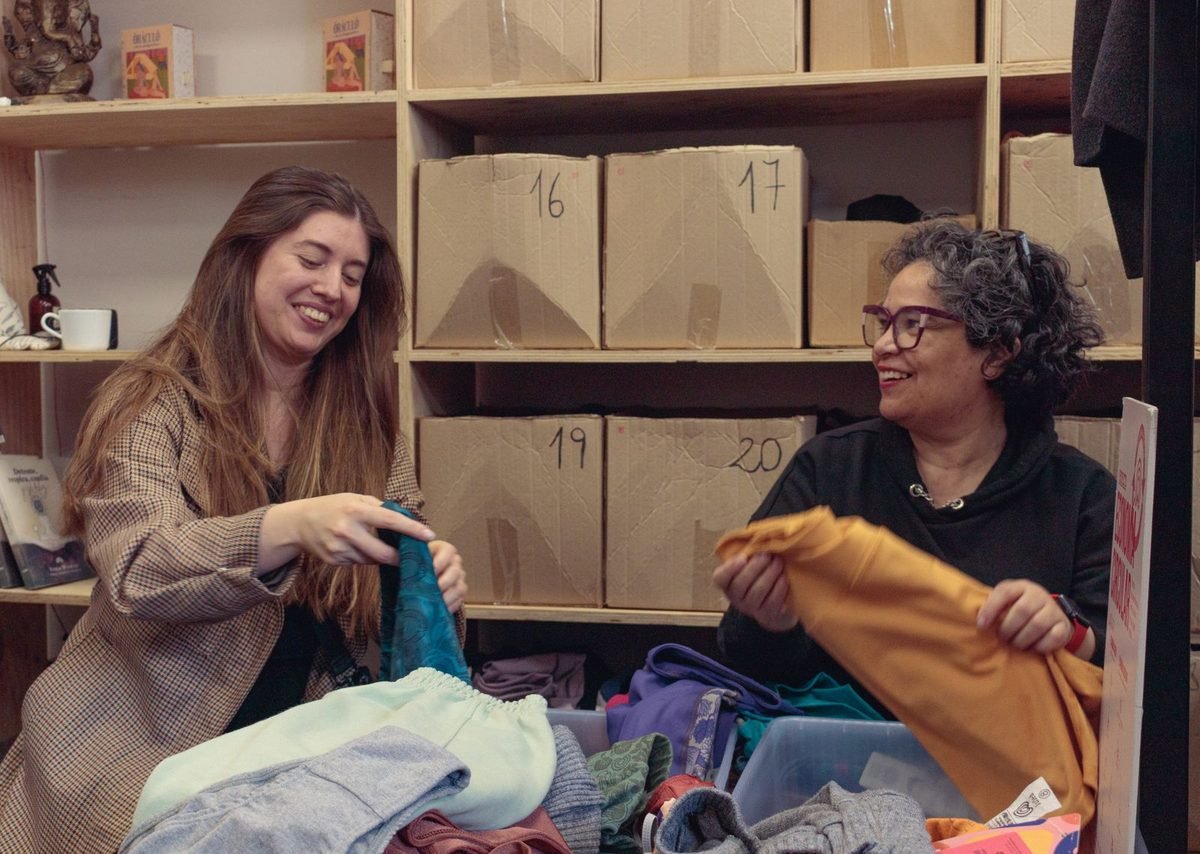
These steps are designed for real life: tired evenings, busy weekends and days when motivation is low. You can follow them in order, or pick the one that feels easiest today. Each step builds a little confidence for the next one.
If you feel stuck, start with steps 1, 2 and 3. Those three alone will get you moving. Once you have a few small wins, the rest of the steps help you make faster decisions and keep the clutter from coming back.
1. Start With Five Minutes and a Timer
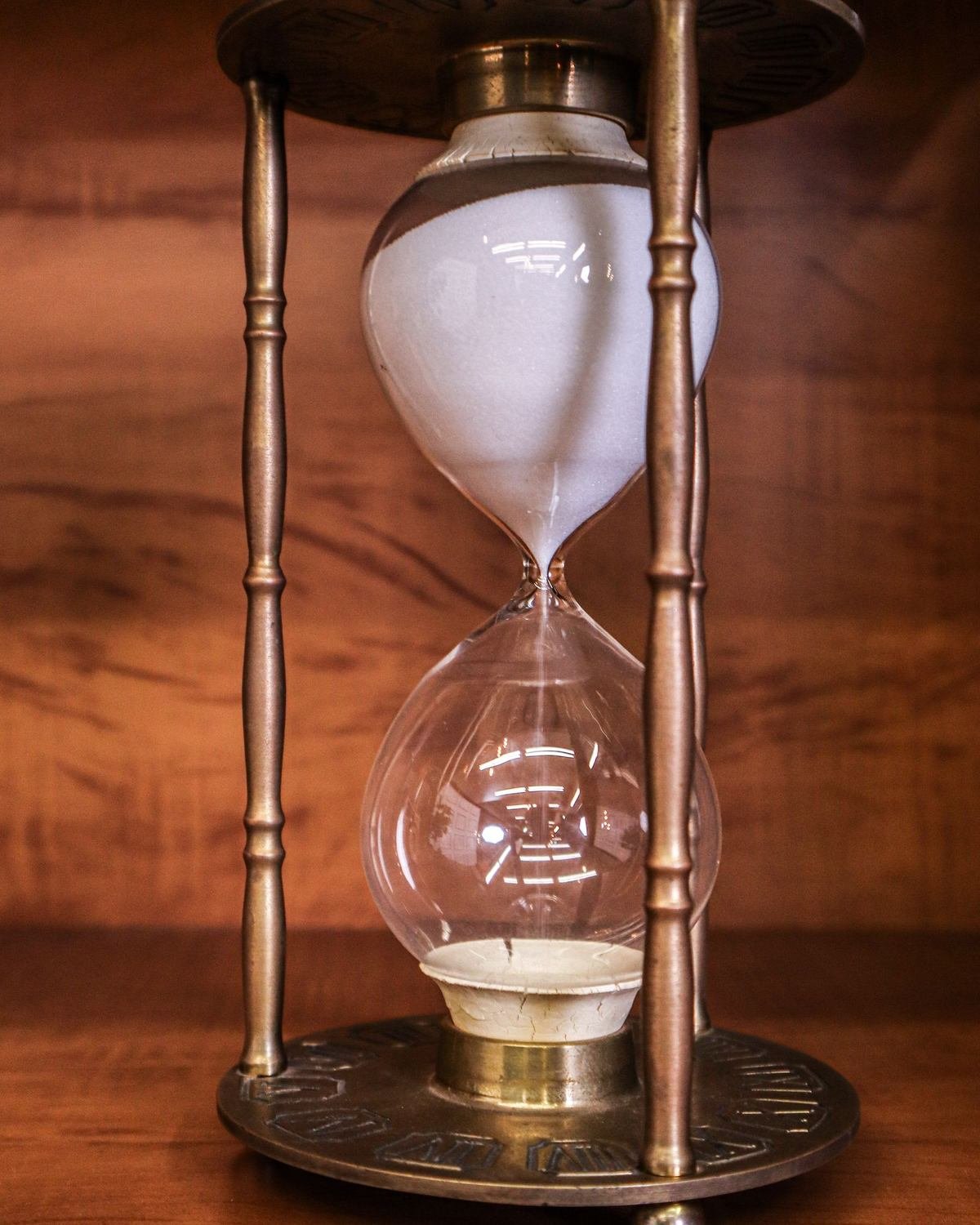
The hardest part of decluttering is starting. A timer makes starting easier because it puts a clear end on the task. Telling yourself “I will declutter for five minutes” feels far less scary than “I will clean the whole apartment.”
Set a timer on your phone, a kitchen timer or a visual timer and work until it rings. Then you can stop, guilt-free. Often, you will want to keep going once you start, and that is great. But the promise of stopping is what gets you off the sofa.
Try one five-minute session every day for a week. Thirty-five minutes of decluttering spread over seven days can clear a surprising amount, and it trains your brain to see decluttering as a small, normal part of the day.
Pair the timer with a cue you already have. Declutter for five minutes while the coffee brews, while dinner is in the oven or right after you get home from work. Linking the session to an existing routine makes it far more likely to happen on busy days.
2. Pick One Tiny Area

Do not start with “the bedroom.” Start with the nightstand drawer. Do not start with “the kitchen.” Start with the utensil drawer or one shelf of the fridge. A tiny area has clear edges, so you can see when you are done.
Finishing something small gives you a quick sense of accomplishment. Each time you open that clean drawer, you get a small reminder that progress is possible. That feeling matters a lot when you are figuring out how to declutter when overwhelmed.
Good tiny areas to start with include a single drawer, the bathroom counter, the top of the dresser, one kitchen cabinet, your purse or backpack, or the passenger seat of your car. Pick the one that bothers you most and that you use every day.
3. Grab a Trash Bag First

The easiest decisions are about obvious trash. Empty wrappers, old receipts, dried-up pens, broken items, junk mail and expired coupons do not need any thought. They just need a bag.
Grab a trash bag and a recycling bag and walk through one room picking up only obvious trash. Do not sort, organize or make hard choices yet. This step alone can make a room look noticeably better in ten minutes.
Clearing trash first also builds momentum. You start with zero-effort decisions, so your brain warms up before it has to tackle harder ones. Tie the bag and take it out right away so it does not become another pile.
If you live in a small apartment, keep a roll of bags in an easy spot, such as under the kitchen sink or in a basket by the door. When the bags are handy, you are more likely to grab one for a quick sweep of the room every few days.
4. Clear Dishes and Laundry Next

Dirty dishes and laundry are not really clutter, but they make clutter feel much worse. A sink full of dishes and a chair full of clothes add to the sense that everything is out of control.
Load or wash the dishes and gather every piece of clothing into the hamper or washer. Clean clothes go back into drawers or onto hangers. You will be amazed at how much calmer a room feels once those two piles are gone.
This step gives you quick visual relief before you start making keep-or-toss decisions. It also clears space to work, such as a free counter or an empty bed where you can sort items in the next step.
5. Use the Four-Box Method

The four-box method is a classic decluttering tool because it makes every decision simple. Set up four boxes or bags and label them: Keep, Donate, Trash and Relocate.
Pick up one item at a time and put it into one of the four boxes. Keep is for things you use and love. Donate is for items in good condition that you no longer need. Trash is for broken or worn-out things. Relocate is for things that belong in another room.
Do not walk the relocate items to other rooms one at a time, because that is how you get distracted. Finish the area first, then take the whole relocate box around the house at the end. A set of collapsible storage bins works well for this and folds flat afterward.
6. Start With Easy Categories

Some categories are much easier to declutter than others because they carry little emotion. Starting with those builds your decision-making muscle before you face harder items.
Easy categories include expired food, old medicine (check your local guidance for safe disposal), expired makeup and skincare, extra towels and sheets, mismatched food containers, duplicate kitchen tools, old magazines, takeout menus, old cords and chargers for devices you no longer own, and worn-out socks.
Clearing these categories often frees up a surprising amount of space. Once the linen closet or the kitchen drawer has breathing room, you will feel more confident moving on to clothes, books and other personal items.
7. Ask Yourself Simple Questions

When you are tired, every decision feels heavy. A few simple questions can speed things up and keep you from second-guessing every item:
- Have I used this in the past year?
- Would I buy this again today?
- Do I have another one that does the same job?
- Is it broken, stained or missing parts?
- Am I keeping it only because I feel guilty?
- Do I have a place to store it?
If the answers point toward letting go, put it in the donate or trash box and move on. Do not argue with yourself for minutes over a single item. Speed matters when you are learning how to declutter when overwhelmed, because long debates drain the energy you need for the rest of the pile.
8. Use a Maybe Box for Hard Decisions

Some items are just hard to decide on. Instead of freezing, put them in a maybe box. Write the date on it, seal it and store it in a closet or under the bed.
If you have not opened the box in three to six months, you probably do not need what is inside. At that point, you can donate the whole box without looking, or quickly go through it with fresh eyes. Most people find it much easier to let things go after some time apart.
The maybe box keeps you moving. It removes the fear of making the wrong choice, which is often what stops people from decluttering at all. Just keep it to one box so it does not become a storage unit for indecision.
Put a reminder in your phone calendar for the date you plan to review the box. When the reminder pops up, give yourself ten minutes to decide. Anything you did not miss can go straight to donation.
9. Get Donations Out Within 48 Hours

A bag of donations sitting by the door is still clutter. The longer it stays, the more likely you are to dig through it and take things back. Set a rule: donations leave the house within 48 hours.
Put the bag in your car trunk right away, or schedule a pickup with a local charity. Many thrift stores and charities accept drop-offs, and some offer free pickup for larger loads. Clothing that is too worn to wear can often go to textile recycling instead of the trash. The EPA’s textiles data page shows how much fabric ends up in landfills, which is a good reason to donate or recycle when you can.
Getting items out quickly also gives you a real, visible result. An empty corner where the donation bags were is one of the most satisfying moments in the whole process.
10. Focus on the Room You See Most
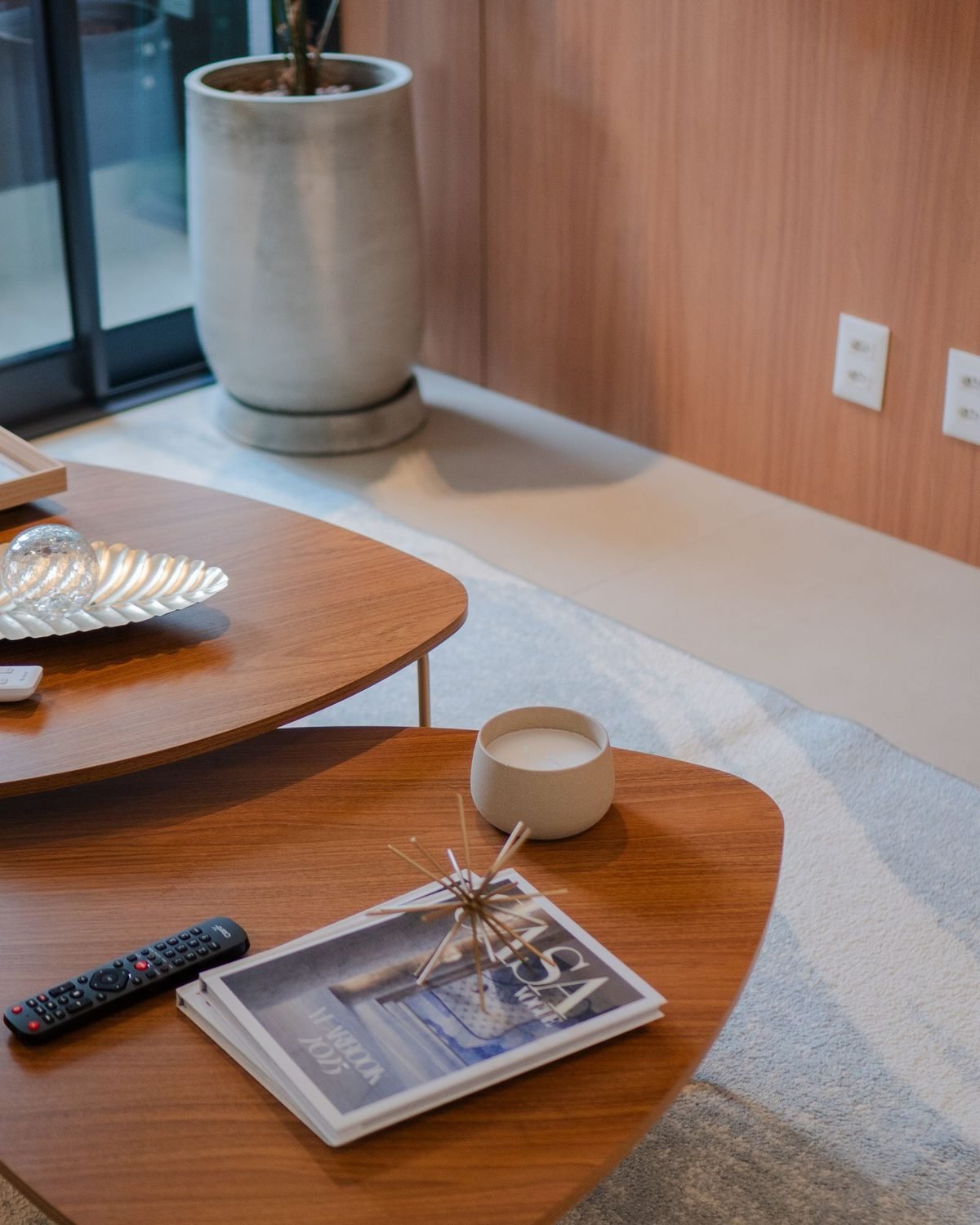
Once you have some momentum, choose the room you spend the most time in or see first when you come home. For many people, that is the living room, the kitchen or the bedroom.
Decluttering that space first gives you the biggest emotional payoff. You will feel the difference every single day, which keeps you motivated. A clear living room or kitchen also makes the rest of the home feel more manageable, even if other rooms still need work.
Work in zones within that room: the coffee table, then the TV stand, then the bookshelf, then the floor. Small zones keep you from bouncing around the room and losing focus. This zone approach is the heart of how to declutter when overwhelmed in a bigger space.
11. Save Sentimental Items for Last

Photos, letters, kids’ artwork, gifts and family items are the hardest things to declutter. They come with memories, guilt and emotion. That is why they should come last, after you have practiced on easier categories.
When you are ready, go slowly. Keep the pieces that bring you joy or tell a meaningful story, and let go of duplicates and items you kept only out of obligation. Take photos of bulky items, such as old trophies or kids’ projects, so you keep the memory without the space.
Choose one special container for sentimental items, such as a photo storage box or a keepsake bin. When it is full, that is your limit. A clear limit makes hard decisions easier because you are choosing your favorites, not throwing things away.
12. Build a Daily Reset So It Stays Clear

Decluttering once is great. Keeping it that way is better. A short daily reset helps you hold onto the progress you have made.
Spend 10 minutes each evening putting things back where they belong, clearing surfaces and handling dishes. Add a simple rule for new things: when something new comes in, something old goes out. That keeps the amount of stuff in your home from creeping back up.
Over time, the daily reset becomes a habit, and your home stays calmer with very little effort. Many people also add a monthly ten-minute edit of one drawer or shelf, which catches clutter before it grows into another overwhelming pile. If you want help building that habit in a small space, our guide to a realistic cleaning schedule shows how to fit short tasks into a busy week.
A 7-Day Decluttering Plan for Overwhelmed Beginners

If you like a clear plan, try this one-week starter routine. Each day takes about 15 minutes, and none of them require big decisions.
- Day 1: Walk through your home with a trash bag and collect obvious trash.
- Day 2: Clear all dishes and laundry, and put clean clothes away.
- Day 3: Declutter one kitchen drawer and toss expired food from one fridge shelf.
- Day 4: Clear the bathroom counter and toss expired products.
- Day 5: Pull 10 items from your closet to donate.
- Day 6: Clear one surface you see every day, such as the coffee table or the entry table.
- Day 7: Take your donation bag out of the house and rest.
At the end of the week, you will have cleared trash, handled the daily mess, opened up a few key spaces and donated a bag of items. That is real progress, and it shows you exactly how to declutter when overwhelmed without losing a weekend. If you want to keep going for a full month, our January organization challenge gives you a task for every day.
What to Declutter First: Easy Wins by Room

Not sure where to look? These easy wins work in almost any home and make a visible difference fast. Each one takes 10 to 20 minutes.
Kitchen

- Expired food in the fridge, freezer and pantry
- Food storage containers with missing lids
- Duplicate utensils, like a third spatula or extra can openers
- Mugs and cups you never use
- Old takeout menus, sauce packets and plastic cutlery
The kitchen is one of the most rewarding places to start because you use it every day. Once the drawers close easily, cooking gets faster and cleanup is easier. For more ideas once the clutter is gone, read our tips on how to organize a small kitchen.
Bathroom

- Expired makeup, sunscreen, medicine and skincare
- Nearly empty bottles and travel-size products you never use
- Old toothbrushes, hair ties and worn-out loofahs
- Extra towels that are thin or stained
- Hair tools you no longer use
Bathrooms are small, so a few minutes of decluttering makes a big visual difference. Keep only what you use daily on the counter and give everything else a basket or drawer.
Closet

- Clothes that do not fit or that you have not worn in a year
- Items with stains, holes or broken zippers
- Shoes that hurt your feet
- Duplicate basics, like ten black T-shirts when you wear three
- Old bags and accessories you never reach for
A simple trick: turn all your hangers backward. When you wear something, hang it back the normal way. After six months, you will see exactly what you never wear. Our guide on how to organize a small closet with lots of clothes helps once you have trimmed it down.
Living Room

- Books you have read and will not read again
- DVDs, old games and outdated electronics
- Throw pillows and blankets beyond what you use
- Decor items you no longer like
- Cords, remotes and chargers for devices you no longer own
The living room is where clutter often hides in plain sight. Clear the coffee table and TV stand first, since those surfaces shape how the whole room feels.
Paper Clutter

- Junk mail, flyers and catalogs
- Old receipts you do not need for returns or taxes
- Manuals you can find online
- Expired coupons and old event tickets
- Duplicate documents and outdated statements
Paper builds up fast and feels heavy because it often involves tasks like bills or forms. Set up one folder for action items and one simple file for documents you must keep. Recycle the rest, and shred anything with personal details.
To stop paper from piling up again, open mail next to the recycling bin and handle each piece right away. Switch to paperless statements where you can, and keep a single tray for papers that need action this week.
When Your Energy Is Low

Some days, even five minutes feels like too much. That is okay. Decluttering is not a race, and low-energy days do not erase your progress.
On those days, pick the smallest possible task. Throw away three pieces of trash. Put one item back where it belongs. Clear one corner of the counter. These tiny actions still move you forward and keep the habit alive.
It can also help to declutter with company. Ask a friend to sit with you while you sort, or call someone and declutter while you chat. Some people find “body doubling” makes it easier to stay focused. Music, a podcast or a favorite show in the background can make the work feel lighter too.
You can also track wins instead of tasks. Write down each small thing you finished, such as “cleared the nightstand” or “dropped off donations.” Looking back at that list on a hard day is a powerful reminder that you are making progress, even when the house is not finished.
If clutter feels connected to depression, anxiety, ADHD or grief, be extra gentle with yourself. Short sessions and simple systems work best. If the clutter feels impossible to manage or is affecting your health and safety, consider talking with a doctor, a therapist or a professional organizer. Asking for help is a smart step, not a failure.
Helpful Tools That Make Decluttering Easier
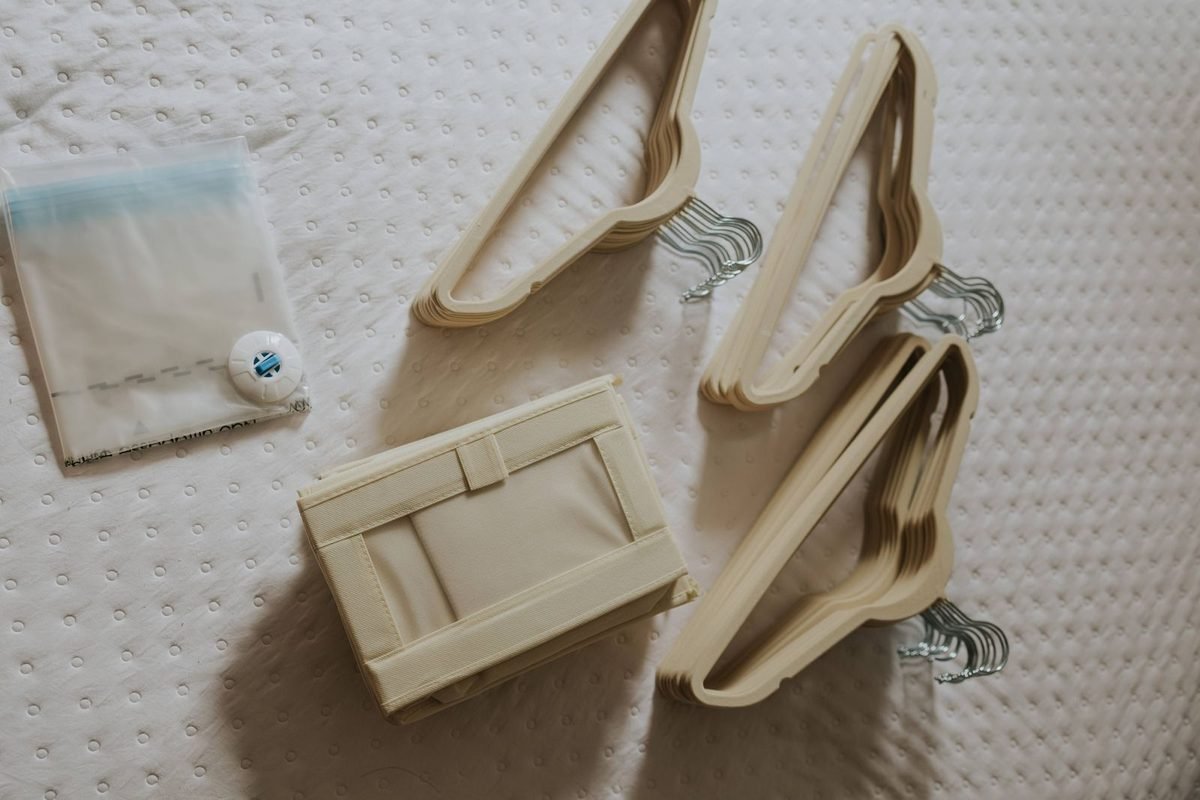
You do not need much to declutter, but a few simple tools make the process smoother. Buy these only after you have started, so you know what you really need.
- Heavy-duty trash bags for trash and donations
- Collapsible storage bins for the four-box method
- A visual timer for short, focused sessions
- A simple label maker for bins and shelves once you organize
- Clear storage bins with lids for seasonal items
- A small home shredder for paper clutter
- A notebook or phone note to track progress and wins
Remember that tools support decluttering, but they do not replace it. Clear bins are great for storing what you keep, but only after you have decided what stays. For budget storage ideas once you are done, browse our small apartment storage ideas on a budget.
Common Decluttering Mistakes to Avoid

Even with the best intentions, a few common mistakes can slow you down or make clutter come back. Watch out for these:
- Starting too big. Tackling a whole garage or closet on day one leads to burnout. Start tiny.
- Buying storage first. Bins can hide clutter instead of reducing it. Declutter first.
- Pulling everything out at once. Emptying a whole room creates a bigger mess and more stress if you run out of time.
- Keeping donations too long. Bags by the door tend to get unpacked. Get them out within 48 hours.
- Starting with sentimental items. These are the hardest decisions. Save them for last.
- Decluttering other people’s things. Focus on your own stuff first. Others are more likely to join in when they see results.
- Expecting perfection. Progress is the goal. A little less stuff is a win.
If you catch yourself making one of these mistakes, simply adjust and keep going. Every small step counts when you are working out how to declutter when overwhelmed.
It also helps to notice what tends to trigger new clutter in your home. Maybe it is impulse online shopping, free samples or gifts you feel obligated to keep. Once you spot the pattern, you can set a simple rule, such as waiting 48 hours before buying non-essentials, that keeps clutter from piling up again.
How to Declutter When Overwhelmed: FAQ
Where should I start decluttering when I feel overwhelmed?
Start with one tiny area you use every day, such as a single drawer, the bathroom counter or the coffee table. Begin with obvious trash, set a five-minute timer and stop when it rings.
How long does it take to declutter a whole home?
It depends on the size of your home and how much you own. With short daily sessions, many people make big progress in a few weeks. Focus on steady progress rather than a deadline.
What should I get rid of first?
Start with obvious trash, expired food, expired products, duplicates and items that are broken or worn out. These decisions are easy and free up space quickly.
How do I declutter when I have no motivation?
Lower the bar. Commit to five minutes or three items. Use a timer, play music or declutter with a friend. Motivation often shows up after you start, not before.
How do I keep clutter from coming back?
Do a 10-minute daily reset, give every item a home and follow a one-in, one-out rule for new purchases. Regular small edits keep clutter from building up again.
Is it okay to declutter slowly?
Yes. Slow and steady decluttering is often more lasting than one big purge, because you build habits along the way.
Should I declutter or clean first?
Declutter first, at least a little. It is much easier to clean surfaces that are not covered in items. Start by clearing trash, dishes and laundry, then wipe down the spaces you have cleared.
What if my family does not want to declutter?
Focus on your own belongings and shared spaces you are responsible for. Calm, visible results often inspire others to join in without any pressure.
Final Thoughts

Learning how to declutter when overwhelmed is not about willpower or a perfect weekend. It is about making the job small enough to start and kind enough to keep going. Five minutes, one drawer and one trash bag are enough to begin.
This week, try steps 1, 2 and 3. Set a timer, pick one tiny area and grab a trash bag. Next week, add the four-box method and get your first donation bag out the door. Little by little, your home will feel lighter, and so will you.
Your space does not have to be perfect to feel peaceful. It just needs a little more room to breathe. When you are ready to plan a bigger move or a fresh start, our declutter checklist before moving can guide the next round.