14 Closet Shoe Organization Ideas for Small Closets
Disclosure: This post contains affiliate links. As an Amazon Associate I earn from qualifying purchases. If you buy through these links, I may earn a small commission at no extra cost to you. Read our full disclaimer.
These closet organization ideas for shoes will help you fit every pair into a small closet without the daily pile on the floor. If you’ve ever dug through a heap of sneakers to find the left boot, you already know the problem. Shoes are awkward. They’re bulky, they come in pairs and they never seem to fit on a standard closet shelf.
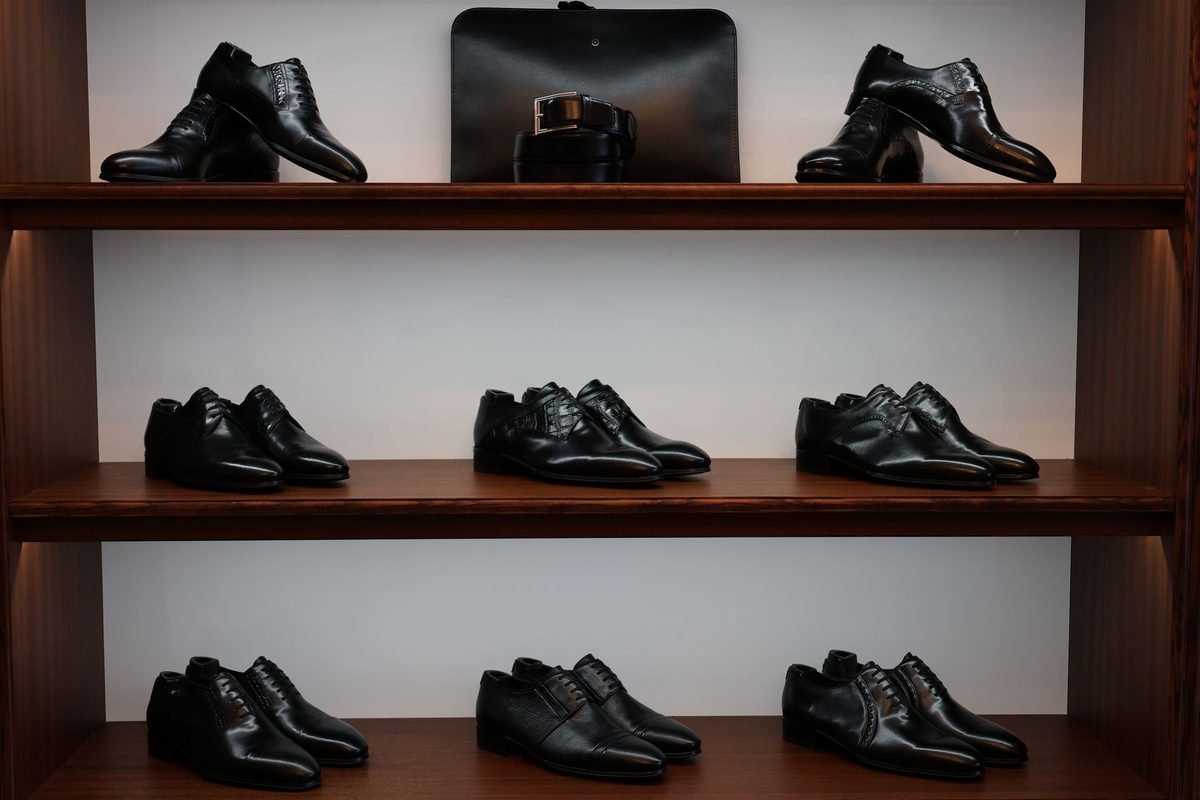
The good news is that a small closet holds a lot more shoes than you think once you use its full height, its door and the dead space under your hanging clothes. This guide focuses on what happens inside the closet. You’ll learn how to measure, which organizers fit which shoes and how to keep pairs together, clean and easy to grab.
Everything here is renter-friendly. Most ideas need no drilling, and many cost less than a takeout dinner. Pick two or three that suit your closet and you’ll notice the difference the same afternoon.
Quick answer: The best closet organization ideas for shoes are a low shoe rack on the closet floor, clear drop-front shoe boxes, an extra shelf for shoes, an over-the-door shoe organizer, the top shelf for off-season pairs, boot shapers, shoe slots that stack pairs, labeled boxes, baskets for slippers and a narrow shoe tower. Measure first, sort your shoes by how often you wear them, and give your everyday pairs the easiest spot to reach.
The 14 closet shoe organization ideas at a glance:
- Floor and shelves: 1. A low shoe rack on the closet floor, 2. Clear drop-front shoe boxes, 3. An extra shelf just for shoes, 4. An over-the-door shoe organizer, 5. The top shelf for off-season shoes
- By shoe type: 6. Boot shapers for tall boots, 7. A shelf of their own for heels, 8. Shoe slots that double a shelf, 9. Photo labels on sneaker boxes, 10. A basket for slippers and flip-flops
- Hidden space: 11. A narrow shoe tower in the corner, 12. The space under short hanging clothes, 13. A fabric shelf organizer for flats, 14. A front-row spot for everyday pairs
Why Shoes Take Over a Small Closet

A typical reach-in closet is about 24 inches deep and 4 to 6 feet wide. That sounds roomy until you start counting shoes. One pair of women’s sneakers takes up roughly 10 by 8 inches of floor. A pair of men’s shoes needs closer to 12 by 9. Ten pairs lined up side by side can fill the entire closet floor before you’ve even thought about boots.
Here’s why shoes cause so much closet chaos:
- They live on the floor. The floor is the hardest place to see and the easiest place to toss things. Shoes end up stacked on top of each other, and pairs get split up.
- They’re odd shapes. Heels, boots, sandals and sneakers all need different heights and depths, so one kind of storage rarely fits all of them.
- They multiply quietly. Work shoes, gym shoes, rain boots, party heels and summer sandals add up fast, especially if two people share one closet.
- Closets are built for hanging. Most small closets come with one rod and one shelf. There’s no plan for shoes at all, so they get whatever space is left.
That’s why smart shoe organization starts with using the closet’s height and hidden corners, not just the floor. The 14 ideas below do exactly that, with simple tools you can take with you when you move.
Measure Your Closet Before You Buy a Thing

The fastest way to waste money on shoe storage is to buy a rack that’s an inch too wide for your closet. Spend five minutes with a tape measure before you shop, and write the numbers in your phone.
Measure these five spots:
- Floor width and depth. Measure wall to wall and from the back wall to the door frame. Note anything that sticks out, like baseboards or a door track.
- Height under the hanging clothes. Measure from the floor to the bottom of your shortest shirts and longest dresses. This tells you how tall a floor rack can be.
- Space above the top shelf. Measure from the shelf to the ceiling. Many closets hide 12 to 18 inches of empty air up there.
- The back of the door. Measure the width and height of the door, plus the gap between the door and the frame when it’s closed. Over-the-door organizers need a thin gap at the top.
- The side walls. Measure the narrow strips on either side of the rod. These are perfect for slim shoe towers or hanging organizers.
Next, count your shoes. Write down how many pairs you have in each group: sneakers, flats, heels, boots, sandals and slippers. You’ll use these numbers to pick the right closet organization ideas for shoes, instead of guessing and hoping it all fits. Good shoe organization always starts with real numbers.
14 Closet Organization Ideas for Shoes in Small Closets
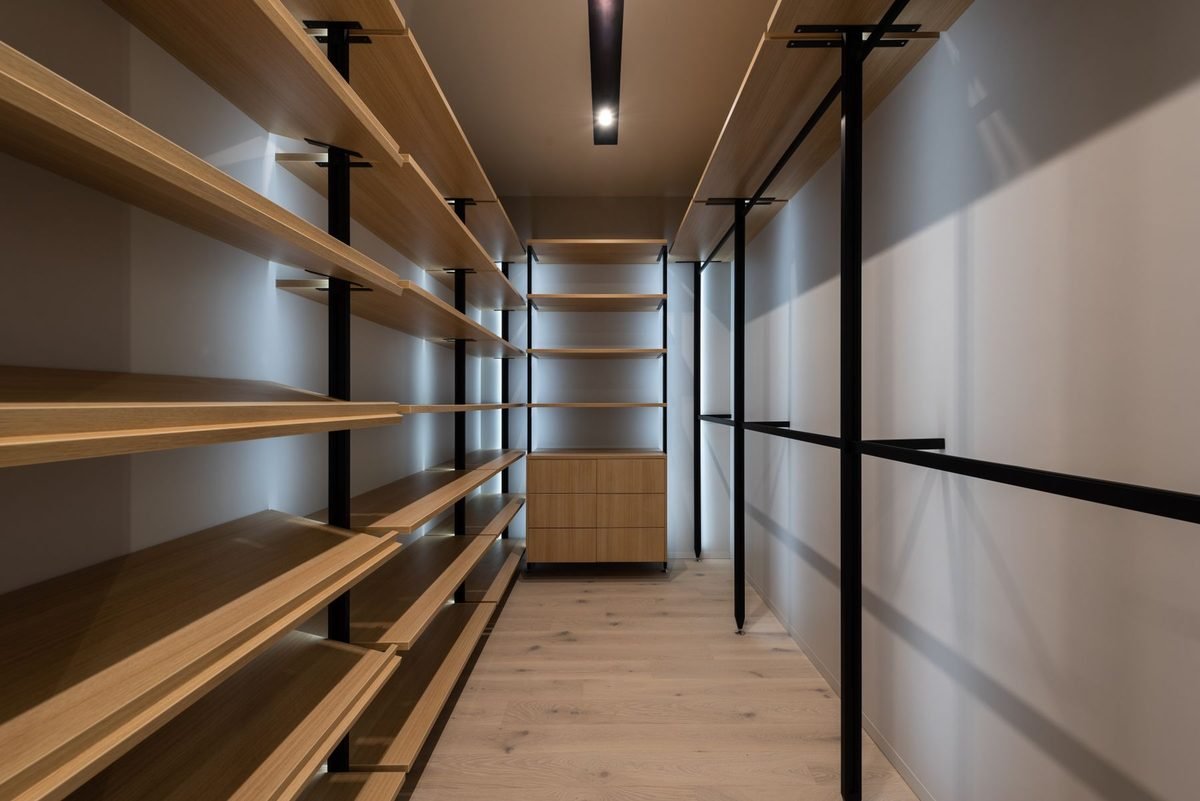
These 14 ideas move from the closet floor up to the shelves, then to specific shoe types and finally to the hidden spots most people miss. You don’t need all of them. A small closet usually works best with one main system, like a rack or boxes, plus one or two extras for boots, heels or slippers.
1. Put a Low Shoe Rack on the Closet Floor
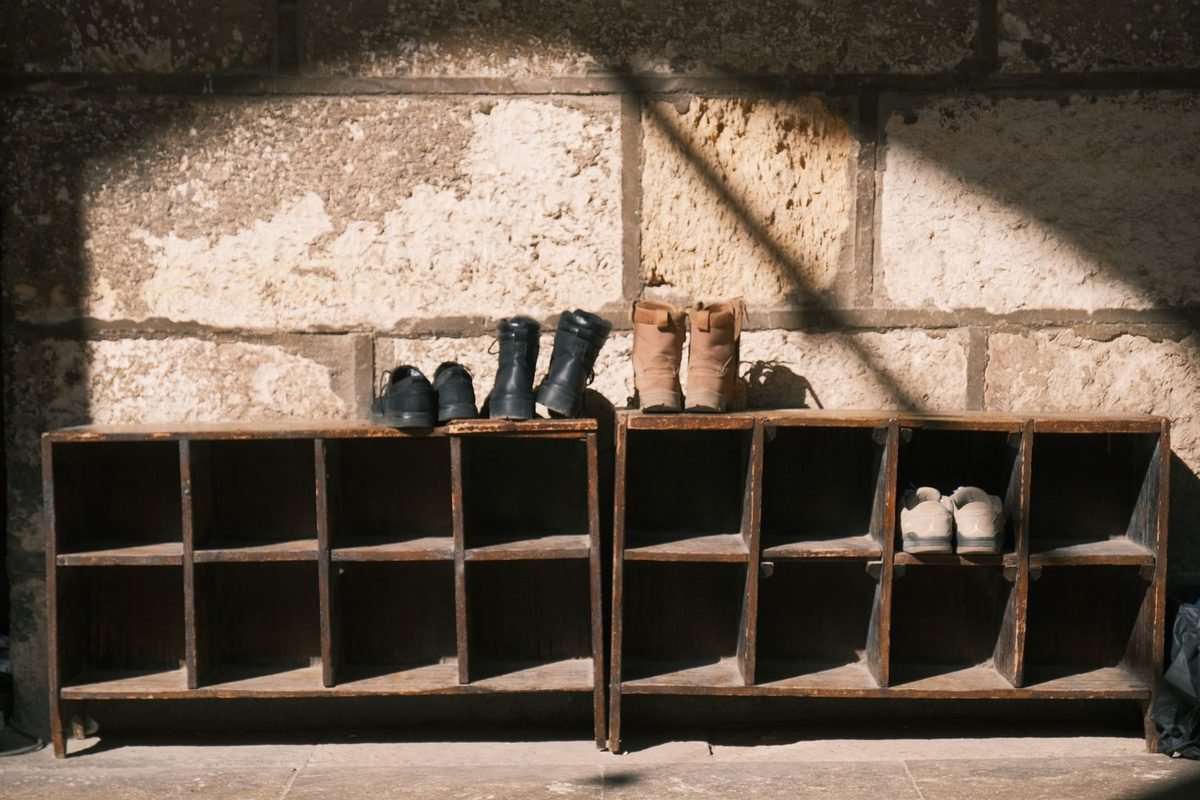
A low shoe rack is the simplest fix on this list, and it often does the most. Instead of a pile, every pair gets its own spot, and you can see your whole collection at a glance. Even a two-tier rack doubles the shoes you can fit on the same patch of floor.
Choose a rack that fits under your hanging clothes with a few inches to spare. In most closets, that means 12 to 20 inches tall. Stackable racks are great for renters, because you can add a tier later or split them into two short racks in your next apartment.
A stackable shoe rack for the closet floor with metal or bamboo shelves holds 8 to 12 pairs in a two- or three-tier setup. Wire and slatted shelves let air flow around your shoes, which helps them dry out between wears.
Tip: Put the shoes you wear most on the top tier. You’ll grab them without bending, and they won’t get buried under the rest.
2. Stack Clear Drop-Front Shoe Boxes

Clear drop-front shoe boxes are one of the most popular closet organization ideas for shoes on Pinterest, and for good reason. They stack like building blocks, keep dust off your favorite pairs and let you see every shoe without opening a lid. The front panel swings open, so you can pull out the bottom pair without taking down the whole stack.
They’re ideal for small closets because you can build up instead of out. A column of six boxes takes up the floor space of one pair but holds six. Stack them along a side wall, under hanging clothes or on a high shelf.
Try a set of clear drop-front shoe boxes. Check the inside measurements before you buy. Standard boxes fit most women’s shoes up to about a size 10, while larger sizes and high-tops need the extra-large version.
Best for: Sneakers, special-occasion shoes, heels and any pairs you want to protect from dust.
3. Add an Extra Shelf Just for Shoes

Most small closet setups have one shelf above the rod and a lot of wasted height below it. Adding a freestanding shelf unit gives your shoes a proper home at eye level, where you can actually see them.
Look for a narrow shelf that fits next to your hanging clothes or under a short section of shirts. Shelves that are 11 to 13 inches deep fit nearly every adult shoe, so you don’t need a full 24-inch-deep unit. That leaves room in front for a laundry basket or a step stool.
A freestanding closet shelf organizer or a set of expandable shoe shelves works without screws. Line the shelves with shoes heel-out or toe-out, and keep the direction consistent. It looks neater, and you’ll recognize each pair faster.
Tip: If you only have room for one new shelf, place it at hip to shoulder height. That zone is the easiest to reach, so it should hold your everyday shoes.
4. Hang an Over-the-Door Shoe Organizer
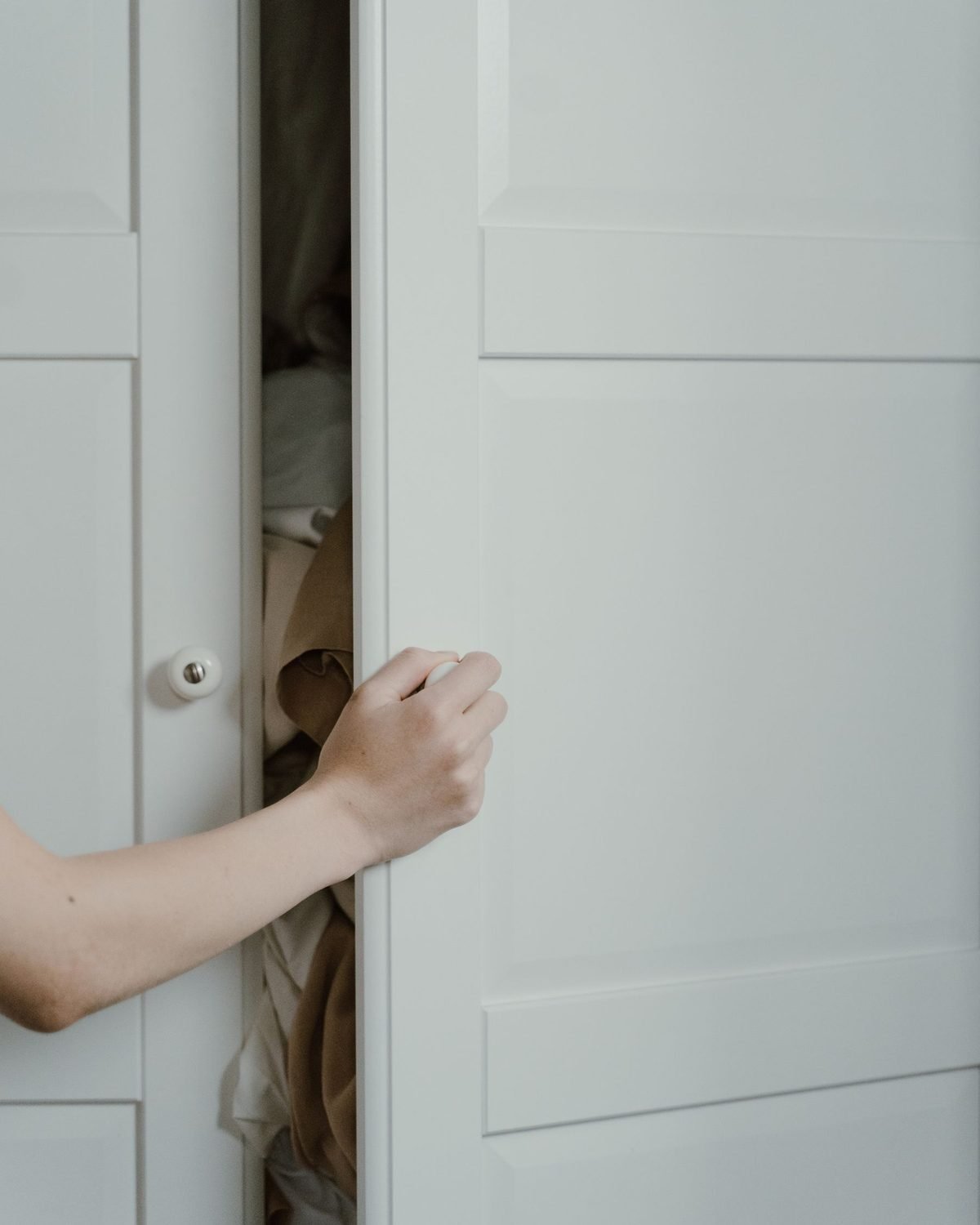
The back of your closet door is free storage you see every day and rarely use. An over-the-door shoe organizer turns it into a wall of pockets for 12 to 24 pairs, and it doesn’t take a single inch of floor or shelf space.
Pocket organizers work best for flats, sandals, sneakers and kids’ shoes. Clear pockets let you see what’s inside, while mesh pockets let shoes breathe. If your closet door slides, hang the organizer on the inside of the bedroom door or on a closet side wall instead.
Shop an over-the-door shoe organizer with metal hooks that fit your door thickness. Some versions use wire shelves instead of pockets, which suits heavier shoes and heels.
Renter note: Add small felt pads to the hooks so they don’t scratch the door paint. You’ll get your deposit back, and the door will close more quietly too.
5. Move Off-Season Shoes to the Top Shelf

Your snow boots don’t need prime real estate in July, and your sandals can take a break in January. Moving off-season shoes to the top shelf frees the easiest spots for the pairs you wear right now.
Pack each season’s shoes in lidded boxes or fabric bins, one category per box. Lighter shoes like sandals and flats can go in deeper bins, while heavy boots are safer lower down. Don’t stack boxes so high that you need to pull the whole tower down to reach the bottom one.
A set of lidded closet storage boxes with labels keeps the top shelf tidy. Label the short side that faces you with the season and what’s inside, like “Summer: sandals and slides.”
Tip: Swap your shoes twice a year when you change your wardrobe. It’s also the perfect time to check for worn soles and donate pairs you skipped all season.
6. Keep Boots Upright With Boot Shapers

Tall boots are the hardest shoes to store in a small closet. Left alone, they flop over, crease at the ankle and take up twice the space they need. Boot shapers solve that by holding the shaft upright, so the boots stand side by side like soldiers.
Slip a set of boot shapers into each boot, then line them up along the back wall or the end of a shoe rack. Upright boots take up a smaller footprint, and the leather keeps its shape for years longer.
Short on floor space? Hang your boots instead. Boot hanger clips grip the top of the shaft and hang on your closet rod like a pair of pants. Four or five pairs of boots can hang in about 12 inches of rod.
Budget swap: Rolled-up magazines or pool noodles cut to length work as free boot shapers.
7. Give Heels a Shelf of Their Own

Heels get scuffed and bent when they’re tossed in with sneakers and boots. A dedicated shelf or rack keeps them safe and makes a small closet feel a little more like a boutique.
Store heels in a single row, side by side, so the heels don’t rub against each other. Many people like to face one shoe forward and one backward. That shows off the shape of the shoe and fits more pairs on a narrow shelf.
If you don’t have a spare shelf, try a slanted shoe rack for heels on the closet floor. The angle keeps heels from falling over and shows each pair clearly. For a very small collection, a clear shoe box per pair works just as well.
Tip: Stuff the toes of delicate heels with tissue paper before storing them. It helps them hold their shape and stops the toe box from caving in.
8. Double Up With Shoe Slots
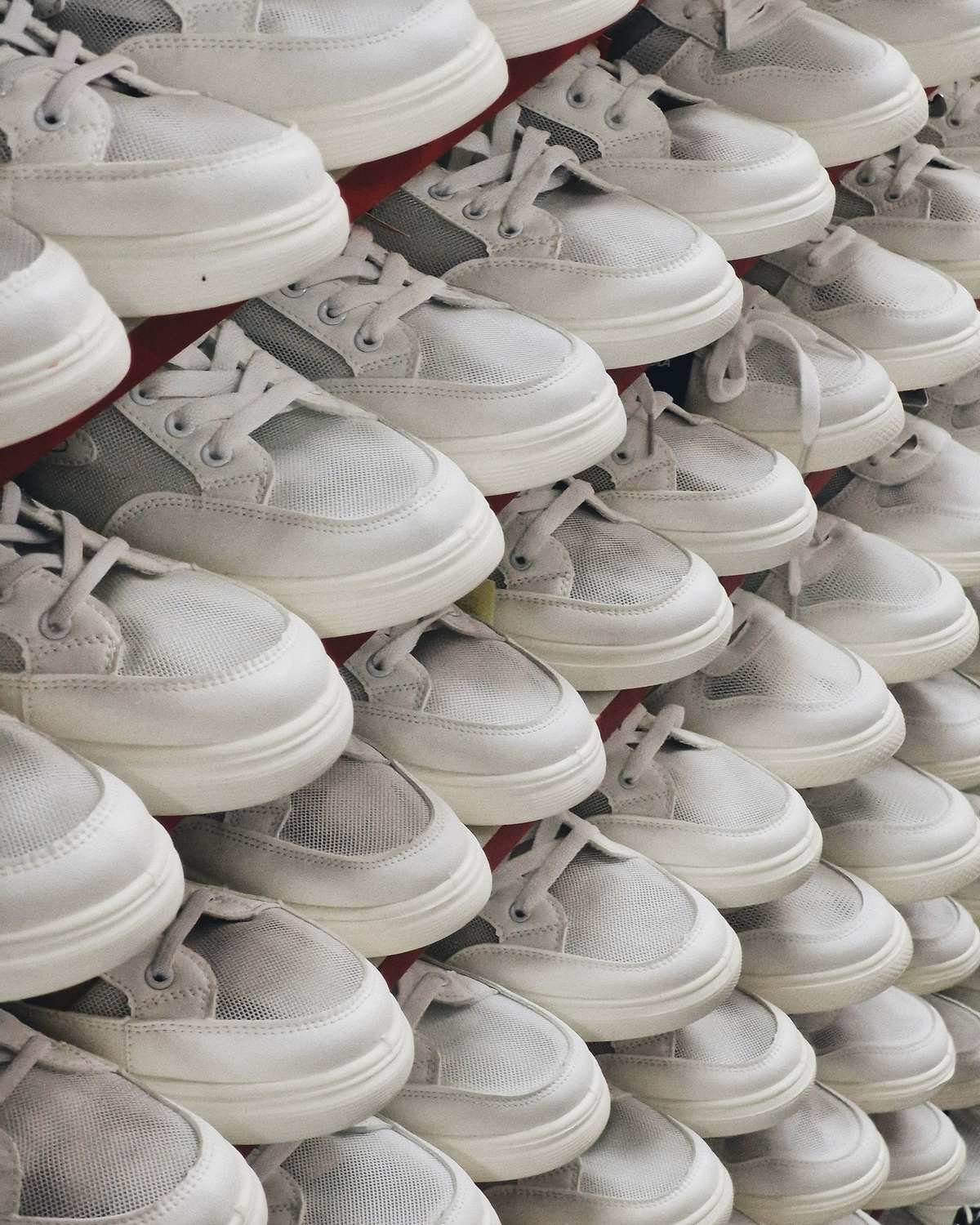
Shoe slots, also called shoe stackers, are small plastic racks that hold one shoe on top of the other. Each pair takes up the footprint of a single shoe, which means you can fit almost twice as many pairs on any shelf or rack.
They’re especially handy on deep closet shelves. Slide a row of stacked pairs onto the shelf and you’ve doubled its capacity in seconds. They also work well inside cubbies that are tall but narrow.
A pack of shoe slots space savers is one of the cheapest ways to fit more shoes into a small closet. Look for adjustable versions that click to different heights, so they fit both flats and chunky sneakers.
Best for: Sneakers, loafers, flats and kids’ shoes. Skip them for tall boots and very delicate heels.
9. Label Sneaker Boxes With a Photo

If you like keeping your shoes in their original boxes, give each box a photo label. Snap a picture of the shoes, print it small and tape it to the end of the box. Now you can find the right pair in two seconds without opening every lid.
Original boxes stack well because they’re all a similar size. Line them up on a shelf, end facing out, and the photos act like a menu. This is one of those closet organization ideas for shoes that costs almost nothing but makes a big difference every morning.
Use label holder clips or a simple label maker if you prefer words to photos. Add the color and the occasion, like “White sneakers: everyday” or “Black heels: weddings.”
Tip: Recycle any boxes that are crushed or falling apart. A neat stack of matching storage boxes looks better than a tower of tired cardboard.
10. Drop Slippers and Flip-Flops Into a Basket
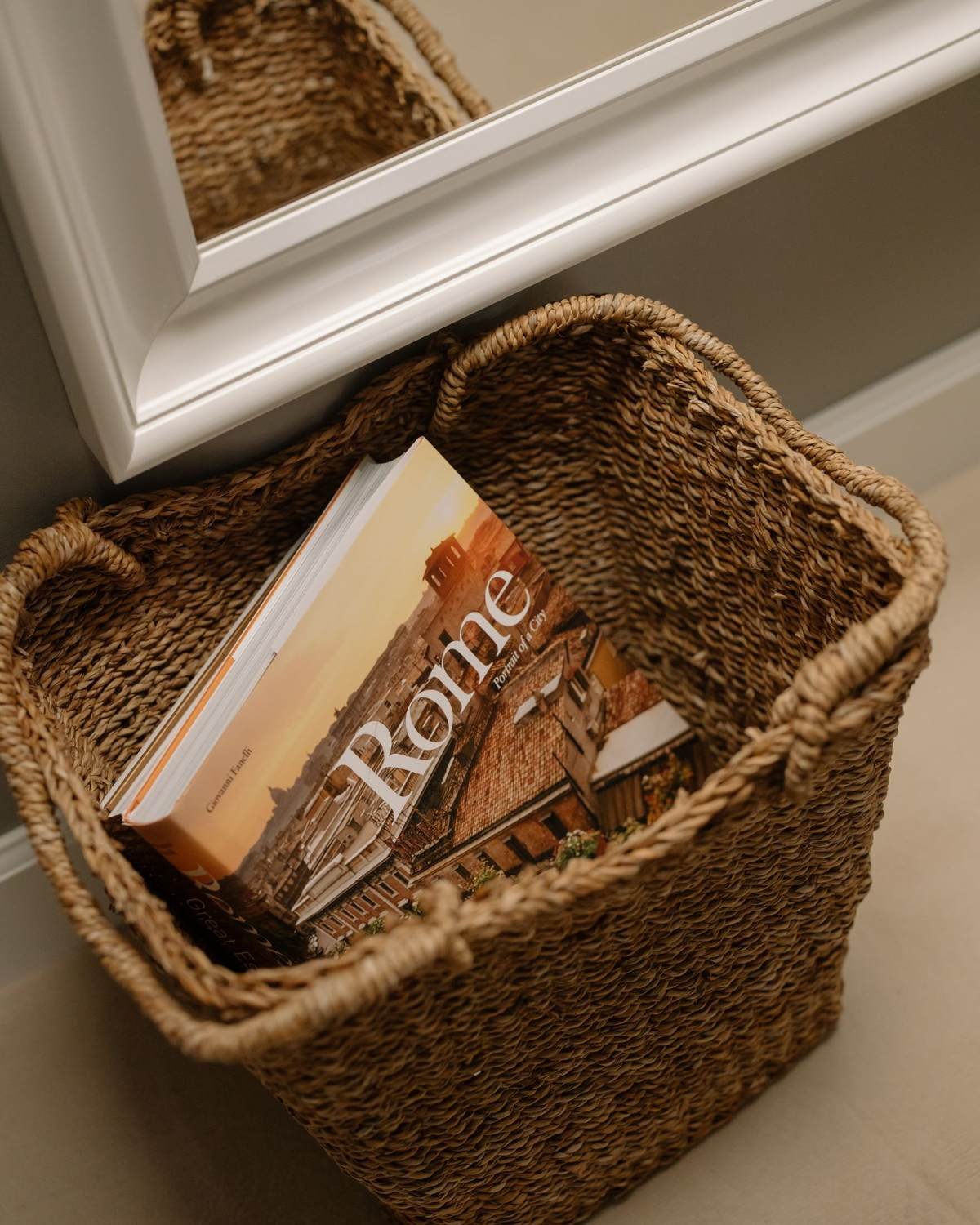
Some shoes don’t need fancy storage. Slippers, flip-flops, slides and water shoes are soft and light, so a basket on the closet floor is all they need. Toss them in, and they’re contained instead of scattered.
Pick a basket with low sides so you can see and grab what you need. A woven basket looks warm and cozy, while a fabric bin is soft enough that it won’t scuff the closet wall. Keep one basket per person if you share a closet.
A woven storage basket with handles slides into the corner of the closet floor or onto a low shelf. In summer, it can hold flip-flops. In winter, swap them for fuzzy slippers and thick house socks.
Tip: Shake out the basket and wash any fabric slippers once a month. It keeps the closet floor clean and fresh.
11. Fit a Narrow Shoe Tower in the Corner
The corners of a small closet are usually empty or full of things you forgot about. A tall, narrow shoe tower turns that awkward corner into storage for 20 or more pairs, using a footprint about the size of a laundry basket.
Measure the corner carefully, including any baseboards. Most towers are 12 to 18 inches wide and 4 to 5 feet tall. They fit beside hanging clothes or at the end of the rod where nothing hangs anyway.
Look for a tall narrow shoe tower with 8 to 10 tiers. Fabric covers keep dust away, while open towers make it easier to see your shoes. If the tower is tall and light, use a furniture anchor or adhesive strip so it can’t tip forward, especially in homes with kids.
Tip: Put heavier boots on the bottom tiers and lighter flats near the top. It keeps the tower stable.
12. Use the Space Under Short Hanging Clothes

Shirts, blouses and jackets usually hang only halfway down the closet wall. The open space beneath them is often 2 to 3 feet tall, which is perfect for shoes. Grouping your short clothes together creates one clear zone for a rack or boxes underneath.
Start by moving all long dresses and coats to one end of the rod. Then put shoe storage under the short end. A two- or three-tier rack fits neatly here, or you can stack a column of drop-front boxes.
If you want even more room, add a closet doubling rod. It hangs from your existing rod and creates a second row of hanging space. Shirts go up top, pants go below, and the floor under the long side stays free for boots.
Tip: Leave a gap of at least 2 inches between the bottom of your clothes and the top of your shoes. Clothes brushing against shoes pick up dirt.
13. Hang a Fabric Shelf Organizer for Flats

A hanging shelf organizer is a fabric column that hooks onto your closet rod. Most people use them for sweaters, but they’re also great for flats, sandals and slim sneakers. You get 6 to 10 shelves in a strip about 12 inches wide, with no tools at all.
Store two pairs of flats per shelf, side by side, or one pair of sneakers. Because the shelves hang, the space under them stays free for a basket or boots. It’s an easy idea for renters, and you can move it to a new closet in seconds.
A hanging shoe organizer for the closet rod with sturdy hooks or Velcro straps holds up well. Choose one with a thicker frame if you plan to store heavier shoes.
It’s simple shoe organization that works in any small closet.
Best for: Flats, ballet shoes, sandals, slides and kids’ shoes.
14. Keep a Front-Row Spot for Your Everyday Pairs

Even the best shoe organization falls apart if you have to dig for your daily pairs. Set aside one front-row spot inside the closet for the three to five pairs you wear most often. Think work shoes, sneakers and one easy slip-on.
This could be the top tier of your rack, the shelf at eye level or the lowest row of an over-the-door organizer. The key is that it’s the easiest place to reach. When you take your shoes off, they go right back there, not on the floor.
A small shoe bench with storage near the closet gives you a place to sit while you put shoes on, and it can hold your everyday pairs underneath. If space is tight, a simple washable small floor mat marks the spot and catches dirt.
Tip: Rotate your front-row shoes each season. Sandals move up in summer, and boots take their place in winter.
How to Sort Your Shoes Before You Organize
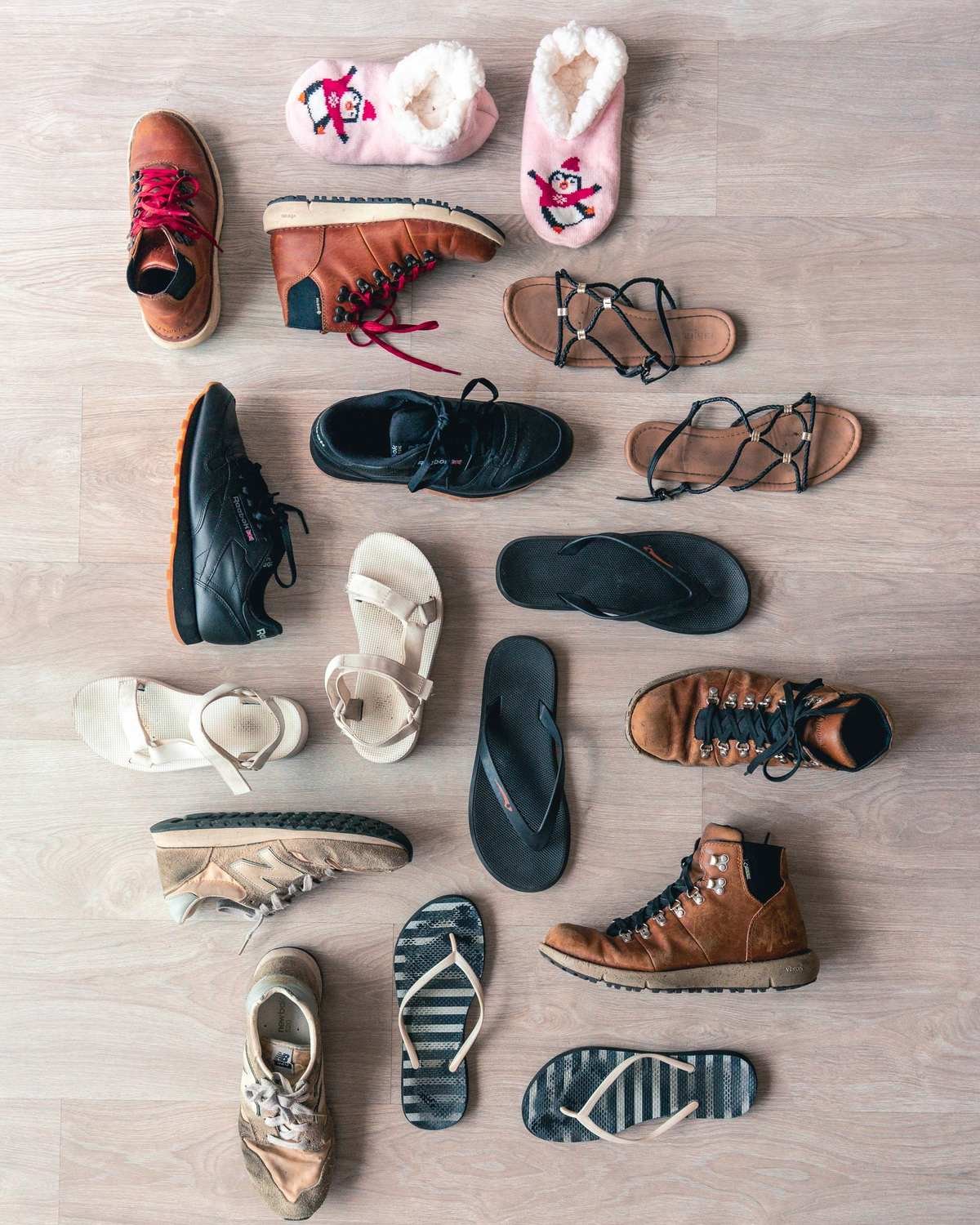
Before you buy a single rack, sort your shoes. It’s the step most people skip, and it’s the reason so many closets fill up again within a month. No shoe organization system can fix a collection you don’t wear.
Pull every pair out of the closet and lay them on the floor or bed. Then sort them into four groups:
- Wear every week. These are your everyday pairs. They get the easiest spot in the closet.
- Wear sometimes. Dress shoes, occasional heels and workout shoes. They can go on higher shelves or in boxes.
- Off-season. Boots in summer and sandals in winter. These go to the top shelf or under the bed.
- Let go. Shoes that hurt, are worn out or haven’t left the closet in a year. Donate, recycle or toss them.
Be honest with the last pile. If a pair pinches every time you wear it, it’s not going to get better. Most people find at least three or four pairs they can let go of, and that alone frees a whole shelf.
For a bigger reset, our declutter checklist room by room walks you through the rest of your home step by step.
Which Shoe Organizer Fits Your Closet?
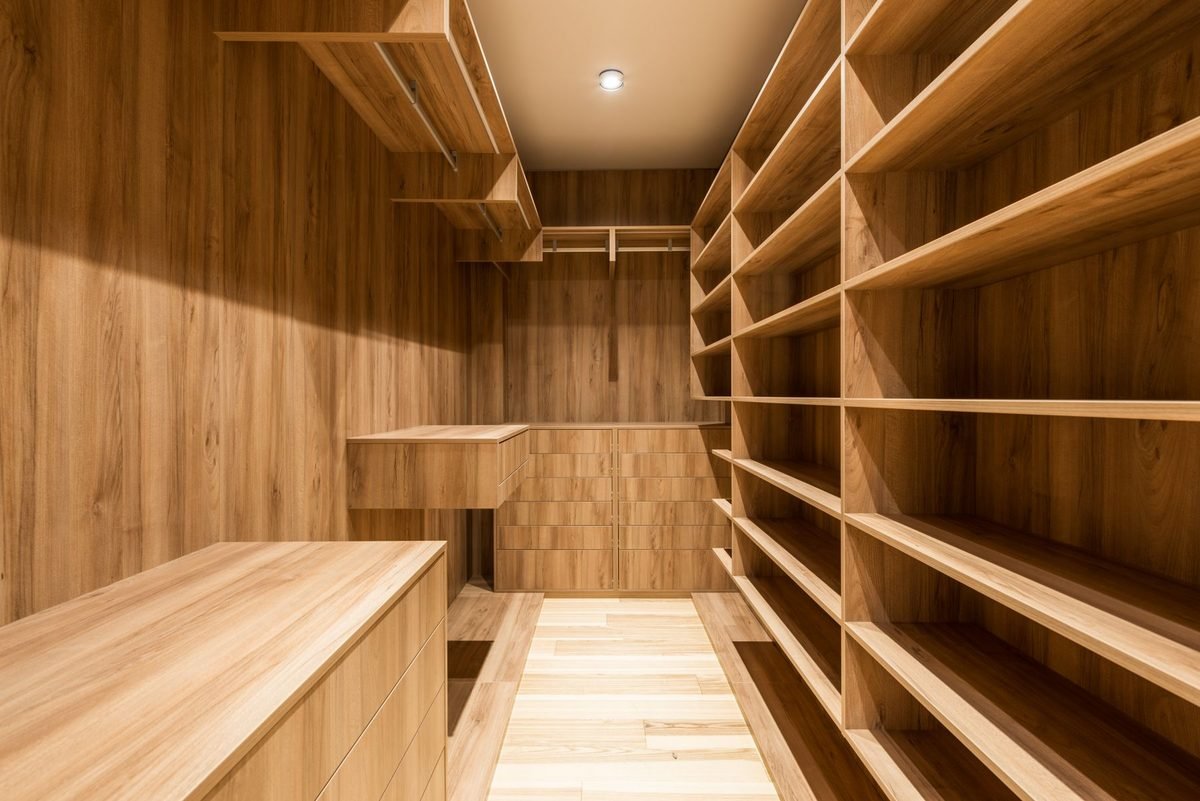
Not every closet can use every idea. Use your measurements and shoe count to match your closet to the right setup. Here’s a quick guide to closet shoe organization by closet size and shoe count.
- Tiny reach-in closet (under 4 feet wide): Focus on the door and the height. An over-the-door organizer, a hanging shelf organizer and shoe slots on the top shelf can hold 20 to 30 pairs without touching the floor.
- Standard reach-in closet (4 to 6 feet wide): Add a two- or three-tier rack under your short hanging clothes, a column of clear boxes and a basket for slippers. This setup suits 25 to 40 pairs.
- Small walk-in closet: Use one wall for a shoe tower or freestanding shelves, and keep the floor in the middle clear. Boots can stand upright at the end of the rack.
- Shared closet: Split the space by person, not by shoe type. Each person gets one rack, one door section or one tower, so nobody’s shoes migrate.
If you own more than 40 pairs, a small closet probably can’t hold them all. Keep your everyday and current-season shoes in the closet, and store the rest in boxes under the bed. Our guide to under bed storage ideas shows how to do it without the dust.
How to Keep Closet Shoes Fresh and Clean
Shoes kept in a closed closet need a little care, or the whole closet starts to smell like a gym bag. A few simple habits keep your shoes fresh and your clothes smelling clean.
- Let shoes air out first. After a long day or a rainy walk, leave shoes out for a few hours before putting them away. Damp shoes trap moisture in the closet.
- Wipe soles before storing. A quick wipe or brush keeps dirt off your shelves and out of your carpet.
- Use cedar or odor absorbers. Cedar shoe trees absorb moisture and odor while holding the shape of leather shoes. For sneakers, shoe deodorizer balls or small charcoal bags work well.
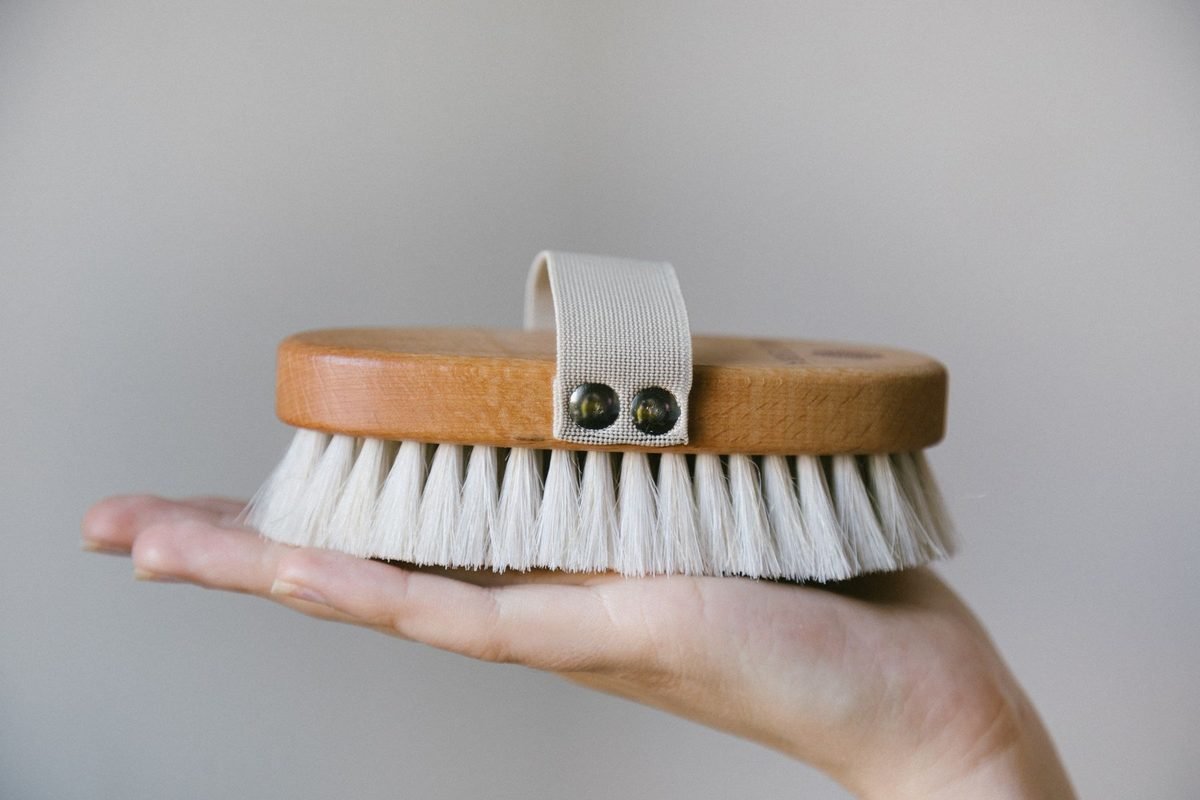
- Brush and condition leather. A horsehair shoe brush keeps leather looking new and removes dust before it settles in.
- Watch the humidity. Closets on outside walls can get damp. If you see spots on leather or smell mustiness, add a moisture absorber and follow the EPA’s mold cleanup tips.
Once a month, pull the shoes off your rack and wipe the shelves. It takes ten minutes, and it’s the easiest way to keep closet shoe storage looking neat.
Shoe Organization for Shared Closets, Kids and Renters

Small spaces come with their own challenges. Here’s how to adjust these closet organization ideas for shoes for different homes.
Shared closets. Give each person their own clearly marked zone. A matching pair of racks, one on each side, keeps things fair and makes it obvious when someone’s shoes have crept over. Color-coded bins or labels help too.
Kids’ closets. Keep kids’ shoes low, where they can reach them. A short rack or a basket on the floor works better than shelves or boxes. Use picture labels for younger kids, and keep only the current size in the closet. Outgrown pairs go in a box for donation or the next sibling.
Renters. Stick to freestanding racks, over-the-door organizers, hanging shelves and tension rods. Avoid drilling into closet walls, and use felt pads and removable hooks to protect paint. Everything on this list can move with you to your next place.
Studio apartments. If your closet is tiny, it may need to hold only shoes and the clothes you wear most. For more space-saving tricks, our guide to small bedroom storage ideas for adults and our small apartment storage ideas on a budget have plenty of ideas beyond the closet.
Closet Shoe Organization Mistakes to Avoid
Even with the right shoe rack or shoe organizer, a few common mistakes can undo your hard work. Watch out for these:
- Buying before measuring. Racks that are too wide or too tall end up in the hallway. Measure first, always.
- Storing every pair in the closet. If you’re short on space, the closet should hold your current season. Everything else can live in boxes elsewhere.
- Stacking shoes on top of each other. Loose stacks crush toes and scuff leather. Use slots, shelves or boxes instead.
- Putting wet shoes away. Damp shoes cause odor and mold. Let them dry completely first.
- Hiding everyday shoes. If your daily sneakers are in a box on the top shelf, they’ll end up on the floor by the bed. Keep them in the front row.
- Ignoring the door. The back of the closet door is one of the biggest free spaces you have. Use it.
- Never editing. Shoes pile up slowly. A quick check each season keeps your collection a size your closet can hold.
FAQ About Closet Organization Ideas for Shoes
How do I organize shoes in a small closet?
Start by sorting your shoes and removing pairs you don’t wear. Then use vertical space: a low shoe rack on the floor, clear stackable boxes, an over-the-door organizer and the top shelf for off-season pairs. Keep your everyday shoes in the easiest spot to reach.
What is the best way to store shoes in a closet?
The best way depends on the shoe. Sneakers and flats do well on racks or in shoe slots, heels are best on a shelf or in clear boxes, and tall boots should stand upright with boot shapers or hang from clips on the rod.
How many pairs of shoes fit in a small closet?
With smart storage, a standard reach-in closet can hold 25 to 40 pairs. Using the door, the top shelf and the space under short hanging clothes makes the biggest difference.
Should I keep shoes in their original boxes?
You can, as long as you label them. Add a photo of the shoes to the end of each box so you can find a pair quickly. Clear drop-front boxes are a good upgrade, because you can see the shoes without labels.
How do I store shoes in a closet without a shoe rack?
Use an over-the-door organizer, a hanging shelf organizer on the rod, shoe slots on a shelf or a basket on the floor. Even original shoe boxes stacked neatly along one wall can replace a rack.
How do I keep shoes from smelling in the closet?
Let shoes dry completely before putting them away, use cedar shoe trees or odor absorbers and wipe the shelves once a month. Keep the closet door open for a while each week to let air circulate.
The Takeaway

You don’t need a bigger closet to stop the shoe pile. You need to use the space you already have: the floor under your shortest clothes, the back of the door, the top shelf and those empty corners. The best closet organization ideas for shoes work because they give every pair a spot you can see and reach.
Start small. This weekend, sort your shoes, let go of the pairs you never wear and add one organizer that fits your closet. Next month, add a second idea if you need it. A rack, a set of clear boxes and an over-the-door organizer can handle most small closets on their own.
Want to keep going? Our guide on how to organize a small closet with lots of clothes tackles the rest of the closet, and our shoe storage ideas post covers entryways and the rest of your apartment. For more bedroom fixes, try our bedroom organization hacks.