15 Paper Clutter Organization Ideas for Small Homes
Disclosure: This post contains affiliate links. As an Amazon Associate I earn from qualifying purchases. If you buy through these links, I may earn a small commission at no extra cost to you. Read our full disclaimer.
The mail lands on the kitchen counter. A permission slip ends up under a takeout menu. A bill you meant to pay is buried somewhere in the pile by the door. If that sounds familiar, you are not alone. Paper sneaks into every home, and in a small apartment it has nowhere to hide. These paper clutter organization ideas will help you set up a simple system that keeps papers moving instead of piling up.
You do not need a home office, a big filing cabinet or a weekend to fix this. Most of the ideas below use one small basket, a few folders and a five-minute habit. They work for renters, families, roommates and anyone who is tired of searching for the one paper they need right now.
Inside you will find 15 practical ideas, a guide to how long to keep common papers, a 15-minute weekly routine, quick fixes for the spots where paper piles up, helpful supplies, common mistakes and answers to frequent questions. If you are starting a bigger reset, pair this post with our declutter checklist room by room.
Quick answer: The best paper clutter organization ideas start with one landing spot for incoming mail, a daily habit of opening mail over the recycling bin and a single action file for papers that need a task. Store reference papers in a slim file box or binder, scan what you can, stop junk mail at the source, give kids’ papers a bin, shred on a schedule and keep vital documents together in one safe, labeled place.
The 15 ideas at a glance:
- Stop paper at the door: 1. A mail drop zone, 2. Open mail daily, 3. Stop junk mail at the source
- Handle active papers: 4. A desktop action file, 5. A wall or fridge command center
- Store what you keep: 6. A slim file box, 7. Household binders, 8. Go paperless
- Tame the tricky piles: 9. A receipt system, 10. Kids’ papers and artwork, 11. Magazine baskets
- Keep it under control: 12. A recycle and shred station, 13. A calendar for date-based papers, 14. One vital documents folder, 15. Labels on everything
Why Paper Clutter Piles Up So Fast

Paper clutter grows because every sheet asks for a decision. Is this a bill to pay, a form to sign, a coupon to use or junk to toss? When you are busy, the easy choice is to set it down and decide later. Later rarely comes, so the pile grows.
Small homes make the problem feel bigger. There is often no desk, no spare room and no filing cabinet, so papers land on the most convenient flat surface. In most apartments that means the kitchen counter, the dining table or the top of the dresser.
Paper also arrives from many directions at once. Mail, school folders, receipts, medical forms, warranties, manuals, greeting cards and kids’ drawings all come into the home every week. Without a clear path for each type, everything blends into one confusing stack.
The good news is that paper clutter is one of the easiest kinds of clutter to fix. Most papers are either trash, a quick task or something to file. Once you have a home for each of those three groups, the piles start to shrink fast. The paper clutter organization ideas in this guide are built around that simple flow: catch it, decide on it and put it in its place.
Before You Start: Sort Every Paper Into Four Piles
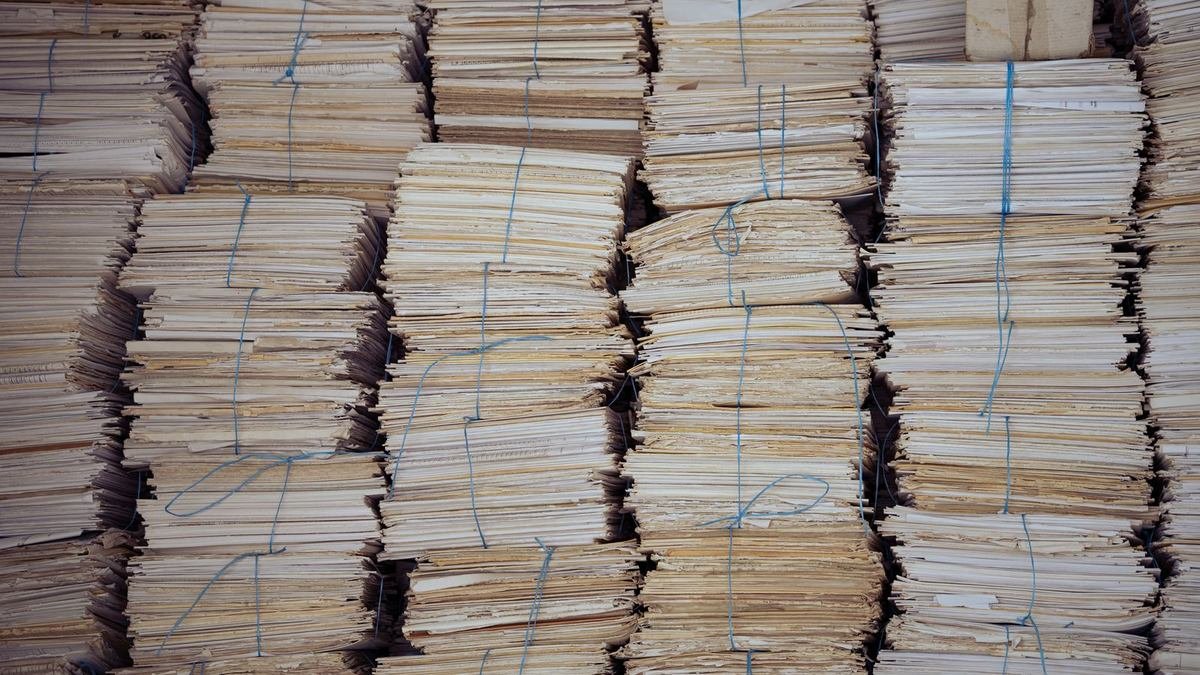
Before you buy a single folder, gather the papers you already have. Check the counter, the table, your bag, the car, the nightstand and any drawers that have become paper catch-alls. Put everything in one box or basket so you can see the full amount.
Next, sort every sheet into four piles:
- Trash and recycle: junk mail, old flyers, expired coupons, envelopes and inserts.
- Shred: anything with your name plus account numbers, Social Security numbers, medical details or signatures.
- Action: bills to pay, forms to sign, appointments to book, RSVPs and anything that needs you to do something.
- Keep and file: papers you need for reference, such as tax records, insurance policies, lease documents and warranties.
Work fast. Most papers take less than three seconds to sort. If you get stuck on a sheet, put it in the action pile and move on. You can make careful decisions later, once the clutter is gone.
When you finish, the trash pile is usually the biggest by far. That is a great sign. It means your real paper load is much smaller than it looked, and the rest of these paper clutter organization ideas will be easy to set up. If the job still feels like too much, our guide on how to declutter when overwhelmed can help you break it into five-minute sessions.
15 Paper Clutter Organization Ideas for Small Homes

These ideas are grouped in the order paper moves through your home. You will start at the front door, set up a place for active papers, choose how to store what you keep and then build a few habits so the system lasts.
You do not need to use every idea. Pick the three or four that solve your biggest problem first. For most people, ideas 1, 2 and 4 make the fastest difference, because they stop new paper clutter from landing on every surface.
1. Create a Mail Drop Zone by the Door

Paper clutter starts the moment you walk in with the mail. If there is no set place for it, the mail ends up wherever your hands are free. A mail drop zone gives every envelope one home from the second it enters.
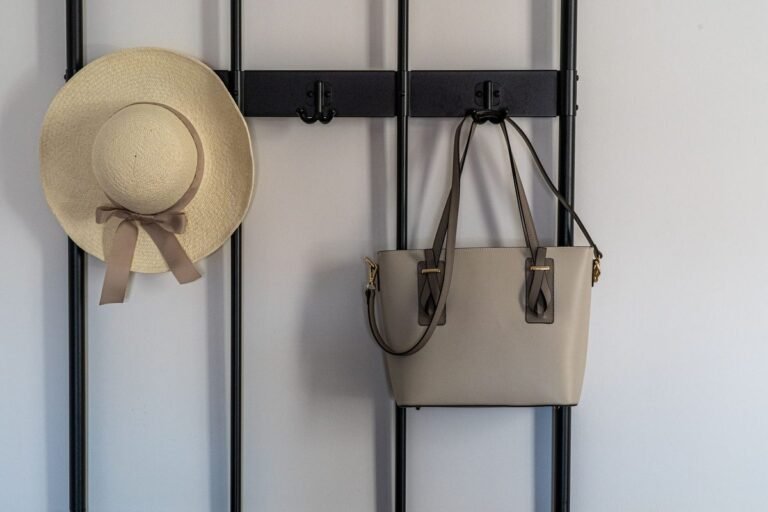
For paper organization in a small home, choose a spot near the door, such as a small shelf, a console table, a wall-mounted basket or even the top of a shoe cabinet. Add one container, like a wall-mounted mail organizer or a small tray. All mail goes there, every day, without exception.
Keep the zone small on purpose. A tiny tray fills up quickly, which reminds you to deal with the mail before it becomes a pile. If you also need a spot for keys and bags, our small entryway organization ideas show how to fit everything into a narrow space.
2. Open Mail Daily Over the Recycling Bin

The fastest way to stop paper clutter is to make a decision the same day the paper arrives. Stand next to your recycling bin and open the mail right away. It takes about two minutes.
Toss envelopes, inserts and junk mail straight into the bin. Put anything with personal details into a shred pile. Place bills and forms that need action into your action file. Only papers that truly need to be kept for reference should move on to your filing system.
This habit is small, but it changes everything. When you touch a paper once and decide on it immediately, it never has the chance to join a stack. Many people find that this one step cuts their paper clutter in half within a week.
3. Stop Junk Mail at the Source
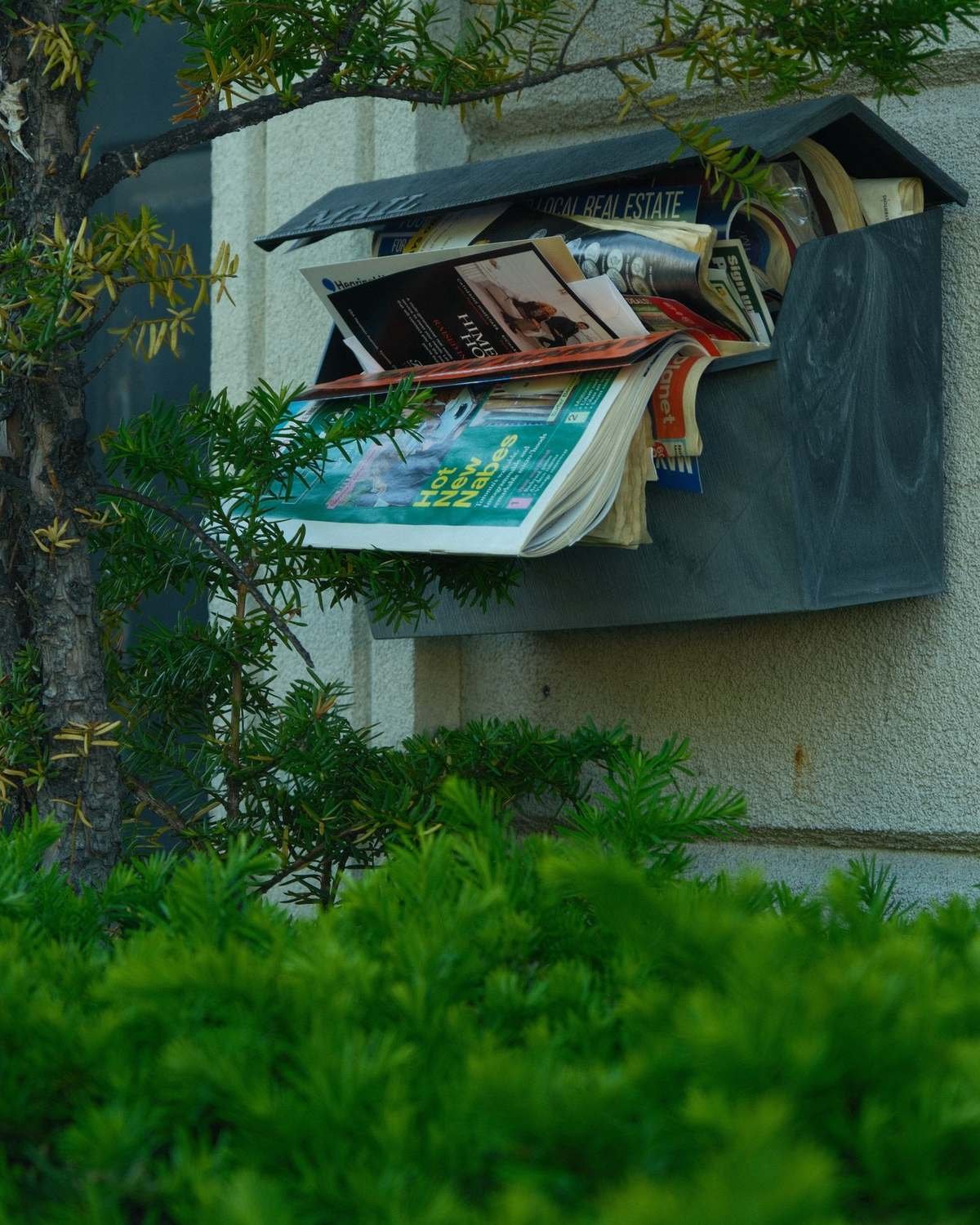
Every catalog you never asked for is paper clutter you have to handle. Reducing junk mail means less sorting, less recycling and fewer piles.
Start by calling or emailing the companies that send you catalogs and asking to be removed from their mailing lists. Many retailers have an online form for this. You can also register with DMAchoice.org to reduce marketing mail and use OptOutPrescreen.com to stop prescreened credit card and insurance offers. Both are services recognized by consumer protection agencies.
Switch bills and bank statements to paperless delivery when you can. Unsubscribe from magazines you no longer read. It takes a few weeks for mailing lists to update, but once they do, your mailbox gets noticeably lighter and your paper organization gets much easier.
4. Use a Desktop Action File
An action file is a single place for papers that need you to do something. Bills to pay, forms to sign, invitations to answer and appointment cards all go here. Nothing else.
A small desktop file sorter or a single upright folder works well. Some people like three slots: To Pay, To Do and To File. Others prefer one folder labeled Action. Choose the version you will actually use.
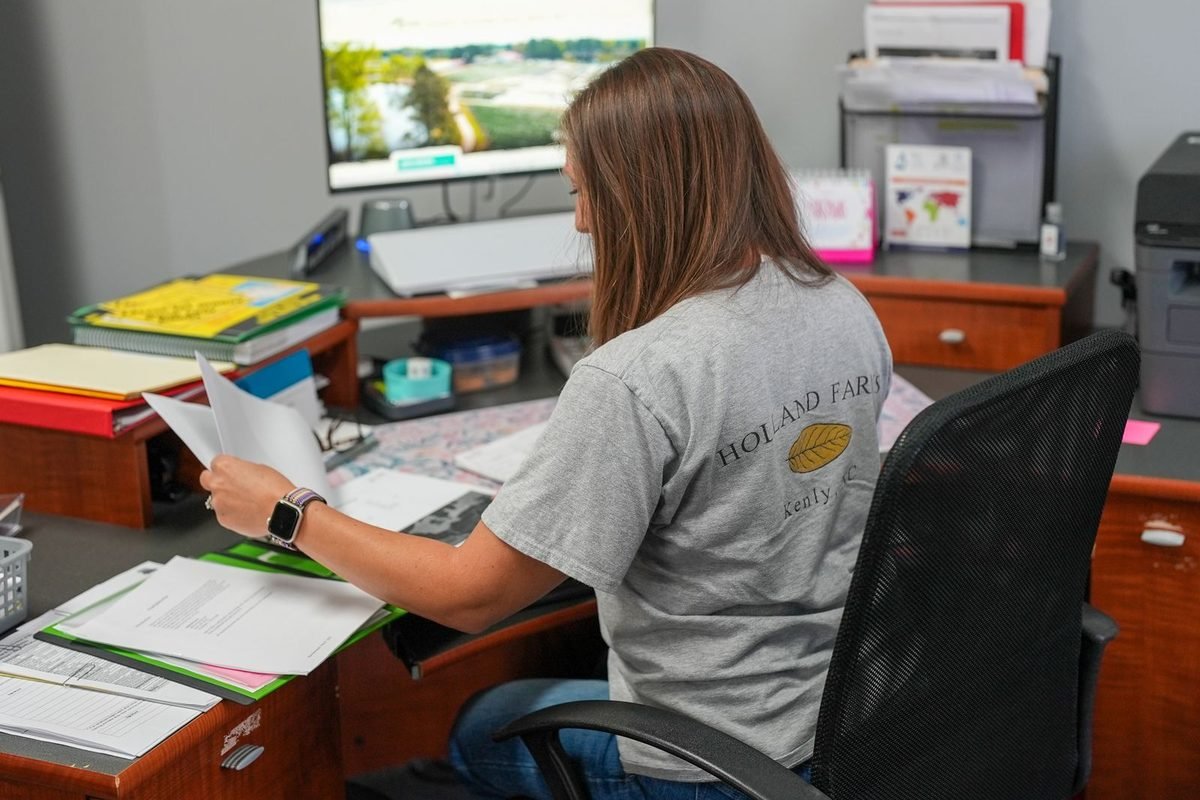
To keep paper clutter contained, keep the action file where you sit down most often, such as the kitchen table or the end of the counter. Check it two or three times a week. When the file is the only place for active papers, you never have to search the whole apartment for a permission slip again.
5. Make a Wall or Fridge Command Center

If you have no desk space, go vertical. A small command center on the wall or the side of the fridge can hold the papers your household needs to see every week.
Use a magnetic board, a corkboard or a few magnetic file holders on the fridge. Add a small calendar, a pen and one pocket for current school notices or event flyers. Keep only papers that are active right now, so the board never becomes paper clutter.
The key is to clear it every week. A command center works as long as it stays a short list of current items. Once old flyers and expired notes stay up for months, it turns into another kind of paper clutter. Make clearing it part of your weekly routine.
6. Store Papers You Keep in a Slim File Box

Good paper organization means reference papers need a home, but that home does not have to be a big metal cabinet. A slim portable file box with hanging folders fits on a closet shelf, under the bed or beside a bookcase.
Create simple categories with hanging folders: Home and Lease, Insurance, Medical, Car, Taxes, Bank and Credit, Work and Income, Pets and Warranties. Fewer categories are easier to maintain. You can always split a folder later if it gets too thick.
When a paper moves from your action file to this box, drop it into the right folder and close the lid. Once a year, pull out what you no longer need. This is one of the simplest paper clutter organization ideas, and it is the backbone of any system that lasts.
7. Keep Household Records in Binders

Binders are a tidy paper organization tool for papers you want to flip through quickly, such as appliance manuals, warranty cards, medical records for each family member or a household information binder with emergency contacts and account details.
Use sheet protectors for manuals and documents you do not want to punch holes in. Add tab dividers for each category and a label on the spine. Binders stand upright on a shelf, so they take up very little floor space in a small home.
Many manuals are also available online. Before you file a thick booklet, search the model number. If the manual is easy to find online, you can recycle the paper copy and keep only the receipt or warranty card.
8. Go Paperless: Scan and Save Digitally

Scanning is one of the most powerful paper clutter organization ideas, because a digital file takes up zero space on your counter. You do not need a fancy scanner. A free scanning app on your phone creates clear PDFs in seconds.
Scan papers you want to keep for reference but do not need in original form, such as receipts for budgeting, old pay stubs, school records, kids’ certificates and appliance manuals. Name each file clearly, for example “2026-11 Car Insurance Card,” and save it in simple folders in a secure cloud account.
Keep original copies of important legal documents, such as birth certificates, passports, Social Security cards, titles and wills. For everything else, a scan is often enough. Back up your digital files in two places so nothing is lost if a phone breaks.
9. Set Up a Simple Receipt System

Receipts are small, but they create a lot of paper clutter. They pile up in wallets, bags, coat pockets and car cup holders. A simple receipt system stops that.
Use a small receipt organizer or a single envelope in your action file. Each time you empty your bag, drop receipts inside. Once a week, check them against your budget or bank account, scan anything you need for returns or taxes and toss the rest.
Ask for email receipts at stores whenever possible. That way, proof of purchase goes straight to your inbox instead of your counter. For big purchases, staple the receipt to the warranty card and file them together.
10. Give Kids’ Papers and Artwork a Bin

Children bring home a surprising amount of paper clutter. Worksheets, notices, report cards and drawings arrive almost every day. Without a plan, kids’ papers can take over the fridge, the table and every drawer.
Give each child one artwork storage box or a large folder. Throughout the school year, drop in only the pieces they love most. At the end of each term, sit down together and choose a few favorites to keep. Snap photos of the rest so the memories stay without the stacks.
For school notices, put active papers into your command center or action file the day they come home. Once the date passes, recycle them. If you want more ways to keep a family home tidy, our post on small apartment organization with kids has more ideas.
11. Corral Magazines and Catalogs in One Basket

Magazines and catalogs are classic paper clutter. They tend to spread across coffee tables, nightstands and bathroom counters. Choose one basket for all of them and set a firm limit.
A woven magazine basket or a slim magazine holder keeps reading material together and looks tidy. When the basket is full, recycle the oldest issues before adding new ones. If you have not read an issue in a month, you probably will not.
Consider switching to digital subscriptions through your library app. Many public libraries offer free digital magazines, which means no paper clutter at all.
12. Build a Recycle and Shred Station

Paper organization is much easier when tossing paper is just as easy as keeping it. Place a recycling bin close to where you open mail and add a small shredder or a shred box nearby.
A compact home paper shredder fits under a desk or inside a cabinet. If you do not want a shredder, keep a box for papers with personal details and take it to a community shred day or an office supply store that offers shredding services.
Shred once a week or once a month, depending on how much you collect. When the station is set up right where the paper lands, you will make faster decisions and fewer papers will end up in piles.
13. Use a Calendar for Date-Based Papers
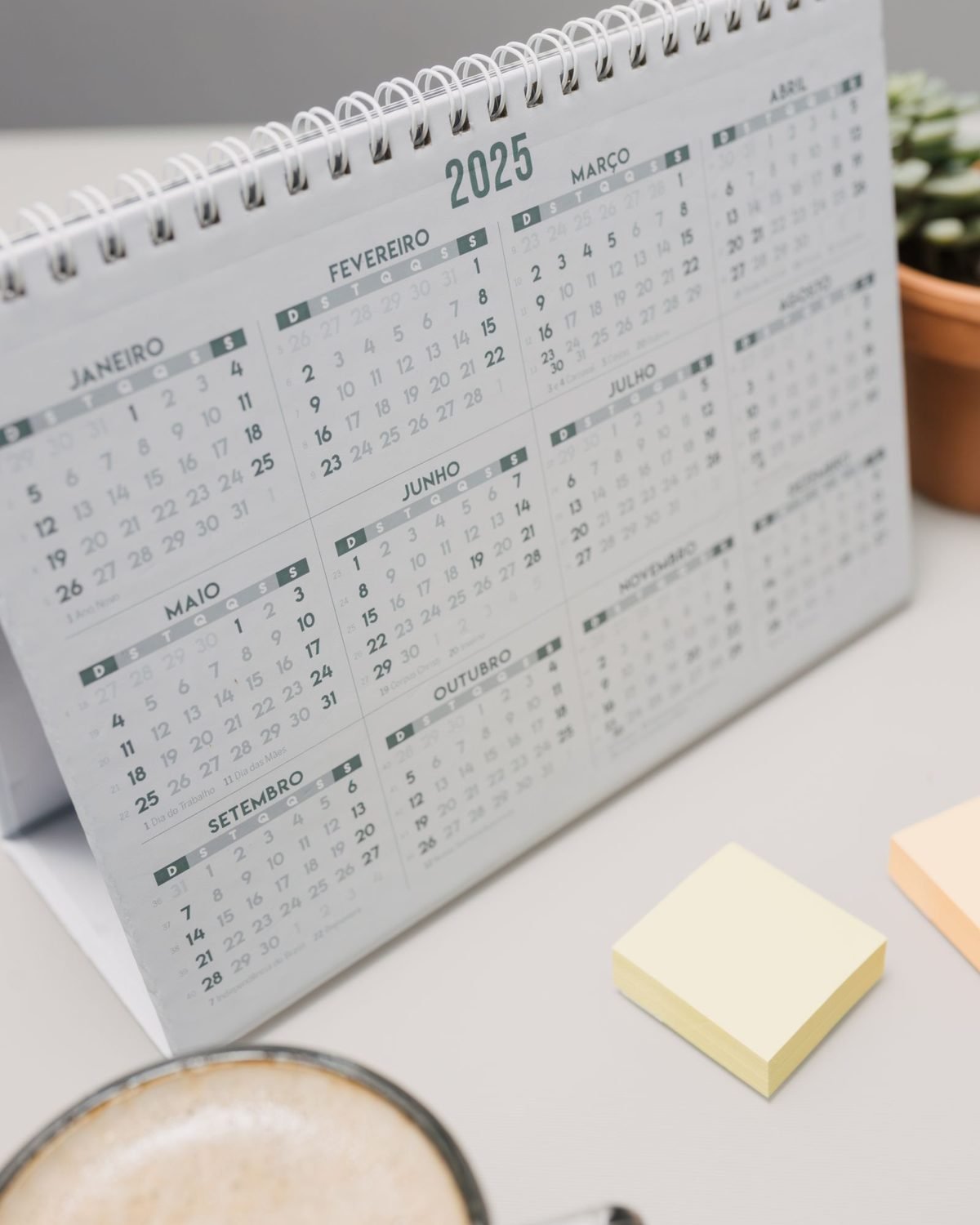
Many papers stay on the counter only because they contain a date: a dentist appointment, a school event, a party invitation or a bill due date. Once the date is written down somewhere you trust, the paper itself can usually go.
Choose one calendar for the household, either a desk calendar or a shared digital calendar. When a dated paper arrives, add the date, address and any key details, then recycle the paper or file it in the action folder if you need it on the day.
This simple habit clears a lot of paper clutter. It also helps the whole household stay on the same page, because everyone checks one calendar instead of a dozen scattered notes.
14. Keep Vital Documents in One Safe Place
Birth certificates, passports, Social Security cards, car titles, insurance policies, a copy of your lease and estate documents should all live together. In an emergency, you want to grab one folder or box, not search through three drawers.
A fireproof document bag or a small fireproof document box is a good choice for renters, because it is portable and can move with you. Store it in a closet or another spot that is easy to reach but out of sight.
Make a short list of what is inside and keep a scanned copy of each document in a secure digital folder. That way, you have a backup if the originals are ever lost or damaged.
15. Label Everything So Papers Go Back
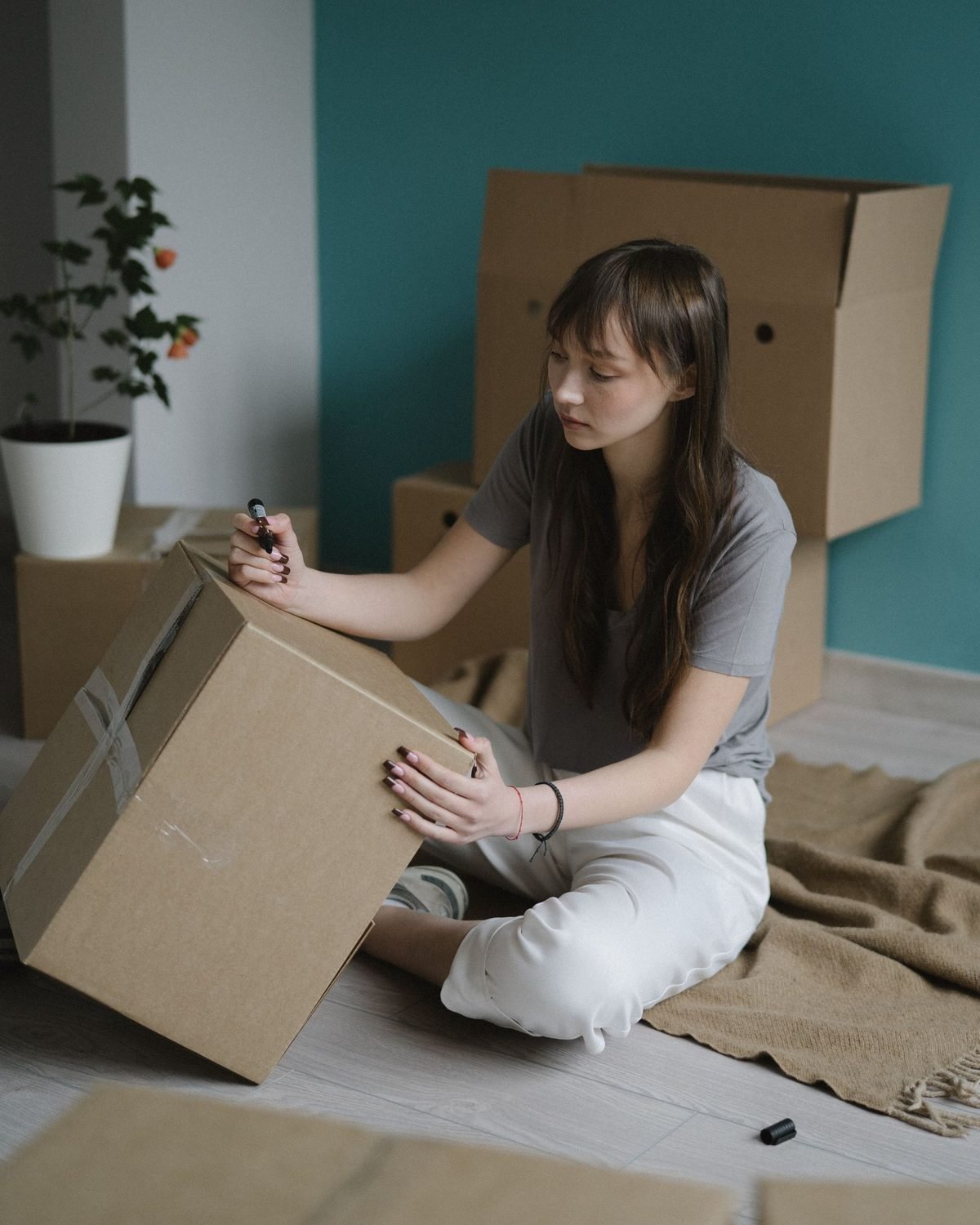
A paper system only works if everyone knows where things go. Clear labels make it easy to file papers quickly, even on a busy night, and they help other people in your home use the system too.
Label folders, binders, bins and boxes with simple names. Simple labels are the easiest way to organize paper for the long run. A label maker looks neat, but a marker and masking tape work just as well. Use the same words on folders and digital files so you can find papers in either place.
Labels also keep paper clutter from creeping back. When a folder is clearly marked “Car” or “Medical,” it is easy to drop the right paper in the right spot instead of setting it down to deal with later.
How Long to Keep Common Papers

One reason paper clutter builds up is fear of throwing away something important. Knowing how long to keep each type of paper makes those decisions much easier. Here is a general guide for US households. Always check with a tax professional or your own advisor for your situation.
- Keep for a few weeks: receipts for small purchases (until the return window closes), ATM slips and deposit slips (until they show up in your account).
- Keep for one month to one year: monthly bank and credit card statements (until you check them, unless you need them for taxes), utility bills (unless you deduct home office costs) and pay stubs (until you match them to your annual W-2).
- Keep for at least three to seven years: tax returns and supporting documents. The IRS explains the time limits in its guide on how long to keep records.
- Keep while active: insurance policies, leases, car records, loan documents and warranties, plus receipts for big purchases you may need to prove.
- Keep permanently: birth and marriage certificates, Social Security cards, passports, adoption papers, wills and military records.
Write a simple version of this list on an index card and tape it inside your file box. When you clear out papers once a year, you will know exactly what to shred, what to recycle and what to keep. This turns paper organization from guesswork into a quick routine.
A 15-Minute Weekly Paper Routine

Even the best system needs a little maintenance. A short weekly routine keeps paper clutter from slowly creeping back. Pick a regular time, such as Sunday evening or Friday after work, and set a timer for 15 minutes.
- Empty the mail drop zone and sort anything left over.
- Work through your action file. Pay bills, sign forms and answer invitations.
- Add new dates to the household calendar and clear expired notes from the command center.
- Check receipts against your budget, then scan or toss them.
- File reference papers into the right folders or binders.
- Shred or bag sensitive papers and take out the recycling.
That is it. When you do this every week, papers never have time to pile up. If you want a bigger reset at the start of the year, our January organization challenge includes a full paper day you can follow.
Once a year, add one extra step. Go through your file box and binders, pull out expired documents and shred what you no longer need. Many people like to do this right after filing taxes, when financial papers are already on their mind.
Quick Fixes for the Spots Where Paper Piles Up

Paper clutter tends to collect in the same few places in every home. Here are fast fixes for each one:
- Kitchen counter: Move the mail drop zone off the counter and onto a wall or a small shelf by the door. Keep only one action file in the kitchen.
- Dining table: Clear papers after every meal. A lidded basket on a nearby shelf can hold homework and projects in progress.
- Entryway: Use a slim wall organizer for mail and outgoing items, such as library books and returns.
- Nightstand: Limit it to one book and one small notebook. Move magazines to the magazine basket.
- Car: Keep a small envelope in the glove box for receipts and registration papers. Empty it every week.
- Bag or backpack: Clean it out every evening and drop papers into the action file or recycling bin.
- Junk drawer: Pull out old receipts, manuals and flyers, then use small trays for the items that stay.
Most of these paper clutter fixes take less than five minutes. Start with the spot that bugs you the most and work outward. Within a week or two, you will notice clear surfaces where paper used to sit.
Helpful Supplies for Paper Organization
You do not need much to get paper clutter under control. Start with what you already have, then add a few pieces once you know what your system needs.
- A wall-mounted mail organizer for the drop zone
- A desktop file sorter for your action file
- A portable file box with hanging folders for reference papers
- Three-ring binders and sheet protectors for manuals and records
- A compact home shredder for sensitive papers
- A fireproof document bag for vital documents
- A simple label maker for folders and bins
- A free scanning app on your phone for going paperless
Choose paper organization storage that fits your space. In a small apartment, vertical and portable options work best, because they can tuck into a closet or hang on a wall. For more budget-friendly storage ideas, see our small apartment storage ideas on a budget.
Paper Clutter Mistakes to Avoid

A few common mistakes can make paper clutter come back again and again. Watch out for these:
- Buying storage before sorting. Folders and bins can hide paper clutter instead of reducing it. Sort first, then buy only what you need.
- Creating too many categories. Twenty folders are hard to maintain. Start with eight to ten broad ones.
- Keeping papers “just in case.” Most bills, statements and manuals are available online. Check before you file.
- Leaving the shred pile for later. A growing shred box turns into another pile. Shred on a set schedule.
- Using the counter as an inbox. Give mail its own spot so it never touches the counter.
- Skipping the weekly routine. Without regular upkeep, even a great system fills up. Fifteen minutes a week is enough.
- Ignoring digital clutter. If you scan papers, name and file them clearly. A messy phone folder is just paper clutter in a new form.
If you notice one of these habits, do not worry. Simply adjust and keep going. Paper organization gets easier every week you practice it.
Paper Clutter Organization Ideas: FAQ

What is the best way to organize paper clutter in a small home?
Create one mail drop zone by the door, open mail daily over the recycling bin, keep a single action file for active papers and store reference papers in a slim file box or binder. Scan what you can and shred sensitive papers regularly.
Where should I keep mail in a small apartment?
Use a wall-mounted mail organizer or a small tray near the front door. Keeping mail off the kitchen counter is one of the simplest paper clutter organization ideas, and it keeps your main work surface clear.
How do I stop paper from piling up?
Make a decision on each paper the day it arrives. Recycle junk, shred sensitive papers, put tasks in an action file and file the rest. A 15-minute weekly routine keeps everything moving.
Which papers should I keep and which can I throw away?
Keep vital records permanently, tax records for at least three to seven years and active insurance, lease and warranty documents while they apply. Most receipts, ATM slips and junk mail can go once you have checked them.
Should I scan all my papers?
Scan papers you want for reference but do not need in original form, such as receipts, manuals and school records. Keep originals of legal documents like birth certificates, passports, titles and wills.
How do I organize kids’ school papers and artwork?
Give each child one artwork box or folder, keep only favorites and take photos of the rest. Put active school notices in your command center or action file and recycle them when the date passes.
Do I need a filing cabinet?
No. In a small home, a portable file box, a few binders and a fireproof document bag are usually enough. They take up less space and can move with you.
How often should I go through my files?
Clear your action file every week and review your file box once a year. Many people do the yearly cleanout right after filing taxes.
Final Thoughts

Paper clutter does not mean you are disorganized. It simply means papers have been arriving faster than you have had a place to put them. With a mail drop zone, an action file, a slim file box and a short weekly routine, you can turn piles into a calm, simple system.
Start small this week. Set up a mail drop zone, open your mail over the recycling bin every day and create one action file. Next week, add a file box and stop junk mail at the source. Little by little, these paper clutter organization ideas will clear your counters and give you back the time you used to spend searching.
Your home does not need to be paper-free to feel peaceful. It just needs a place for every paper you choose to keep. When you are ready to tackle the rest of your space, our declutter checklist room by room is a great next step.