

How to Store Seasonal Clothes in a Small Space
Disclosure: This post contains affiliate links. As an Amazon Associate I earn from qualifying purchases. If you buy through these links, I may earn a small commission at no extra cost to you. Read our full disclaimer.
When the weather changes, a small closet can go from workable to packed overnight. Winter coats, sweaters and boots have to go somewhere in April, and summer dresses need a home in November. These seasonal clothes storage ideas help you store what you are not wearing now without crowding the clothes you reach for every morning, even if you have no basement, no attic and very little spare closet space.
You will learn why seasonal storage matters in a small home, how to sort and decide what to keep, how to clean and prep clothes before they go away, 12 seasonal clothes storage ideas, how to protect fabrics from moths and moisture, when to swap, common mistakes and a practical FAQ.
Quick answer: The best seasonal clothes storage ideas start with a sort and a wash. Store only clean, dry clothes, in labeled bins, packed cases or on a high closet shelf, and keep the current season in the easy-to-reach part of the closet. Protect wool with cedar or lavender, never pack anything damp, and do a twice-a-year swap so the closet holds what you actually wear right now.
The 12 seasonal clothes storage ideas at a glance:
- Containers: 1. Labeled bins and boxes, 2. A tightly packed suitcase, 4. A dedicated garment case, 7. Compression-style packing, 11. Soft bags and cartons
- Places to put them: 3. High closet shelves, 5. Hanging only the pieces that wrinkle, 6. Living-room or under-furniture spots, 8. A small overflow rack, 12. A ready swap bin
- The system: 9. A simple inventory, 10. Moisture and moth protection
Why Seasonal Clothes Storage Matters in a Small Space

A closet that holds two seasons at once is always a little too full. Hangers get tight, sweaters get crushed and you stop seeing the clothes that are actually in season. That is how a summer dress gets lost behind a wool coat, and how you buy a second black beanie because you cannot find the first one.
Seasonal storage is not just about space. It is also about the clothes themselves. Wool, cashmere and heavy coats last longer when they are clean, dry and resting instead of being mashed on a rod all year. Light summer fabrics stay nicer when they are not stretched under winter hangers.
In a small apartment, seasonal clothes storage ideas have to work with the furniture you already have. You may not have an attic or a spare closet, but you probably have a high shelf, a suitcase, a bit of room under a bed or a closet that can spare one bin. The goal is to move the off-season out of the way without sending it so far that you forget what you own.
A good system also makes the twice-a-year swap faster. If last winter’s sweaters are in a labeled bin, you are not digging through mystery bags in October.
Sort and Decide What Is Worth Storing

Before you pack anything, sort it. Storage space is limited, and it should not be used to keep clothes you do not like or do not wear.
- Make three piles: store, keep in the closet, and leave the house (donate, sell or toss).
- Be honest about what you wore. If a sweater sat untouched all winter, it probably should not take a bin space until next winter.
- Keep a small “maybe” pile and set a deadline. If you would not buy it again, it may not be worth storing.
- Limit keepsakes. One sentimental sweatshirt is fine. A stack of unworn event outfits is a tax on your closet.
- Think about climate. If you rarely need a heavy parka where you live, you may only need to store one, not three.
This sort is easier if you do it while the season is ending, when you can still remember what you reached for. If you share a closet, sort by person first, then by season, so one person’s “store” pile does not bury the other person’s everyday clothes.
Anything you are not storing and not wearing can go straight to a donation bag. A smaller set of clothes is the cheapest of all seasonal clothes storage ideas, because it needs less space.
If you feel stuck, start with one category instead of the whole closet. Sort only the sweaters, or only the coats, and pack that group first. A single finished bin of off-season clothes is more useful than a half-sorted pile on the bed, and it shows you how much storage space one category actually needs.
Clean and Prep Clothes Before They Go Away
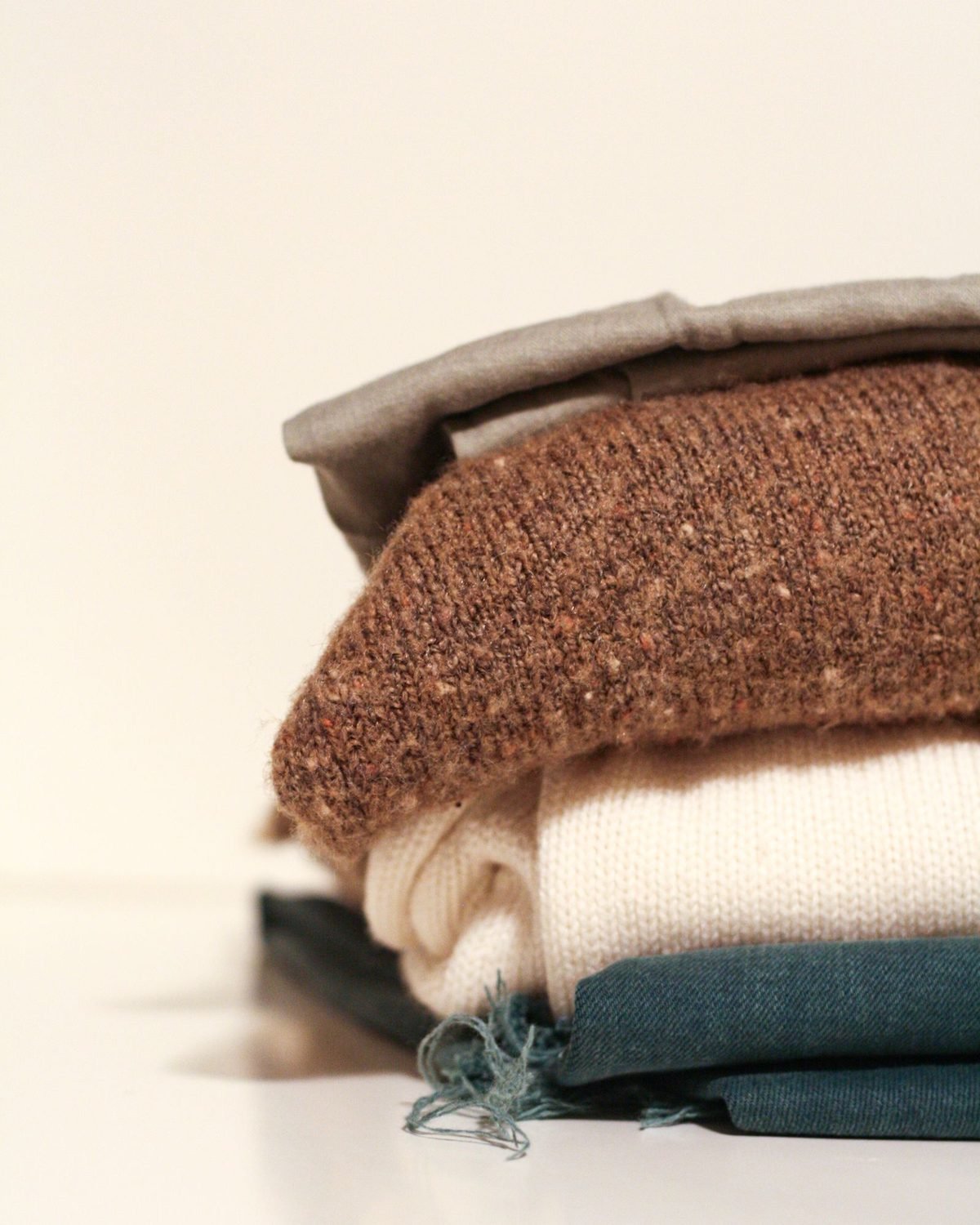
Never store dirty clothes. Stains set over time, and food, sweat and body oil can attract pests. Wash, spot-treat or dry-clean pieces according to the care label, and let everything dry completely before it goes into a bin.
Fold knitwear instead of hanging it for long storage, so shoulders do not stretch. Button or zip coats and jackets so they keep their shape. Empty every pocket, and take off pins, belts and anything that could snag a fabric.
Group by fabric when you can: wool with wool, cotton with cotton, and delicate pieces in a pillowcase or a fabric bag inside the bin. This makes it easier to unpack later and keeps a heavy buckle from rubbing a light dress.
If a piece needs a repair, do it now or put a note on the bin. A missing button is easy to forget until the first cold morning of the next season.
These prep steps take longer than packing, and they are the difference between opening a bin of ready-to-wear clothes and opening a bin of surprises.
A full closet reset does not have to happen in one evening. You can wash one load of off-season clothes tonight, pack that storage bin tomorrow and finish the rest of the seasonal clothes storage over the weekend. Slow and clean is better than a rushed pack that traps a damp hoodie in a closed container.
12 Seasonal Clothes Storage Ideas That Fit a Small Home

Here are 12 seasonal clothes storage ideas for apartments and small closets. You do not need all 12. Pick two or three containers and one or two storage spots, then keep the system consistent so you can find things next season.
A simple rule: current clothes stay in the easy-to-reach part of the closet. Stored clothes can go higher, lower or in another room, as long as they are labeled and fully dry.
1. Use Labeled Bins and Boxes

The most reliable of all seasonal clothes storage ideas is a lidded storage bin with a clear label. Opaque bins keep out light and dust. Clear bins make it obvious what is inside, which is helpful if you do not trust yourself to label carefully.
Write the season, the person and a short contents list on the label: “Winter, Maya, sweaters and scarves.” A piece of tape and a marker are enough. If you stack bins, put the label on the end you will see, not just on the lid.
Do not overfill. A bin you cannot lift, or a lid that will not close, is a bin that will get shoved in a corner and ignored. Two comfortably full bins are better than one stuffed one.
Tip: Keep a very short list of what is in each bin on your phone, in case the label faces the wall.
2. Pack a Suitcase You Already Own

A suitcase is already a lidded, movable container, and most people have one that sits empty for months. Packing off-season clothes into a suitcase is one of the most practical seasonal clothes storage ideas for renters, because it uses something you already own.
Fold clothes tightly, fill the corners with socks or belts, and add a sachet or a cedar block for wool. Leave the suitcase somewhere useful: under a bed, on a closet floor or on a high shelf if it is light enough to lift.
If you travel in both seasons, keep one bag partly free, or pack a smaller spare suitcase with the off-season and leave your main bag available. A suitcase that has to be fully unpacked before a weekend trip is not a good long-term home.
Tip: Zip a packing list into the inside pocket so you do not have to open every compartment to remember what you stored.
3. Use the High Closet Shelf for Sweater Stacks

If you have a high closet shelf, it can hold a full off-season of folded sweaters, tees or jeans. This is one of the seasonal clothes storage ideas that keeps clothes in the same room as the rest of your wardrobe, which makes the swap easier.
Stack by type and by color, and use a shelf divider or a shallow bin so stacks do not lean and fall. Put the heaviest stacks at the bottom and the pieces you might still need, such as a light cardigan, at the front.
If the shelf is very high, keep a folding step stool nearby. A shelf you cannot reach safely will become a graveyard for clothes you forget you own.
Tip: Do not store a loose pile of hangers or mystery bags on the same shelf. The sweater stacks need a clear, clean surface.
4. Give Special Pieces a Dedicated Case
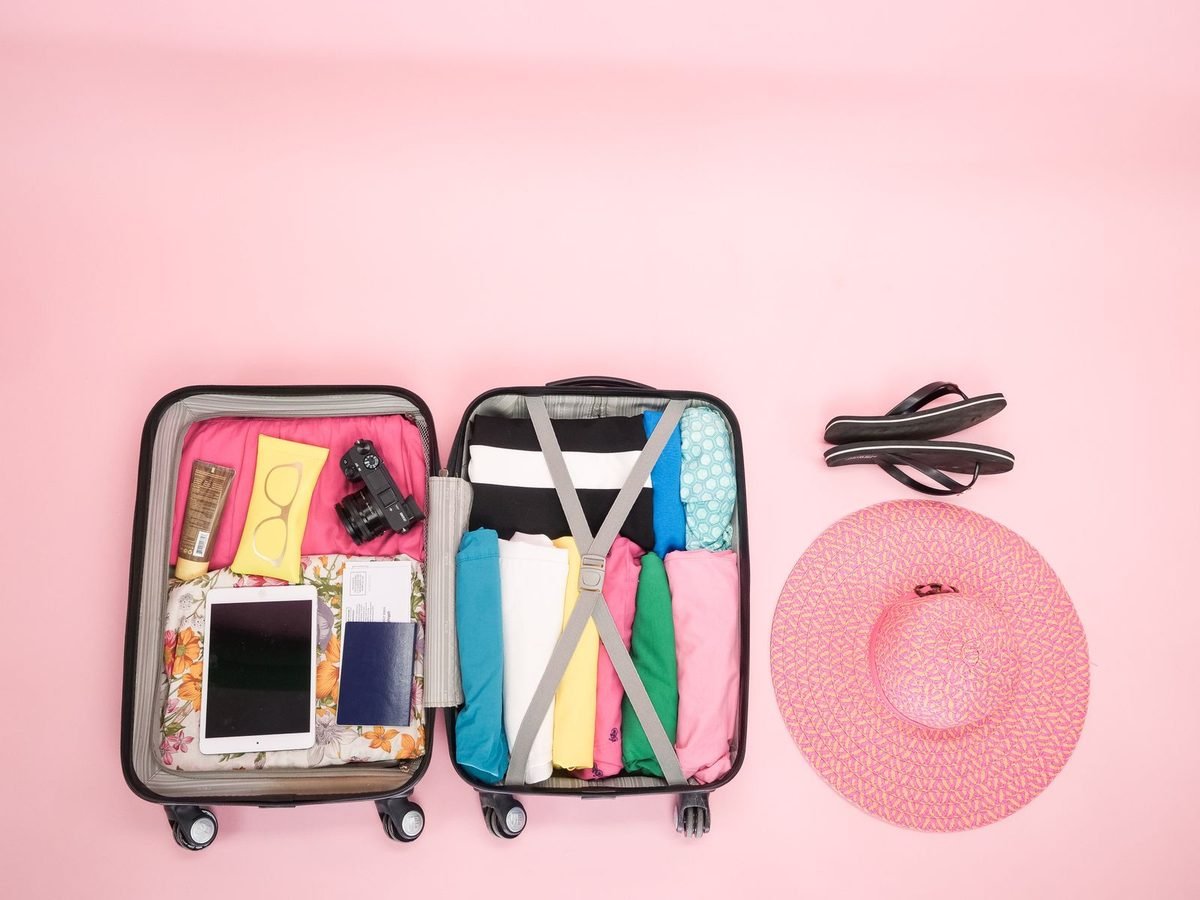
Some clothes deserve a little more care: a wool coat, a suit, a formal dress or a pair of good leather boots. A dedicated suitcase, a breathable garment bag or a sturdy box keeps those pieces from being crushed under everyday knits.
Hang structured coats and suits in a breathable bag in a spare closet if you have the rod space. If you do not, fold them carefully along existing seams, pad the folds with tissue or a clean T-shirt and lay them on top of a bin rather than at the bottom.
Avoid long-term storage in plastic dry-cleaner bags. They can trap moisture. Move the piece into a breathable bag and keep the cleaning receipt with it if you need care details later.
Tip: Clean leather and suede before you store them, and add a little space around boots so they are not crushed flat.
5. Hang Only the Pieces That Would Wrinkle

Not everything in the off-season needs a hanger. In fact, hanging too much is how a small closet stays crowded all year. One of the smarter seasonal clothes storage ideas is to hang only the pieces that wrinkle or lose shape on a fold: structured jackets, some trousers, dress shirts and delicate blouses.
Everything else can be folded into a bin or onto a shelf. Knits especially prefer a fold. If you must hang a sweater for a short time, use a folded hanger so the shoulders do not stretch.
This split also makes the visible closet look calmer. A shorter row of hanging clothes and a few clean stacks is easier to maintain than a rod packed with both seasons.
Tip: If a hanging item will be stored for many months in a spare closet, cover it with a breathable bag and give it a little space so air can move.
6. Use Under-Furniture and Living-Room Spots Carefully

When the closet is full, furniture can help. Flat bags under a bed, a lidded ottoman, a bench in the entry or even a spare drawer in a living-room cabinet can hold off-season clothes. These are some of the most useful seasonal clothes storage ideas in a studio.
Keep the containers closed, labeled and clean. A visible pile of clothes on a sofa is not storage, it is clutter. A low under-bed bin with a lid looks and acts like furniture, not like a laundry pile.
Choose spots that stay dry and are not against a leaky window or a damp outside wall. Living-room storage should also stay out of the main walkway, so you are not tripping over a bin to get to the couch.
Tip: If you store clothes under a bed, vacuum under there first, and use a bin with a lid so dust does not settle on the fabric.
7. Pack Tight, but Do Not Vacuum-Seal Everything

Compression bags can shrink bulky puffers and winter bedding, which is helpful in a small home. They are not the right choice for every fabric. One of the more careful seasonal clothes storage ideas is to pack tight with packing cubes or a well-filled suitcase, and to reserve vacuum bags for items that can handle it.
Down and some synthetics usually recover after compression. Delicate knits, structured wool and anything with a crease you care about may not. If you do use a vacuum storage bag, do not over-compress, and unpack one item if you are not sure how the fabric will bounce back.
Whether you vacuum or simply pack tightly, the clothes must be clean and completely dry. A sealed bag will hold any moisture you packed in with them.
Tip: Write the contents on the outside of a compression bag. Once the air is out, it is hard to tell a bag of sweaters from a bag of blankets.
8. Keep a Small Overflow Rack During the Swap

The swap itself is messy. For a weekend, a slim garment rack can hold the incoming season while the outgoing season goes into bins. This is one of the seasonal clothes storage ideas that makes the process faster, because you can see both seasons at once and make better keep-or-store decisions.
Set the rack up for a few days, not for the whole year, unless you truly have no closet space. Once the bins are closed and the current season is in the closet, fold the rack away.
A rack is also useful if you are waiting on laundry or dry cleaning before you pack. Do not pack damp clothes “for now.” Let them finish drying on the rack, then store them.
Tip: Take a photo of the rack before you pack. It is a quick visual inventory if a label later feels too vague.
9. Keep a Simple Inventory So You Do Not Rebuy

A short inventory is one of the seasonal clothes storage ideas that saves money. Before you close a bin, list the main contents: “4 sweaters, 2 heavy scarves, 1 wool coat, 1 pair of snow boots.” A note in your phone is enough.
This list helps in two ways. In the middle of the opposite season, you will not buy a third tan cardigan if the list already shows two. When the season returns, you can unpack with a plan instead of dumping everything on the bed.
If you like more detail, add a photo of the open bin. You do not need a spreadsheet unless you enjoy one.
Tip: Update the list when you add or remove something. A stale inventory is almost as unhelpful as no inventory.
10. Protect Clothes From Moths, Moisture and Odors
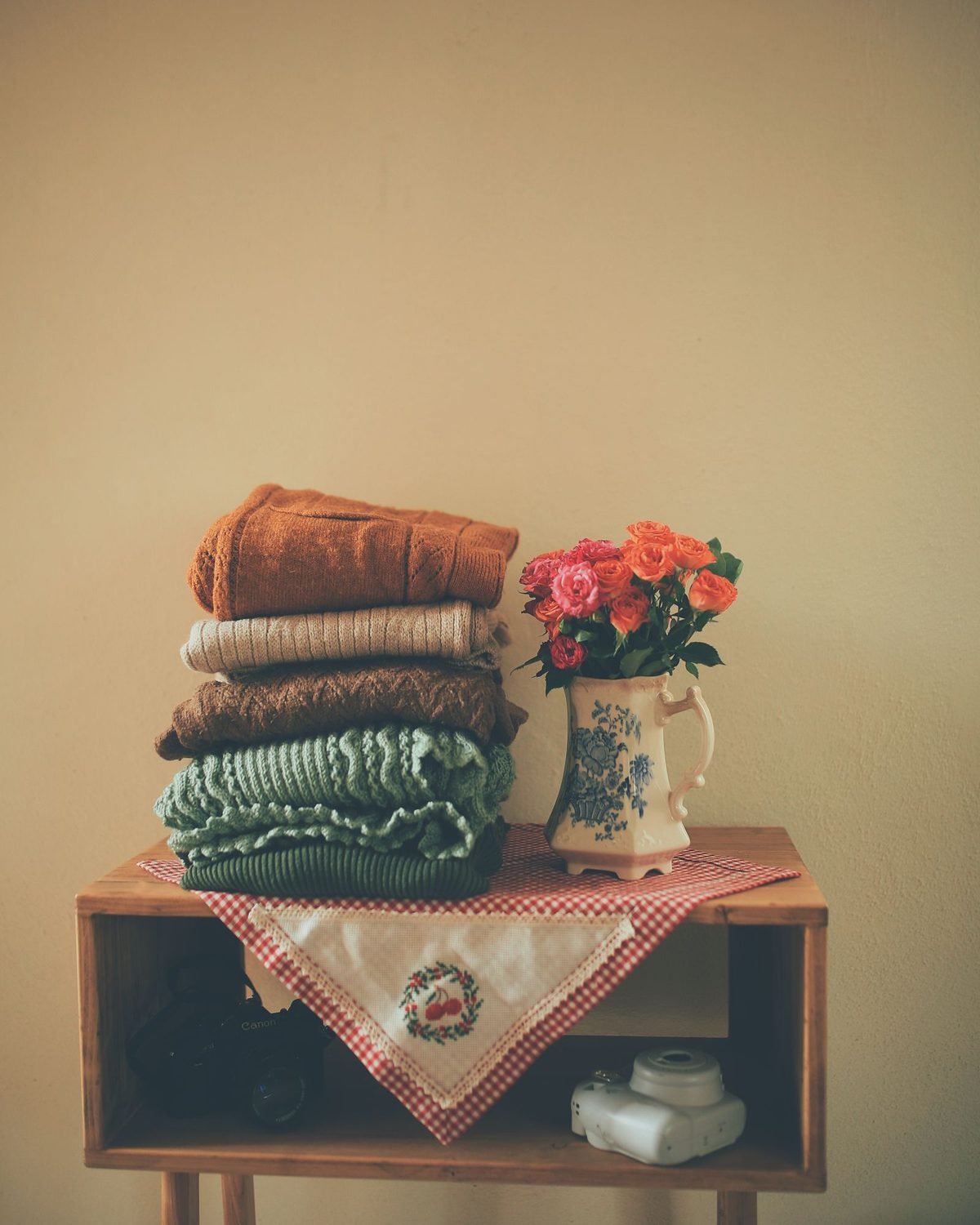
Wool, cashmere and fur-blend coats need a little protection in storage. A cedar block, cedar rings or a lavender sachet are simple, low-odor options. Refresh cedar with a light sanding when the scent fades.
Skip mothballs if you can. They have a strong smell that is hard to get out of clothes and can be a problem for indoor air, especially in a small apartment. If you want a broader look at safer household products, the EPA Safer Choice program is a useful starting point.
Moisture is the other risk. Store bins off a damp floor, leave a little air around hanging coats and never pack clothes from the dryer while they are still warm and slightly damp. In humid climates, a small moisture absorber in a closet can help, as long as it cannot spill onto fabric.
Tip: Check a wool bin once during the off-season if you can. A two-minute look is better than a surprise next year.
11. Use Soft Bags and Cartons for Lighter Clothes

Not every stored item needs a hard bin. Soft canvas storage bags, zippered fabric totes and sturdy cartons work well for lighter off-season clothes such as summer tees, tank tops and linen.
Soft bags slide under a bed or onto a high shelf and take less space when they are only half full. Cartons are fine for short-term storage if you tape the seams, label two sides and keep them off a damp floor. For anything you care about long term, a lidded plastic or fabric bin is more protective.
Use this option for clothes that are easy to replace and that do not need as much structure. Save the better bins for wool, coats and anything expensive or sentimental.
Tip: If you use a carton, line it with a clean sheet or a large paper bag so cardboard dust does not sit on the clothes.
12. Keep One Swap Bin Ready Year Round

The last of these seasonal clothes storage ideas is a habit as much as a container. Keep one “swap” bin or bag available all year. When you notice a heavy sweater in May or a sundress in November, drop it in the bin instead of leaving it on the wrong rod.
When the bin is full, or when the season officially changes, do a proper pack and update the label. This prevents the slow creep of the wrong season back into the everyday closet.
The ready bin also helps if you live in a place with sudden weather swings. A light layer can stay in the closet, and the extras can sit in the bin until you are sure the season has turned.
Over time, this one bin becomes the heart of your off-season storage. You are no longer making a huge project out of seasonal clothes storage two times a year. You are moving a few pieces at a time, then doing a shorter swap when the weather finally settles.
Tip: Do not let the swap bin become a maybe pile. If something sits in it for a full year, it is time to donate it.
How to Protect Stored Clothes From Moths and Moisture

Beyond sachets and cedar, a few habits protect almost any stored wardrobe. Store clothes in a clean closet, not in a damp basement corner, a hot attic or a garage where temperatures swing hard. Extreme heat and cold are tough on fabric, glue and leather.
Give hanging items a little space, and do not press bins against a sweating exterior wall. If you notice a musty smell when you open a closet, air it out before you add stored clothes, and fix the moisture source if you can.
Check pockets and cuffs for crumbs or sand before you pack. Pests are less interested in a clean, dry closet than in one that smells like the life you lived in the clothes.
If you ever find damage, isolate the affected pieces, clean them and inspect the rest of the bin before you put anything back.
When to Swap Seasonal Clothes

Most homes do well with two main swaps: spring and fall. A smaller mid-season edit can help if your climate has a long, strange in-between.
In spring, pack heavy coats, wool sweaters, snow boots and thick scarves, and bring out light jackets, short sleeves and sandals. In fall, do the reverse, but keep one light jacket handy until the weather actually turns.
Pick a weekend and pair the swap with a closet clean: wipe shelves, vacuum the floor and donate anything you did not wear last season. The swap is the best time to edit, because you are already touching every piece.
If you travel between climates, you may need a third, smaller kit, such as a box of warm layers for a winter trip, stored with your suitcase rather than in the everyday closet.
Put the swap on the calendar, just as you would a bill or a dentist visit. A planned Saturday in April and another in October will do more for your seasonal clothes storage ideas than an overdue, exhausting clean-out after the closet has already overflowed. Keep the tools handy that day: labels, a clean storage bin, a donation bag and a little time.
Common Seasonal Storage Mistakes to Avoid
A few mistakes can undo a good system.
- Storing dirty or damp clothes. This is the most damaging one, and the easiest to avoid.
- Packing clothes you do not wear. Storage is not a substitute for editing.
- Leaving bins unlabeled. You will forget, and you will buy duplicates.
- Using a closet rod for both seasons all year. The current season needs room to breathe.
- Sealing everything in plastic, including items that need air. Breathable storage is safer for many fabrics.
- Hiding bins in a damp or hot place. A clean closet shelf is better than a garage floor.
- Skipping the inventory. A short list prevents rebuying.
- Never checking the stored clothes. A mid-season look can catch a problem early.
Seasonal Clothes Storage Ideas FAQ

What is the best way to store seasonal clothes in a small apartment?
Wash and dry everything, then pack it into labeled bins or a suitcase and put those containers on a high shelf, under the bed or in a closet that is not used every day. Keep only the current season in easy reach.
Should I hang or fold clothes for storage?
Fold knits and most casual pieces. Hang structured coats, suits and anything that wrinkles badly, in breathable bags if they will be stored for a long time.
How do I store winter clothes in summer?
Clean them, make sure they are fully dry, pack wool with cedar or lavender, label the bin and keep it in a cool, dry place away from direct sun and damp floors.
Are vacuum bags good for seasonal clothes?
They are useful for bulky puffers and bedding, but not ideal for every fabric. Pack delicate or structured pieces more gently.
How do I keep moths out of stored wool?
Store only clean clothes, use cedar or lavender, keep the space dry and inspect once if you can. Fix any moisture problem in the closet.
Where can I store off-season clothes without a basement?
Under the bed, on a high closet shelf, in a suitcase, in a storage ottoman or on a reserved shelf in a bedroom closet.
How often should I swap seasonal clothes?
Twice a year is enough for most people, with a smaller edit if the weather changes slowly or you live in a mild climate.
What should I do with clothes I did not wear all season?
Donate, sell or let them go, unless you have a clear reason to keep them. Do not use precious storage space for clothes you already ignored.
Final Thoughts
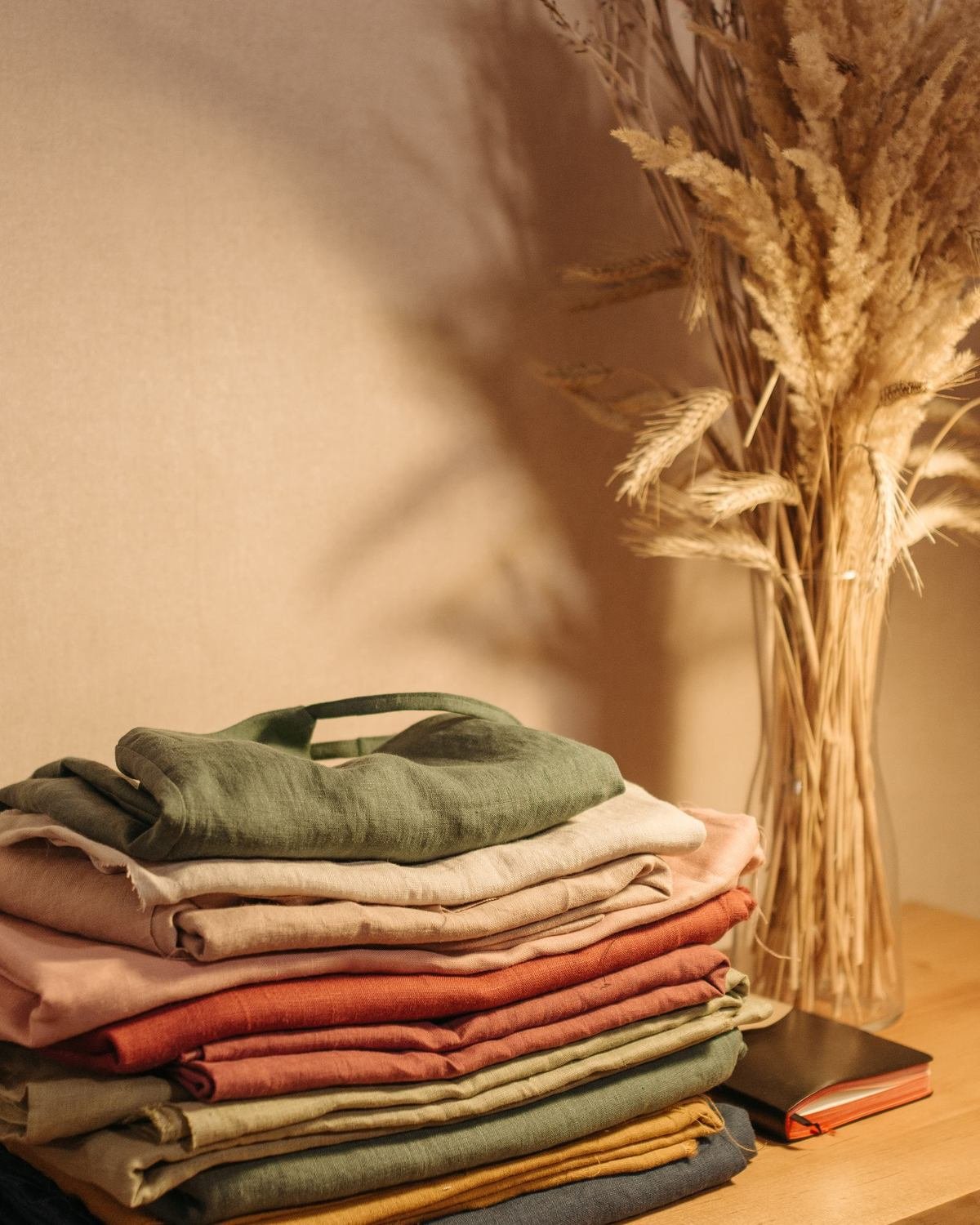
Seasonal clothes do not have to take over a small closet. Sort first, store only clean and dry pieces, and give the off-season a labeled home on a shelf, under a bed or in a suitcase you already own.
Try two or three of these seasonal clothes storage ideas this week. A labeled bin and a quick inventory are the quickest wins. Add moth and moisture protection, a swap weekend and a ready bin as you go, and the closet you use every day will stay easier to live with.
Save this guide for your next spring or fall swap, and look at our how to organize a small closet with lots of clothes and small bedroom storage ideas for adults guides if the everyday closet needs a reset too. For more tight-space bins and shelves, see our small apartment storage ideas on a budget.
If you do only one thing, pack a single labeled storage bin of off-season clothes this week. That one container will show you whether you prefer a suitcase, a high shelf or under-bed storage, and it will make the rest of your seasonal clothes storage ideas easier to finish.