
19 Shoe Storage Ideas for Small Apartments
Disclosure: This post contains affiliate links. As an Amazon Associate I earn from qualifying purchases. If you buy through these links, I may earn a small commission at no extra cost to you. Read our full disclaimer.
Shoes have a way of taking over a small apartment, and the right shoe storage ideas can win that space back. A few pairs by the door turn into a pile, the closet floor disappears under sneakers and boots, and somehow you still can’t find the pair you want. In a small space, there’s no mudroom or garage to absorb the overflow.
Good shoe storage for small apartments isn’t about one perfect rack. It’s about putting the right shoes in the right place: the pairs you wear every day near the door, the rest in the closet or under the bed, and the off-season ones out of the way entirely. These ideas cover every spot in a small home, with renter-friendly and budget options for each, so these shoe storage ideas work in the space you actually have.
Quick answer: The best shoe storage ideas for small apartments use a slim shoe cabinet or a bench by the door for daily pairs, a boot tray for wet shoes, shelves or stacked boxes in the closet, under-bed bins for extra pairs, wall shelves or over-the-door organizers for vertical space and boxes for off-season shoes. Keep only two or three pairs per person at the door, edit your collection first and clean shoes before you store them.
Why Shoes Take Over Small Apartments
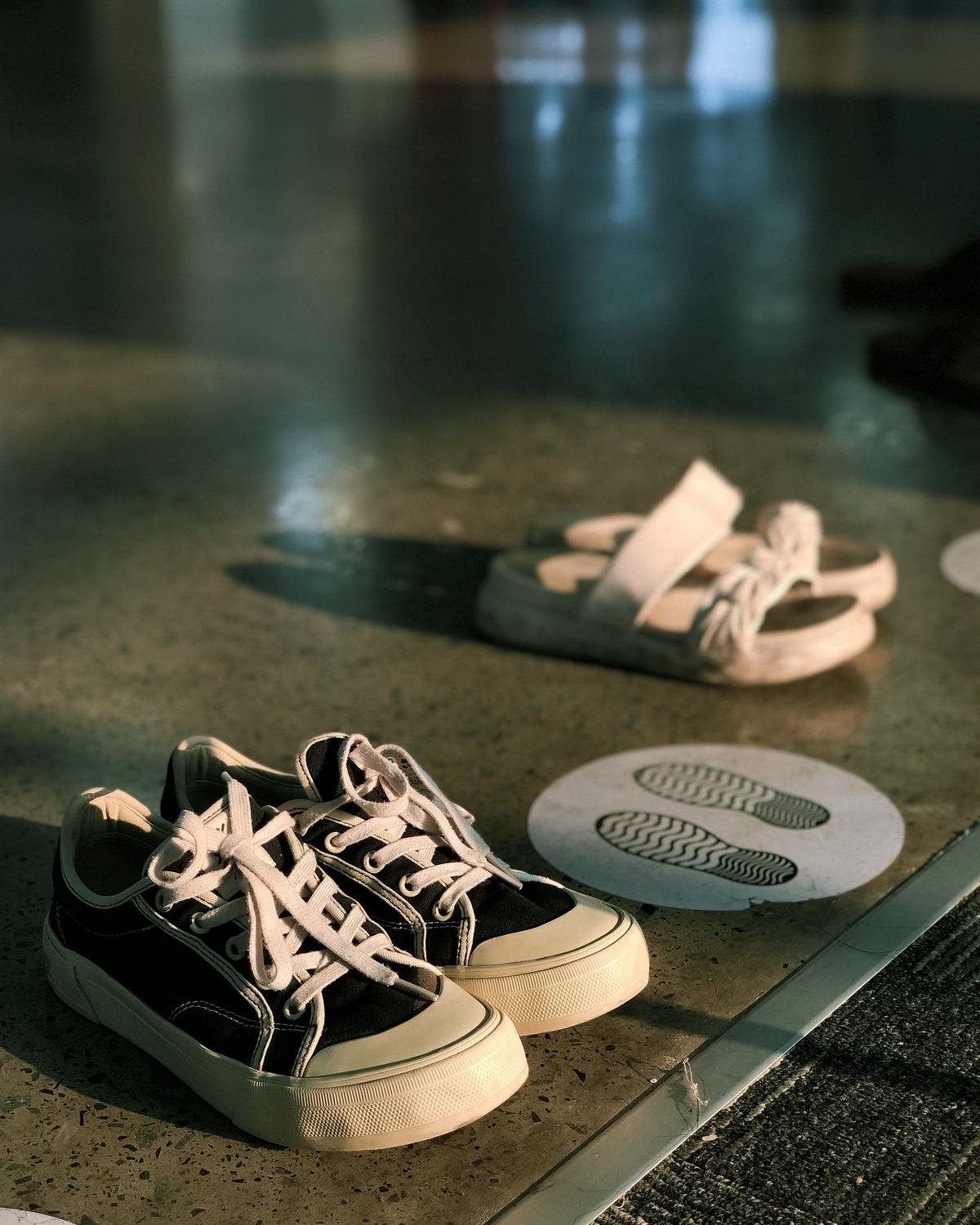
Shoes are bulky, oddly shaped and used every day. That combination makes them hard to store in a small space.
They pile up by the door. Most people take off their shoes as soon as they walk in. Without a clear spot, they stay wherever they land.
They don’t stack well. Heels, boots, sneakers and sandals all have different shapes. A single rack rarely fits all of them.
Closets are already full. In a small apartment, the closet holds clothes, bags, cleaning supplies and more. Shoes get the leftover space on the floor.
Seasonal pairs stay out all year. Snow boots in July and sandals in January take up prime space.
Everyone has different needs. A household with kids, a runner or someone who wears work boots needs more than one system.
The shoe storage ideas below solve each of these problems, one area at a time.
Edit Your Shoes First
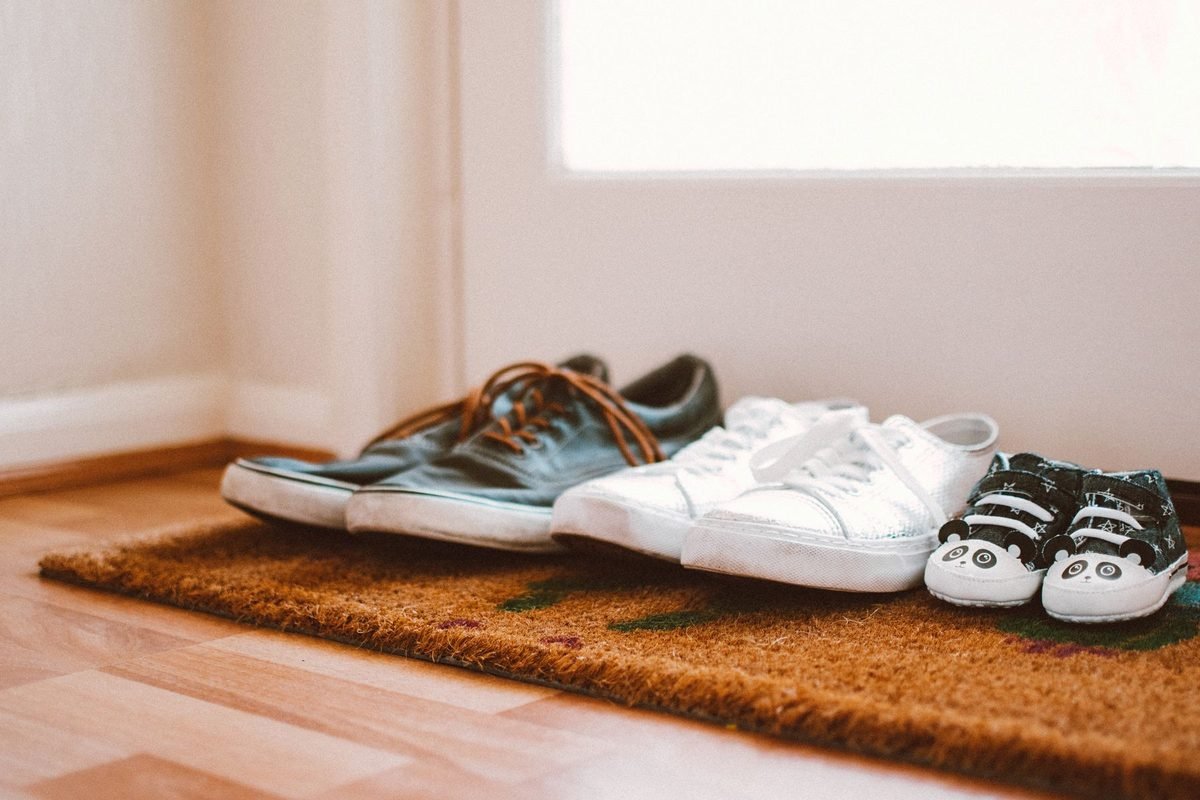
Before you try any shoe storage ideas, count your shoes. It’s the step that makes everything else work.
1. Gather every pair. Pull shoes from the closet, the entry, under the bed and anywhere else they hide.
2. Sort into groups. Daily, occasional, seasonal and “never wear.”
3. Be honest about the “never wear” pile. Shoes that hurt, don’t fit or haven’t been worn in a year are taking up space. Donate pairs in good condition and recycle or toss worn-out ones. Footwear is part of the textile waste the EPA tracks in its textiles data, so passing on wearable pairs keeps them in use longer.
4. Count what’s left. Now you know how much storage you need, and where. For more on editing, see our room-by-room declutter checklist.
5. Measure your spaces. Note the width and depth by the door, in the closet and under the bed. Most adult shoes need about 12 inches of depth, but measure your biggest pairs to be sure.
Do the shoe math. Once you know your count, match it to storage. Line up a few pairs on the floor and measure how wide they are together; that tells you roughly how many pairs fit on each shelf of a rack. Boots and high-tops need taller tiers, so count them separately. Write down three numbers: pairs for the door, pairs for the closet and pairs for off-season storage. Shop with those numbers, and you won’t end up with a rack that’s too big or too small.
What to do with shoes you’re letting go. Wearable pairs can go to a local charity shop, a shelter or a community clothing drive. Tie or rubber-band each pair together so they stay matched. Kids’ shoes that still have life in them are easy to pass on to friends or family. Shoes that are worn out may be accepted by textile recycling programs in some areas, so check with your city or local drop-off sites before you throw them away.
Entryway Shoe Storage Ideas

The entry is where most shoe clutter starts. The aim here is a home for the pairs you wear most, and nothing else. Our small entryway organization ideas cover the rest of the area.
Size the door zone first. Stand inside your front door and look at the space you have. Note where the door swings, where you set down bags and where you naturally kick off your shoes. That’s where storage should go. If the entry is very tight, a cabinet only a few inches deep, a wall of hooks for bags and a small tray may be all that fits, and that’s fine. The point is a clear landing spot, not a lot of furniture.
1. Use a Slim Shoe Cabinet or Chest

A slim shoe cabinet with tilt-out drawers holds several pairs in a very narrow footprint. It also gives you a top surface for keys, mail and a small lamp.
A slim shoe cabinet can be shallow enough for a tight hallway. A low chest of drawers works too, with shoes in the bottom drawer and accessories in the top.
Tall, narrow cabinets can tip over, especially when drawers are open. The CPSC’s Anchor It campaign recommends anchoring furniture, and many landlords allow a small anchor for safety.
Make it work: Assign each person a drawer, and limit it to what fits. When the drawer is full, a pair goes back to the closet.
Renter check: A freestanding cabinet needs no holes. If you anchor it, use one small screw into a stud and ask your landlord first; it’s a tiny hole that’s easy to patch when you move out.
2. Add a Bench With Shoe Storage

A bench by the door gives you a place to sit while putting on shoes, and the space underneath becomes storage.
Look for a shoe storage bench with one or two shelves or cubbies. Some have a lift-up seat for hidden storage.
Make it work: Put daily shoes on the bottom shelf and baskets for hats, gloves and dog leashes on top.
On a budget: A sturdy crate or a low bookcase on its side can work as a bench with a cushion on top.
Renter check: Measure how far your front door swings before you buy. A bench that blocks the door will end up moved, and the shoes will be back on the floor.
3. Use a Boot Tray for Wet and Muddy Shoes

Rain boots, snow boots and muddy sneakers need their own spot, or they’ll damage the floor and spread dirt.
A boot tray catches water and dirt. Put a few smooth stones in it for drainage, so shoes dry faster.
Make it work: Keep the tray by the door in rainy or snowy months only. In summer, store it under the bed or flat against a closet wall.
On a budget: A rimmed baking sheet or an old plastic serving tray works as a boot tray for the first season while you decide whether you need a bigger one.
4. Keep Slippers in a Basket

If you swap to slippers at home, keep them in a small basket by the door. It’s easy to grab them on the way in and drop them on the way out.
A basket also works for flip-flops and kids’ shoes. It hides small pairs that would otherwise scatter.
Make it work: Give each person their own basket, or keep one shared basket per season.
On a budget: Any sturdy basket you already own works. Choose one with low sides so slippers are easy to grab.
5. Use a Hallway Wardrobe or Built-In

If your apartment has a hall closet or a wardrobe near the door, shoes can live inside it on the floor or on shelves.
A stackable shoe rack fits on the floor of a closet and doubles the number of pairs you can store. Adjustable racks let you fit boots on one level and flats on another.
Make it work: Put the pairs you wear most at eye level, and the rest lower or higher.
Renter check: If there’s no hall closet, a freestanding wardrobe or a tall cabinet near the door can play the same role. Anchor tall pieces for safety.
Closet Shoe Storage Ideas
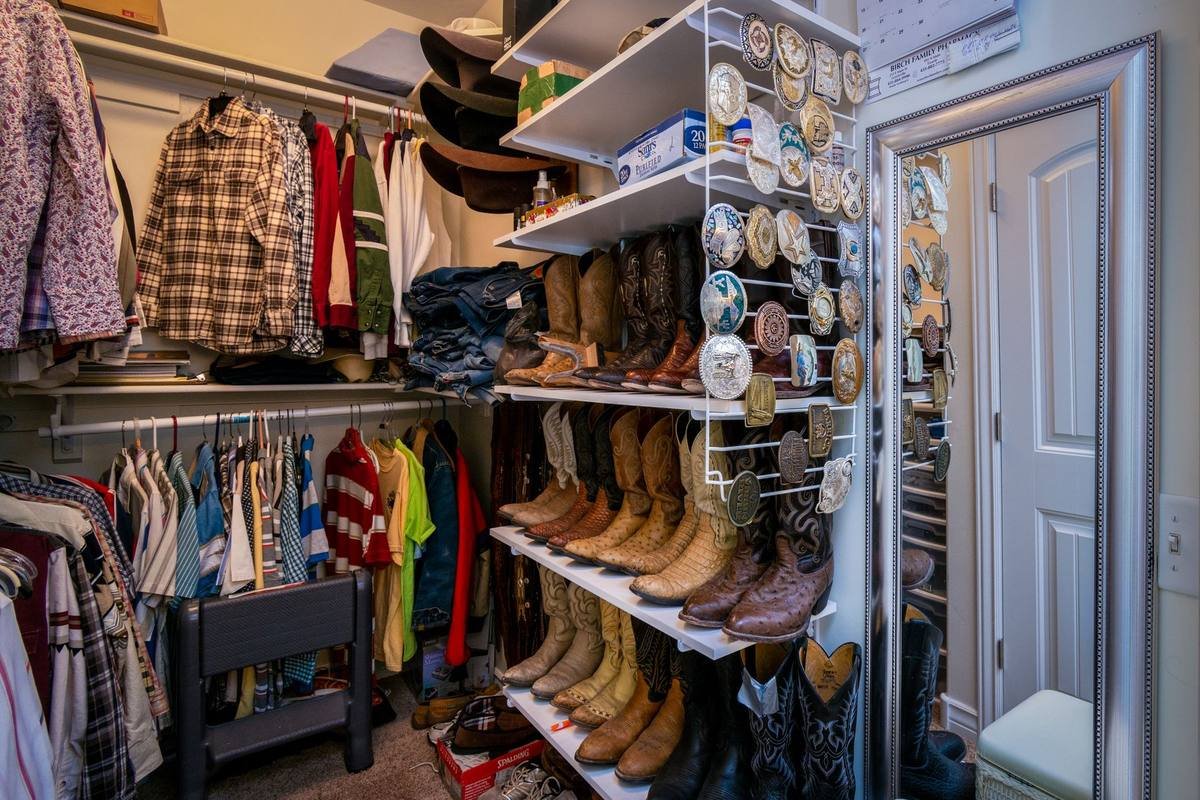
The closet is usually the best place for shoes you don’t wear every day. These ideas help you fit more without the pile. For more closet tips, see our small closet organization ideas on a budget.
6. Add Shelves to the Closet Floor
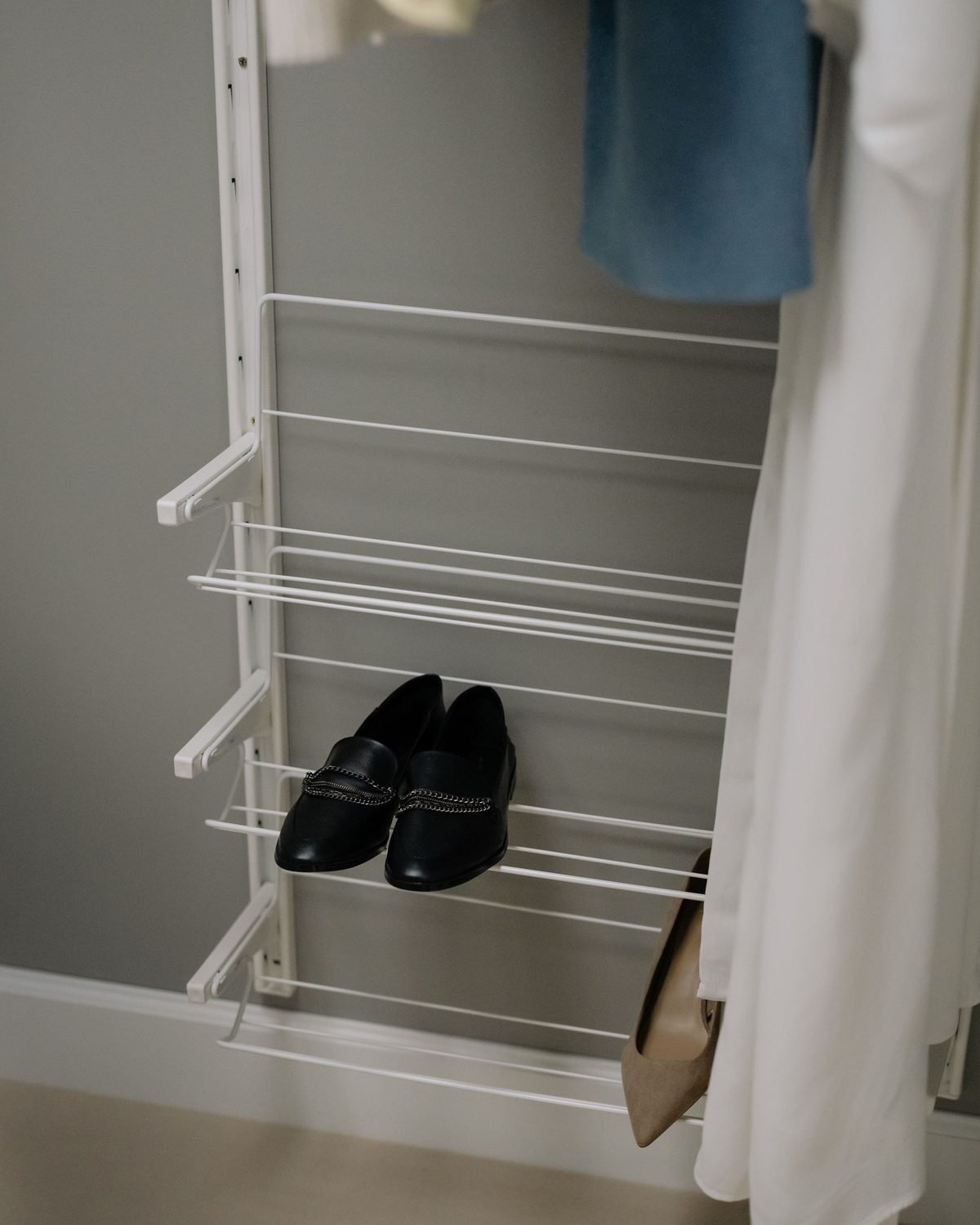
Shelves on the closet floor turn wasted space into neat rows of shoes. Freestanding shelves don’t need any installation.
A closet shoe shelf with two or three tiers fits under hanging clothes.
Make it work: Store one shoe facing forward and the other facing back. Pairs take up less width that way.
On a budget: A simple bookcase turned on its side gives you two or three long shelves for shoes on the closet floor.
7. Use a Single Shelf for Favorite Pairs
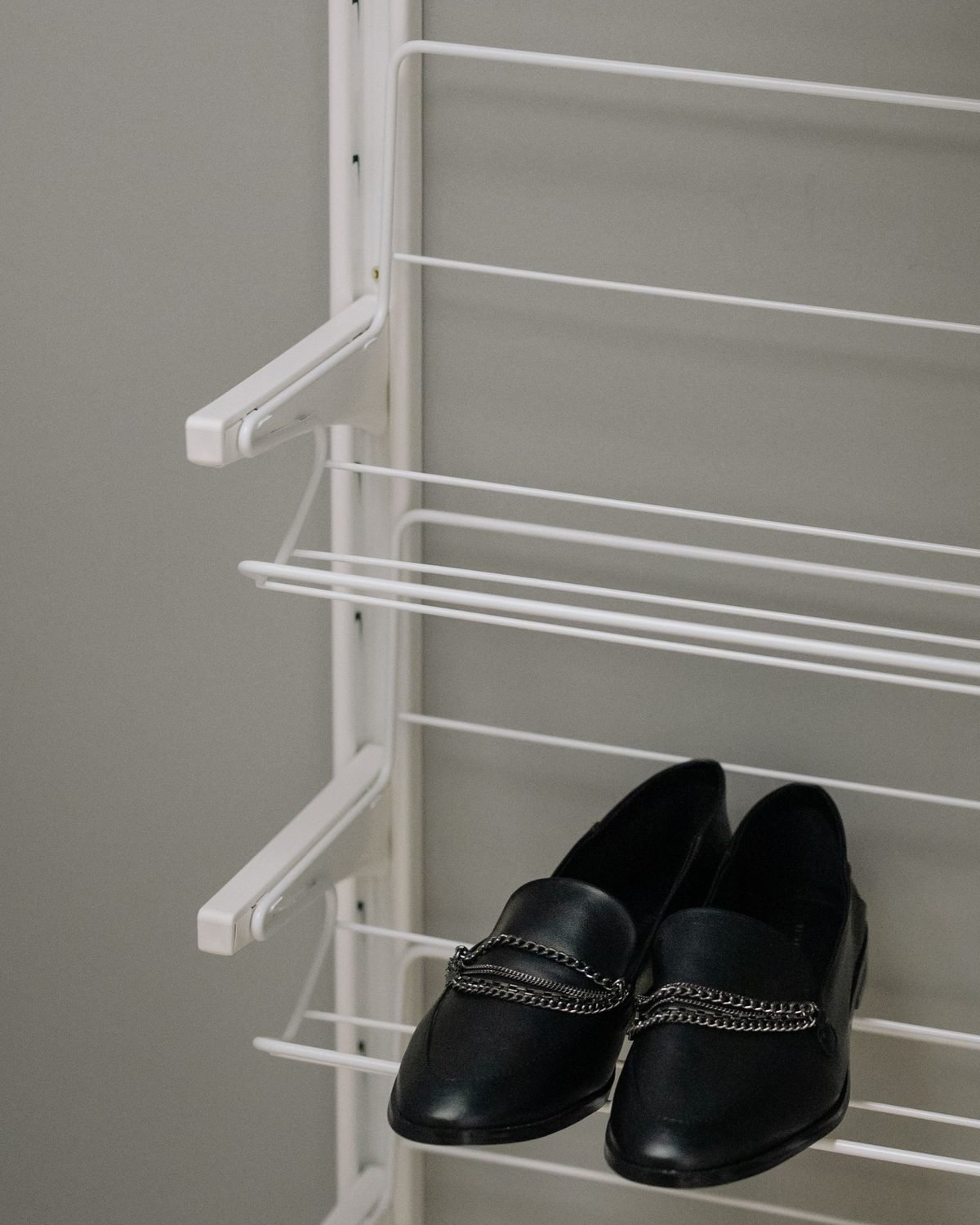
A single shelf for your favorite or best pairs keeps them safe and easy to find. It also makes the closet look tidy.
Use a shelf at eye level for dress shoes or heels you don’t want to get scuffed.
Make it work: Keep shoes clean and dry before you put them on the shelf.
Renter check: A shelf that sits on an existing closet shelf, like a stacking shelf riser, adds a second level with no tools.
8. Use Drawers for Sandals and Flats

Flat shoes like sandals, flip-flops and ballet flats fit neatly in a drawer. They take up very little space and stay easy to see.
A shallow drawer in a dresser or a drawer organizer works well. Line them up side by side.
Make it work: In winter, swap sandals out for slippers or scarves.
On a budget: Dollar-store drawer dividers or small boxes keep sandals in neat rows so they don’t slide around.
9. Stack Shoes in Boxes

Clear or labeled shoe boxes stack neatly on closet shelves and protect shoes from dust.
Clear stackable shoe boxes let you see each pair. If you keep original boxes, label the front or add a photo.
Make it work: Stack boxes by category: sneakers, dress shoes and seasonal shoes.
On a budget: Original shoe boxes are free. Cut a small window in the end or tape a photo of the pair on the front so you can see what’s inside.
10. Use Large Storage Boxes for Off-Season Shoes
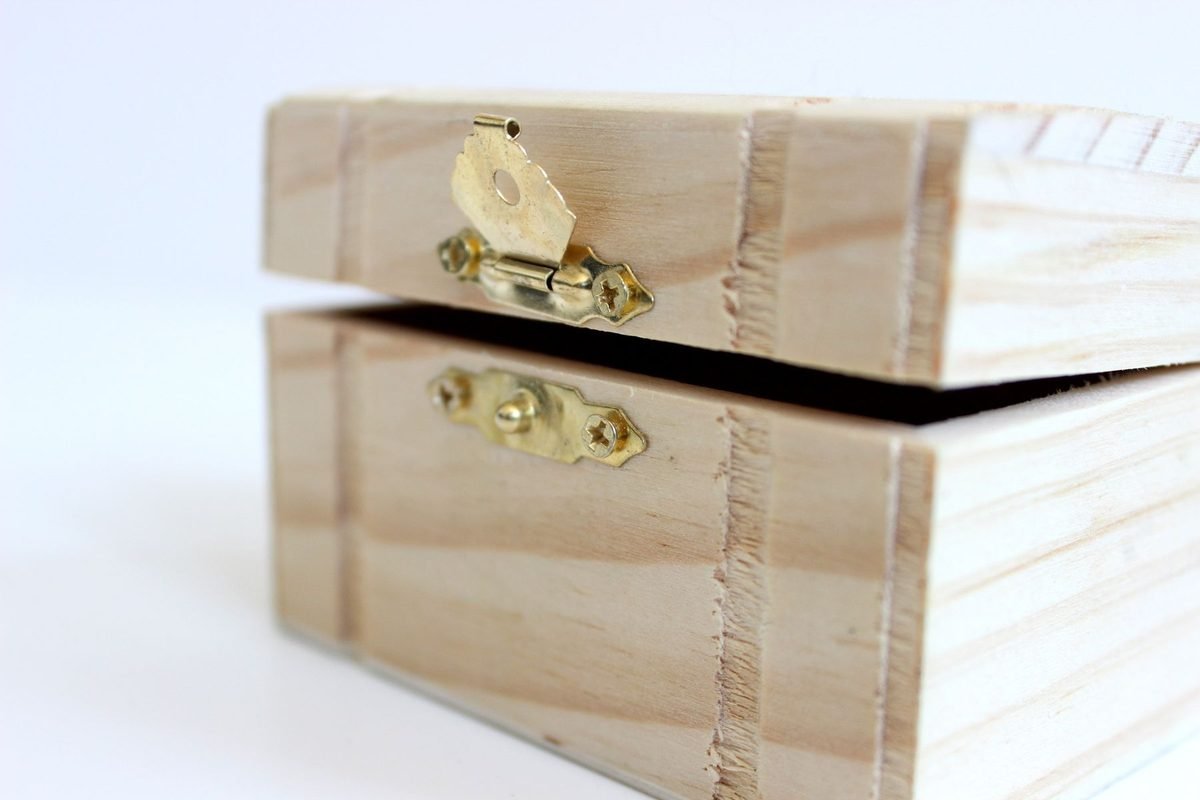
Off-season shoes can go in a larger storage box on the top shelf or under the bed. That frees space for the pairs you’re wearing now.
Choose a box with a lid to keep out dust. Label it with the season and contents.
Make it work: Swap boxes at the start of each season. It’s also a good time to edit pairs you didn’t wear.
On a budget: Use a plastic tote you already own, or the box a big delivery came in, until you know how much space your off-season shoes need.
11. Combine Wardrobes and Open Shelves

If your apartment has a wardrobe and open shelves, use both. Keep shoes you wear often on open shelves and the rest in the wardrobe.
Adding a shoe rack inside a wardrobe makes it easier to see what you have.
Make it work: Keep the bottom of the wardrobe for heavy boots and the top shelves for light shoes.
Renter check: Wardrobe inserts and freestanding racks move with you, so they’re a better fit for renters than built-ins.
Under-Bed and Bedroom Shoe Storage Ideas
The bedroom is a great spot for shoes you wear less often. The space under the bed is especially useful.
12. Store Shoes Under the Bed

Under-bed storage can hold a surprising number of pairs. Use bins or containers with dividers so shoes don’t slide around.
Under-bed shoe organizers with clear lids let you see what’s inside. Some have wheels for easy access.
Make it work: Measure the height under your bed before you buy. Bed risers can add a few inches if you need more space.
On a budget: Shallow plastic bins or fabric boxes work fine under the bed. Put a dryer sheet or a small bag of baking soda in each to keep things fresh.
More bedroom spots: A storage ottoman at the foot of the bed holds several pairs. The bottom drawer of a dresser can store sneakers or flats. A small rack inside a wardrobe or behind the bedroom door also works if your closet is full.
Wall and Vertical Shoe Storage Ideas
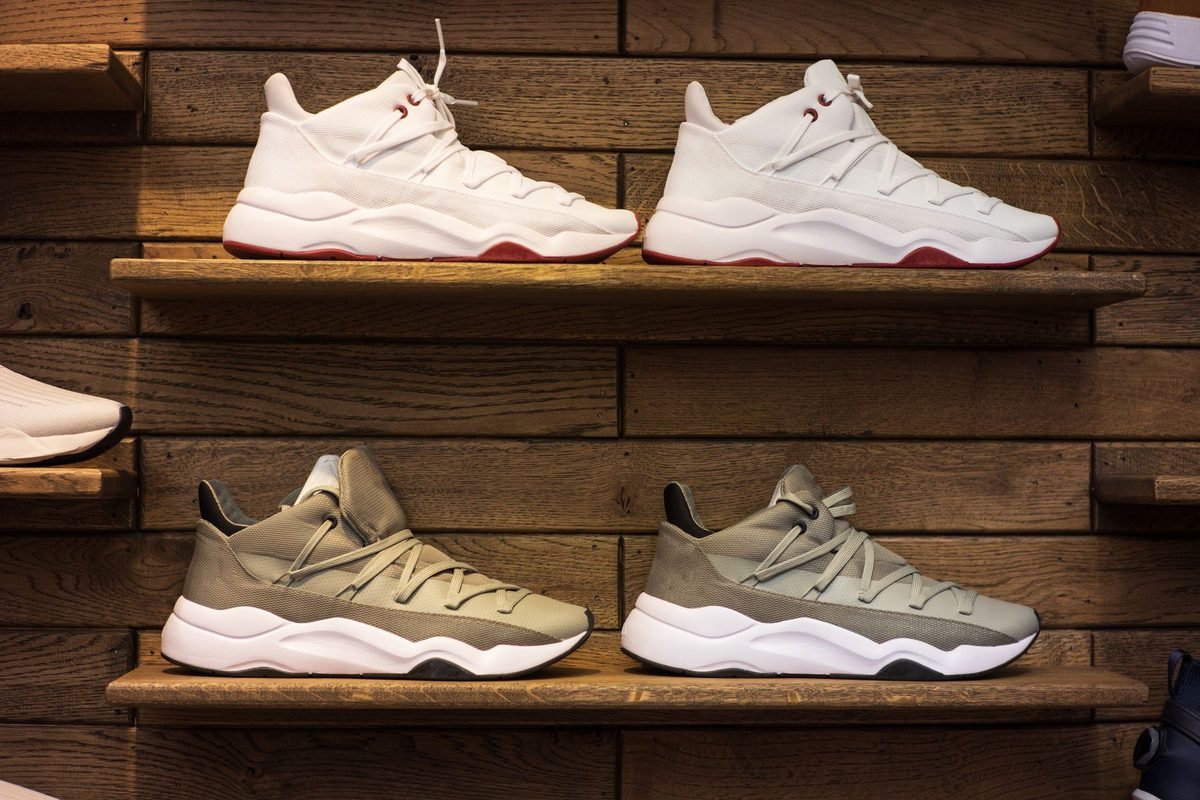
When the floor is full, go up. Wall and door storage use space you might not think about.
13. Display Sneakers on Wall Shelves

If you love sneakers, wall shelves can turn them into a display. Narrow shelves keep them off the floor and make them easy to see.
If you rent, freestanding shelves or a ladder shelf can do the same job without drilling. Our small apartment hacks for renters have more no-drill ideas.
Make it work: Keep the display to your favorites, and store the rest in boxes.
On a budget: A cheap tension rod set low inside a closet can hold heels hooked over the rod, which frees your shelves for sneakers you want to see.
14. Hang an Over-the-Door Shoe Organizer
An over-the-door shoe organizer holds many pairs on the back of a closet or bedroom door. It’s one of the most space-saving options for flats and sneakers.
Check that the door closes properly once it’s full. Some organizers work better for small shoes than for boots or heels.
Make it work: Use the top pockets for small items like socks or shoe polish.
Renter check: Over-the-door organizers need no tools. Use felt pads on the hooks if you’re worried about scratching the door.
Boots and Seasonal Shoes
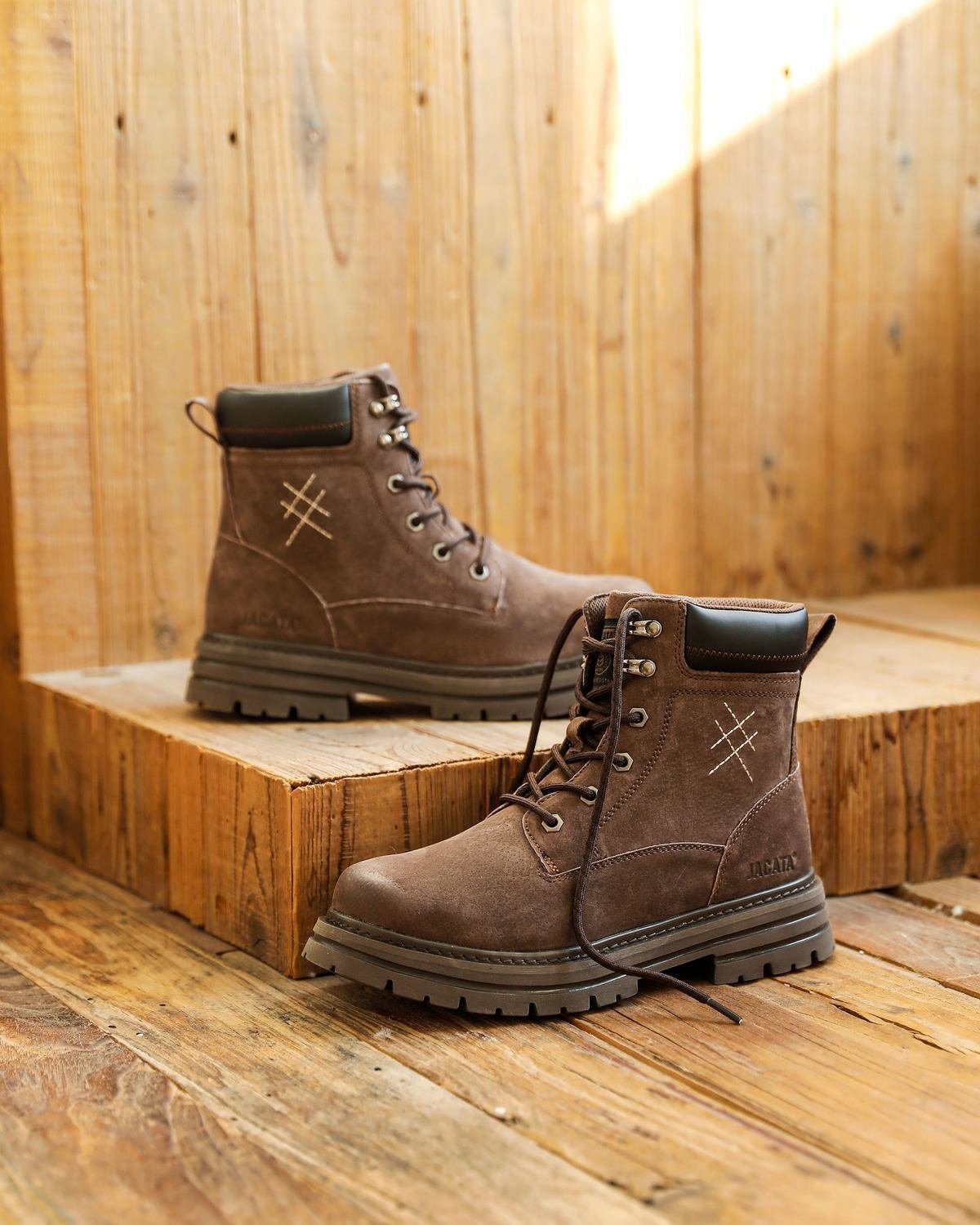
Boots take up a lot of space and can lose their shape if stored badly. Seasonal shoes need a plan too.
15. Store Tall Boots Upright

Tall boots fold over and crease if they’re stored lying down. Keep them upright with boot shapers or rolled-up magazines inside.
A boot rack or clip hangers can store boots upright in the closet.
Make it work: Store boots clean and dry. Leather boots last longer if they’re cleaned and conditioned before you put them away.
On a budget: Rolled towels, pool noodles cut to length or rolled magazines keep boots upright for free.
16. Rotate Seasonal Shoes
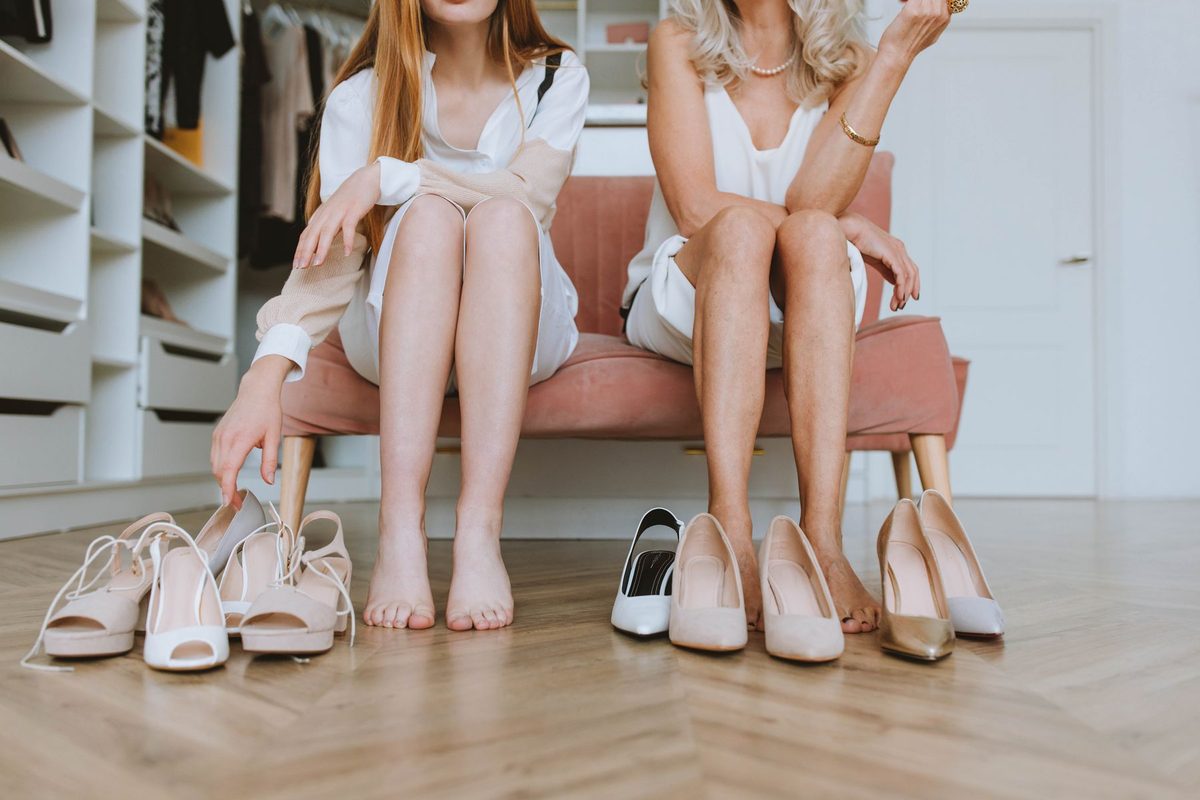
Rotating shoes by season keeps only what you need at hand. In spring, put away heavy boots. In fall, put away sandals.
Store off-season shoes in labeled boxes, under the bed or on the top shelf of a closet.
Make it work: Use the rotation as a chance to clean and repair shoes.
On a budget: Use vacuum bags for off-season shoes only if they’re soft, like slippers. Keep structured shoes in boxes so they don’t lose their shape.
Kids’ Shoe Storage
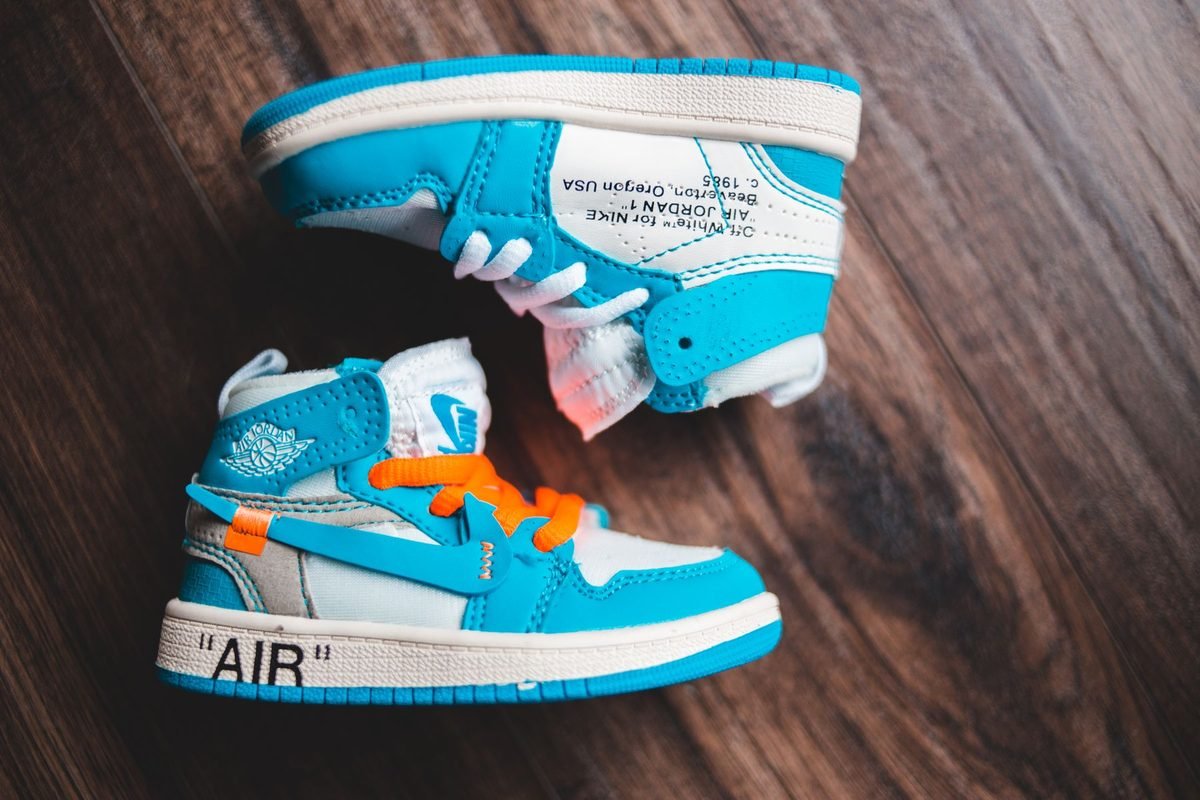
Kids grow out of shoes fast, and their shoes end up everywhere. Make it easy for them to put shoes away.
17. Use Low Bins or Baskets for Kids’ Shoes

A low bin or basket by the door is the easiest system for kids. They can drop shoes in without help.
Use picture labels for young kids. Clear out shoes that no longer fit each season, and pass them on or donate them.
Make it work: Keep one or two pairs per child by the door, and the rest in their room.
On a budget: Cube storage with a fabric bin for each child gives kids their own spot. Dollar-store bins work well at this age because kids grow out of everything so fast.
Shoe Care and Maintenance
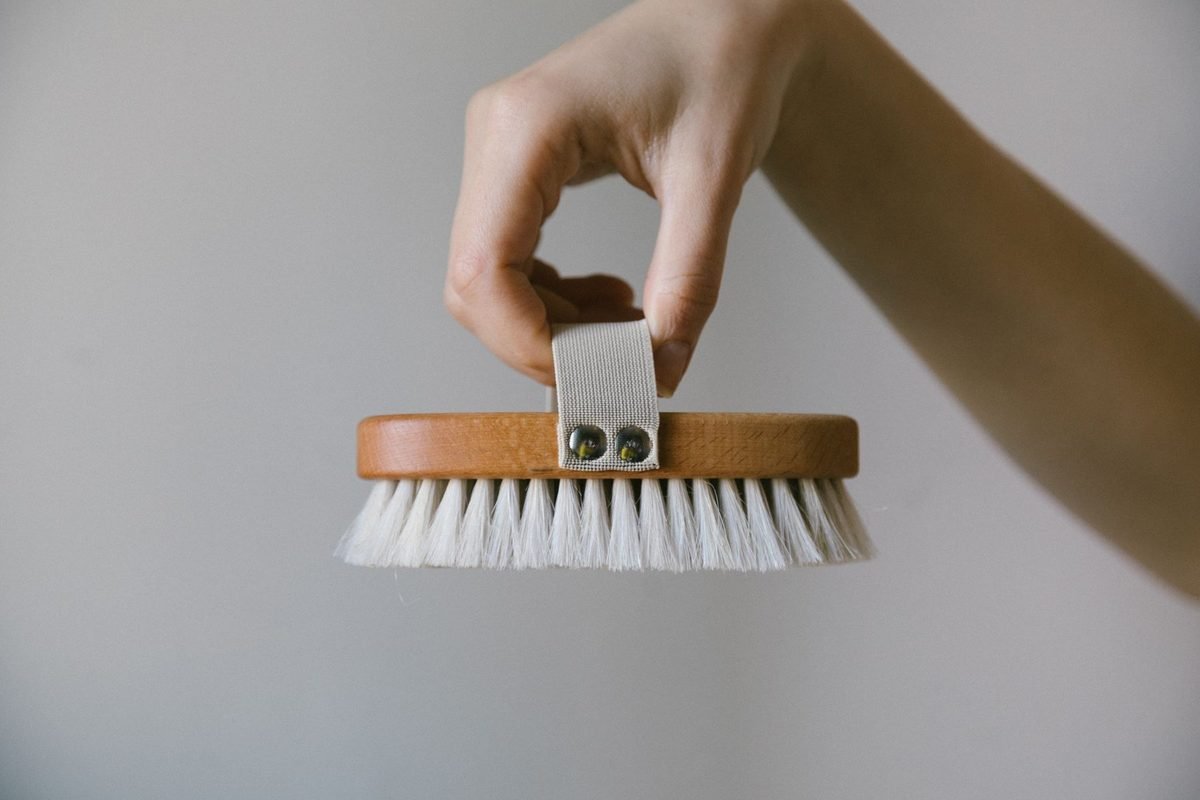
Clean, dry shoes last longer and are easier to store. A simple routine keeps your shoes and your storage in good shape.
18. Keep a Shoe Care Kit

A small shoe care kit with a brush, a cleaner and a cloth makes it easy to take care of your shoes.
Keep it in a small box in the closet or near the door. A shoe cleaning kit covers most types of shoes.
Make it work: Clean muddy shoes as soon as they’re dry. Dirt is easier to brush off then.
Make it work: Keep the kit with a few spare laces and a small pack of insoles, so quick fixes happen right away instead of never.
19. Clean and Dry Shoes Before Storing

Storing wet or dirty shoes can lead to smells and damage. Let them dry fully at room temperature first.
Remove insoles to dry if they’re wet. Stuff wet shoes with newspaper to absorb moisture.
Make it work: Use a shoe deodorizer or a small bag of baking soda in shoes that smell.
Keep the system working:
Daily (one minute): Shoes go in their spot when you walk in, not on the floor.
Weekly (five minutes): Return stray pairs from the bedroom and living room. Empty the boot tray and wipe it.
Monthly (ten minutes): Brush off dirty shoes, check soles and heels for repairs and move any pairs you haven’t worn back to the closet.
Each season (thirty minutes): Swap seasonal shoes, edit pairs that don’t fit or hurt and clean everything before you store it.
Deal with smells and moisture. In a small apartment, shoe odor can spread quickly, especially in a closed cabinet. Give daily shoes a day off between wears so they can dry out. Leave cabinet doors open for a few minutes after a rainy day. Wash removable insoles when the label allows, and replace them when they’re worn out. If a cabinet or closet smells musty, empty it, wipe it down and let it air out before you put shoes back.
What to Buy (and What to Skip)

Worth buying:
- A slim shoe cabinet or bench for the entry.
- A boot tray for wet shoes.
- A stackable shoe rack for the closet.
- Clear shoe boxes for occasional and seasonal shoes.
- An over-the-door organizer for flats and sneakers.
- Under-bed containers for extra pairs.
Worth skipping:
- Huge racks that hold more than you need. They invite more shoes.
- Organizers that don’t fit your shoe sizes. Measure your biggest pairs.
Budget tips: Reuse shoe boxes, check dollar stores for bins and racks and try our Dollar Tree organization hacks for small spaces.
Storage by shoe type:
Sneakers: Open shelves, over-the-door pockets or stacked clear boxes.
Heels: Shelves at eye level, or hooked over a low rod, so they don’t get crushed.
Boots: Upright on a boot rack or with shapers, at the bottom of a closet.
Sandals and flats: Drawers or shallow bins.
Slippers: A basket by the door or the bed.
Work or sports shoes: Their own spot near the door, ideally on a tray, so dirt doesn’t spread through the apartment.
Shoe storage ideas by household:
Studio, one person: A slim shoe cabinet by the door, a stackable rack in the closet and one under-bed bin. Our small apartment storage ideas on a budget help with the rest of the room.
One-bedroom, two people: A bench by the door with one shelf each, closet shelves split down the middle and an over-the-door organizer on the bedroom door.
Family with kids: A low bin for each child by the door, a boot tray in winter, adult shoes in a cabinet above the kids’ reach and outgrown pairs in a donation bag in the closet.
Shoe Storage Mistakes to Avoid

Keeping every pair at the door. Limit the entry to two or three pairs per person.
Storing shoes wet or dirty. It leads to smells and damage.
Buying storage before decluttering. You’ll buy more than you need.
Ignoring vertical space. Doors and walls hold a lot of shoes.
Forgetting seasonal swaps. Rotate shoes so only what you need is out.
Not leaving space for wet shoes. Without a tray, wet shoes end up on the floor and leave marks.
Squeezing boots into small spaces. They crease and lose their shape.
Forgetting about guests. Leave a little space by the door, or a basket, for guests’ shoes.
Where to start this weekend:
- Saturday morning: Gather every pair, sort them and fill a donation bag.
- Saturday afternoon: Measure the entry, closet floor and under the bed, and write down your three numbers.
- Sunday: Set up the door zone first, with a cabinet, bench or simple tray. Then move the rest into the closet and put off-season pairs in a labeled box.
- Next week: Notice where shoes still pile up, and adjust. That spot is telling you where storage is missing.
Shoe Storage Ideas: FAQ

What are the best shoe storage ideas for a small apartment?
The best shoe storage ideas match each pair to a spot. Keep two or three daily pairs per person in a slim cabinet or bench by the door, put the rest on closet shelves or in clear boxes, slide extra pairs under the bed and use the back of a door for flats and sneakers. Store off-season shoes in a labeled box.
How do I store shoes in a small apartment with no closet?
Use a slim shoe cabinet, a bench, an over-the-door organizer and under-bed bins.
How many shoes should I keep by the door?
Two or three pairs per person, plus a tray for wet shoes.
What’s the best way to store boots?
Upright, with boot shapers, on a rack or in a closet.
How do I keep shoes from smelling?
Dry them fully, use a deodorizer or baking soda and rotate pairs so they can air out.
Can I store shoes under the bed?
Yes. Use bins with lids and dividers, and measure the space first.
What’s the best shoe rack for a small apartment?
The best one fits your space and your shoes. A slim tilt-out cabinet works by a narrow door; a stackable rack works on the closet floor. Measure first.
How do I store heels without damaging them?
Store them on a shelf or in a box so they don’t get crushed, and keep pairs together.
Should I keep shoe boxes?
Keep them for special or seasonal pairs if you have the space. Otherwise, clear boxes are easier to see into.
How do I stop shoes piling up by the door?
Give each person a set spot for two or three pairs, and move the rest to the closet every week.
How do I store shoes when I share a small apartment?
Give each person their own shelf, drawer or bin, and agree on a limit for the entry.
Is it okay to keep shoes in a cabinet with no air flow?
Yes, as long as the shoes go in dry. Open the cabinet now and then, and use a deodorizer if needed.
How should I store expensive sneakers?
Keep them out of direct sunlight, which can fade colors, and store them in clear boxes or on a shelf so they don’t get crushed.
What do I do with shoes when guests come over?
Clear a little space by the door, or set out a basket or tray so guests have a spot to leave their shoes.
How often should I edit my shoes?
Once a season works for most people. It’s a good time to swap seasonal pairs anyway.
Can I keep shoes on a balcony or patio?
Only for muddy or garden shoes, and only in a covered spot. Sun and rain can damage shoes quickly, and some buildings have rules about what can be stored outside, so check your lease.
Do shoe racks work on carpet?
Yes, but choose one with a flat base or wide feet so it doesn’t wobble, and put a tray under the bottom tier if shoes come in wet or muddy. That keeps dirt off the carpet and makes cleanup easier.
The Takeaway

The best shoe storage ideas put every pair in the right place. Keep daily shoes by the door, the rest in the closet or under the bed and off-season pairs in boxes. Edit first, measure, and choose storage that fits your space and your shoes.
Pick one spot to start with, like the entry or the closet floor. For more ideas, browse our small space storage category.