17 Small Apartment Entryway Ideas (No Foyer Needed)
Disclosure: This post contains affiliate links. As an Amazon Associate I earn from qualifying purchases. If you buy through these links, I may earn a small commission at no extra cost to you. Read our full disclaimer.
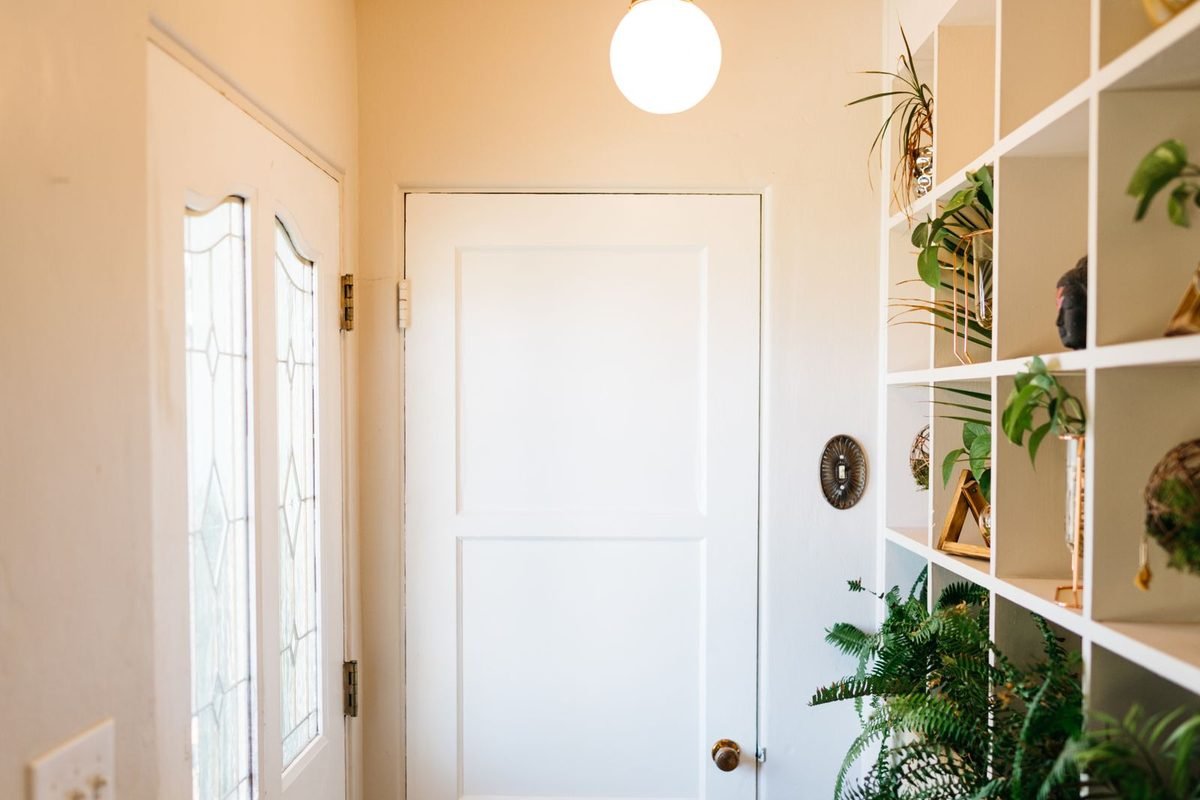
Small apartment entryway ideas solve a problem that almost every renter knows too well: you open the front door and you’re already standing in the living room, the kitchen or right next to the bed. There’s no foyer, no mudroom and no closet. Shoes pile up on the floor, keys go missing and the first thing you see when you get home is a heap of bags and jackets on the nearest chair.
The good news is that an entryway doesn’t need its own room. It needs a clear job, a defined footprint and a few pieces that work hard. In this guide, you’ll learn how to create an entryway in a small space step by step, then get 17 small apartment entryway ideas you can mix and match. You’ll also find layouts for doors that open straight into a living room, a budget shopping order, common mistakes and simple habits that keep the zone tidy.
Every idea here is renter-friendly. Most need no drilling, and many cost less than a takeout dinner. If you have two square feet next to the door, you have enough room for a working entryway.
Quick answer: The best small apartment entryway ideas are a doormat and runner to define the zone, a row of wall or adhesive hooks, an over-the-door rack, a low shoe shelf, a slim storage bench with baskets, a narrow console or wall shelf as a drop zone, a mirror, a key holder, a mail organizer, a corner coat rack, an open shelf or folding screen as a divider, a plug-in light, an accent wall and a plant. Start by marking the zone, then add one piece for each job: hang, sit, drop and store.
The 17 small apartment entryway ideas at a glance:
- Define the zone: 1. Doormat and runner, 14. Folding screen, 13. Open shelf divider, 16. Bold accent wall
- Hang it up: 2. Wall hooks, 3. Adhesive hooks, 4. Back of the door, 12. Corner coat rack
- Store and sit: 5. Low shoe shelf, 6. Slim storage bench, 7. Baskets under the bench
- Drop zone: 8. Narrow console table, 9. Mirror, 10. Key holder, 11. Mail command center
- Make it welcoming: 15. Lamp or plug-in light, 17. A plant by the door
What Counts as an Entryway When You Don’t Have a Foyer

In a house, the entryway is often a separate space with a closet, a bench and maybe a window. In a small apartment, it’s usually just the patch of floor between the front door and the rest of your home. That’s fine. An entryway is defined by what it does, not by walls.
A working no-foyer entryway handles four jobs:
- Hang: a place for coats, bags, scarves and dog leashes.
- Store: a home for the shoes you wear most, plus umbrellas and seasonal gear.
- Drop: a surface or container for keys, wallets, sunglasses, mail and anything you need on the way out.
- Signal: something that tells your brain and your guests that this is where outside ends and home begins, like a rug, a light or a change in color.
When all four jobs have a home, clutter stops spreading into the rest of the apartment. When one is missing, things land wherever there’s space, which is usually the couch, the kitchen counter or the floor.
So when you think about small apartment entryway ideas, don’t start with decor. Start with the jobs. A beautiful console table won’t help if your coats still end up on a dining chair. A plain row of hooks and a basket can do more than any styled vignette.
How to Create an Entryway in a Small Space in 5 Steps

If you’ve been wondering how to create an entryway in a small space, this simple process works in studios, one-bedrooms and shared apartments. It takes about an hour of planning before you buy anything.
- Mark the footprint. Stand inside the front door and look at the floor and walls within arm’s reach. That’s your zone. In most apartments, it’s a strip about 2 to 4 feet wide on one side of the door, or a wall facing it.
- List what comes through the door. For a week, notice what you carry in and drop. Most people find the same short list: keys, phone, bag, jacket, shoes, mail and maybe a dog leash or gym bag.
- Pick one piece per job. Choose one thing to hang, one to store, one to drop and one to signal. That might be hooks, a shoe shelf, a tray and a runner. Keep it to four or five items total.
- Go vertical. Floor space is the hardest thing to find in a small apartment entryway, so use the wall. Hooks, rails, a mirror and a floating shelf take up zero floor area.
- Test it for two weeks. Live with the setup before you add more. If coats still end up on the couch, the hooks may be too high or too few. Adjust before you buy anything else.
This order matters. People often buy the bench first because it looks nice, then find there’s no room left for shoes. Plan the jobs, then fit the furniture around them.
Measure Your Door Zone Before You Buy

A no-foyer entryway lives or dies by inches. The door swing, the path into the room and nearby outlets all decide what fits. Grab a tape measure and note these numbers before you shop:
- Door swing. Open the door fully and measure how far it reaches into the room. Nothing that sits on the floor can go in that arc, or the door will hit it.
- Wall width. Measure the bare wall on each side of the door and the wall opposite it. Even 18 inches of wall can hold a column of hooks or a slim shoe cabinet.
- Walkway. Leave at least 30 to 36 inches of clear path so you can walk in carrying groceries without turning sideways.
- Depth limit. In a tight hallway, furniture deeper than 10 to 12 inches will feel like it’s in the way. Look for pieces labeled “slim” or “narrow.”
- Outlets and switches. Note where they are so a lamp or plug-in sconce can reach power without cords across the walkway.
Write the numbers on your phone. When you see a bench or cabinet online, you can check it against your space in seconds instead of guessing.
17 Small Apartment Entryway Ideas That Work Without a Foyer
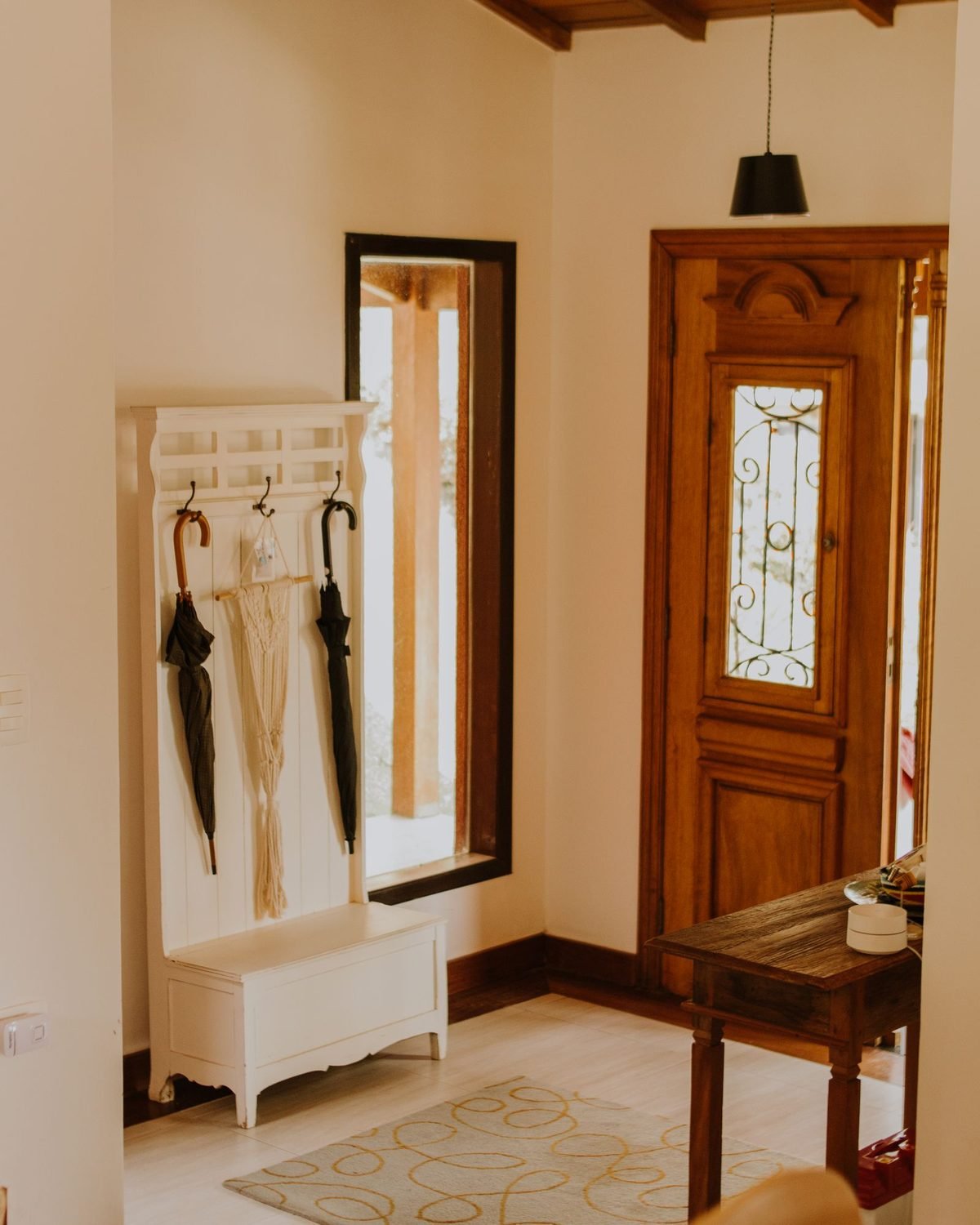
These small apartment entryway ideas are grouped loosely by job, but you don’t need all 17. Pick the ones that match your space and your habits. A studio with a door that opens into the kitchen might use ideas 1, 3, 5 and 10. A one-bedroom with a short hallway might use 2, 6, 8 and 9.
1. Define the Zone With a Doormat and Runner

The simplest way to create an entryway in an open room is to put something on the floor that says “this is the entry.” A rug gives the space edges, even when there are no walls.
Use a sturdy outdoor-style mat outside the door and a washable runner or small rug inside. The inside rug catches dirt and water before it reaches the rest of your floors. It also visually separates the entryway from the living room, which is the whole point when you don’t have a foyer.
Tips:
- Choose a rug that’s at least as wide as the door so it frames the opening.
- Pick a low-pile or flatweave rug so the door can swing over it.
- Darker colors and busy patterns hide dirt between washes.
A washable non-slip entryway runner is one of the best first buys for a small apartment entryway because it works in every layout and costs very little.
2. Hang a Row of Wall Hooks

Hooks are the hardest-working piece in any small entryway. They hold more per square inch than a closet and they’re faster to use, which means you’ll actually hang things up.
Mount a row of four to six hooks at about 60 to 66 inches high for adults. If you have kids, add a second row lower down so they can reach their own coats and backpacks. Leave about 8 inches between hooks so bulky winter jackets don’t overlap.
A wall-mounted coat rack with hooks on a single board is quicker to install than separate hooks because you only need two anchors. If your lease allows small nail holes, this is often the neatest option.
For more hook layouts and ways to handle hats, bags and leashes, see our full list of small entryway organization ideas.
3. Use Adhesive Hooks If You Can’t Drill

Many leases don’t allow holes, or charge for patching them. Adhesive hooks solve that. Modern strip-based hooks hold anywhere from 3 to 7.5 pounds each and come off cleanly when you move out.
Use them for light items: reusable shopping bags, a crossbody purse, a dog leash, a scarf or a pair of headphones. For heavier coats, spread the weight across two or three hooks or switch to an over-the-door rack.
How to make adhesive hooks hold:
- Clean the wall with rubbing alcohol and let it dry.
- Press firmly for 30 seconds, then wait an hour before hanging anything.
- Don’t use them on textured walls, fresh paint or wallpaper.
A pack of damage-free adhesive hooks is a cheap way to test hook placement before you commit to anything permanent.
4. Put the Back of the Door to Work

In a small apartment, the back of the front door is free storage that most people ignore. An over-the-door hook rack or organizer slips over the top and holds coats, bags and accessories with no tools.
Check two things before you buy: the thickness of your door and the gap above it. Most racks fit standard doors up to about 1¾ inches thick. If the door has a tight seal at the top, look for a slim-profile rack so the door still closes.
Good options include:
- An over-the-door hook rack with five or six hooks for coats and bags.
- An over-the-door pocket organizer for gloves, hats, sunglasses and dog supplies.
Add felt pads behind the rack so it doesn’t knock or scratch the door when you open and close it.
5. Give Shoes and Rain Boots a Low Shelf

Shoes are usually the biggest source of entryway clutter. A low shelf or slim rack keeps them off the floor, makes them easy to grab and stops the heap from spreading.
For tight spaces, look for a two- or three-tier rack that’s no deeper than 12 inches. Stackable shelves are great because you can add a tier if you need more room. A slim tipping shoe cabinet with fold-out drawers is even better in a hallway because it hides shoes and is often only 7 to 9 inches deep.
Keep only the shoes you wear this week at the door. Everything else can live in the closet or under the bed. Our guide to under bed storage ideas covers easy ways to store off-season shoes and boots out of sight.
Shop a narrow shoe rack for the entryway or a slim shoe cabinet with flip drawers depending on whether you want shoes on display or hidden.
6. Add a Slim Storage Bench
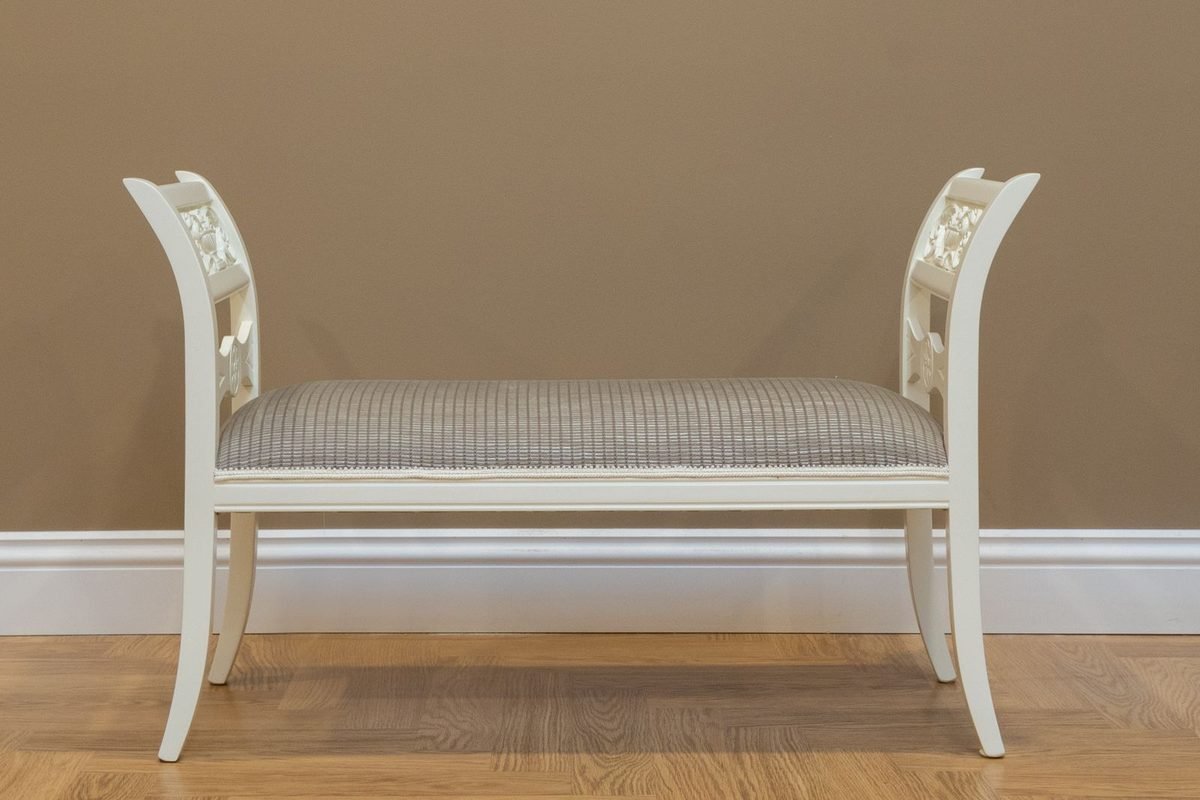
A bench gives you a place to sit while you put on shoes, and in a small apartment entryway, it can also hide storage. Look for a bench that’s 30 to 40 inches long and no more than 14 inches deep.
Benches with a lift-up seat or a shelf underneath do double duty. The top holds bags for a minute while you take off your coat, and the inside holds scarves, gloves, umbrellas or cleaning wipes.
If you don’t have room for a bench, a sturdy stool or ottoman can do the same job and slides under a console table when not in use. A narrow entryway storage bench or a shoe storage bench is worth a look if shoes and seating are both on your list.
7. Slide Baskets Under the Bench

Open space under a bench or console is perfect for baskets. They hide the visual mess of hats, gloves, dog toys and reusable bags while keeping everything within reach.
Assign each basket one job and one person if you share the space. When everyone knows “the left basket is mine,” things stop landing on the floor. Woven baskets feel warm and natural, while lidded fabric bins look cleaner in a modern apartment.
Measure the gap under your furniture first and leave an inch of clearance so baskets slide out easily. A set of woven storage baskets with handles works for almost any bench height.
8. Create a Drop Zone on a Narrow Console Table

A drop zone is a flat surface where you empty your pockets the moment you walk in. In a no-foyer entryway, it’s usually a narrow console table, a floating shelf or the top of a shoe cabinet.
For tight spaces, look for a console that’s 10 inches deep or less. Some are as slim as 8 inches. If your door opens into the living room, a console can also back up against the sofa to act as a soft divider, which helps create an entryway where none exists.
What to keep on the drop zone:
- A tray or bowl for keys and small items.
- A small lamp for evenings.
- A charging spot for your phone if there’s an outlet nearby.
Skip decor that takes up the whole surface. If there’s no room to set things down, it isn’t a drop zone. A narrow console table or a floating shelf with hooks keeps the floor clear in very small spaces.
9. Hang a Mirror to Double the Light
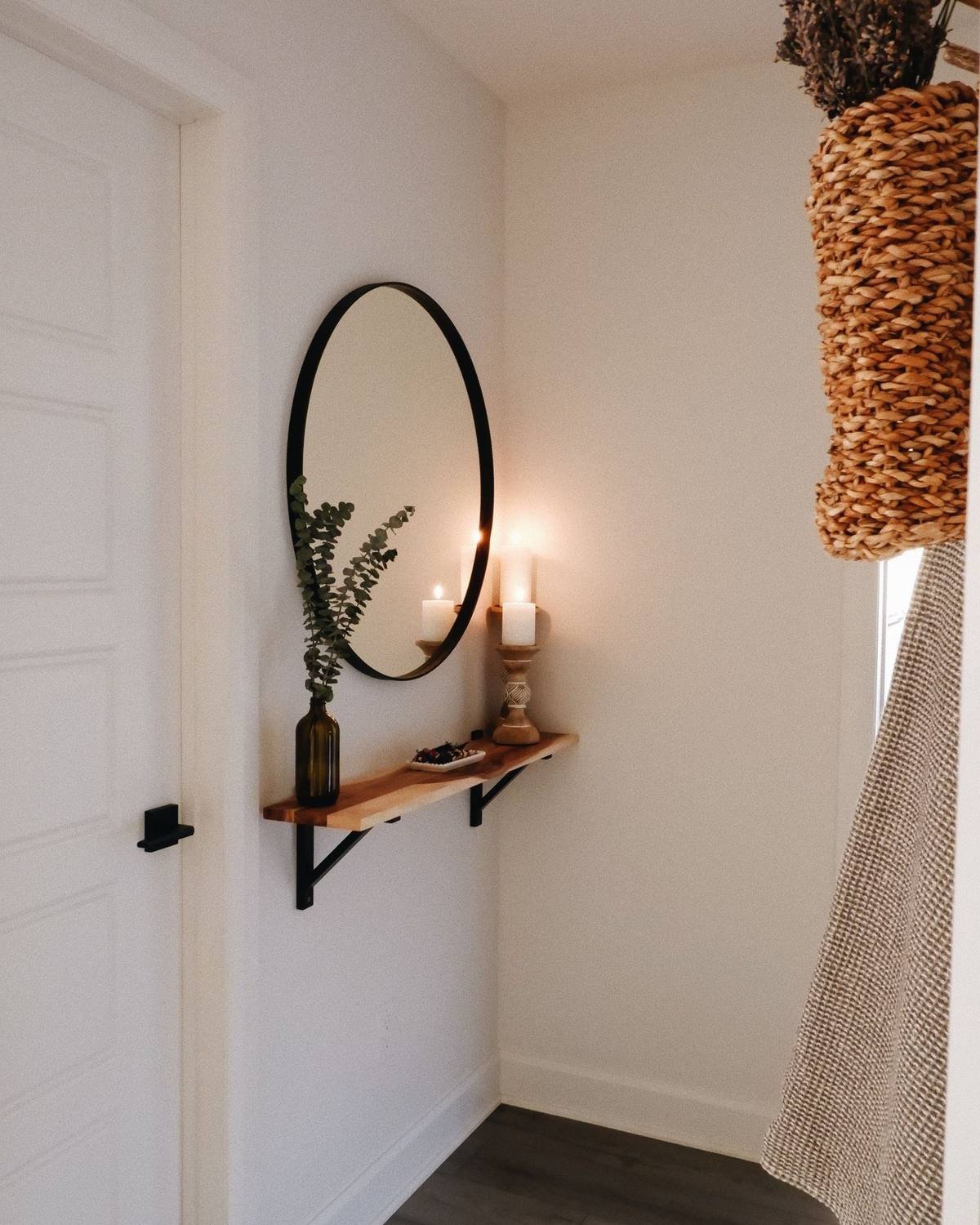
A mirror by the door is practical because you can check your look before you leave, and it makes a cramped entry feel bigger by bouncing light around. In a dark hallway, it can feel like you’ve added a window.
Hang a round or arched mirror above your drop zone, or lean a full-length mirror against the wall if you’d rather not drill. Place it where it reflects a window or lamp for the brightest effect.
If you can’t put holes in the wall, use heavy-duty picture-hanging strips rated for the weight of the mirror, or choose a lightweight acrylic option. A round entryway mirror adds softness to an apartment full of straight lines.
10. Give Keys a Permanent Home

Lost keys are the most common morning stress, and the fix is simple: give them one spot by the door and use it every single time.
Options for small spaces:
- A small catch-all tray or bowl on the console or shelf.
- A wall-mounted key holder with hooks, which takes no surface space at all.
- A magnetic key strip inside a cabinet door or on the side of a shoe rack.
Choose the option you’ll use without thinking. If you always walk in with your hands full, a bowl you can drop keys into is easier than a hook. A wall key holder with a small shelf combines keys, mail and sunglasses in one compact piece.
11. Set Up a Mini Command Center for Mail

Mail and paper are sneaky clutter. They pile up on the nearest surface and spread to the kitchen counter. A small command center by the door stops that before it starts.
Hang a wall file or slim mail sorter with two slots: “to do” and “to file.” Add a small cork or letter board above it for invitations, reminders and the week’s schedule. Keep a recycling bin nearby so junk mail goes out immediately instead of landing on a table.
A wall mail organizer and a small cork board cost very little and turn a blank patch of wall into one of the most useful parts of your small apartment entryway.
12. Tuck a Coat Rack Into a Corner

If you can’t hang anything on your walls, a freestanding coat rack is the next best thing. It holds a surprising number of coats, bags and hats in about one square foot of floor space.
Corners are perfect for coat racks because they use space that’s hard to fill with anything else. Choose a sturdy base so the rack doesn’t tip when one side is loaded with winter coats. A rack with a built-in umbrella stand or shelf at the bottom adds even more storage.
A freestanding coat rack is ideal for renters who aren’t allowed to drill, and you can take it with you when you move.
13. Use an Open Shelf as a Room Divider

When the front door opens straight into your living space, a divider can create an instant entryway. An open shelving unit is the best choice because it separates the space without blocking light.
Place a bookcase or cube shelf at a right angle to the wall, a few feet from the door. On the entry side, use the lower shelves for baskets of shoes and bags. On the living side, style it with books, plants and decor. It works like a wall with storage on both sides.
Keep it below eye level or choose an open-back unit so the room doesn’t feel boxed in. If you rent, secure tall units with an anti-tip kit that only needs one small screw. An open-back bookcase or a cube storage room divider both work well.
14. Fake a Foyer With a Folding Screen
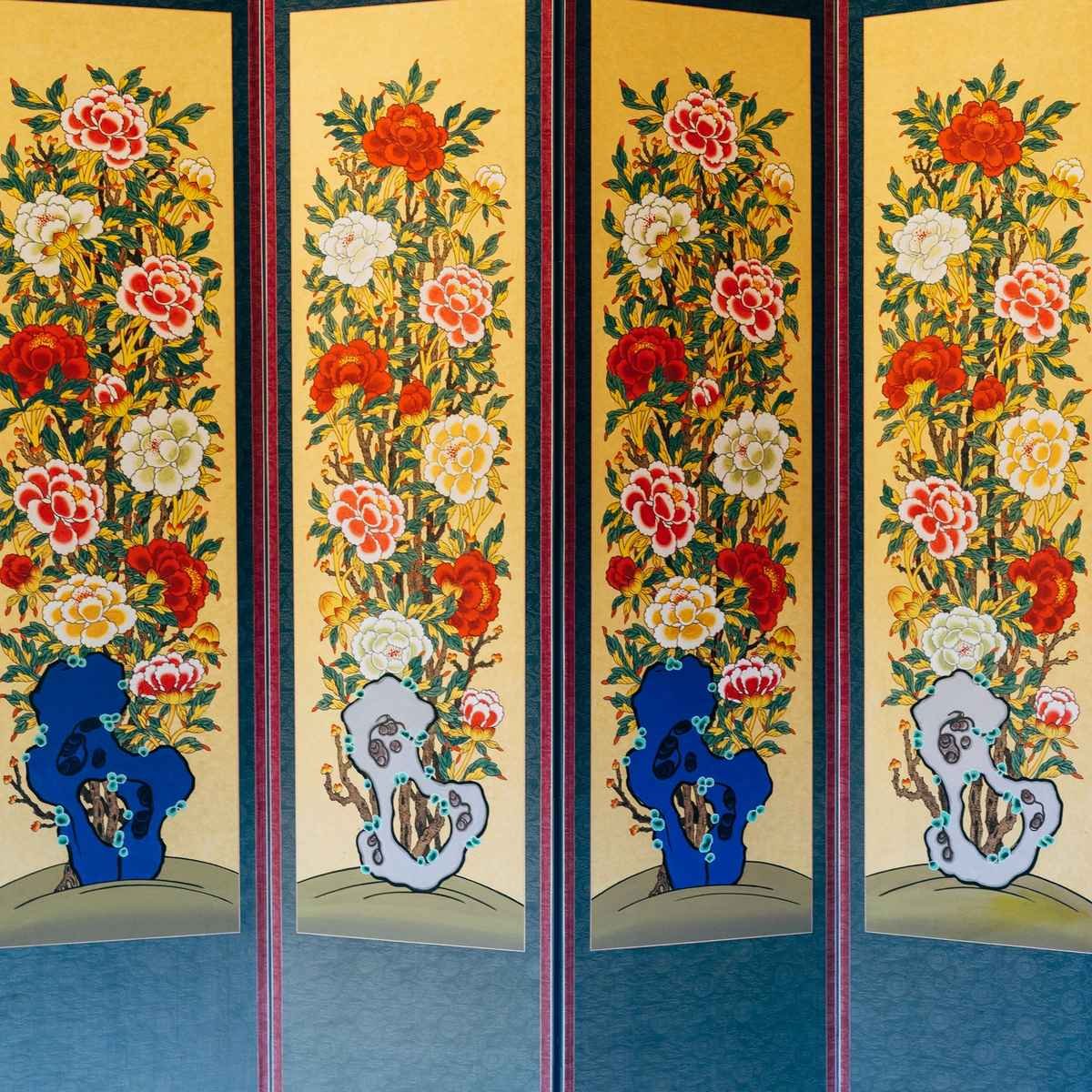
A folding screen is one of the easiest small apartment entryway ideas for renters. It needs no tools, folds flat when you have guests and creates a little hallway in seconds.
Set the screen at an angle beside the door so it hides the entry from the rest of the room. You can tuck a coat rack, shoe shelf or bike behind it. Patterned screens add personality, while slatted or rattan screens let light through.
A tension-rod curtain is another option if you have a doorway or nook near the entry. Both are easy ways to create an entryway in a small space with zero commitment. Browse four-panel folding room dividers for styles that match your decor.
15. Add a Lamp or Plug-In Light
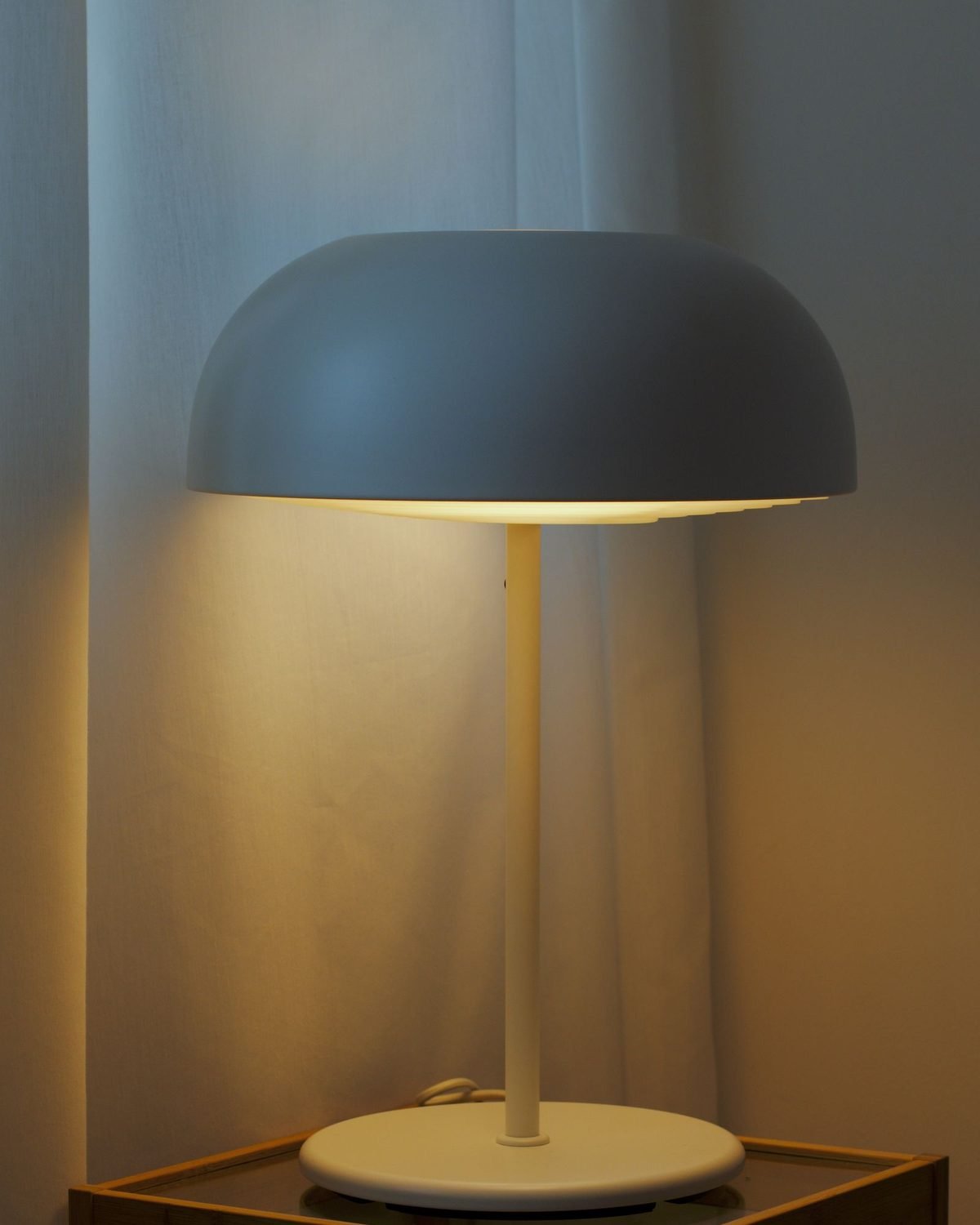
A lot of apartment entries rely on one harsh overhead fixture, or none at all. Adding a warm light by the door makes the space feel intentional and welcoming every time you come home.
Put a small lamp on your console or shelf. If you have no surface, use a plug-in wall sconce with a cord cover, or a battery-powered sconce with a remote. Motion-sensor lights are handy for evenings when your hands are full.
Choose a warm white bulb around 2700K for a cozy glow. For more ideas, see our guide to renter-friendly lighting ideas. A plug-in wall sconce or a rechargeable wall sconce needs no electrician.
16. Make It Feel Separate With a Bold Accent Wall

Color and pattern can create an entryway even when there’s no physical boundary. A bold accent wall around the door signals “this is a different space,” the same way a rug does on the floor.
Peel-and-stick wallpaper is the renter’s best friend here. It goes up in an afternoon and comes off without damage on most smooth painted walls. You only need one or two rolls for a small patch of wall around the door.
If wallpaper feels like too much, try a large piece of art, a gallery ledge or removable wall decals. For more renter-safe decor, see our list of renter-friendly decor ideas. Search peel-and-stick wallpaper for patterns that suit your style.
17. Welcome Yourself Home With a Plant

A plant is the final touch that makes a functional entryway feel like home. It softens hard lines, adds life and gives your eyes somewhere nice to land.
Entryways are often low light, so choose a tough plant like a snake plant, pothos or ZZ plant. If your door gets more sun, a small palm or fiddle leaf fig works. Keep the pot out of the door swing and the walkway, and set it on a saucer to protect the floor.
No natural light at all? A good-quality faux plant still adds warmth without the upkeep. A plant pot with stand lifts greenery off the floor, which makes it easier to sweep around.
Entryway Layouts for When the Door Opens Into Your Living Room

The trickiest small apartment entryway is the one with no hallway at all. You step inside and you’re next to the sofa. Here are three layouts that work.
Layout 1: The wall strip. If there’s a bare wall beside the door, line up your pieces along it: hooks or a rail on the wall, a slim bench or shoe shelf below and a mirror above. Add a runner in front. This keeps everything in a strip about 12 inches deep and leaves the rest of the room open.
Layout 2: The sofa back. If your sofa faces away from the door, put a narrow console behind it. Add a lamp and a tray for keys on top and baskets underneath for shoes. The sofa becomes the “wall” of your entryway.
Layout 3: The divider. If the door opens into a large open room, place an open shelving unit or folding screen a few feet in. Use the entry side for storage and the room side for decor. A rug in the new nook completes the illusion.
Whatever layout you pick, keep the walkway clear. If you have to step around furniture to get in the door, the entry will feel cramped no matter how nice it looks. For more ways to arrange the room around your new entry, read our guide to small apartment living room ideas.
What to Buy First on a Small Budget

You don’t need to buy everything at once. If money is tight, buy in this order, because each item solves the biggest problem left:
- Hooks (under $15). Adhesive or over-the-door hooks clear coats and bags off chairs right away.
- A runner or doormat (under $25). It defines the zone and protects your floors.
- A shoe shelf (under $35). It stops the shoe pile, which is usually the biggest mess.
- A key tray or holder (under $15). It saves time every morning.
- A mirror or lamp ($20 to $50). It makes the space feel finished and brighter.
- A bench, console or divider ($50 and up). Add these last, once you know what you really need.
Check dollar stores, thrift shops and Facebook Marketplace for trays, baskets and mirrors. A coat of spray paint can make mismatched finds look like a set. Our guide to small apartment decor on a budget has more ways to stretch your decor money, and these small apartment storage ideas on a budget cover cheap storage for the rest of your home.
Small Entryway Mistakes to Avoid

Even good small apartment entryway ideas can fall flat if a few common mistakes creep in:
- Blocking the door swing. Furniture or baskets in the door’s path mean the door won’t fully open, and everything gets knocked over.
- Buying furniture that’s too deep. A standard-depth console or bench can eat your walkway. Look for slim pieces.
- Keeping every pair of shoes at the door. The entry is for this week’s shoes only. Store the rest elsewhere.
- Too many surfaces. Every flat surface becomes a clutter magnet. One drop zone is enough.
- No light. A dark entry feels smaller and makes it harder to find keys. Add a lamp or plug-in light.
- Decor before function. A styled vignette looks great for a day, then disappears under bags. Set up hooks and storage first.
- Ignoring safety. Tall shelves and dividers should be anchored, and cords should never cross the walkway. The U.S. Consumer Product Safety Commission’s Anchor It! campaign explains why anchoring furniture matters, especially in homes with kids.
How to Keep a Small Apartment Entryway Clutter-Free

Setting up a no-foyer entryway is the easy part. Keeping it tidy takes a few small habits:
- The one-minute rule. When you walk in, hang your coat, put your shoes away and drop your keys before you do anything else. It takes less than a minute.
- Weekly reset. Once a week, clear the drop zone, sort the mail and move any shoes or bags that don’t belong.
- Seasonal swap. Twice a year, rotate coats, boots and accessories. Store off-season items in the closet or under the bed.
- One in, one out. If you add a new jacket or bag, retire an old one so the hooks don’t overflow.
- Quick clean. Shake out the doormat and sweep or vacuum the entry weekly so dirt doesn’t spread through the apartment.
If the whole apartment feels cluttered, start with our room-by-room declutter checklist, then use these small apartment organization ideas to keep every room working as hard as your new entryway. You’ll find more quick fixes in our list of small apartment storage hacks.
FAQ: Small Apartment Entryway Ideas

How do you make an entryway when there is no foyer?
Define a zone next to the door with a rug, then add one piece for each job: hooks to hang, a shelf or basket to store, a tray to drop keys and a light or mirror to make it feel like a space. Use a shelf, screen or sofa back as a divider if the door opens into a room.
What do you put in a small apartment entryway?
Start with hooks, a doormat or runner, a slim shoe rack and a key holder. If you have more room, add a narrow bench, a console or floating shelf, a mirror and a small lamp.
How can I create an entryway in a small space without drilling?
Use adhesive hooks, an over-the-door rack, a freestanding coat rack, a leaning mirror, a folding screen and plug-in or battery lights. All of these are renter-friendly and leave no holes.
How deep should entryway furniture be in a small apartment?
Aim for 8 to 14 inches deep. Anything deeper tends to crowd the walkway. Slim shoe cabinets and narrow consoles are made for tight spaces.
Where should shoes go in a small apartment?
Keep only the shoes you wear often at the door, on a low shelf, slim cabinet or tray. Store the rest in your closet or under the bed.
How do you make a small entryway look bigger?
Hang a mirror, add warm light, keep the floor clear and use vertical storage. A light-colored runner and a single accent wall also help the space feel intentional rather than cramped.
Final Thoughts
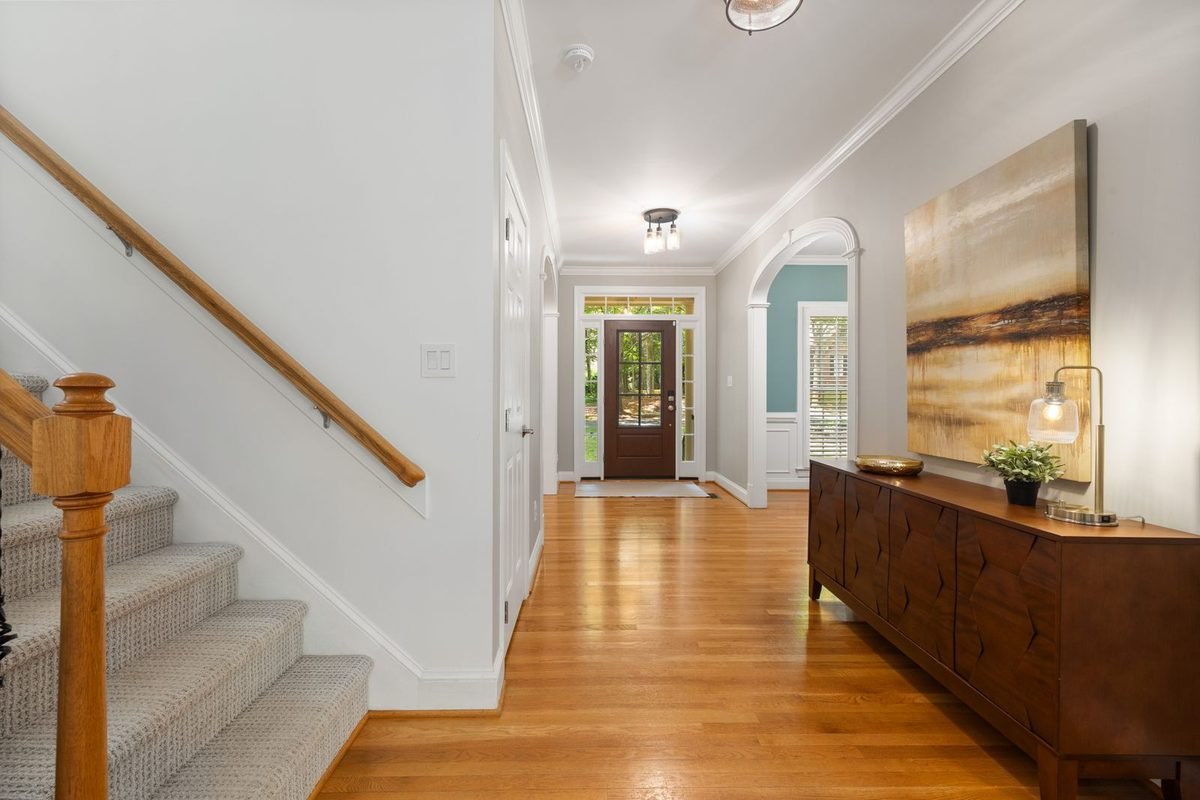
You don’t need a foyer to have an entryway that works. With a rug to define the zone, hooks to hang, a shelf to store and a tray to drop your keys, even two feet of wall beside the door can become a real landing spot.
Start with the jobs, measure the door swing and add one piece at a time. Choose the small apartment entryway ideas that fit how you live, then test them for a couple of weeks. Before long, coming home will feel calmer, and the clutter that used to land on the couch will finally have a place of its own.