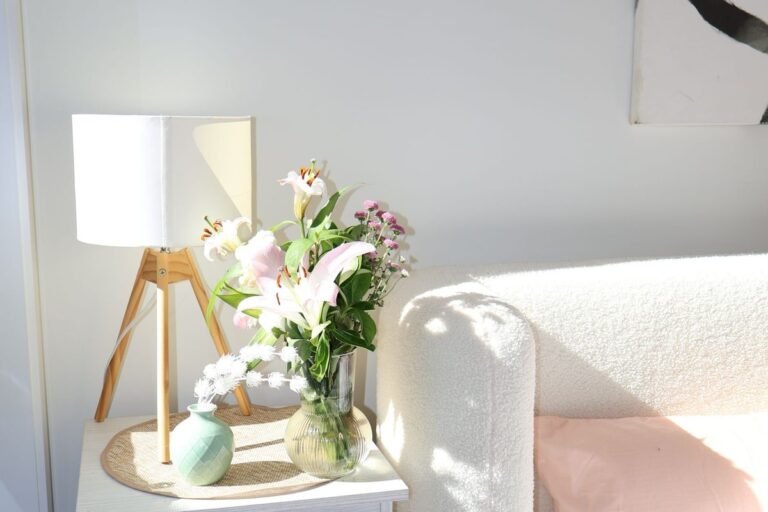

15 Toy Storage Ideas for Small Spaces
Disclosure: This post contains affiliate links. As an Amazon Associate I earn from qualifying purchases. If you buy through these links, I may earn a small commission at no extra cost to you. Read our full disclaimer.
Blocks under the couch, stuffed animals on every chair and tiny cars waiting to ambush your bare feet. When you live in a small apartment, kids’ toys do not stay in one room. They spread into the living room, the kitchen and your bedroom. If you need toy storage ideas for small spaces that work for real families, this guide will help you take back your floor without taking away the fun.
You will learn why toys take over small homes so fast, how to declutter and rotate toys, 15 toy storage ideas for shelves, closets, walls, living rooms and bathrooms, how to handle small apartment toy storage in a shared bedroom, how to keep the living room looking grown up, how to teach kids to clean up, a budget list, safety tips, common mistakes and a 10-minute reset.
Quick answer: The best toy storage for small spaces is low, open and simple. Use a cube shelf with bins at kid height, label each bin with a picture, keep only a portion of the toys out and rotate the rest from a closet. Add baskets in the living room, wall shelves for books and display toys and one small bin for each type of tiny toy. Fewer toys out means faster cleanup and more room to play.
The 15 toy storage ideas at a glance:
- Shelves and bins: 1. A low cube shelf, 2. Clear bins with picture labels, 5. Wall shelves, 6. Stuffed animal shelves, 8. Front-facing book storage
- Hidden storage: 3. A closet toy zone, 9. Lidded boxes for small toys, 12. A stuffed-animal bean bag
- Moveable storage: 4. A rolling toy cart, 7. Woven baskets in the living room, 11. An art supply caddy
- Play zones: 10. Divided boxes for blocks, 13. A play mat, 14. A play tent reading nook, 15. Bath toy storage
Why Toys Take Over Small Homes

Toys come in every shape and size, and they arrive faster than they leave. Birthdays, holidays, party favors and hand-me-downs add up quickly, and most families never make a plan for where it all goes. In a small apartment, there is no playroom or basement to hide the overflow.
Kids also play where you are. Even if they have their own room, toddlers and young kids want to be near a parent, so toys travel to the living room and the kitchen. Without storage in those rooms, toys end up on the floor.
Another problem is the wrong kind of storage. A deep toy chest seems helpful, but everything sinks to the bottom and kids dump the whole thing to find one car. High shelves look neat, but kids cannot reach them, so toys never go back.
The good news is that toy storage in a small space is mostly about three things: owning fewer toys at one time, keeping storage at kid height and giving every type of toy a clear home.
Age matters too. Babies need a few soft, safe toys within reach. Toddlers need open bins they can dump and fill. School-age kids collect sets with many pieces and need lidded boxes and shelves. Good toy storage changes as your kids grow, so plan to adjust it every year or so.
Think of toys in three groups: what your kids play with every day, what they play with sometimes and what is stored for rotation or special occasions. Every idea below fits one of those groups.
Declutter and Rotate Toys First

Before you buy a single bin, sort what you have. Most families find broken toys, missing pieces, duplicates and toys their kids have outgrown. Clearing those out frees more space than any new toy storage product can.
- Gather every toy in one spot. Check bedrooms, the living room, the car, the bathroom and under the beds.
- Toss broken toys and loose parts. If a puzzle is missing pieces or a toy no longer works, let it go.
- Pull out duplicates. Kids rarely need three toy cash registers or five sets of plastic food.
- Set aside outgrown toys. Baby toys can be donated, passed on or saved for a younger sibling.
- Sort the rest by type. Make piles for blocks, vehicles, dolls, stuffed animals, art supplies, books and pretend play.
- Choose what stays out. Keep about a third of the toys out and pack the rest into rotation bins.
Toy rotation is the secret weapon for small apartment toy storage. Every two or three weeks, swap one rotation bin for another. Old toys feel new again, kids play longer with fewer items and your floor stays clear. Store rotation bins on a high closet shelf or under a bed.
When you pack rotation bins, mix the categories. Put a few vehicles, one puzzle, some pretend play items and a couple of books in each bin. That way every swap feels like a fresh mix instead of a pile of the same kind of toy.
Involve kids in the process if they are old enough. Let them choose a few favorites to keep out and help decide which toys go to another child. It teaches them that space is limited and that sharing feels good.
15 Toy Storage Ideas for Small Spaces

Here are the 15 best toy storage ideas for small spaces, from bedrooms and living rooms to closets and bathrooms. Each idea explains where it works best, what to look for and a tip to make it last. You do not need all 15. Pick three or four that fit your home and your kids’ ages.
A good rule before you start: storage for toys kids use every day should be low and open, while rotation toys and toys with lots of tiny pieces can live higher up or behind a door.
Most of these toy storage ideas for small spaces are renter friendly. They use freestanding furniture, bins, baskets and hooks you can take with you when you move. If you want more space-saving ideas for the whole home, see our vertical storage ideas for small spaces.
1. Use a Low Cube Shelf With Bins

A low cube shelf is the most useful piece of toy storage furniture in a small home. A cube storage organizer with fabric bins holds blocks, dolls, cars and puzzles in separate bins, and the top doubles as a display spot or a play surface.
Choose a two-by-two or two-by-three unit for small rooms, since compact toy storage leaves more floor for play. It fits under a window, beside a couch or at the end of a bed. Kids can reach every bin, so they can play and clean up on their own.
Use fabric or plastic bins without lids for daily toys, so cleanup is one easy toss.
Best for: Toddlers and preschoolers. It is also a great choice for a living room, since closed bins hide the mess.
Tip: Turn the shelf on its side to make it a long, low bench for a small window seat.
2. Label Clear Bins With Pictures

Kids who cannot read yet can still clean up when bins have picture labels. A set of clear stackable toy bins with a simple photo or drawing on the front shows exactly where each toy goes.
Take a photo of the toys that go in each bin, print it small and tape it to the front, or draw a simple picture. Clear bins also let kids see what is inside, so they are less likely to dump everything out.
Picture labels make toy storage something kids can manage on their own. Use one bin per category: cars, animals, blocks, dolls, play food and so on. Keep categories wide, so cleanup does not turn into a sorting puzzle.
Best for: Kids ages 2 to 7, and any family that shares toys between siblings.
Tip: Laminate labels or cover them with clear tape so they survive sticky hands.
3. Turn a Closet Into a Toy Zone

A kid’s closet can hold far more than clothes. Lower the closet rod or use a double hang closet rod so clothes take only the top half, and put a cube shelf or bins on the floor below for toys.
The top shelf is perfect for rotation bins, board games and toys with tiny pieces that need supervision. Closing the closet door hides everything instantly, which helps small bedrooms feel calm at bedtime.
If you have a hall closet, one shelf can become extra toy storage and the family toy library for rotation bins.
Best for: Small bedrooms where floor space is tight. It also works well in shared rooms.
Tip: Add a battery-powered stick-on light inside the closet so kids can see their toys.
4. Roll Toys Around on a Cart

A three-tier rolling cart or a small wicker trolley brings toys to wherever kids play, then rolls back into a corner when it is time to clean up. It is ideal for apartments where kids play in the living room during the day.
Use the top tier for current favorites, the middle for puzzles or books and the bottom for bigger toys. Carts are slim, usually less than 16 inches wide, so they slide beside a couch or into a closet.
A cart also works great for art supplies, so you can roll the whole kit to the kitchen table.
Best for: Families who want toys in the main living area during the day but out of sight at night.
Tip: Lock the wheels when kids are climbing nearby, and keep heavy items on the bottom tier.
5. Put Display Toys on Wall Shelves

Wall shelves use space that is usually empty. A few kids wall shelves above a dresser or desk can hold favorite wooden toys, special collectibles and decorative pieces that do not get played with every day.
Keep display shelves above kid reach for fragile items, and lower for toys kids can use on their own. Add a row of hooks below for dress-up clothes, bags or a small backpack.
Wall shelves make a room feel styled while keeping the floor clear, which makes them smart toy storage for tiny rooms. For renters, choose lightweight shelves and hang them with the right anchors or removable strips rated for the weight.
Best for: Display toys, special gifts and collectibles. They are also great for showing off a few favorite books.
Tip: Rotate display toys every month. Kids notice new items and often start playing with toys they forgot.
6. Give Stuffed Animals Their Own Shelves

Stuffed animals multiply. A simple bookcase or a set of cubbies gives each plush friend a seat, so the collection looks cute instead of chaotic. Kids can see every animal and pick a favorite for bedtime.
Sort plush toys by size, with bigger animals on lower shelves and small ones up high. If the collection outgrows the shelf, it is time to choose favorites and donate the rest.
A stuffed animal hammock in a corner is another option that uses wall space instead of floor space.
Best for: Kids with large plush collections who love to see their animals.
Tip: Wash plush toys every few months, following the care label, especially the ones that sleep in bed.
7. Keep Woven Baskets in the Living Room
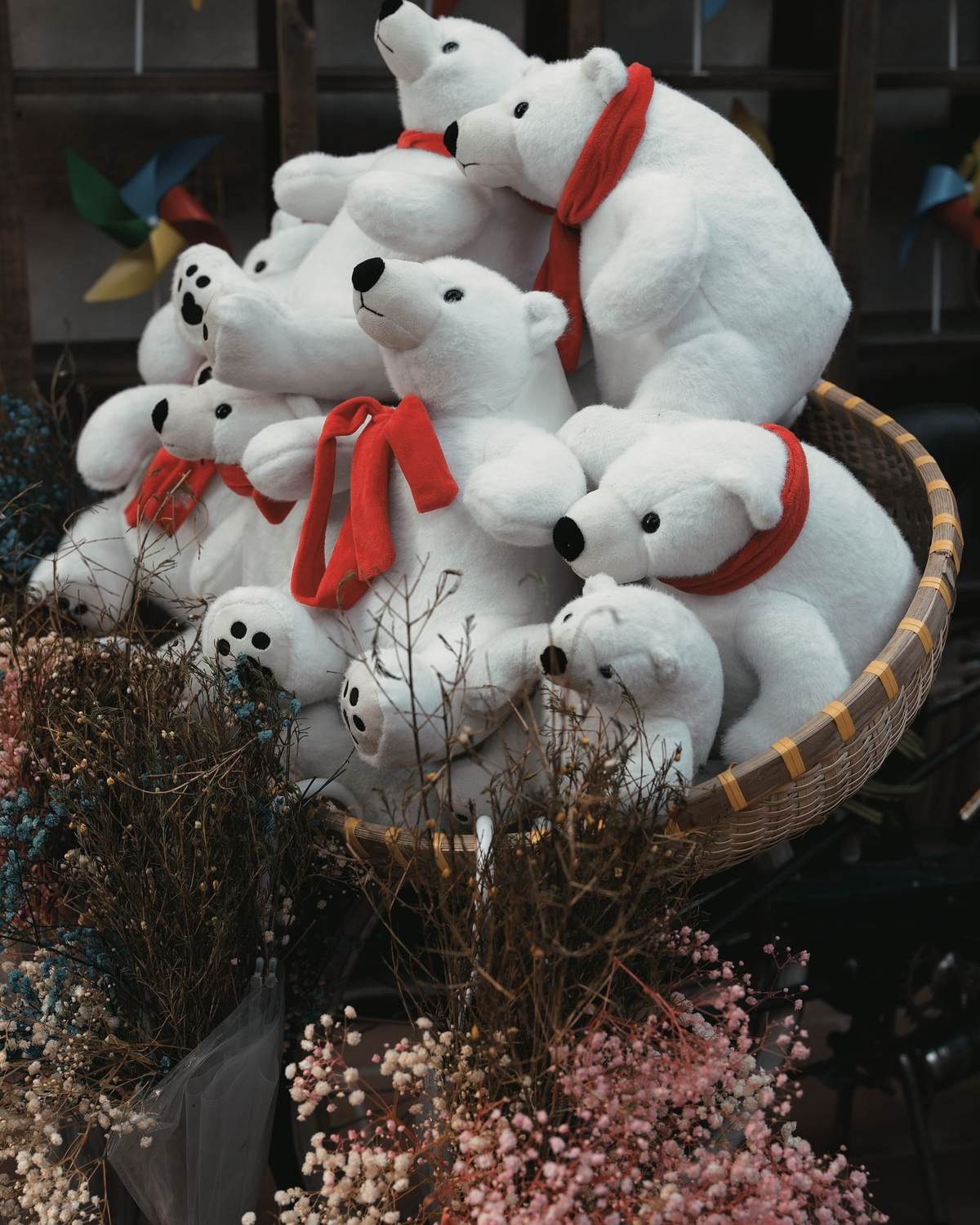
Baskets are the easiest way to keep toys in shared spaces. A couple of large woven baskets with handles beside the couch or under a console table hold the toys your kids use in the living room, and they look like normal decor.
Choose baskets with soft sides and no sharp edges. One basket per toy group works well, such as one for plush toys and one for blocks. At the end of the day, everything goes back in the basket and the room looks grown up again.
Baskets also move easily, so this toy storage can travel to the bedroom at bedtime.
Best for: Living rooms and family rooms where you want toy storage to blend in.
Tip: Choose baskets that kids can carry themselves, so they can help with cleanup.
8. Store Books Facing Forward

Kids pick books by their covers, so forward-facing book storage makes reading more inviting. A front-facing kids bookshelf or a few picture ledges on the wall show off covers and take up very little floor space.
Keep a small rotation of books on display and store the rest in a bin or on a regular shelf. Swap them every few weeks, just like toys.
A book ledge behind a door or above a bed adds storage without using any floor space at all.
Best for: Toddlers and early readers. It also makes a cozy reading corner.
Tip: Put library books in their own basket so they are easy to find on return day.
9. Keep Small Toys in Lidded Boxes

Tiny toys, like cars, figurines, doll accessories and game pieces, get lost and stepped on. Small small lidded storage boxes keep each set together and stack neatly on a shelf.
Use a different box for each type of small toy, and label each lid. Lids are important here, because small pieces scatter when a box tips over.
Keep boxes with tiny parts up high if you have babies or toddlers, since small pieces can be a choking hazard.
Best for: Collections with lots of small pieces and kids old enough to use them safely.
Tip: A tackle box or bead organizer works well for very small accessories.
10. Sort Blocks and Building Sets in Divided Boxes

Building blocks and bricks are easiest to use when they are sorted, but not too sorted. A divided building brick box or a shallow bin keeps pieces together and makes it easy to find the right one.
For young kids, one big bin is enough. Older kids who build detailed sets may like sorting by color or size. A play mat that cinches into a bag is great for small homes, since cleanup takes one pull.
Keep a small tray for instructions and works in progress, so half-built creations do not end up on the floor.
Best for: Block and brick fans of every age.
Tip: Store sets you want to keep together in zip bags labeled with the set name.
11. Organize Art Supplies in a Caddy

Art supplies are messy when they are scattered. A simple art supply caddy with small cups for crayons, markers and pencils keeps everything together and carries easily to the table.
Store paper and coloring books flat in a file box or a magazine holder. Keep paints, glitter and glue up high if your kids need supervision with them.
A caddy is great toy storage for small homes because art happens at the kitchen table. When the project is done, the whole caddy goes back on a shelf.
Best for: Kids who love to draw and craft, and families without a dedicated craft space.
Tip: Do a monthly check for dried markers and broken crayons. Toss them so the caddy stays useful.
12. Hide Stuffed Animals in a Bean Bag

A stuffed animal storage bean bag is a cover with a zipper that you fill with plush toys instead of foam beads. It turns a pile of stuffed animals into a comfy seat for reading or watching a movie.
This is one of the most popular toy storage ideas for small spaces because it does two jobs at once. Kids get a soft seat and you get a hidden spot for dozens of plush toys.
Choose a cover with a childproof zipper and a washable fabric.
Best for: Bedrooms and reading corners with a big plush collection.
Tip: Put favorite plush friends on top, so kids can unzip and grab them easily.
13. Define the Play Zone With a Play Mat

A play mat or rug creates a clear play zone, which helps keep toys in one area instead of all over the apartment. A soft foam play mat also protects floors and gives little ones a comfy spot to sit.
Set a simple rule: toys stay on the mat. At cleanup time, kids only need to put away what is on the mat, and the rest of the room stays clear.
Choose a mat that is easy to wipe and that rolls or folds when you need the floor space back.
Best for: Toddlers and preschoolers who play on the floor, and homes with hard floors.
Tip: Pick a neutral color or pattern so it blends with your living room.
14. Make a Reading Nook With a Play Tent
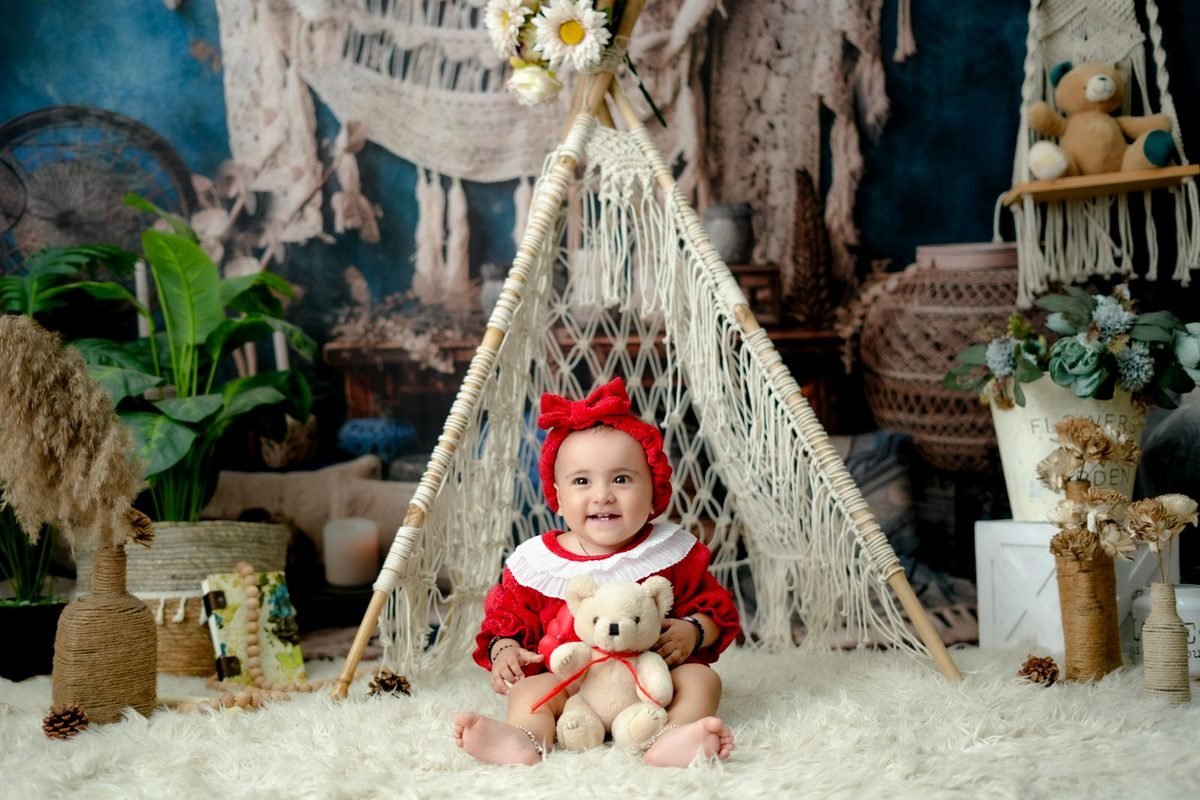
A small indoor play tent creates a cozy hideout for reading and quiet play. Add a floor cushion, a basket of books and a few plush toys, and you have a reading nook that also stores toys.
Tents fit in corners that are hard to use for furniture. Many fold flat, so you can put them away when guests visit.
Keep the tent area simple. One basket of books and one of soft toys is enough.
Best for: Kids who love hideouts, and homes with an unused corner.
Tip: Add a small battery-powered light for a cozy reading feel. Avoid string lights with plugs near small children.
15. Store Bath Toys So They Dry

Bath toys need storage that lets them dry. A mesh bath toy organizer or a hanging basket lets water drain, which helps prevent mildew.
Bathroom toy storage should stay off the floor. Hang the organizer on the shower wall or tub edge with suction cups or adhesive hooks. Keep only a few bath toys at a time and rotate the rest.
Squeeze water out of squirt toys after every bath, and wash bath toys in hot soapy water every few weeks. If a toy has mold inside, toss it.
Best for: Every family with kids who take baths.
Tip: Choose bath toys without holes when you can. They are much easier to keep clean.
Small Apartment Toy Storage for Shared Bedrooms

Many families in small apartments have kids sharing a bedroom. Small apartment toy storage in a shared room needs a little more planning:
- Use bunk beds or loft beds. Stacking beds frees floor space for play and storage.
- Give each child a zone. One bin, one shelf or one drawer per child helps reduce fights.
- Use under-bed storage. Rolling bins under each bed hold toys, clothes or rotation bins.
- Share common toys. Keep shared toys in labeled bins on a common shelf.
- Go vertical. Wall shelves and over-the-door organizers add storage without taking floor space.
Age gaps need special care in shared rooms. If an older child has sets with small parts and a younger sibling still puts things in their mouth, keep the older child’s small toys in lidded boxes on a high shelf or inside a closet, and give the younger child an open low bin of safe toys.
Keep the room calm at night by storing most toys in closed bins. A clear floor makes bedtime easier.
For more family-friendly tips, read our guide to small apartment organization with kids.
Living Room Toy Storage That Looks Grown Up
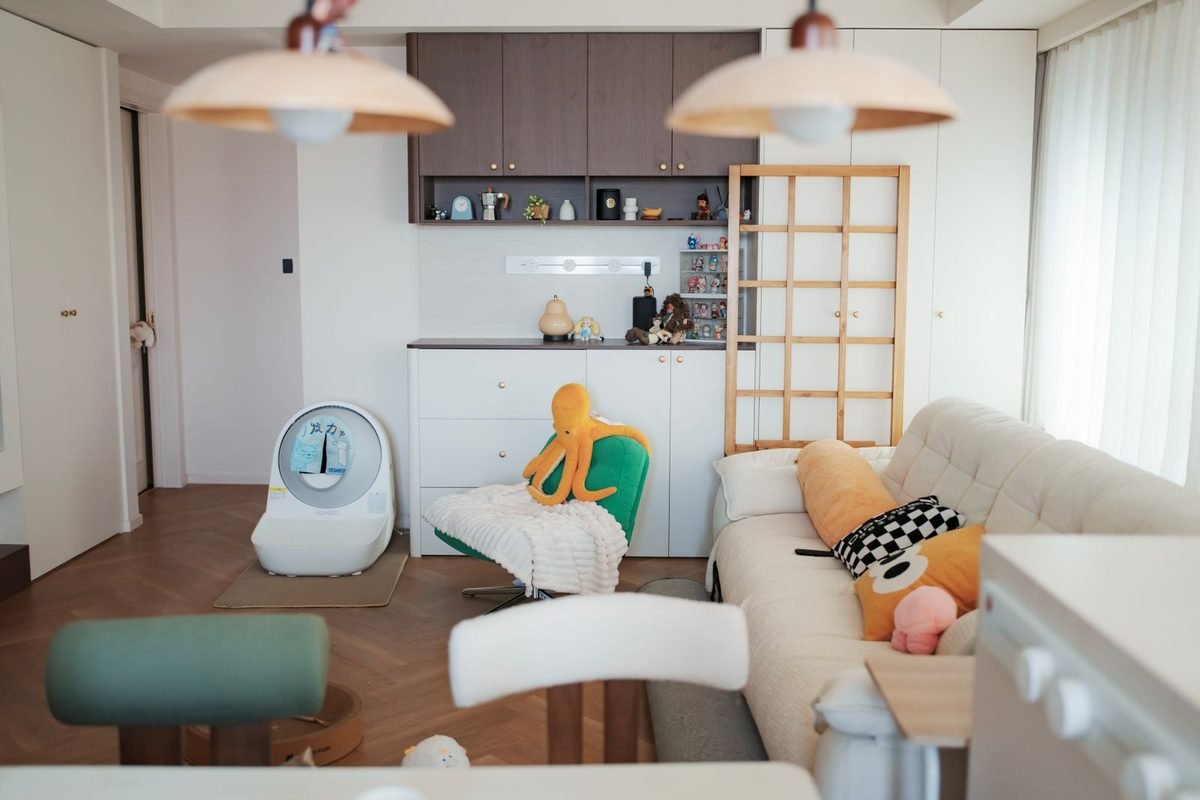
Your living room can be kid friendly and still feel like an adult space. These tricks help:
- Choose furniture with hidden storage. A storage ottoman, a coffee table with drawers or a media console with doors can hide toys.
- Use matching baskets. Neutral baskets look like decor and hold toys out of sight.
- Limit what lives in the living room. Keep one basket or one shelf of toys here and store the rest in bedrooms.
- Set a nightly reset. Toys go back into the basket before dinner or bedtime.
- Pick a small rug as the play area. It keeps toys in one corner.
When toys have a clear home in the living room, it takes just a few minutes to make the room feel calm again. Our small apartment storage ideas on a budget include more hidden storage options for shared rooms.
How to Teach Kids to Clean Up

Even the best toy storage only works if toys go back. Teaching kids to clean up is easier with these habits:
- Make it simple. Open bins, picture labels and wide categories make cleanup quick.
- Clean up together. Young kids learn best when you help.
- Use a cleanup song or a timer. A 5-minute race makes it feel like a game.
- Put away one toy before taking out another. This keeps the floor from filling up.
- Praise effort. Notice when kids clean up on their own.
- Keep the number of toys small. Fewer toys out means less to clean.
Make toy storage part of the routine at set times, like before lunch, before dinner and before bed. When cleanup happens at the same moments every day, kids stop arguing about it and start doing it on their own.
Be patient. Kids learn cleanup the same way they learn everything else, through repetition and a little help.
Budget Toy Storage: Cheap Finds and Easy Swaps

You do not need custom furniture for good toy storage. Small apartment toy storage can be built from things you already own. These cheap swaps work just as well:
Free or almost free:
- Shoe boxes for small toys
- Glass jars or food containers for crayons and small parts
- A laundry basket for big soft toys
- A cardboard box covered with contact paper as a toy bin
Under $10:
- Dollar store bins and baskets
- Adhesive hooks for dress-up clothes
- A mesh bag for bath toys
- Zip bags for puzzles and small sets
Under $30:
- A cube shelf with a few bins
- A rolling cart
- A stuffed-animal bean bag cover
- A set of wall ledges for books
Buy secondhand when you can. Thrift stores, buy-nothing groups and online marketplaces often have cube shelves and bins for very little money.
Toy Storage Safety Tips

Safety matters when you organize toys, especially with young kids. Keep these tips in mind:
- Anchor furniture to the wall. Bookcases, dressers and tall shelves can tip over if a child climbs them. The Anchor It campaign from the U.S. Consumer Product Safety Commission explains how to secure furniture and TVs.
- Choose toy boxes with safe lids. Look for lids that stay open in any position or have no lid at all, so they cannot slam on small fingers.
- Keep small parts up high. Toys with small pieces are a choking hazard for babies and toddlers.
- Store heavy items low. Put heavier toys on lower shelves and lighter ones up top.
- Check for recalls. Look up recall notices for toys and baby products from time to time.
- Avoid cords and strings. Keep blind cords and long strings away from play areas.
If you rent, ask your landlord about anchoring furniture. Many will allow it, since it prevents accidents.
Common Toy Storage Mistakes to Avoid

A few mistakes make toy storage harder than it needs to be. Watch for these:
- Keeping every toy out. Too many choices overwhelm kids and make cleanup hard. Rotate instead.
- Using deep toy chests. Toys sink to the bottom and get dumped out. Use shallow bins instead.
- Storing toys too high. If kids cannot reach the bins, they cannot help clean up.
- Sorting too finely. Ten tiny categories turn cleanup into a puzzle. Keep groups wide.
- Buying storage before decluttering. You end up storing toys nobody plays with.
- Ignoring safety. Unanchored furniture and heavy lids are real risks.
- Forgetting to update. As kids grow, their toys and storage needs change. Review your setup every few months.
If your toy storage keeps falling apart, it is probably too complicated. Make putting toys away easier than leaving them out.
The 10-Minute Toy Reset

A quick daily or weekly reset keeps toy storage working. Set a 10-minute timer and do this:
- Collect every toy from the floor, the couch, the kitchen and the bathroom.
- Put each toy back in its bin, basket or shelf.
- Set aside broken toys and toys with missing pieces.
- Wipe down bins, the play mat and high-touch toys.
- Swap one rotation bin if it is rotation day.
Once a season, do a bigger toy storage check and a declutter. Donate outgrown toys, check for recalls and update labels.
The seasonal check is also a good time to rethink your setup. If one bin is always overflowing and another is always empty, change the categories.
Toy Storage FAQ

How do I store toys in a small apartment with no playroom?
Use a low cube shelf with bins in the kids’ room, baskets in the living room, a closet for rotation bins and wall shelves for books and display toys. Keep only a portion of the toys out at once.
How many toys should kids have out at once?
There is no exact number, but many families keep 8 to 12 toys out and rotate the rest. Fewer toys usually means longer, calmer play.
What is toy rotation?
Toy rotation means keeping some toys out and storing the rest. Every couple of weeks, you swap a bin of stored toys for one that is out.
What is the best toy storage for a living room?
Matching baskets, a storage ottoman and a media console with doors keep toys hidden and make the room look grown up.
How do I store stuffed animals in a small space?
Use a bookcase or cubbies, a stuffed animal hammock in a corner or a stuffed-animal bean bag cover that doubles as a seat.
What are good small apartment toy storage ideas?
Low cube shelves, under-bed bins, rolling carts, wall shelves, closet toy zones and toy rotation all save space in small apartments.
Are toy chests safe?
Choose a toy chest with a lid support that holds the lid open in any position, or use open bins instead. Avoid lids that can slam shut.
Final Thoughts

A small space does not have to mean toys everywhere. Declutter first, keep only some toys out, rotate the rest and give every type of toy a low, simple home.
Try these toy storage ideas one at a time. A cube shelf with picture-labeled bins and a basket in the living room are quick wins, and a closet toy zone and toy rotation free up even more space. Anchor furniture and keep small parts up high to keep play safe.
Save these toy storage ideas for small spaces for your next playroom refresh, and check out our small apartment organization with kids and vertical storage ideas for small spaces for more family-friendly tips.