Dollar Tree Organization Hacks for Small Spaces: 25 Cheap Ideas That Work
Disclosure: This post contains affiliate links. As an Amazon Associate I earn from qualifying purchases. If you buy through these links, I may earn a small commission at no extra cost to you. Read our full disclaimer.
If your home is small and your budget is tight, the dollar store can be one of the most useful places to shop for organizing. A few plain bins, trays and hooks won’t change the size of your apartment, but they can change how easy it is to find things, put them away and keep surfaces clear. These Dollar Tree organization hacks for small spaces are grouped by room, and almost all of them are renter friendly. Most can be done in an afternoon without a drill.
Quick answer: The best Dollar Tree organization hacks for small spaces are the ones that add vertical space or split a shelf or drawer into zones: bins in the pantry, clear boxes in the fridge, a caddy under the sink, drawer trays for small items, adhesive hooks behind doors and baskets on open shelves. Measure first, buy one style per area, and label everything.
Before You Shop: How to Make Dollar Tree Organizers Work
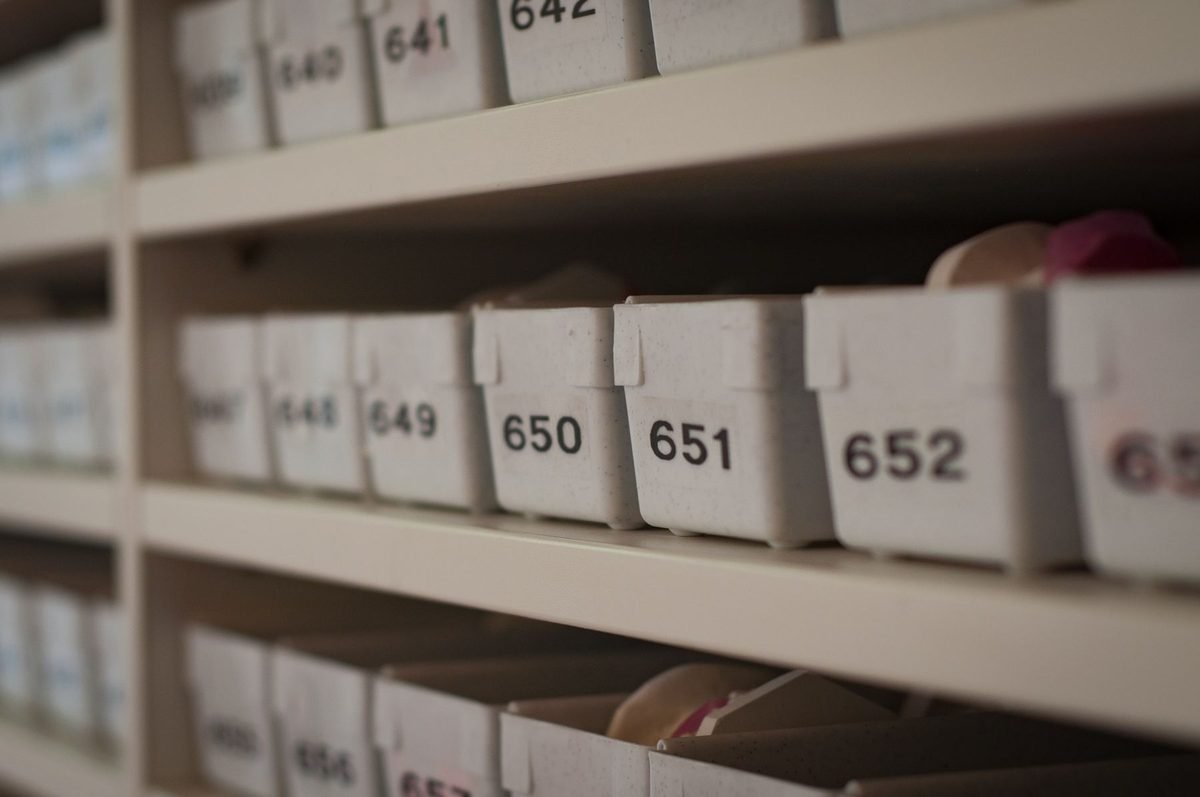
Dollar store organizers are good value, but it’s easy to come home with a bag of bins that don’t fit anything. A few minutes of planning fixes that.
- Declutter the space first. Empty the cabinet or drawer, toss what’s expired or broken, and only then decide what kind of container you need.
- Measure and write it down. Note the width, depth and height of each shelf or drawer. Bring a small tape measure to the store, because bins that look similar can vary by an inch or two.
- Buy one style and color per area. Matching containers look calmer, which matters in a small room where everything is visible.
- Check what’s in stock online. Dollar Tree’s website lists many of its organizers, and stock varies a lot from store to store, so it helps to look before you go.
- Read the shelf tag. Dollar Tree now carries items at several price points, so check the tag rather than assuming everything costs the same.
A good rule for small spaces: choose containers with straight sides and square corners. Round baskets look nice, but they waste the corners of a shelf, and in a small cabinet those corners add up. Clear containers are best where you need to see what’s inside at a glance (fridge, pantry, under the sink), while opaque baskets suit open shelves, where you want things hidden.
If a store is out of what you need, a similar container from another store or online works the same way. The hacks below are about the idea, not one specific product.
Dollar Tree Kitchen and Pantry Hacks
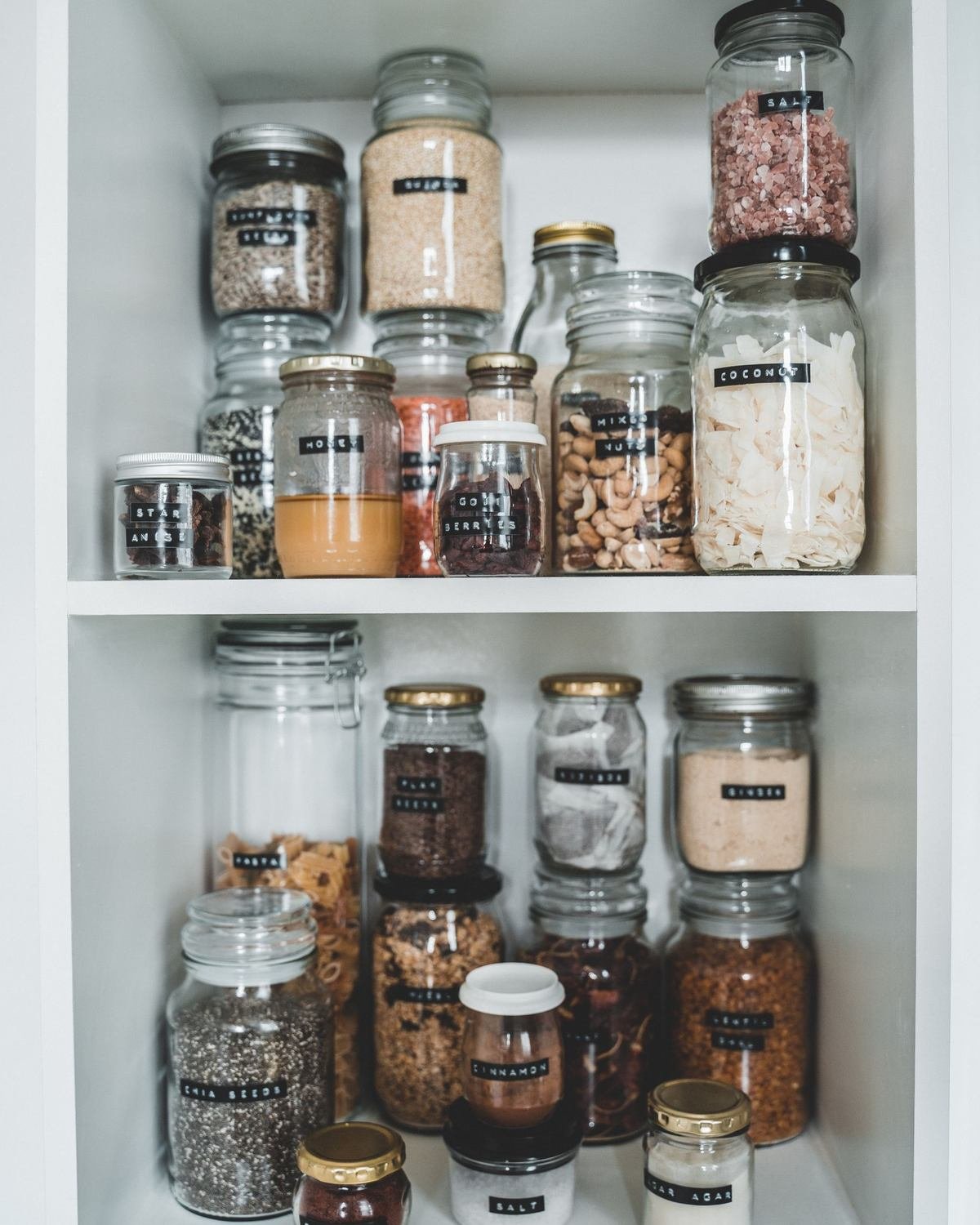
Small kitchens usually have deep cabinets, few drawers and no real pantry. These hacks help you use every inch, and most of them work in a rental kitchen with no changes to cabinets. For more ideas, see our guide to small kitchen organization ideas on a budget.
1. Group Snacks in Clear Jars or Bins
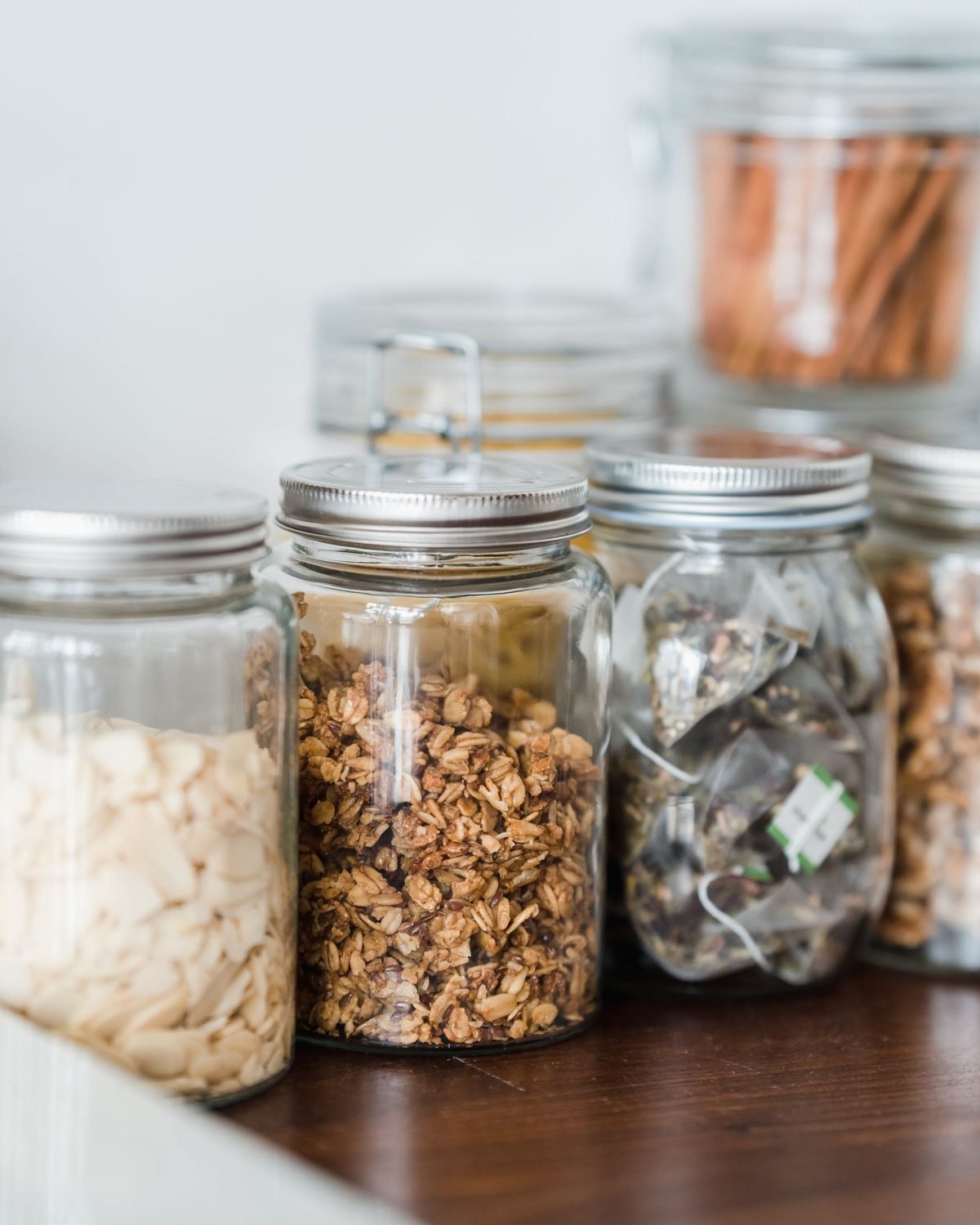
Loose snack bags slide around and get forgotten at the back of a shelf. Put chips, crackers, granola bars and drink packets into clear jars or open bins, one category per container. You can pull out a whole bin instead of digging, and you’ll see at a glance when something is running low. For a cabinet pantry, bins with a cut-out handle are easiest to slide in and out.
Make it work: Keep kids’ snacks on a low shelf and treats up high. Refill the jars from the back so older snacks get eaten first.
2. Line Up Small Clear Containers for Seeds and Baking Supplies
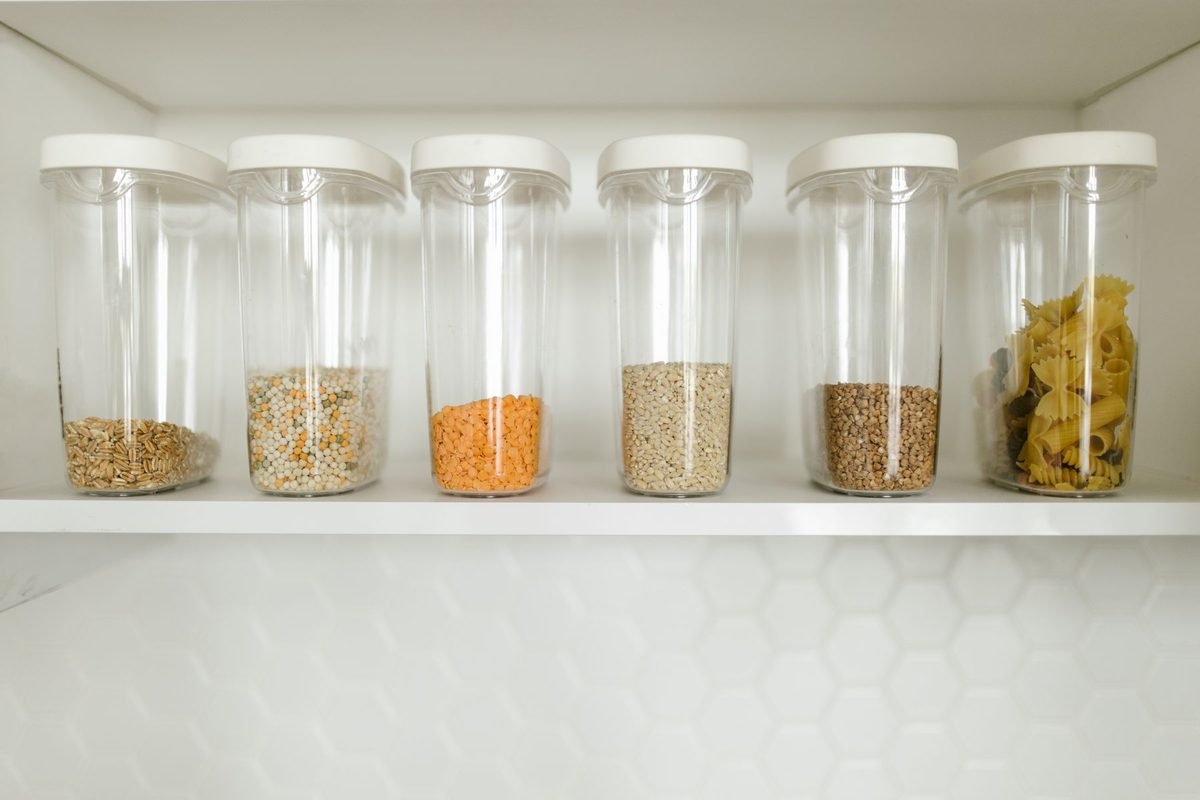
Half-used bags of seeds, nuts, lentils and baking chips are some of the messiest things in a small pantry. A row of tall, narrow clear containers on one shelf keeps them upright, sealed and visible, and narrow shapes fit more across a shelf than bags flopped on their sides. Wash new containers before using them for food, and pick ones labeled food safe.
Make it work: Cut the cooking instructions off the original bag and tape them to the back of the container, so you don’t lose them.
3. Add a Wire Shelf Riser to Cabinets
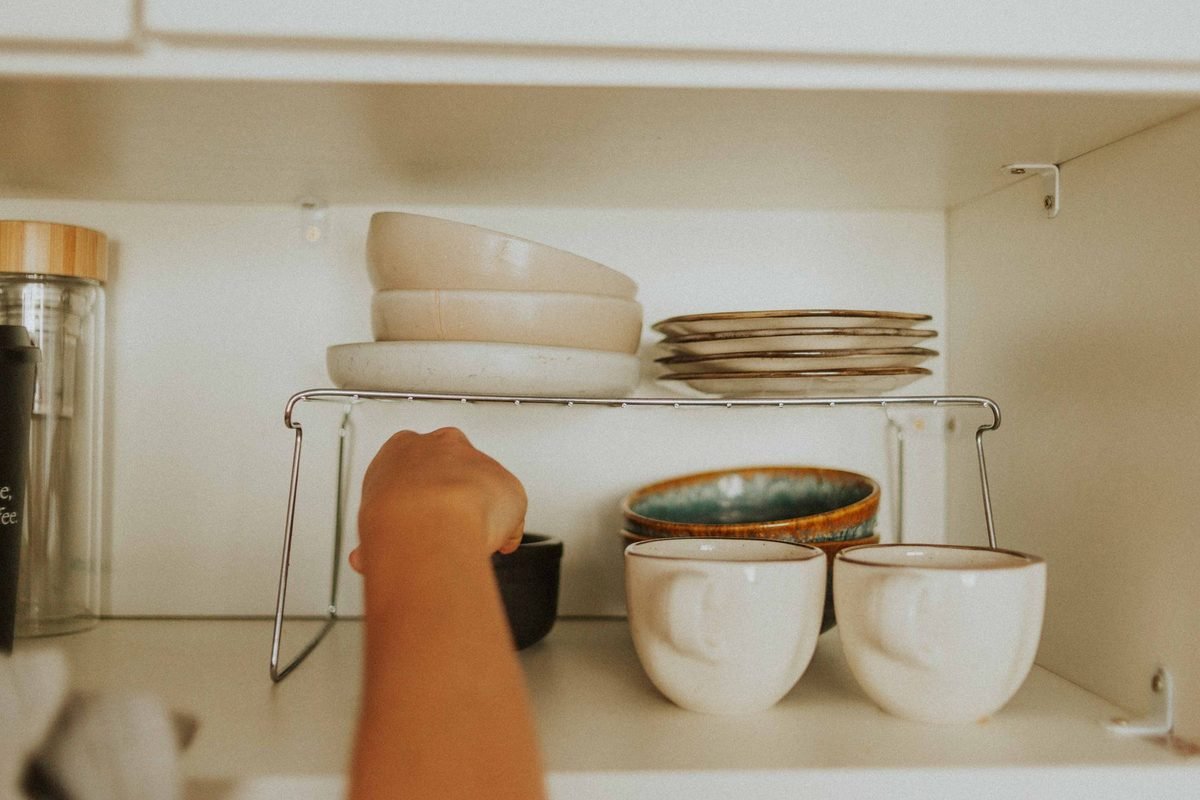
Most cabinets have a lot of empty air above each stack of plates. A small wire rack or shelf riser splits that height into two levels, so mugs or bowls can sit underneath and plates on top. Measure the height between shelves before buying so you leave enough room to lift items out comfortably.
Make it work: Put the plates you use every day on the lower level, where they’re easiest to grab, and the less-used serving dishes on top.
4. Stand Cutting Boards and Containers Upright
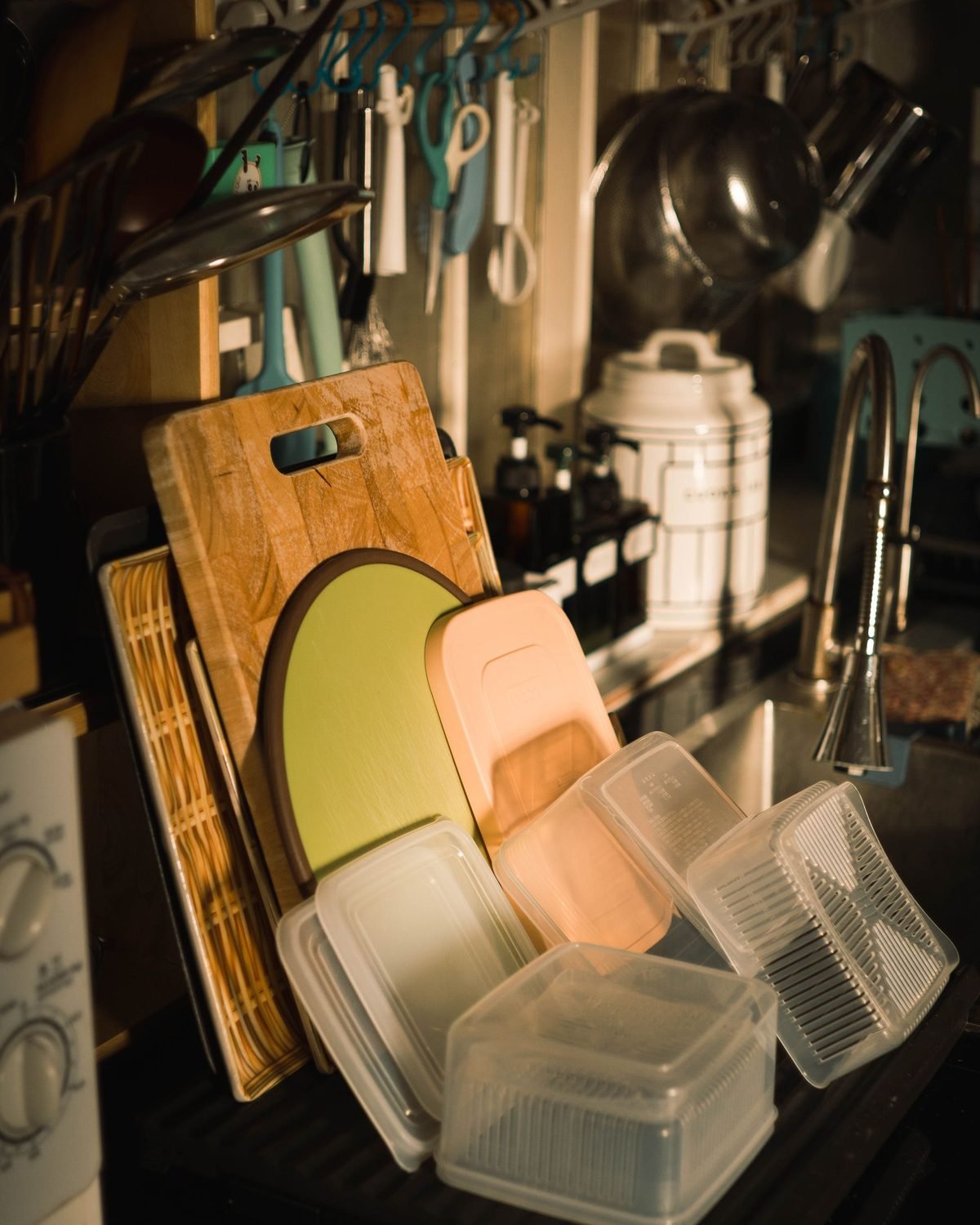
Cutting boards, baking sheets and food container lids take less room standing on their edges than lying flat. A plastic file holder, a small dish rack or even a sturdy bin can keep them upright inside a lower cabinet or beside the sink. You can grab the one you need without lifting the whole pile.
Make it work: Sort lids by size in the holder, from small to large, so matching them to containers takes seconds.
5. Decant Dry Goods Into Matching Canisters
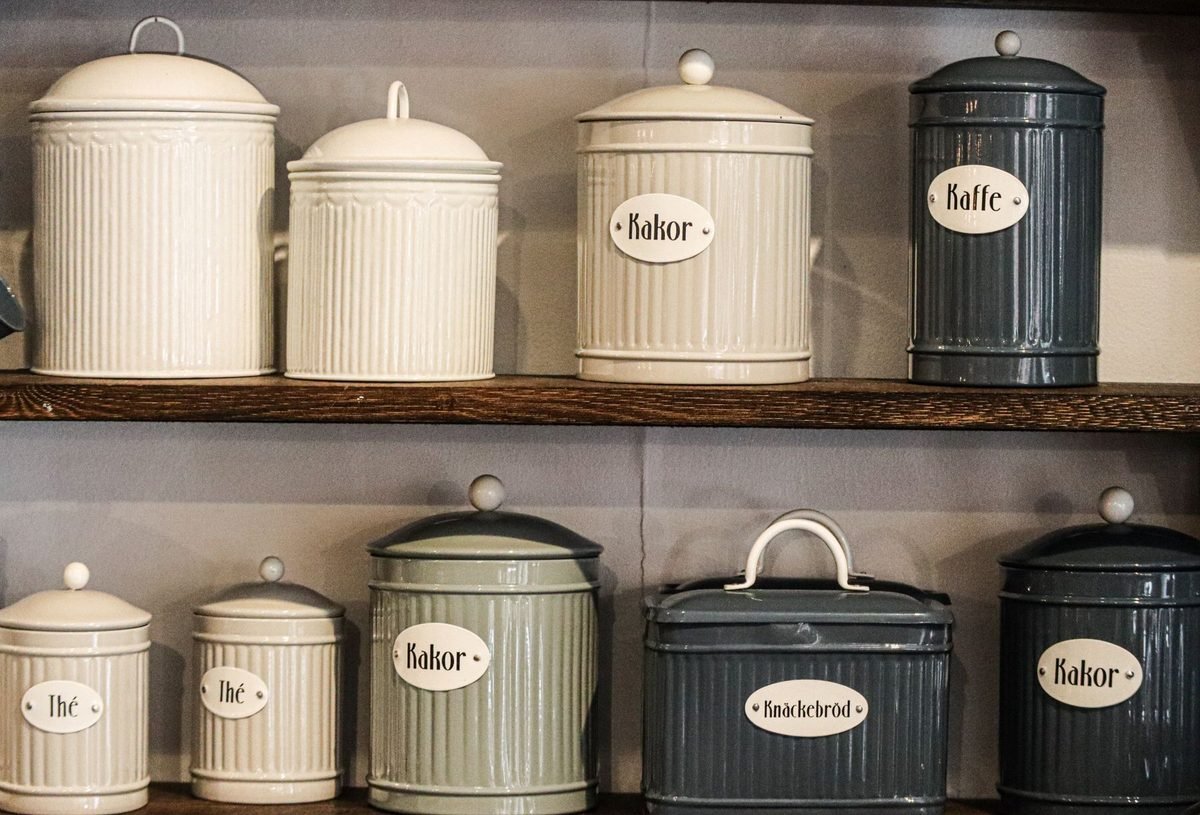
Pasta, rice, oats and beans take up less visual space in matching containers, and square ones fit together better on a shelf. Dollar Tree canisters are fine for dry pantry staples. Add a label with the contents and, if you like, the date from the original package so you know what to use first.
Make it work: Only decant what you use often. Things you buy once a year can stay in their original packages in a bin.
6. Use a Dish Rack for Plates and Lids
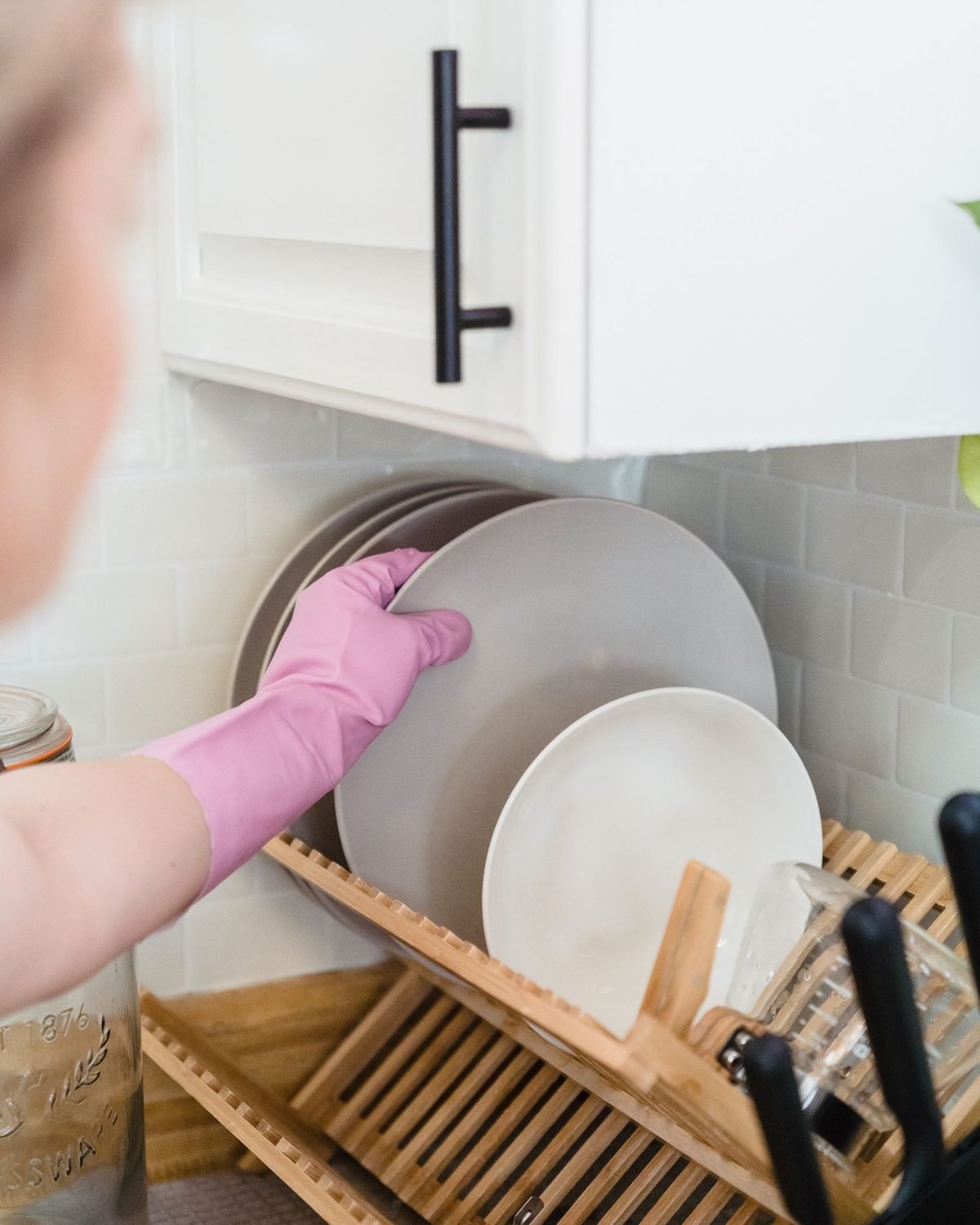
A simple dish drying rack does more than dry dishes. Inside a lower cabinet it can stand pot lids, plates or cutting boards on their edge, which stops the lid avalanche every time you open the door. It’s one of the cheapest ways to bring order to a messy cabinet.
Make it work: Put felt pads under the rack if it slides around, and check that the cabinet door closes with the rack inside.
7. Hang Utensils From a Rod and S-Hooks
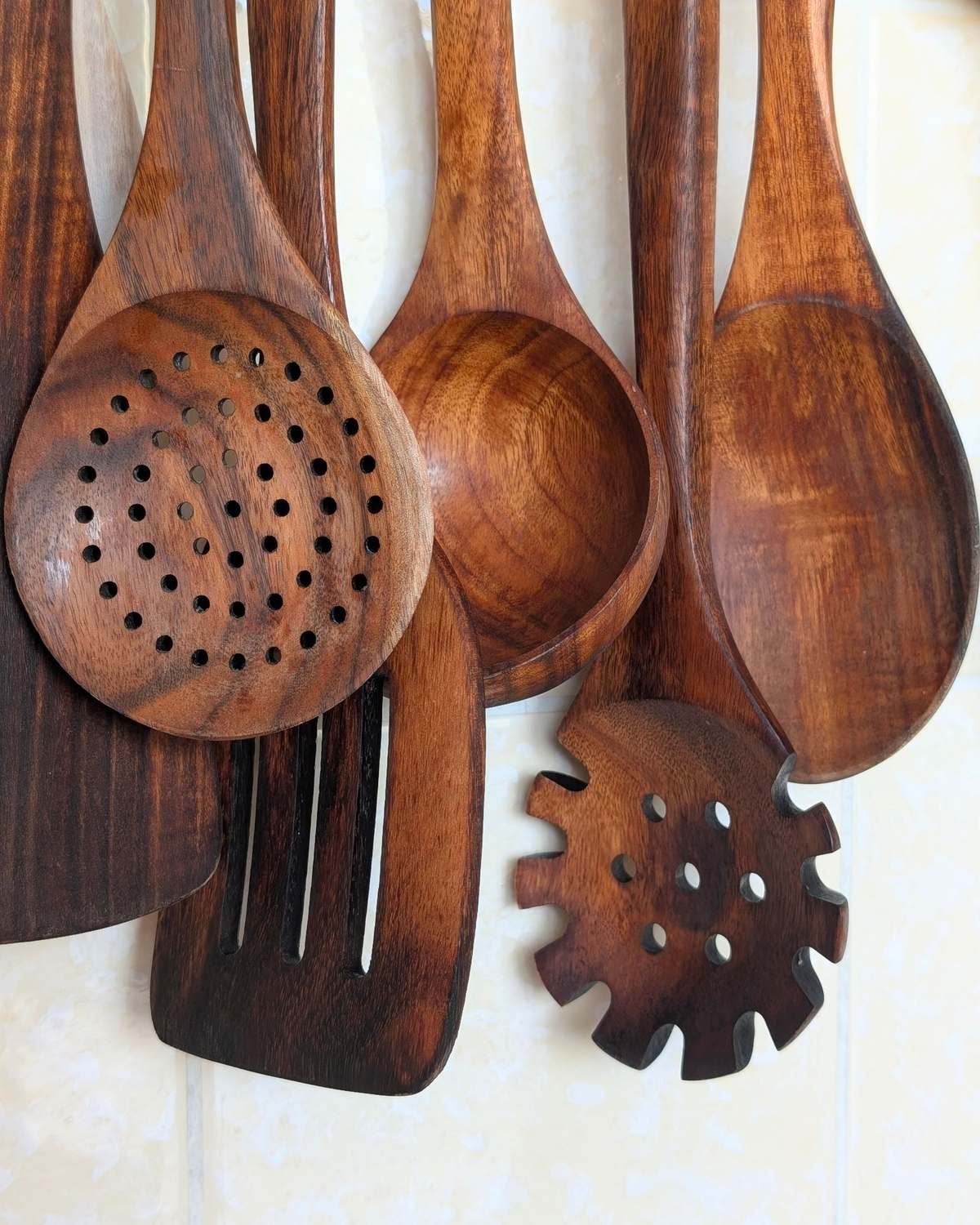
If drawer space is tight, move your most-used spoons and spatulas to the wall. A tension rod fitted inside a window frame or between two cabinets, plus a few S-hooks, gives you a renter-friendly utensil rail. Hang small cups or baskets from the hooks for lighter items like measuring spoons.
Make it work: Keep only the five or six tools you use daily on the rail. Everything else goes back in a drawer.
Dollar Tree Bathroom Hacks
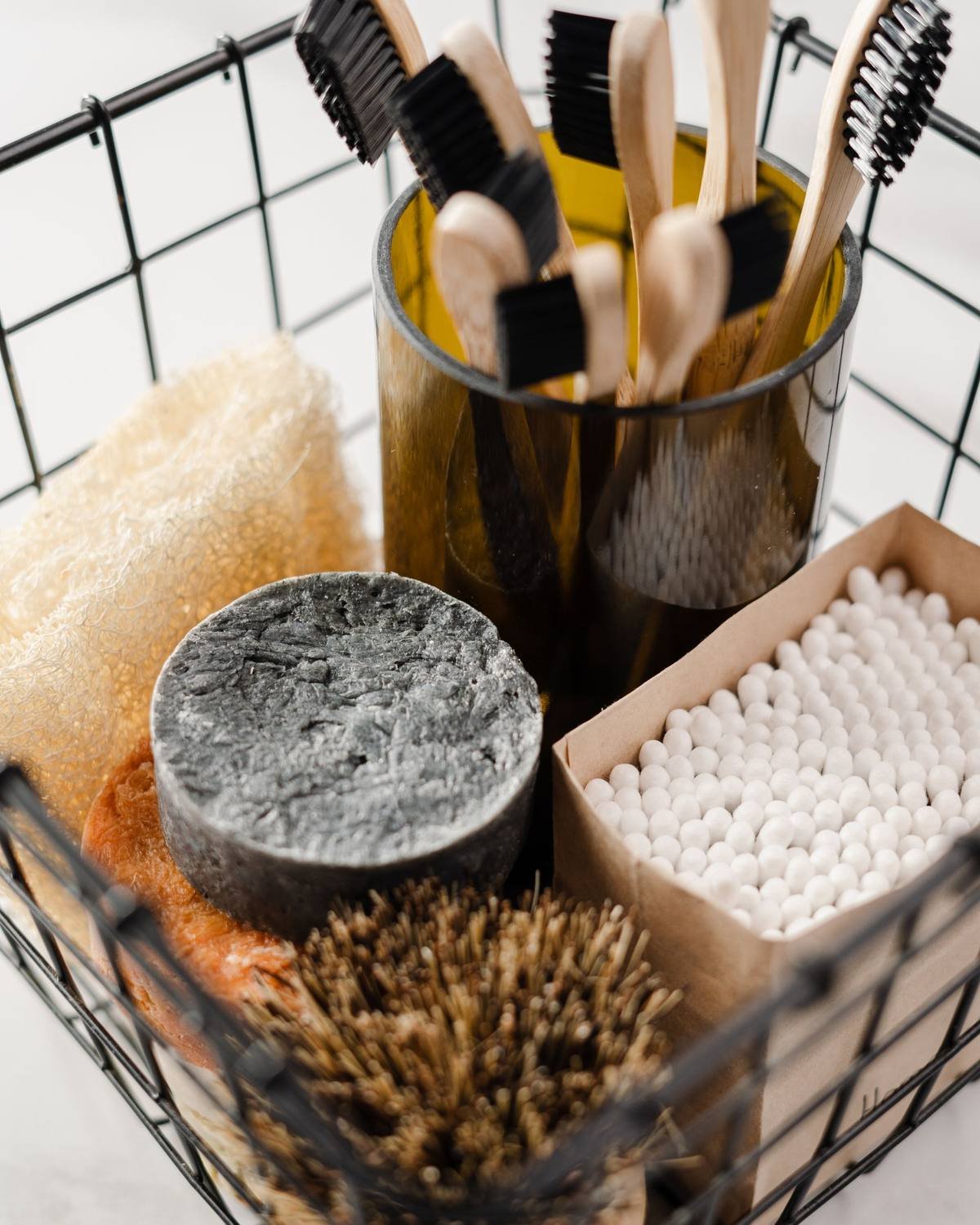
Bathrooms are often the smallest room in the home, with the most tiny items. A few containers make a big difference. For a closer look at the cabinet under your sink, read our under bathroom sink organization ideas.
8. Keep a Caddy Under the Sink
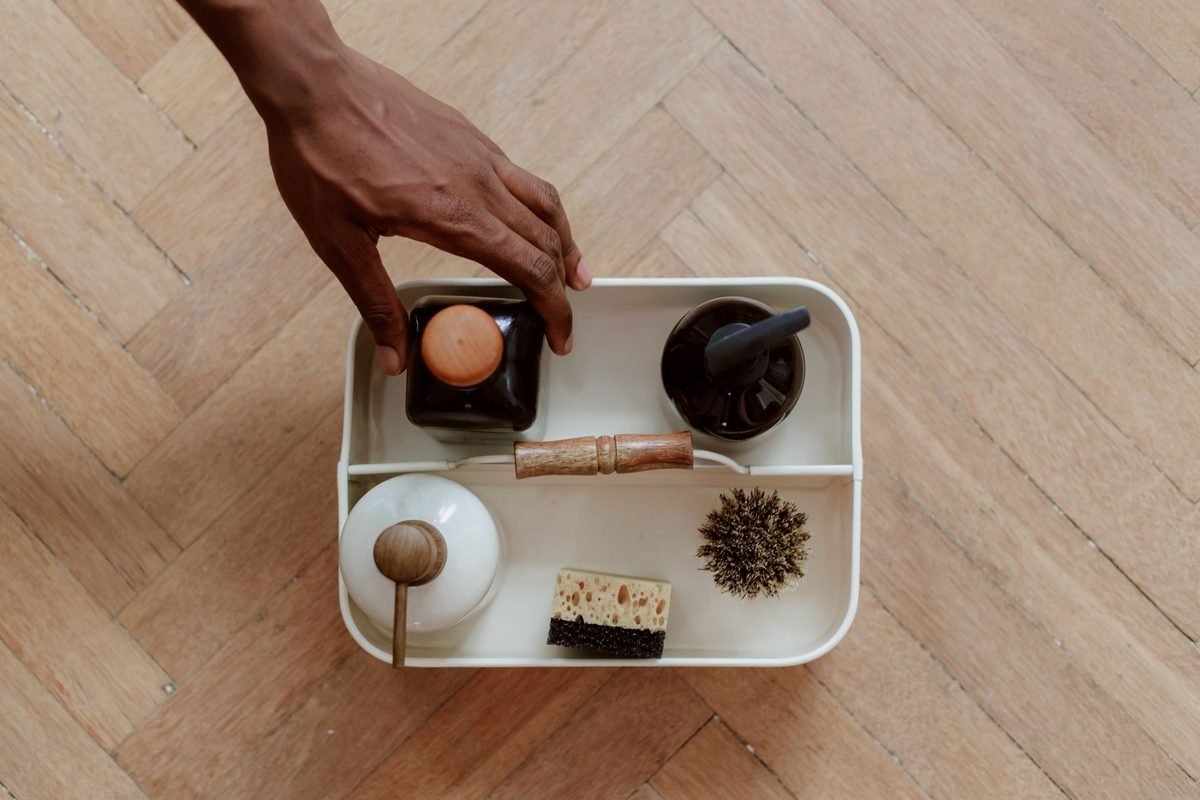
A plastic caddy with a handle is ideal under a bathroom sink. Keep one for cleaning supplies and another for backup toiletries, and you can carry either one to wherever you need it. Grouping supplies this way also stops you from buying a third bottle of something you already have.
Make it work: Put a waterproof tray or a dish towel under the caddy to catch drips from bottles and the pipes above.
9. Corral Hair Tools in a Tall Bin or Basket
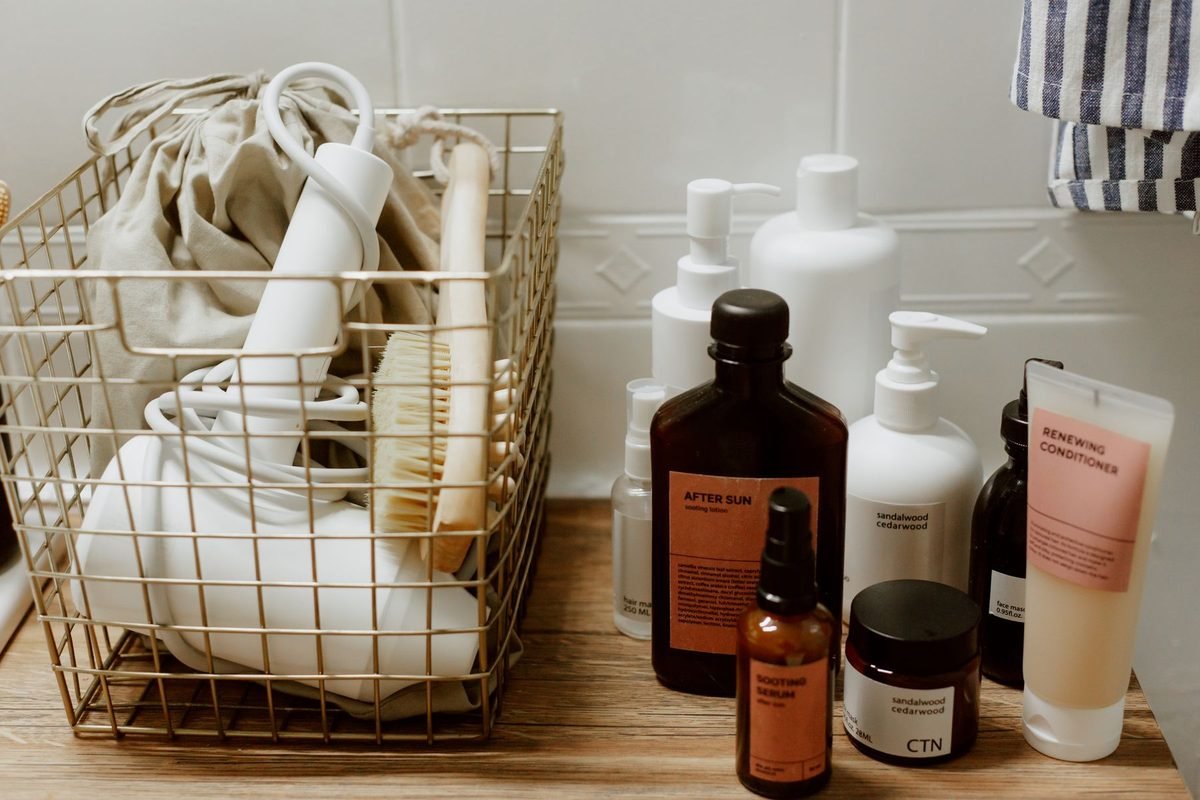
A tall, narrow bin or basket holds a hair dryer, straightener and brushes upright, so cords don’t tangle with everything else in the cabinet. Wrap each cord loosely, and always let hot tools cool completely before you put them away.
Make it work: If your cabinet is short, stand the bin on its side or use a basket on the floor next to the vanity.
10. Stand Makeup Brushes in a Cup
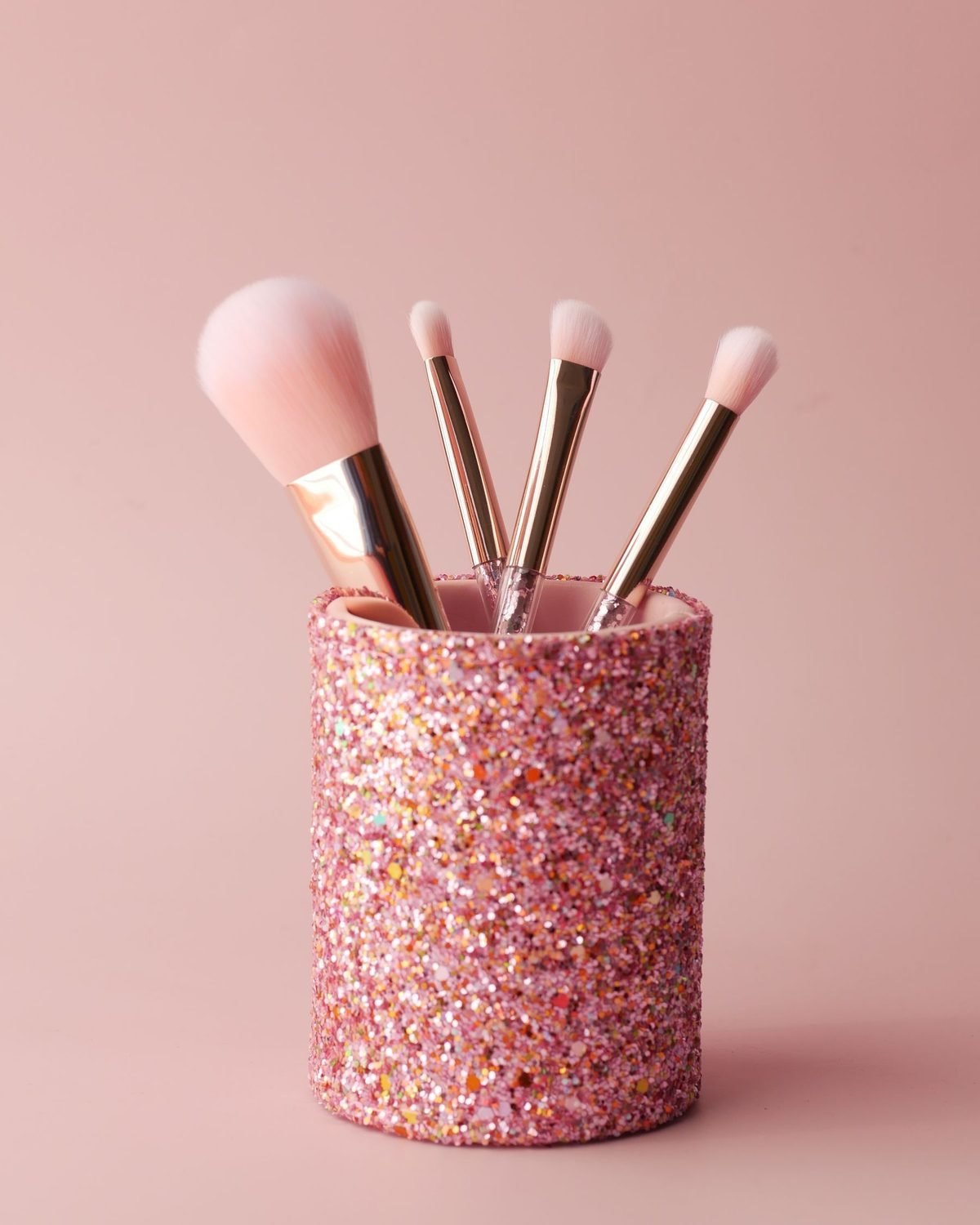
Brushes lying in a drawer pick up dust and get bent. A plain cup, jar or pencil holder keeps them upright on the counter, takes up only a few inches and lets you see every brush at once. Wash the cup when you clean your brushes so the setup stays fresh.
Make it work: Use two cups, one for clean brushes and one for brushes that need washing, so you always know which is which.
11. Store Cotton Swabs and Pads in Lidded Jars
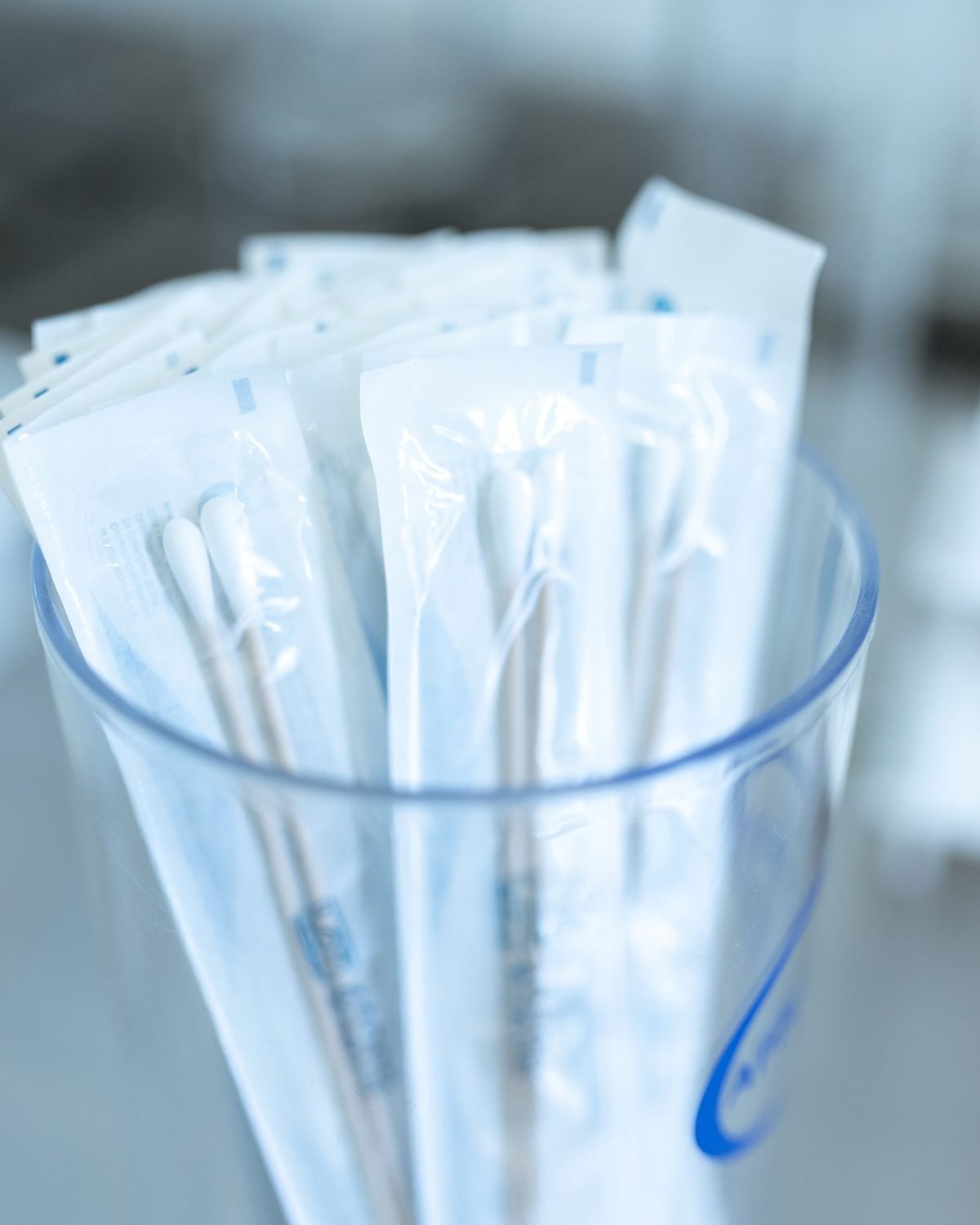
Cotton swabs, cotton pads and hair ties are small items that make a counter look cluttered fast. Decanting them into small glass or plastic jars keeps them clean and easy to reach. Jars with lids are best if your bathroom gets steamy.
Make it work: Group jars on a small tray so you can lift them all at once when you wipe the counter.
12. Keep Toilet Paper and Towels in a Basket
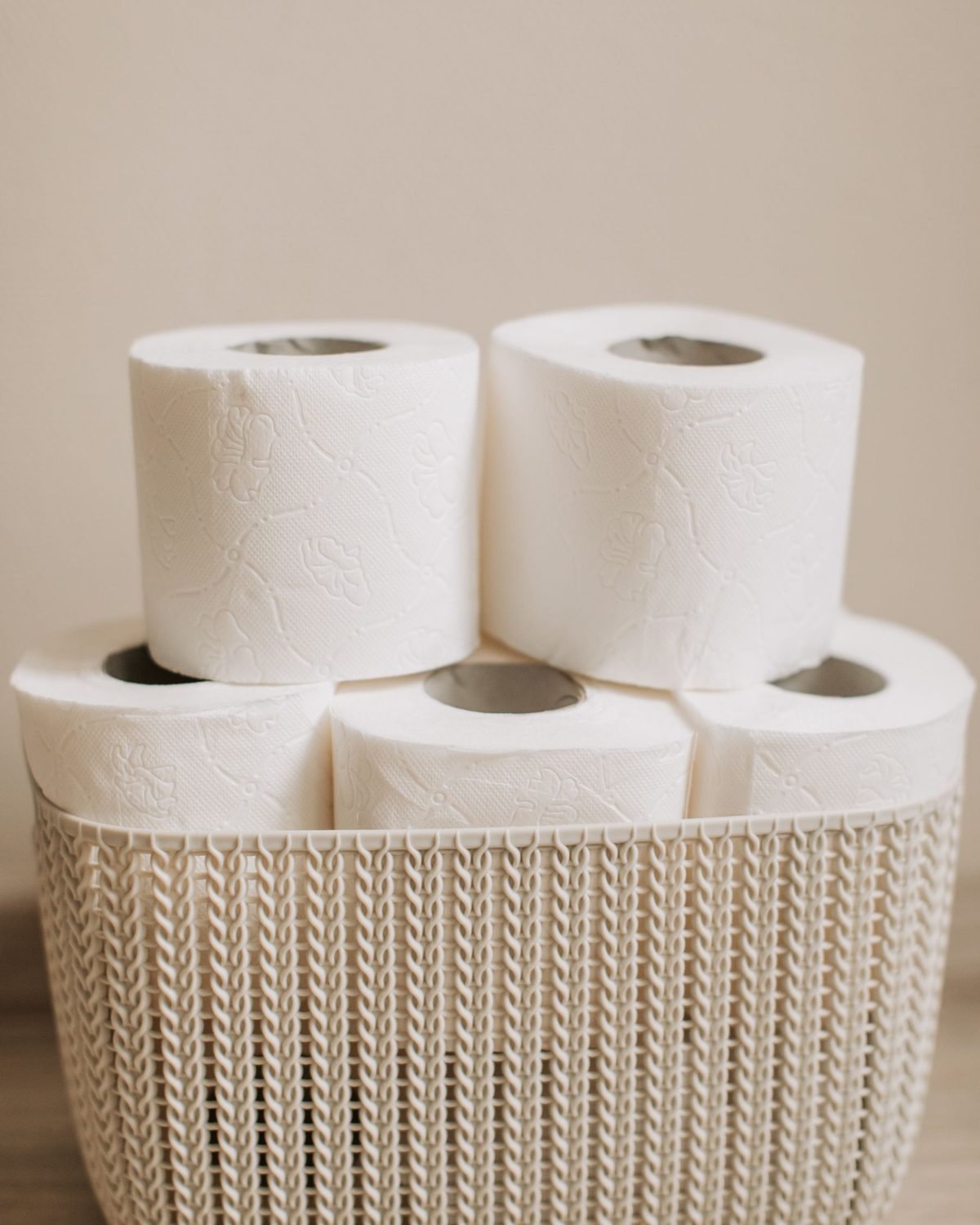
If your bathroom has no linen closet, a basket on the floor, on a shelf or beside the toilet can hold spare toilet paper rolls or rolled hand towels. It keeps backups in sight so you never run out, and it looks tidier than an open plastic pack.
Make it work: Keep only a few rolls in the bathroom basket and the rest of the pack in a closet bin, so the basket isn’t overflowing.
Dollar Tree Closet and Bedroom Hacks
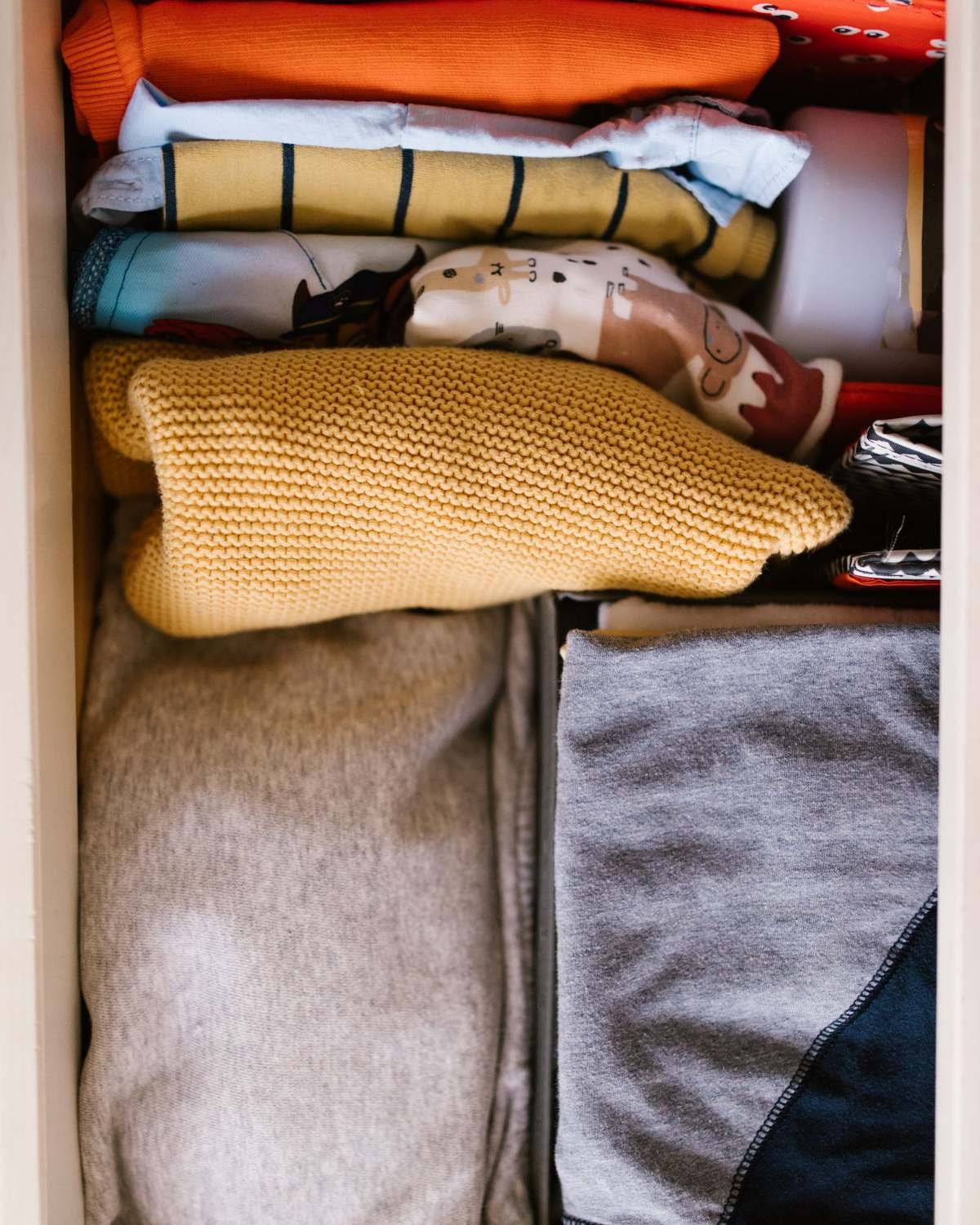
A small closet and bedroom can still feel organized with a few cheap tools. Our post on how to organize a small closet with lots of clothes goes further if your wardrobe is bursting.
13. File-Fold Clothes With Drawer Dividers
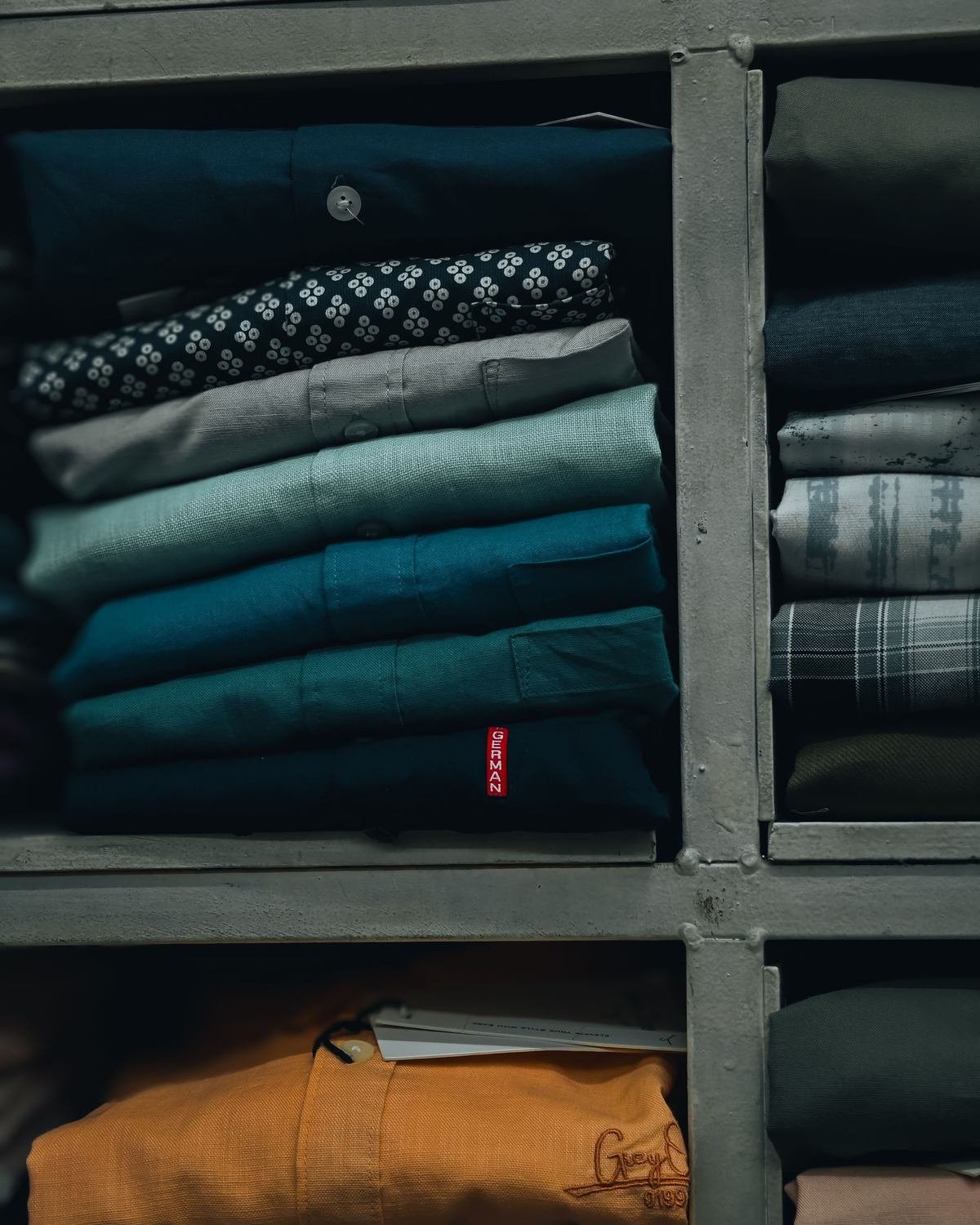
Long, narrow bins or drawer organizers let you fold T-shirts, leggings and pajamas into small rectangles and stand them up in rows. Instead of digging through a stack, you can see everything in the drawer at once, and it usually fits more than flat piles do.
Make it work: Fold to the height of the drawer, so each item stands up on its own. Our guide on how to organize a small closet with lots of clothes has more folding tips.
14. Switch to Slim, Matching Hangers
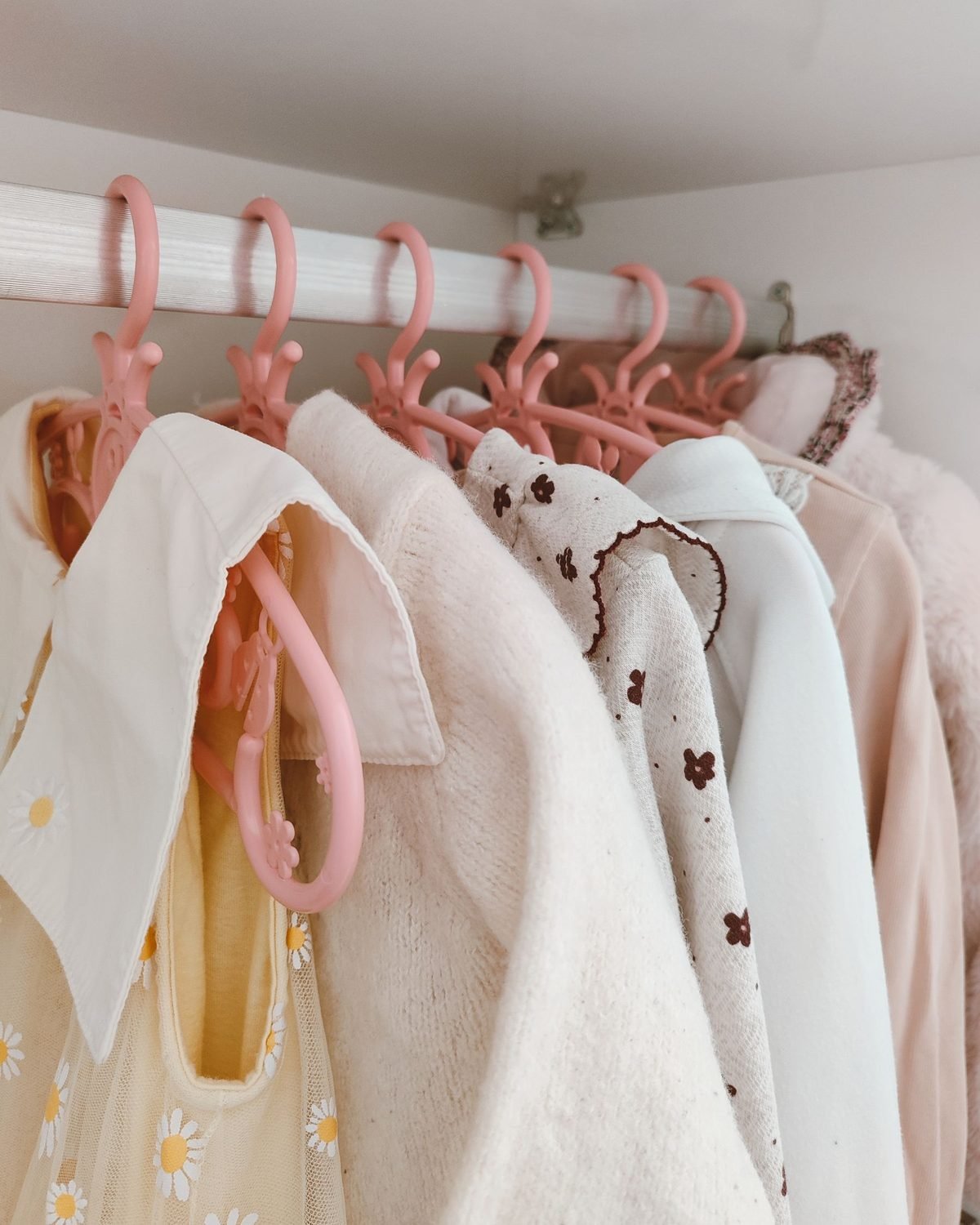
Bulky or mismatched hangers eat up rod space quickly. Thin, matching hangers make a short closet rod hold more and make it look neater at the same time. For lightweight tops, you can also link hangers with a shower curtain ring to make a cascade, just don’t load heavy coats this way.
Make it work: Turn all hangers the same way, and flip each one after you wear the item. After a few months, the ones you never flipped show what you can donate.
15. Give Jewelry a Tray
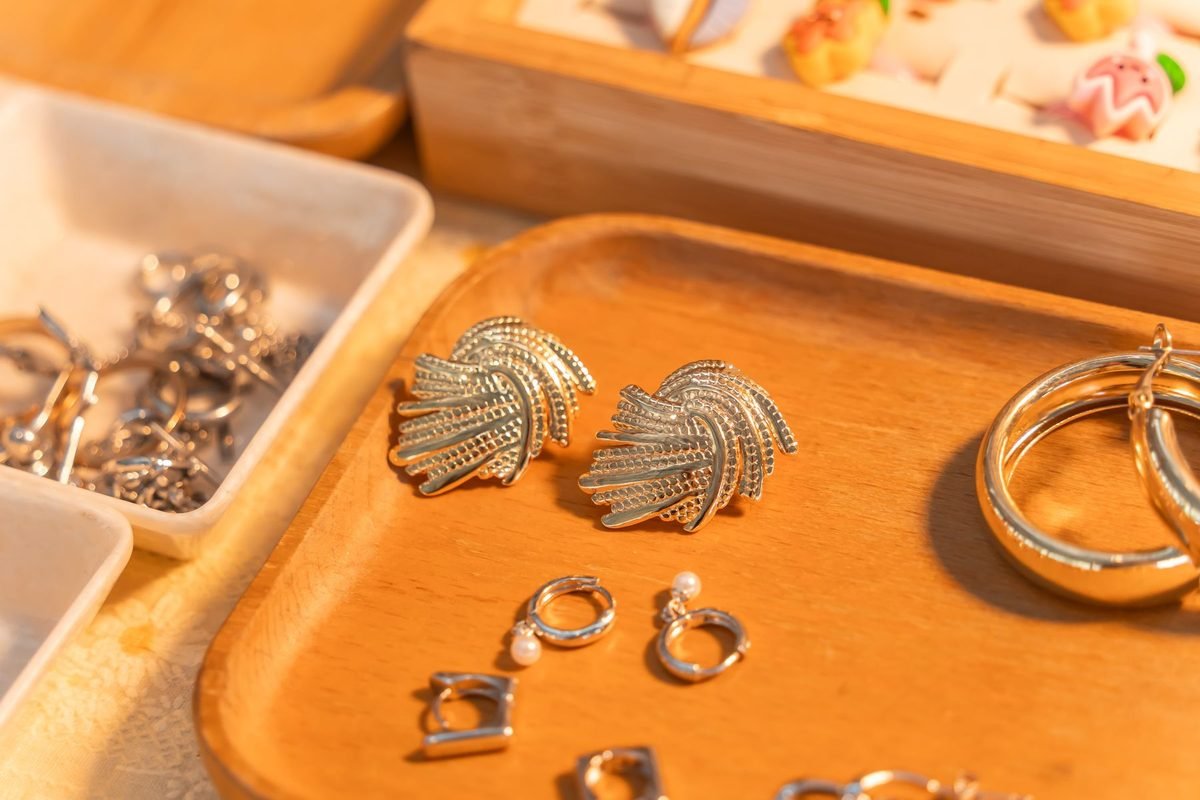
Small compartment trays keep earrings, rings and necklaces separated on a dresser or inside a drawer, so they don’t tangle or disappear. Even a simple flat tray helps, because it gives jewelry a defined spot instead of a loose pile.
Make it work: Keep everyday pieces on the tray and special-occasion jewelry in a small lidded box, so the tray stays easy to use.
16. Hang Scarves and Bags on a Rod or Hook Hanger
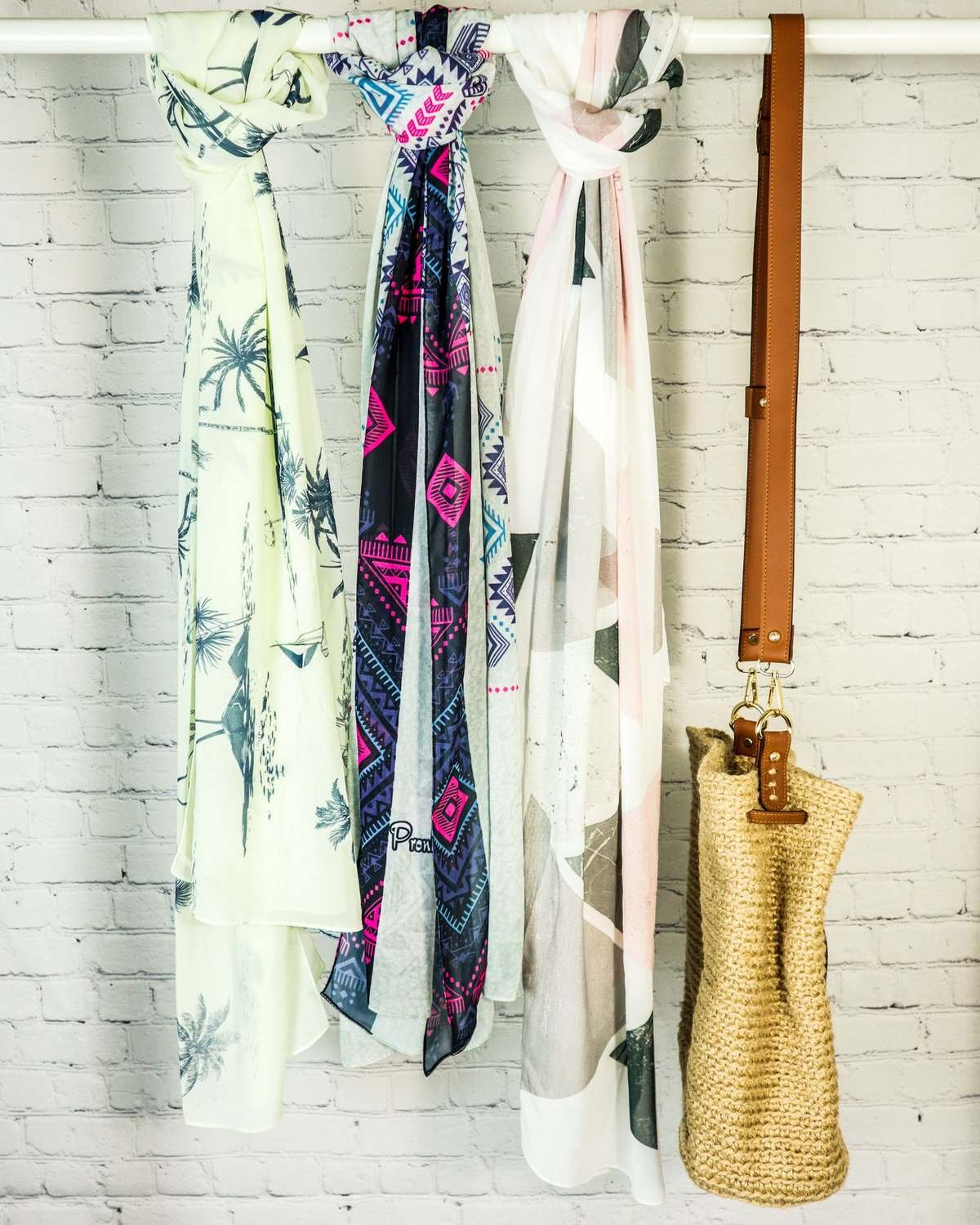
Scarves and soft bags are hard to stack neatly. Shower curtain rings slipped over a sturdy hanger, or a few S-hooks on a closet rod, turn them into a visible row you can pick from. This frees up shelf space for folded items.
Make it work: Hang the scarves you wear most at the front of the closet, and move the rest to a bin when the season changes.
17. Add Labeled Bins to the Top Shelf

The shelf above the closet rod is often wasted space. Put out-of-season clothes, swimwear or spare bedding in lidded bins, and label the front so you know what’s inside without climbing up. Lighter items belong up high and heavier ones lower down.
Make it work: Use bins with handles on the front, so you can pull them down from a high shelf without a step stool.
18. Keep a Bedside Basket or Shelf for the Small Stuff
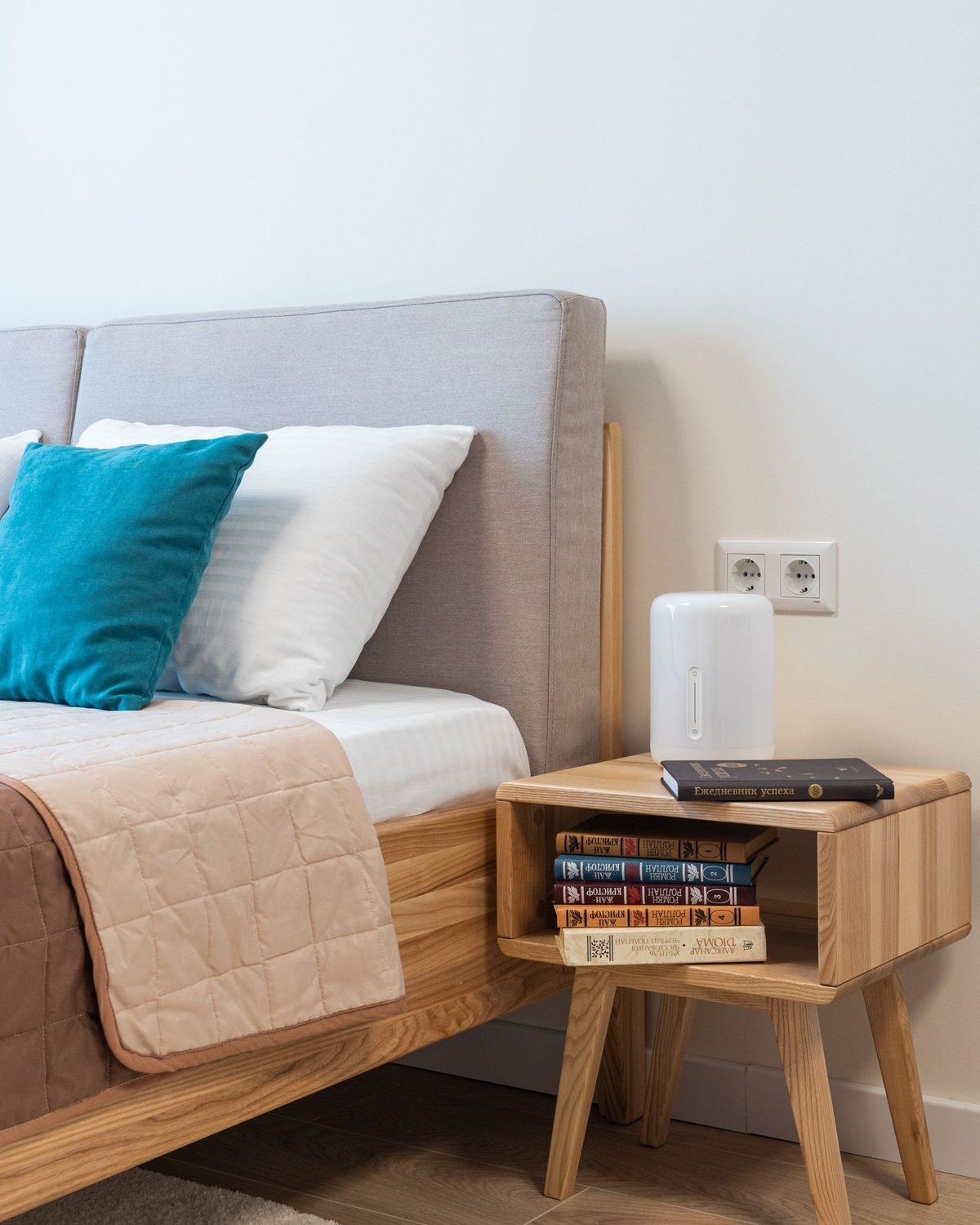
Chargers, lip balm, glasses and books tend to cover the top of the nightstand. A small basket or the shelf in a bedside table gives them one spot, so the surface stays clear for a lamp and a glass of water.
Make it work: Clear the basket once a week. Books you’ve finished go back on the shelf, and stray items go where they belong.
Dollar Tree Entryway, Living Room and Desk Hacks
The areas you see first when you walk in make the biggest impression. These ideas keep daily clutter from piling up by the door and on the coffee table.
19. Create a Landing Spot by the Door
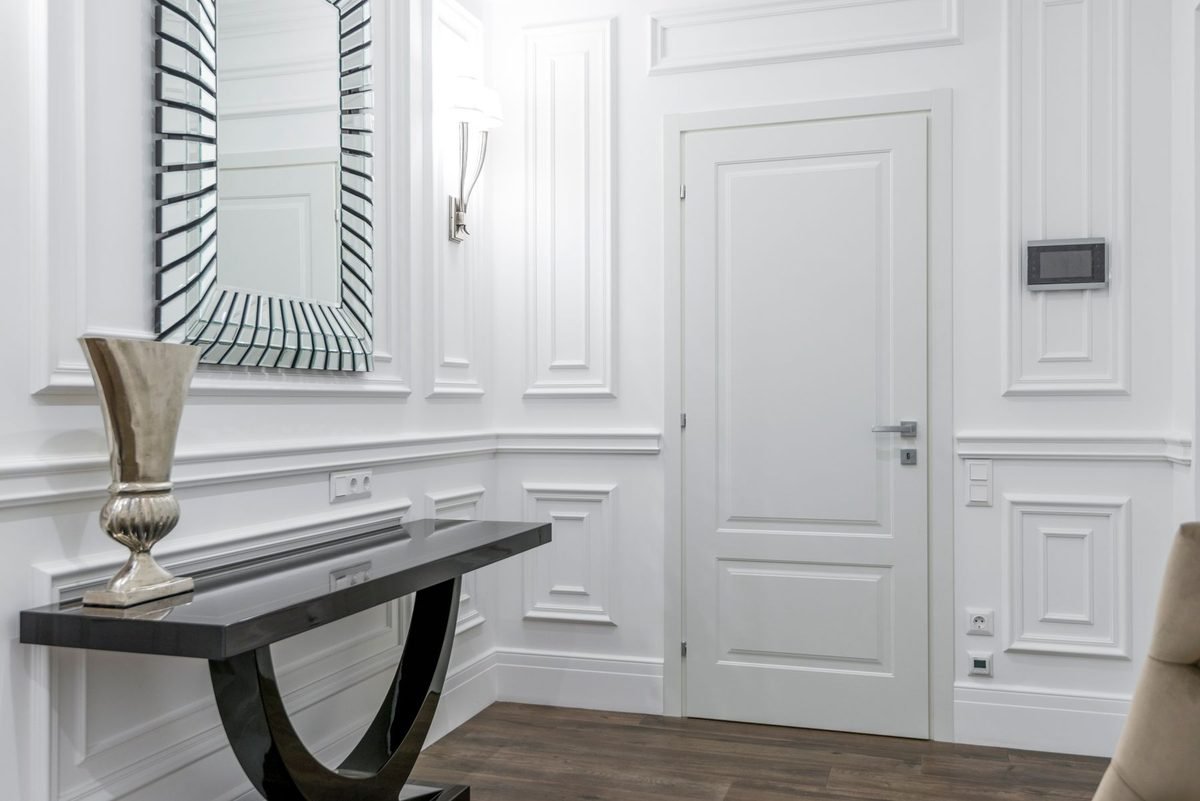
Keys, sunglasses, earbuds and mail need somewhere to land the second you walk in. A slim table or shelf by the door with a plain tray or small bowl on top gives them that spot. When small things have a defined home, they’re less likely to wander, and a tray makes even a busy surface look intentional.
Make it work: If you don’t have room for a table, a small wall shelf with a tray works the same way.
20. Hang Adhesive Hooks Behind Doors
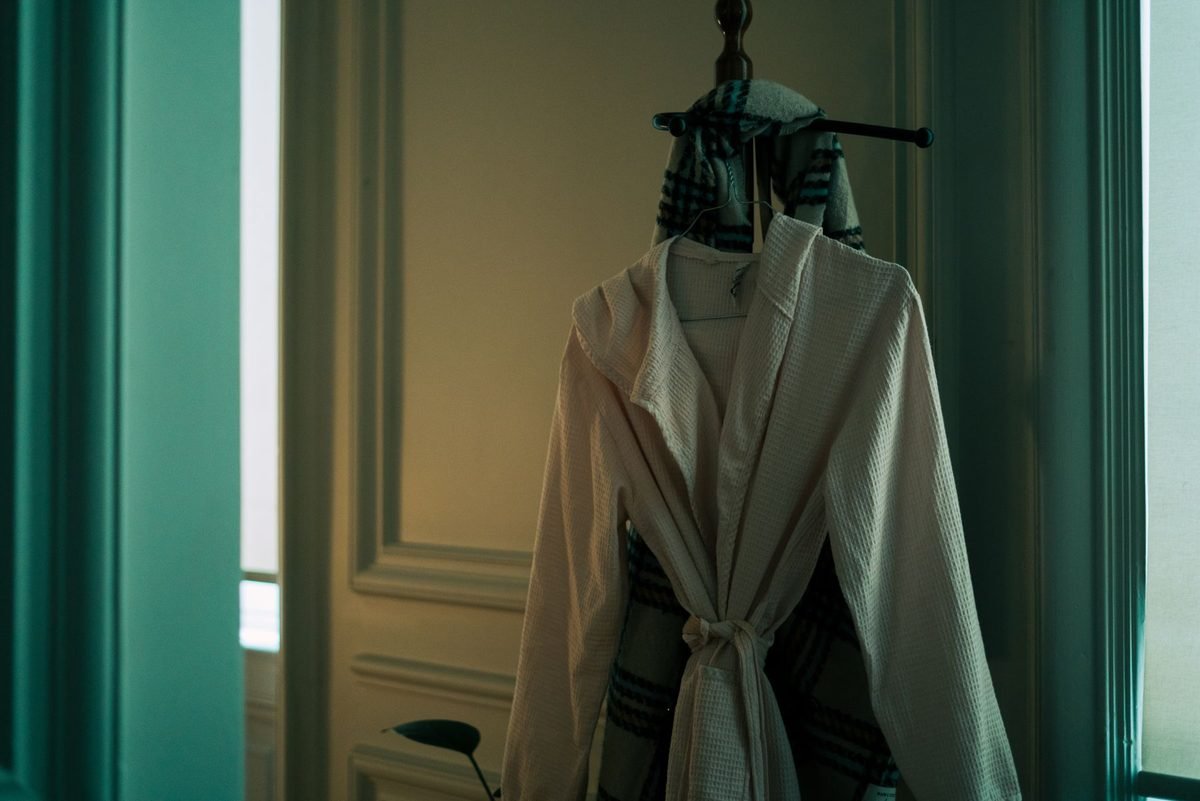
Removable adhesive hooks hold robes, bags, dog leashes and hats behind the front door, a closet door or the bathroom door. Follow the weight limit on the package, and remove hooks slowly by pulling the tab straight down so you don’t damage the paint.
Make it work: Clean the spot with rubbing alcohol first and wait the time listed on the package before hanging anything.
21. Sort Mail Before It Piles Up

Mail is one of the fastest ways for a small home to look messy. A wall or desk file holder with a few slots, for example “to pay,” “to file” and “to shred,” gives every envelope a next step. Go through it once a week so it doesn’t become a second pile.
Make it work: Keep a recycling bag near the door and toss junk mail before it ever reaches the holder.
22. Hide Remotes and Chargers in a Lidded Box
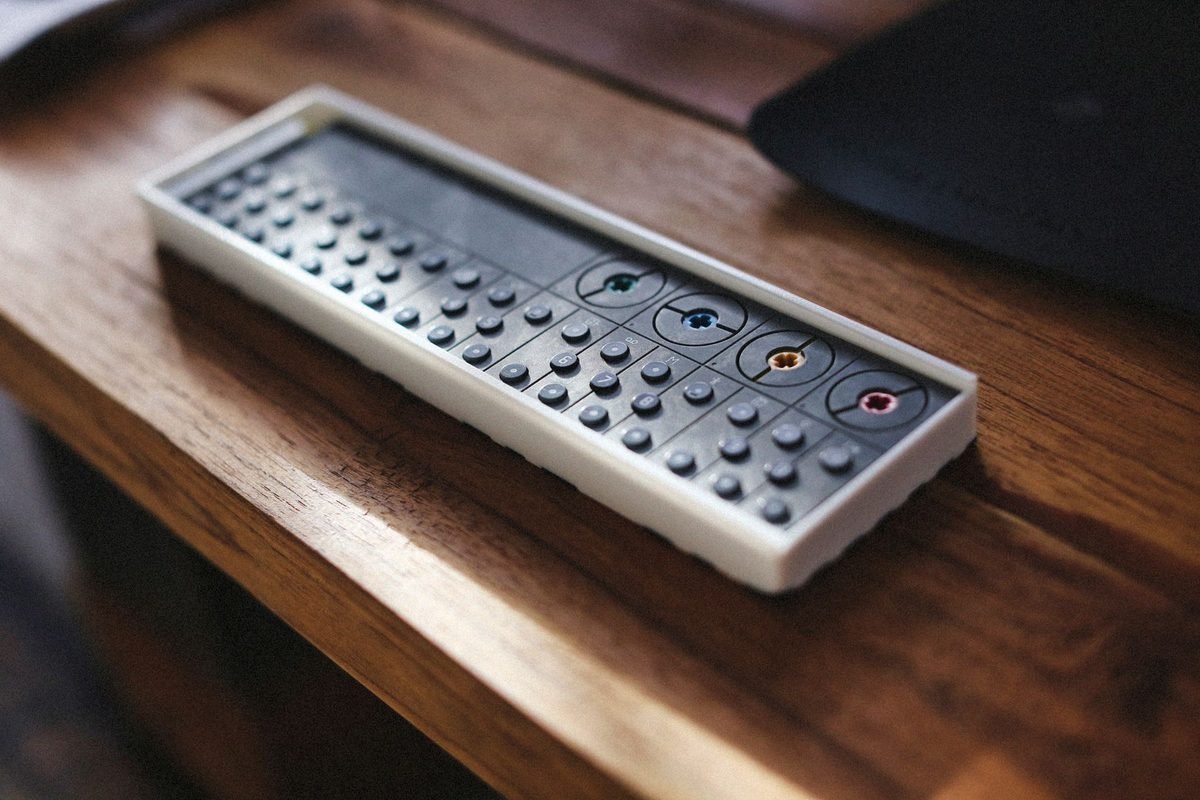
A small lidded box on the coffee table or TV stand keeps remotes, game controllers and charging cables out of sight but easy to reach. Choose one tall enough for cables to fit without being crushed.
Make it work: Wrap each cable with a small Velcro tie, so they don’t tangle together inside the box.
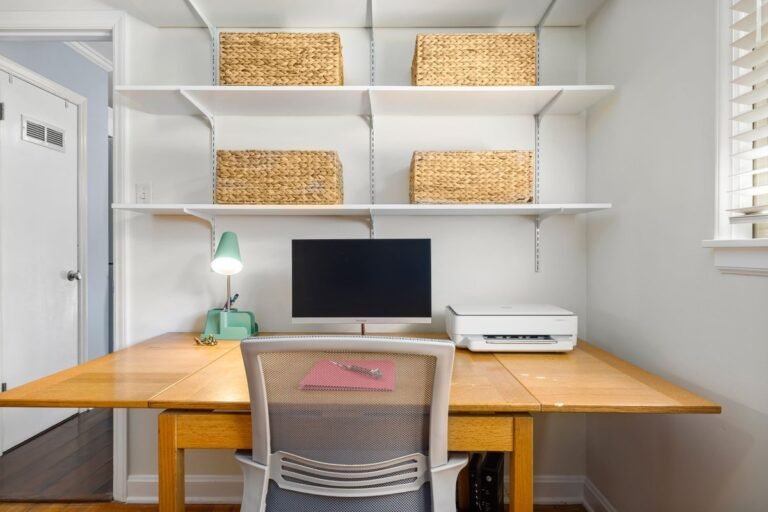
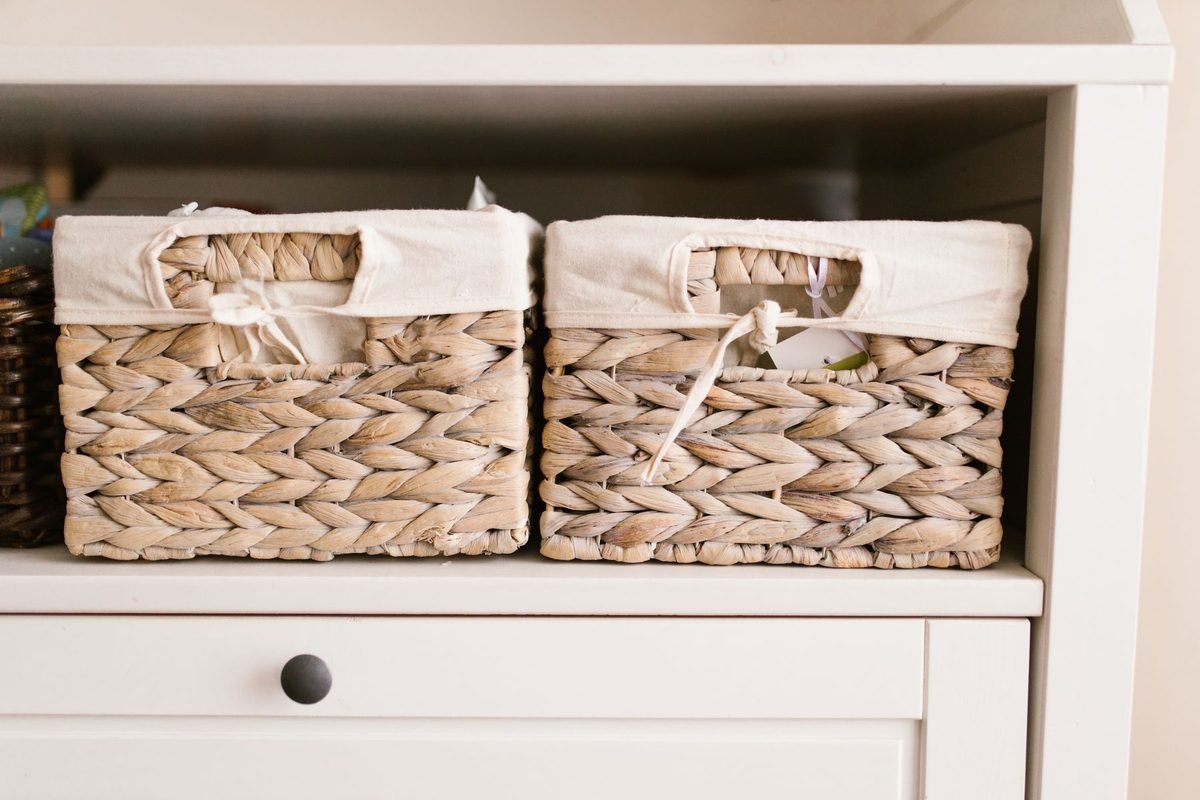
23. Use Baskets on Open Shelves
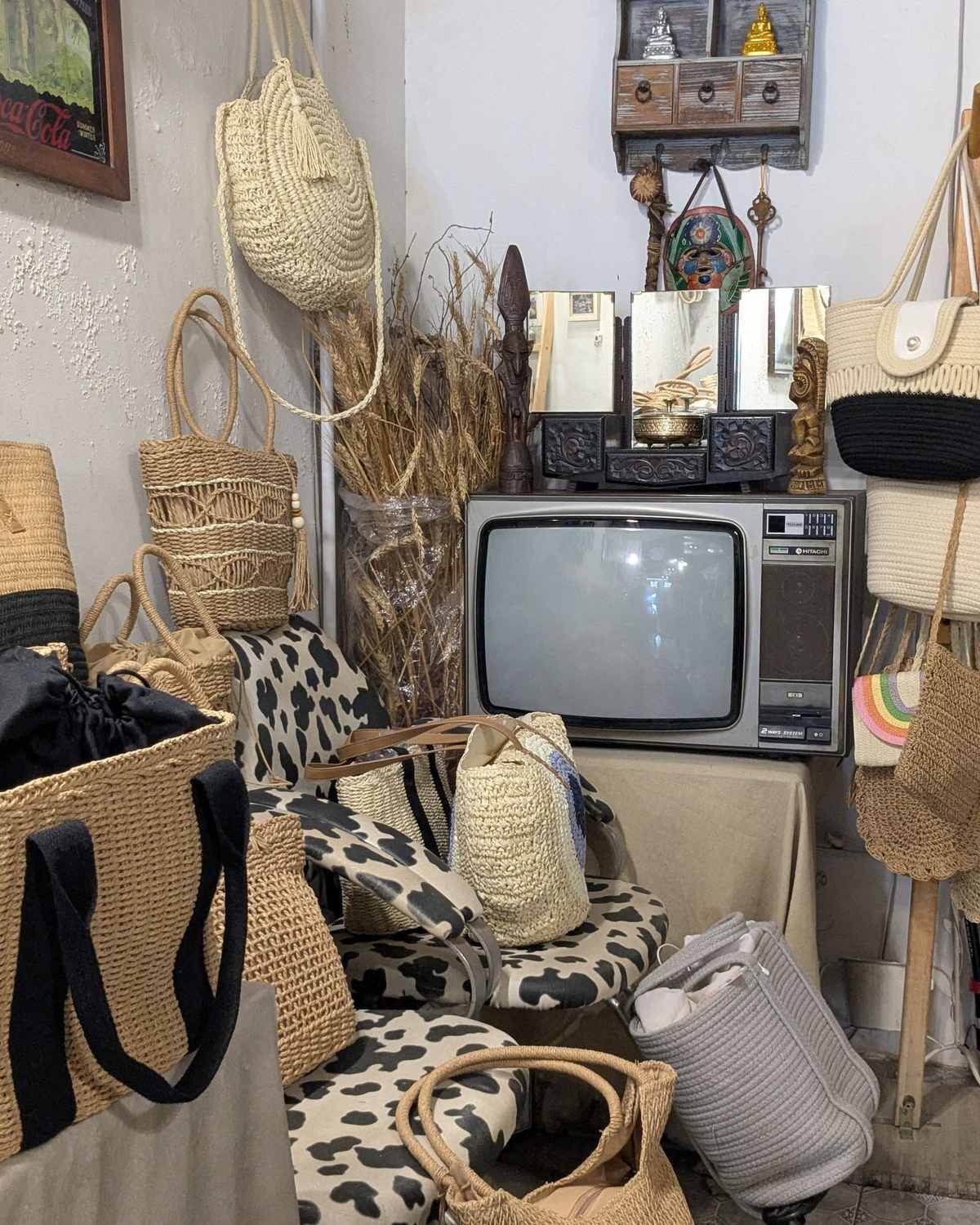
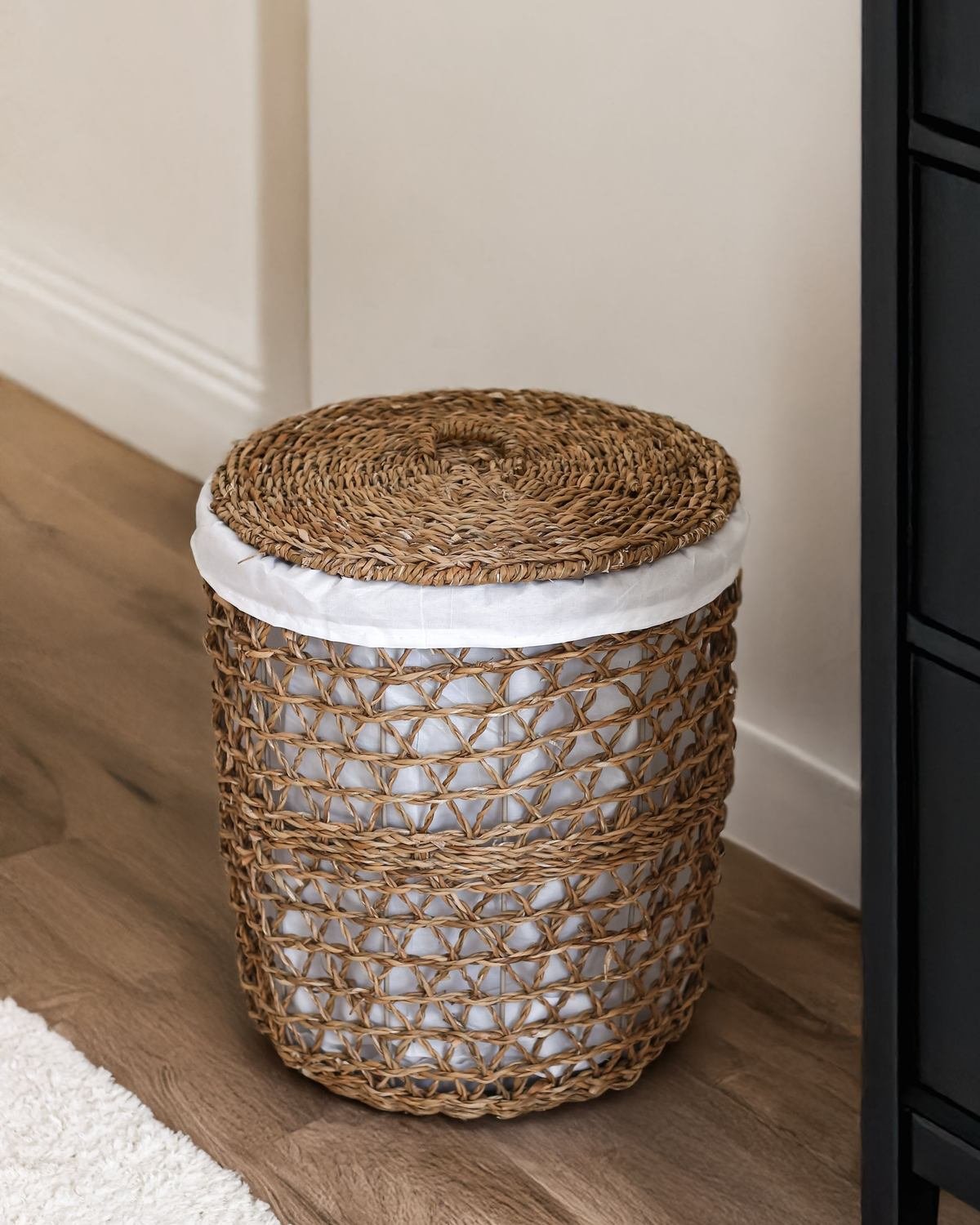
Baskets on a bookshelf or TV unit hide throws, toys, craft supplies and paperwork while still looking tidy. Using the same style on every shelf gives a calm look, and baskets are easy to pull out when you need something.
Make it work: Label the inside of each basket’s front edge, so you can see what’s inside without pulling every basket out.
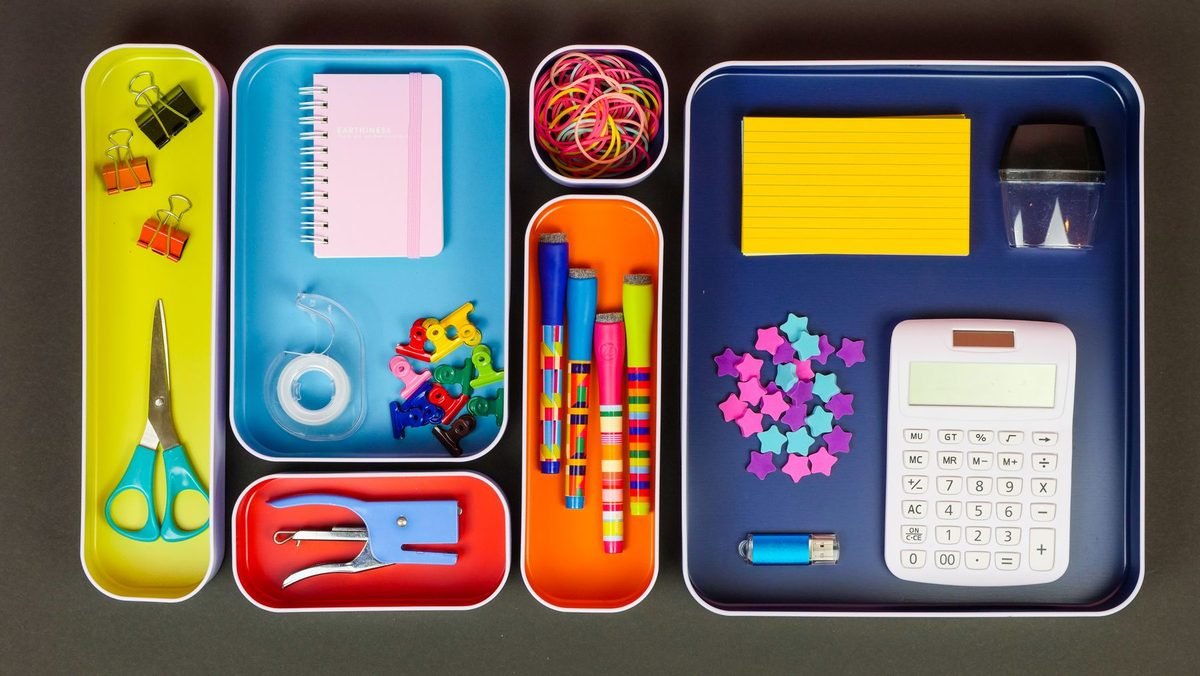
24. Organize Desk Drawers With Small Trays
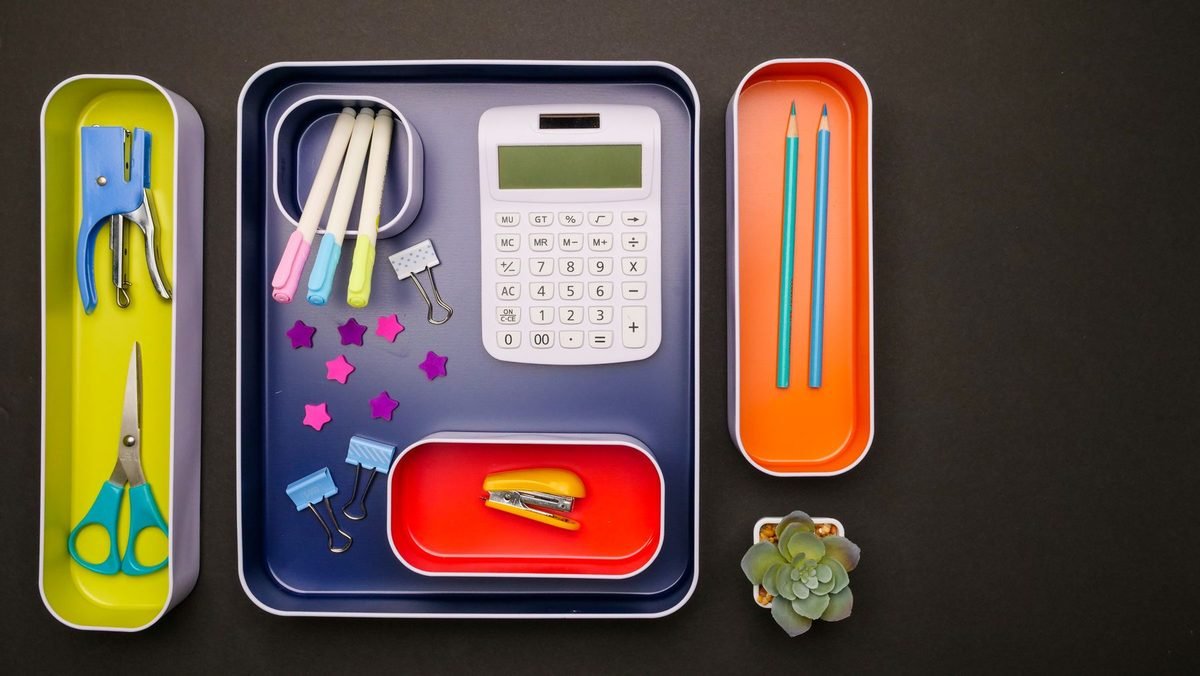
Pens, sticky notes, scissors and paper clips stay sorted in small trays inside a desk drawer. It’s the same divider idea from the bathroom, applied to your work area. Start with the items you use most and put them at the front.
Make it work: Measure the drawer first and choose tray sizes that fill it edge to edge, so trays don’t slide around.
25. Label Everything
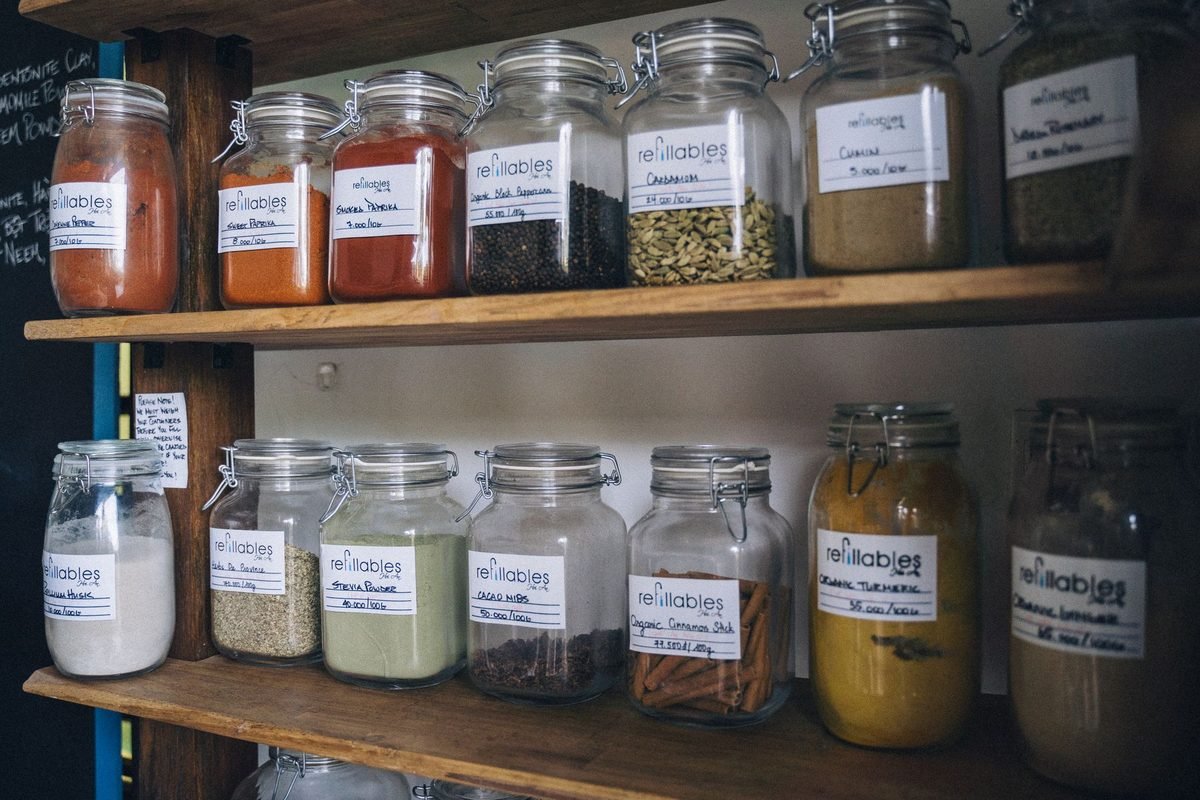
Dollar Tree usually carries chalkboard labels, sticker labels and markers. Labels help everyone in the home put things back where they belong, which is what keeps a small space organized long after the shopping trip. Simple, readable text works better than fancy fonts.
Make it work: Label the front of a container and, for stacked bins, the side you see. Add labels to shelves too, so you know where each bin goes back.
If you can’t find a specific organizer locally, these Amazon searches cover the same ideas: clear storage bins with handles, drawer organizer trays, removable adhesive hooks, and woven shelf baskets.
Dollar Tree Organization Hacks for Small Spaces: Room Variations
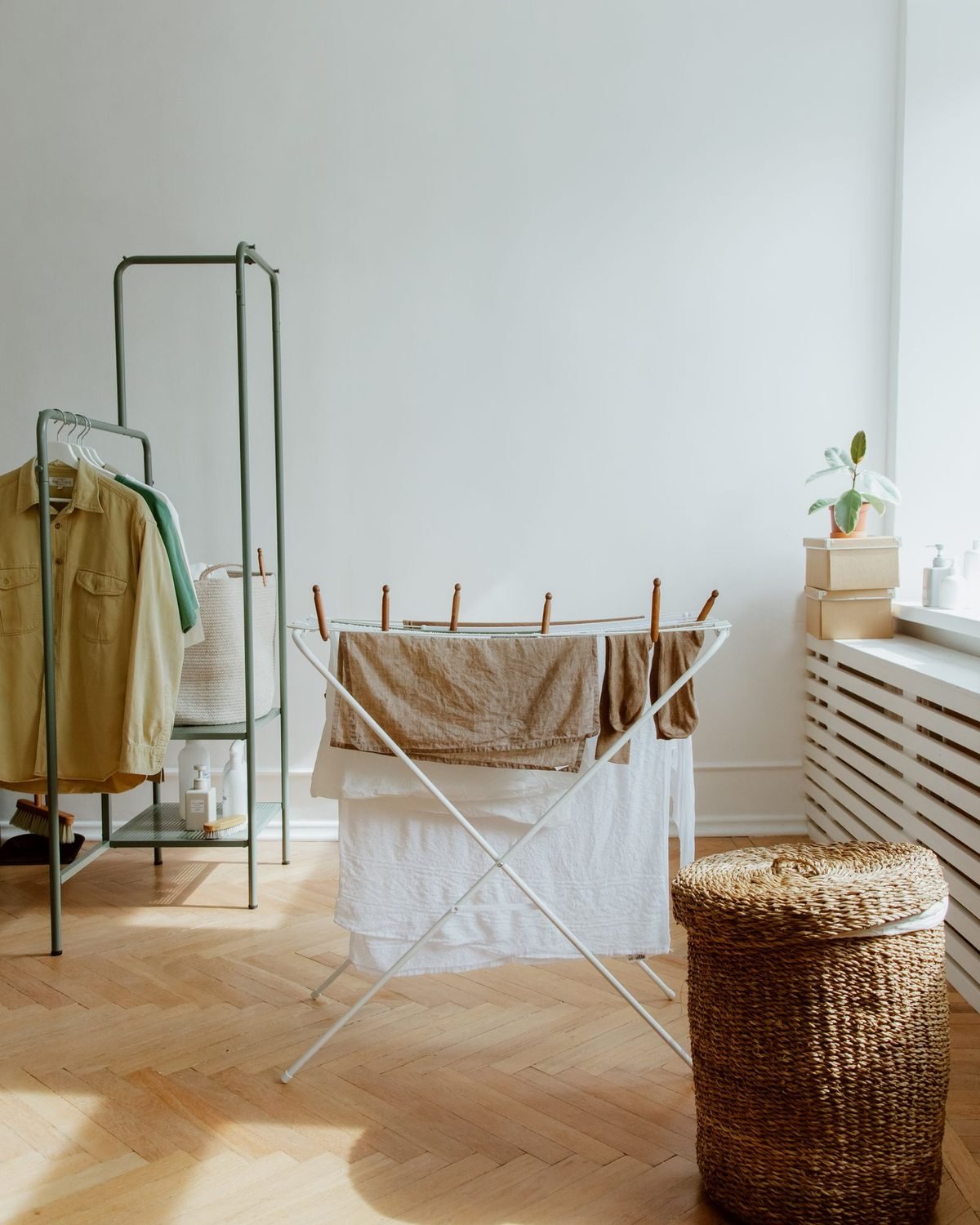
The same handful of dollar store containers can solve problems in rooms we haven’t covered yet. Here’s how to adapt the ideas to the spaces most small homes struggle with.
Laundry corner. If your washer sits in a closet or a corner of the kitchen, a tension rod above it gives you a place to hang shirts to dry. A plastic bin on top of the machine (if your model allows it) holds detergent and dryer sheets, and a small basket catches socks, coins and lint.
Kids’ spaces. Low, open bins work better than lidded boxes for children, because they can see what’s inside and put things back on their own. Label the bins with a picture as well as a word for kids who can’t read yet. Keep the number of toys out small, and rotate the rest from a closet bin every few weeks.
Fridge and freezer. Clear bins turn a fridge shelf into zones: snacks, condiments, leftovers and drinks. In the freezer, bins with handles let you pull out a whole category at once instead of digging. See our full guide to fridge organization ideas for more.
Craft and hobby supplies. Pencil boxes, small lidded containers and clear shoe boxes keep yarn, paints and tools sorted. Store them on a shelf with labels facing out.
Renters with no drilling allowed. Lean on tension rods, over-the-door hooks, freestanding baskets and bins. If you use adhesive hooks, test one in a hidden spot first and remove it slowly by pulling the tab straight down.
For more renter-friendly ideas beyond the dollar store, see our small apartment hacks for renters.
What to Buy at Dollar Tree (and What to Skip)
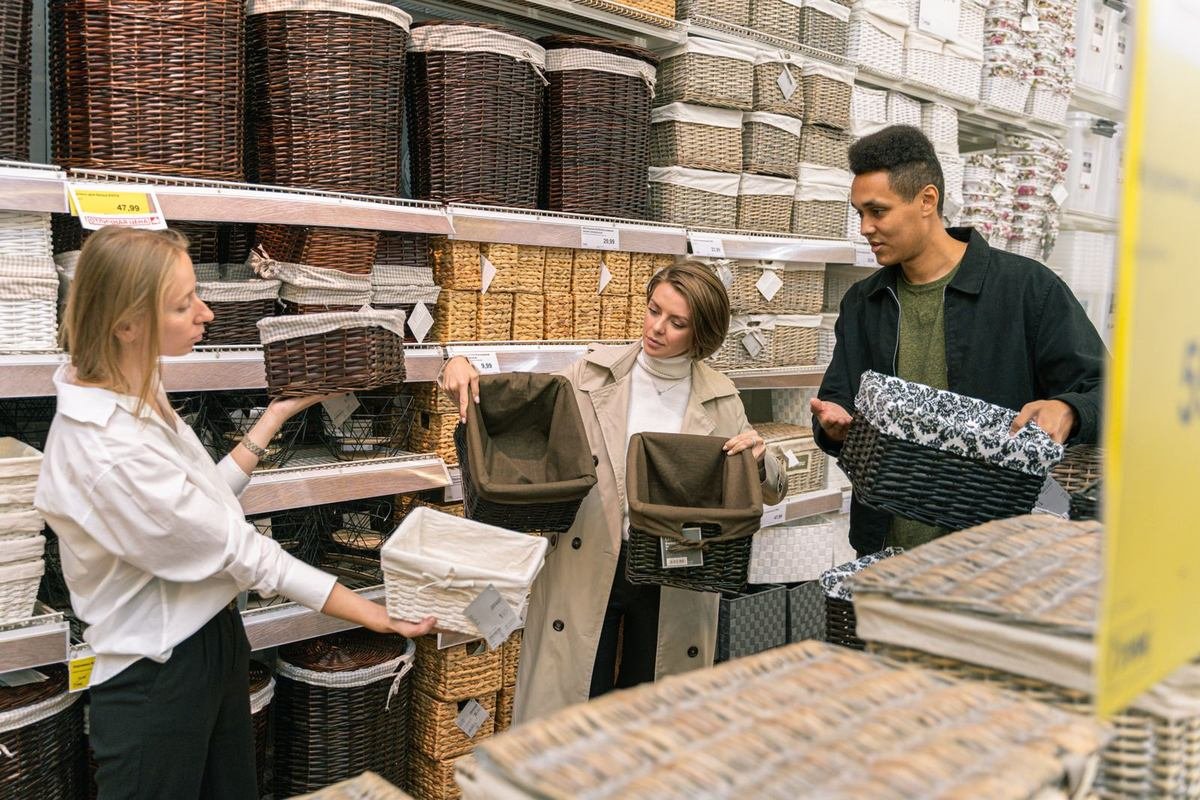
Some dollar store organizers are great value. Others cost you more in the long run because they crack, bend or don’t fit. Here’s a simple way to decide.
Usually worth buying:
- Plastic bins and baskets for lightweight items like snacks, toiletries and cleaning cloths.
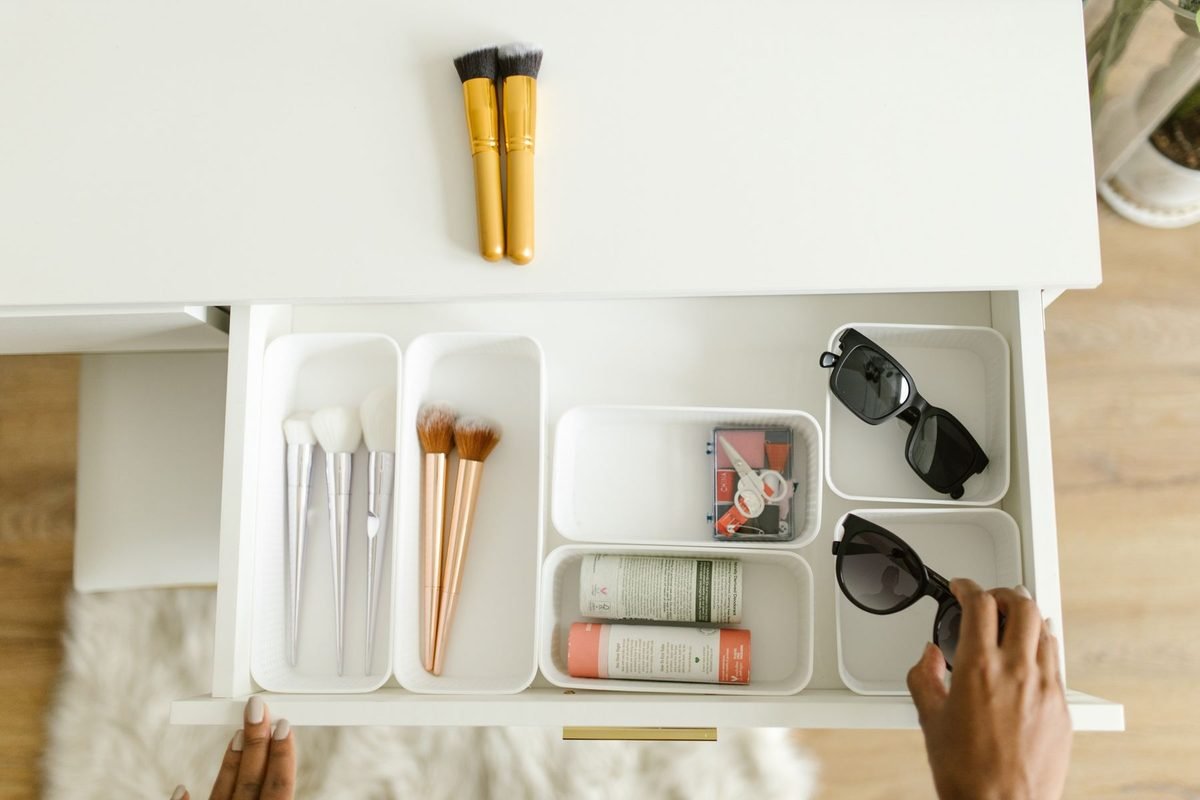
- Drawer trays and small boxes for utensils, makeup, office supplies and junk drawers.
- Tension rods for cabinets, closets and the space above a washer.
- File holders and magazine boxes for cutting boards, foil, wraps and papers.
- Labels, markers and chalkboard tags, because labeling is what makes any system last.
- Removable hooks for light things like keys, towels and bags.
Better to buy elsewhere:
- Anything that carries heavy weight, like a shoe rack for a family, a rolling cart or a shelf for canned goods.
- Thin hangers for heavy coats, since they bend and slip.
- Food storage for hot food, unless the label says it’s safe for that use.
A quick test in the store: squeeze the container gently. If it flexes a lot when empty, it won’t hold up when full. For larger or sturdier pieces, our small apartment storage ideas on a budget covers inexpensive options that last longer.
Common Mistakes With Dollar Store Organizing

Dollar store organizing is cheap, which makes it easy to overdo. Avoid these common mistakes:
- Buying bins before decluttering. You end up organizing things you don’t need. Clear out the space first, then shop.
- Buying without measurements. A bin that’s slightly too wide won’t fit, and a cabinet full of almost-fitting containers wastes space.
- Mixing too many styles. Different colors and shapes make a small room look busy. Pick one style per area.
- Using lids where you don’t need them. In a cabinet you open every day, open bins are faster. Save lids for things you store long term.
- Forgetting to label. Without labels, bins slowly fill with random items and the system falls apart.
- Keeping broken organizers. A cracked bin is clutter. Recycle what you can and replace it only if you still need it.
When a plastic organizer is past its useful life, check your local rules before tossing it. The EPA’s page on how to recycle explains how to find what your area accepts.
How to Keep Your Dollar Tree System Working
Organizing isn’t a one-time job. A few small habits keep your bins and trays doing their job:
- Reset once a week. Spend ten minutes putting things back in the right bin, especially in the kitchen and bathroom.
- Wipe bins every month or two. Pantry and bathroom bins collect crumbs and dust. A quick wipe with warm, soapy water keeps them clean.
- Check the fridge bins weekly. Toss old leftovers and wipe spills before they dry.
- Update labels when things change. If a bin’s contents change, change the label too.
- Do a quarterly review. Look for bins that are overflowing or empty, and move containers to where they’re needed most.
If you need a simple routine for staying on top of it, try a weekly cleaning schedule that breaks the work into short tasks.
Dollar Tree Organization Hacks for Small Spaces: FAQ
Are Dollar Tree organizers good quality?
Many are sturdy enough for everyday use, especially bins, baskets, trays and drawer organizers that hold lightweight items. For heavy things like canned goods, cast iron pans or a full stack of jeans, choose thicker containers or let a shelf carry the weight.
What are the best Dollar Tree items for organizing a small space?
Stackable bins, clear boxes, drawer trays, file holders, caddies, tension rods, baskets and removable hooks are some of the most useful because they work in almost every room.
Are these Dollar Tree hacks renter friendly?
Most of them are. Bins, baskets, trays and tension rods don’t touch the walls at all. If you use adhesive hooks, test one in a hidden spot first and check your lease, since some paints peel more easily than others.
Can I use Dollar Tree containers for food?
Use containers that are labeled as food safe, and wash them before use. For dry goods that stay in their original bags, any clean bin works.
How do I organize a small kitchen with Dollar Tree items?
Start with the cabinet you use most. Add bins to group similar items, a riser to double shelf space, and a file holder for cutting boards and baking sheets. Use clear bins in the fridge to create zones.
How many organizers should I buy at once?
Buy only for one area at a time. Measure the space, count what needs a home, and buy for that. It’s better to make a second trip than to bring home bins you don’t use.
What’s the best way to store Dollar Tree bins I’m not using?
Nest them inside each other in a closet or under the bed. Better yet, keep only a few spares and donate the rest.
Do Dollar Tree organizers work in a bathroom with high humidity?
Plastic bins and trays handle moisture well. Avoid cardboard and paper boxes in a bathroom, and wipe plastic bins regularly so soap residue and water don’t build up.
Can these hacks work in a dorm room?
Yes. Dorm rooms have the same problems as small apartments: limited space and no drilling. Bins under the bed, a caddy for the shower, hooks behind the door and drawer trays all work well.
How do I keep Dollar Tree baskets from looking cheap?
Choose one color, line them up neatly, and use simple labels. Woven-look baskets and plain white bins look calmer than bright, mixed colors.
Final Thoughts
You don’t need expensive matching systems to make a small home feel organized. The takeaway is simple: start with one area that bothers you every day, maybe the pantry shelf or the bathroom drawer, measure it, and pick two or three of these Dollar Tree organization hacks for small spaces. Once that spot works, move to the next one. Keep a note on your phone with your measurements and the organizers you still need, so every trip to the store has a purpose and you don’t bring home bins that become clutter themselves.
Takeaway: Declutter, measure, buy one matching style per area, and label everything. Those four steps matter more than any single organizer.
For more inexpensive ideas, take a look at our small apartment storage ideas on a budget and browse the rest of our Budget & Dollar Store Finds section.