
30 Small Apartment Organization Ideas for a Clutter-Free Home
Disclosure: This post contains affiliate links. As an Amazon Associate I earn from qualifying purchases. If you buy through these links, I may earn a small commission at no extra cost to you. Read our full disclaimer.
Small apartment organization isn’t really about storage. Most small apartments have enough room for the things you use. What they lack is a plan for where things go and a habit of putting them back. These small apartment organization ideas take a different approach from the usual “buy more bins” advice. You’ll split your home into simple zones, give every zone a few clear rules and then use short daily and weekly routines to keep it that way.
That matters because in a studio or one-bedroom, every room does two or three jobs. The living room is also the office. The kitchen counter is also the mail table. The bedroom is also the laundry room. Without some structure, things drift from zone to zone until every surface is covered. With a little structure, even a 400-square-foot apartment can feel calm and easy to live in.
Everything here is renter-friendly. None of it needs a drill, a contractor or a big budget, and most of the ideas cost nothing at all.
Quick answer: The best small apartment organization ideas are to divide your home into zones (entry, kitchen, living, bedroom, bathroom and work), give each zone a home for its everyday items, keep surfaces mostly clear and then protect the system with routines: a 10-minute nightly reset, a donate box that’s always open, one laundry day, a Sunday plan and a quick monthly declutter.
The 30 ideas at a glance:
- Entry zone: 1. One landing spot for keys and wallet, 2. Hooks for bags and coats, 3. A shoe limit by the door, 4. Sort mail before it lands
- Kitchen zone: 5. Clear counters, 6. Store by how often you use it, 7. Clean as you cook, 8. A weekly fridge check, 9. A running grocery list
- Living room zone: 10. A basket for blankets, 11. One tray on the coffee table, 12. Keep the floor clear, 13. Edit your shelves
- Bedroom and closet zone: 14. Nightstand essentials only, 15. Store off-season things in your luggage, 16. Fold and shelve what doesn’t hang, 17. A hamper where you undress
- Bathroom zone: 18. One shower shelf, 19. Use the wall above the sink, 20. A cleaning spray within reach
- Work and paper zone: 21. Clear the desk at the end of the day, 22. A simple paper system, 23. One charging station
- Routines: 24. A 10-minute nightly reset, 25. An always-open donate box, 26. Make the bed, 27. One laundry day, 28. A Sunday plan, 29. Label the hard-to-remember spots, 30. A monthly declutter
Why Small Apartments Feel Cluttered So Fast
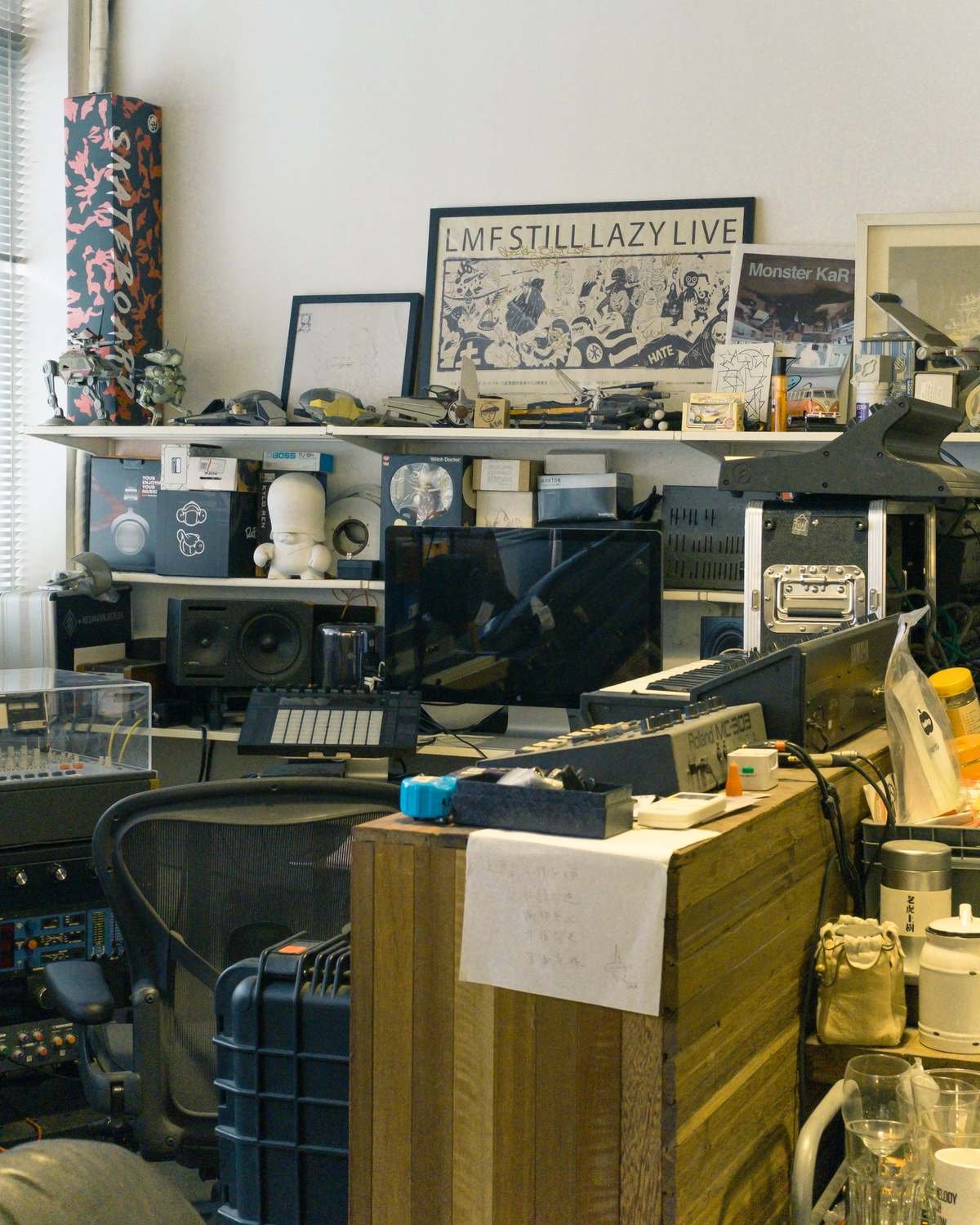
A small apartment can go from tidy to chaotic in a weekend. It’s rarely because you own too much. It’s usually because of a few predictable problems.
Every surface is a drop zone. In a big house, you might walk past three rooms before you set your bag down. In an apartment, the first flat surface is right inside the door, and that’s where everything lands.
Rooms share jobs. When your dining table is also your desk and your craft table, the things for all three jobs pile up in the same place. Nobody clears the table because nobody is sure whose stuff it is or where it goes.
There’s no buffer space. A larger home has a garage, a basement or a spare room to absorb overflow. A small apartment doesn’t. A single shopping trip or a package delivery shows up immediately.
Things don’t have a home. If an item doesn’t have a set spot, it moves around until it gets lost. Then you buy another one, and now you have two things without a home.
Clutter grows from small delays. Leaving one cup in the sink is fine. Leaving a cup, a jacket, a stack of mail and a shopping bag is what makes a room feel messy. In a small space, those small delays add up much faster.
The fix isn’t a bigger apartment or a pile of new organizers. It’s zones plus routines. Zones tell you where things belong. Routines make sure they get back there.
Small Apartment Organization Ideas: Start With Zones

A zone is simply an area with one job. In a small apartment, zones might be a corner, a wall or a single piece of furniture rather than a whole room. That’s fine. What matters is that each zone has a clear purpose and a home for the things that support it.
How to map your zones in 15 minutes:
- Walk through your apartment and list the jobs you do there. Coming home, cooking, eating, relaxing, sleeping, getting dressed, getting ready, working and paying bills are the usual ones.
- Assign each job a place. Be specific. “The shelf by the door” is better than “somewhere near the entry.”
- Decide what lives in each zone. Only the things needed for that job. Keys belong at the entry. Charging cables belong at the charging station. Bills belong in the paper zone.
- Notice the overlaps. If the dining table is also your desk, decide where work things go when you eat. A basket or a bin on a shelf is enough.
- Pick one zone to fix first. Start with the one that bothers you the most, usually the entry or the kitchen counter.
You don’t need a perfect floor plan. You need a rough map that answers the question “where does this go?” for the things you use every day. If you’re still short on space after setting up zones, our guide to small apartment storage ideas on a budget covers furniture and storage pieces that add room without a big spend.
The Entry Zone

The entry sets the tone for the whole apartment. If it’s organized, you walk in, drop your things in the right spots and keep going. If it isn’t, the mess spreads into every room within a day. Even if you don’t have a real entryway, you can create one with a wall, a hook rail and a small shelf.
1. Create One Landing Spot for Keys and Wallet

Pick one spot near the door for the things you grab every time you leave: keys, wallet, sunglasses and maybe earbuds. A small dish or tray on a console table, a shelf or even a wall-mounted key holder works.
The key is that it’s the only spot. If keys sometimes go in your bag, sometimes on the counter and sometimes in a coat pocket, you’ll keep losing them. One spot, every time, and the habit builds in about a week.
A small catchall tray or a pretty bowl you already own is enough. Keep it small so it doesn’t become a second junk drawer.
2. Hang Hooks for Bags and Coats
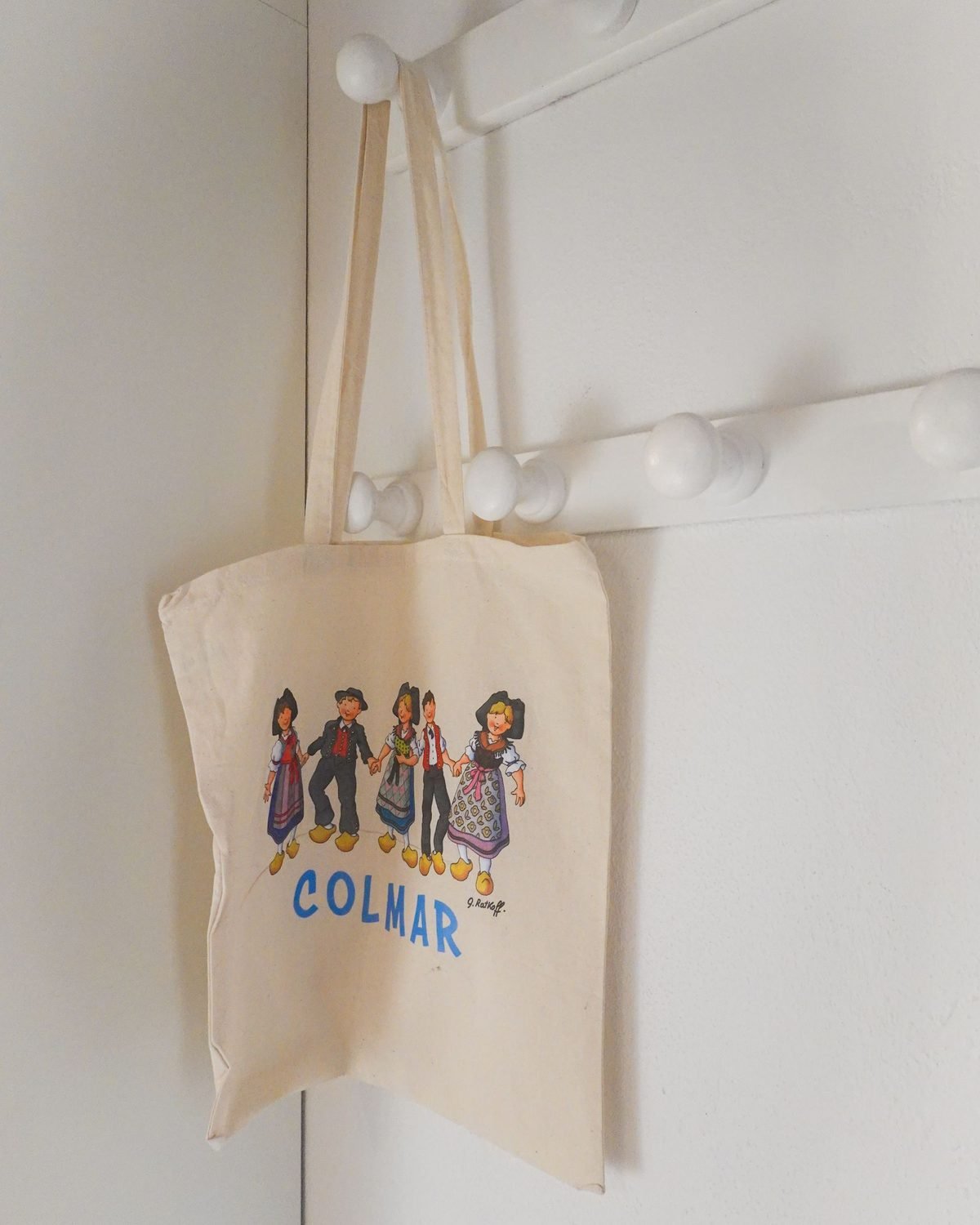
Bags and coats are the biggest entry clutter. Without hooks, they end up on chairs, the couch or the floor. A row of hooks by the door gives them a home you can use without thinking.
Renters can use heavy-duty adhesive hooks, an over-the-door hook rack or a freestanding coat rack. Give each person in the home one or two hooks. If a hook is full, that’s a sign something needs to go back to the closet.
Keep it to what you use this week. The winter coat you wore once in March doesn’t need to be by the door.
3. Set a Shoe Limit by the Door
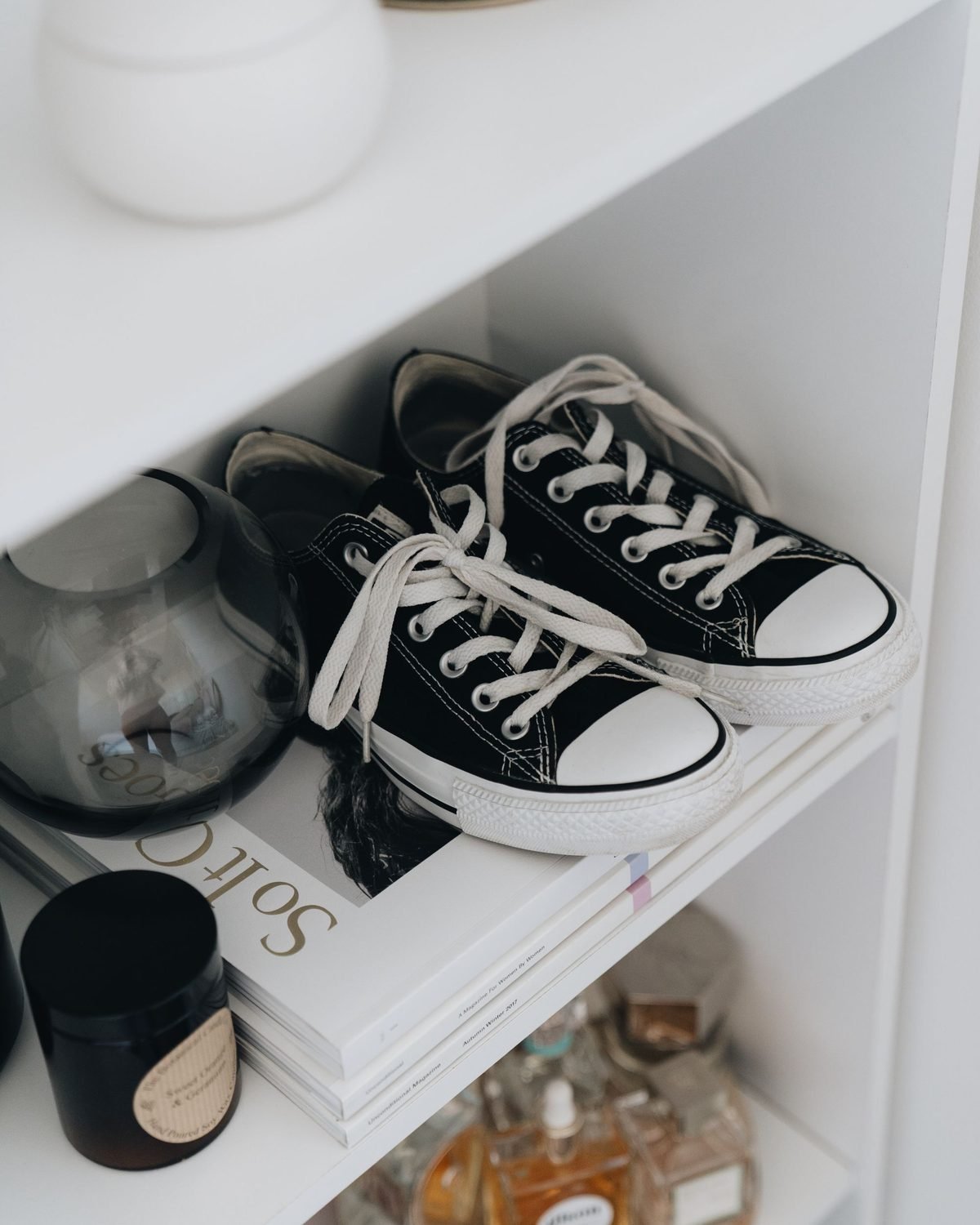
Shoes pile up fast, especially in a small entry. Set a simple limit: one or two pairs per person by the door. Everything else goes in the closet.
A narrow slim shoe rack or a shoe bench keeps those pairs tidy and off the floor. If you don’t have space for a rack, a washable mat or boot tray works. When the rack is full, move a pair back to the closet before adding another.
This one rule makes a small entry feel twice as big, and it keeps dirt from being tracked through the rest of the apartment.
4. Sort Mail Before It Lands
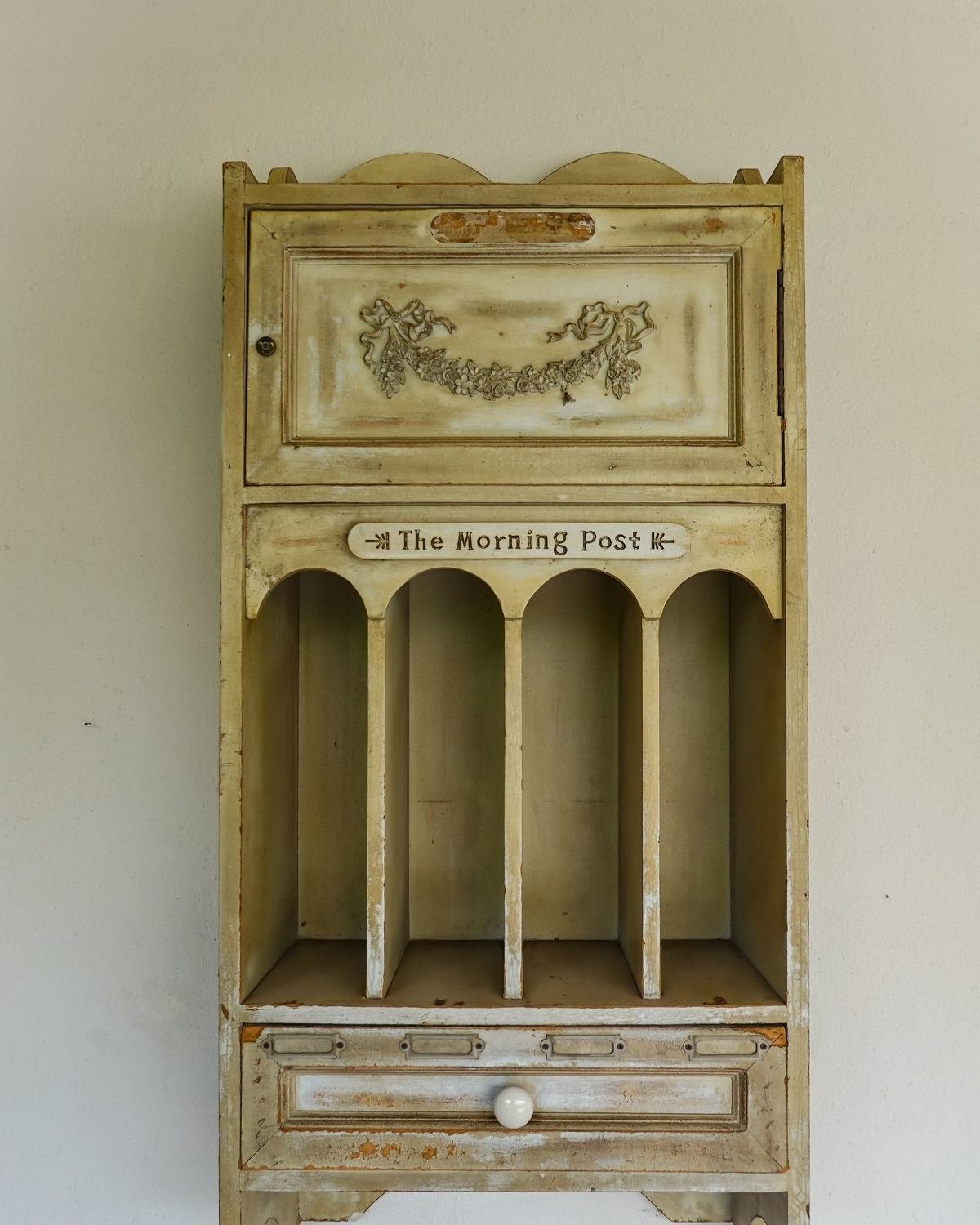
Mail is one of the sneakiest sources of clutter. It comes in daily, it’s flat and easy to stack and most of it is junk. The fix is to sort it the moment you walk in.
Keep a recycling bag or bin near the door and toss the junk mail right away. Anything that needs action, like a bill or a form, goes into a wall mail organizer or a single inbox tray. Then deal with it during your weekly paper time (see idea 22).
If mail is already piling up, our small entryway organization ideas have more ways to make a tiny entry work hard.
The Kitchen Zone
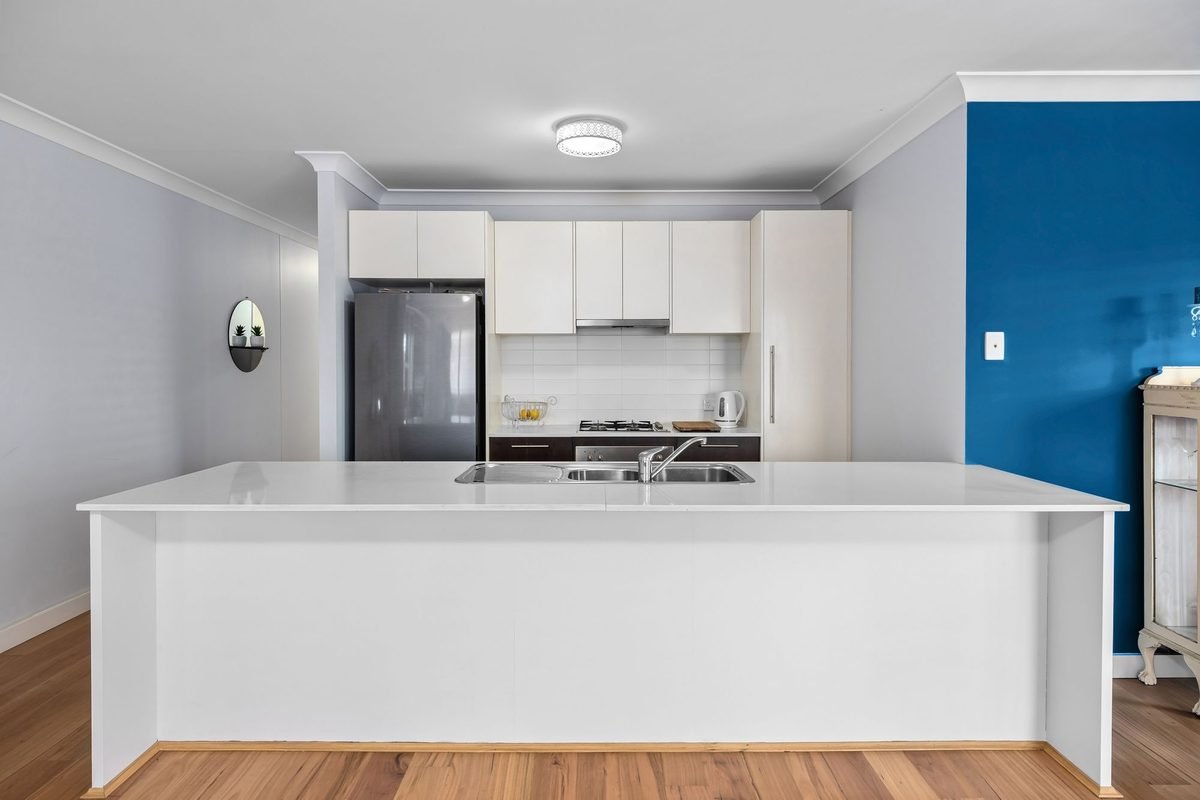
In a small apartment, the kitchen is often open to the living room, so a messy counter is visible from the couch. Kitchen organization in a small space comes down to three things: clear counters, smart cabinets and habits that stop dishes and groceries from piling up.
5. Keep the Counters Mostly Clear

Counters are prime real estate. The more you leave out, the less room you have to cook, and the faster everything feels cluttered.
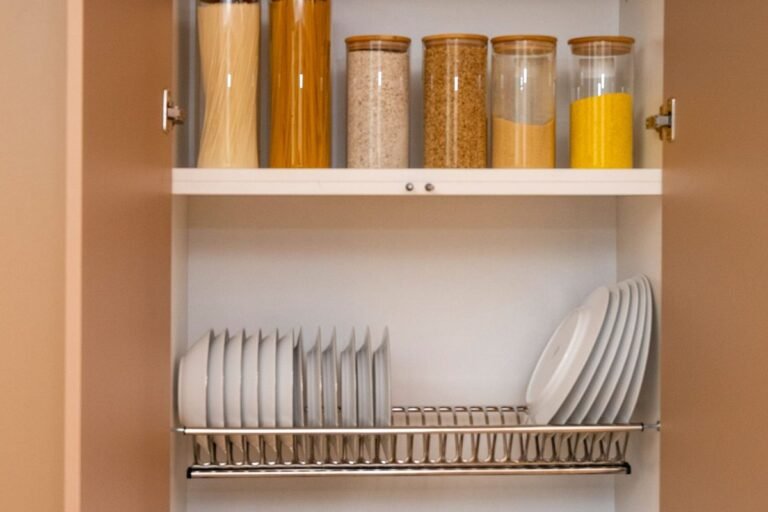
Keep out only what you use every day. For most people, that’s the coffee maker, a utensil crock and maybe a cutting board. Everything else, including the toaster you use twice a month, the stand mixer and the fruit bowl that’s really a mail pile, goes in a cabinet.
A good test: can you wipe down the whole counter in under a minute? If you have to move ten things first, there’s too much out.
6. Store Things by How Often You Use Them
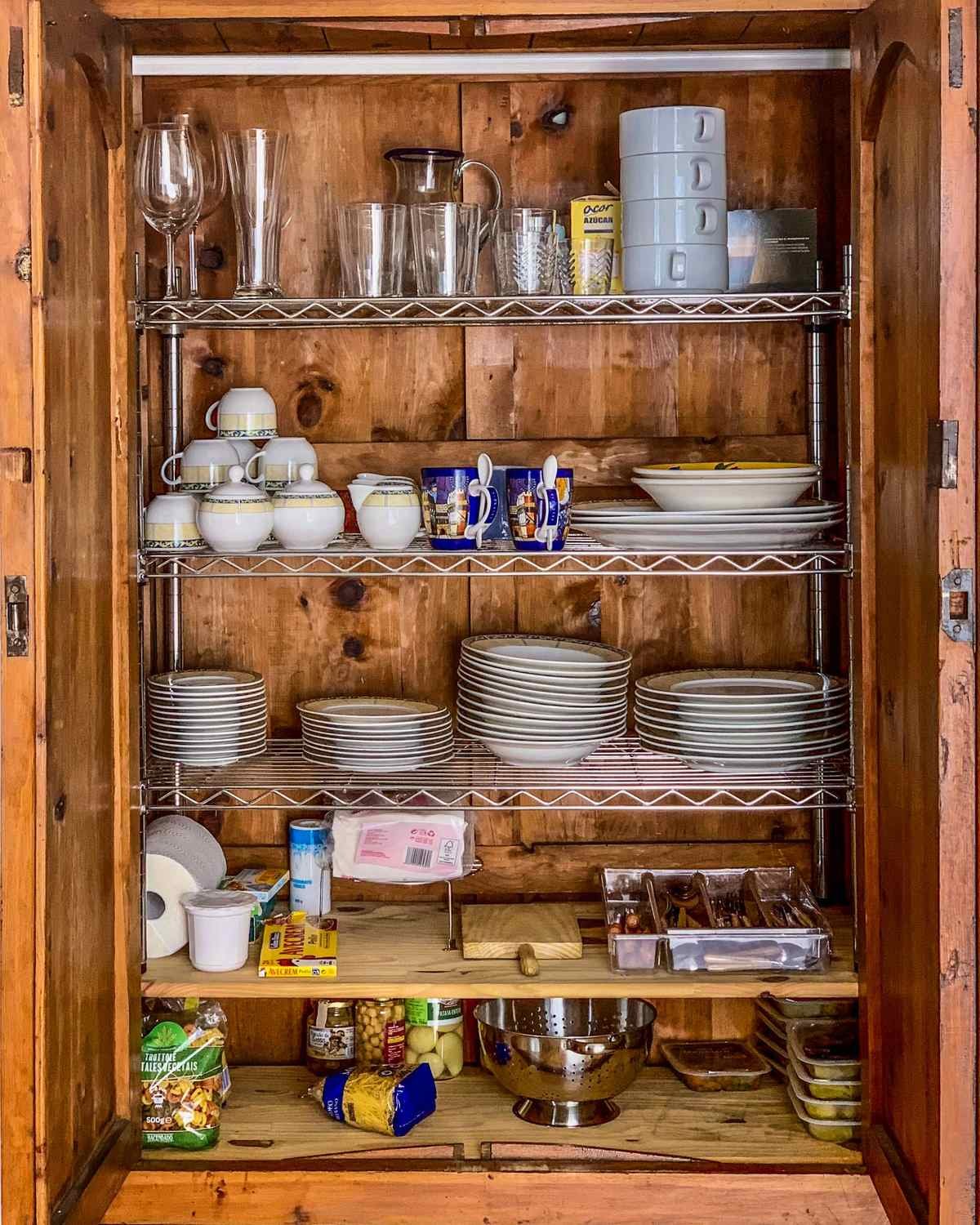
In a small kitchen, the best spots should go to the things you use most. Eye-level shelves and the drawers closest to the stove are prime space. Top shelves and the back of deep cabinets are for things you use a few times a year.
Go through your cabinets and ask one question about each item: how often do I use this? Daily items move front and center. Monthly items move up or back. Items you haven’t used in a year might not need a spot at all.
A cabinet shelf riser doubles the usable space in a cabinet, and it’s renter-friendly. For more ideas, see our guide to small kitchen organization ideas on a budget.
7. Clean as You Cook

A small kitchen gets overwhelmed quickly. One meal can use every pot, pan and inch of counter. The fix is to clean as you go.
Fill the sink with hot soapy water before you start cooking. Wash bowls and tools while something simmers. Put ingredients away the moment you’re done with them. By the time you sit down to eat, most of the cleanup is already done.
The goal is simple: an empty sink before bed. Waking up to a clean kitchen makes the whole apartment feel organized, and it takes far less time than facing a full sink in the morning.
8. Do a Weekly Fridge Check

A small fridge fills up fast and hides leftovers in the back. Once a week, ideally the night before you shop, take five minutes to check it. Toss anything expired or spoiled, move older items to the front and wipe up spills.
This habit saves money because you use what you have before you buy more. It also keeps your fridge from becoming a science experiment. The FDA’s guide to storing food safely recommends keeping your fridge at 40°F or below and using cooked leftovers within a few days, so a weekly check is a good food safety habit too.
Clear fridge organizer bins help group similar items so nothing gets lost. Our fridge organization ideas show how to set up the shelves.
9. Keep a Running Grocery List

Overbuying is a big reason small kitchens feel crowded. When you don’t know what you have, you buy duplicates, and then they have nowhere to go.
Keep a running grocery list on the fridge or in a notes app on your phone. When you use the last of something, add it right away. Before you shop, check the list against your pantry and fridge.
A simple magnetic grocery list pad on the fridge works well if you share the apartment, since everyone can add to it.
The Living Room Zone

The living room is where you relax, so it’s where clutter bothers you most. It’s also where things from every other zone end up: mail, laundry, dishes, bags and work. The goal here is a few simple homes for living room things and a habit of sending everything else back to its own zone.
10. Give Blankets a Basket
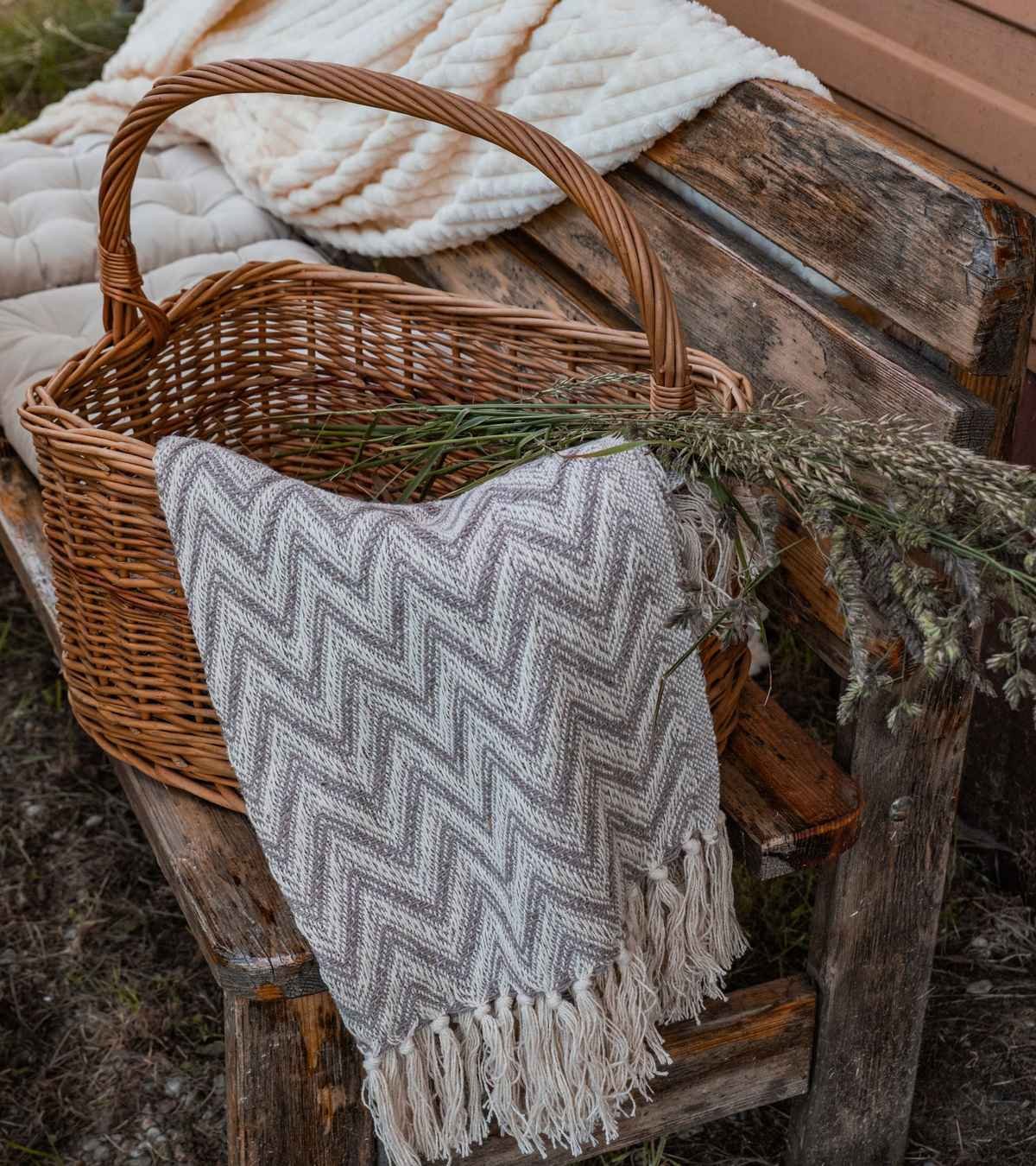
Throw blankets and extra pillows are cozy, but they quickly end up in a heap on the couch or the floor. A large basket gives them a home that’s easy to use.
Keep the basket next to the couch so tossing a blanket in is as easy as tossing it on the floor. A large woven blanket basket also adds texture and looks good in a small space. Two or three throws is plenty for most living rooms. Store the rest in the closet.
11. Use One Tray on the Coffee Table

The coffee table is a magnet for remotes, cups, chargers and random small things. A tray turns that scattered mess into one neat group.
Put the remotes, a coaster set and maybe a candle on the tray. That’s it. Anything else on the table gets cleared during your nightly reset. A coffee table tray makes it easy to clear the table quickly when you need the space for eating or games.
12. Keep the Floor Clear

Nothing makes a small room look cluttered faster than stuff on the floor. Bags, shoes, laundry, boxes and stacks of books all eat up visual space.
Make a simple rule: nothing lives on the floor except furniture and rugs. If something keeps landing on the floor, it needs a better home. A bag that’s always on the floor needs a hook. Books that pile up need a shelf. Packages need to be opened and broken down the day they arrive.
A clear floor also makes cleaning much faster. You can vacuum the whole room in a few minutes when you don’t have to move things first.
13. Edit Your Shelves

Open shelves are great for small apartments, but they can easily look crowded. Once a season, take everything off and put back only what you love or use.
Leave some empty space on each shelf. A shelf filled edge to edge looks cluttered even if every item is neat. Group similar items together, like books with books and plants with plants, and mix in a few baskets or fabric storage bins to hide the less pretty things.
Books you’ve already read and won’t read again can be passed on to a friend, a library sale or a Little Free Library.
The Bedroom and Closet Zone
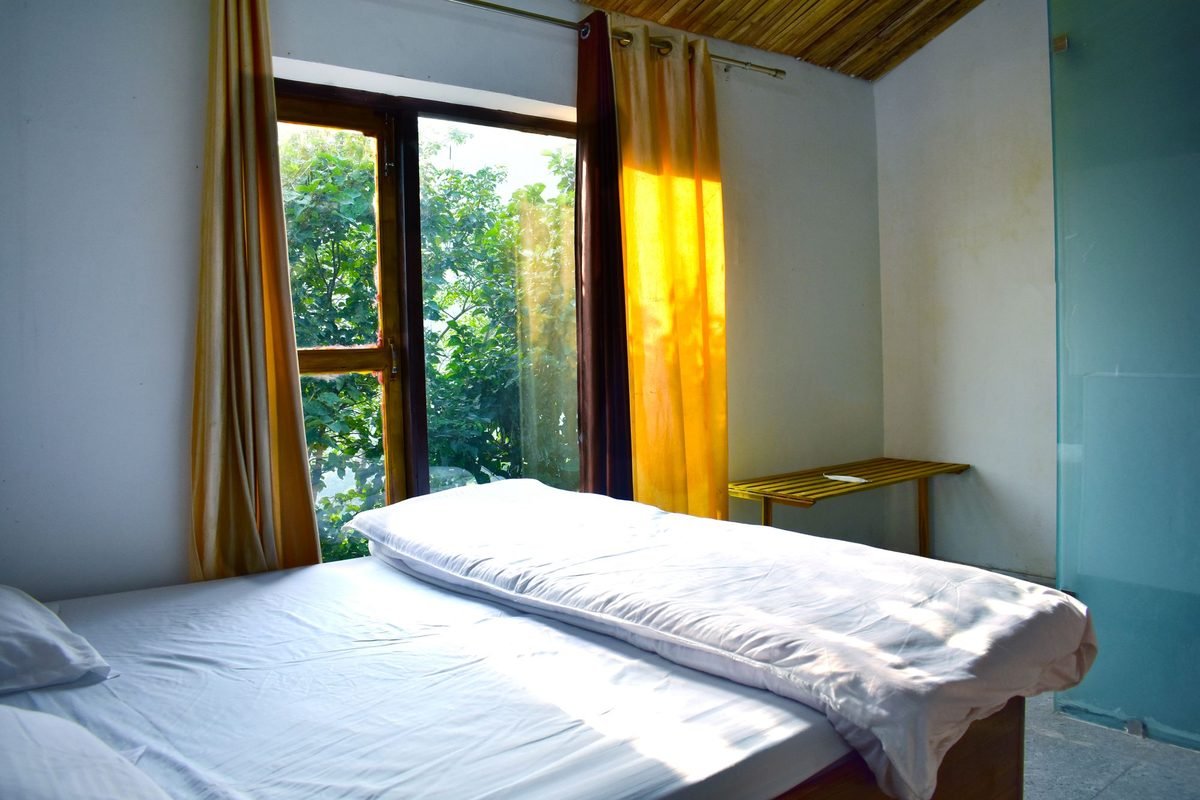
The bedroom should be the calmest room in your apartment, but in a small space it often becomes overflow storage. Clothes on chairs, laundry on the floor and a nightstand covered in stuff make it hard to rest. These ideas keep the bedroom about sleep and getting dressed.
14. Keep Only Nightstand Essentials

Your nightstand should hold what you need at night: a lamp, a book, a glass of water and maybe your phone charger. Not hair ties, receipts, old cups and five lip balms.
If your nightstand has a drawer, use it for small things like lip balm, hand cream and earplugs. If it doesn’t, a small bedside caddy or a little tray keeps them together. Clear the top every night as part of your reset.
For more ideas for this room, see our bedroom organization hacks.
15. Store Off-Season Things in Your Luggage

Luggage takes up a lot of space and sits empty most of the year. Instead of storing empty suitcases, use them to store off-season clothes, extra bedding or holiday items.
Pack winter sweaters into your suitcase in summer and swimsuits and light clothes into it in winter. Then slide the suitcase under the bed or onto a high closet shelf. When you travel, you just swap things around for a few days.
If you have room under the bed but no luggage, under-bed storage containers keep things dust-free and easy to pull out.
16. Fold and Shelve What Doesn’t Need to Hang

Small closets fill up fast when everything is on a hanger. Many clothes, like T-shirts, sweaters, jeans and workout clothes, are just as happy folded on a shelf or in a drawer.
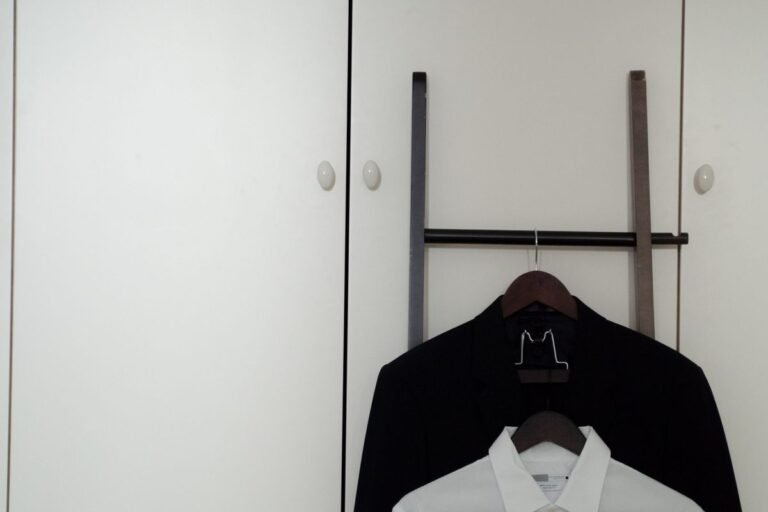
Fold clothes into neat stacks, or file-fold them so they stand up in drawers and you can see every item at once. Hang only what wrinkles easily or needs to keep its shape, like dresses, button-down shirts and blazers. Closet shelf dividers keep tall stacks from tipping over.
Our small closet organization ideas on a budget have more ways to make a tiny closet hold more.
17. Put a Hamper Where You Undress
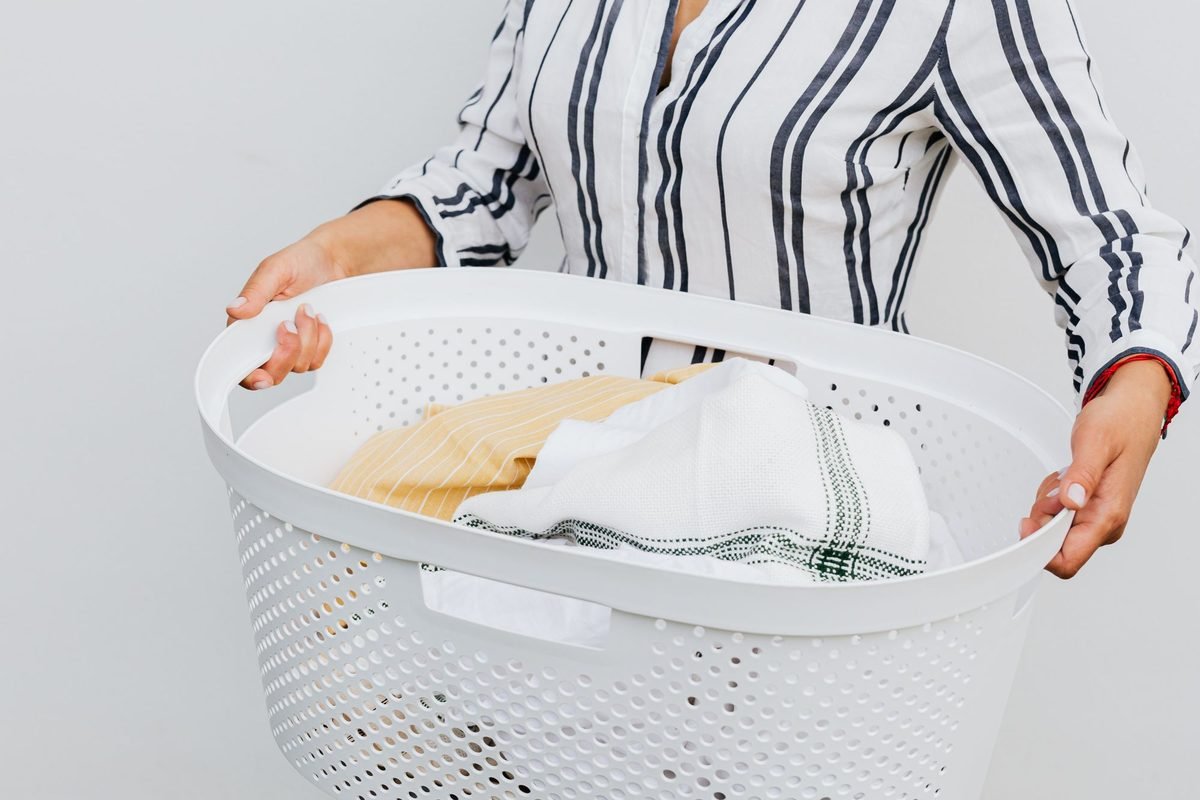
The chair in the corner covered in clothes is one of the most common small apartment problems. Usually, it happens because the hamper is in the wrong place.
Put a hamper exactly where you take off your clothes, whether that’s the bedroom, the bathroom or the closet. If clothes pile up somewhere else, move the hamper there. A slim laundry hamper fits in a narrow space. For clothes you’ve worn once and will wear again, add a hook or two on the back of the door so they don’t end up on the chair.
The Bathroom Zone
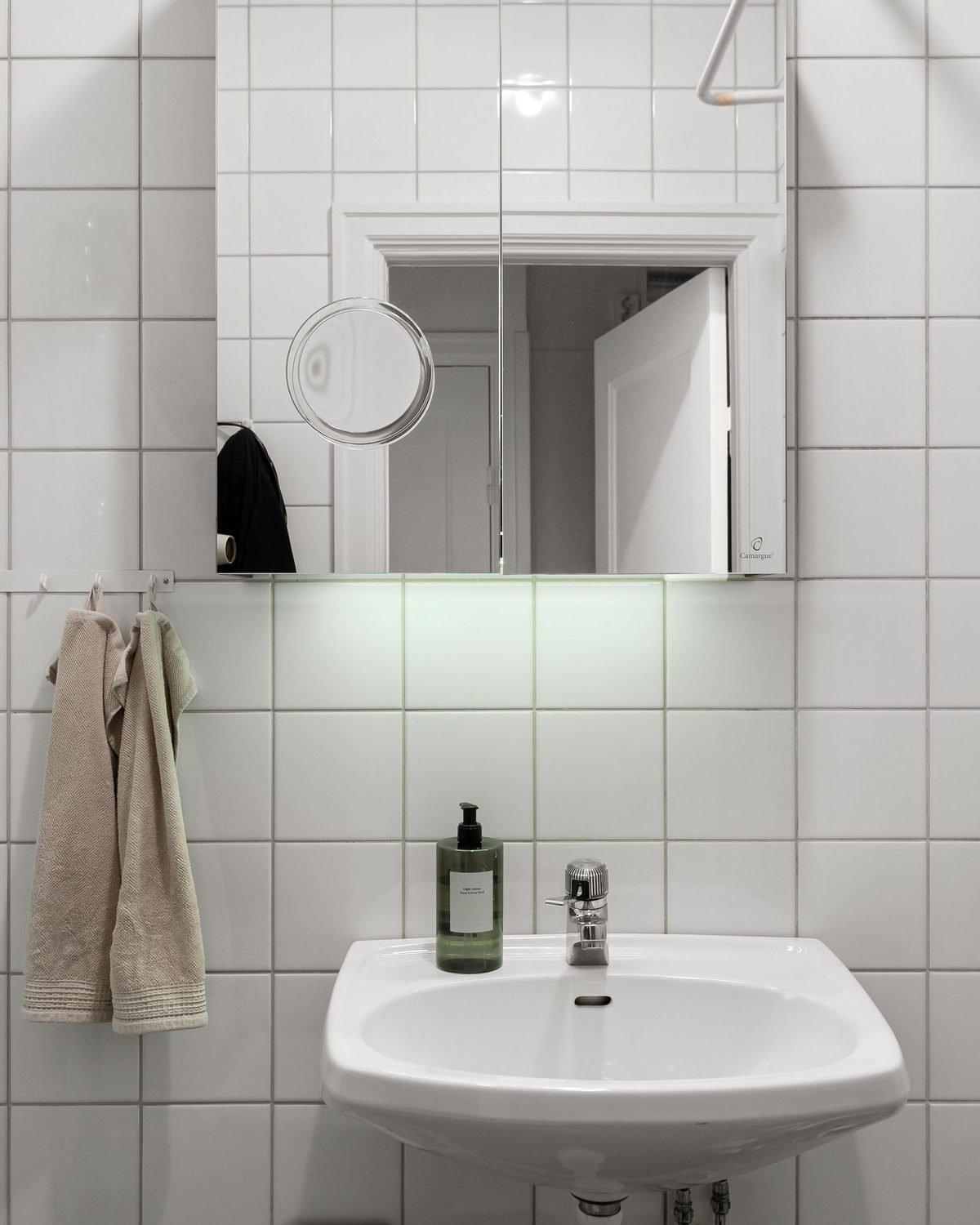
Apartment bathrooms are often tiny, with little storage and almost no counter space. The goal is to keep daily items within reach, store backups out of sight and make cleaning fast. If your counter is the problem, our bathroom counter organization ideas go deeper.
18. Use One Shower Shelf
Shower ledges and the edge of the tub fill up with half-empty bottles quickly. Limit yourself to one shelf or caddy and only the products you use every day.
A rust-proof adhesive shower caddy gives you a spot for shampoo, conditioner, body wash and a razor without drilling. When a bottle is empty, toss it right away. Backups go under the sink or in a closet, not on the shower shelf.
19. Use the Wall Above the Sink

In a small bathroom, the wall is often the best storage space. A floating shelf, an over-the-toilet shelf or a few adhesive hooks can hold what doesn’t fit on the counter.
Hang towels on hooks instead of bars to save space. Put a small shelf above the sink for daily skincare. An over-the-toilet shelf adds a lot of storage in a space that usually goes unused. Choose renter-friendly options if you can’t drill.
20. Keep a Cleaning Spray Within Reach
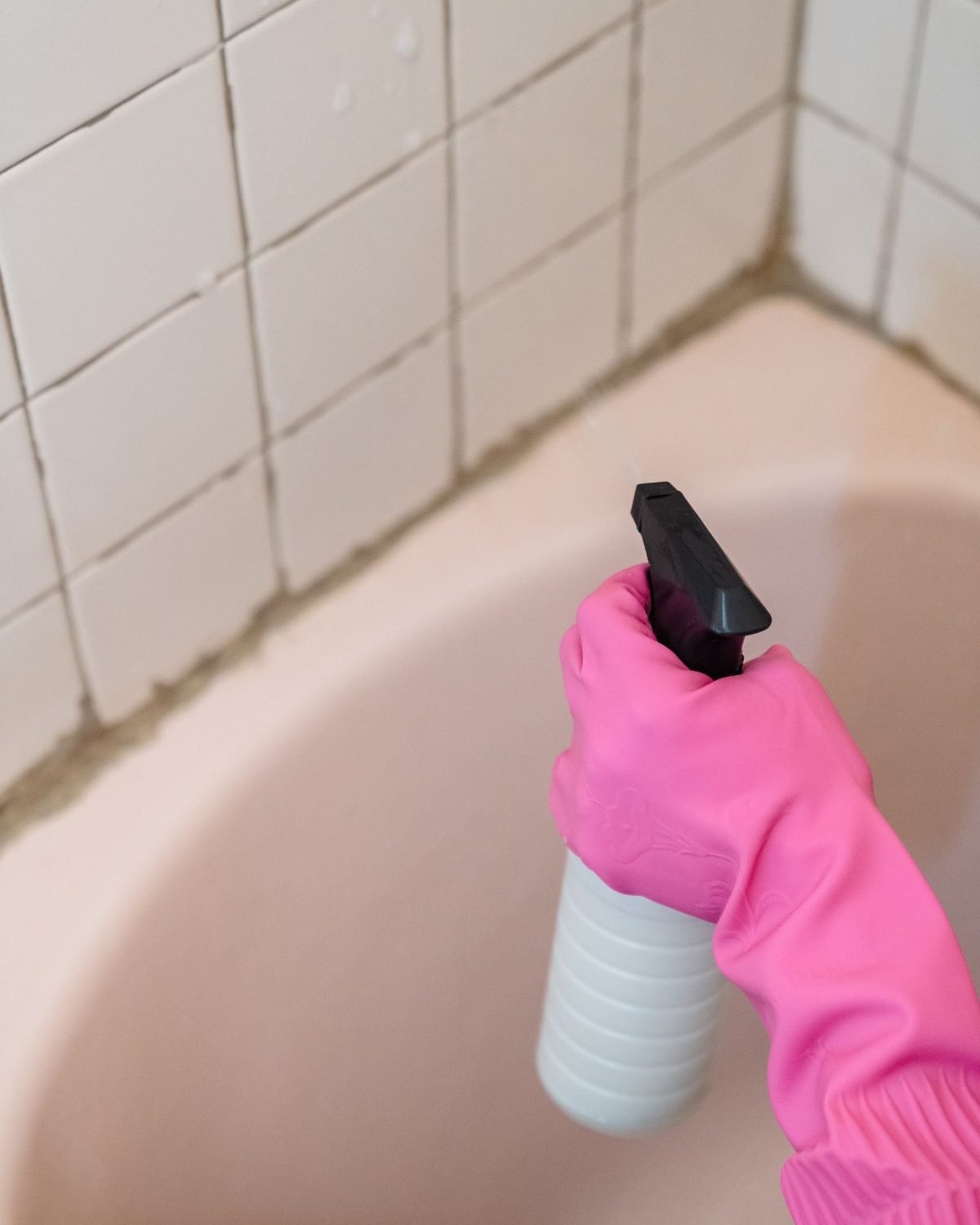
Bathrooms get messy fast, but they’re also quick to clean if you do it often. Keep a multi-surface spray and a microfiber cloth under the sink or in a small caddy in the bathroom itself.
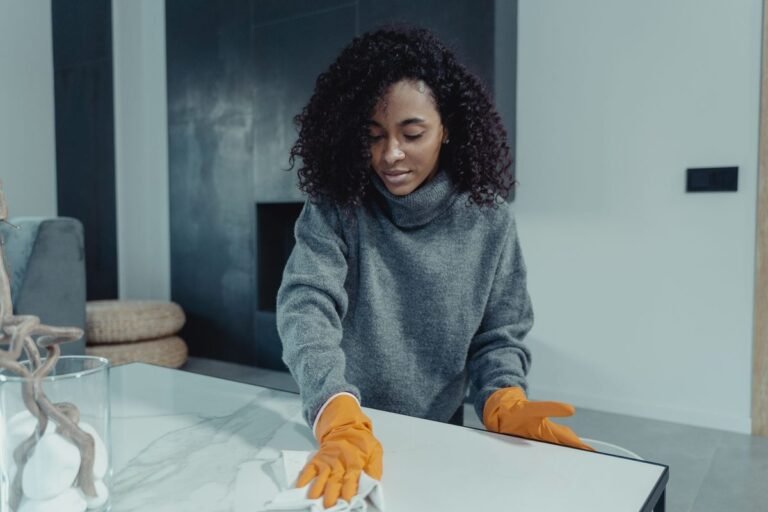
Once a day, or every other day, give the sink and counter a quick wipe. Once a week, do a fuller clean of the shower, toilet and floor. When the supplies are right there, the job takes a few minutes instead of turning into a project.
A pack of microfiber cloths is one of the most useful cleaning buys for a small apartment.
The Work and Paper Zone
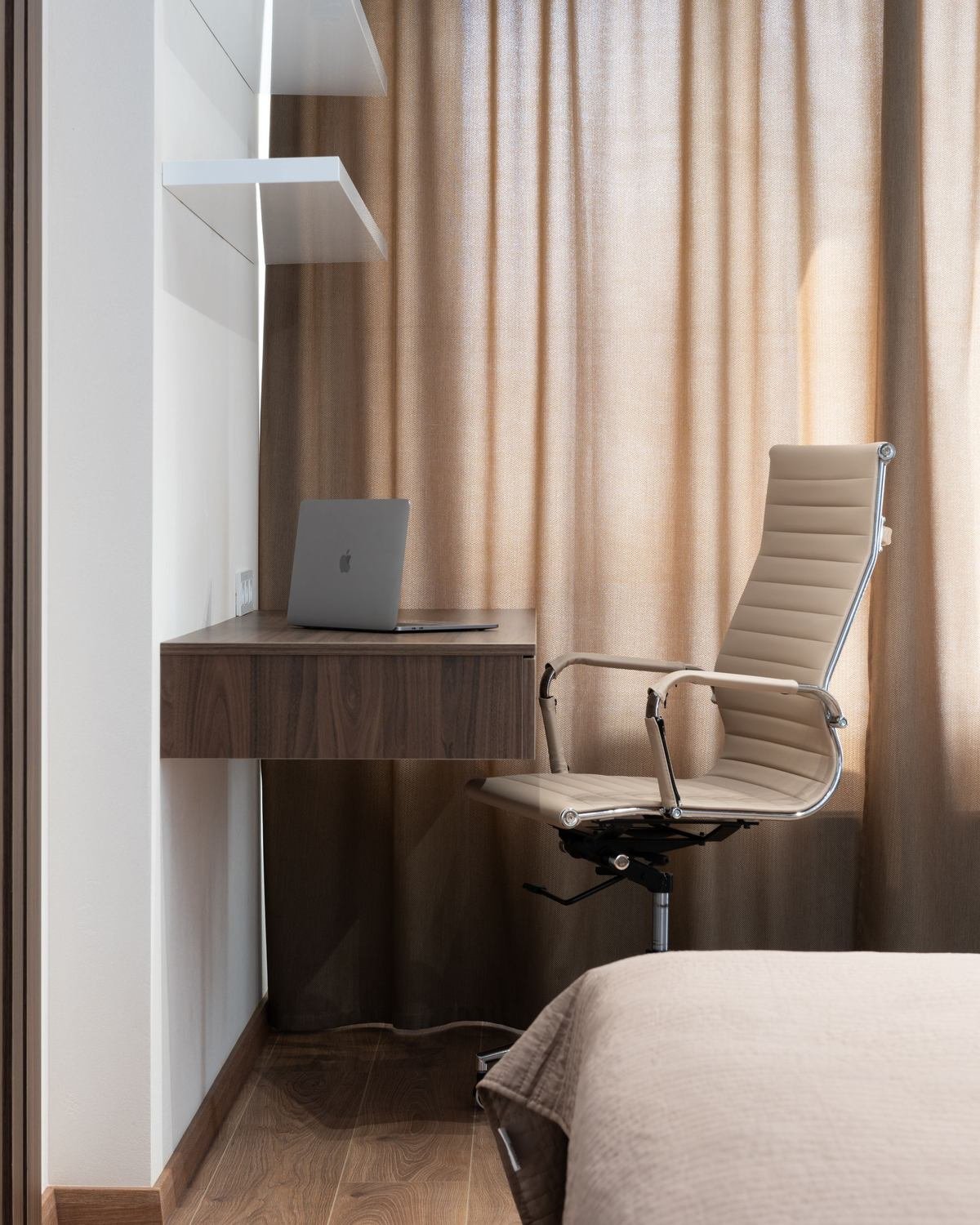
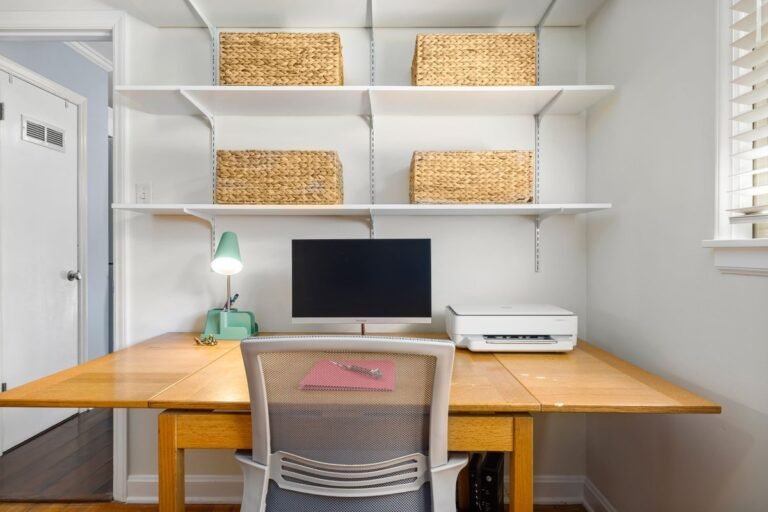
If you work from home, your desk can easily take over the apartment. Papers, cables, notebooks and coffee cups spread to the dining table and the couch. A clear work zone helps keep work from leaking into the rest of your home.
21. Clear the Desk at the End of the Day
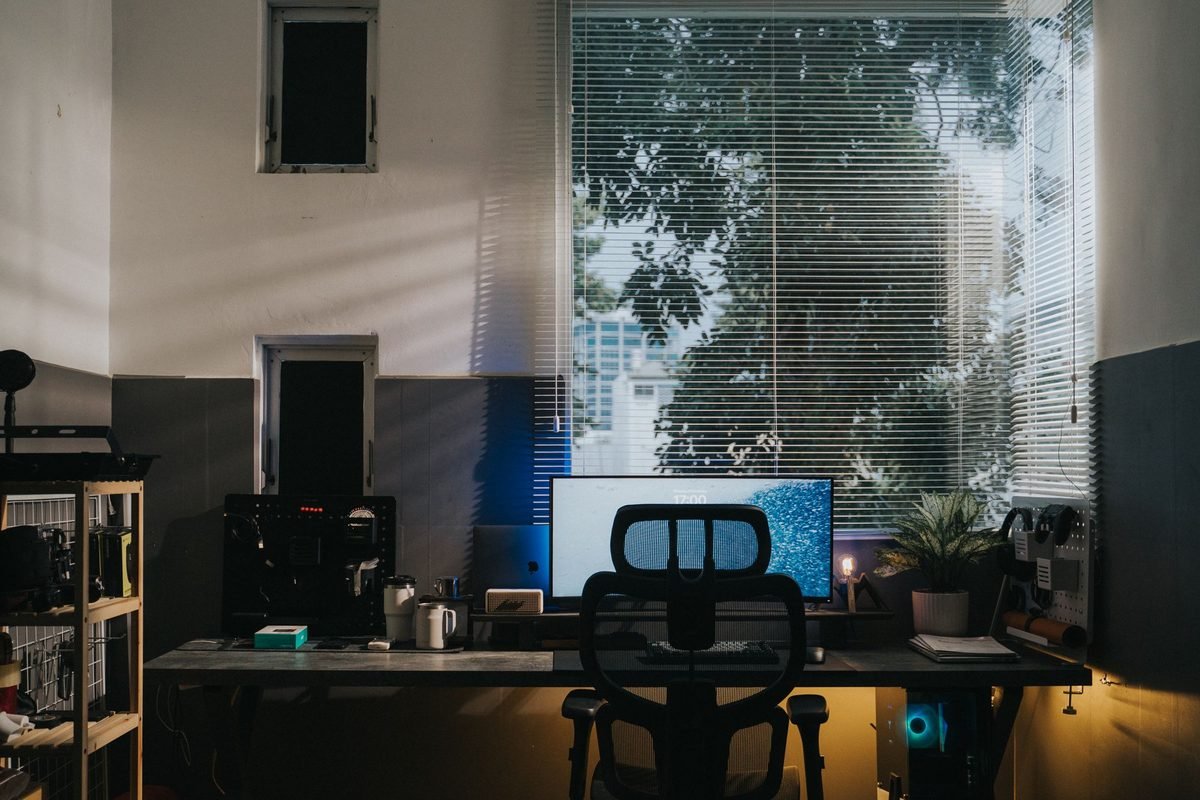
At the end of each workday, take two minutes to clear your desk. Put papers in their folder, put pens in a cup, take dishes to the kitchen and close the laptop.
This does two things. It makes the next morning easier because you start at a clean desk. It also signals the end of the workday, which helps when your office is also your living room. If you work at the dining table, pack your work things into a basket or bin and put it on a shelf so the table can go back to being a table.
22. Set Up a Simple Paper System

Paper piles up quickly, and it’s hard to find what you need in a messy stack. A simple system with three spots is enough for most people:
- Action: bills to pay, forms to fill out and things to respond to. Keep these in one folder or tray.
- Keep: important documents like leases, tax papers and warranties. Store these in a labeled file box.
- Recycle or shred: everything else.
Once a week, go through the action folder and deal with what’s there. A file box with hanging folders fits in a closet or under a desk. Many bills can also be switched to paperless, which cuts down on what comes in.
23. Create One Charging Station

Chargers and cables end up everywhere in a small apartment: next to the bed, on the couch, on the kitchen counter. Pick one spot to charge your phone, tablet and earbuds, and keep the cables there.
A multi-device charging station keeps everything neat in one place. Use cable clips or ties to keep cords from tangling. If you need a charger by the bed, keep just one there.
Choose a spot on a hard surface, and don’t charge devices under pillows or blankets.
Daily and Weekly Routines That Keep It Organized
Zones give everything a home. Routines are what get things back there. Without them, even a well-organized apartment slides back into clutter in a week or two. The good news is that small apartments are quick to maintain. A few minutes a day goes a long way.
24. Do a 10-Minute Nightly Reset

Before bed, set a timer for 10 minutes and walk through your apartment. Put things back in their zones, clear the coffee table and the kitchen counter, load the dishwasher or wash the last dishes and fluff the couch cushions.
Ten minutes doesn’t sound like much, but in a small apartment it’s usually enough to reset everything. You wake up to a tidy home, and nothing has time to pile up. If you share the apartment, make it a shared habit. Two people for five minutes each works just as well.
Our realistic cleaning schedule shows how to fit this into a weekly plan that doesn’t take over your free time.
25. Keep a Donate Box Always Open
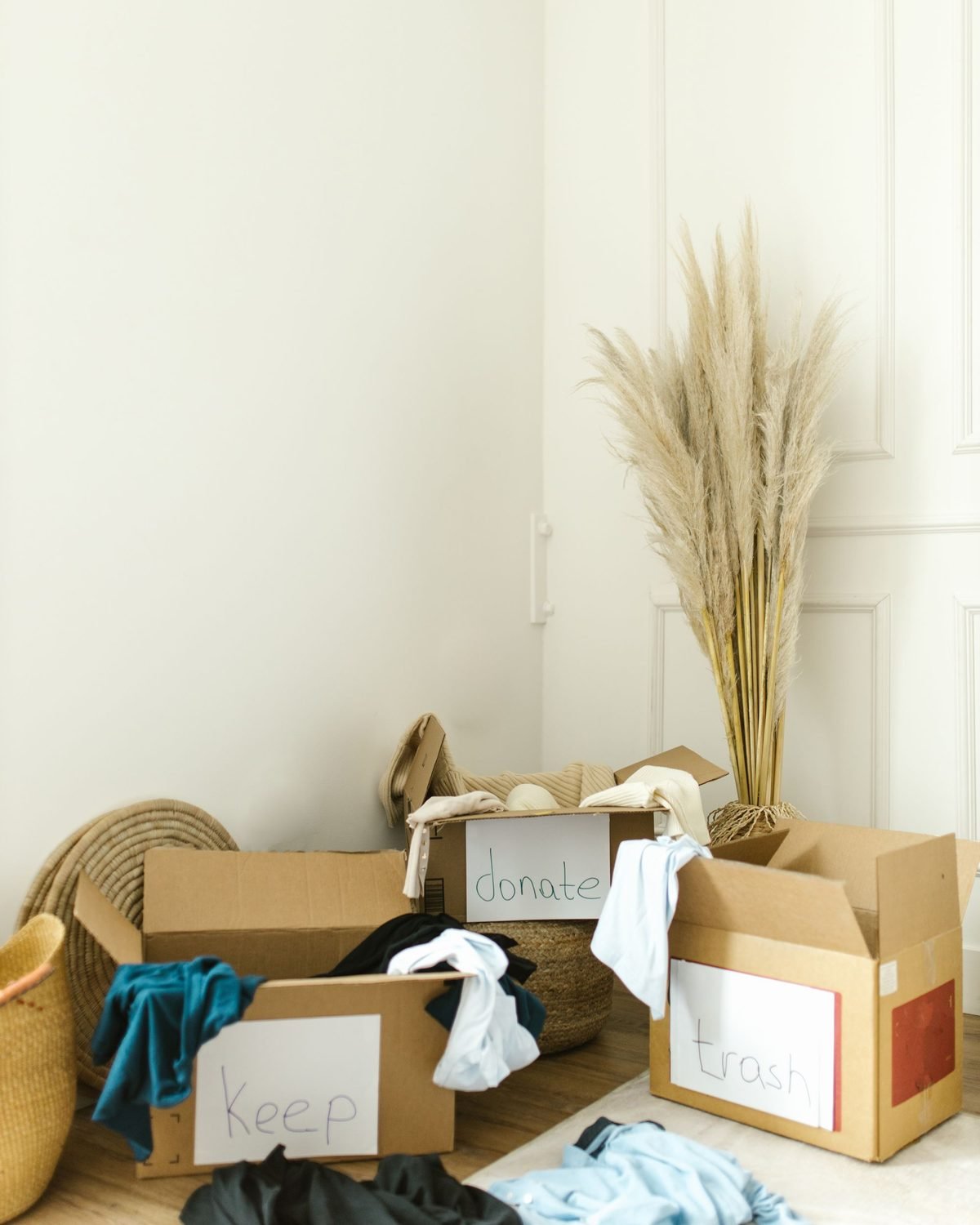
Clutter comes in all the time, so decluttering can’t be a once-a-year event. Keep one box or bag in your closet that’s always open for donations.
Whenever you find something you don’t use, don’t like or don’t need, put it straight in the box. When the box is full, drop it off at a donation center the next time you’re out. The EPA’s Reduce, Reuse, Recycle tips suggest donating usable items like clothes, books and household goods instead of throwing them away, so they go to someone who’ll use them.
This one habit keeps your apartment from slowly filling up.
26. Make the Bed Every Morning

In a small apartment, the bed is often visible from the living room or even part of it in a studio. A made bed makes the whole space look tidy, even if other things are a little messy.
It takes about two minutes. Keep bedding simple, with a fitted sheet, a duvet and two pillows, so it’s easy to make. Skip the pile of decorative pillows if they slow you down. A made bed also gives you a clean surface to fold laundry on instead of the couch.
27. Pick One Laundry Day

Laundry is a big source of clutter in small apartments: piles of dirty clothes, baskets of clean clothes that never get put away and towels drying on every chair. Pick one or two days a week to do laundry from start to finish.
Wash, dry, fold and put away on the same day. The last step is the one most people skip, and it’s what keeps clean laundry from living in a basket all week. If you use a shared laundry room or a laundromat, the set day helps you plan around it.
Wash sheets and towels on the same day each week, and you’ll never have to think about when you last did it.
28. Make a Sunday Plan

Spend 15 minutes on Sunday planning the week ahead. Look at your calendar, plan your meals, write your grocery list and check what needs to be done around the home.
A plan stops clutter before it starts. When you know what you’re cooking, you buy only what you need. When you know your schedule, you can fit in laundry and cleaning on the lighter days. A weekly planner notepad on the fridge or a simple note on your phone is enough.
If you’re starting fresh, our January organization challenge gives you one small task a day to build these habits.
29. Label the Hard-to-Remember Spots

Labels aren’t just for pretty pantries. They help everyone in the home know where things go, which makes putting things away much easier.
You don’t need to label everything. Label the things that are hard to remember: bins on high shelves, boxes under the bed, the file box and anything that’s stored out of sight. A simple label maker is nice, but masking tape and a marker work just as well.
When you share an apartment, labels end the “where does this go?” questions. If it has a label, it has a home.
30. Do a Quick Monthly Declutter

Once a month, pick one zone and spend 20 to 30 minutes decluttering it. Go through the kitchen cabinets one month, the closet the next and the bathroom after that.
Take everything out, toss what’s expired or broken, donate what you don’t use and put the rest back in its home. Since you’re doing one zone at a time, it never becomes an overwhelming project. Our declutter checklist room by room gives you a list for each space so you don’t miss anything.
What to Buy (and What to Skip)

The best small apartment organization usually costs very little. Most of what you need is a plan and some habits. When you do buy something, buy it for a specific zone and a specific problem.
Worth buying:
- Hooks. Adhesive or over-the-door hooks are cheap, renter-friendly and solve a lot of entry, bathroom and bedroom clutter.
- One tray for each surface that tends to collect clutter. The entry table, the coffee table and the nightstand.
- A large basket for blankets or a toy and pet zone.
- Under-bed containers with lids if you have the space.
- Cabinet shelf risers to double kitchen cabinet space.
- A file box for important papers.
Skip these:
- Organizers before you declutter. You’ll buy the wrong size or the wrong number.
- Lots of small matching bins without a plan. They look great online but often end up empty or full of random things.
- Big furniture “for storage” that doesn’t fit the room. A huge dresser in a small bedroom makes the room feel cramped.
- Duplicates of things you already own. Shop your own home first.
- Trendy gadgets that solve a problem you don’t have.
Mistakes to Avoid

A few common mistakes can undo a lot of good work. Watch out for these.
Organizing clutter instead of removing it. Putting things you don’t need into nice bins just hides the problem. Declutter first, then organize what’s left.
Skipping the routines. Zones without routines fall apart quickly. The nightly reset and the weekly tasks are what keep it working.
Setting up zones that don’t match how you live. If you always drop your bag by the couch, a hook by the door might not work. Put the hook by the couch instead.
Trying to do everything in one weekend. It’s tempting, but it’s exhausting. Start with one zone and add another each week.
Ignoring vertical space. In a small apartment, the walls and the backs of doors are some of the best storage spots you have.
Keeping things “just in case.” A few spare items are fine. A whole cabinet of them is not.
FAQ

How do I organize a small apartment with no storage?
Use your walls and doors for hooks and shelves, use the space under your bed and choose furniture with storage, like an ottoman or a bed with drawers. Most importantly, keep fewer things and give each one a home. Our small apartment hacks for renters have more renter-friendly ideas.
What’s the first step in small apartment organization?
Start with a quick declutter of one zone, usually the entry or the kitchen counter. Then decide where everything in that zone belongs and add a simple routine to keep it that way.
How do I keep my small apartment clean and organized?
A 10-minute nightly reset, one laundry day, a weekly fridge check and a monthly declutter cover most of it. Small apartments are quick to clean when you do a little every day.
How do I make a small apartment feel bigger?
Keep the floor and surfaces mostly clear, use light colors, add mirrors to reflect light and choose furniture that’s the right size for the room. Clutter makes a small space feel even smaller, so less stuff is the biggest help.
How do I organize a studio apartment?
Divide it into zones for sleeping, living, eating and working. Use rugs, bookshelves or a curtain to separate them visually, and keep each zone’s things within that zone.
How often should I declutter my apartment?
Keep a donate box open all the time and do a deeper declutter of one zone each month. That way, you never have to do a big, overwhelming clear-out.
The Takeaway
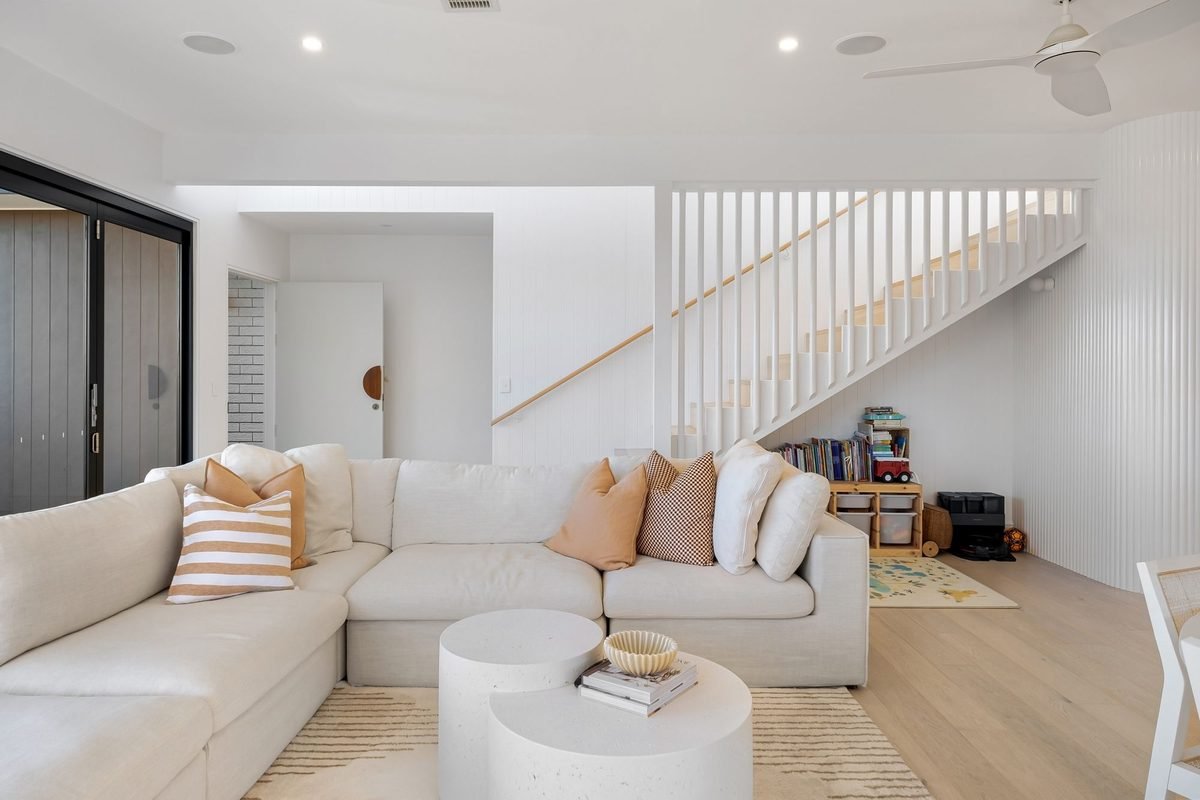
Small apartment organization isn’t about having more storage. It’s about giving everything a home in the right zone and using short routines to keep it there.
Start by mapping your zones: entry, kitchen, living room, bedroom, bathroom and work. Give each one a home for its everyday items and keep the surfaces mostly clear. Then protect your work with a 10-minute nightly reset, a donate box, one laundry day and a quick monthly declutter.
Pick one zone this week, probably the entry or the kitchen counter, and start there. Once you see how much calmer it feels, the rest of your apartment will follow.