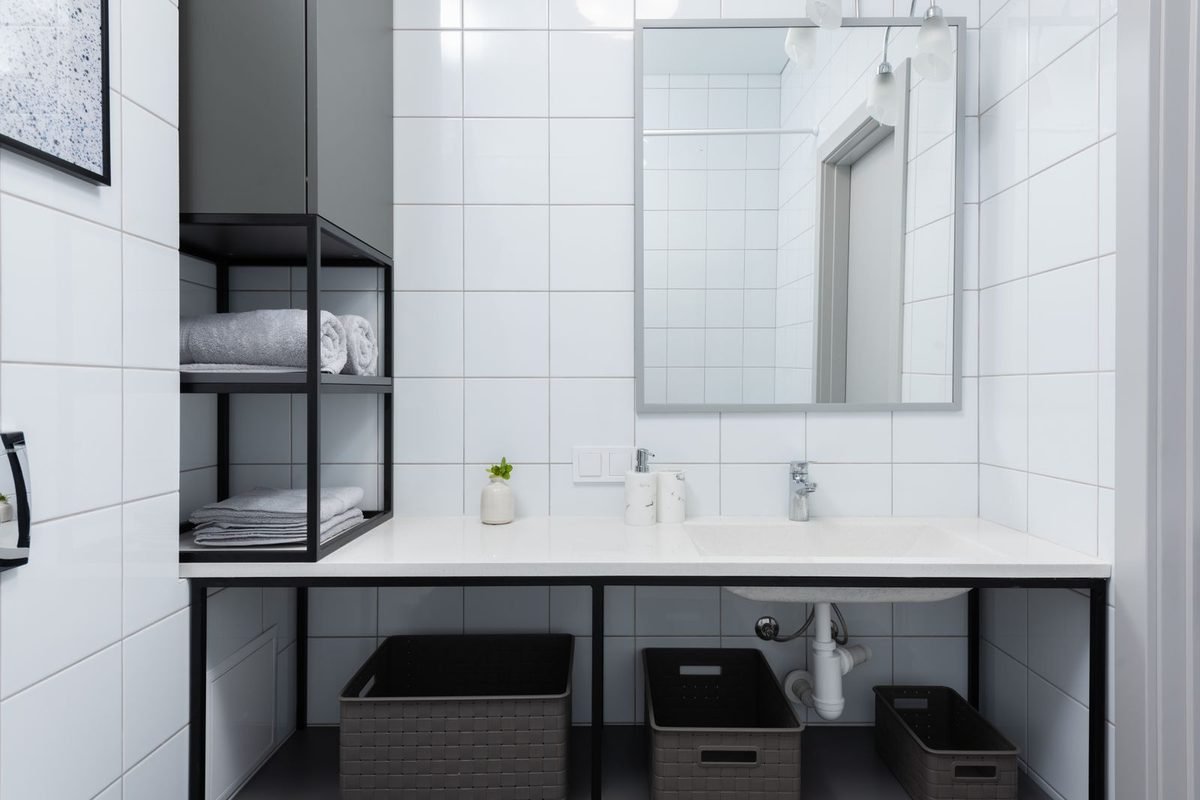
10 Medicine Cabinet Organization Ideas for Small Bathrooms
Disclosure: This post contains affiliate links. As an Amazon Associate I earn from qualifying purchases. If you buy through these links, I may earn a small commission at no extra cost to you. Read our full disclaimer.
A medicine cabinet is one of the smallest storage spots in a home, and it is usually the most crowded. Medicine cabinet organization ideas matter most in a small bathroom, where that shallow box above the sink has to hold pain relievers, skincare, razors, floss, spare contacts and the half-used tube of something you bought three years ago. When every shelf is packed, the door will not close, bottles fall into the sink and you buy a second bottle of the thing you already own.
This guide walks through why the cabinet gets so messy, how to clear it out safely, 10 medicine cabinet organization ideas that work in rentals and tiny bathrooms, what belongs inside (and what should live somewhere else), a short budget shopping list, common mistakes and a practical FAQ.
Quick answer: The best medicine cabinet organization ideas start with an empty cabinet and a date check. Toss expired items safely, sort what is left into a few categories and give daily items the eye-level shelf. Then use small clear bins, a mini turntable, a shelf riser and the back of the door to make the space work harder. Keep backup stock and most medicines in a cool, dry spot outside the bathroom, label the shelves and do a five-minute reset once a month.
The 10 ideas at a glance:
- Set it up: 1. Sort into zones, 2. Use small clear bins, 3. Add a mini turntable, 4. Put a magnetic strip on the door
- Use every inch: 5. Use the back of the door, 6. Add a shelf riser, 7. Decant cotton swabs and pads
- Keep it working: 8. Label shelves and bins, 9. Use a weekly pill organizer, 10. Move backup stock somewhere dry
Why Medicine Cabinet Organization Ideas Matter in a Small Bathroom
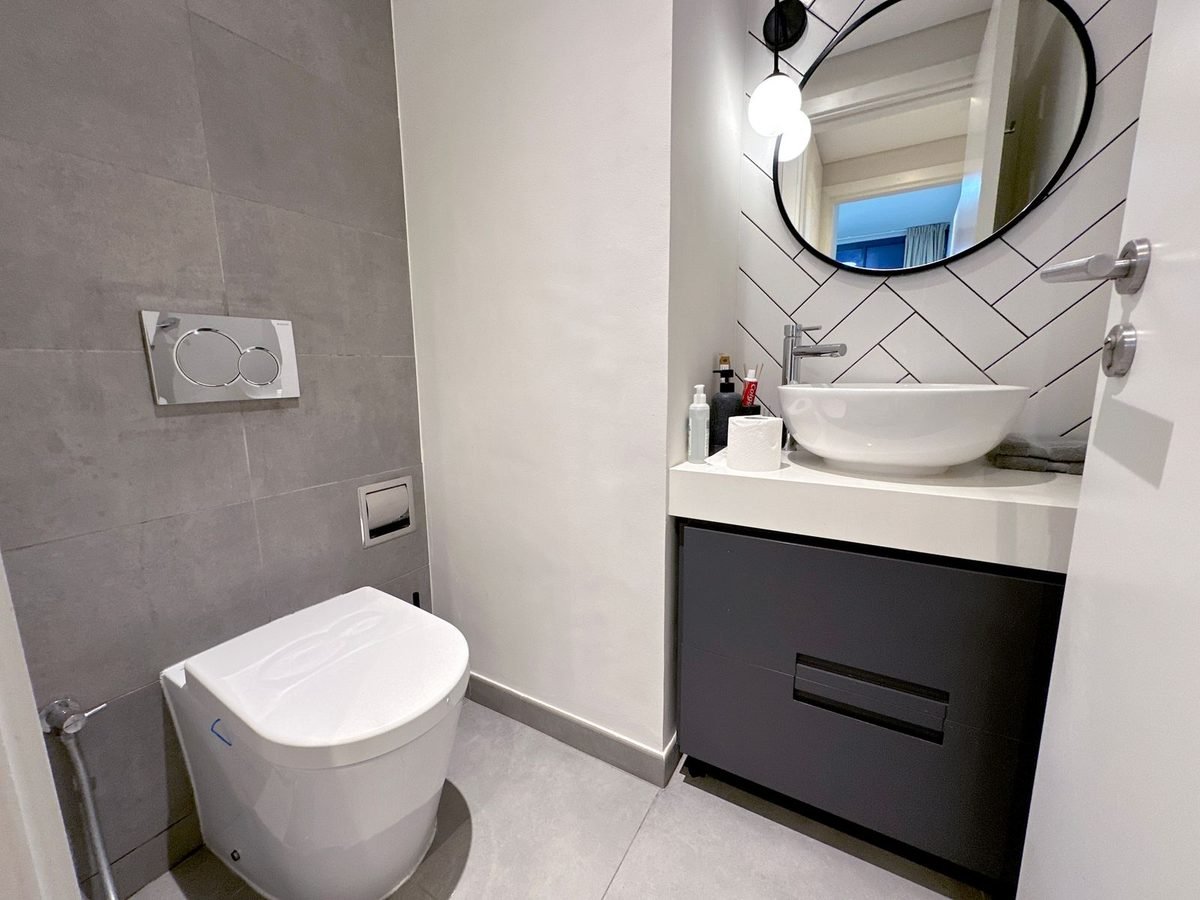
In a small bathroom, the medicine cabinet is often the only closed storage above the counter. There may be no linen closet, the vanity may be a pedestal sink and the shower may have one narrow ledge. That puts a lot of pressure on a cabinet that is usually only about 4 inches deep.
Good medicine cabinet organization ideas turn that pressure into a plan. When each shelf has a job, you can see what you own, grab it with one hand and close the door without a fight. That saves time in the morning and money at the store, because you stop rebuying sunscreen, floss and pain reliever that were hiding behind a bottle of mouthwash.
There is a safety side too. A medicine cabinet packed with old prescriptions, loose pills and sharp tools is harder to check and harder to keep away from kids and guests. A tidier medicine cabinet makes it easier to spot expired items, keep sharp tools in one place and move true medicines to a safer, drier spot.
A small cabinet also shapes the whole bathroom. When the medicine cabinet is full, the overflow lands on the counter, and a crowded counter makes a small bathroom feel even smaller. If your counter is already the problem, our bathroom counter organization ideas pair well with this guide. Most people need to fix both spots together.
Finally, the cabinet is a daily-use space. You open it more often than a closet or a pantry. Even a small improvement in this one spot can make every morning and every night feel calmer.
It helps to know what you are working with before you start. A standard recessed medicine cabinet is about 14 to 16 inches wide and 20 to 26 inches tall, with three or four glass shelves. A surface-mounted cabinet may be a little deeper. Either way, the space is tight, so medicine cabinet organization is less about adding more and more about choosing well.
Before You Start: Empty, Sort and Check the Dates
Every good medicine cabinet organization project starts with an empty cabinet. Set a towel on the counter, take everything out and wipe the shelves with a damp cloth. Most cabinets collect a sticky ring or two from leaky bottles, and you cannot organize around a mess.
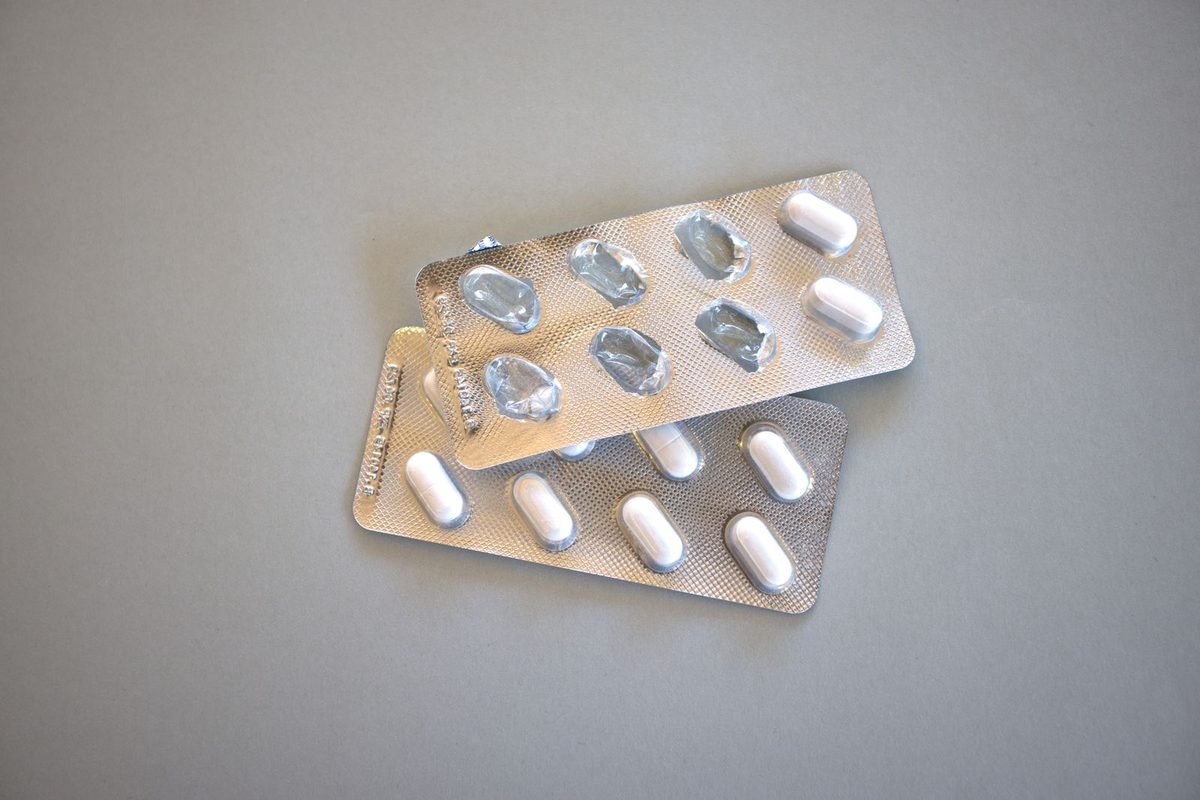
Next, sort into three piles: keep, toss and relocate. “Keep” is anything you use at least once a month and that is not expired. “Toss” is anything past its date, dried out, separated or simply not used. “Relocate” is anything that does not belong in a warm, damp bathroom, such as backup stock, first aid supplies you rarely open or medicines that the label says to store in a cool, dry place.
Check every date you can find. Over-the-counter medicine, sunscreen, contact lens solution and many skincare products have printed expiration dates. Makeup and skincare often show a small open-jar symbol with a number, such as 12M, which means the product is best used within 12 months of opening.
Be careful with old medicine. Do not tip it into the sink or toilet unless the label or the pharmacy tells you to. The FDA’s guide to disposing of unused medicines explains take-back sites, drop boxes and the safest way to throw medicine away at home. Many pharmacies have a free drop box near the counter.
While the shelves are empty, measure them. Write down the height between shelves, the depth and the width. Those three numbers will tell you which bins and risers will actually fit, and they will stop you from buying an organizer that looks great online and is half an inch too deep for your medicine cabinet.
Tip: Do this on a weekend morning with good light. Small print on old bottles is much easier to read in daylight than under a dim vanity bulb.
A quick note on safety: Keep the original packaging or label for any medicine you keep, even if you move it to a bin. The label has the dose, the warnings and the date. If you have young children at home or visiting, store medicine up high and out of sight, ideally in a closed or locked box. Child-resistant caps help, but they are not childproof.
10 Medicine Cabinet Organization Ideas That Work

Here are 10 medicine cabinet organization ideas you can use in a rental, a tiny bathroom or a shared space. None of them need drilling, and most cost less than a takeout lunch. Start with the first two, because zones and bins do most of the work. The rest add space and make the system last.
Think of the medicine cabinet as three parts: the eye-level shelf for daily items, the higher and lower shelves for weekly items and the door for flat or small tools. Each idea below helps one of those parts work better.
1. Sort Into Zones by How Often You Use Them
The simplest medicine cabinet organization idea is to stop thinking in product types and start thinking in frequency. Daily items go at eye level. Weekly items go on the next shelf. Rarely used items go on the highest shelf or out of the medicine cabinet entirely.
Daily items might include your toothbrush backup, floss, moisturizer, deodorant, contact lens case and any daily medicine you are allowed to keep in the bathroom. Weekly items might be a face mask, nail clippers, a razor, a hair mask or a spot treatment. Rarely used items might be a thermometer, a spare toothbrush or a travel kit.
Once you know the zones, keep each person’s daily items together if you share the bathroom. A left-side and right-side split is easy to understand and easy to keep.
Tip: If you cannot decide where something goes, ask when you last used it. If the answer is “I don’t remember,” it belongs on the top shelf or in a bin under the sink.
How to split a shared medicine cabinet: Give each person one shelf or one side, plus one shared bin for things like toothpaste and floss. If one person needs more daily items, give them the eye-level shelf and move the other person’s daily bin to the shelf just below. Agree on one rule for overflow, such as “backup stock goes under the sink,” so the shared shelves do not slowly fill up again.
2. Use Small Clear Bins to Corral Categories

Loose bottles tip over. Small bins stop that. A few narrow clear acrylic bins turn one shelf into tidy rows that you can lift out, use and slide back in.
Use one bin per category: oral care, skin care, hair ties and clips, first aid basics or “his” and “hers.” Clear bins help you see what is running low. Colored bins are fine too, as long as you label them.
Measure before you buy. Most medicine cabinets are 3.5 to 4 inches deep, so look for bins that are 3 inches deep or less. Stackable bins can work in taller medicine cabinets, but only if you can still lift the top one without knocking everything over.
Small bins also make cleaning faster. Instead of moving twelve bottles, you lift out three bins, wipe the shelf and put them back.
Tip: Dollar stores often sell small plastic bins in narrow sizes. Our Dollar Tree organization hacks for small spaces shows a few other ways to use them.
3. Add a Mini Turntable for Bottles
A turntable, or lazy Susan, is a smart fix for the back of a deep shelf. Instead of reaching behind three bottles, you spin the tray and the bottle you want comes to the front. A small 6-inch lazy Susan fits many medicine cabinets and works well for serums, small lotions, eye drops and nail polish.
Use the turntable on the shelf with the most small bottles. One turntable per medicine cabinet is usually enough. Two can feel cluttered and waste corner space.
If the medicine cabinet is too shallow for a turntable, use a small tray instead. A tray will not spin, but it will keep bottles together and catch drips, which keeps the shelf clean.
Tip: Put the tallest bottles in the middle of the turntable and the shortest around the edge. Everything stays visible.
4. Put a Magnetic Strip on the Door for Metal Tools
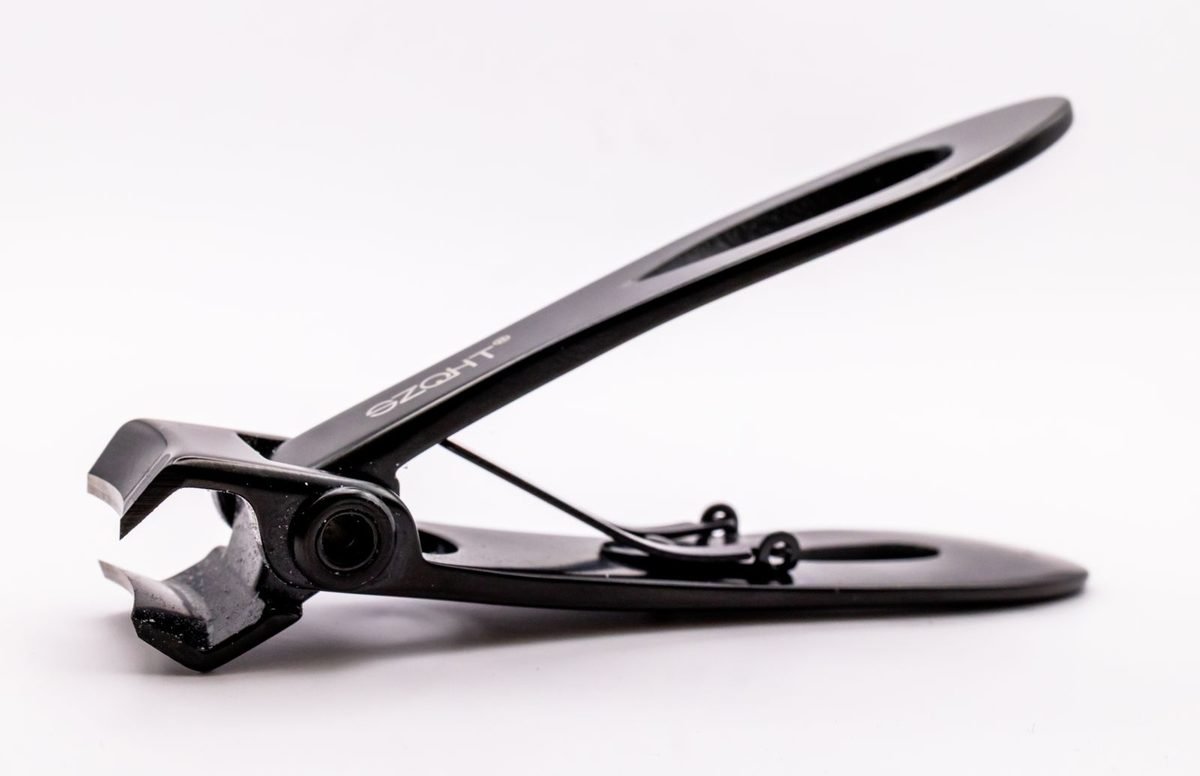
Tweezers, nail clippers, bobby pins and small scissors love to disappear. A slim adhesive magnetic strip on the inside of the medicine cabinet door holds them flat and in sight.
Choose a strip with a strong adhesive backing so you do not need to drill. Clean the door with rubbing alcohol first, let it dry and press the strip in place for 30 seconds. Wait a few hours before you load it.
Keep the strip high enough that tools do not bump the shelves when you close the door. In a shared bathroom, a magnetic strip is also a quick way to keep sharp tools in one known spot instead of scattered across drawers.
Tip: If your door is mirrored glass, check that the adhesive is safe for glass and that the strip will not show through from the front.
5. Use the Back of the Door for Flat Items

The inside of the medicine cabinet door is the most ignored storage spot in the bathroom. Small adhesive pockets, clear sticky hooks or a slim acrylic pocket can hold flat or light items such as hair ties, claw clips, cotton pads, makeup sponges or a pair of spare contacts.
Keep it light. A door that carries too much weight can sag or swing open. Hooks for a hair tie loop or a small pouch are fine. Heavy bottles are not.
Leave a little space around anything you stick to the door so it does not hit the shelves. Open and close the door a few times before you load it, so you know the clearance.
Tip: Clear adhesive hooks are renter friendly. Remove them by pulling the tab straight down, slowly, so they come off clean when you move.
6. Add a Shelf Riser to Double a Shelf
Many medicine cabinets have shelves that are taller than the bottles on them. A small clear shelf riser turns that empty air into a second level. Short items such as lip balm, floss picks and small jars go on top, and taller items go underneath or in front.
Measure the height of the shelf and the tallest item you want under the riser before you buy. Even half an inch can decide whether a riser works.
A riser also helps you see the back row. When back items sit higher, you can read the labels without moving everything in front.
If the shelves are adjustable, move them first. Many people never adjust the clips or pegs that came with the medicine cabinet. Moving one shelf up an inch can fix more than any organizer.
Tip: Clear risers keep a small medicine cabinet feeling light. Wire or wood risers work too, but they can make the space look busier.
7. Decant Cotton Swabs and Pads Into Small Jars
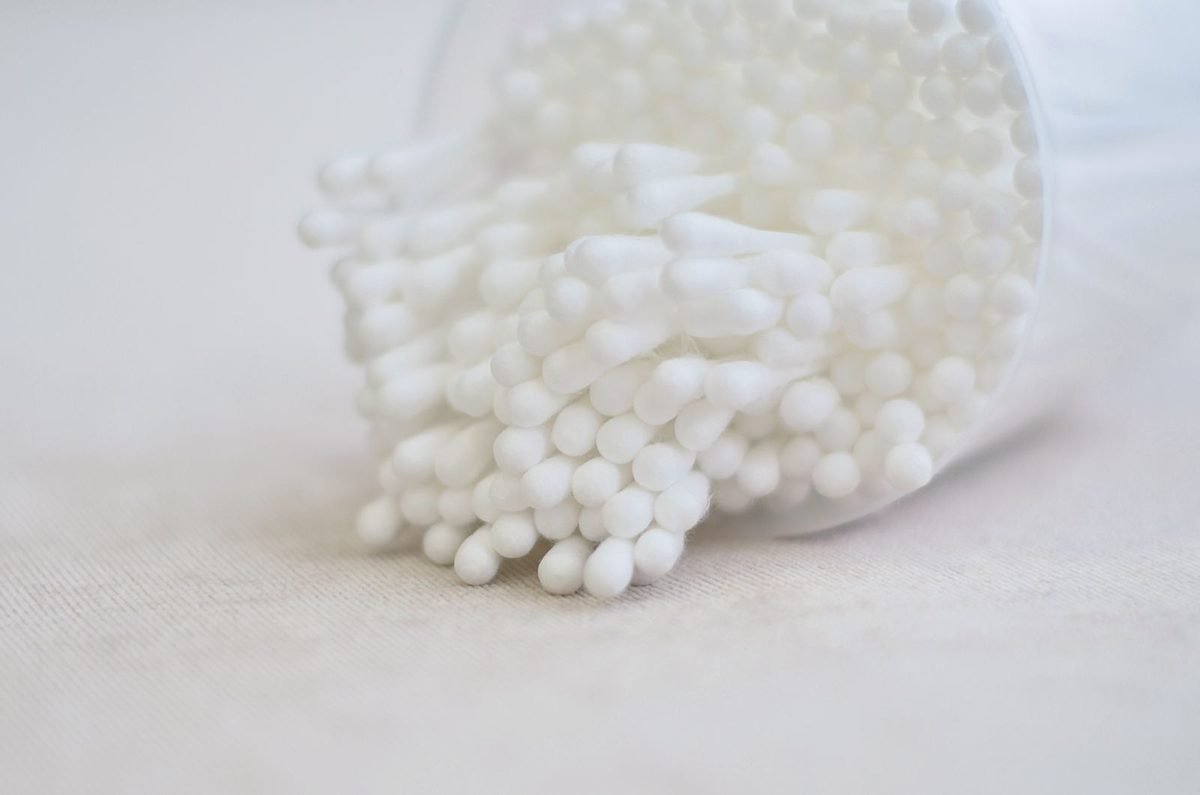
Bulky boxes and bags waste space. Cotton swabs, cotton pads and cotton balls take up far less room in small lidded jars than in the cardboard boxes they come in. A pair of small apothecary jars also makes the cabinet look calm and finished.
Keep one jar of each in the medicine cabinet and the rest of the pack under the sink or in a linen closet. When the jar runs low, refill it from the backup.
Pick lids that close tightly, because bathrooms are humid. A good lid also keeps dust and hair spray off the cotton.
Tip: If you are not a jar person, a small cup with a lid works too. The goal is to swap a bulky box for a narrow container you can reach with one hand.
A quick way to test your medicine cabinet organization is the one-hand rule. Close your eyes, think of an item you use every day and try to grab it with one hand without moving anything else. If you can, the shelf works. If you have to shift two bottles first, that shelf needs a bin, a riser or a little less on it.
8. Label Shelves and Bins

Labels keep the system going after the first week. They tell everyone in the house where things belong, and they make it obvious when something is in the wrong spot.
Label by category, not by product. “Skin,” “Teeth,” “Hair,” “First aid” and “Contacts” are easier to keep than a label for each brand. If two people share the medicine cabinet, add names or use a color for each person.
A small label maker is handy, but masking tape and a fine marker work too. For a rental, use removable labels on the shelf edge so nothing leaves a mark.
Tip: Put a small label on the top of each bin, not only the front. When you look down into the medicine cabinet, you will still see it.
9. Use a Weekly Pill Organizer for Daily Vitamins

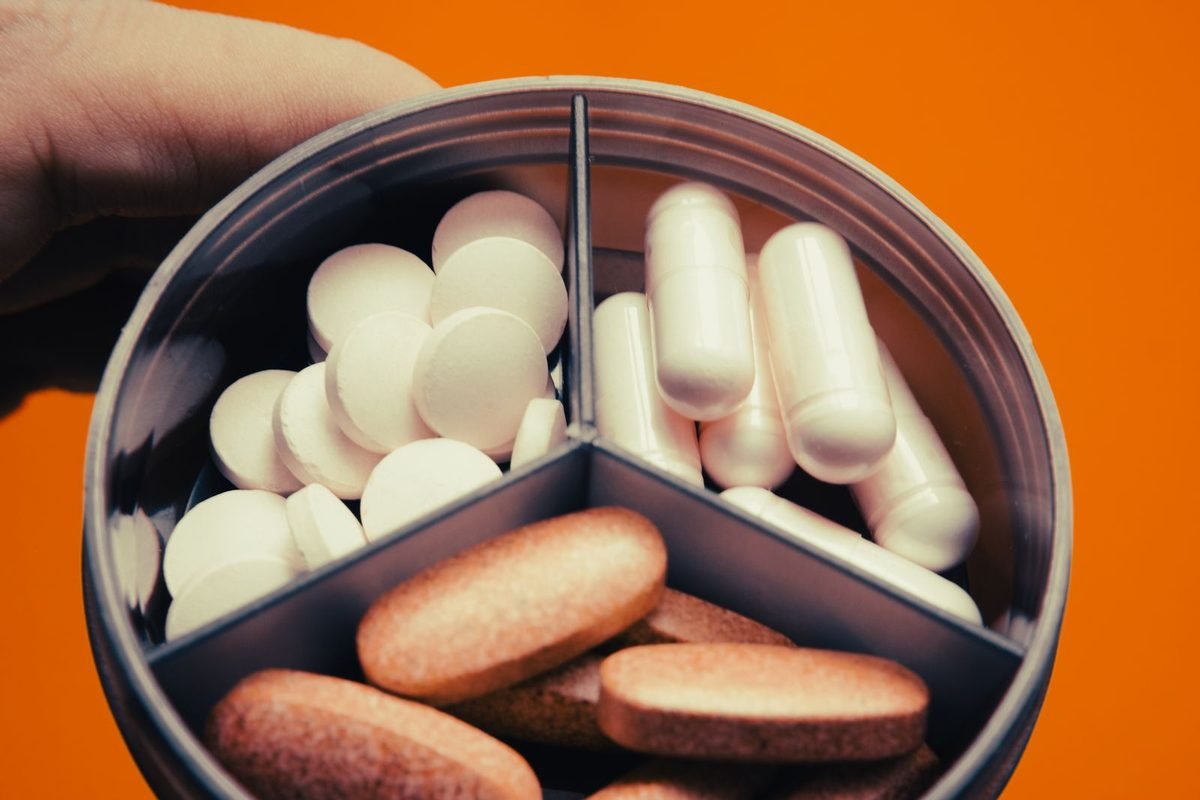
If you take daily vitamins or supplements, a weekly 7-day pill organizer saves a surprising amount of space. Instead of four or five bottles on the shelf, you have one slim box. Fill it once a week and keep the large bottles somewhere cool and dry.
This also helps you see whether you took today’s dose, which is easier than trying to remember in a rush.
Check with your pharmacist before you move any prescription medicine out of its original bottle, especially if it needs a specific container, light protection or a label for travel. Keep prescription labels intact on the original bottles you store elsewhere.
Tip: Choose an organizer with clear lids and big day letters. In a small bathroom, it should be easy to read without your glasses.
10. Move Backup Stock and Most Medicines Somewhere Dry
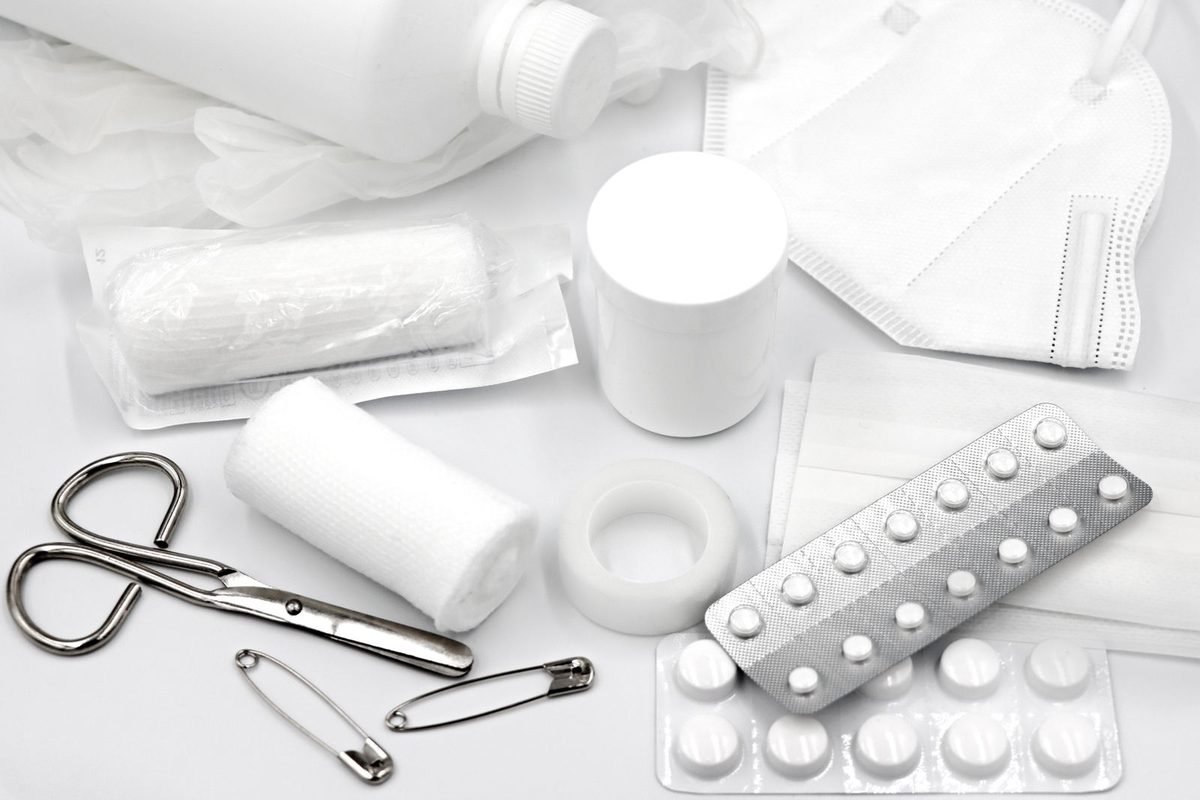
The name is a little misleading. A bathroom medicine cabinet is warm and damp after every shower, and that is not ideal for many medicines. Many labels ask you to store the product at room temperature in a dry place. The bathroom is often neither.
A better plan for many homes is to keep only the daily, low-risk basics in the medicine cabinet and move the rest to a labeled box in a bedroom closet, a hall closet or a kitchen cabinet away from the stove. A small lockable medicine box is a good choice if you have kids, teens or frequent guests.
Backup stock belongs there too. Extra toothpaste, the second bottle of shampoo and a bulk pack of floss do not need to live at eye level. Moving them out of the medicine cabinet can free a whole shelf.
Tip: Put a short list on the inside of the box lid: what is inside, and the nearest expiration date. It makes the monthly check much faster.
A five-minute monthly reset: On the first day of each month, open the medicine cabinet, pull out anything that is empty or nearly empty, check the dates on the front row and put stray items back in their bins. Wipe the shelves if they are sticky. Add anything you need to your shopping list. Five minutes a month is enough to keep the medicine cabinet organization ideas in this guide working all year.
What to Keep in a Medicine Cabinet (and What to Store Elsewhere)

A small medicine cabinet should hold what you use often, what tolerates humidity and what is safe to keep in reach. Here is a simple guide.
Good to keep inside:
- Toothpaste, floss, a spare toothbrush head and mouthwash
- Daily skincare, sunscreen and lip balm
- Deodorant, razor and shaving cream
- Contact lens case and solution
- Hair ties, clips and a small brush
- Nail clippers, tweezers and small scissors (on a magnetic strip)
- A small bin of bandages and antibiotic ointment for quick fixes
Better stored elsewhere:
- Prescription medicines and most pills, especially if the label says to keep them dry
- Backup stock and bulk packs
- Perfume and fragrances that you want to last, since heat and light can change them
- First aid kits you rarely open
- Anything you need to keep away from children
If you have an under-sink cabinet, it can take a lot of the overflow. Our guide to under bathroom sink organization ideas shows how to work around the pipes and fit bins, risers and pull-out drawers.
Tip: If you share a bathroom with roommates, keep personal medicine in your own room. It avoids mix-ups and keeps private things private.
No Medicine Cabinet? Small-Bathroom Alternatives
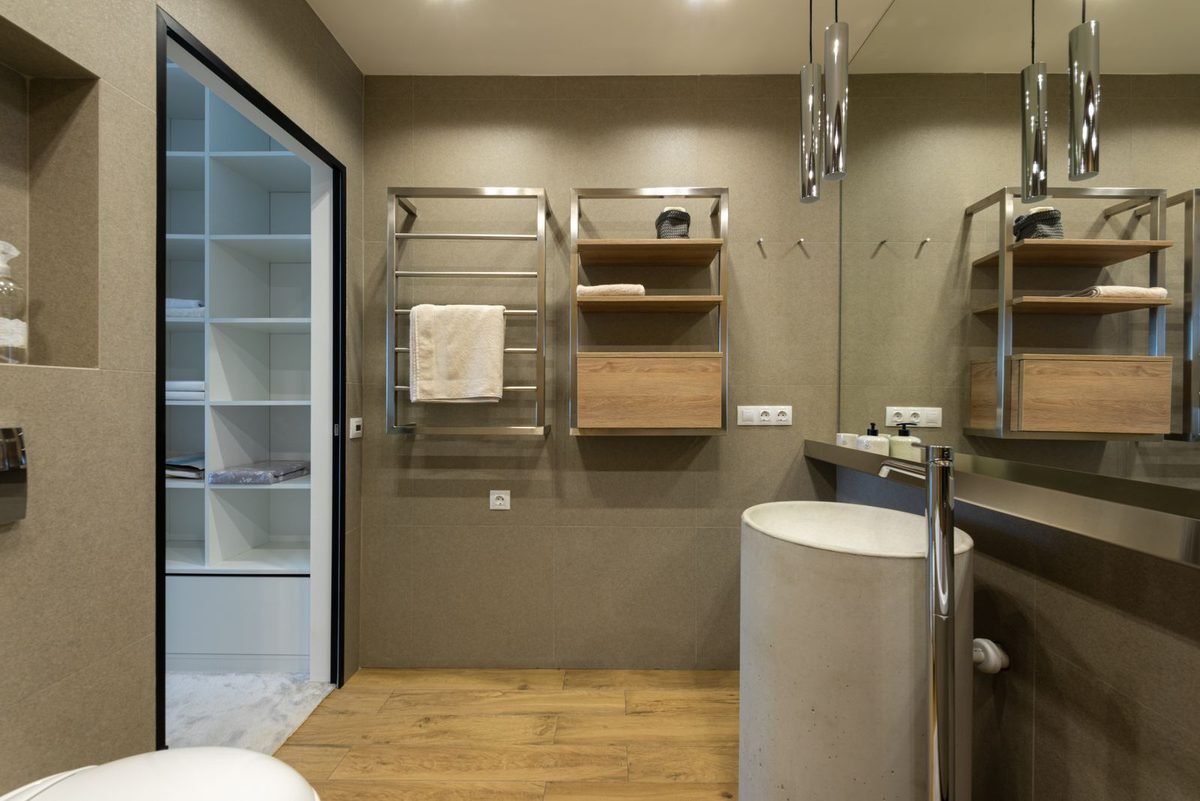
Many small apartments and older homes have a plain mirror and no medicine cabinet at all. You still have options, and most of them are renter friendly.
An over-the-toilet shelf. A freestanding shelf that straddles the toilet adds two or three shelves without drilling. Use lidded baskets so the shelf looks tidy.
A small wall cabinet on adhesive or existing hooks. If your lease allows small holes, a shallow wall cabinet beside the mirror can do the same job as a medicine cabinet. Use a stud or the right wall anchors.
A countertop caddy. A narrow tiered caddy or a tray holds daily items in a small footprint. Keep it to the items you use every day.
A drawer organizer in the vanity. If you have a vanity drawer, small dividers can hold what would normally go in a medicine cabinet.
A hanging toiletry bag. A travel-style hanging bag on the back of the bathroom door can hold skincare and small tools, and it is easy to take down when guests come.
The same rules apply: daily items at eye level, rarely used items out of the bathroom and nothing kept that you do not use.
Budget Medicine Cabinet Organizers Worth Buying
You do not need a big haul to make medicine cabinet organization ideas work. A few small pieces cover most of the jobs:
- Narrow clear bins. The single best buy. Look for 3 inches deep or less.
- A mini turntable. One per cabinet, on the shelf with the most small bottles.
- A shelf riser. Clear acrylic is easiest to keep clean.
- An adhesive magnetic strip. For tweezers, clippers and bobby pins.
- Small lidded jars. For cotton swabs, pads and balls.
- Removable labels. Masking tape and a marker count.
- A weekly pill organizer. For daily vitamins.
- A lidded storage box. For medicines and backup stock outside the bathroom.
Shop your home first. A small glass from the kitchen can hold cotton swabs. A takeout container can be a bin. A dish from the dresser can be a tray. Once you know what works, buy the version that fits best.
A simple shopping order: Start with bins, because they solve the most problems. Add a riser next if the shelves are tall, then a magnetic strip if tools are your biggest headache. Buy jars and a turntable last, once you know what is left loose. Buying in that order keeps the spend low and keeps you from filling a small medicine cabinet with organizers it does not need.
Medicine Cabinet Organization Mistakes to Avoid

A few common mistakes can undo even the best medicine cabinet organization ideas.
- Organizing before decluttering. Bins will not fix a cabinet full of expired bottles.
- Buying organizers before measuring. A bin that is half an inch too deep will keep the door from closing.
- Keeping every medicine in the bathroom. Humidity is hard on many medicines and makes old stock harder to track.
- Mixing sharp tools with everyday items. Razors and scissors should live in one known spot.
- Filling every inch. A medicine cabinet that is 100 percent full will be messy again in a week. Leave a little space.
- Ignoring the door. The back of the door is often the easiest extra storage you have.
- Skipping labels in a shared bathroom. Without labels, items wander.
- Never checking dates. Expired sunscreen and medicine do not work the way they should.
Medicine Cabinet Organization FAQ
How do you organize a small medicine cabinet?
Empty it, toss expired items safely and sort what is left by how often you use it. Daily items go at eye level, weekly items on the next shelf and rarely used items out of the bathroom. Add small clear bins, a shelf riser and a magnetic strip on the door to use every inch.
What should not be stored in a medicine cabinet?
Most medicines that say to keep them in a cool, dry place, backup stock, fragrances you want to protect and anything that should be kept away from children. A lidded box in a closet is often a better spot.
How deep is a typical medicine cabinet?
Many are about 3.5 to 4 inches deep inside, but always measure yours. Buy bins and risers that are a little shallower than the shelf so the door closes easily.
How often should I clean out my medicine cabinet?
Do a quick five-minute check once a month and a full empty-and-wipe twice a year. Spring and fall are easy times to remember.
Is it safe to keep vitamins in the bathroom?
Many supplement labels ask you to store them in a cool, dry place, so a kitchen cabinet away from the stove or a bedroom closet may be better. A small weekly pill organizer can stay in the bathroom if you prefer.
How do I organize a medicine cabinet in a rental?
Use freestanding bins, risers and turntables, plus adhesive hooks and strips that come off clean. Avoid drilling or replacing shelves without permission.
How do I keep the medicine cabinet organized with kids in the house?
Keep any medicine, sharp tools and small batteries out of their reach, ideally in a locked box outside the bathroom. Put kid-friendly items, such as their toothpaste, on a low and clearly labeled shelf.
Final Thoughts
The best medicine cabinet organization ideas are simple: empty the cabinet, check every date, keep only what you use and give each shelf one clear job. Daily items at eye level, sharp tools on the door and backup stock out of the bathroom.
Pick two ideas to try this week. Small clear bins and a magnetic strip are quick wins. Add a turntable, a riser and labels as you go, and do a five-minute reset at the start of each month.
A tidy medicine cabinet is a small project, but it changes every morning. Once it is done, look at the rest of the room with our bathroom counter organization ideas and under bathroom sink organization ideas, and the whole small bathroom will feel easier to use.
Save this guide for your next bathroom reset, and share it with anyone whose medicine cabinet door will not close.