20 Small Apartment Kitchen Organization Ideas (No Drilling)
Disclosure: This post contains affiliate links. As an Amazon Associate I earn from qualifying purchases. If you buy through these links, I may earn a small commission at no extra cost to you. Read our full disclaimer.
Small apartment kitchen organization is a special kind of puzzle. You have fewer cabinets than you need, almost no counter space, a landlord who doesn’t want holes in the walls, and a security deposit you’d really like to get back. Most “dream kitchen” ideas online assume you can install open shelves, swap the hardware or build a pantry wall. In a rental, you usually can’t.
The good news is that you don’t need to renovate to get a calm, working kitchen. Every idea in this guide is renter-friendly, which means no drilling, no painting and nothing you can’t take with you when you move. Most of them cost less than $30, and many use things you already own.
We’ve grouped the 20 ideas by zone: cabinets, counters, walls, pantry and fridge, and the sink. Start with the zone that bothers you most, and you’ll feel the difference in your apartment kitchen within a single afternoon. If you’re working with an especially tight budget, our small kitchen organization ideas on a budget pair perfectly with this list.
Quick answer: The best small apartment kitchen organization ideas are shelf risers and bins inside cabinets, a single tray-based coffee station, only daily-use appliances on the counter, adhesive or tension-rod rails instead of drilled shelves, clear labeled containers for dry goods, a zoned fridge and a caddy for sink supplies. Everything should be removable, so you leave the apartment exactly as you found it.
The 20 ideas at a glance:
- Cabinets and shelves: 1. Add shelf risers, 2. Corral loose items in bins, 3. Give pots and pans one home, 4. Use awkward corners, 5. Use the oven door for towels
- Counters: 6. Build one coffee station, 7. Keep only daily appliances out, 8. Choose compact appliances, 9. Pick a dish rack that fits, 10. Store cutting boards upright
- Walls without drilling: 11. Hang a rail for utensils, 12. Hang produce and bags on S-hooks, 13. Put everyday dishes on open shelves
- Pantry and fridge: 14. Decant dry goods, 15. Label everything, 16. Line jars up in rows, 17. Zone the fridge door, 18. Keep produce in baskets
- Sink zone: 19. Use a caddy for soap and sponges, 20. Store cleaning supplies together
Why Small Apartment Kitchen Organization Feels So Hard
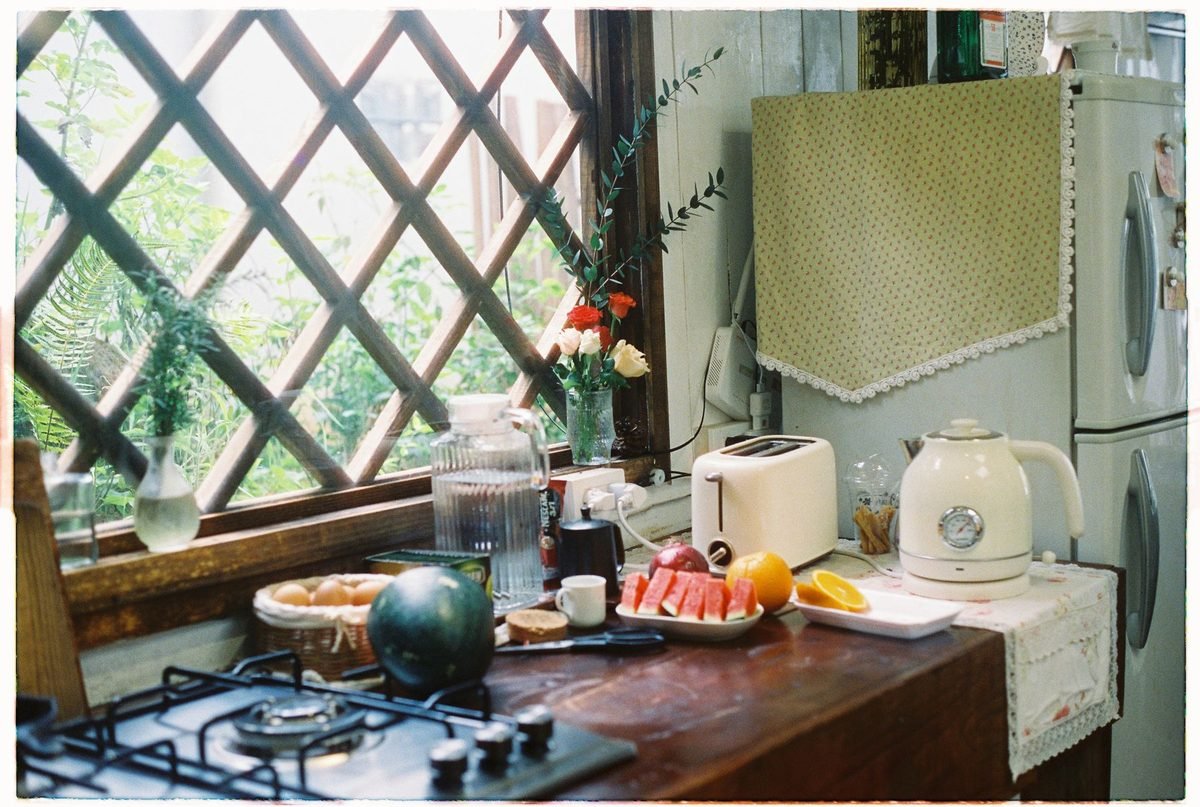
If your apartment kitchen always looks messy no matter how often you clean it, it’s not a personal failing. Small apartment kitchens are designed to look good in a listing photo, not to hold a real person’s stuff.
There’s less storage than you need. Many apartment kitchens have six to eight cabinets and two or three drawers. One of those drawers is usually full of takeout menus and batteries, and the cabinet under the sink is half pipes.
The counters do every job. In a small apartment kitchen, the same two feet of counter is your prep area, your coffee bar, your mail drop and your landing zone for groceries. When everything shares one surface, clutter piles up fast.
You can’t change the layout. Homeowners solve storage problems with new shelving, extra cabinets or a pantry. Renters work with the cabinets they get, which often have one fixed shelf and a lot of wasted height.
Lease rules limit your options. Most leases forbid drilling, painting or adhesive that peels paint. That rules out a lot of popular kitchen organization hacks.
Your kitchen is also your hallway. In many apartments, the kitchen is open to the living room, so clutter is on display all day.
The fix isn’t more storage. It’s smarter storage that uses the height of every cabinet, keeps counters for daily tasks only and adds removable organizers wherever the walls are off-limits.
Renter Rules for Small Apartment Kitchen Organization

Before you buy a single organizer, take ten minutes to set yourself up for success. These rules will save you money and protect your deposit.
Read your lease. Look for clauses about nails, screws, adhesive hooks and “alterations.” Some landlords are fine with small nail holes, while others charge for every mark. If the lease is vague, send a short email and get permission in writing.
Test adhesive products first. Removable hooks and strips work on most smooth surfaces, but they can lift paint on fresh or textured walls. Test one hook in an inconspicuous spot for a week before you hang anything heavy.
Measure everything. Write down the height, width and depth of each cabinet, the space between your counter and upper cabinets, the gap beside the fridge and the area under the sink. Bring these numbers with you when you shop. A small tape measure and a notes app are all you need.
Take “before” photos. Photograph the kitchen on move-in day and again before you add organizers. Those photos are useful if there’s ever a question about damage when you move out.
Declutter first, then organize. Pull out duplicates, broken tools and gadgets you haven’t used in a year. Organizing fewer things is always easier. Our renter-friendly kitchen upgrades guide has more ideas for changes you can make without losing your deposit.
Cabinet and Shelf Ideas for a Small Apartment Kitchen
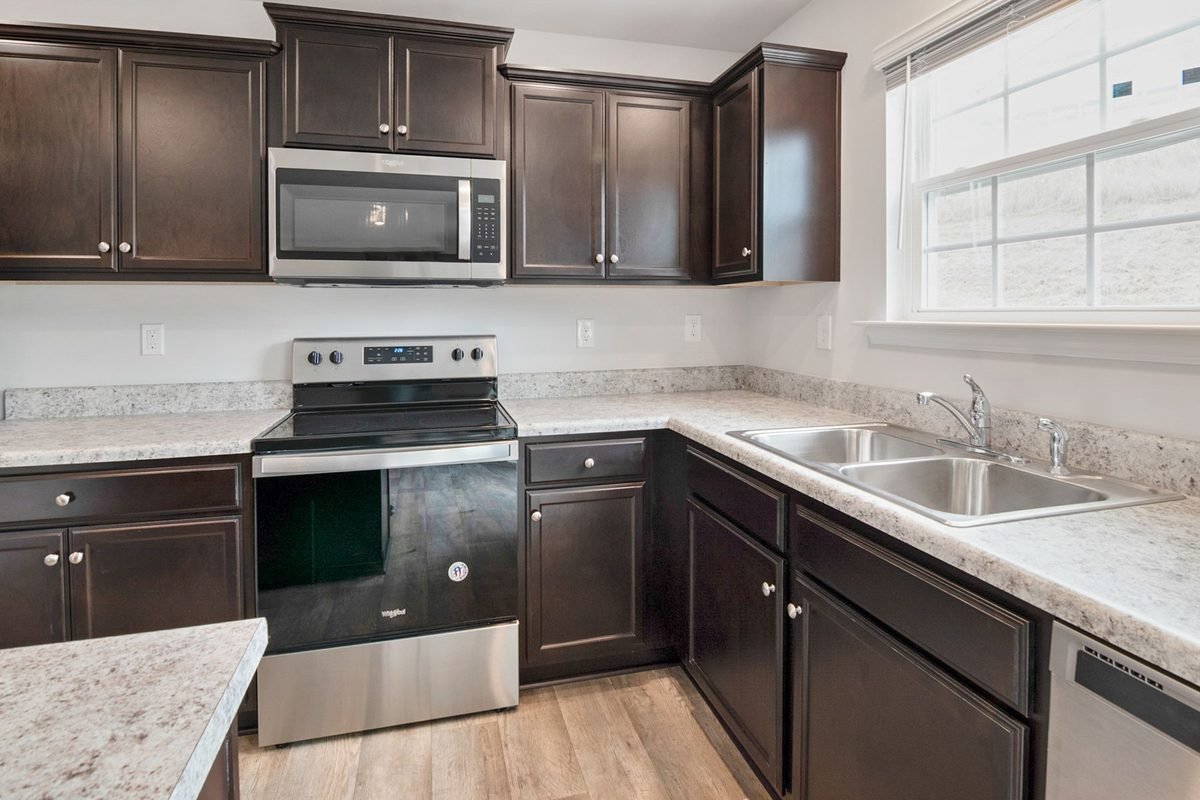
Cabinets are where most of your kitchen storage lives, and they’re usually the most wasteful part of a small apartment kitchen. A typical upper cabinet has one shelf and 10 or more inches of empty air above each stack of plates. Lower cabinets are deep and dark, so things get pushed to the back and forgotten.
These five ideas help you use the full height and depth of every cabinet without any tools.
1. Add Shelf Risers to Double Your Cabinet Space
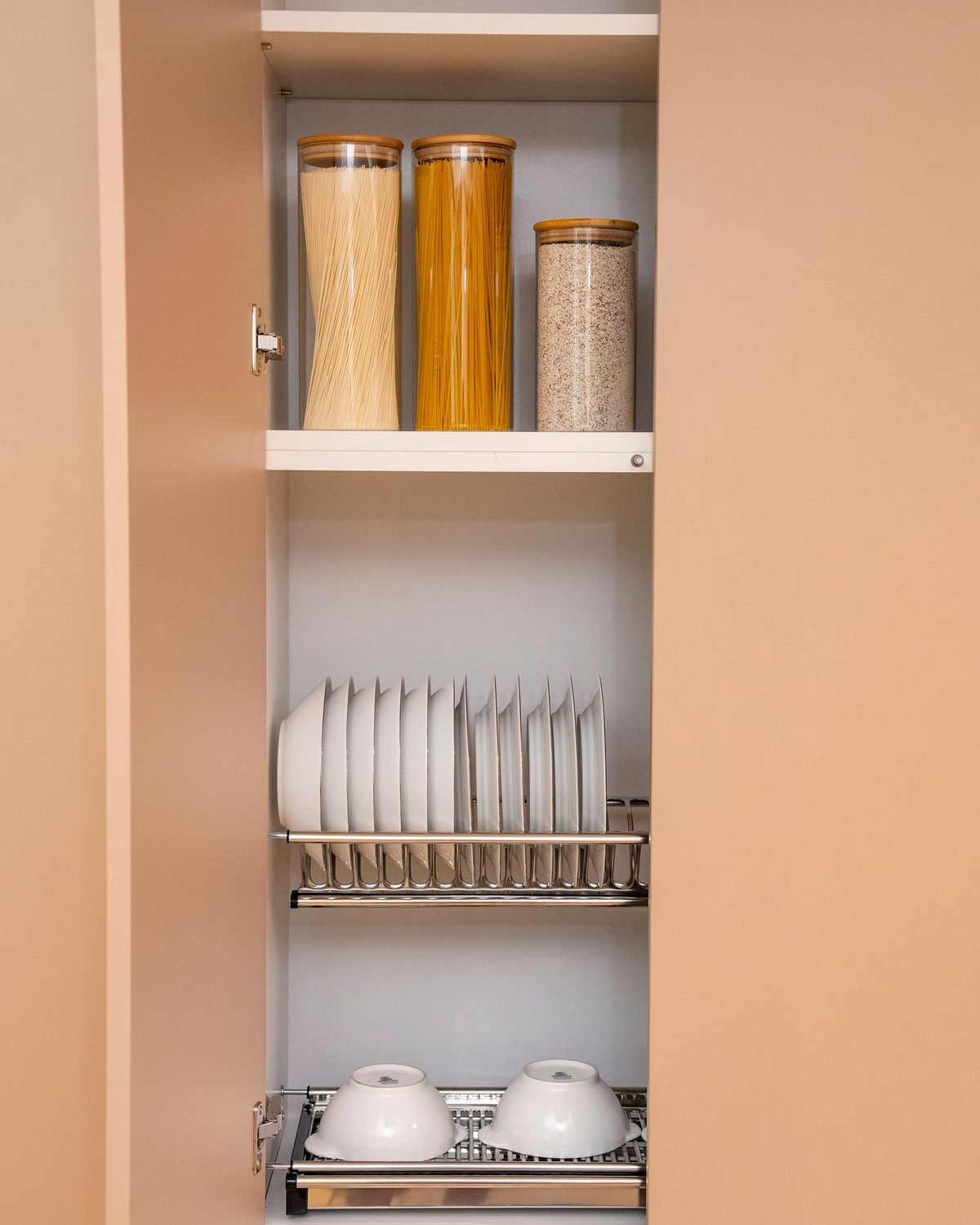
Shelf risers are the single most useful organizer for a small apartment kitchen. They’re simple metal or wood platforms that sit on an existing shelf and create a second level. Plates go on the bottom, and bowls or mugs go on top. Suddenly, one shelf holds twice as much.
Measure the shelf depth and the height between shelves before you buy. Choose risers that leave at least two inches of clearance above the top stack, so you can lift dishes out easily.
- Use expandable shelf risers to fit odd-sized cabinets.
- Store plates vertically in a vertical plate rack if your cabinet is tall but shallow.
- Keep the heaviest dishes on the lower level for safety.
Renter tip: Risers are freestanding, so there’s nothing to install and nothing to remove when you move.
2. Corral Loose Items in Bins and Baskets
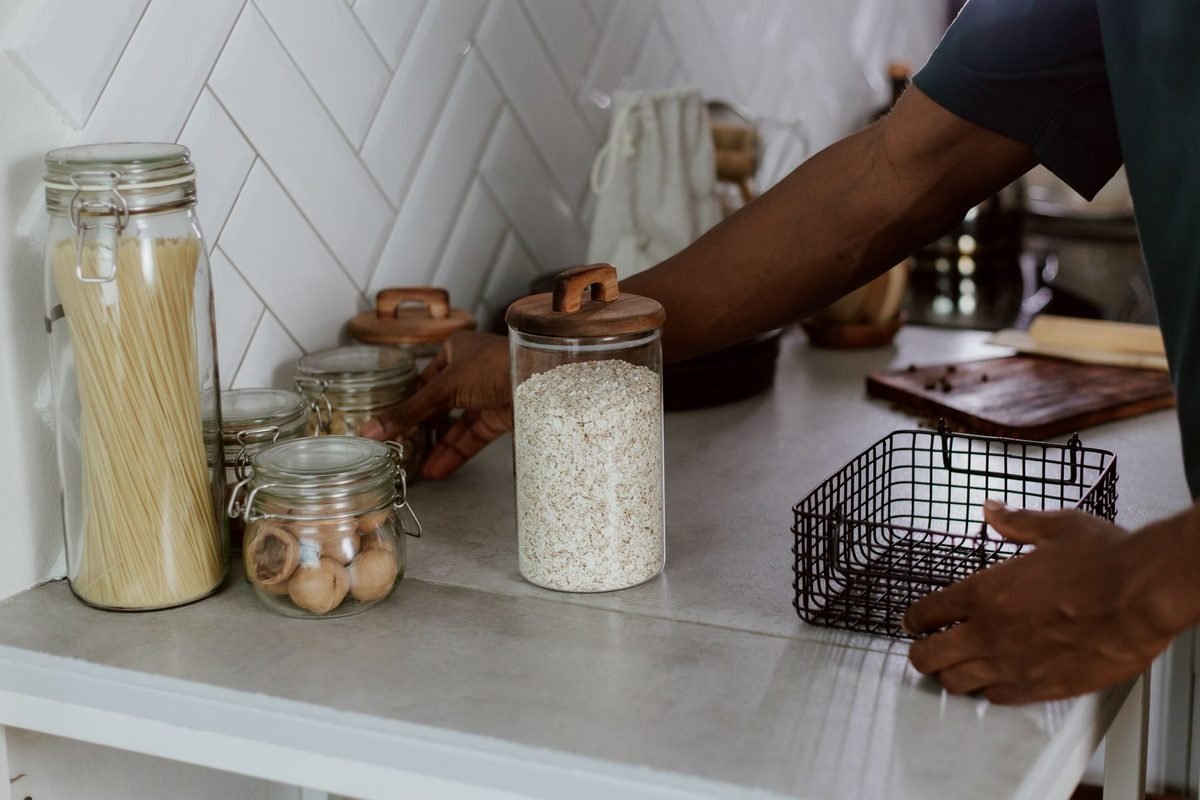
Loose items are the enemy of small apartment kitchen organization. Packets, small jars, snack bags and baking supplies slide around and fall over the moment you reach for something else. Bins turn a messy cabinet into a set of neat drawers.
Pick bins that are the full depth of the cabinet, so you can pull the whole bin forward like a drawer and see what’s at the back. Group items by use: one bin for baking, one for sauces and packets, one for snacks.
Clear bins with handles are best for cabinets because you can see what’s inside. Wire baskets are great for produce and items that need airflow.
3. Give Pots and Pans One Dedicated Cabinet
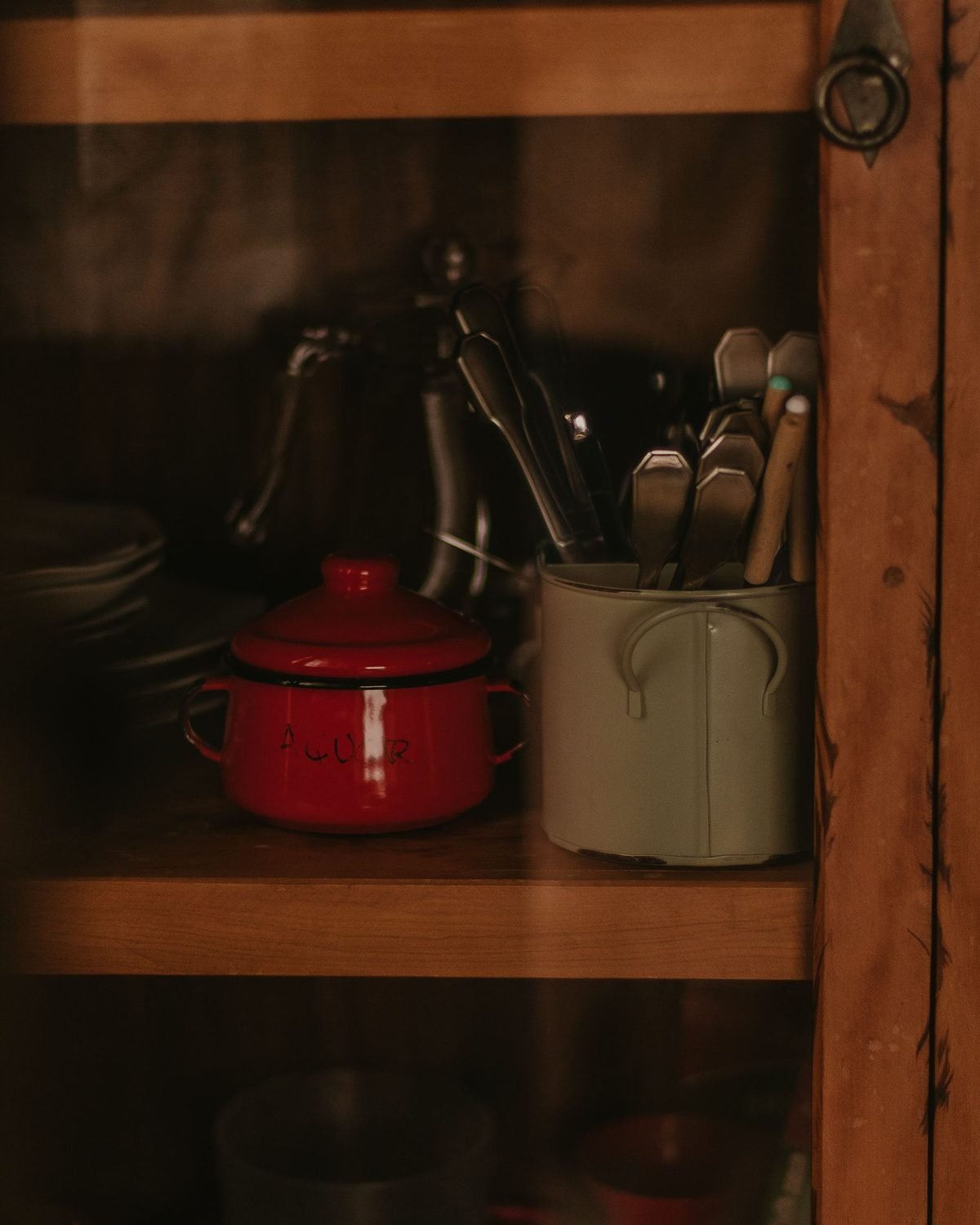
Pots and pans are bulky, and when they’re spread across three cabinets, every cabinet looks messy. Pick the lowest, deepest cabinet near the stove and make it the only home for cookware.
Nest pans by size, and put a paper towel or felt pan protector between nonstick pans to prevent scratches. Store lids separately in a lid organizer that stands inside the cabinet, so they don’t slide off the stack.
If you own more cookware than fits in one cabinet, it’s a sign to declutter. Most people cook with the same three or four pans every week.
4. Turn Awkward Corners Into Storage
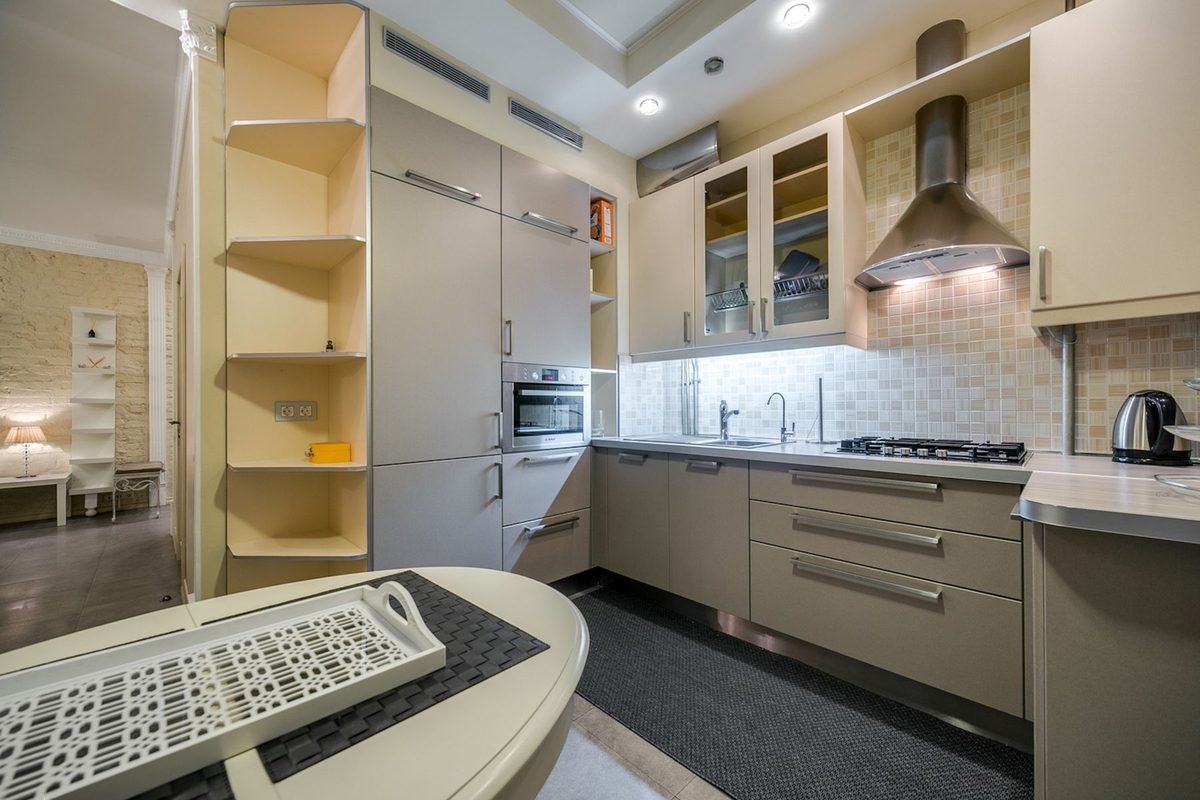
Every small apartment kitchen has at least one dead corner: the end of a counter, the gap between the fridge and the wall, or the blind corner cabinet you can never reach into. These spots add up to a surprising amount of space.
A freestanding corner counter shelf turns the back corner of your counter into two or three levels of storage for oils, spices or mugs. For blind corner cabinets, a turntable lets you spin items into view instead of crawling into the cabinet to reach them.
Look for gaps beside the fridge, too. A slim rolling cart that’s only five or six inches wide can slide into that gap and hold cans, spices and wraps.
5. Use the Oven Door Handle for Towels
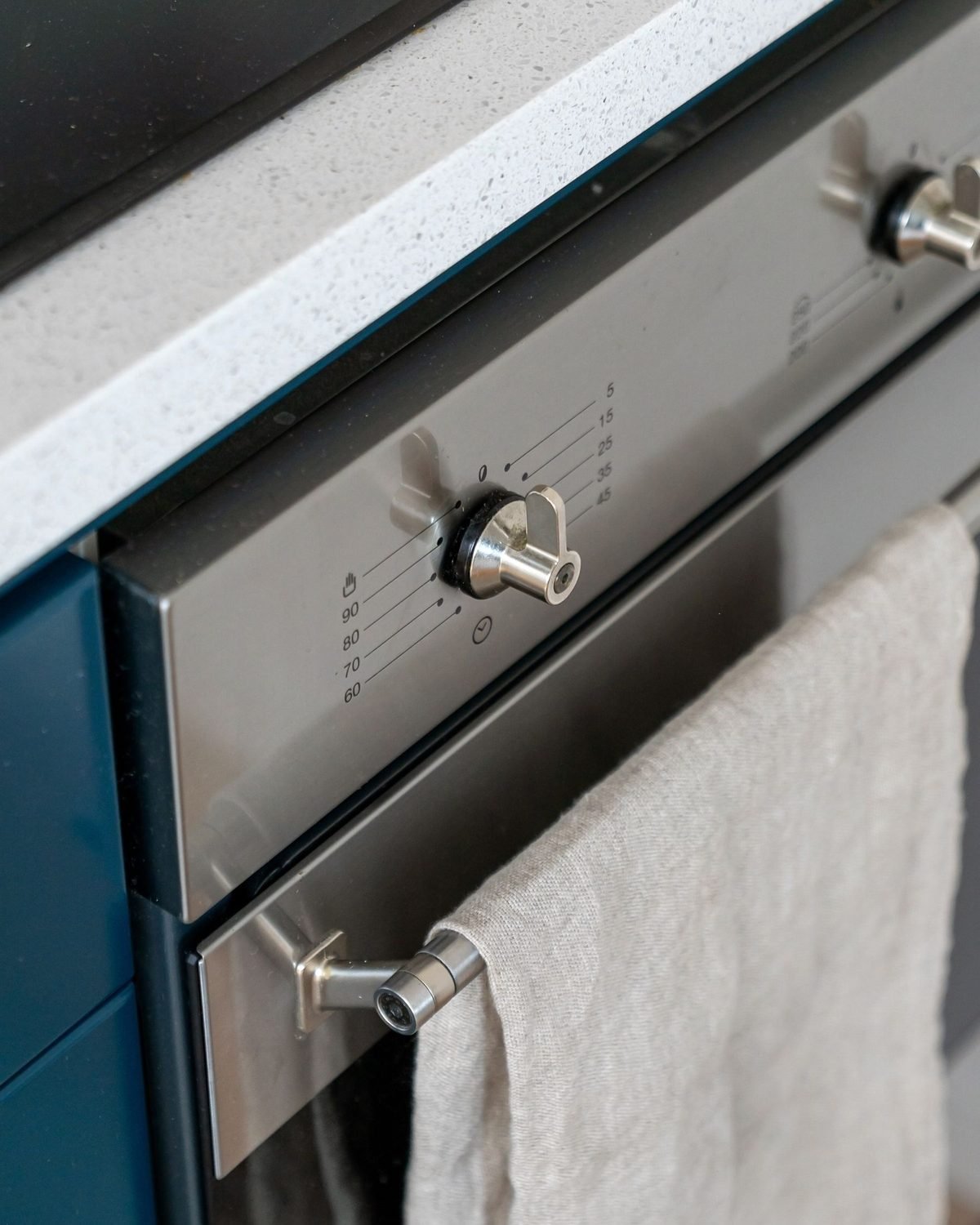
Small apartment kitchens rarely have a good spot for dish towels. Instead of draping them over the faucet or tossing them on the counter, hang them on the oven door handle. It keeps them handy, it lets them dry and it adds a little color.
For even more storage, use over-the-cabinet-door hooks. They slip over the top of a cabinet door with no tools and can hold towels, oven mitts or a small trash bag. Check that the cabinet door still closes fully before you hang anything.
Keep only two or three towels out at a time. The rest can go in a drawer or a small basket.
Countertop Ideas That Keep a Small Apartment Kitchen Clear
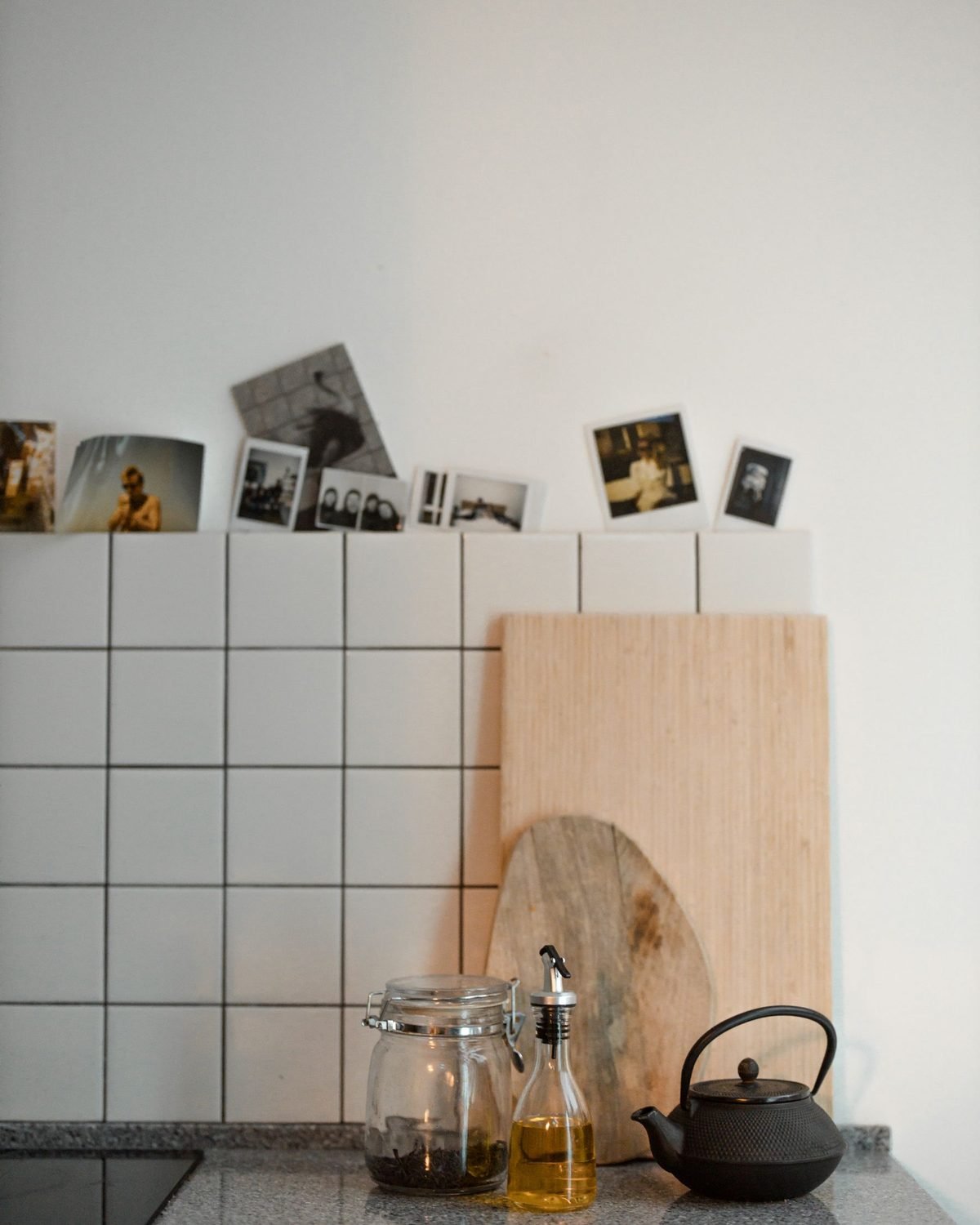
Counter space is the most valuable real estate in a small apartment kitchen. A clear counter makes cooking easier and makes the whole room look bigger. A cluttered one makes even simple meals feel like work.
The rule is simple: only things you use every day earn a spot on the counter. Everything else goes into a cabinet, onto a wall or out of the kitchen entirely.
6. Build One Coffee Station Instead of Three
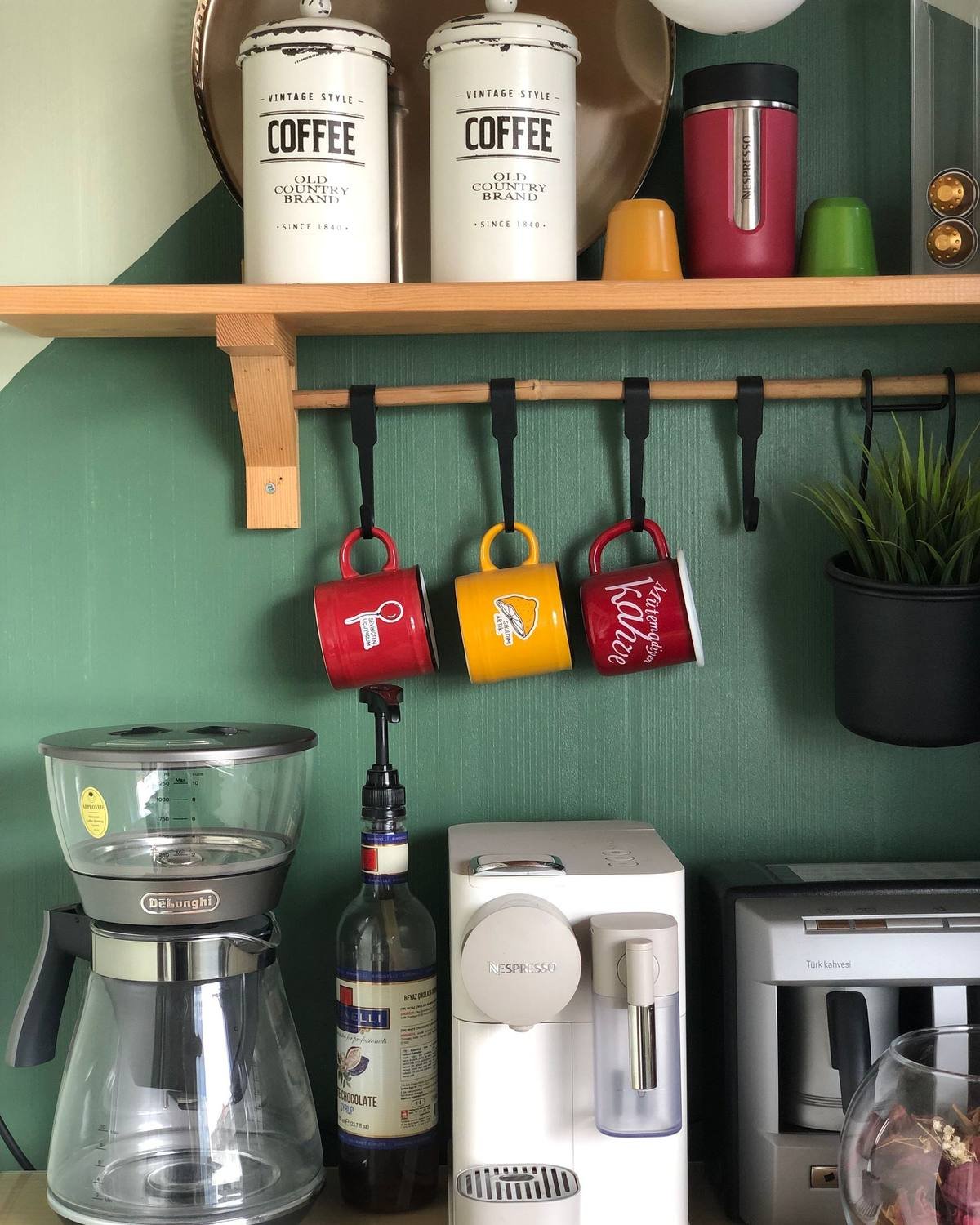
Coffee gear tends to spread. The machine is in one corner, the mugs are in a cabinet across the room, the sugar is on the counter and the filters are in a drawer. Pulling it all into one station frees up counter space and makes your morning routine faster.
Choose one spot near an outlet and gather everything there: the coffee maker, beans, filters, sugar, spoons and a few mugs. Hang mugs on clip-on under-shelf mug hooks that slide onto an existing cabinet shelf. A wooden tray underneath defines the zone and makes cleanup easy.
If you have a tiny counter, use a two-tier coffee organizer to stack pods and mugs vertically.
7. Keep Only Daily Appliances on the Counter
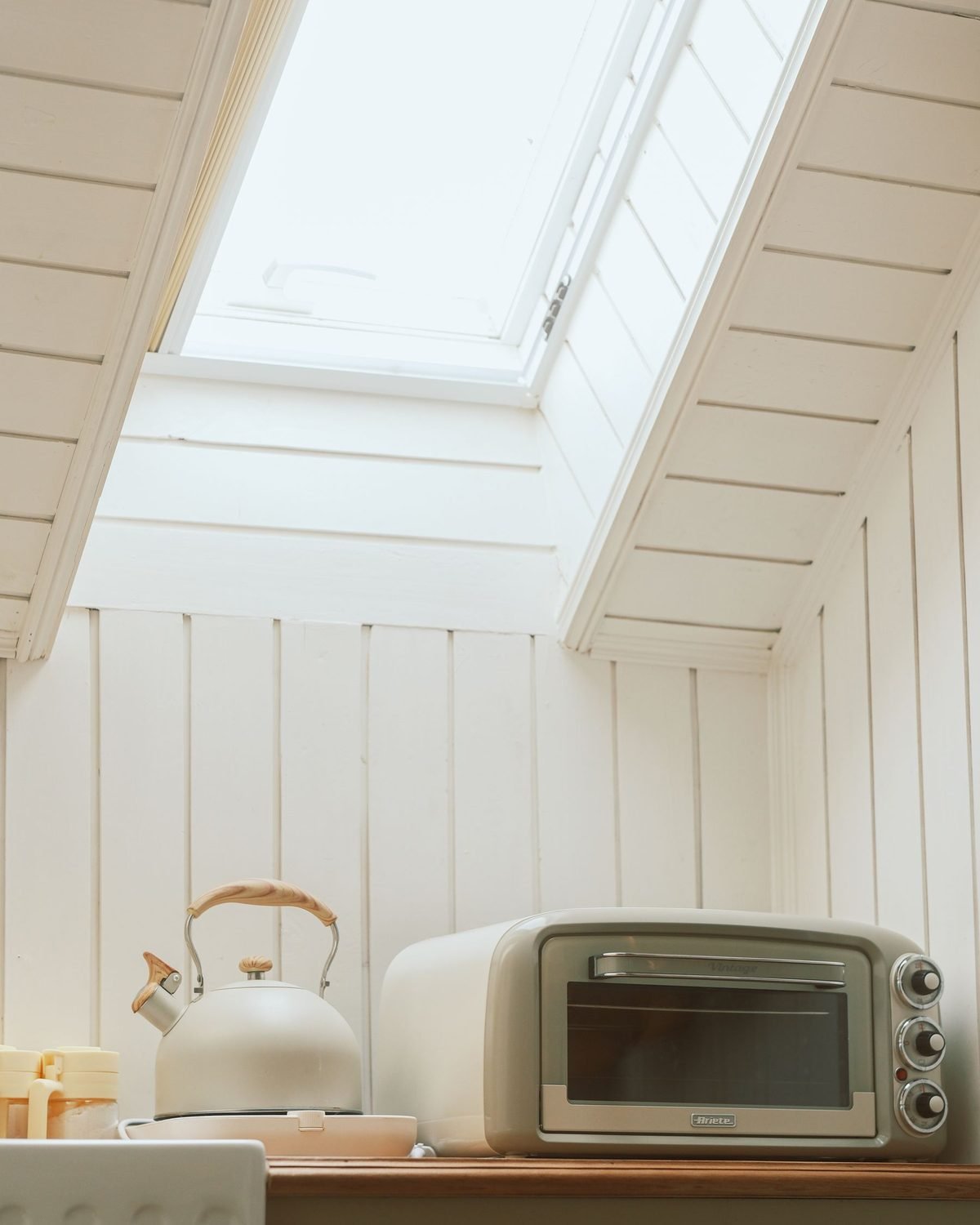
The toaster you use once a month, the stand mixer you use at Christmas and the air fryer you bought on sale don’t all need to live on the counter. Each appliance takes up a footprint you could use for prep.
Make a list of the appliances you use at least four times a week. Those get counter space. The rest go into a high cabinet, the top of the fridge or a closet outside the kitchen.
Hide cords with a cord wrap so the appliances that stay out look neat. A clear counter with just a kettle and a toaster oven feels twice as big as a counter with six gadgets on it.
8. Choose Compact, Multi-Use Appliances
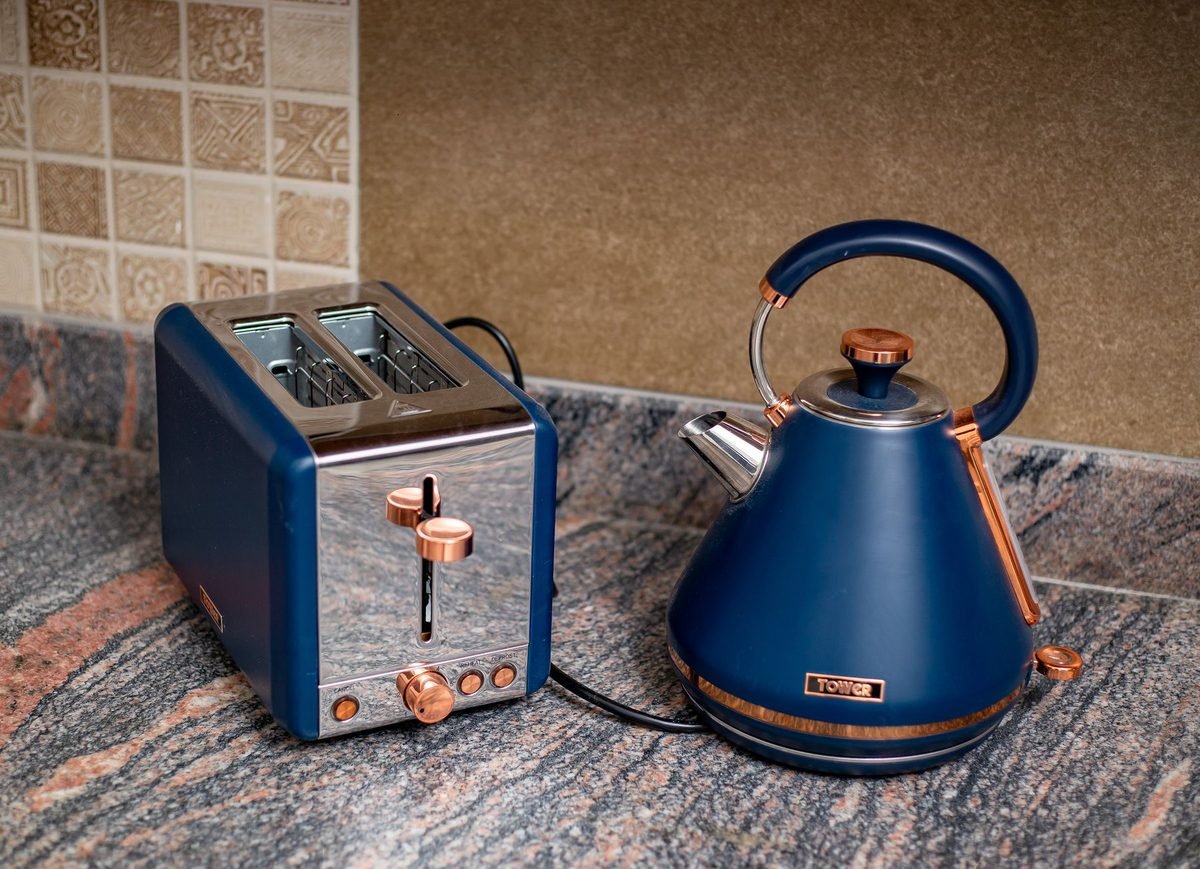
When your appliances wear out, replace them with smaller versions. A compact two-slice toaster, a slim electric kettle and a mini food processor take up far less room than their full-size cousins.
Multi-use appliances are even better for a small apartment kitchen. A toaster oven can replace a toaster and handle small baking jobs. A multicooker can replace a slow cooker, a rice cooker and a pressure cooker.
Before you buy, measure the counter depth and the height under your upper cabinets. Many appliances need a few inches of clearance for steam and heat.
9. Pick a Dish Rack That Fits Your Space
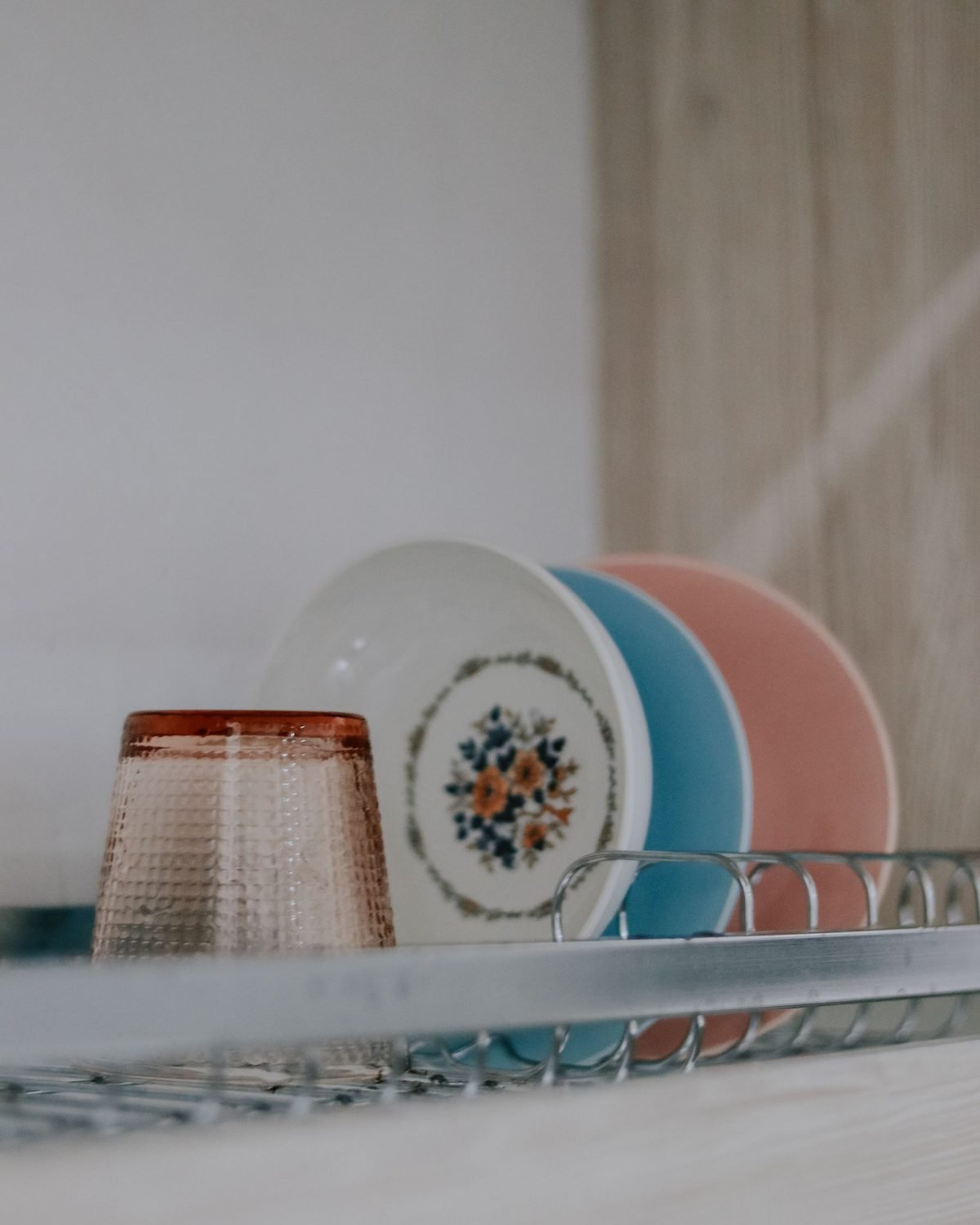
A full-size dish rack can eat a quarter of your counter. If you don’t have a dishwasher, you need one, but it doesn’t have to be huge.
Try a over-the-sink dish rack that stands over the sink and uses space you weren’t using anyway. If your sink is too small, a roll-up drying rack sits across the basin and rolls away when you’re done.
A collapsible dish rack is another smart pick. Unfold it after dinner, and fold it into a drawer once the dishes are dry.
10. Store Cutting Boards Upright
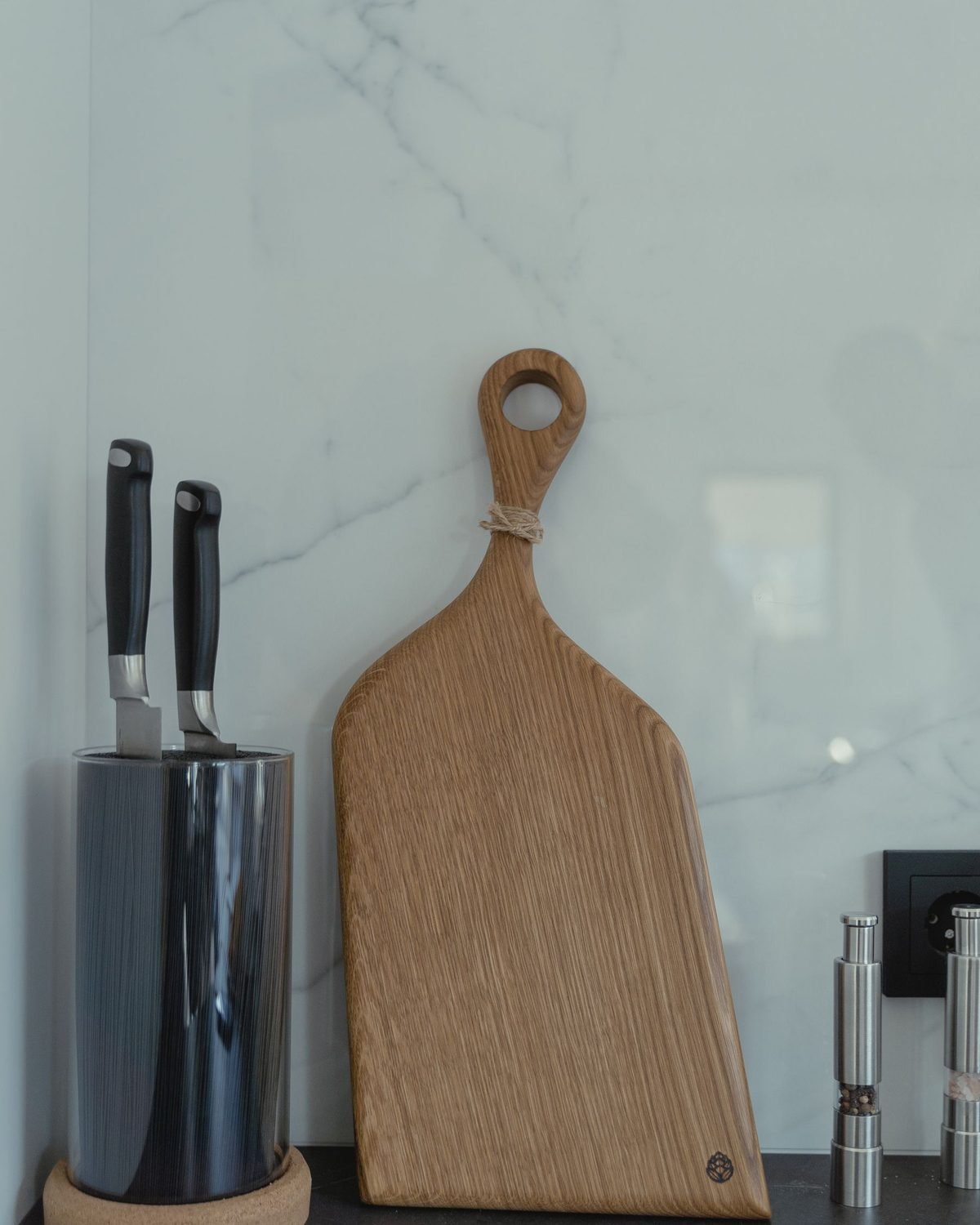
Cutting boards stacked flat in a cabinet are hard to pull out and easy to forget. Store them upright instead, either leaning against the backsplash or in a cutting board rack inside a cabinet.
A good-looking wooden board standing behind the stove works as decor and keeps your most-used board within reach. Pair it with a compact knife block so your knives are protected and off the counter.
If you have more than three cutting boards, keep your favorite two and donate the rest.
Wall Storage Without Drilling
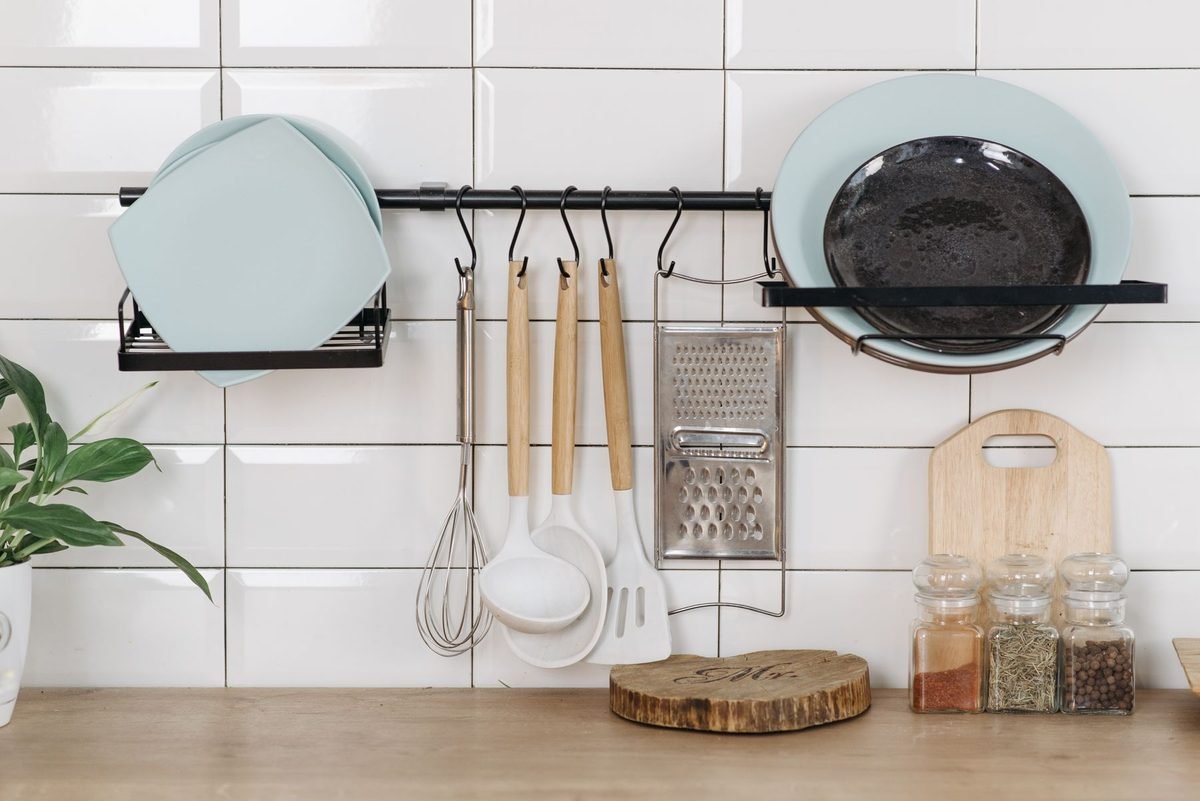
Walls are the most underused storage space in any small apartment kitchen. Renters often skip them because they assume walls need screws. They don’t. Adhesive hooks, tension rods, magnetic strips and freestanding furniture all add vertical storage without a single hole.
Always check weight limits and test adhesive products before you trust them with anything breakable.
11. Hang a Rail for Utensils
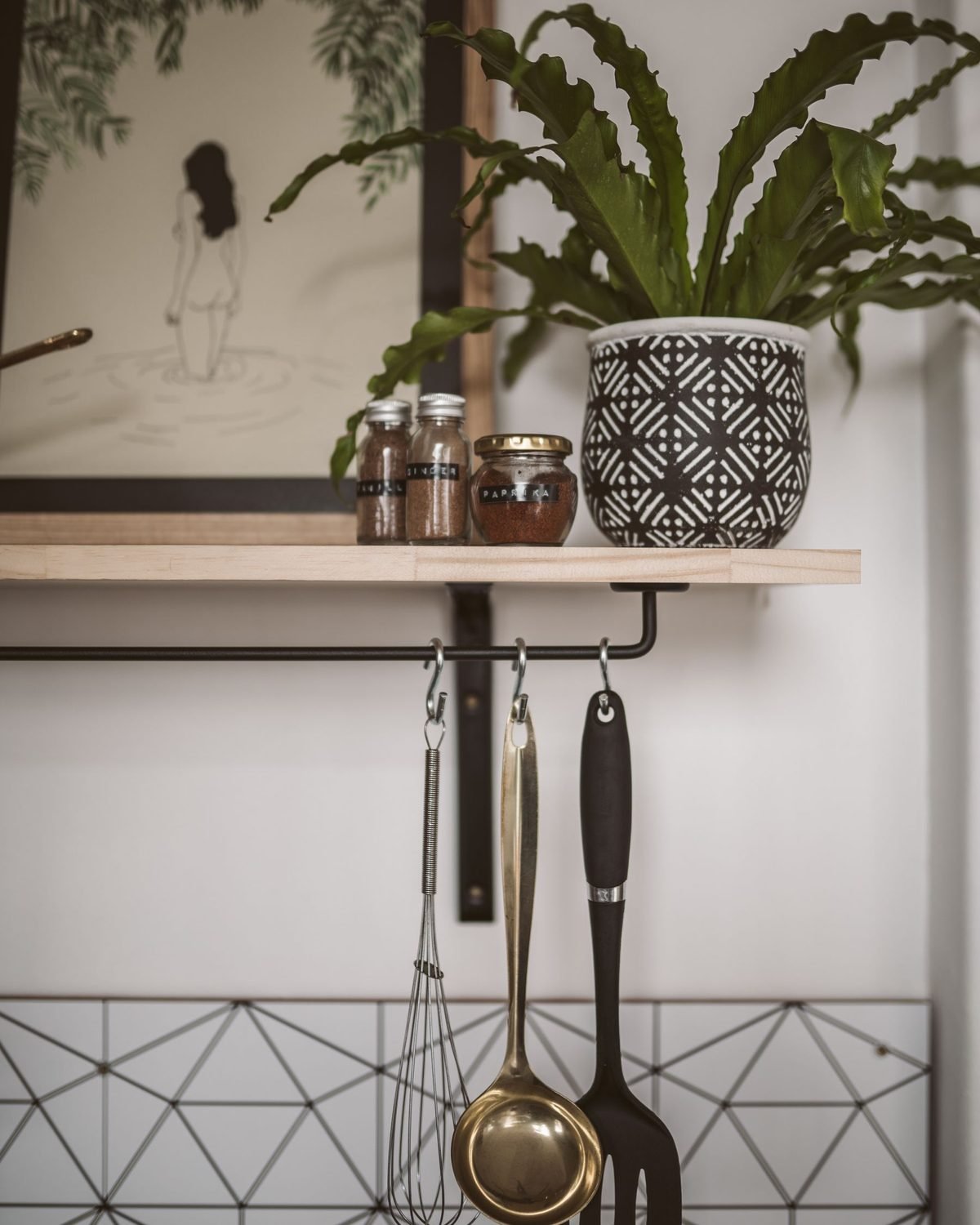
A rail with S-hooks moves your most-used utensils out of a crowded drawer and onto the wall, right where you cook. Spatulas, ladles, whisks and tongs all hang within reach.
For a renter-friendly version, use an adhesive utensil rail, or hang S-hooks from a tension rod wedged between two upper cabinets. If your landlord allows small screws, a classic rail is easy to patch when you move.
Keep the rail near the stove and limit it to six or seven tools. A rail that holds everything looks just as cluttered as a stuffed drawer.
12. Hang Produce and Bags on S-Hooks
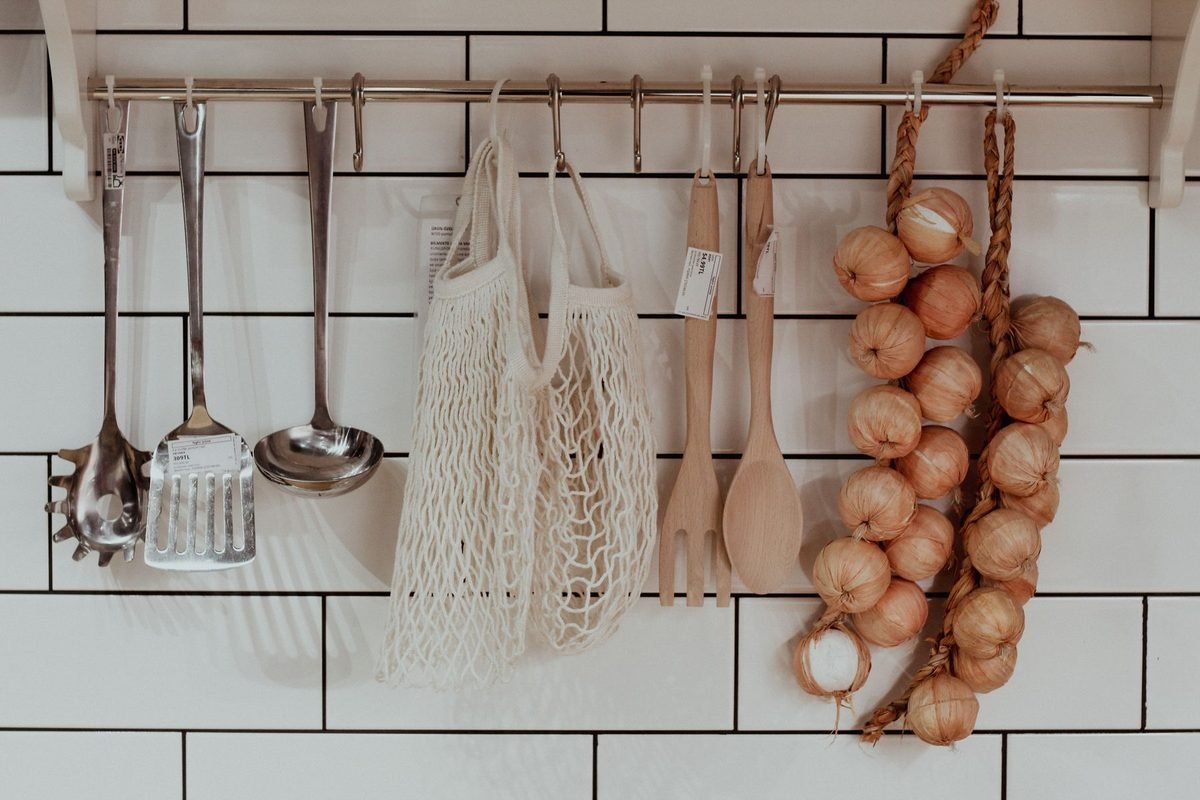
S-hooks aren’t just for utensils. Hang onions and garlic in mesh bags, reusable shopping bags and even a small basket of fruit from the same rail. It frees up counter space and keeps produce visible, so it gets eaten before it goes bad.
Mesh produce bags let air flow around onions, potatoes and garlic, which helps them last longer. Keep them out of direct sunlight and away from the stove.
This works especially well in a small apartment kitchen with no pantry, because it creates a mini produce station on the wall.
13. Put Everyday Dishes on Open Shelves
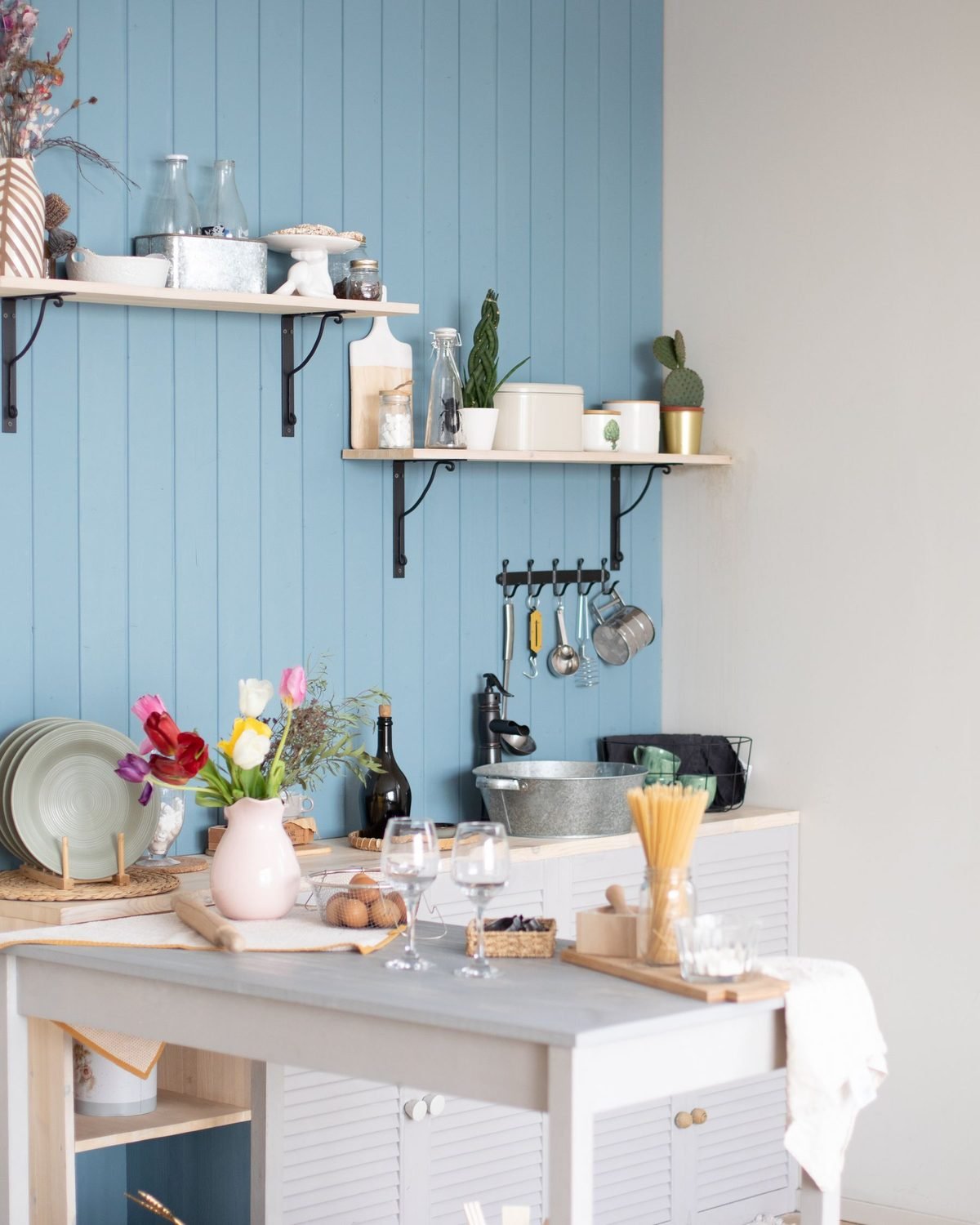
If your rental already has open shelves, or your landlord allows a couple of small screws, open shelving can make a small apartment kitchen feel bigger than closed cabinets. It also forces you to keep things tidy, because everything is on display.
Store only the dishes you use every day on open shelves: a stack of plates, a few bowls, glasses and mugs. Stick to one or two colors so the shelves look calm instead of busy.
No shelves? A freestanding baker’s rack gives you the same open storage with no installation. Anchor tall pieces to protect kids and pets, following the tip-over safety advice from Anchor It, and ask your landlord before using a small anchor screw.
Pantry and Fridge Ideas for Small Apartment Kitchen Organization
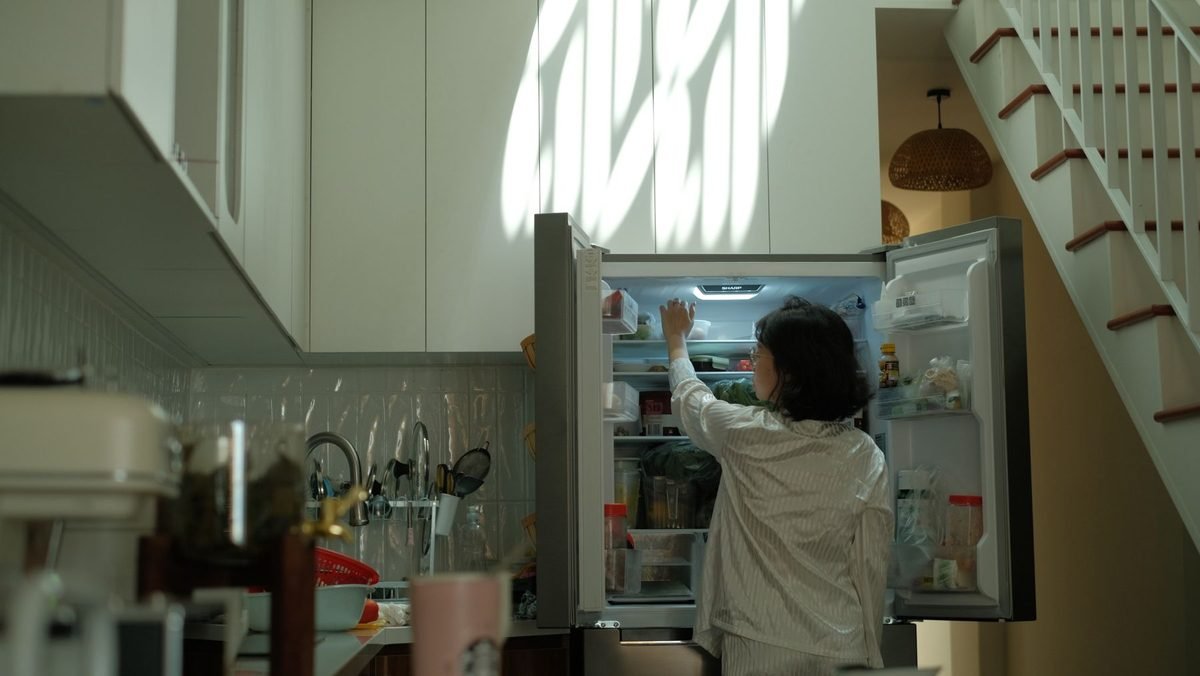
Food storage is where small apartment kitchen organization pays off the most. When you can see what you have, you waste less food, buy fewer duplicates and spend less time hunting for things.
Most apartments don’t have a pantry, so your apartment kitchen “pantry” is probably a cabinet or two. These ideas make every inch of that space work harder.
14. Decant Dry Goods Into Clear Containers
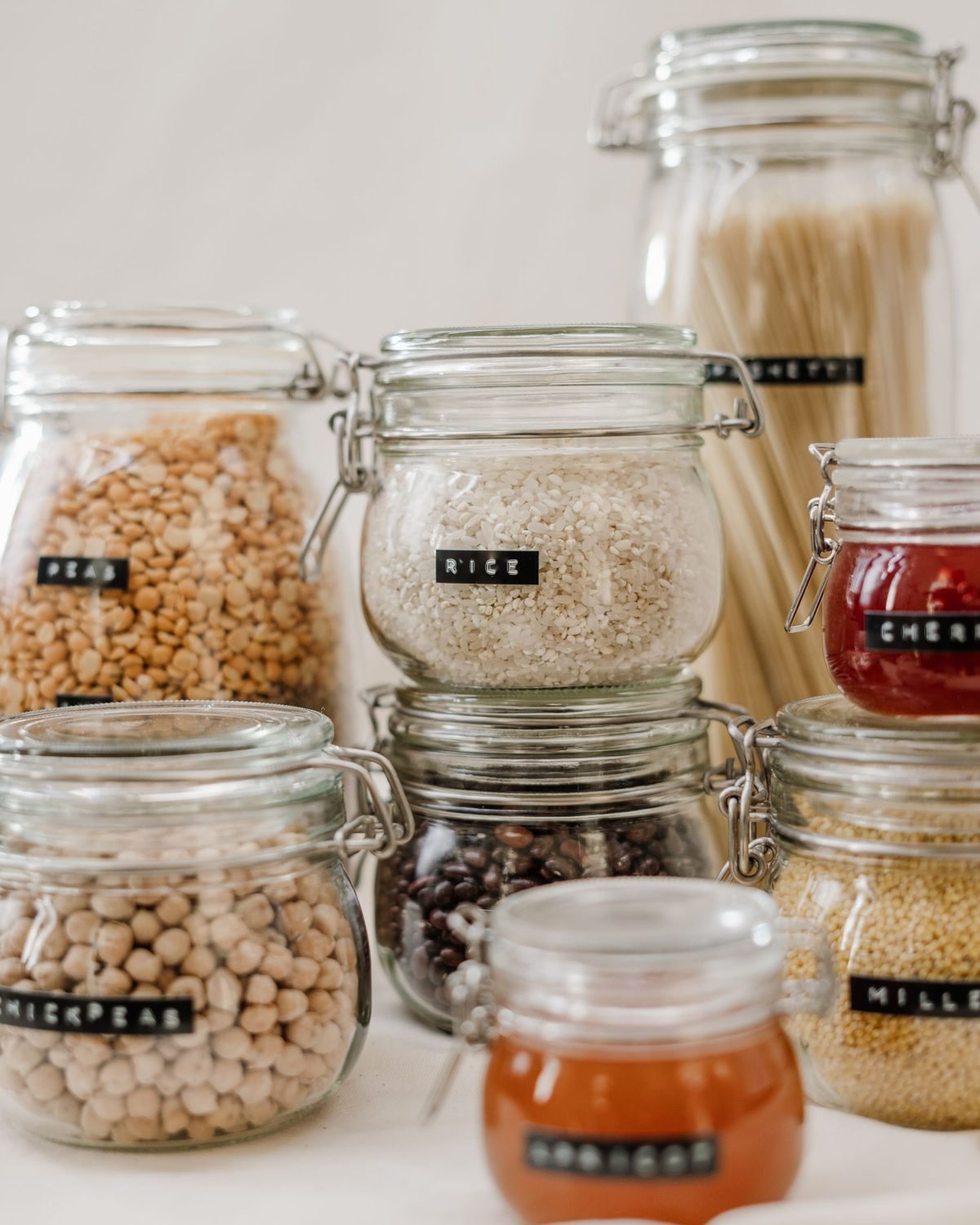
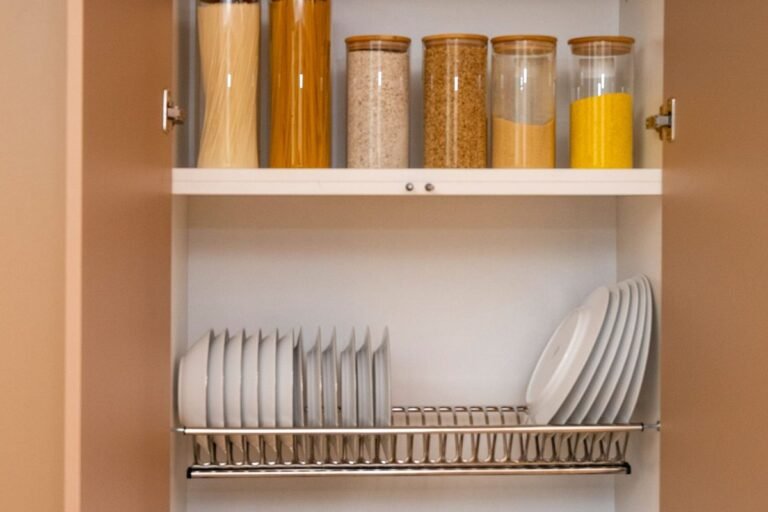
Cereal boxes, half-empty bags of rice and crumpled pasta packets waste space and spill easily. Decanting them into clear, square containers fixes both problems. Square containers fit together without gaps, so you fit more in the same cabinet.
Start with the foods you use most: rice, pasta, cereal, oats, flour and sugar. Choose airtight containers that stack, and check that they fit the height of your cabinet shelves.
You don’t have to decant everything. Even five or six containers make a big difference in a small apartment kitchen.
15. Label Everything
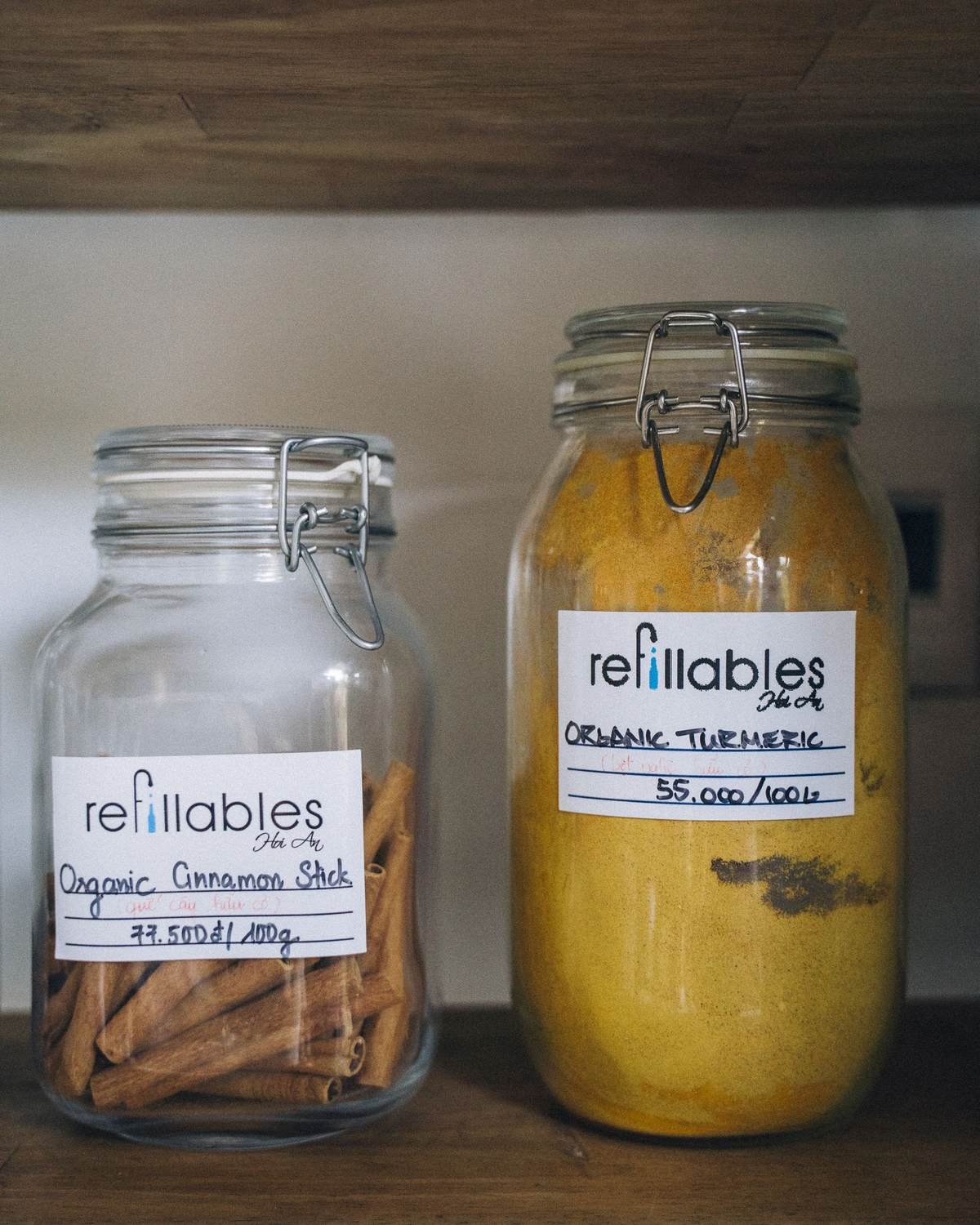
Labels are what keep a small apartment kitchen organized after the first week. When every container and bin has a name, everyone in your home knows where things go back, not just you.
A label maker looks the cleanest, but chalkboard labels work great for containers that change contents. Add the expiration date on a small piece of tape on the bottom of each container.
Label bins and shelves too: “Baking,” “Snacks,” “Breakfast” and “Sauces.” It takes ten minutes and saves you hours of searching later.
16. Line Jars Up in Rows You Can Read
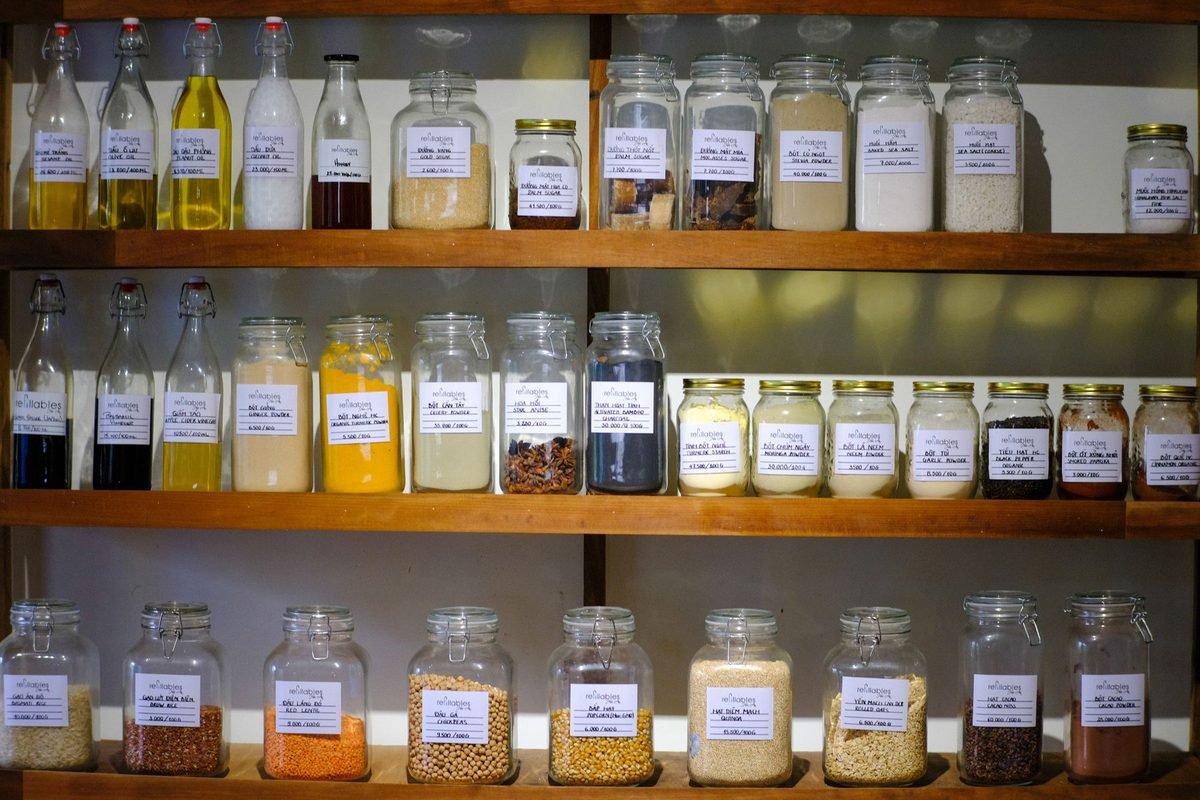
Deep cabinets swallow small jars. Spices and sauces get pushed to the back, and you end up buying a third jar of paprika. The fix is to line jars up in rows where every label is visible.
Use a tiered spice rack so the back row sits higher than the front. For deep corner cabinets, a lazy Susan turntable lets you spin the back jars to the front.
Group jars by type, like baking spices, savory spices and oils, and alphabetize them if you cook a lot. It sounds fussy, but it makes cooking faster.
17. Zone the Fridge Door for Drinks and Condiments
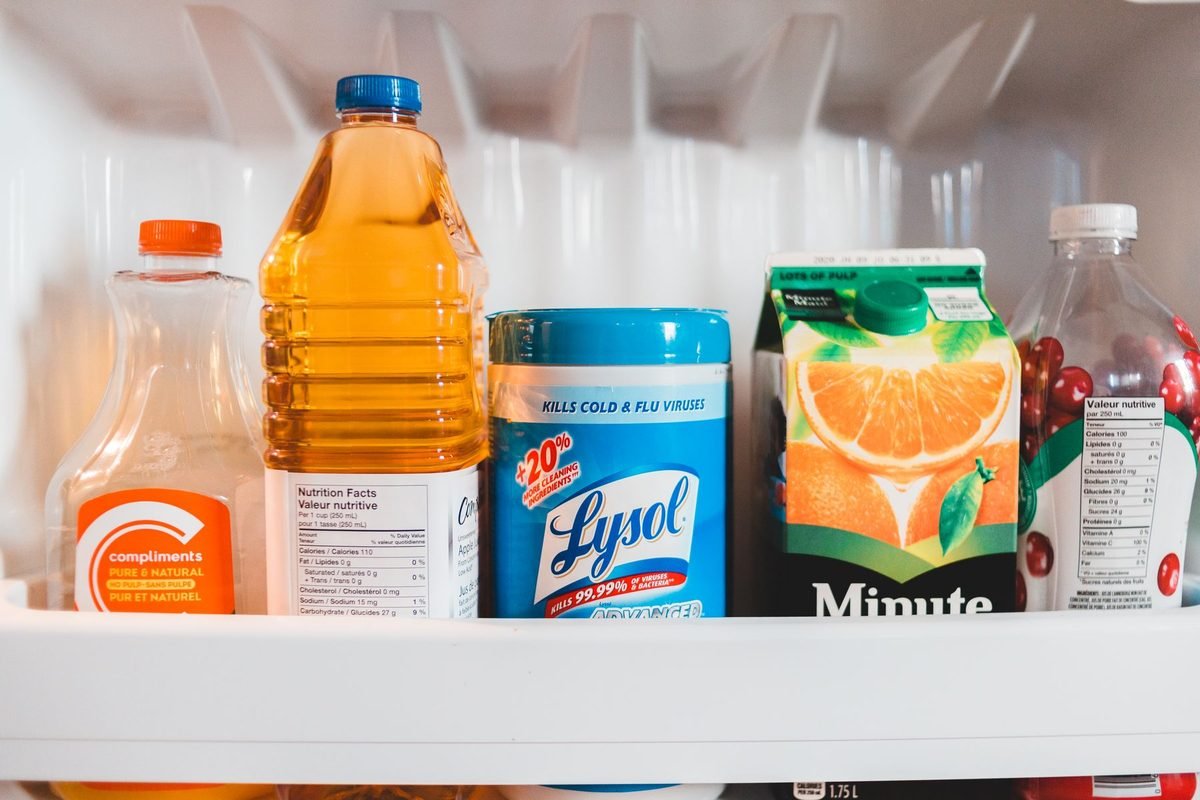
A small apartment fridge fills up fast, and a messy fridge leads to forgotten leftovers. Give each shelf and door bin one job. Drinks go in one door bin, condiments in another, and dairy on one shelf.
Clear fridge organizer bins on the main shelves work like drawers. Pull out the “snacks” bin or the “leftovers” bin without moving everything else. A fridge can organizer keeps drinks in a neat row.
Don’t store milk or eggs in the door. The FDA notes that storing food safely depends on a cold, steady temperature, and the door is the warmest part of the fridge.
18. Keep Produce in Baskets on the Counter

Fruit and vegetables that don’t need the fridge, like bananas, tomatoes, onions, potatoes and avocados, can live in a basket. Keeping them visible means you’ll actually eat them.
Choose one woven basket or a two-tier fruit stand so produce takes up height instead of counter width. Keep potatoes and onions in separate baskets, because onions make potatoes sprout faster.
If counter space is very tight, move the produce basket to the top of the fridge or to a rolling cart.
Sink Zone Ideas for a Small Apartment Kitchen
The area around and under the sink is one of the hardest-working spots in a small apartment kitchen. Sponges, soap, brushes and cleaning supplies all need a home, and the cabinet under the sink is often cramped with pipes.
19. Use a Caddy for Soap and Sponges
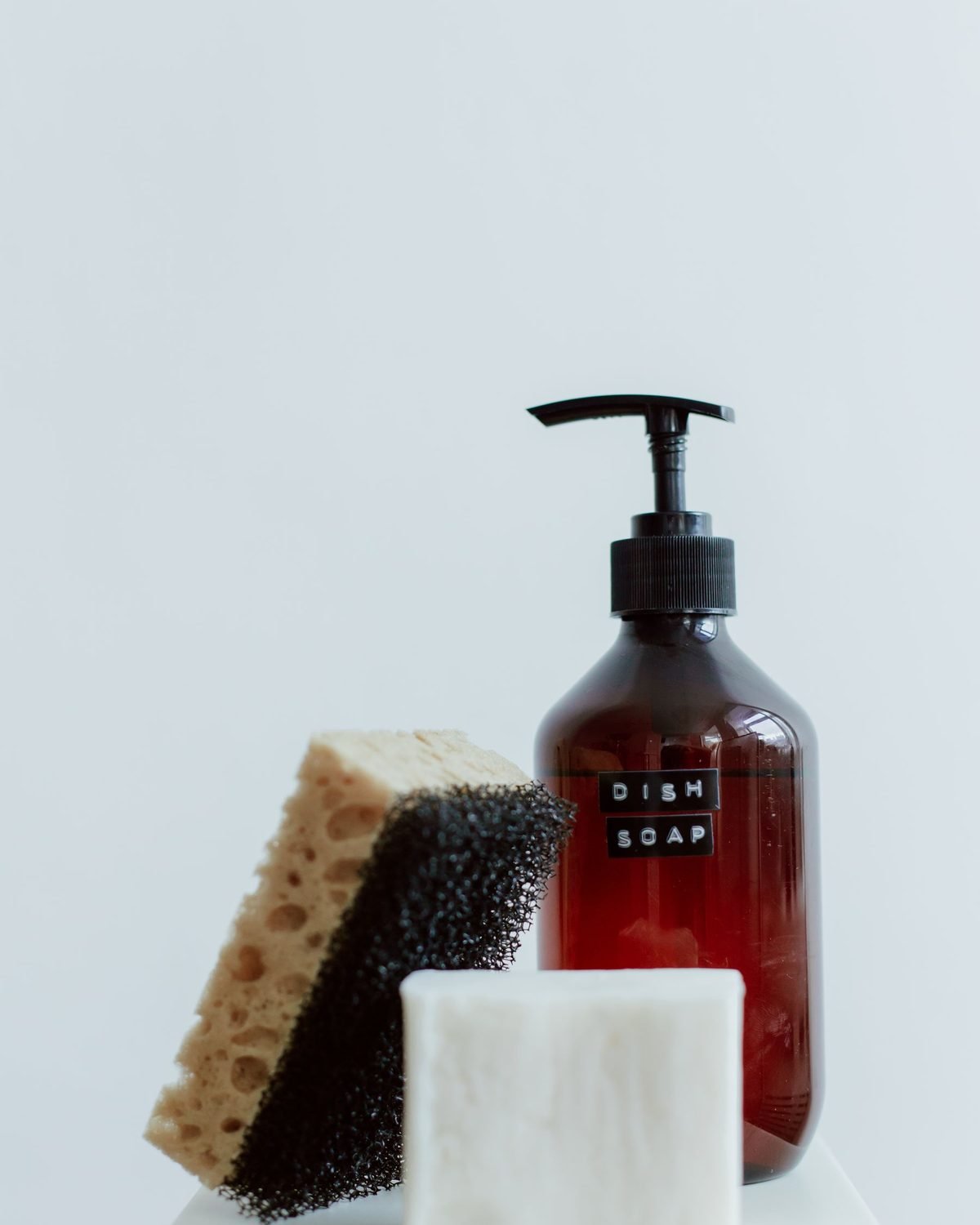
A wet sponge and a soap bottle sitting on the counter leave rings and look messy. A small sink caddy keeps them together, lets the sponge dry and makes wiping the counter easier.
Choose a caddy with a drainage tray, and rinse it once a week. Decanting dish soap into a glass soap dispenser instantly makes the sink area look calmer.
Keep only what you use daily by the sink: soap, one sponge and a brush. Everything else goes underneath.
20. Store Cleaning Supplies Together Under the Sink
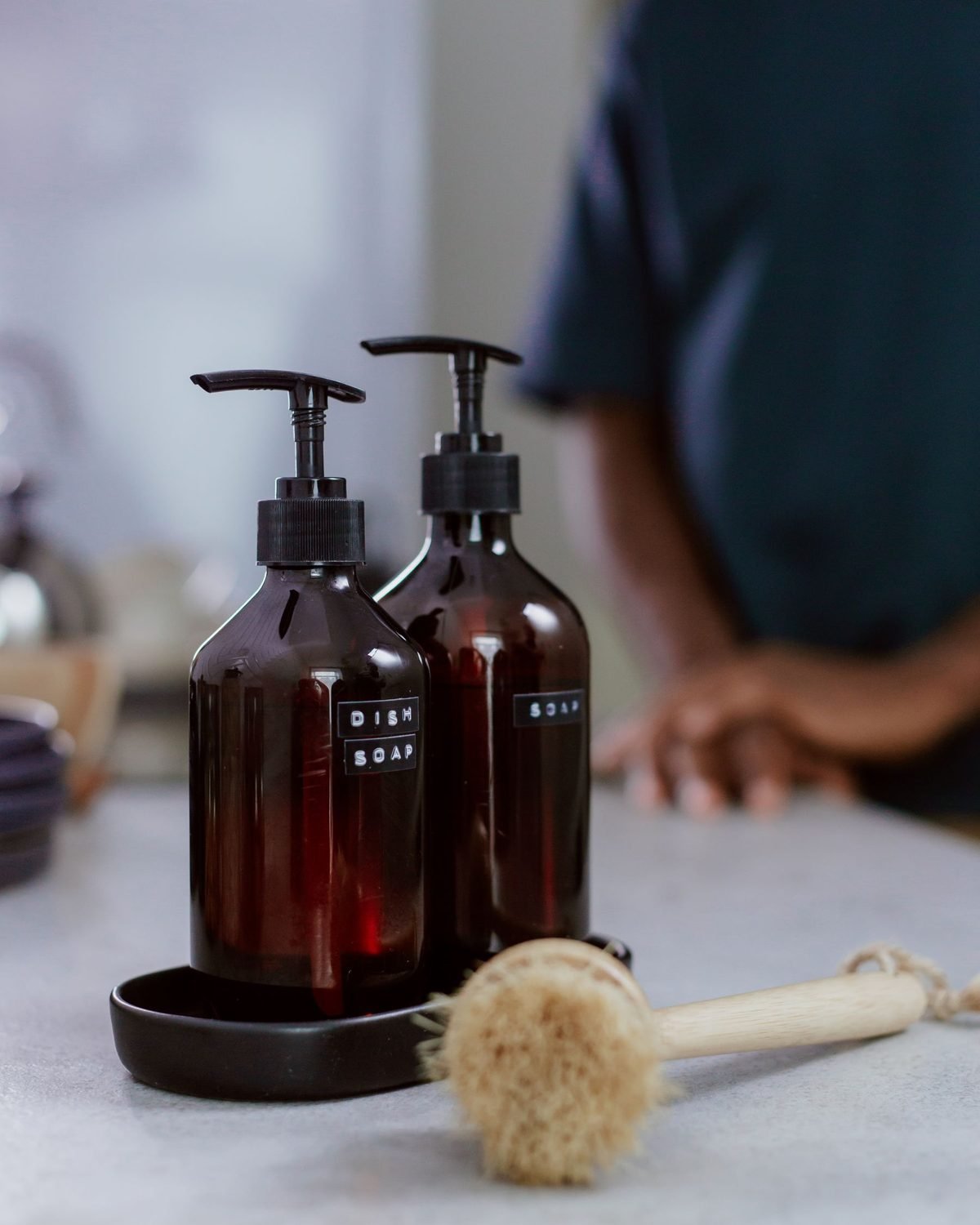
The cabinet under the sink is awkward, but it’s perfect for cleaning supplies. A two-tier under-sink organizer with an adjustable frame works around the pipes and doubles your storage.
Put everyday supplies like dish soap refills and spray cleaner in front, and backups in the back. Hang spray bottles from a tension rod across the top of the cabinet, and keep extra sponges and gloves in a small bin.
Lay a waterproof under-sink mat on the cabinet floor. It catches drips and protects the cabinet base, which is a common deposit deduction.
Small Apartment Kitchen Organization Mistakes to Avoid
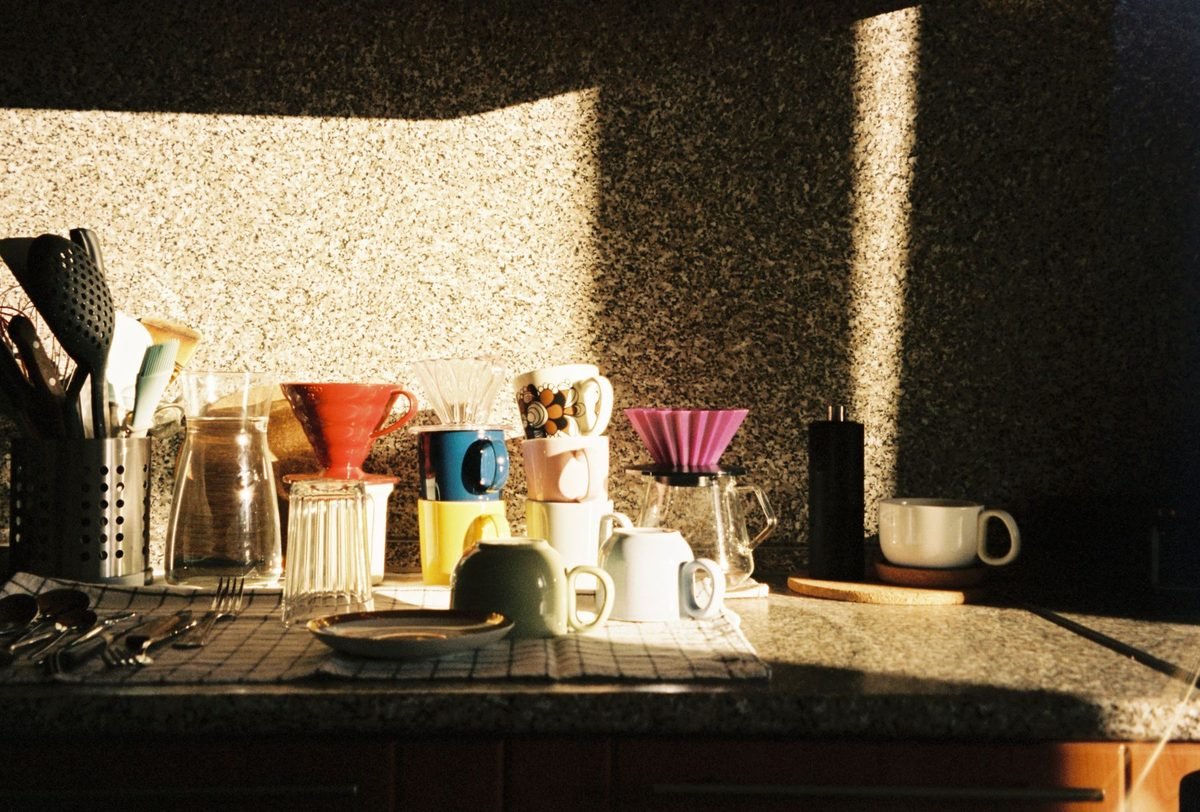
Even with good intentions, a few common mistakes can undo your hard work. Watch out for these.
Buying organizers before decluttering. If you organize things you don’t need, you’ll run out of space again. Declutter first, then measure, then shop.
Choosing pretty over practical. Matching canisters look great, but if they’re round, they waste space. Square, stackable containers are almost always better in a small apartment kitchen.
Filling every surface. A clear counter is a storage tool. When you fill it with decor, appliances and gadgets, you lose your prep space and the kitchen looks smaller.
Using strong adhesive on painted walls. Permanent mounting tape can pull off paint and drywall paper. Stick to removable products, test them first and remove them slowly by pulling the tab straight down.
Ignoring the fridge. A messy fridge wastes food and money. Spend five minutes before every grocery trip clearing out old leftovers.
Forgetting the “landing zone.” Groceries, mail and bags need somewhere to go when you walk in. If you don’t plan for them, they’ll end up on your prep counter.
What to Buy First for a Small Apartment Kitchen

You don’t need to buy every organizer at once. If you’re on a budget, these five items give you the biggest change for the least money:
- Shelf risers to double your cabinet space for dishes.
- Clear bins to turn deep cabinets into pull-out drawers.
- A two-tier under-sink organizer to tame the messiest cabinet.
- Airtight square containers for the dry goods you use most.
- Removable hooks or a tension rod to add wall storage without drilling.
Many of these are available at dollar stores, too. Our Dollar Tree kitchen organization hacks show how to set up a tidy apartment kitchen for under $25. If your pantry is a single cabinet, the tiny pantry ideas guide is a great next step.
A 10-Minute Weekly Reset for Your Apartment Kitchen
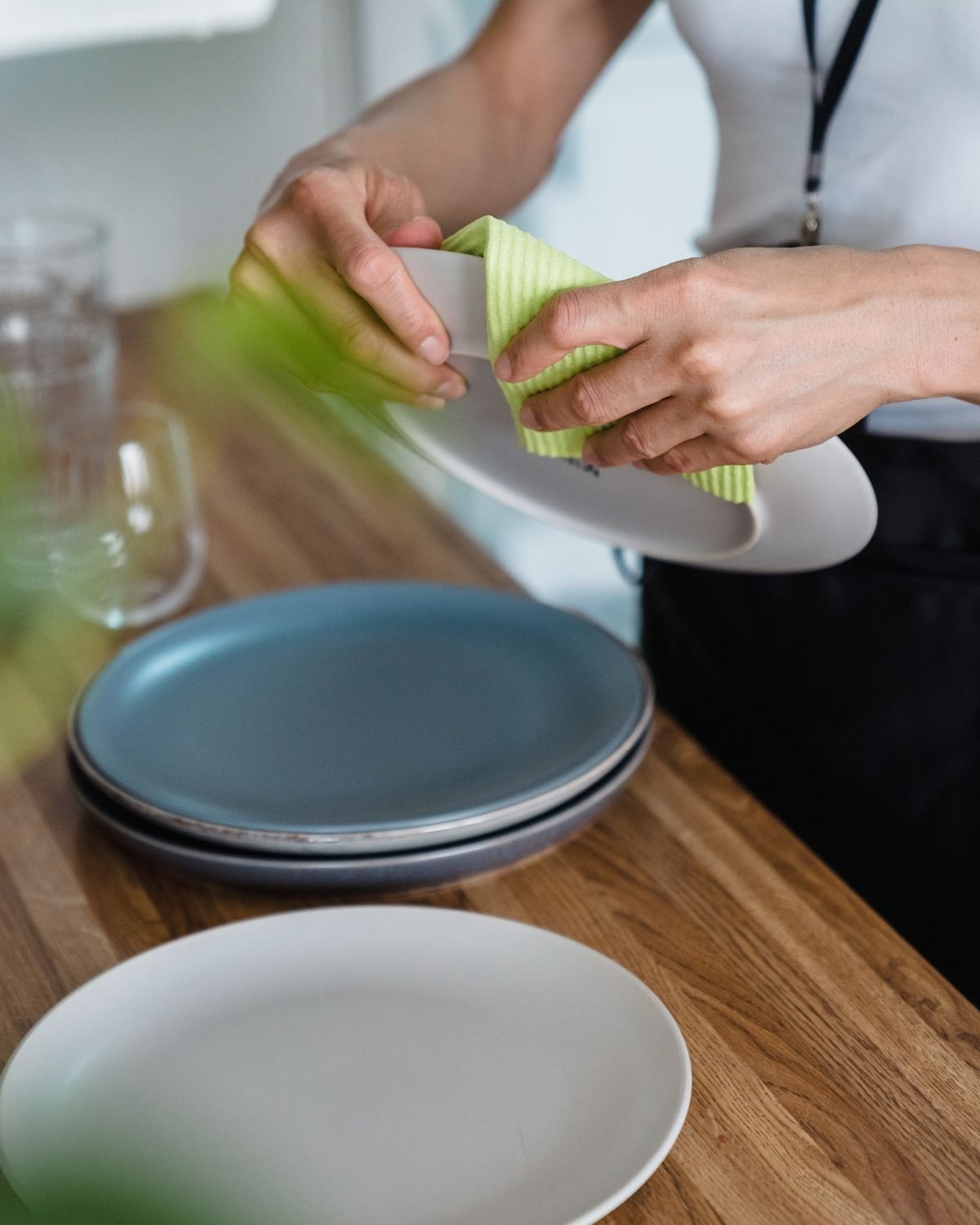
Organizing your apartment kitchen once is easy. Keeping it organized is the real challenge. A short weekly reset stops clutter from creeping back.
Set a timer for 10 minutes once a week, ideally the night before you grocery shop:
- Minutes 1 to 3: Clear the counters. Put away anything that doesn’t belong, and wipe the surfaces.
- Minutes 4 to 6: Check the fridge. Toss old leftovers and wipe any spills.
- Minutes 7 to 8: Refill containers and update your shopping list.
- Minutes 9 to 10: Empty the dish rack and take out the trash and recycling.
That’s it. Ten minutes a week keeps your small apartment kitchen organization working, and it makes grocery day easier. For a bigger picture, our small apartment organization ideas cover every room in your home.
Small Apartment Kitchen Organization FAQ
How do I organize a small apartment kitchen with no pantry?
Turn one or two cabinets into a pantry with clear bins and square containers. Use the top of the fridge, a slim rolling cart beside it and an over-the-door organizer on a closet door for extra food storage.
How can I add storage to my apartment kitchen without drilling?
Use shelf risers, tension rods, removable adhesive hooks, over-the-cabinet-door hooks, magnetic racks on the side of the fridge and freestanding furniture like a baker’s rack or rolling cart.
What should I keep on the counter in a small kitchen?
In a small apartment kitchen, keep only what you use every day, such as a coffee maker, a kettle, a knife block and a utensil crock. Everything else should go into cabinets or onto the walls.
How do I organize deep cabinets in a small kitchen?
Use bins with handles that pull out like drawers, and use turntables in corners. This is the backbone of good kitchen organization in any rental. Keep the items you use most at the front and the backups behind them.
Are adhesive hooks safe for renters?
Most removable adhesive hooks are safe on smooth, painted walls if you follow the weight limits and remove them carefully. Always test one hook first in a hidden spot.
How often should I reorganize my kitchen?
Do a quick 10-minute reset each week and a deeper declutter every three to six months, or whenever your storage feels full again.
Final Thoughts on Small Apartment Kitchen Organization
Small apartment kitchen organization isn’t about having the perfect kitchen. It’s about making the apartment kitchen you have work for you, without losing your deposit. Use the full height of every cabinet, keep counters for daily tasks, add removable storage to the walls and give every food item a clear, labeled home.
Start with one idea today. Add shelf risers to your dish cabinet or build a coffee station on a tray. Then add one new idea each week. In a month, your apartment kitchen will feel bigger, calmer and much easier to cook in.
Looking for more ways to make a rental feel like home? Browse our renter-friendly decor ideas and our fridge organization ideas for your next small project.